
Statue of Michael Drewsen
Bronze monument to the industrialist who built Silkeborg from wilderness into prosperity.
A bronze monument to Michael Drewsen (1804–1874), the industrialist who founded Silkeborg and transformed it from a remote settlement into a thriving town. Cast by sculptor Hans Peder Pedersen-Dan, the statue stands prominently in Torvet, the town's central square, surrounded by historic buildings and pedestrian pathways. It commemorates Drewsen's pivotal role in establishing the paper mill, advocating for infrastructure development, and shaping the region's industrial heritage.
A brief summary to Statue of Michael Drewsen
- Torvet, Silkeborg, 8600, DK
- Visit website
- Duration: 0.25 to 1.5 hours
- Free
-
 Outdoor
- Mobile reception: 5 out of 5
Local tips
- Visit on Saturday mornings when the weekly market fills Torvet with local vendors, food stalls, and vibrant energy, creating an authentic atmosphere around the statue.
- Combine your visit with the nearby Old Town Hall (tourism office) and Silkeborg Museum, located just 250 metres away, to deepen your understanding of the town's industrial heritage.
- Return in June to witness the annual tradition of new graduates dancing around the statue during their graduation celebrations—a joyful and uniquely Danish custom.
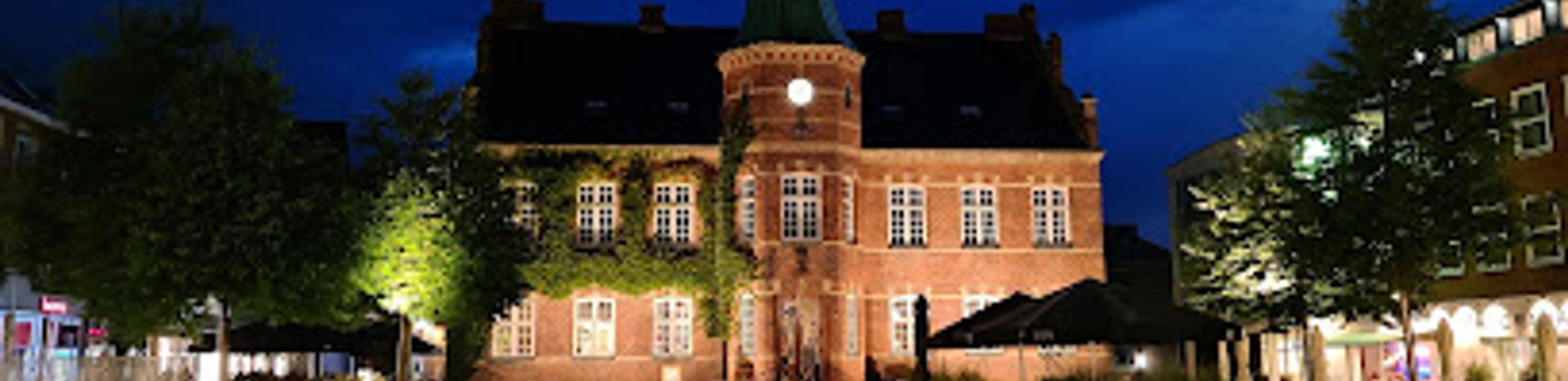
- Explore the surrounding pedestrian area at dusk when the square's fountains and historic buildings are beautifully lit, ideal for photography and evening strolls.

For the on-the-go comforts that matter to you
- Restrooms
- Drink Options
- Food Options
- Seating Areas
- Information Boards
- Visitor Center
Getting There
-
Walking from Silkeborg Train Station
From Silkeborg train station, head northwest through the town center toward the pedestrian area. The walk takes approximately 8–12 minutes. Follow signs toward Torvet or the Old Town Hall. The route is flat, well-marked, and passes through the main shopping streets. No admission required.
-
Bus from Central Jutland Region
Regional buses serve Silkeborg from surrounding towns including Aarhus (approximately 45 minutes, 80–120 DKK) and Viborg (approximately 30 minutes, 60–90 DKK). Alight at Silkeborg town center or main bus station. From there, Torvet is a 5–10 minute walk. Service runs throughout the day with reduced frequency on Sundays.
-
Car and Parking
Drive to Silkeborg town center and use public parking areas near Torvet. Several paid car parks are located within 100–200 metres of the square (typically 20–40 DKK per hour or 100–150 DKK per day). Street parking is also available but limited during peak hours. The statue is accessible immediately upon arrival at the square.
-
Bicycle from Surrounding Areas
Silkeborg is well-connected by cycling routes. From nearby towns and attractions, follow regional cycle paths toward the town center. Journey times vary (typically 20–60 minutes depending on origin). Bicycle parking is available around Torvet. No admission required.
Statue of Michael Drewsen location weather suitability
-
 Any Weather
Discover more about Statue of Michael Drewsen
The Founder's Legacy in Bronze
The Statue of Michael Drewsen stands as a bronze tribute to the man who single-handedly transformed Silkeborg from a rural outpost into a prosperous industrial town. Cast by the renowned sculptor Hans Peder Pedersen-Dan—the same artist responsible for the iconic Holger Danske statue at Kronborg—this monument captures the essence of 19th-century Danish entrepreneurship and civic ambition. Drewsen arrived in Silkeborg in 1844 and spent the next three decades reshaping the landscape, both literally and figuratively, leaving an indelible mark on the region's identity.Building a Town from Vision
When Drewsen established the Drewsen og Sønner paper mill in 1844, Silkeborg was little more than a collection of scattered farms. The mill's location on the Gudenå River was strategically chosen to harness water power for production and transportation. Within a single decade, the settlement's population exploded from 30 residents in 1844 to 556 by 1850, and continued climbing to over 1,200 by 1855. Drewsen's influence extended far beyond the factory gates: he lobbied relentlessly for roads and railways, established a gasworks and telegraph connection, and purchased the Hjejlen, a lake steamer that still operates today as a nostalgic link to the town's industrial past. His vision transformed Silkeborg into a market town by 1900, with a population exceeding 7,000 residents.A Monument Born of Controversy
The statue's creation was not without contention. After Drewsen's death in 1874, citizens proposed erecting a memorial in his honor. However, when a group formally applied in 1892 to place the statue in Torvet, opposition emerged from those who believed Drewsen had prioritized his own commercial interests over the welfare of his workers. Critics argued that he had failed to secure the long-term future of his employees. Despite these objections, the bronze statue was ultimately installed, becoming a permanent fixture in the town square and a symbol of Silkeborg's industrial foundation.A Living Tradition in the Town Square
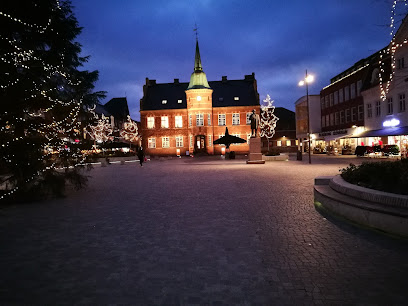
Today, the statue occupies a place of honor in Torvet, surrounded by the Old Town Hall (built in 1857 and now housing the tourist office), the city church, and the historic Hotel Dania, Silkeborg's oldest hotel founded in 1848. The square itself functions as a vibrant pedestrian area, hosting a weekly market on Saturdays and serving as the social heart of the town. A charming tradition has emerged: each year, new graduates celebrate their achievements by dancing around the Drewsen statue, transforming the monument into a symbol of hope and new beginnings rather than merely industrial legacy. Two fountains add to the square's appeal, creating an inviting atmosphere for both locals and visitors.Connections to Danish Cultural History
Drewsen's prominence extended into Denmark's cultural sphere. The Drewsen family hosted the celebrated author Hans Christian Andersen five times between 1850 and 1859. Andersen documented his visits in his diaries, describing trips to nearby landmarks such as Himmelbjerget and Aasen, and even naming a scenic overlook "Andersen's Highland" in his honor. These literary connections add a layer of cultural significance to Silkeborg's industrial narrative, linking the town to Denmark's golden age of literature and artistic achievement.Iconic landmarks you can’t miss

silkeborg
0.4 km
Historic 1871 railway landmark connecting Central Jutland with frequent regional services and heritage charm.
Silkeborg Water Tower
0.5 km
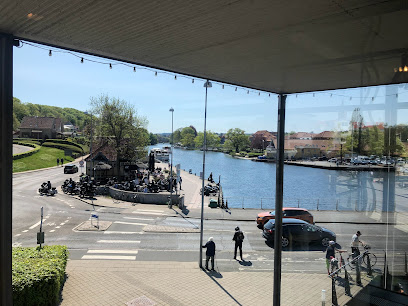
A heritage-listed industrial landmark symbolising Silkeborg's textile manufacturing legacy.
Lovisehøj
3.1 km
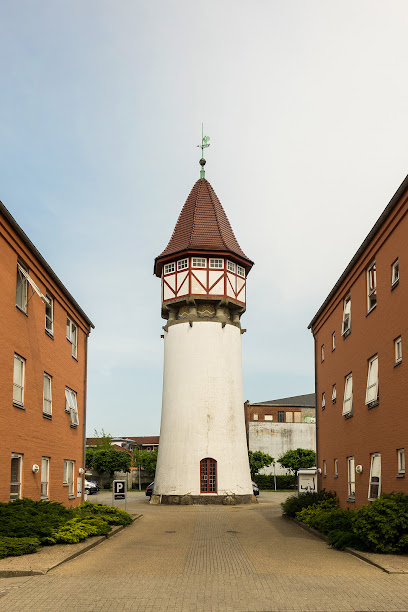
A 73-meter forest hill with royal heritage and sweeping views across Danish lakes and woodlands.
Silkeborg Vesterskov mindesten
3.7 km
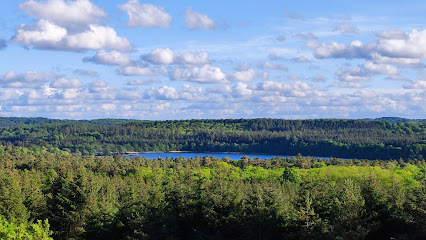
A modest memorial stone in Silkeborg Vesterskov, where forest tranquillity and wartime history meet in a quiet, contemplative woodland clearing.
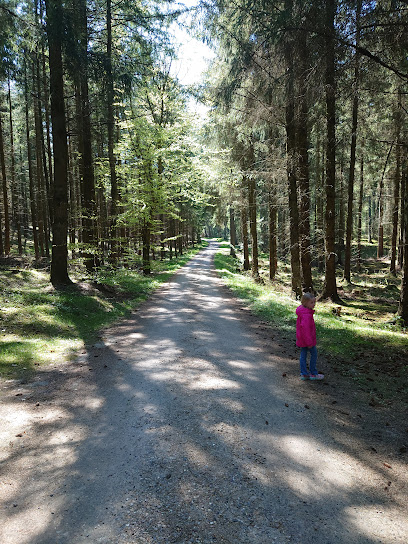
Store Troldhøj
10.4 km
A cone-shaped summit offering panoramic valley views and a climbing tree in Denmark's scenic lake district.
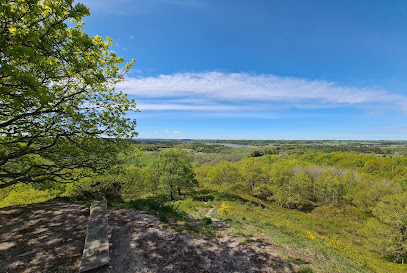
Bølling Lake
10.7 km
A restored glacial lake offering scenic walks, excellent fishing, and peaceful nature immersion in central Jutland.

Himmelbjerget rutebåd
10.8 km
Denmark's highest point crowned by a historic tower, accessible by scenic lake cruise or forest trail.
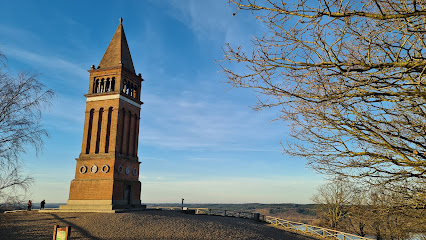
Randershøj
10.9 km
A scenic hilltop viewpoint offering panoramic vistas across Denmark's lake-filled landscape and forest-covered terrain.
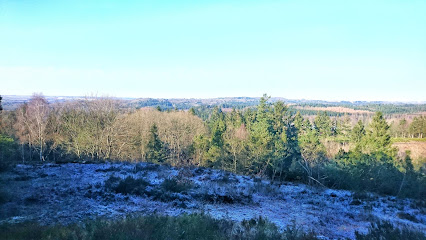
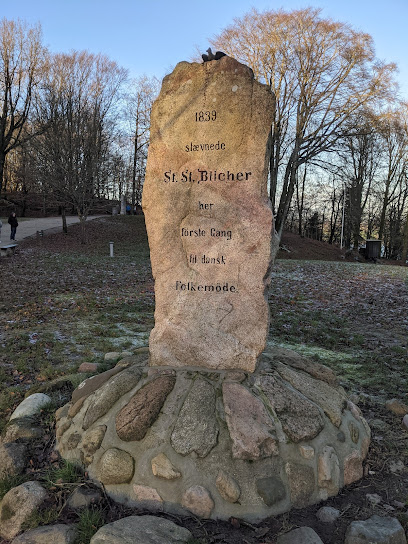
Folkemøde Mindesten anno 1839
11.2 km
Denmark's first democratic gathering, 1839—where ordinary citizens claimed their political voice.
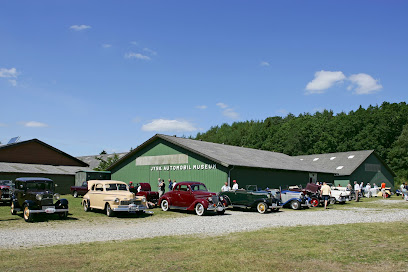
Jutland's Automobile Museum
13.6 km
Discover Denmark's automotive history at Jutland's Automobile Museum in Gjern, showcasing vintage cars and motorcycles from the early 1900s to iconic post-war models, offering a unique glimpse into the nation's motoring heritage.
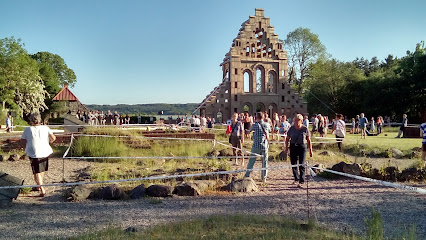
Abbey Mill
17.0 km
Explore Abbey Mill in Skanderborg: A picturesque blend of history and nature, perfect for leisurely strolls and unforgettable experiences.

Øm Klostermuseum
18.0 km
Discover Denmark's medieval monastic life at Øm Klostermuseum near Ry: Explore ruins, gardens, and artifacts revealing centuries of history and brewing traditions.
Jutland
20.4 km
Discover Jutland, Denmark: Explore Viking history, stunning nature, and family fun on the mainland peninsula, offering an authentic Danish experience.
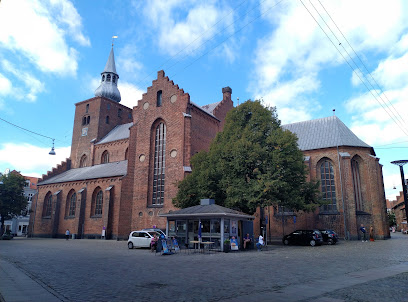
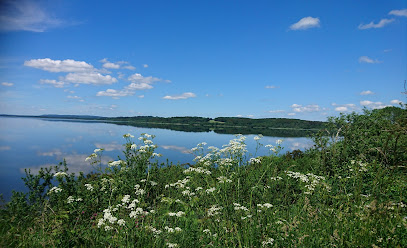
Mossø
20.6 km
Discover the serene beauty of Mossø, Denmark's third-largest lake, offering hiking, watersports, and historical sites in the heart of the Danish Lake District.
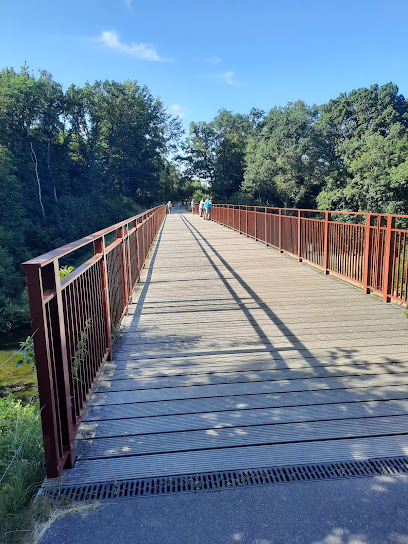
The Uncovered Bridge
23.5 km
A hidden railway bridge buried for 85 years, spectacularly restored and now one of Denmark's most beloved landmarks.
Unmissable attractions to see

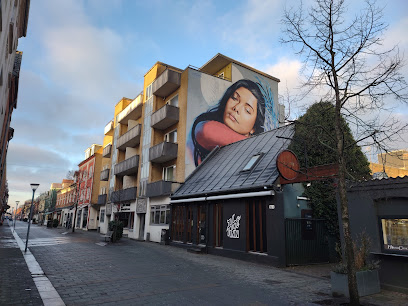
Vægmaleri
0.2 km
Experience the tradition of Denmark’s lake steamers aboard Turbådene Himmelbjerget, a nostalgic boat journey bridging Ry, Silkeborg, and the legendary hill.
Museum Silkeborg, Hovedgården
0.3 km
Step into Silkeborg’s oldest manor house to meet Tollund Man, explore bog mysteries and trace the town’s journey from Iron Age wetlands to modern Jutland hub.

Tollundmanden
0.3 km
Meet the Tollund Man, a 2,400‑year‑old bog body whose hauntingly preserved face and story of ritual, death and discovery define Museum Silkeborg’s Iron Age heart.

Springvand
0.3 km
Silkeborg Langsø’s towering fountain turns the town’s central lake into a stage of water and light, blending engineering spectacle with everyday lakeside life.
Galerie Moderne Silkeborg
0.4 km
One of Scandinavia’s largest modern art galleries, blending CoBrA masterpieces, contemporary works and a welcoming, free-to-enter space in central Silkeborg.
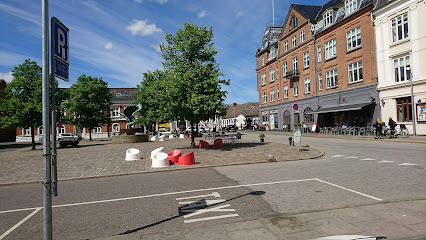
Museum Silkeborg, Papirmuseet
0.4 km
A living paper workshop in Silkeborg’s old factory, where you watch pulp become sheets, learn about banknote paper and try your hand at this quietly magical craft.

Silkeborg Archive
0.4 km
Silkeborg’s collective memory, preserving documents, images and stories that trace the lakeside city’s journey from industrial outpost to modern municipality.
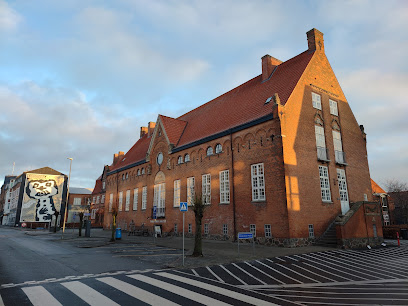
The Hjejle Agency
0.4 km
Denmark's oldest steamship still operating with its original 1861 engine, offering historic cruises through the scenic Silkeborg Lake District.
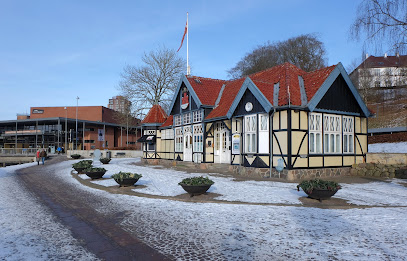
Badeanstalten
0.4 km
Denmark's most authentic bathhouse—a historic Nordic wellness sanctuary preserving centuries of bathing tradition.
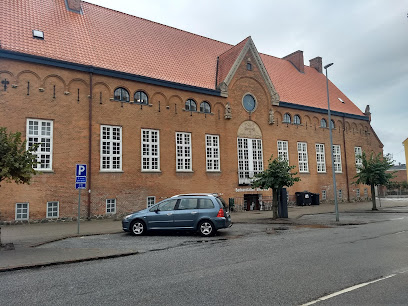
Riverboat Jazz Festival
0.5 km
Swinging jazz, riverboats and long Nordic evenings fuse in Silkeborg’s lake district for a five-day celebration where the entire town becomes a waterside stage.
Kedelhuset
0.5 km
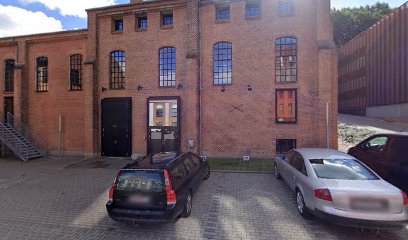
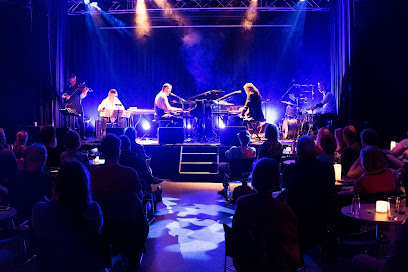
Intimate live music and performance venue in Silkeborg’s former paper mill boiler house, blending industrial charm with a modern black box concert hall.
Slotsholmen
0.7 km
Experience breathtaking panoramic views over Silkeborg's heather-clad hills and serene lakes at Kongestolen, a must-visit for nature enthusiasts.
Silkeborg Søerne
0.7 km
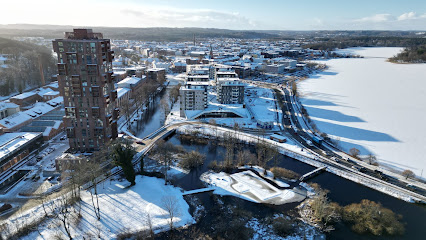
Denmark's premier water gateway—paddle, cruise, and explore the pristine lakes of Søhøjlandet from the heart of Silkeborg.
Museum Jorn, Silkeborg
1.1 km
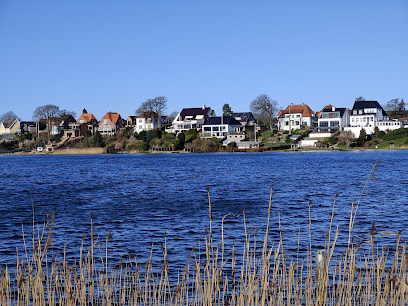
Riverfront modern art sanctuary in Silkeborg, uniting Asger Jorn’s bold legacy, CoBrA masterpieces and hands-on creativity in an intimate, light-filled museum.

Dronningestolen
1.1 km
A modest forest hill with a royal name, Dronningestolen offers a framed Silkeborg panorama, woodland quiet and a sense of history above the lakeside town.
Essential places to dine

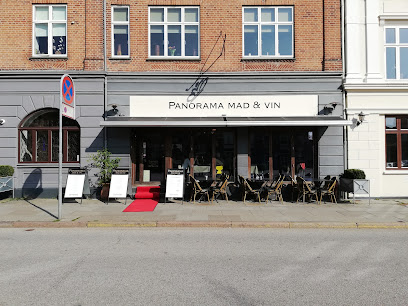
Panorama Mad & Vin
0.0 km
Classic Danish lunch and French brasserie cooking in Silkeborg’s old town hall, with white tablecloths, city views and a warm, urban-hygge atmosphere.
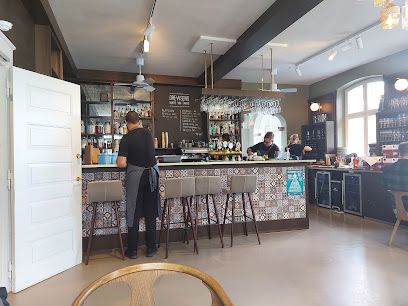
Drewsens Spisehus Silkeborg
0.0 km
Stylish Nordic sharing plates, brunch and speciality coffee served in Silkeborg’s historic town hall, overlooking the lively main square on Torvet.
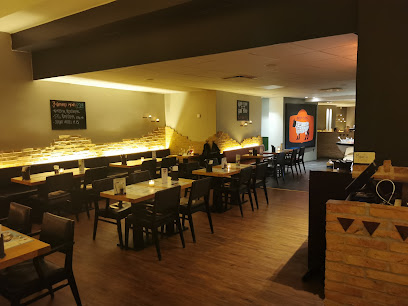
Jensens Bøfhus
0.0 km
Casual Danish steakhouse on Silkeborg’s main square, serving familiar grills, burgers and family-friendly favourites in relaxed, central surroundings.
Underhuset
0.1 km
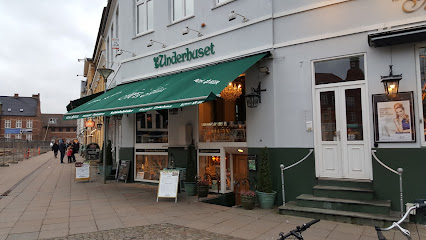
Family‑run brasserie on Silkeborg’s central square, blending Danish classics and French‑inspired dishes with a cosy dining room and lively terrace on Torvet.
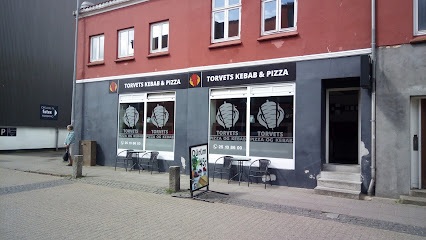
Torvets Kebab & Pizza
0.1 km
Central Silkeborg’s no‑nonsense stop for generous kebab, salad‑topped pizzas and quick, budget‑friendly meals just a short stroll from the main town square.
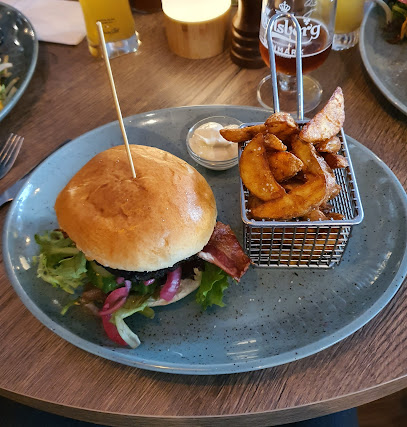
Cafe K Silkeborg
0.2 km
Silkeborg's vibrant casual dining hub where quality brunch, cocktails, and community converge.
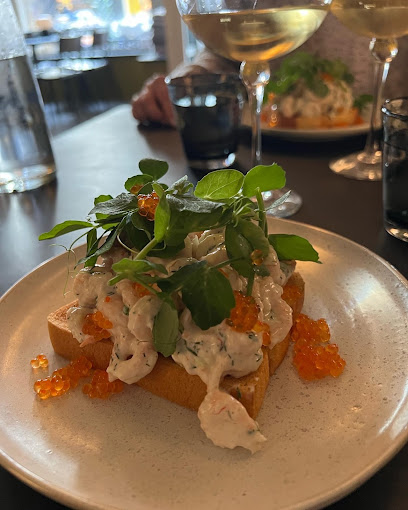
Four Hands Restaurant
0.2 km
Intimate, chef-led dining in central Silkeborg where a daily changing set menu, seasonal Danish produce and warm hygge hospitality turn dinner into an evening-long experience.
Daruma Ramen
0.2 km
Cosy Japanese noodle bar on Søndergade in Silkeborg, serving comforting ramen and crisp chicken katsu in a simple, relaxed setting ideal for casual meals.
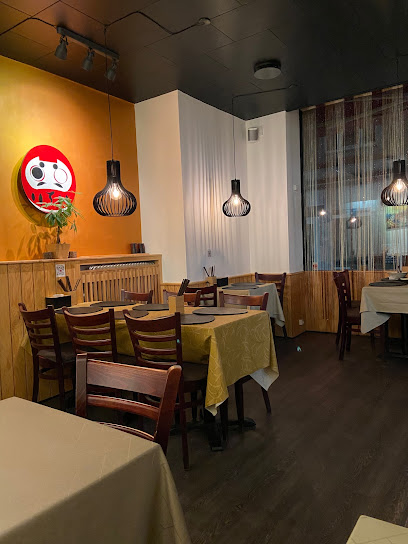
Asian Restaurant & Café
0.2 km
Cozy Southeast Asian flavors in the heart of Silkeborg, pairing Vietnamese and Thai dishes with a warm, relaxed atmosphere on lively pedestrian Søndergade.
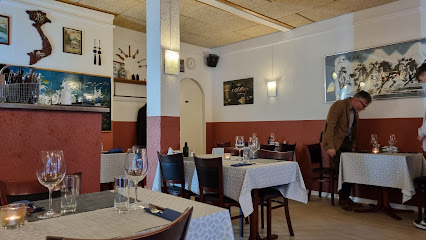
Regatta Sandwich
0.2 km
Freshly baked Italian sandwiches in the heart of Silkeborg—quality ingredients, casual charm.
Hot Inn
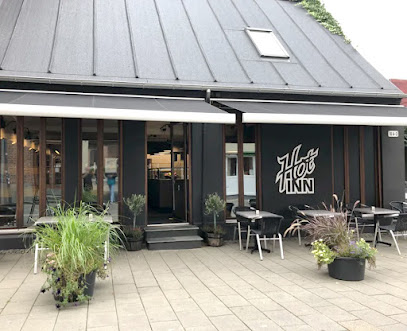
0.2 km
Casual Middle Eastern–inspired comfort food, fresh from the charcoal grill, served in a simple, welcoming space on bustling Nygade in central Silkeborg.
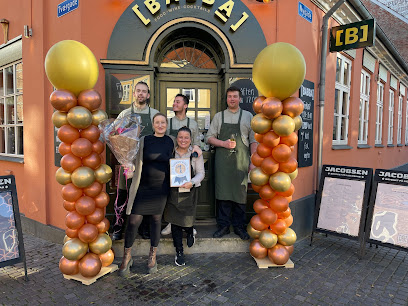
BABBA
0.2 km
Mediterranean-inspired social dining, wine and cocktails in a cosy Silkeborg townhouse with a lively bar and atmospheric courtyard terrace.
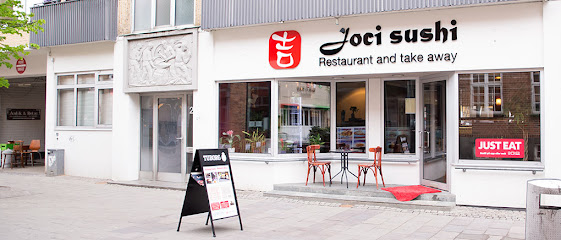
Joci Sushi
0.2 km
Casual, central Silkeborg sushi spot with generous platters, warm purple-toned interiors and a strong takeaway culture on lively pedestrian Nygade.
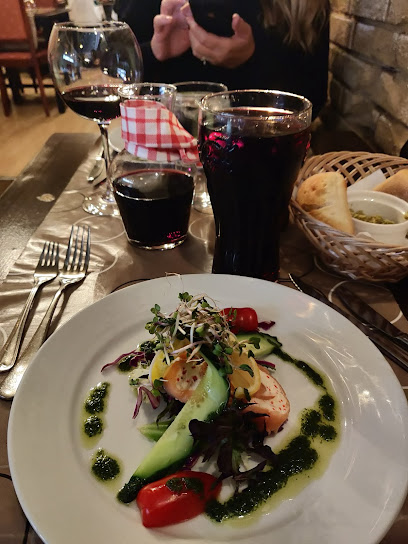
Marco Polo - Silkeborg
0.3 km
Authentic Italian and Brazilian cuisine in cozy Silkeborg surroundings.
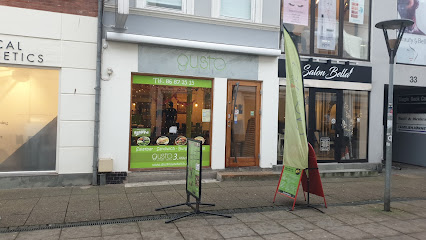
Gusto Silkeborg
0.3 km
Savor delicious sandwiches, pizzas, and salads at Gusto Silkeborg – your culinary stop in the heart of Denmark.
Markets, malls and hidden boutiques

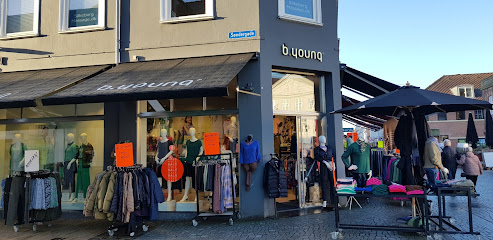
b.young Silkeborg
0.0 km
A contemporary Danish womenswear boutique in central Silkeborg, offering accessible Scandinavian style, versatile outfits and relaxed, easy-going browsing.
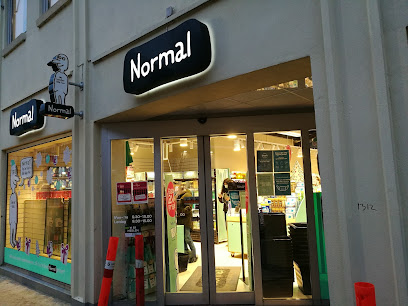
Normal
0.0 km
Denmark's original discount retailer where treasure hunting meets affordability in quirky, welcoming surroundings.
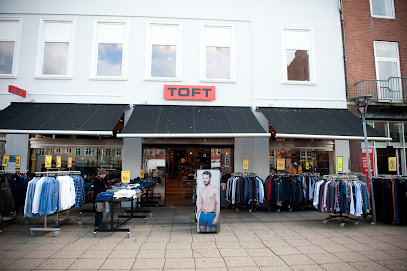
TOFT SHOP
0.0 km
Curated menswear blending timeless elegance with contemporary style in Silkeborg's charming lake district.
Tenna Og Jens Kristian I/S
0.1 km
Family-run multibrand womenswear house in central Silkeborg, combining 400 m² of contemporary fashion, personal styling and Scandinavian labels on lively Vestergade.
Bustedwoman.com
0.1 km
Curated European fashion and personalized styling in Silkeborg's premier women's boutique.
Bivs.dk
0.1 km
Silkeborg's dedicated children's clothing and toy specialist with extended daily hours.
Femilet
0.1 km
Premium Scandinavian lingerie and intimate wear for women seeking comfort, quality, and perfect fit.
Buksecompagniet
0.1 km
Independent Silkeborg fashion store mixing timeless Scandinavian basics, denim and footwear with seasonal trends for both men and women on lively Søndergade.
Christoffersen Silkeborg A/S
0.1 km
Established jeweller on Silkeborg’s main square, blending classic gold and silver pieces, quality watches and attentive service in a calm, central setting.
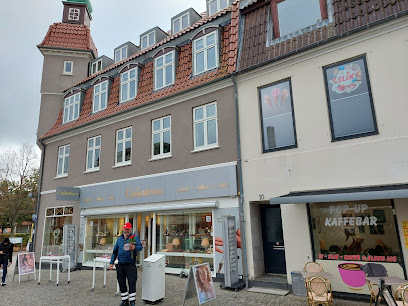
H&M
0.1 km
Central Silkeborg fashion stop combining global H&M style with small-town convenience on the lively Torvet square.
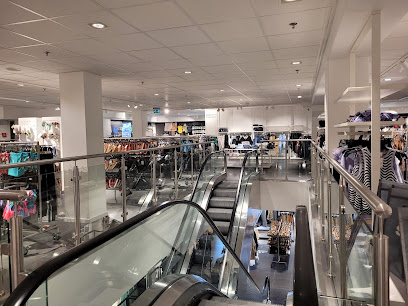
Bog & idé - Silkeborg Vestergade
0.1 km
Silkeborg's beloved bookstore and stationery hub since 1930, offering books, office supplies, and gifts.
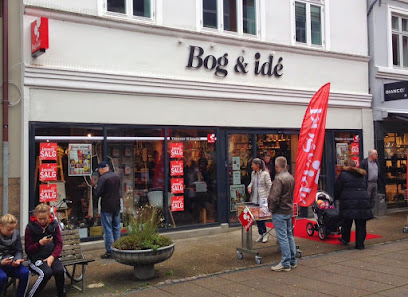
Helm
0.1 km
Two centuries of Danish leather heritage meets contemporary design in Silkeborg's premier bag and luggage destination.
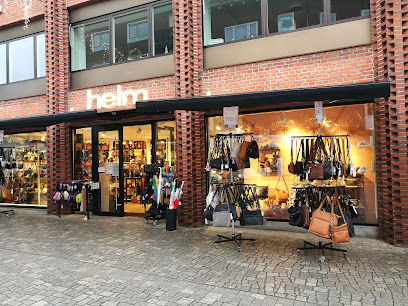
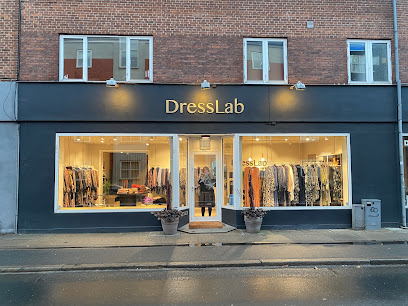
DressLab
0.1 km
Scandinavian fashion curated for contemporary women in the heart of Silkeborg.
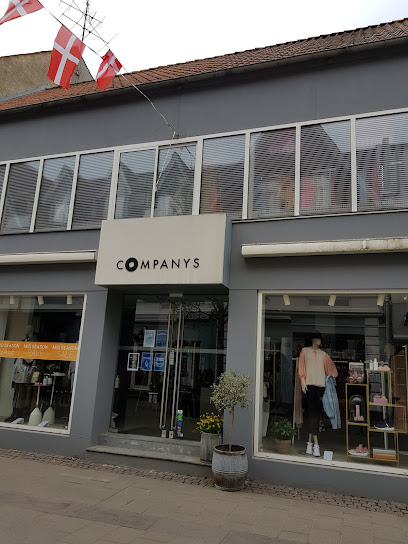
Companys Silkeborg
0.1 km
Modern Scandinavian womenswear in a calm, central Silkeborg boutique, ideal for curated wardrobe updates between café stops and city-center strolls.
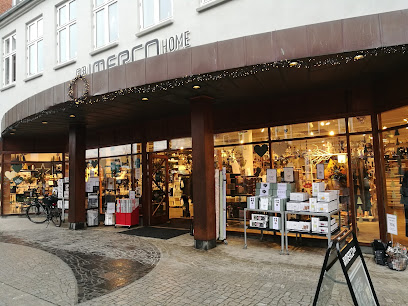
Imerco
0.1 km
Central Silkeborg homeware hub for Danish design, practical kitchen gear and cosy hygge accents, ideal for gifts, souvenirs and everyday essentials.
Essential bars & hidden hideouts

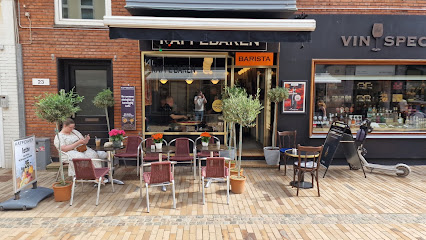
Kaffebaren
0.2 km
Neighbourhood-style coffee bar on Vestergade in Silkeborg, pairing carefully made espresso drinks and iced coffees with a cosy, Scandinavian-inspired atmosphere.
Café Kling Klang
0.2 km
Intimate, candlelit bar-café on Silkeborg’s Søndergade, blending everyday hygge, music and drinks in a laid-back neighbourhood atmosphere.

Roxy Malt
0.2 km
Irish-inspired Silkeborg pub with live music, quizzes, speciality beers and a cosy courtyard, blending retro charm with late-night energy in the town centre.
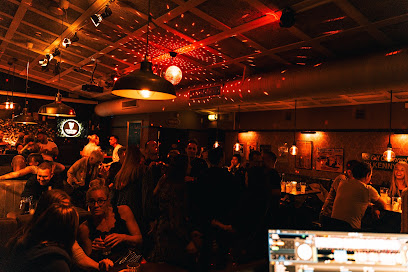
The Admiral Pub
0.2 km
Classic Danish bodega bar in central Silkeborg, serving inexpensive drinks and everyday atmosphere from quiet daytime pints to late‑night weekend sessions.
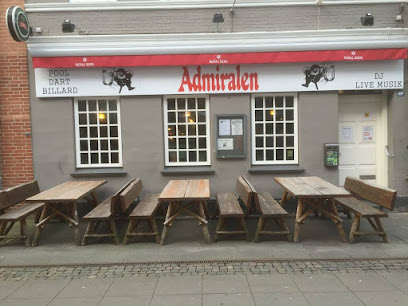
Zwei Grosse Bier Bar
0.3 km
Alpine-inspired après-ski party bar with karaoke, beer pong, and group celebrations in central Silkeborg.
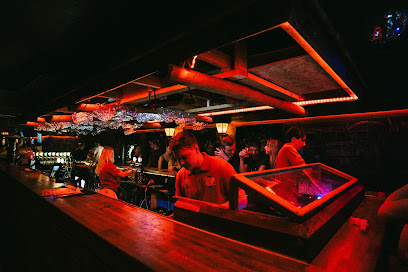
Butchers Silkeborg
0.3 km
Compact late-night bar and nightclub in central Silkeborg, serving high-energy music, simple drinks and a youthful party vibe on weekend nights.
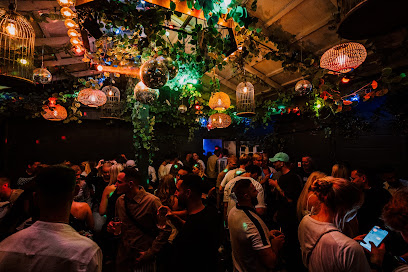
Bifrost Sports Pub
0.3 km
Silkeborg's premier sports bar for live action, cold drinks, and vibrant nightlife.
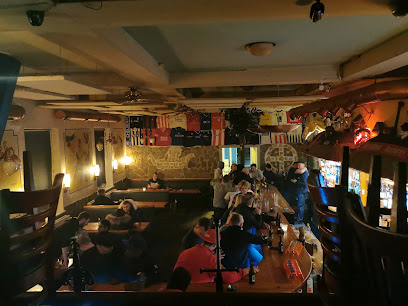
The bar Silkeborg ApS
0.4 km
Intimate late-night bar on Nygade in central Silkeborg, mixing easygoing pub charm with nightclub energy from evening drinks to early-morning dancing.
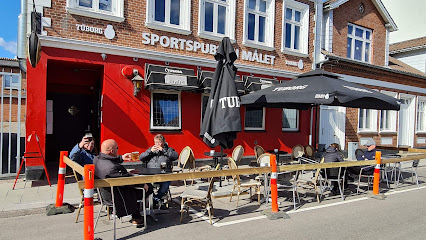
Sportspubben Målet
0.4 km
A cozy, no-frills sports pub in central Silkeborg, where big screens, cold beer and local chatter turn every match day into a shared living room.
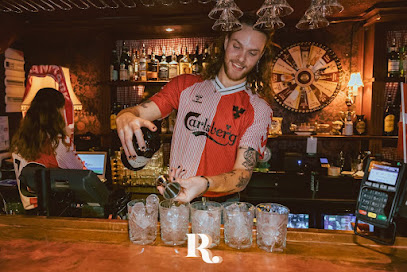
Rabalder Bar
0.4 km
Cozy living‑room bar in Silkeborg serving affordable drinks, sing‑along hits and late‑night party vibes in a compact, homey setting.
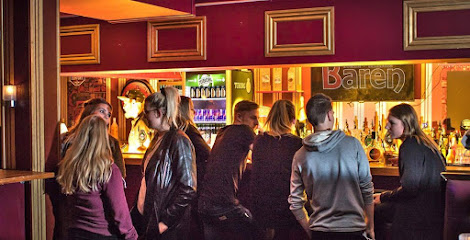
NO 21 -Tapas & vinbar i Silkeborg
0.4 km
Riverside tapas and wine bar with curated selections and panoramic river views in central Silkeborg.
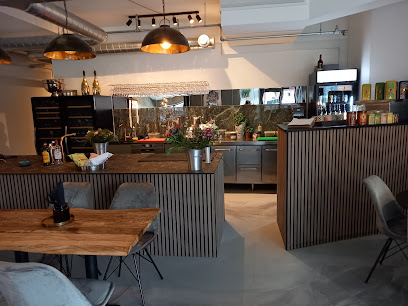
Cafe' Paradis
0.5 km
A compact, old‑school bodega in central Silkeborg, serving cold beers, local atmosphere and late‑night conversation in an unpretentious, lived‑in bar setting.
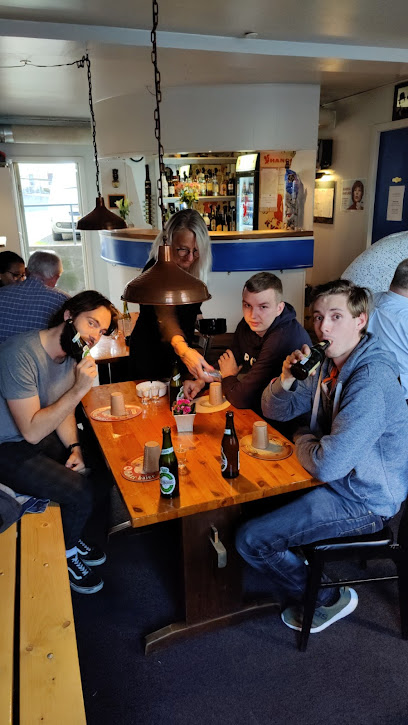
Bodega Hjørnet
0.8 km
A cosy corner bodega in central Silkeborg, where dim lights, cold beer and easy conversation capture the timeless charm of Danish bar culture.
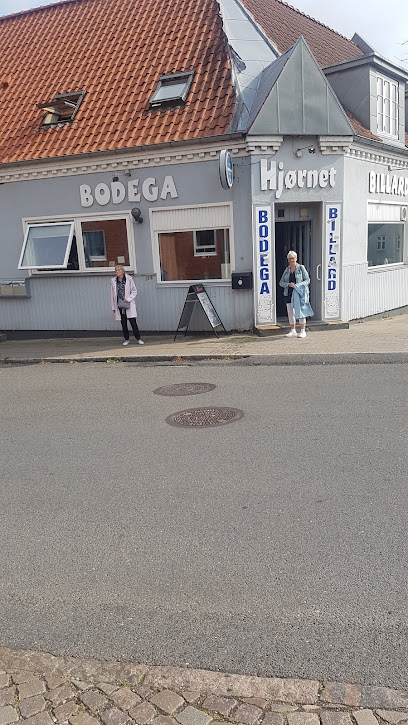
Bakkens bodega
0.9 km
Unpretentious beer hall on Århusvej where locals, cold drafts and simple pub fare create a slice of everyday Silkeborg life from late morning to late evening.
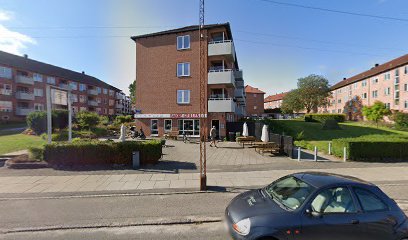
The Smoke Pub
0.9 km
A classic Silkeborg bodega on Borgergade, where smoke, cold beer and easy conversation create an unpretentious local living room from late morning to late night.
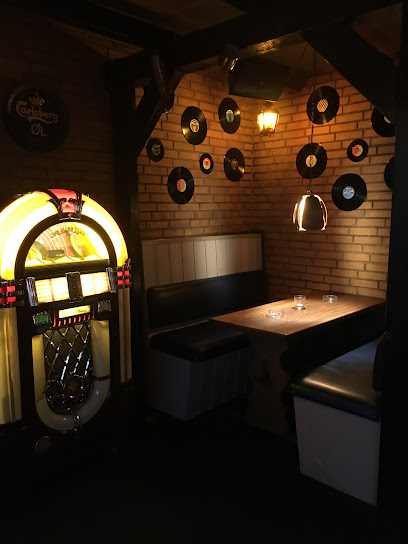
Nightclubs & after hour spots

B'sharp - Silkeborg Rhythm Og Blues Association
0.3 km
Volunteer-run blues stronghold in central Silkeborg, where intimate weekend concerts, affordable drinks and close-up performances keep rhythm & roots music alive.
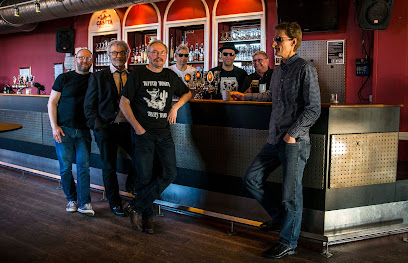
Team Paderborner
27.9 km
Nightclub entertainment in Denmark's scenic Dyrehaven forest and lakeside setting.
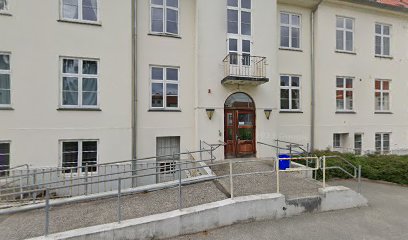
Vesterbro Pub
32.5 km
Vesterbro Pub offers an authentic slice of Danish bodega culture in central Viborg, where locals gather for affordable drinks, lively chats, and classic pub games.
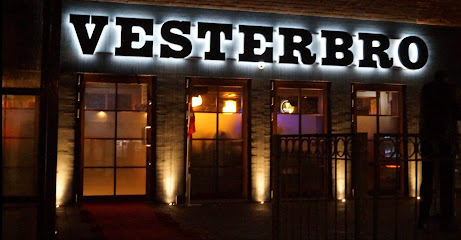
ANDERS LAUSTSEN A/S
34.1 km
Compact, casual late-night bar and dance spot in Viborg, offering simple drinks, music, and a local Danish nightlife vibe just beyond the historic center.
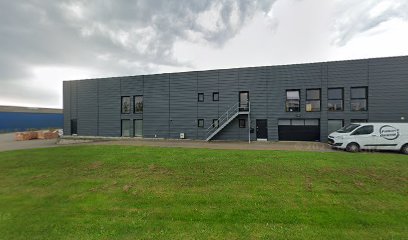
Piano Herning
35.5 km
Experience Herning’s vibrant nightlife in a cozy piano bar with live music, great cocktails, and classic Danish hospitality in the center of town.
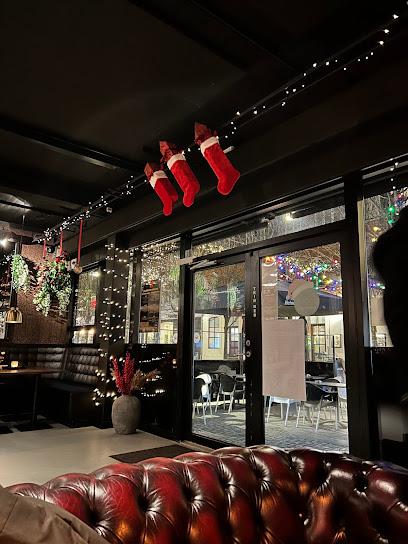
Murphy's Pub
35.5 km
Traditional Irish pub in the center of Herning, Denmark, featuring welcoming atmosphere, live music, a variety of beers and whiskies, and lively sports viewing.
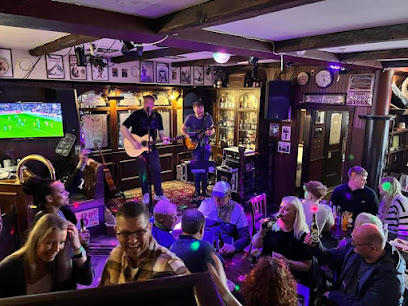
Bart
35.5 km
Stylish cocktail bar in central Herning, renowned for inventive drinks, cheerful ambiance, and generous opening hours—an essential stop for experiencing the city’s modern nightlife.
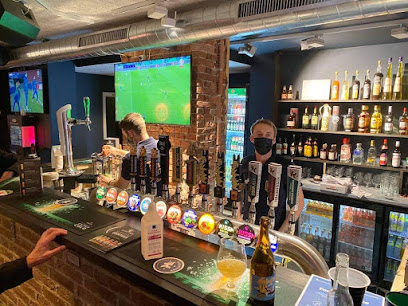
Mindegade5
35.8 km
Experience the heartbeat of Herning's nightlife at Mindegade5, where music, dance, and celebration converge.
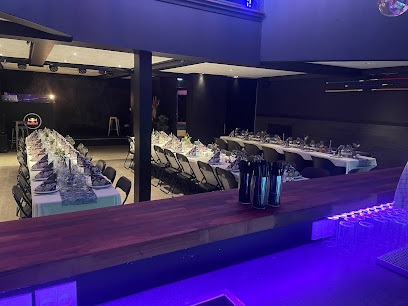
Fermaten
36.0 km
Experience Herning’s vibrant music scene at Fermaten, the city’s top venue for live concerts, cultural events, and dynamic nights out in central Jutland.
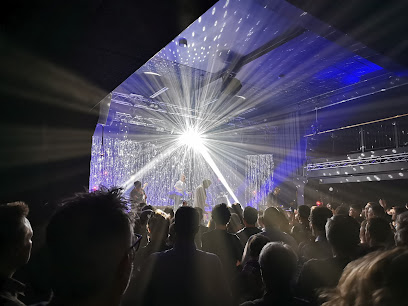
Scandic Opus Horsens
37.3 km
A contemporary Scandinavian hotel in Horsens with spa, dining, and panoramic city-to-nature views—an elegant gateway to both urban and outdoor experiences.
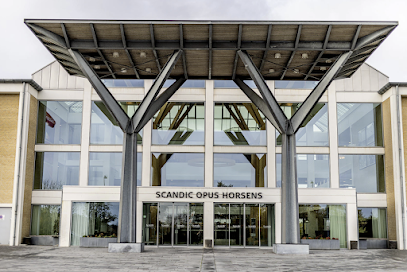
Jazzens Venner
37.4 km
Experience live jazz performances in Randers' intimate and vibrant Jazzens Venner club.
Der Kuhstall Mønsted
37.9 km
Rural barn vibes meet late-night beats at this countryside nightclub near Viborg, where casual crowds, strong drinks and a compact dance floor power the weekend.
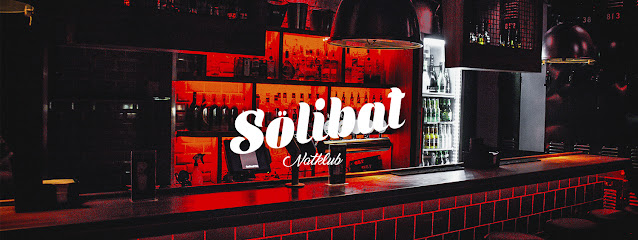
Sölibat Natklub
38.7 km
Late-night, no-frills clubbing in central Horsens, where loud music, simple drinks and a compact dance floor create an unapologetically local party vibe.
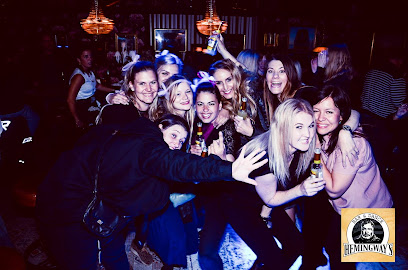
Hemingway's Horsens
38.7 km
Late-night disco bar in central Horsens with a mature crowd, classic hits from past decades and a cozy-but-lively atmosphere every Friday and Saturday.
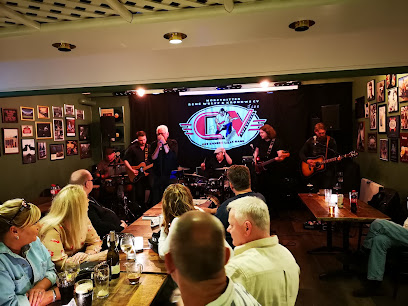
Morzybitten
38.8 km
Experience the essence of Danish 'hygge' at Morzybitten, Horsens' premier barista and beer bar with live music.
For the vibe & atmosphere seeker
- Scenic
- Unique
- Casual
- Lively
For the design and aesthetic lover
- Retro Vibes
- Vintage Styles
For the architecture buff
- Historic
- Landmarks
- Heritage Neighborhoods
For the view chaser and sunset hunter
- Iconic Views
For the social media creator & influencer
- Instagrammable
- Photo Spots
- Architectural Shots
For the eco-conscious traveler
- Car-Free Access
- Public-Transport Accessible
For the kind of experience you’re after
- Cultural Heritage
- Photowalk
- Day Trip
For how adventurous you want the journey to be
- Easy Access
Location Audience
- Family Friendly
- Senior Friendly
- Wheelchair Access
- Solo Friendly
- Couple Friendly


