
Mols Bjerge, Mols Bjerge National Park Travel Guide
Discover wild hills, glacial formations, rich wildlife, and ancient burial mounds in Denmark’s dramatic Mols Bjerge National Park, a paradise for hikers and nature lovers.
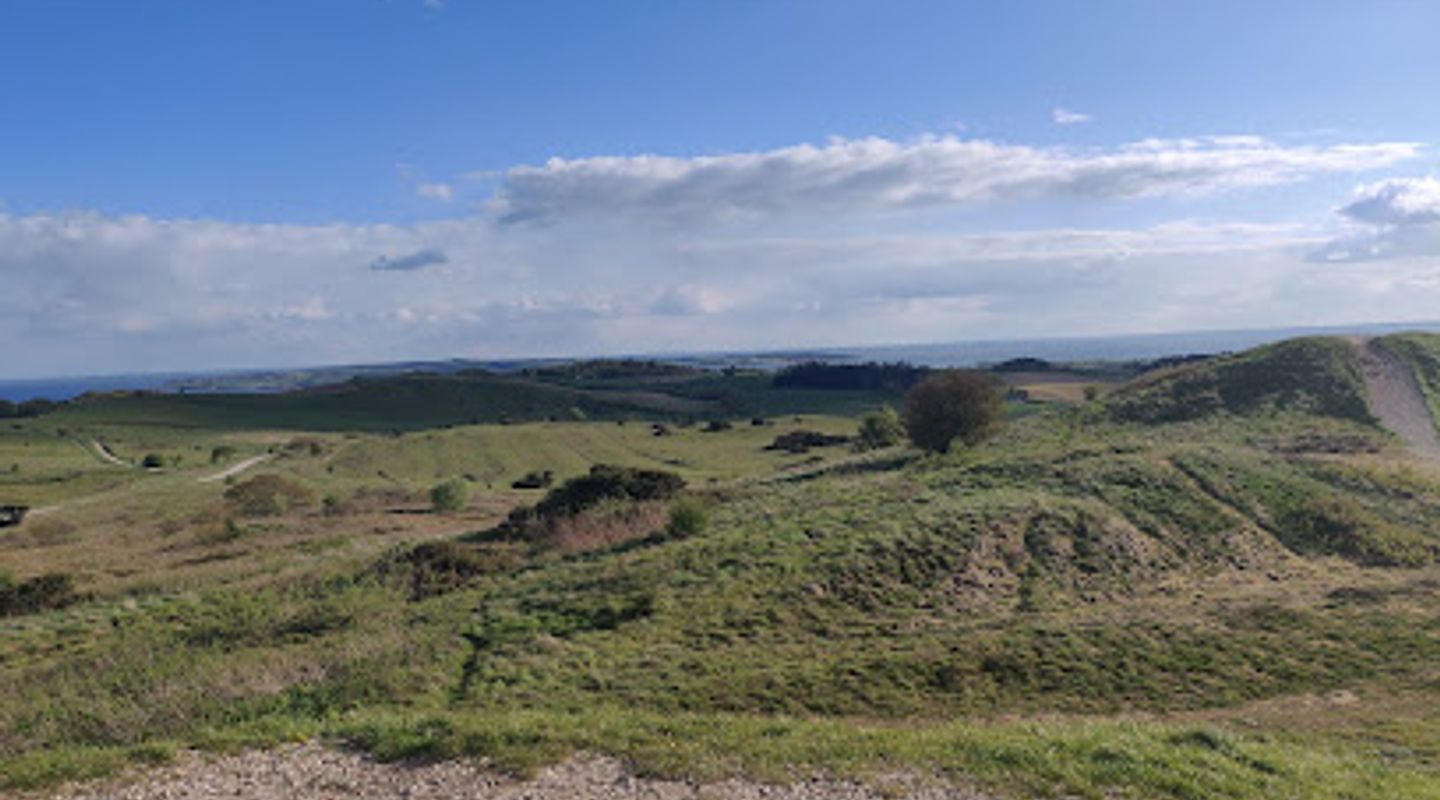
Mols Bjerge, the crown jewel of Djursland in Denmark, is a national park celebrated for its rolling hills, dramatic glacial landscapes, and panoramic sea views. Here, visitors are immersed in centuries of history and a unique mix of Nordic flora and fauna, making it ideal for hiking, nature spotting, and photography enthusiasts.
A brief summary to Mols Bjerge
- Knebel, DK

Know before you go
Hi, I'm Eve. Here are a few practical things to know before exploring Mols Bjerge.
- Wear sturdy shoes: Trails can be steep, and rocky sections may be slippery after rain.
- Visit during early morning or late afternoon for the best light and fewer visitors.
- Pack water and snacks as amenities inside the park are very limited.
- Look for the Bronze Age burial mounds—these ancient relics are scattered throughout the hills.
- Check local bus timetables if arriving by public transport, as service is infrequent, especially on weekends.
Do you manage this location?
Take control to get all the benefits, like improved information, better appearance, and stronger visibility across AI-powered discovery. Learn more about listing your business on Evendo
Activate your presenceExplore Mols Bjerge on the Map
A handpicked selection of must-see spots near Mols Bjerge, mapped for you.
Getting There
-
Walking
Approaching the core hills from the park’s main visitor area is a rewarding walk through open heathland and forest. Broad, clearly signposted trails lead up gentle ascents, passing information boards and native plant displays. Expect an invigorating 15–30 minute walk, with panoramic views unfolding as you gain height. Sturdy footwear recommended due to uneven terrain.
-
Public Transport
Local bus routes connect towns such as Knebel and Egens with the park’s entrances. Buses run a few times daily, typically taking 10–20 minutes from nearby towns, with a one-way ticket costing around 22–28 DKK. Stop at a park entry hub and follow well-indicated paths into the rugged landscape. Services are less frequent on weekends or outside summer.
-
Car
The main access roads lead to large gravel parking lots on the edge of the park, often near the most popular trailheads. Parking is free, but lots can fill on sunny days, so early arrival is wise. Surrounding roads wind through picturesque countryside dotted with farms and forests, and no tolls apply.
-
Bicycle
Cyclists can follow signed regional bike routes from the park’s perimeter to its central areas. Rolling countryside and gentle slopes offer scenic, mostly traffic-free riding. Bike racks are available at key entry points. No fees apply for cyclists.
Discover more about Mols Bjerge
More to explore near Mols Bjerge









Your all‑in‑one travel companion app
Explore expert travel guides, compare and book tours, experiences, hotels, and more—all from the palm of your hand. Download now for seamless trip planning wherever your wanderlust takes you.


Explore More of Mols Bjerge National Park
Looking beyond Mols Bjerge? Discover Mols Bjerge National Park for broader travel guides, local hot-spots, and regional highlights.
Explore Mols Bjerge National Park