Møns Museum, Empiregården Travel Guide
Free Guide: Local history, geology and island stories brought to life inside an atmospheric 18th‑century merchant’s house in the heart of Stege on Møn.


A brief summary of Møns Museum, Empiregården
Local history, geology and island stories brought to life inside an atmospheric 18th‑century merchant’s house in the heart of Stege on Møn.
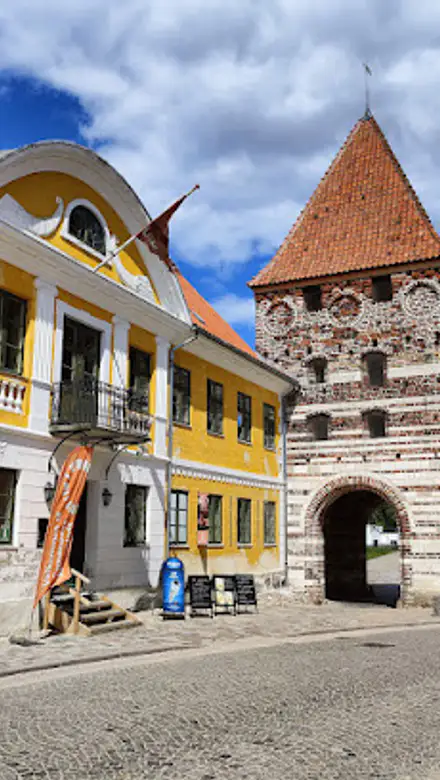
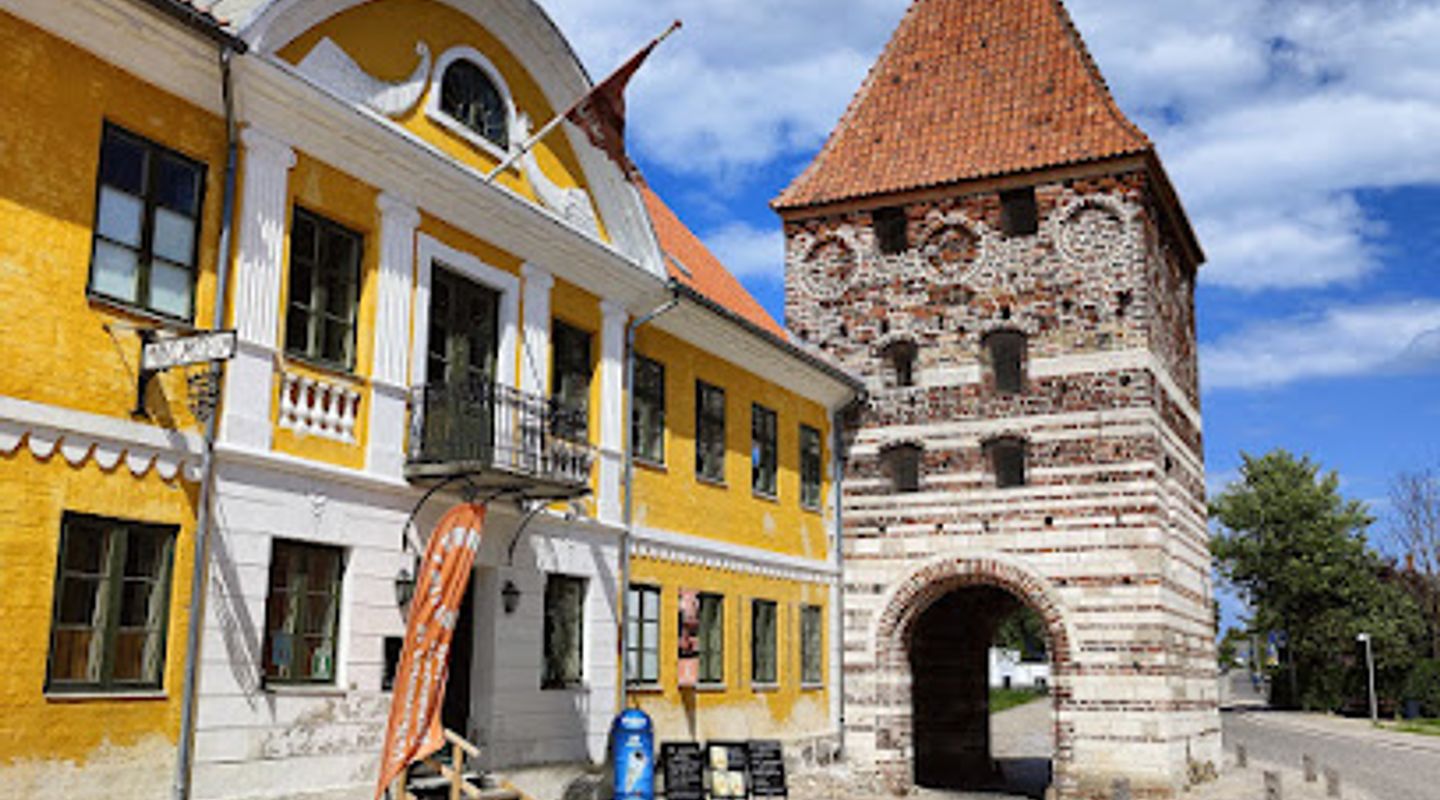
Housed in a beautifully preserved 18th‑century merchant’s house on Stege’s main street, **Møns Museum, Empiregården** tells the layered story of Møn and Stege. Inside the historic grocery buildings you’ll find evocative displays on local life, trade and seafaring, geology and the island’s dramatic limestone landscape, plus changing exhibitions that spotlight everything from town history to World War II escape stories. Courtyards, creaking floorboards and period details make this a characterful stop for anyone keen to understand the island beyond its famous cliffs.
On-site amenities
 Restrooms
 Seating areas
 Information boards
Opening hours
- Every day10 am–4 pm
Opening hours as listed on the venue’s Google Business Profile. Hours can change for services and special events, so check with the venue before you go.
- Address
- Storegade 75, 4780 Stege
- Phone
- Website
Getting there
Car from Vordingborg and Zealand
Regional bus from Vordingborg
Cycling on Møn
Discover more about Møns Museum, Empiregården
An old merchant’s estate at the heart of Stege
Empiregården stands on Storegade, Stege’s main street, in a complex of yellow‑washed buildings that once formed one of the town’s busiest grocery yards. From around 1781 until the early 20th century, traders and merchants lived and worked here, their businesses evolving from traditional farm‑linked trade with animals and grain to a more modern general store where imported goods arrived by ship and were stacked high in the storage wings. Stepping through the gateway today, you still sense the enclosed world of a working merchant’s courtyard.After the merchants left, the site passed through several lives: a depot for Tuborg beer, a residence, and even the practice of one of Denmark’s first female doctors. When the local history museum moved in during the 1950s, many of the old features were kept. Timber beams, brick floors and low doorways now frame exhibitions instead of bales and barrels, but the sense of a bustling trading place lingers in every room.
Stories of Møn, from medieval town to island community
Inside, the museum focuses on the history of Stege and Møn as a living community. Themed rooms lead you through the town’s development from fortified medieval market town to modern island hub. Objects from local workshops, fishing boats and living rooms help sketch out everyday life, while models, maps and photographs trace how the harbour, ramparts and streets have shifted over the centuries.Part of the charm lies in how close to the ground these stories feel. Displays explore crafts, shipping, agriculture and trade, but also school days, home interiors and island traditions. You move from glimpses of medieval merchants and herring trade to tales of sugar production and tourism, seeing how wider Danish history has played out on this relatively small island.
Geology and the landscape behind Møns Klint
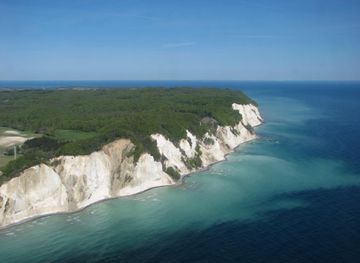
One section is devoted to Møn’s geology, connecting this modest town museum to the dramatic white cliffs at Møns Klint further along the coast. Geological specimens, fossils and explanatory panels set out how ancient seas deposited chalk that was later thrust upwards, creating the cliffs that define the island’s profile today. Visiting this gallery before or after a trip to the coast helps make sense of the striking landscape and the flint‑studded beaches.Because the institution works with local collections, the geological material often has direct links to nearby fields and shorelines. Children and geology enthusiasts can match the rocks they see outdoors with carefully labelled examples, and understand how erosion, landslides and human use continue to shape Møn’s coastline.
Changing exhibitions and lesser‑known wartime tales
Alongside its permanent displays, Møns Museum stages changing exhibitions that frequently draw on lesser‑known episodes from local history. In recent years, themes have included the island’s role in the escape of Danish Jews across the Baltic during October 1943, using documents, photographs and testimonies to illuminate how small harbours and fishing communities were drawn into wartime events.Other temporary shows have focused on crafts, town life or specific anniversaries, often filling rooms in the rear buildings. This rotating programme means that repeat visits can reveal new stories, and it gives the museum flexibility to respond to new research or local commemorations while still maintaining its core narrative about Møn and Stege.
Courtyards, atmosphere and a quiet cultural pause
Beyond the displays, part of the experience is simply spending time in Empiregården’s courtyards and corridors. Cobbled surfaces, small garden corners and sheltered walls create pockets of calm just off the main shopping street. On fine days the courtyard becomes an inviting spot to sit for a while and absorb the building’s atmosphere between gallery rooms.Because the museum also serves as a local information point for South Zealand and Møn, staff can answer practical questions about the area’s sights, walking routes and events. Combined with its central position in Stege’s historic core, that makes Møns Museum, Empiregården a natural place to begin or deepen your exploration of the island’s history, landscape and culture.
Evendo Review Centre
 Google
Guest reviews
Best time to go
Quietest: Jan, Feb & Nov · before 7am or from 7pm
Busy times are Evendo estimates for a typical year, to help you plan. Actual crowds vary with events, school holidays and the weather.
Explore Møns Museum, Empiregården on the map
A handpicked selection of must-see spots near Møns Museum, Empiregården, mapped for you.
Get your free copy of our complete guide to Møns Museum, Empiregården, delivered straight to you.
Everything on this page, from opening hours and how to get there to Eve’s tips and the best time to go, in one PDF you can read offline, print or share.
Already have an account? Sign in
Your Møns Museum, Empiregården guide is ready.
We'll send it to · Not you? Sign out

Getting your guide ready…
We are putting together a fresh copy of the Møns Museum, Empiregården guide. This can take up to a minute.
This can take a few moments. If your browser asks, choose Allow so the download can start. You'll find the guide in your Downloads folder.
Nothing happened? Download it again
Sorry, the guide is taking longer than usual. Please try again in a minute, or get it by email instead.
Other nearby places you may find interesting
The closest places of the same kind, if this one is not quite what you had in mind.
-
GeoCenter Møns Klint Immersive cliff-top museum and nature hub revealing 70 million years of geology beside Denmark’s highest white chalk cliffs at Møns Klint.
-
Moen lighthouse A quiet 19th‑century beacon perched above Denmark’s most dramatic chalk cliffs, where sea, sky and starlight meet on the far edge of the island of Møn.
-
Trappe Møns Klint A steep wooden stairway plunging from beech forest to turquoise Baltic shore, Trappe Møns Klint is the most direct way into Denmark’s iconic white chalk cliffs.
-
Stranden Møns Klint A raw shingle shore pressed between turquoise Baltic waves and 100‑metre chalk cliffs, Stranden Møns Klint is Denmark’s most dramatic meeting of land and sea.
-
Thorsvang, Danmarks Samlermuseum Et stemningsfuldt samlermuseum på Møn, indrettet som en hel lille by fra de gode gamle dage – fyldt med butikker, værksteder, kolonihaver og hverdagsminder.
Swipe for more places
More to explore near Møns Museum, Empiregården
-
 Best experiences near Møns Museum, Empiregården
-
 Best hotels near Møns Museum, Empiregården
-
 Best landmarks near Møns Museum, Empiregården
-
 Best attractions near Møns Museum, Empiregården
-
 Best shops near Møns Museum, Empiregården
-
 Best restaurants near Møns Museum, Empiregården
-
 Best bars near Møns Museum, Empiregården







Do you manage this location?
Take control to get all the benefits, like improved information, better appearance, and stronger visibility across AI-powered discovery.
Explore more
Explore more of Møn
Discover the breathtaking cliffs, rich history, and serene beauty of Møn, Denmark's hidden gem in the Baltic Sea, perfect for nature lovers and history enthusiasts alike.
Explore Møn
Explore more of Denmark
Discover Denmark: A perfect blend of history, modern design, and the cozy concept of hygge. Explore vibrant cities, serene landscapes, and world-class cuisine.
Explore Denmark