

Nyord Enge Bird Reserve
Windy salt meadows, wide horizons and rich birdlife make Nyord Enge a standout coastal wetland and an international stopover for migratory ducks, geese and waders.
Nyord Enge is a wide, windswept coastal meadow on the little island of Nyord near Møn, protected as one of eastern Denmark’s most important wetlands for ducks, geese and waders. Never drained or cultivated, these salty pastures and shallow shorelines form a vital stopover and breeding ground for thousands of migratory birds. Raised viewing platforms, an accessible bird tower and information boards make it easy to experience the sweeping skies, rich birdlife and big, open landscape in all seasons.
A brief summary to Nyord Enge, fuglereservat
- Ulvshalevej 401, Stege, 4780, DK
- +4533283839
- Visit website
- Duration: 1 to 3 hours
- Free
-
 Outdoor
- Mobile reception: 3 out of 5
- Monday 12 am-12 am
- Tuesday 12 am-12 am
- Wednesday 12 am-12 am
- Thursday 12 am-12 am
- Friday 12 am-12 am
- Saturday 12 am-12 am
- Sunday 12 am-12 am
Local tips
- Bring binoculars or a spotting scope; many birds feed far out on the meadows and shallow water, especially at high tide.
- Dress in windproof layers; the open landscape can feel chilly even on sunny days, and there is little natural shelter.
- Check the season and time your visit for migration periods in spring or autumn if you want to see large flocks of ducks and geese.
- Stay on paths and respect any fenced or signed-off areas during the breeding season to avoid disturbing nesting birds.
- Consider an evening visit in clear weather to experience the Dark Sky and listen for calling birds at dusk.

For the on-the-go comforts that matter to you
- Seating Areas
- Sheltered Areas
- Information Boards
- Trash Bins
Getting There
-
Car from Stege (Møn)
From Stege town centre, driving to Nyord Enge via the main road towards Ulvshale and continuing towards Nyord typically takes around 20–25 minutes, depending on traffic. The route uses normal paved roads suitable for all vehicles. There is roadside and small parking-area capacity near the bird tower, but spaces can fill at peak times in spring and autumn. Access is free; you only need to factor in fuel costs.
-
Bicycle from Stege and Ulvshale
Cycling from Stege to Nyord Enge is a popular option in good weather and usually takes about 40–60 minutes each way from Stege, or 20–30 minutes from the Ulvshale area. You ride on a mix of smaller public roads and local lanes that are mostly flat but exposed to wind. There is no dedicated bike fee, and you can leave bicycles near the access paths, taking care not to block gateways or farm access.
-
Regional bus plus short walk
Regional buses serving Stege connect the town to other parts of South Zealand, after which you can continue towards Ulvshale with local services when available. Total public-transport travel time within the region is commonly 1–2 hours depending on connections, and a typical single adult fare on regional buses is in the range of 30–70 DKK. From the nearest bus stop you should expect a longer walk along quiet roads in an exposed, flat landscape; this option is best in daylight and mild weather.
Nyord Enge, fuglereservat location weather suitability
-
 Clear Skies
-
 Mild Temperatures
-
 Cold Weather
-
 Windy Conditions
-
 Any Weather
-
 Hot Weather
Discover more about Nyord Enge, fuglereservat
A wild meadow on the edge of the Baltic
Nyord Enge stretches out as a huge, flat carpet of salt meadow between the island of Nyord and the surrounding shallow waters. The landscape feels strikingly open: wide skies, low horizons and a constant play of light over grass, mudflats and sea. Dikes and grazing cattle hint at centuries of human use, yet the area has never been ploughed, drained or intensively farmed, leaving an unusually intact coastal ecosystem. The reserve is owned and managed by a Danish bird protection foundation, whose focus is to protect breeding and resting waterbirds. Traditional grazing keeps the grass short and varied, creating the mosaic of wet hollows and drier hummocks that waders and wildfowl need. From the moment you arrive, the soundscape – wind, distant surf and bird calls – tells you this is first and foremost a place for nature.A haven for migratory and breeding birds
For many ducks, geese and waders following the Baltic-East Atlantic flyway, Nyord Enge is a refuelling station of international importance. In spring and autumn, large flocks of barnacle and brent geese, pintails, wigeons and other ducks gather on the flooded meadows and in the shallow bay, sometimes numbering in the thousands. When the tide is right, mudflats attract probing redshanks, dunlins and other small waders. In summer, parts of the meadows become a nursery for ground-nesting birds. Lapwings display over the short turf, redshanks call anxiously from fenceposts, and gulls and terns patrol overhead. Marsh harriers and other raptors cruise the edges, while skylarks pour song from high above. Winter brings a quieter, more austere scene, but you may still see whooper swans, diving ducks and hardy shorebirds using the ice-free shallows.Watching wildlife without disturbing it
Facilities are designed so you can get close to the action while the birds keep their crucial sense of safety. A covered bird tower on Ulvshalevej offers two levels of viewing, with one platform built for wheelchair users and others with limited mobility. From here you can scan almost the entire meadow and coastline, sheltered from wind and rain. Elsewhere, low observation platforms and paths along the dikes give alternative perspectives on the landscape. Information boards explain seasonal highlights, key species and why water levels and grazing are carefully managed. In some periods, certain areas are off-limits during the breeding season to reduce disturbance, a reminder that the reserve’s first priority is the wildlife it protects.Light, darkness and dramatic skies
The flatness of Nyord Enge makes the sky feel enormous. On clear days, long lines of clouds and migrating birds stretch across the horizon, while changing weather can transform the mood from bright and breezy to brooding in minutes. Sunsets often paint the water and wet grass in gold and pink, with silhouettes of geese flying to roost. After dark, the area forms part of a certified Dark Sky destination, meaning artificial light is kept to a minimum. On cloudless nights, stars appear in great numbers, and the Milky Way can arch over the meadows. Even if you visit in daylight, it is worth imagining how this open coastal landscape feels under a truly dark, starlit sky.Learning from local stewardship
Nyord Enge also tells a story about how careful management can restore and safeguard nature. The foundation behind the reserve works nationally to acquire and protect key bird habitats, often with the help of volunteers from local bird clubs. Here that work is visible in the well-maintained grazing regimes, viewing structures and interpretive signs. On selected days, guided walks and birdwatching events introduce visitors to the ecology of coastal meadows, migration patterns and the challenges facing waterbirds in a changing climate. Spending time here, you get a sense of how modest interventions – letting water spread, avoiding fertilisers and pesticides, allowing cattle to graze in the traditional way – can bring back a richness of life that benefits birds, plants and people alike.Iconic landmarks you can’t miss

Rose Stege Restaurant
8.2 km
Discover the authentic tastes of Denmark at Rose Stege Restaurant, where delicious pizzas and local dishes await in a cozy atmosphere.
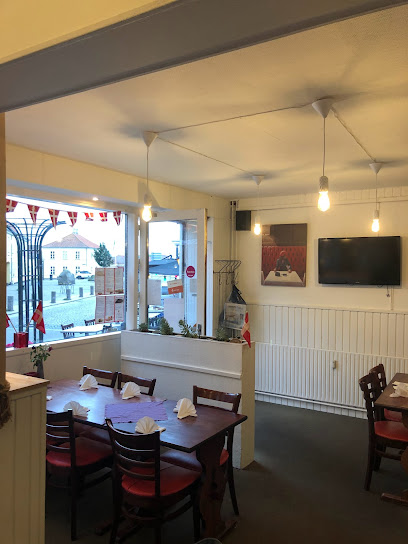
Restaurant pizzeria Delfino
8.2 km
Experience authentic Italian cuisine in the heart of Stege at Restaurant Pizzeria Delfino, where fresh ingredients and a warm atmosphere create a memorable dining experience for all.
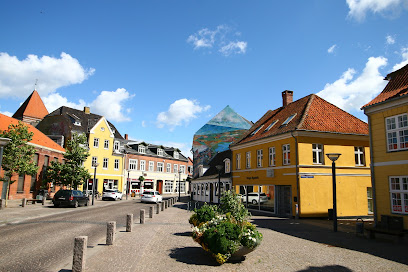
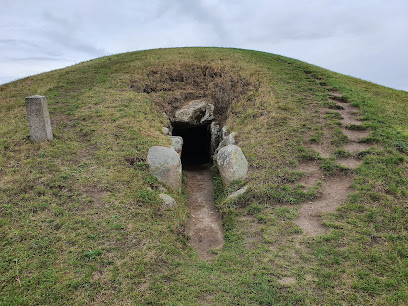
Kong Asgers Høj
10.8 km
Denmark's largest passage grave—a 5,000-year-old Neolithic monument of monumental stone and timeless mystery.
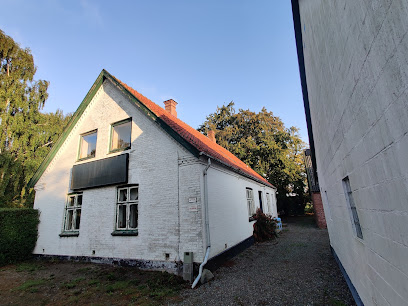
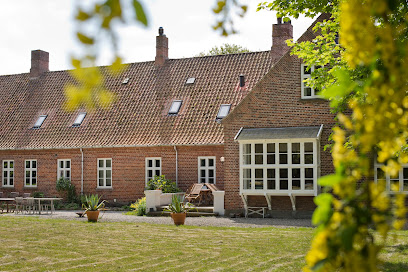
Cosy Farmhouse on Møn
11.8 km
Experience tranquility at Cosy Farmhouse on Møn: Discover rural charm, stunning landscapes, and authentic Danish hospitality on this idyllic island escape, a UNESCO Biosphere Reserve.
Pension Elmehøj
13.1 km
Experience Møn's charm at Pension Elmehøj: Affordable comfort near Stege, close to Møns Klint, Elmelunde Church, and the Camønoen hiking trail, perfect for families and budget travelers.

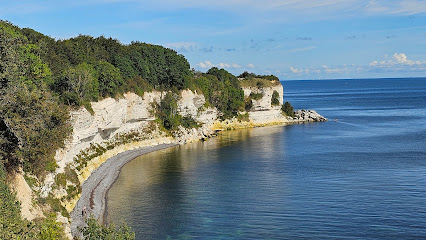
Høje Møn
18.9 km
Denmark's tallest white chalk cliffs rise 128 meters above the Baltic, crowned by legendary tales and ancient forests.
Restaurant Portofino
19.2 km
Experience authentic Italian cuisine in a charming Danish setting at Restaurant Portofino, Møn. Fresh ingredients, traditional recipes, and a warm atmosphere await near Klintholm Havn.
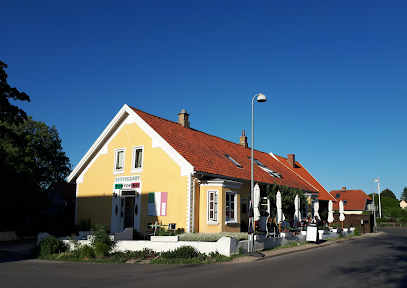
Pomle Nakke Traktørsted
26.6 km
Experience Danish coastal charm at Pomle Nakke Traktørsted, where stunning Baltic Sea views meet locally sourced cuisine for an unforgettable dining experience on Falster.
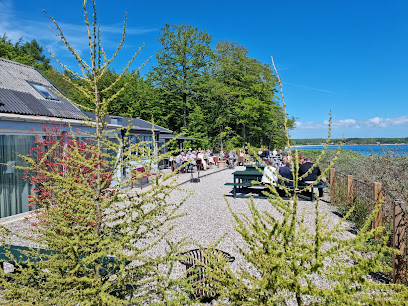
Genforeningssten i Næstelsø
29.7 km
Experience the vibrant history and charm of Copenhagen's iconic Nyhavn waterfront.

Stevns Klint UNESCO World Heritage
29.9 km
Explore Stevns Klint, a UNESCO World Heritage site in Denmark, where dramatic chalk cliffs reveal the asteroid impact that wiped out the dinosaurs, offering a unique journey through Earth's history and natural beauty.
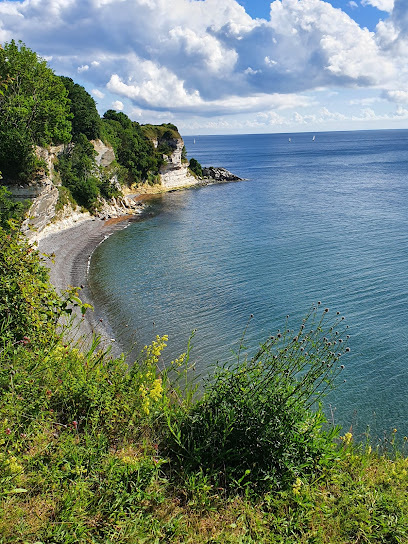
Højerup old church
29.9 km
A 13th-century church ruin teetering on the edge of destiny, where half a building tells the story of nature's unstoppable force.
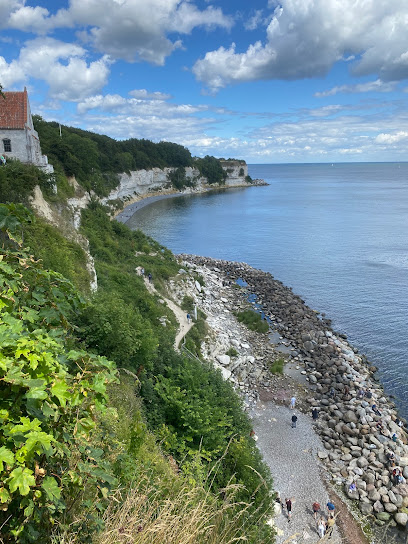
Stevns Lighthouse
31.3 km
Historic stone lighthouse perched atop Stevns Klint, blending Baltic seascapes, Cold War echoes and sweeping UNESCO-listed cliff-top views.
Bellinge House- Bed & Breakfast. Wellness.
31.8 km
Discover tranquility and wellness at Bellinge House, a charming bed & breakfast in Nykøbing Falster, Denmark, offering holistic treatments and serene accommodations.
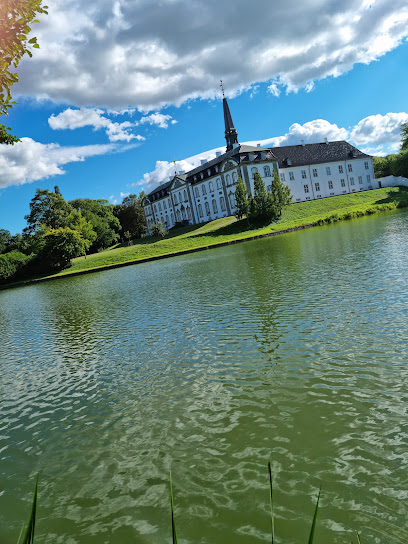
Bregentved
32.0 km
Discover Bregentved Estate: A historic Danish manor offering a serene park with Baroque gardens, sculptures, and a glimpse into sustainable agriculture and forestry practices.
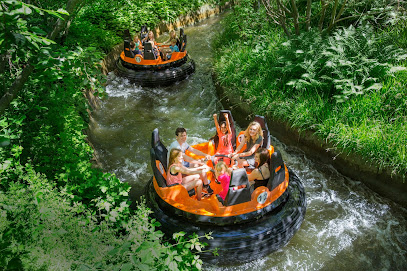
BonBon-Land
32.7 km
Experience Denmark's craziest amusement park in Holme-Olstrup, where wacky rides and mischievous candy-themed characters create a day of laughter and unforgettable memories for the whole family.
Unmissable attractions to see

Nyord
0.6 km
Tiny island, big skies: salt meadows, bird sanctuaries and a storybook village under some of Northern Europe’s darkest, starriest nights.
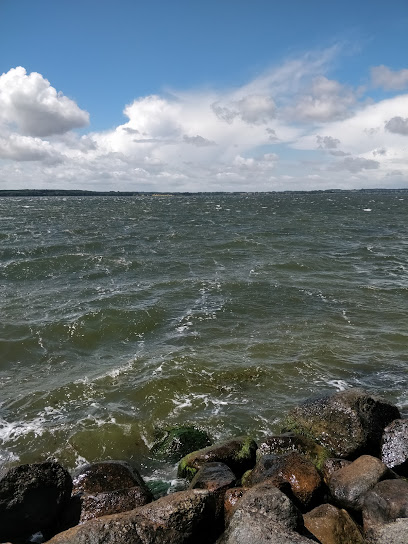
Ulvshale
2.8 km
A quietly beautiful peninsula on Møn where broad sandy beach, low dunes and coastal forest create a soft, light-filled escape by the Baltic Sea.
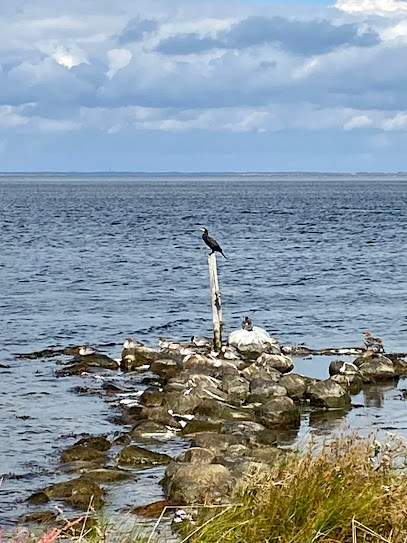
Ulvshale Naturcenter
2.9 km
Simple but superbly placed, Ulvshale Naturcenter is your springboard into Møn’s wild mix of flint forest, grazing meadows, rich birdlife and big coastal skies.
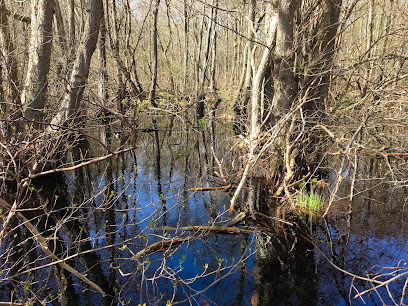
Bønsvig Strand
6.9 km
A serene coastal hamlet offering pristine beaches, natural landscapes, and peaceful retreat on southern Zealand.
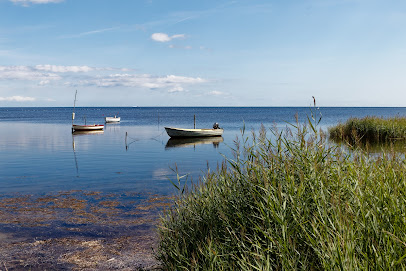
Kalvehave Labyrintpark
7.3 km
Navigate mind-bending mazes and brain-teasing games across 20,000 square meters of outdoor puzzle paradise.
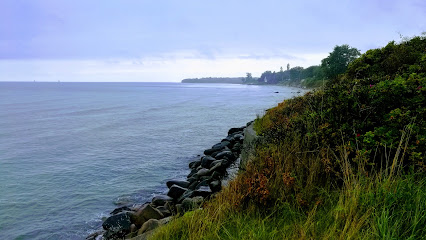
Hotel Residens Møen
7.7 km
Waterfront residence on idyllic Møn, blending historic seaside charm, modern Scandinavian apartments and thoughtfully designed shared spaces by Stege Bay.
Mølleporten
8.0 km
One of Denmark’s last medieval town gates, Mølleporten pairs evocative fortifications and intimate prison history with fine views over historic Stege.
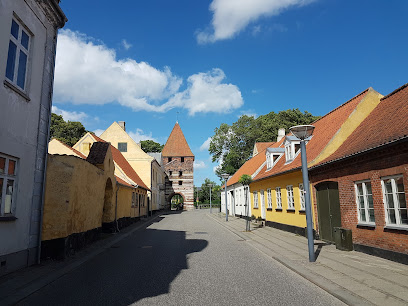
Camønoen
8.0 km
A gentle 175 km island hiking route weaving cliffs, villages, Dark Sky nights and everyday Danish life into one welcoming, slow-travel adventure.
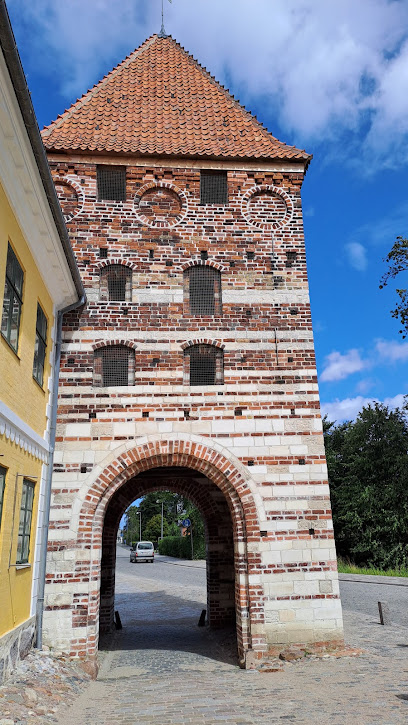
Møns Museum, Empiregården
8.0 km
Local history, geology and island stories brought to life inside an atmospheric 18th‑century merchant’s house in the heart of Stege on Møn.
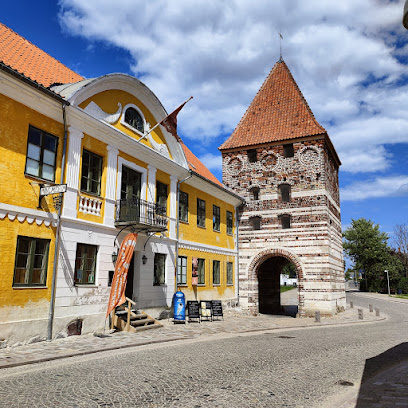
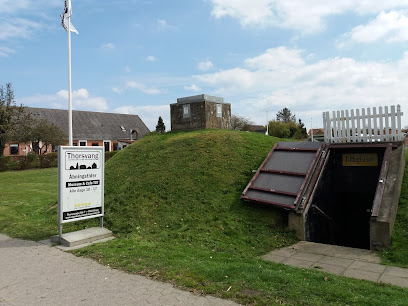
Thorsvang, Danmarks Samlermuseum
8.3 km
Rejs tilbage til ”de gode gamle dage” i en komplet lille købstad fyldt med butikker, værksteder, kolonihaver og café – alt samlet under tag i Stege på Møn.
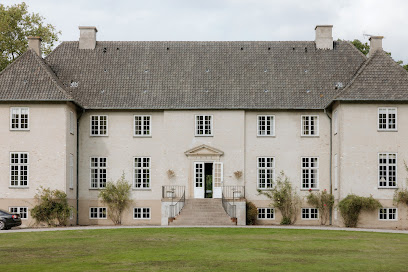
Oremandsgaard Gods & Destilleri
9.9 km
Denmark's pioneering estate distillery where five generations of organic farming meet award-winning handcrafted spirits.
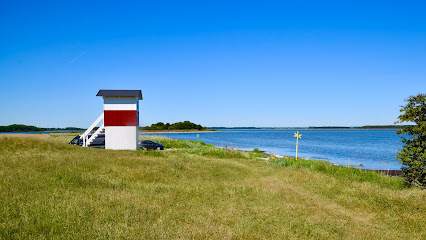
Roneklint Fyr
11.1 km
Small historic lighthouse at the mouth of Præstø Fjord, with shallow child‑friendly beaches, rich snorkelling waters and tranquil coastal scenery.
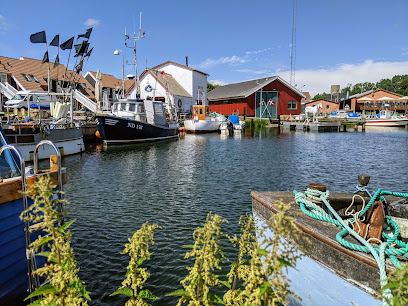
Møn
12.3 km
Discover centuries of seafaring tradition and maritime culture at Marstal Søfartsmuseum, the heart of nautical history on Ærø in Denmark’s South Funen Archipelago.
Møn Is
13.0 km
Organic ice cream farm and rural courtyard on Møn, where grazing cows, a cosy farm shop and rich, house-made scoops bring island agriculture deliciously to life.
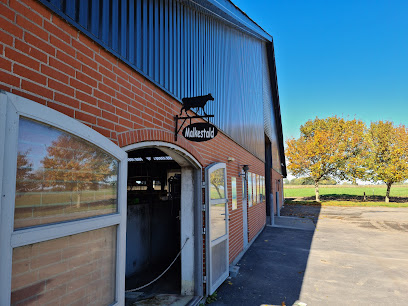
Råbylille Strand
14.3 km
A tranquil Baltic beach resort with golden sands, cottage charm, and access to Denmark's iconic white cliffs.
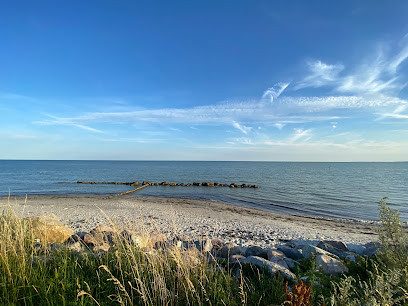
Essential places to dine

Restaurant Lolles Gaard ApS
1.1 km
Traditional Danish cuisine in an idyllic island garden where heritage and hospitality flourish.
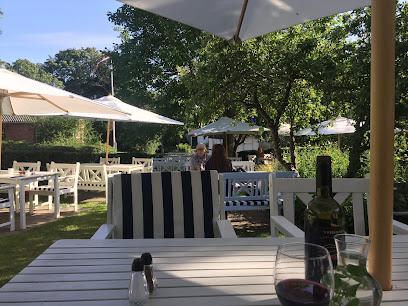
Noorbohandelen
1.2 km
Atmospheric island deli and spirits specialist in Nyord’s car‑free village, combining tastings, gourmet shelves and a cosy café stop on the edge of Møn.
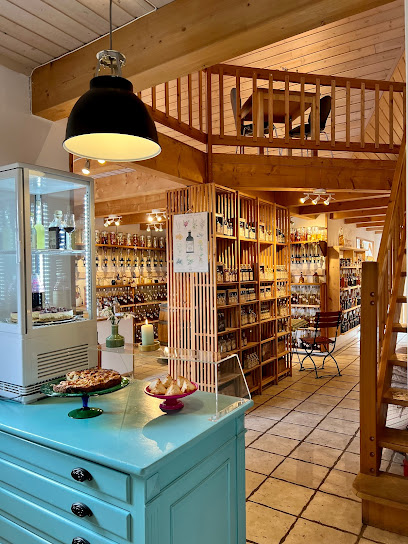
Restaurant GastrÖ
1.3 km
Nordic fine dining on a quiet island, where seasonal ingredients and technical precision create unforgettable meals.
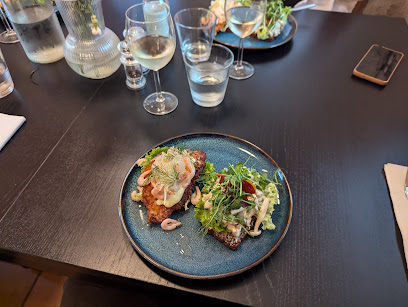
Muldiverset
6.1 km
Organic farmhouse restaurant and regenerative garden by the sea, where slow-paced Nordic cooking, wild greenery and a curated eco shop reconnect you with nature.
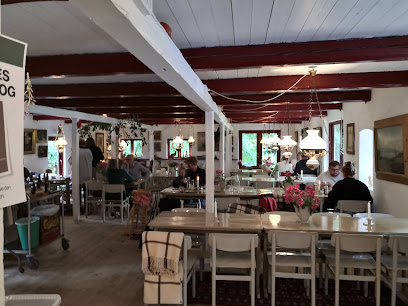
Gæsteriet
6.1 km
Intimate Danish brasserie in the village of Mern, serving homely seasonal cooking and drinks in a relaxed South Zealand countryside setting.
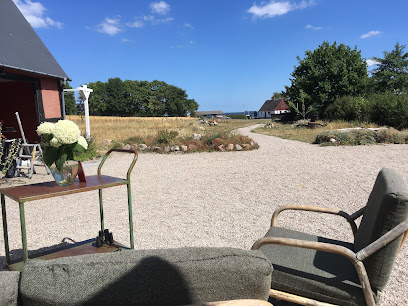
HAVNEGRILLEN - Stege
8.0 km
Waterfront Danish grill serving generous portions of smørrebrød, hot dogs, and frikadeller in casual seaside comfort.
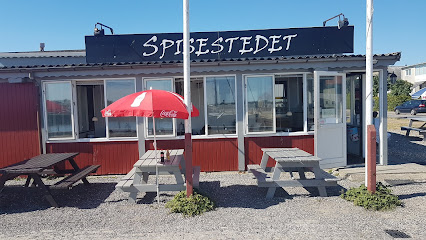
Slagter Stig
8.1 km
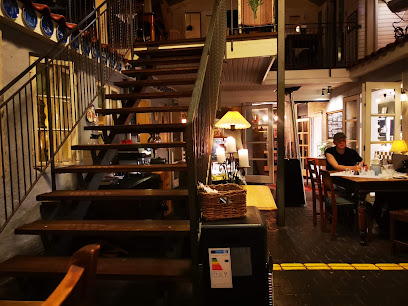
Traditional Danish butcher and eclectic brasserie in the heart of Stege, where hand‑picked cuts, candlelit dining and art-filled rooms create a distinctly Møn experience.
Café Frederik VII
8.1 km
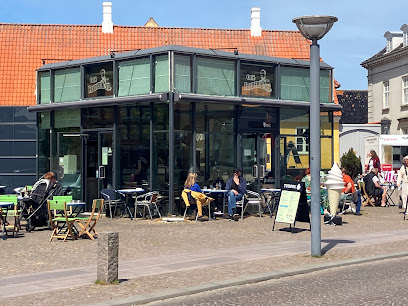
Relaxed, family-friendly café on Stege’s main square, serving burgers, grill dishes, sweets and coffee with front-row views of everyday life on the island of Møn.
MØN AMI - The French Bistro 🇫🇷
8.1 km
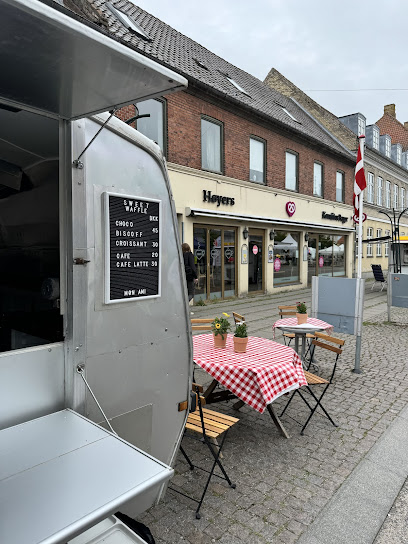
A tiny French-inspired bistro in Stege, where intimate island charm, slow-paced dining and classic Gallic flavours meet in one cosy neighbourhood room.
Møn Isola Pizza
8.1 km
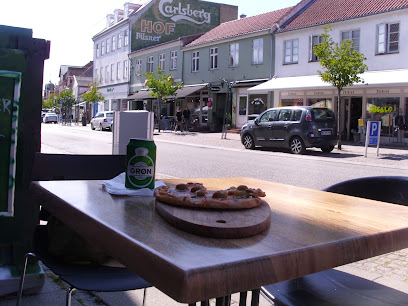
Casual, central pizzeria on Stege’s main street serving generous, no‑nonsense pizzas and takeaway boxes to fuel island adventures on Møn.
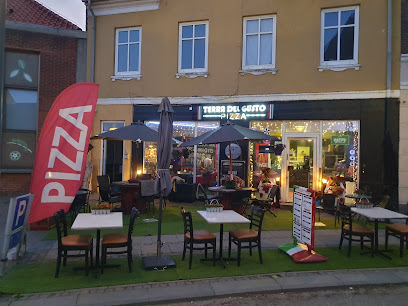
Terra Del Gusto Pizza
8.2 km
Casual, family‑run pizzeria on Stege’s main street, serving generous, playful pizzas and simple comfort dishes to eat in or take away on the island of Møn.
Stege Sushi
8.2 km
Casual sushi and Asian comfort food on Stege’s main street, offering dine‑in, takeaway and party platters for relaxed evenings on the island of Møn.
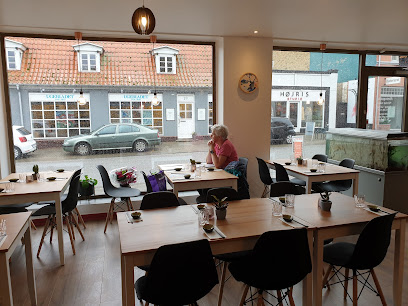
By-Bjerg Café & Event
8.2 km
Freshly baked Danish comfort and local flavours in the heart of Stege's charming shopping district.
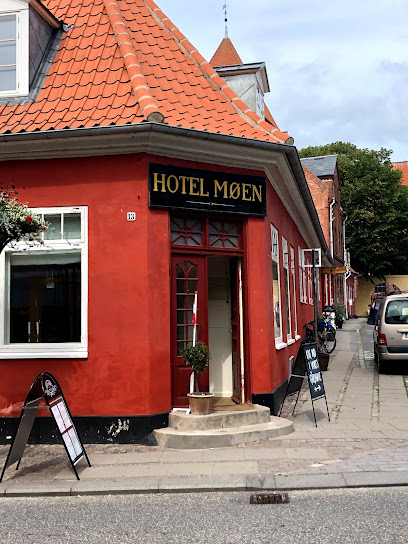
Hotel Møen
8.2 km
Relaxed Scandinavian dining in a historic Stege hotel, serving seasonal Danish comfort food a short stroll from the harbour and the narrow streets of old Møn.
Saftig Café & Snackbar
8.2 km
Waterfront burgers and fresh seafood with harbor views in charming Stege
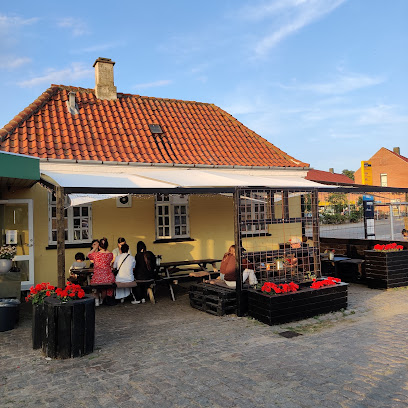
Markets, malls and hidden boutiques

Nyord Ø Handel
1.2 km
Tiny island shop with a big heart: local groceries, crafts, coffee and ice cream at the friendly center of everyday life on tranquil Nyord.
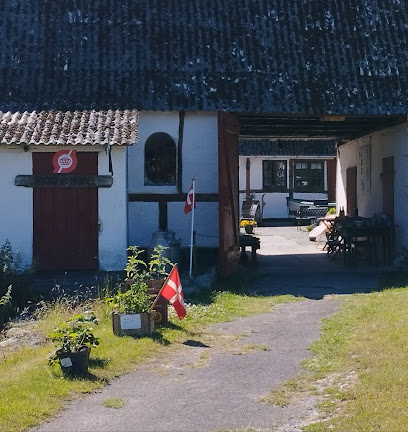
Rosengaarden antik
7.8 km
Rural Danish antique treasure trove on Møn, where barns and sheds brim with vintage furniture, glass, chinaware and curios along the road to Stege.
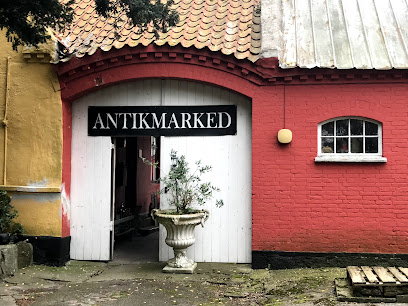
Wedele’s Hus
7.8 km
A cozy garden center in a traditional Danish house, Wedele’s Hus offers seasonal plants, local charm, and a peaceful green pause while exploring Stege and Møn.
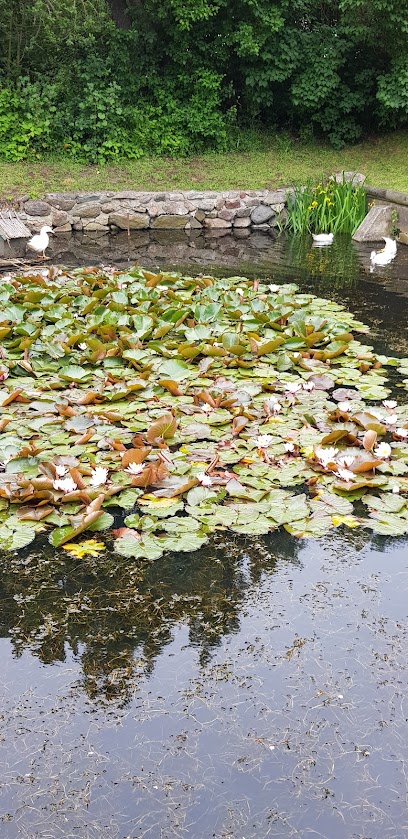
Liza's Gallery
8.1 km
Intimate artist-run gallery in a historic Stege courtyard, blending Møn’s coastal atmosphere with contemporary Danish and international art and distinctive design pieces.
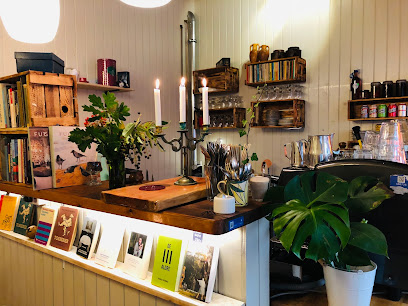
Fængselsgården Møn
8.1 km
Fængselsgården Møn - Stege’s historic prison yard reimagined as a creative brasserie, bookshop, and cultural nexus, inviting visitors to eat, browse, and experience local life.
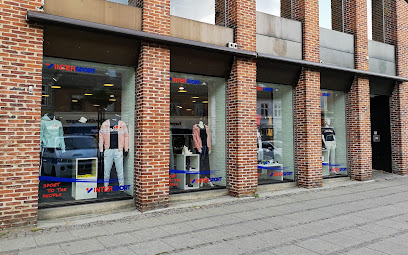
Intersport
8.1 km
Premier sporting goods retailer offering expert guidance, quality equipment, and professional services in central Stege.
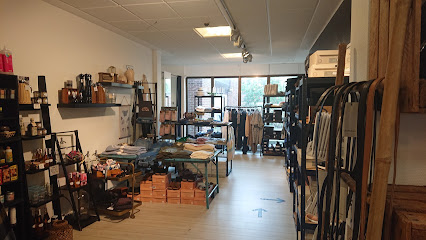
Moshroom
8.1 km
A cozy, offbeat clothing boutique on Stege’s main street, blending relaxed Scandinavian style, personal service and small-town island charm on Møn.
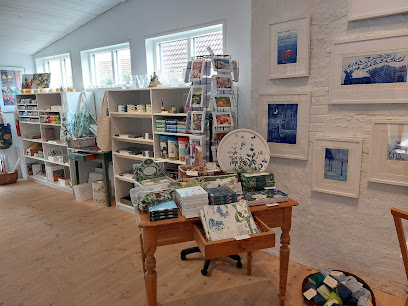
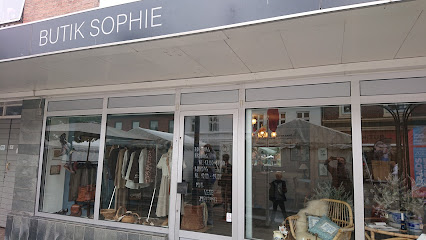
Butik Sophie
8.1 km
A cosy Scandinavian-style gift boutique on Stege’s main street, mixing hygge-filled home décor, textiles and small treasures in an intimate, relaxed setting.
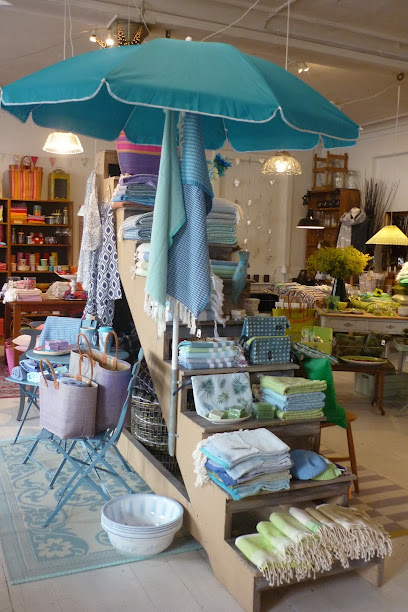
Colourlove Møn
8.1 km
A cosy, colour-drenched design boutique in Stege, filled with upcycled silk fashion, playful interiors and unique gifts inspired by the creative spirit of Møn.
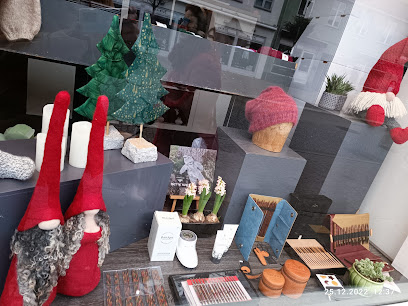
Sy Og Strik
8.1 km
A cosy knit and sewing shop in Stege’s historic main street, brimming with yarn, fabrics and friendly advice for creative travellers on the island of Møn.
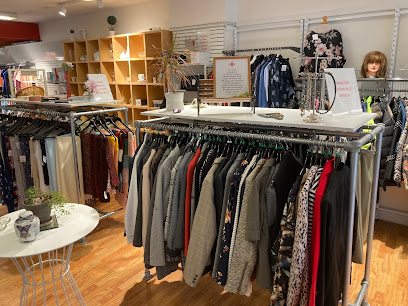
Red Cross Op Shop
8.1 km
Volunteer-run second-hand treasure trove in Stege, where sustainable finds, local life and Red Cross humanitarian work come together under one modest roof.
Højris Femme Clothing
8.1 km
A cosy women’s fashion boutique on Stege’s main street, blending Scandinavian style, quality fabrics and personal service in the heart of historic Møn.
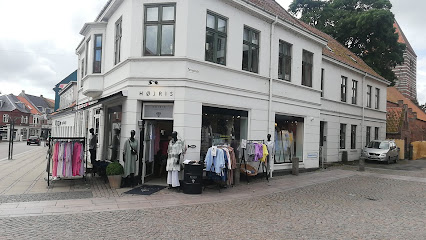
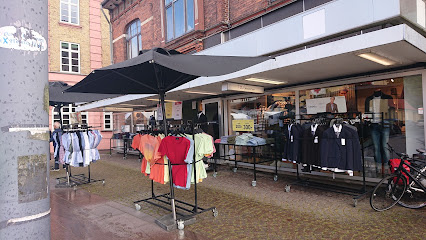
Tøjeksperten
8.1 km
Compact Danish menswear store on Stege’s main street, ideal for smart-casual outfits, emergency wardrobe fixes and climate-ready layers while exploring Møn.
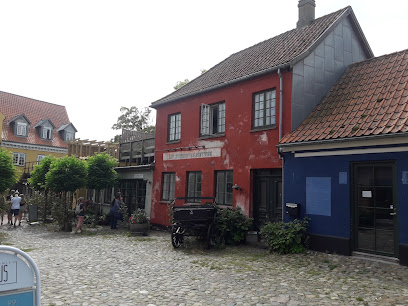
Vinhuset Møn
8.1 km
Atmospheric island wine shop in the heart of Stege, combining handpicked bottles, gourmet treats and personal, expert guidance in an intimate setting.
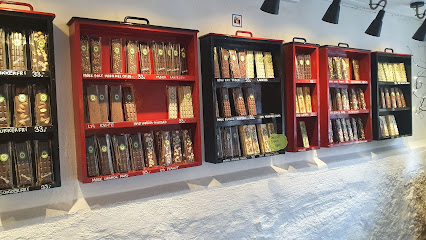
Lene Evers Chocolate
8.2 km
Artisan Danish chocolates crafted in a cozy cellar boutique on Stege’s main street, offering small-batch pralines and sweet souvenirs from the island of Møn.
Essential bars & hidden hideouts

Sussis Bodega ApS
6.3 km
Rural Danish bodega in an 1800s house along Stavreby Strandvej, offering simple drinks, informal company and a quietly coastal countryside atmosphere.
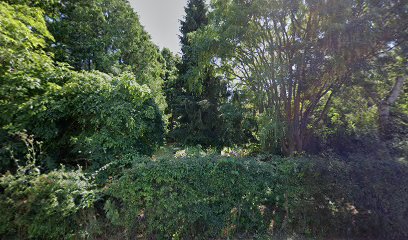
Mølleporten Øl- og Vinstue
8.1 km
A classic Danish “brown pub” on Stege’s main street, pairing local atmosphere, simple drinks and small-town charm just down from the town’s medieval gate.
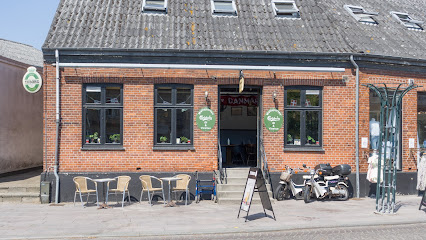
Ba'ryhl Bar & Café
8.1 km
Cosy café by day, intimate cocktail bar by night, Ba'ryhl brings small‑town warmth, good drinks and relaxed conversation to the heart of Stege on Møn.
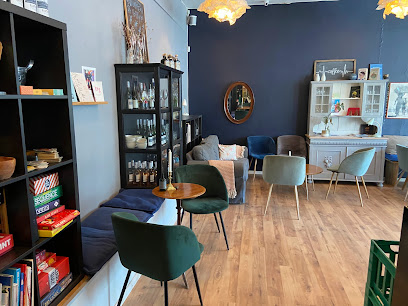
Cafe Borre
15.9 km
Homemade pastries and genuine warmth in a charming Borre village café.
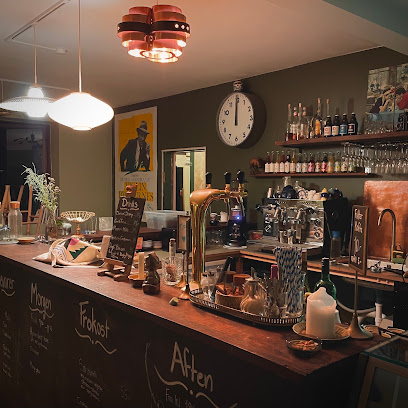
Pier To Heaven
19.0 km
Intimate harbor bar on Møn’s waterfront, blending creative cocktails, maritime charm and cozy candlelit corners right on the quay at Klintholm Havneby.
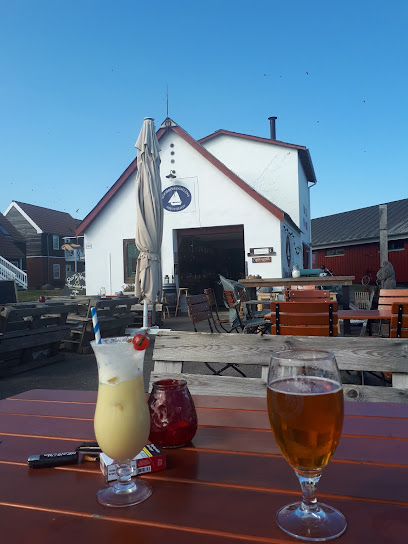
Rådhus Pub'en
19.9 km
Authentic Danish pub on the historic town square, where locals and travelers gather for genuine hospitality.
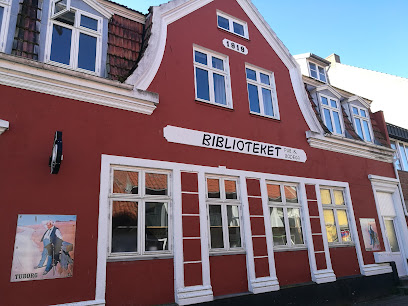
Biblioteket
20.4 km
Casual neighborhood bar in central Stubbekøbing with extended hours and genuine local character.
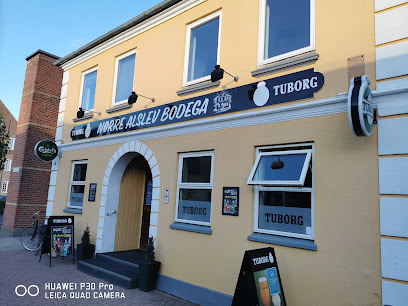
Nr. Alslev Bodega ApS
26.6 km
Laid-back neighborhood bodega in Nørre Alslev, pouring inexpensive beers and small-town Danish charm from late morning until midnight on weekends.
Pub Dyssen
33.5 km
Unpretentious neighborhood bar in Næstved where Danish hygge, cold beer, and local conversation come together in a simple, welcoming setting.
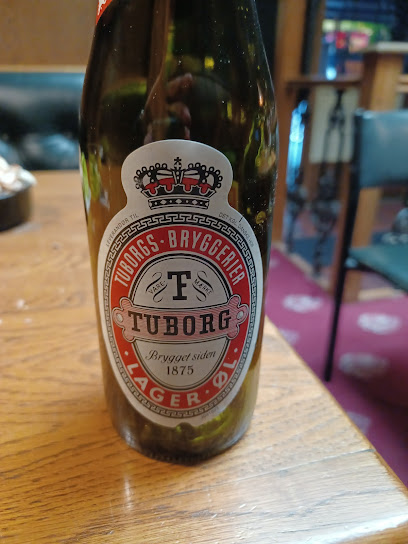
Grønvej 2 Næstved ApS
34.8 km
Unpretentious neighborhood bodega in Næstved serving cold beer, simple spirits and everyday local atmosphere on a quiet side street off the town’s commercial core.
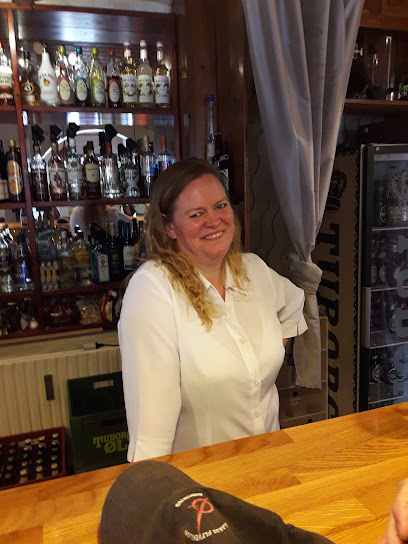
Bodega Dueslaget
34.8 km
Traditional Danish neighborhood bodega in Næstved, serving cold beers, simple drinks and plenty of local atmosphere from morning until late on weekends.
5'eren
35.0 km
Laid-back neighborhood beer hall in Næstved, where cold beer, conversation and local charm matter more than cocktails or design.
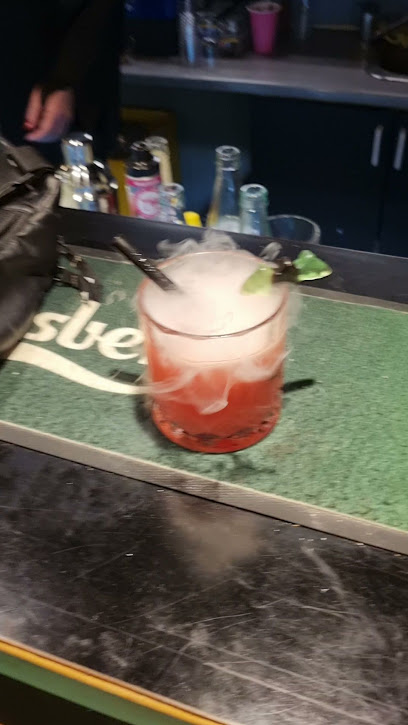
Bykroen
35.1 km
Cozy local bar and live music hangout on Haslev’s main street, offering simple drinks, late-weekend nights and an authentic small-town Danish atmosphere.
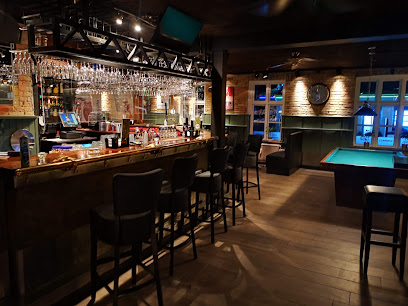
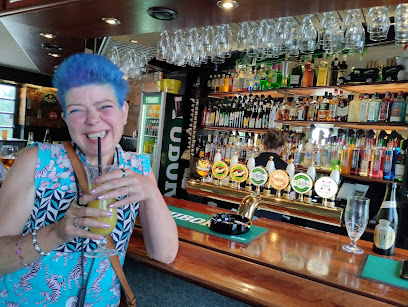
Birk´s Bar
35.2 km
Næstved's authentic neighborhood pub where community, billiards, and genuine hospitality thrive.
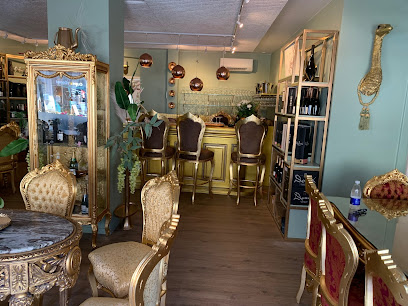
Champagne Riget
35.3 km
Næstved's premier champagne bar where curated bubbles meet refined gastronomy in elegant surroundings.
Nightclubs & after hour spots

Loke MC - Helheim
31.1 km
Rural Danish biker clubhouse with Norse-mythology flair, offering intimate late-night gatherings, loud rock playlists and a no-frills bar far from mainstream nightlife.
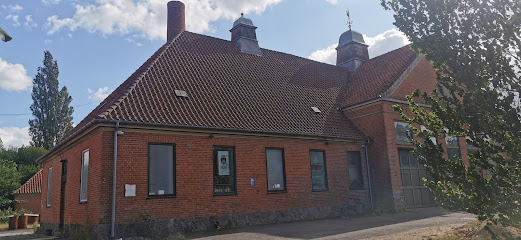
Avenue Næstved
35.3 km
Lively nightspot and flexible event hall in central Næstved, mixing dancefloor energy, festive dinners, stand-up comedy and themed parties under one roof.
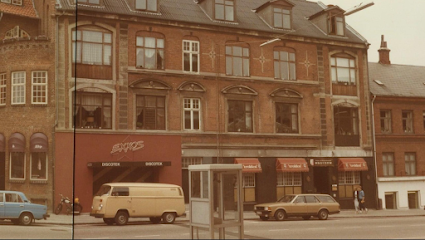
Crazy Daisy Næstved
35.4 km
High‑energy weekend nightclub in central Næstved, packing loud beats, flashing lights and a late‑night local crowd into a compact, classic Danish town‑club setting.
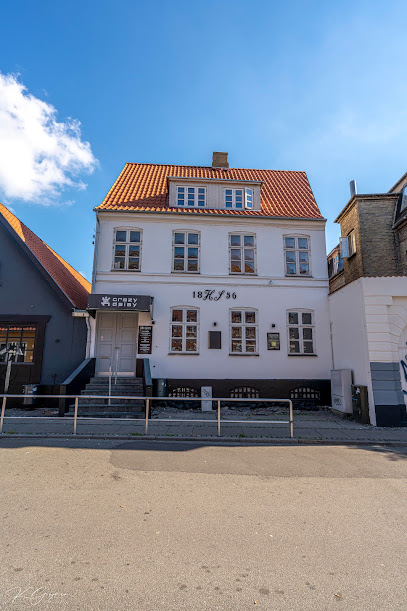
N.Y.K. Event
37.8 km
Compact late-night bar and nightclub in central Nykøbing Falster, mixing strong drinks, loud beats and a sociable dance floor that runs into the early morning.
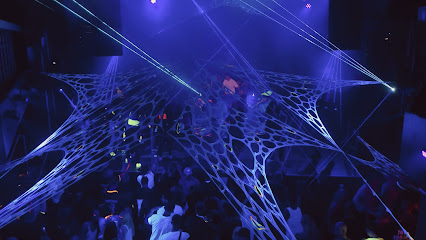
Billy Booze
37.8 km
Compact late-night disco in Nykøbing Falster with inexpensive drinks, loud hits and a casual dance floor vibe from Thursday to Saturday.
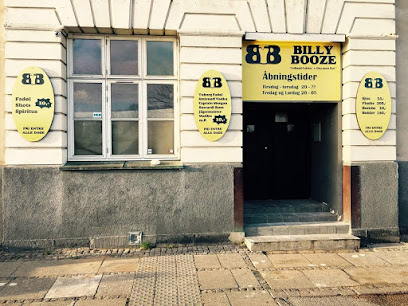
Første sted
38.0 km
Compact, music-driven nightclub on central Slotsgade, offering an intimate, local slice of Nykøbing Falster’s late-night dancing and drinks scene.
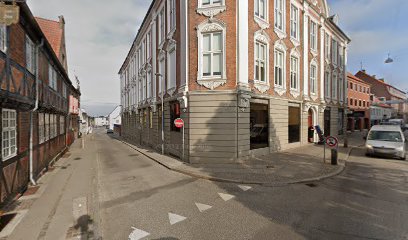
Bloom Nightclub
45.5 km
Late-night harborfront beats and a compact dance floor bring big-night energy to small-city Køge every Friday and Saturday.
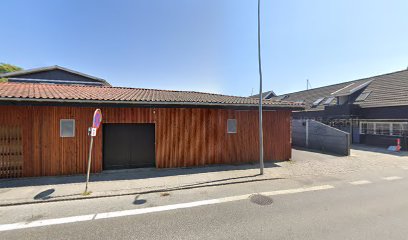
The Flame
45.5 km
Compact, high-energy nightclub by Køge’s harbor, serving up youthful beats, live acts and weekend dance-floor vibes in an intimate, no-frills setting.
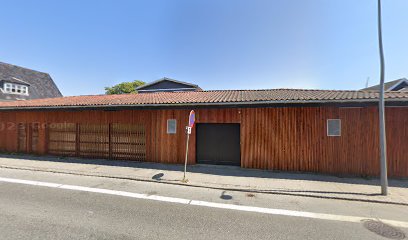
LUSIO
45.5 km
Compact harbor-side nightclub in Køge with late Friday hours, a tight dance floor, and an intimate, no‑frills setting for Danish weekend nights out.
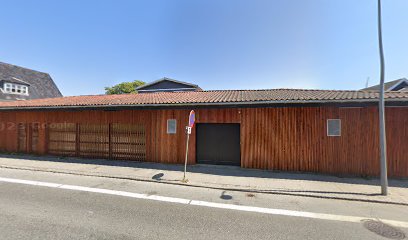
Gedser Lighthouse
55.8 km
Explore Denmark's southernmost lighthouse, offering panoramic Baltic Sea views and rich maritime history.
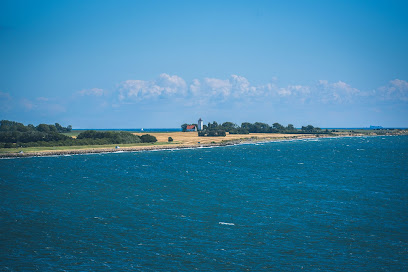
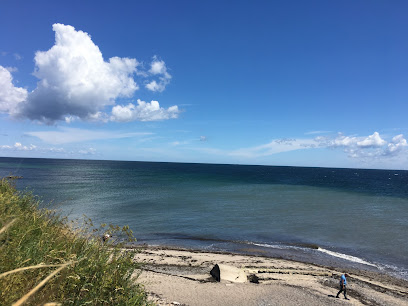
Gedser Odde
56.1 km
Discover the windswept beauty and migratory birdlife of Gedser Odde, Denmark's dramatic southernmost point where land and Baltic Sea converge.
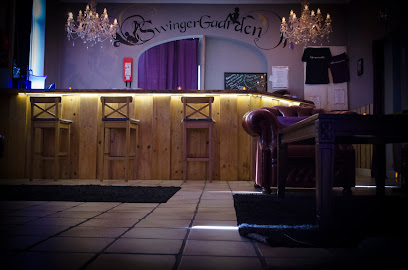
Swingergaarden
63.6 km
Discreet countryside swingers club near Slagelse, offering themed adult nights, intimate play spaces and a rules-based, consent-focused environment for open-minded guests.
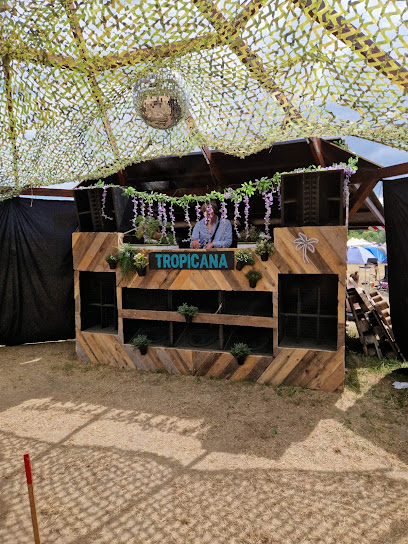
Tropicana DC
64.0 km
Compact Latin-flavoured nightclub on Roskilde’s industrial edge, delivering loud beats, simple drinks and a late-night dancefloor focused purely on partying.
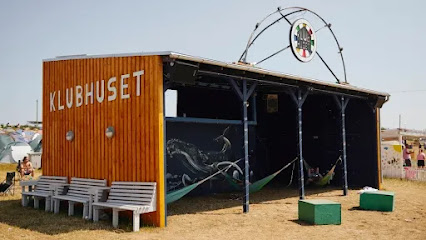
Klubhuset
64.1 km
Low-key local clubhouse turned disco-style nightspot, where a simple bar, small dance floor and regulars’ vibe create relaxed, unpretentious nights in Roskilde.
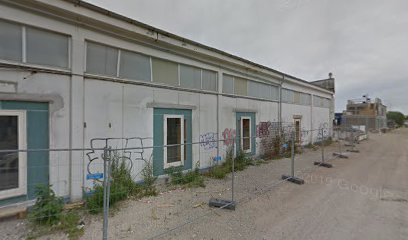
Rytmisk Musikforening Steps Ahead
65.3 km
Dynamic live music venue in Roskilde, specializing in jazz and contemporary genres, with an intimate setting and vibrant community engagement throughout the year.
For the vibe & atmosphere seeker
- Tranquil
- Zen
- Scenic
- Unique
- Relaxing
- Adventurous
For the design and aesthetic lover
- Minimalist Designs
- Rustic Designs
For the architecture buff
- Parks & Gardens
- Viewpoints
- Heritage Neighborhoods
For the view chaser and sunset hunter
- Iconic Views
- Panoramas
- Sunset Spots
- Stargazing
For the social media creator & influencer
- Instagrammable
- Photo Spots
- Selfie Spots
- Reel-Friendly
- Architectural Shots
For the eco-conscious traveler
- Protected Area
- Nature Reserve
- Low Impact
- Leave-No-Trace Critical
- Wildlife Habitat
- Public-Transport Accessible
- Locally Managed
For the kind of experience you’re after
- Nature Escape
- Photowalk
- Adventure Photo Shoot
- Mindfulness
- Day Trip
- Cultural Heritage
- Myth & Legends
For how adventurous you want the journey to be
- Easy Access
Location Audience
- Family Friendly
- Senior Friendly
- Child Friendly
- Teen Friendly
- Solo Friendly
- Couple Friendly
- Solo Female Friendly
- Vegetarian Friendly
- Vegan Friendly


