
Naturpark Åmosen, Mon Travel Guide
An expansive chain of wetlands, forests and ancient lakebeds where Stone Age history, rich birdlife and quiet Danish countryside meet in Zealand’s last wilderness.
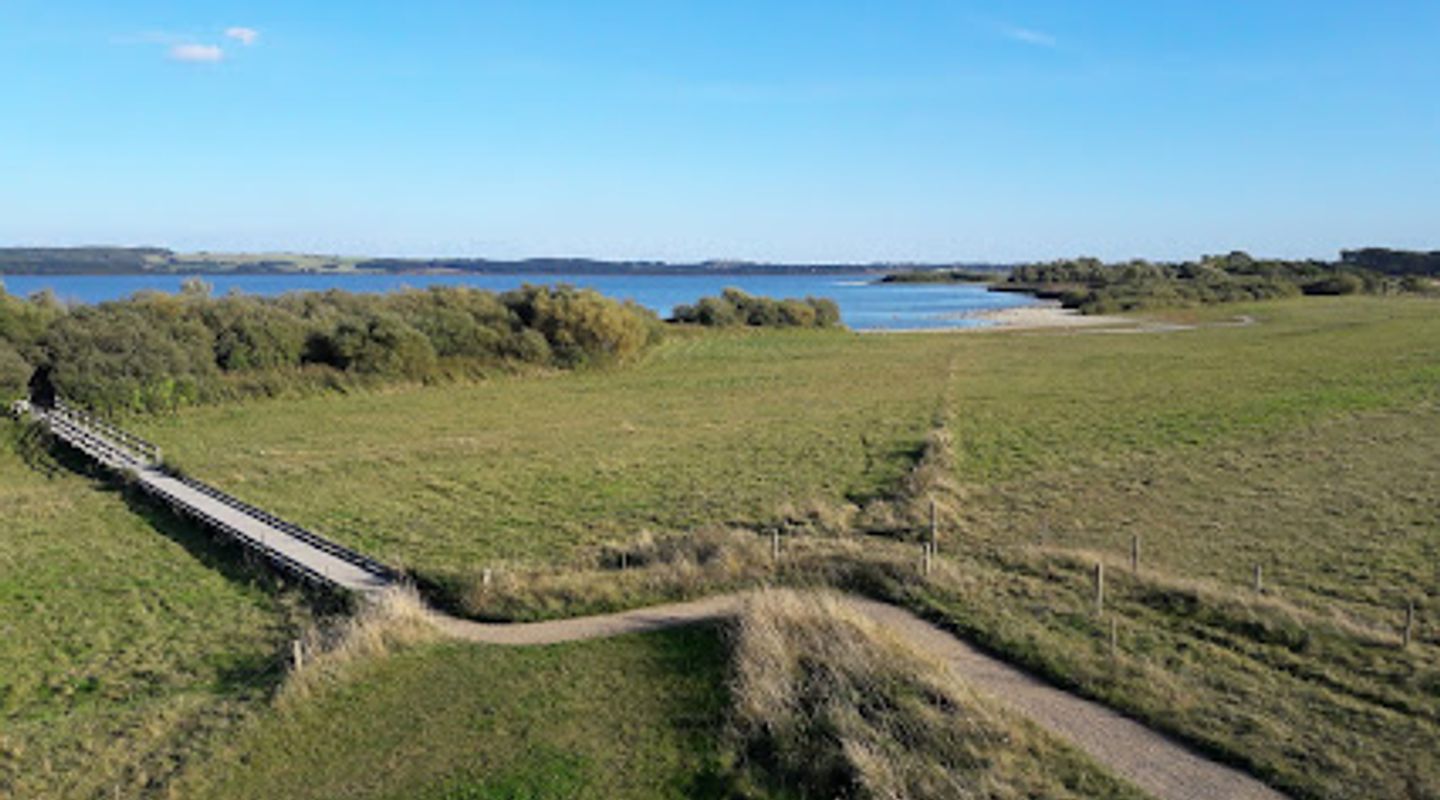
Naturpark Åmosen, often called Zealand’s last wilderness, is an 8,000–8,500-hectare nature park in West Zealand, unfolding as a chain of wetlands from Store Åmose bog to lakes Skarresø and Tissø and on to the Great Belt. Here, lowland bogs, meandering river valleys, deep forests and open meadows form a landscape rich in birdlife, deer and rare plants, layered with Stone Age settlements and spectacular archaeological finds. Waymarked hiking and cycling trails, shelters and guided tours make this wild mosaic surprisingly accessible.
A brief summary to Naturpark Åmosen
- Bakkendrupvej 28, Store Fuglede, 4480, DK
- Click to display
- Duration: 2 to 8 hours
- Free
-
 Outdoor
- Mobile reception: 3 out of 5

Know before you go
Hi, I'm Eve. Here are a few practical things to know before exploring Naturpark Åmosen.
- Carry waterproof footwear or sturdy hiking shoes; sections near the bog and river can be waterlogged or muddy, especially after rain or in spring.
- Bring binoculars for birdwatching around lakes Skarresø and Tissø, and time a visit for early morning or late afternoon for the best wildlife activity.
- Pack water and snacks, as services are scattered; use shelters, picnic tables and fire sites only where they are explicitly designated.
- In summer, insect repellent and light long sleeves make walks near wetlands more comfortable when mosquitoes and midges are active.
- Check local information about hunting seasons and guided events, as some areas may be busier or have temporary access restrictions.
Do you manage this location?
Take control to get all the benefits, like improved information, better appearance, and stronger visibility across AI-powered discovery. Learn more about listing your business on Evendo
Activate your presenceOther nearby places you may find interesting
The closest places of the same kind, if this one is not quite what you had in mind.
Explore Naturpark Åmosen on the Map
A handpicked selection of must-see spots near Naturpark Åmosen, mapped for you.
Getting There
-
Regional train and bus from Copenhagen or Roskilde
From Copenhagen or Roskilde, take a regional train toward West Zealand and continue to a nearby station such as Hvalsø, Jyderup or Slagelse; the journey typically takes 45–75 minutes depending on route and departures. From the station, use a local bus toward villages around Store Åmose or Tissø, with total travel time usually 1.5–2.5 hours. A combined train and bus ticket generally costs around 120–200 DKK one way in standard class. Services run regularly during the day but may be less frequent in evenings and on weekends, so checking the timetable in advance is important.
-
Car from Copenhagen and greater Zealand
Travelling by car from central Copenhagen to the Naturpark Åmosen area typically takes about 1.5–2 hours, depending on traffic and your chosen entry point near Store Fuglede, Hvalsø or Jyderup. There is no entrance fee to the park, and parking is usually free at designated trailheads, viewpoints and visitor facilities, though spaces can be limited on sunny weekends and in school holidays. Roads are paved and suitable for standard vehicles year‑round, but smaller rural lanes can be narrow and may require slower speeds in wet or icy conditions.
-
Cycling approach from nearby towns
From nearby West Zealand towns such as Hvalsø, Jyderup or Gørlev, you can cycle into Naturpark Åmosen in around 30–60 minutes, using a mix of local roads and signposted cycle routes that link villages, forests and wetland edges. The terrain is mostly gentle with some short slopes on the surrounding moraine hills, making it manageable for moderately fit riders. There is no cost beyond bicycle rental if needed, which in the region typically ranges from about 120–250 DKK per day. Surfaces vary from asphalt to gravel, so wider tyres and lights for low‑light conditions are recommended.
For the on-the-go comforts that matter to you
-
 Restrooms
-
 Seating Areas
-
 Picnic Areas
-
 Trash Bins
-
 Information Boards
-
 Visitor Center
-
 Drinking Water
Discover more about Naturpark Åmosen
Zealand’s last wilderness in the lowlands
Naturpark Åmosen stretches like a green artery across West Zealand, from the low-lying Store Åmose in the east to the shores of the Great Belt in the west. Much of the area lies barely above sea level, creating a broad basin of wetlands where mist hangs low on cool mornings and water glints between reeds and willow thickets. Lakes such as Skarresø and Tissø are strung along this shallow valley, while the Halleby Å river quietly threads them together.The park covers around 8,000–8,500 hectares of connected nature: extensive bogs, floodplain meadows, alder swamps and old forests, broken by patches of farmland and small villages. In many places, you can still read the story of the Ice Age in the rolling moraine hills around the valley, where sandy ridges and kettle holes frame wide views across the wetlands.Wetlands alive with birds, deer and quiet corners
The mosaic of habitats in Naturpark Åmosen makes it a haven for wildlife. Over open water, you may spot sea eagles circling high above the lakes, while colourful kingfishers flash low along the riverbanks. Reed beds hide warblers and bitterns, and in the quieter corners dragonflies patrol over dark pools. At dawn and dusk, red deer and roe deer emerge from the forest edge to graze on the meadows, sometimes standing silhouetted against drifting ground fog.Away from the main paths, the park can feel surprisingly remote by Danish standards. Old forest stands dampen sound, and in the bogs the ground becomes springy underfoot, scented with moss, heather and decay. The changing water levels throughout the year mean that some areas are periodically flooded, constantly reshaping the channels and ponds that define this landscape.From Stone Age lake to archaeological treasure chest
Long before it became a nature park, Åmosen was a large post-glacial lake where some of the first settlers in the region fished and hunted along its shores. Over thousands of years the lake gradually infilled and turned into bog, sealing in traces of daily life, ritual and belief. The waterlogged peat preserved organic materials that would otherwise have rotted, making the area of international archaeological importance.Finds from the wider Åmose–Tissø system include tools and equipment from prehistoric settlements as well as spectacular ritual deposits. Among the most famous is the heavy gold neck ring associated with Tissø, a reminder that this quiet landscape once formed the backdrop to power, wealth and cultic activity. Today, information boards and exhibitions at places such as Fugledegård help connect the tranquil scenery you see with the intense human drama that once unfolded here.Trails, shelters and slow travel through the park
For visitors, Naturpark Åmosen is best experienced at a walking or cycling pace. Marked paths follow old towpaths, forest tracks and even a former railway line, offering varied day walks and easy bike routes that link viewpoints, birdwatching spots and small cultural sites. Some routes trace the edge of the bog, others weave through mixed woodland or along lake shores where you can pause at small jetties and benches.Simple overnight options such as shelters and tent areas allow you to stay out when darkness falls, when owl calls replace daytime birdsong and the sky opens over the flat valley. In selected seasons, guided walks and themed tours introduce everything from edible wild plants to the lives of bats in an old tunnel, adding another layer of insight to the landscape.Shared stewardship and a living countryside
Naturpark Åmosen is largely a patchwork of private land, state areas and municipal holdings, managed through cooperation rather than a single authority. Much of the park lies within European Natura 2000 designations, reflecting its value for habitats and species. Ongoing projects in the low-lying soils aim to keep water in the landscape, reduce greenhouse gas emissions and support biodiversity in the bogs and meadows.Despite its wild reputation, this is very much a lived-in countryside. Farmhouses, small churches and manor landscapes border the wetlands, and local communities are closely involved in the park’s future. As you explore, you move through a landscape where conservation, agriculture and everyday life constantly intersect, making Naturpark Åmosen both a refuge for nature and a quietly dynamic part of rural Zealand.












Your all‑in‑one travel companion app
Explore expert travel guides, compare and book tours, experiences, hotels, and more—all from the palm of your hand. Download now for seamless trip planning wherever your wanderlust takes you.


Explore More of Mon
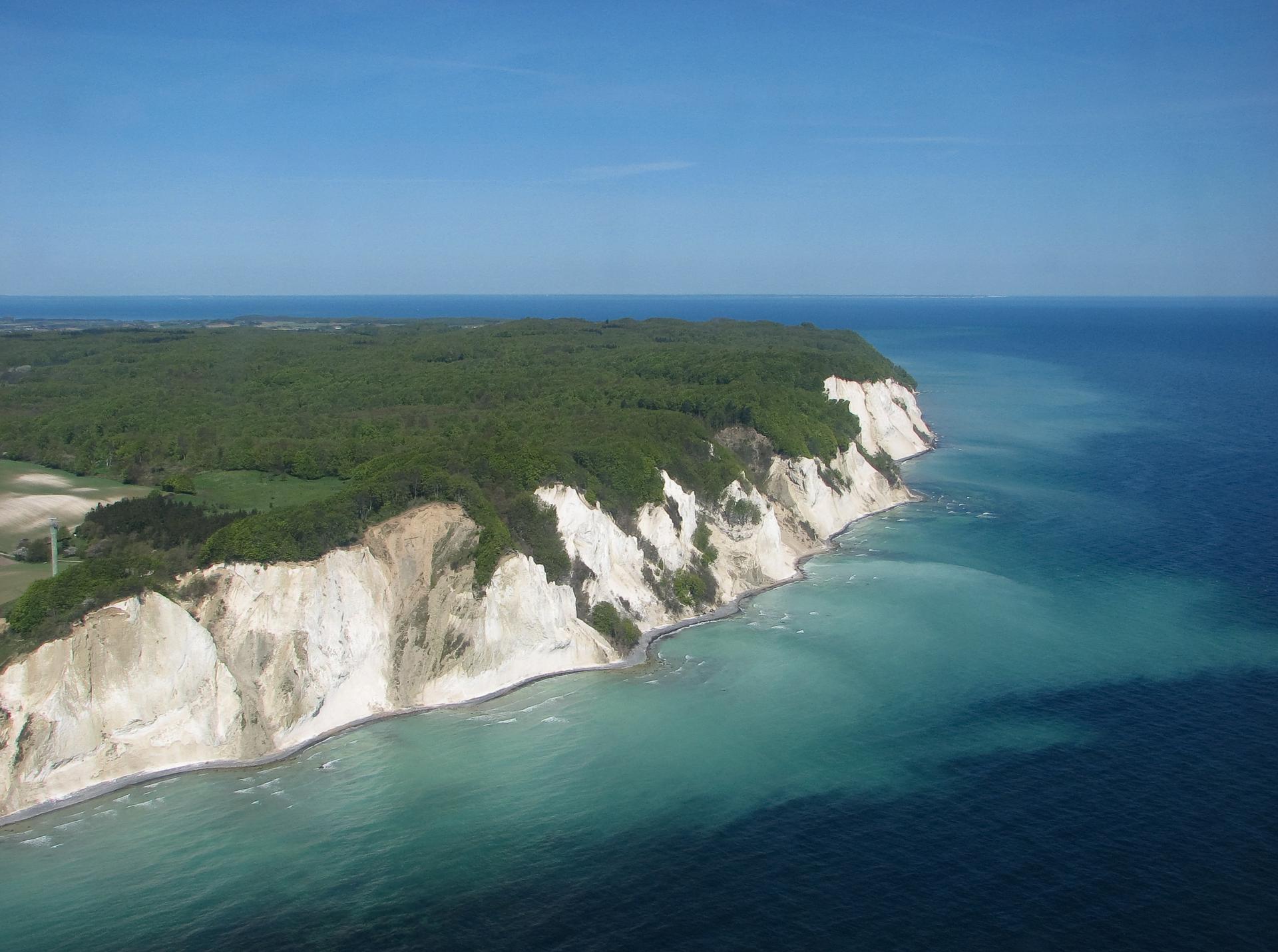
Looking beyond Naturpark Åmosen? Discover Mon for broader travel guides, local hot-spots, and regional highlights.
Explore Mon
Historic post house turned modern event hub, Postgaarden is Kalundborg’s go-to address for comedy, concerts and celebrations on lively Kordilgade.
Denmark's village heart: where community gathers, traditions thrive, and neighbors become family.
