Maderne Røsnæs, Kalundborg Travel Guide
Free Guide: Low-lying coastal meadows on Røsnæs where ice-age geology, bird‑rich wetlands and quiet grazing land create a gentle, contemplative pause on the Røsnæs Round trail.


A brief summary of Maderne Røsnæs
Low-lying coastal meadows on Røsnæs where ice-age geology, bird‑rich wetlands and quiet grazing land create a gentle, contemplative pause on the Røsnæs Round trail.
Maderne is a low-lying coastal nature area on the Røsnæs peninsula near Kalundborg, forming one of the 13 marked landmarks on the Røsnæs Round hiking route. Shaped by the last Ice Age, the landscape here blends wet meadows, small ponds and open grazing land with sweeping views towards Kalundborg Fjord. Wooden walkways and simple paths invite slow exploration, birdwatching and quiet pauses, while the nearby nature school underlines the site’s role as an open-air classroom for Danish coastal ecology and geology.
On-site amenities
 Restrooms
 Seating areas
 Trash bins
 Information boards
 Picnic areas
Opening hours
- Every dayOpen 24 hours
Opening hours as listed on the venue’s Google Business Profile. Hours can change for services and special events, so check with the venue before you go.
- Address
- 4400 Kalundborg
- Website
Getting there
Car from central Kalundborg
Bus plus short walk from Kalundborg
Bicycle from Kalundborg
Discover more about Maderne Røsnæs
Shoreline Meadows Shaped by Ice and Sea
Maderne lies on the northern side of the Røsnæs peninsula, in a gently sloping basin where sea, wind and Ice Age deposits have worked together to form a mosaic of wet meadows and shallow pools. The ground is low and often moist, with grasses, sedges and reeds taking over where drier coastal heath gives way to saltier air. In spring and early summer, the meadows can be speckled with wildflowers, while migratory birds forage in the soft ground. The area feels open and expansive despite being modest in size, framed by soft hills on one side and the glitter of Kalundborg Fjord on the other.The name hints at its character: in Danish, “mader” often refers to flat, marshy grassland that may be flooded at times. That is exactly the impression here. You move through a landscape that is never quite land or sea, but an in‑between zone where each high tide or winter storm leaves its mark. It is an excellent place to sense how vulnerable and dynamic this part of Zealand’s coastline really is.
A Landmark on the Røsnæs Round Trail
Maderne is one of 13 carefully selected landmarks on the 25 km Røsnæs Round hiking route that circles the peninsula. The concept behind these landmarks is to highlight spots where geology, nature and cultural history intersect in a striking way. Here, the focus is on the flat coastal plain and the way glacial deposits have been reworked by waves and currents to create fertile grazing land and bird habitat.Simple waymarking and information in the wider Røsnæs area help you understand how Maderne fits into the peninsula’s broader story of ridges, cliffs, vineyards and coastal slopes. Many walkers pass through as part of a longer day hike, using Maderne as a gentle section between more dramatic viewpoints. Others come specifically for a shorter stroll from the nearby nature school, treating Maderne as a compact, easy‑to‑read example of Danish coastal meadow.
Birdlife, Grazing and Quiet Observation
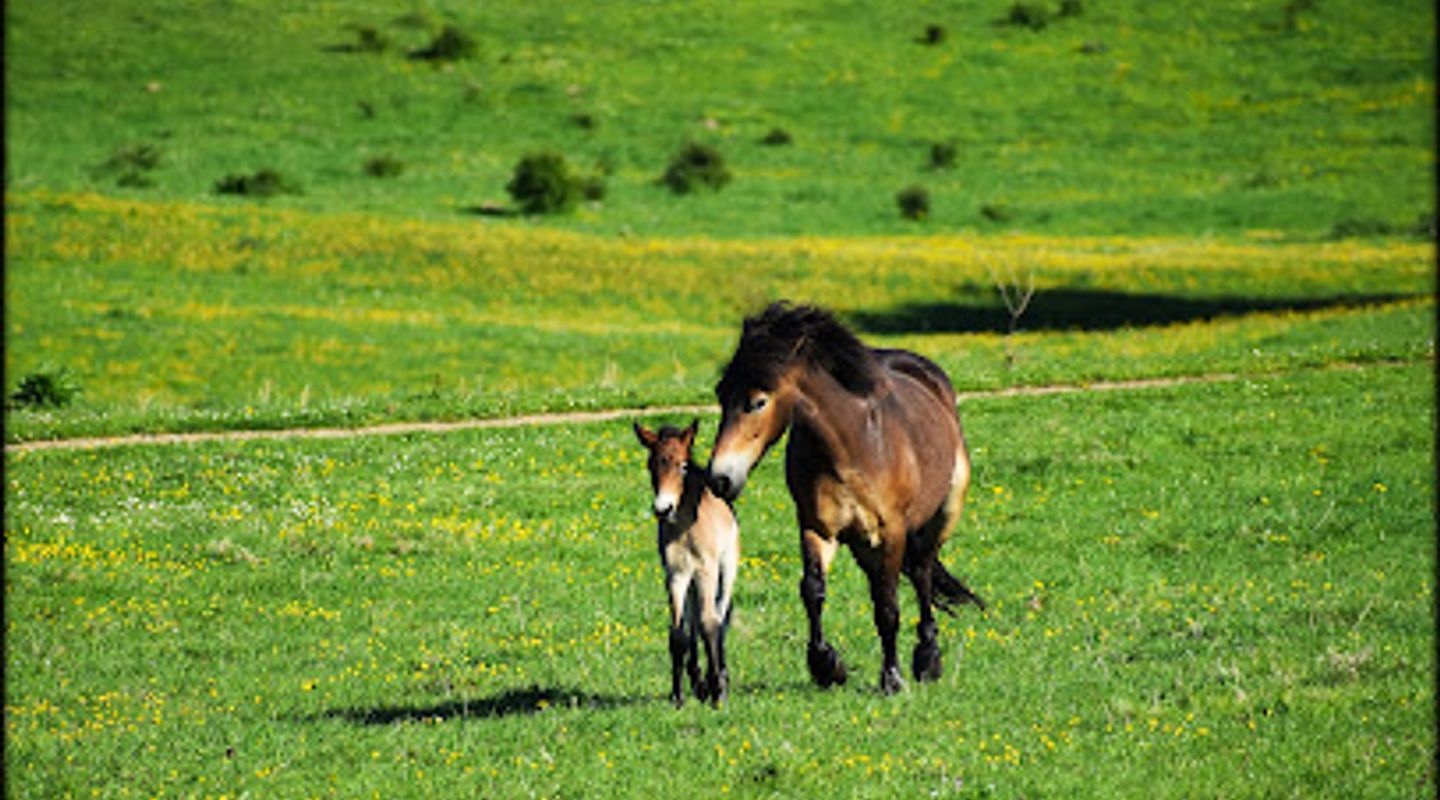
What stands out at Maderne is not grand scenery but detail. You may notice grazing cattle or sheep maintaining the open character of the meadows, an important part of the site’s nature management. Their slow movement and soft sounds add a pastoral rhythm to the place. Wading birds probe the wet ground, while small flocks of ducks and geese rest in the shallower pools, especially during migration seasons.Because the landscape is low and relatively uncluttered, even small changes in weather feel amplified. A shift in wind direction, a passing shower or a beam of sunlight can transform the colours from muted greys and browns to vivid greens and blues. Benches or simple vantage points on slightly higher ground allow you to sit and watch this play of light, weather and wildlife without needing to walk far.
Learning Landscape Near the Nature School
Maderne lies only a short distance from the Røsnæs Nature School, which uses the surrounding terrain as its outdoor classroom. The meadows are particularly suited to demonstrating how humans and nature interact along the Danish coast: drainage ditches, grazing regimes and path placement all influence which plants and animals thrive here. Children and adults alike can trace watercourses, look for animal tracks in softer ground or compare wind‑exposed and sheltered corners.The gentle gradients and relatively smooth paths make it an accessible introduction to the wider Røsnæs landscape for those who may not wish to tackle steeper sections closer to the lighthouse. It is a place where you can simply slow down, listen to the wind crossing open grass, and get a feel for the peninsula’s quieter side before or after exploring its more rugged cliffs.
Calm Peninsula Atmosphere on the Edge of Kalundborg
Although Maderne sits only a short drive from Kalundborg, it feels distinctly rural. Farm buildings and fields are never far away, yet the soundscape is dominated by birds, cattle and the occasional distant ship in the fjord. The open sky is a constant presence, making this a pleasant spot for soft evening light or introspective walks under shifting clouds.This is not a place of facilities and bustle; rather, it offers a low‑key, contemplative encounter with West Zealand’s coastal nature. Combined with other stops on Røsnæs, Maderne rounds out the picture of a peninsula where small variations in height, moisture and exposure create many different micro‑landscapes within a compact area.
Evendo Review Centre
 Google
Guest reviews
Best time to go
Quietest: Jan, Feb & Dec · before 7am or from 9pm
Busy times are Evendo estimates for a typical year, to help you plan. Actual crowds vary with events, school holidays and the weather.
Explore Maderne Røsnæs on the map
A handpicked selection of must-see spots near Maderne Røsnæs, mapped for you.
Get your free copy of our complete guide to Maderne Røsnæs, delivered straight to you.
Everything on this page, from opening hours and how to get there to Eve’s tips and the best time to go, in one PDF you can read offline, print or share.
Already have an account? Sign in
Your Maderne Røsnæs guide is ready.
We'll send it to · Not you? Sign out

Getting your guide ready…
We are putting together a fresh copy of the Maderne Røsnæs guide. This can take up to a minute.
This can take a few moments. If your browser asks, choose Allow so the download can start. You'll find the guide in your Downloads folder.
Nothing happened? Download it again
Sorry, the guide is taking longer than usual. Please try again in a minute, or get it by email instead.
Other nearby places you may find interesting
The closest places of the same kind, if this one is not quite what you had in mind.
-
-
-
-
-


Swipe for more places
More to explore near Maderne Røsnæs

 Best experiences near Maderne Røsnæs
 Best hotels near Maderne Røsnæs
 Best landmarks near Maderne Røsnæs
 Best attractions near Maderne Røsnæs
 Best shops near Maderne Røsnæs
 Best restaurants near Maderne Røsnæs
 Best bars near Maderne Røsnæs
Do you manage this location?
Take control to get all the benefits, like improved information, better appearance, and stronger visibility across AI-powered discovery.
Explore more

Explore more of Kalundborg
Discover Kalundborg, a picturesque Danish town with rich history, stunning landscapes, and a vibrant cultural scene. Perfect for nature lovers and history enthusiasts alike.
Explore Kalundborg
Explore more of Denmark
Discover Denmark: A perfect blend of history, modern design, and the cozy concept of hygge. Explore vibrant cities, serene landscapes, and world-class cuisine.
Explore Denmark