
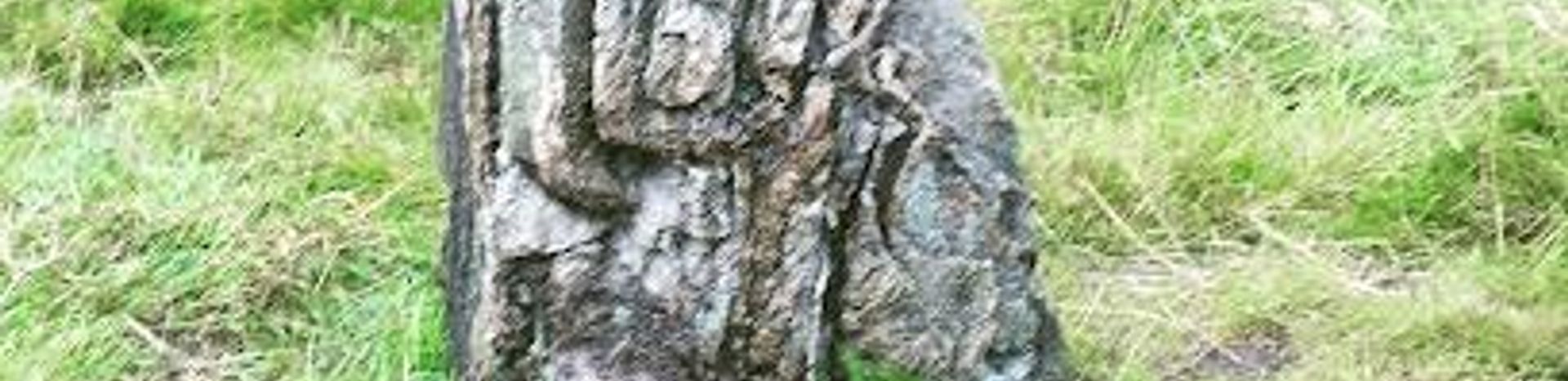
Elvira Madigan og Sixten Sparre – Memorial in Nørreskoven, Tåsinge
A modest forest memorial in Nørreskoven on Tåsinge, where a quiet clearing and simple stone mark the dramatic 1889 fate of Elvira Madigan and Sixten Sparre.
In a quiet clearing in Nørreskoven on Tåsinge, near Svendborg, a simple memorial stone marks one of Scandinavia’s most discussed tragedies: the 1889 death of circus artist Elvira Madigan and Swedish lieutenant Sixten Sparre. Surrounded by beech trees and birdsong, this understated memorial invites reflection on a story long retold as romantic drama but now seen as a darker tale of obsession, despair, and carefully staged exit from the world.
A brief summary to Elvira Madigan og Sixten Sparre
- Nørreskovvej 14, Svendborg, 5700, DK
- Duration: 0.5 to 1.5 hours
- Free
-
 Outdoor
- Mobile reception: 4 out of 5
- Monday 12 am-12 am
- Tuesday 12 am-12 am
- Wednesday 12 am-12 am
- Thursday 12 am-12 am
- Friday 12 am-12 am
- Saturday 12 am-12 am
- Sunday 12 am-12 am
Local tips
- Wear comfortable walking shoes; the paths through Nørreskoven are easy but can be uneven, muddy and slippery after rain.
- Read a short summary of the Elvira Madigan and Sixten Sparre story before your visit to better appreciate the inscriptions on the memorial stone.
- Combine the forest memorial with a visit to Landet Churchyard and the local museum exhibition for a fuller picture of the events of 1889.
- Bring water and perhaps a light snack; there are no facilities directly at the memorial, only the natural forest surroundings.

For the on-the-go comforts that matter to you
- Trash Bins
- Information Boards
Getting There
-
Car from central Svendborg
Driving from central Svendborg to Nørreskoven on Tåsinge typically takes 15–25 minutes, depending on traffic over the Svendborgsund Bridge. The route follows main roads through the South Funen archipelago, with clear signage towards Tåsinge and the forest area. Parking is usually available near the forest edges but can be limited on sunny weekends and holiday periods. Expect fuel costs to be modest for the short distance; if you use a hired car in Denmark, daily rental rates commonly range around 400–800 DKK depending on season and vehicle class.
-
Local bus and short walk
From Svendborg you can use local buses that serve Tåsinge and areas near Nørreskoven, with total travel times typically 30–50 minutes including a short walk through the forest. Services run more frequently on weekdays and daytime hours than in evenings or on Sundays, so checking current timetables in advance is essential. A single adult bus ticket on local routes in this part of Funen usually costs about 25–40 DKK, with options for period or multi-ride tickets offering better value if you plan several trips.
-
Bicycle from Svendborg area
Cycling from Svendborg to Tåsinge and Nørreskoven is a scenic option, generally taking 30–60 minutes each way depending on your pace and exact starting point. The route combines urban streets, the bridge crossing and quieter country roads with some gentle hills. Basic road cycling skills and comfort with light traffic are necessary, but there are stretches on smaller lanes that feel quite rural. Bicycle rental in Svendborg often costs in the range of 100–200 DKK per day, and weather conditions, especially wind and rain, can significantly affect your experience.
Elvira Madigan og Sixten Sparre location weather suitability
-
 Clear Skies
-
 Mild Temperatures
-
 Any Weather
-
 Cold Weather
Discover more about Elvira Madigan og Sixten Sparre
A quiet forest clearing with a heavy story
Nørreskoven on Tåsinge is a classic South Funen beech forest – soft light, birdsong and fern-covered ground. In the middle of this calm, a simple memorial stone stands slightly off the path. At first glance it looks like any modest monument in the Danish countryside, but the names carved into the stone, Elvira Madigan and Sixten Sparre, carry a story that has echoed across the Nordic countries for more than a century. On a July day in 1889, an elderly woman picking raspberries in this very forest found two young people lying on a rain sheet in a small clearing. At first she believed they were asleep. Only when she came closer did she realise they were dead, both shot. The discovery turned this otherwise ordinary corner of Nørreskoven into the setting of a tragedy that would be retold in books, theatre, film and music.From circus spotlight to tragic ending
Elvira Madigan was the stage name of Hedvig Jensen, a Danish circus artist celebrated for her tightrope performances and ethereal presence under the big top. Sixten Sparre was a Swedish cavalry officer, older, married and the father of two. Captivated by the young performer, he arranged to meet her, and the two eventually fled together, leaving behind responsibility, family and a mounting pile of debts. Their escape took them first to Svendborg, where they stayed for about a month at a town hotel. Money soon ran short, and the couple moved on to the island of Tåsinge, hoping to disappear into the rural quiet. Here, on land belonging to Baron Iuel-Brockdorff near Valdemars Castle, they lived out their final days, walking the same forest paths visitors follow today before their lives ended in this modest glade.Love story, crime scene, and changing perspectives
For decades, the events in Nørreskoven were told as a heartbreaking love story: two people so hopelessly in love, and so trapped by convention, that they chose death over separation. Songs, films and romanticised accounts cemented the myth of doomed lovers united in a final, dramatic act under the trees of Tåsinge. Modern research has challenged that version. New readings of letters and biographies now frame the event as the murder of a young woman followed by the suicide of a man under unbearable financial and social pressure. In this light, the memorial stone becomes less a symbol of shared romantic destiny and more a sober marker of exploitation, control and a carefully staged exit planned by Sixten Sparre himself.Memorial stone in the forest, graves at Landet churchyard
The stone in Nørreskoven marks the approximate place where the bodies were found. It stands alone among the trees, with just enough clearance to let in light, and its modest size suits the quiet surroundings. There is no elaborate sculpture here, only names and dates that gently invite you to fill in the story yourself. Those wishing to follow the narrative further often combine a visit to the memorial with a stop at Landet Churchyard elsewhere on Tåsinge, where the couple are buried side by side, and at the small local museum collection devoted to the case. Together, the forest stone, the churchyard graves and the exhibition form a triad of places that each emphasise different aspects of the story: the physical scene of the deaths, the formal resting place and the documented history behind both.Walking, reflection and literary echoes
Today, the experience of the memorial is shaped as much by the forest as by the stone. The walk through Nørreskoven is gentle, with broad paths, birds overhead and occasional views towards the water. When you reach the clearing, the sudden stillness encourages a pause – not only to think about Elvira and Sixten, but also about how stories are told, romanticised and later rewritten. The case has inspired novels, biographies and studies that peel away layers of myth. Standing here, it is easy to picture the contrast between circus lights and military uniforms on one hand and this quiet patch of undergrowth on the other. The memorial offers no verdict, only an atmosphere: a tranquil place where visitors can weigh love against power, choice against desperation, and legend against documented fact.A small detour with lasting resonance
As a destination, the memorial stone is modest – there are no facilities or grand installations, and it rarely takes long to see. Its impact lies in the way it turns a simple forest walk into an encounter with a story that refuses to settle into one clear meaning. The same clearing that once served as a carefully prepared stage for an act of finality now hosts slow footsteps, hushed conversations and the occasional bouquet of flowers left in silence. For travellers exploring South Funen’s castles, villages and coastline, a detour into Nørreskoven adds a different note: not just scenic nature, but a reminder that the most peaceful landscapes can hold some of the region’s most unsettling human stories. The stone is small, the forest is gentle, yet the narrative that lingers here is anything but light.Iconic landmarks you can’t miss

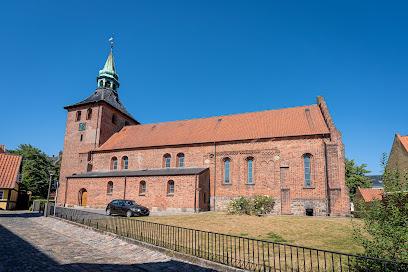
Saint Nicolai's Church
6.1 km
Svendborg’s oldest church and a quiet seafaring sanctuary, where red-brick medieval walls and a calm, whitewashed interior meet just off lively Gerritsgade.
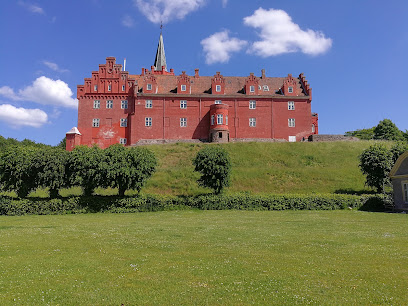
Tranekær Castle
14.2 km
A red-plastered island fortress turned noble family home, Tranekær Castle crowns a hat-shaped hill on Langeland, blending medieval power, romance and working estate life.
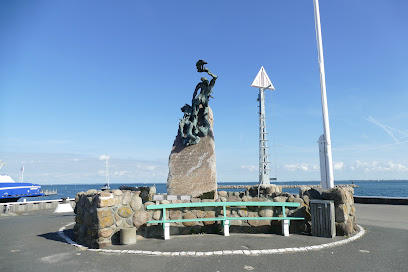
Monument for Danske Sømænd
18.0 km
A modest harbourfront memorial in Marstal that quietly honours generations of Danish sailors who left this island port and never returned from the sea.
Ærø Turist & Erhverv
19.0 km
Explore the beautiful island of Ærø with expert insights and resources from Ærø Turist & Erhverv, your local tourist information center.
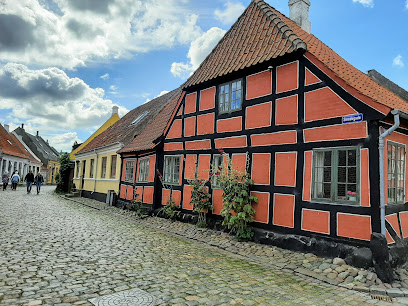
Ærøfærgerne
19.1 km
Experience the scenic ferry ride to Ærø Island via Ærøfærgerne, where Danish charm meets breathtaking coastal views.
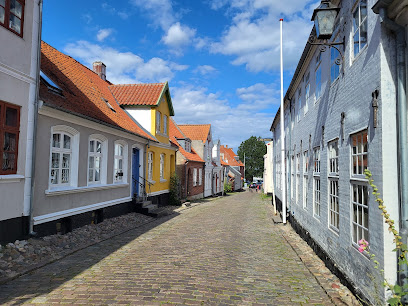
Hattesens Konfektfabrik Aps
19.1 km
Discover the sweet artistry of traditional Danish liquorice at Hattesens Konfektfabrik Aps in scenic Ærøskøbing.
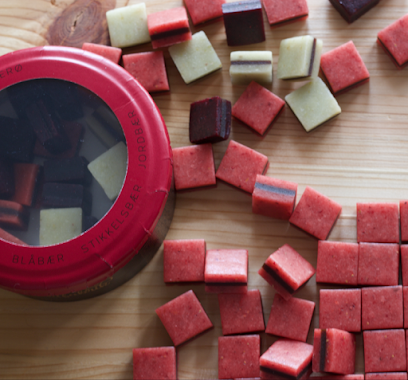
Hotel Ærøhus
19.2 km
Historic hotel in the heart of Ærøskøbing known for its authentic Danish charm, lush gardens, and local island cuisine—a perfect base for exploring Ærø.
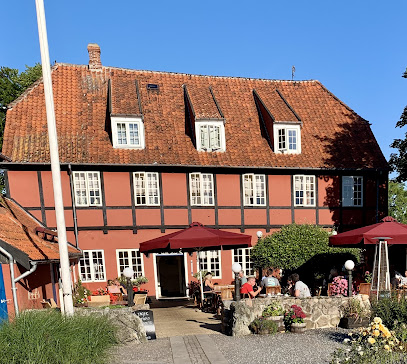
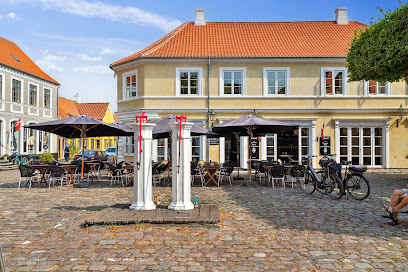
På Torvet
19.3 km
Experience the unique charm of På Torvet in Ærøskøbing, where historic beauty meets modern comfort in the heart of Denmark.
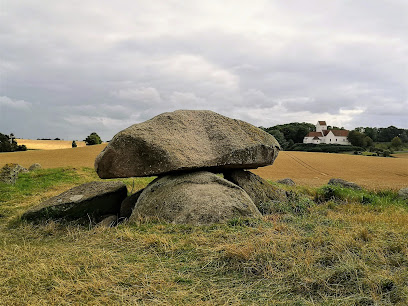
Langdyssen "Kong Humbles Grav"
19.3 km
A 55‑metre Stone Age long dolmen in the fields north of Humble, where legend, prehistoric engineering and soft Langeland landscapes meet in quiet simplicity.
Danish Island Weddings
19.3 km
Experience the magic of weddings on the enchanting Danish island of Ærø, where love meets scenic beauty and unforgettable memories are made.
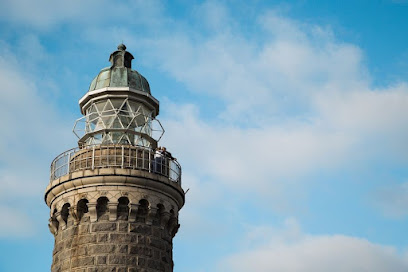
Andelen Guesthouse
19.3 km
Discover the charm of Ærøskøbing at Andelen Guesthouse, your cozy retreat in the heart of Denmark's picturesque island.
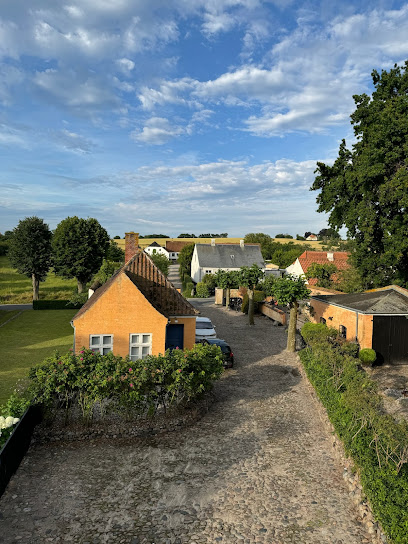
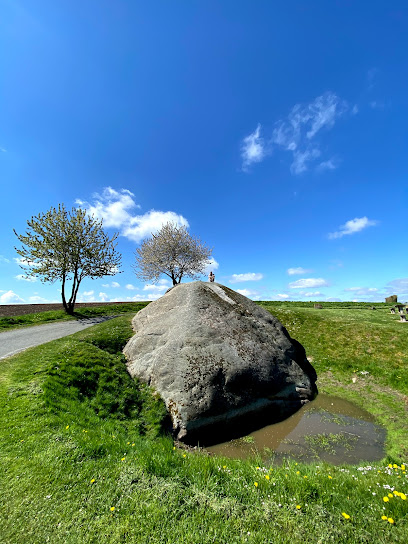
Damestenen
21.2 km
Denmark's colossal 1,200-tonne ice-age boulder, transported from Sweden 18,000 years ago.
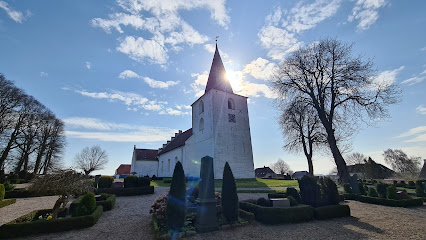
Rise Kirke
22.5 km
A quietly beautiful 12th‑century countryside church on Ærø, where whitewashed walls, historic graves and open fields tell the island’s rural and seafaring story.
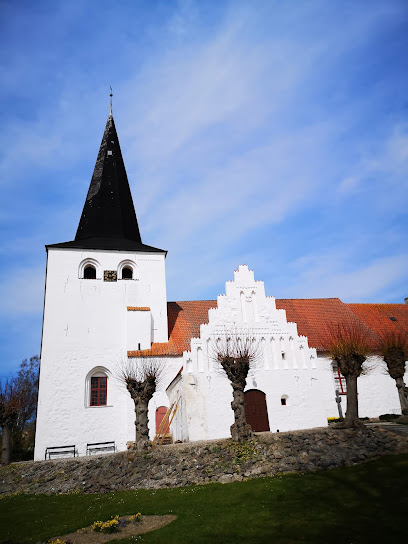
Bregninge Kirke
24.1 km
Medieval island church on a gentle Ærø hillside, where whitewashed stone, quiet fields and seafaring stories meet in a calm, contemplative setting.
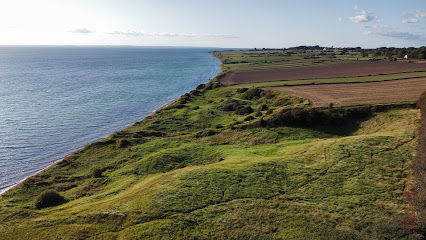
Forladt skorsten
24.5 km
A haunting brick ruin marking Ærø's vanished industrial era, standing silent on the island's edge.
Unmissable attractions to see

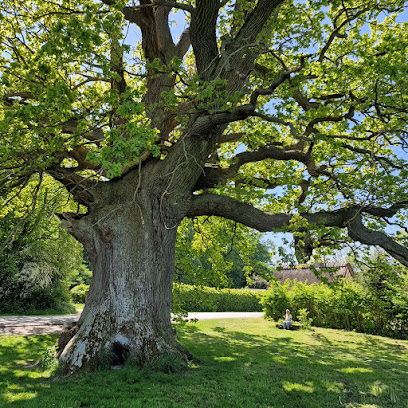
Ambrosius's Oak
1.6 km
A 400‑year‑old oak in Tåsinge’s Nørreskov forest, where poetry, castle history, and quiet woodland atmosphere meet beneath one vast crown.
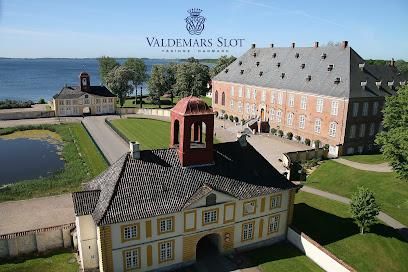
Valdemars Slot
2.3 km
Seaside baroque manor on Tåsinge where royal ambition, naval heroism and intimate family life meet amid gardens, shoreline paths and characterful historic interiors.
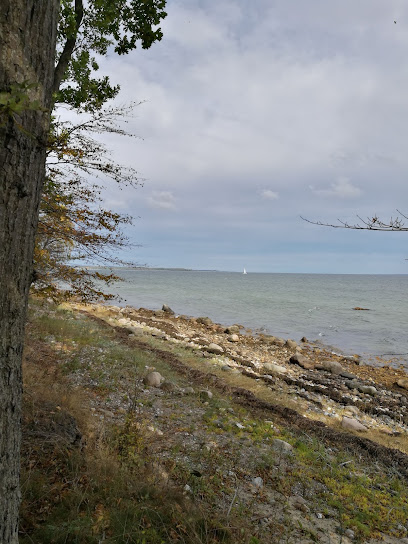
Tåsinge
2.3 km
Romantic South Funen island of skipper villages, castle landscapes, hilltop views and the enduring love story of Elvira Madigan and Sixten Sparre.
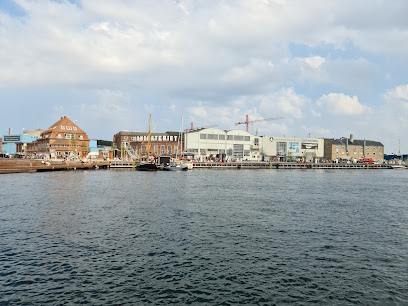
Danmarks Museum for Lystsejlads
6.0 km
Denmark’s dedicated yachting museum in Svendborg Harbour, showcasing 150 years of pleasure sailing through classic boats, living workshops and rich maritime stories.
Anne Hvide's House
6.3 km
Explore Denmark's rich glass and ceramic heritage at Holmegaard Værk, featuring extensive collections and live artisan demonstrations.
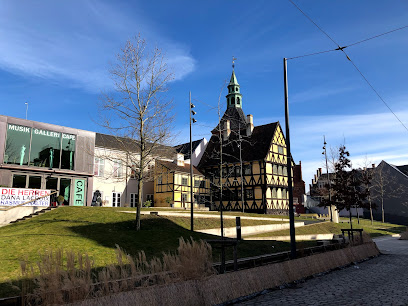
Cubo Nero
6.6 km
Historic glass factory turned museum celebrating two centuries of Scandinavian design mastery and innovation.
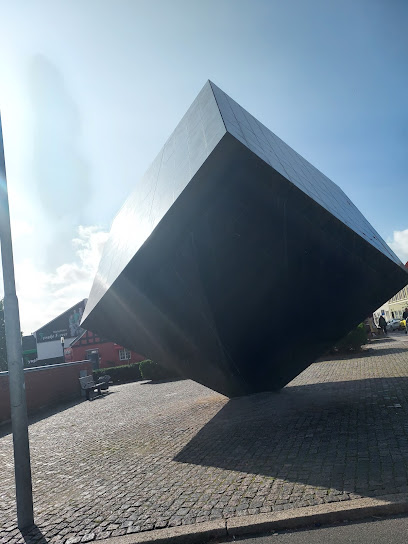
Danmarks Forsorgsmuseum
6.6 km
Step inside Northern Europe’s best‑preserved poorhouse in Svendborg and explore 100 years of Danish welfare history told through original rooms, objects and human destinies.
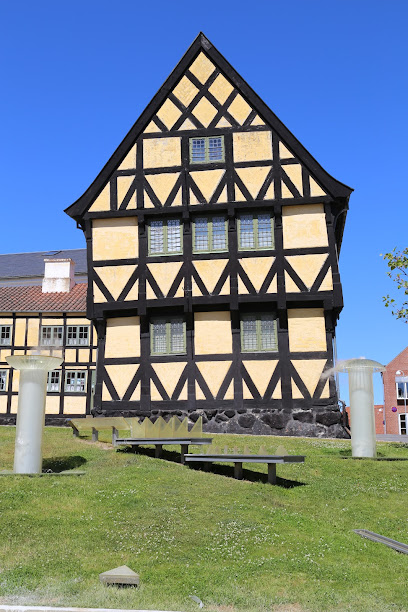
Beautiful Beach
6.7 km
Sheltered island sands, shallow waters and simple seaside fun on Thurø’s Smørmosen Beach, just off Svendborg in the heart of the South Funen Archipelago.
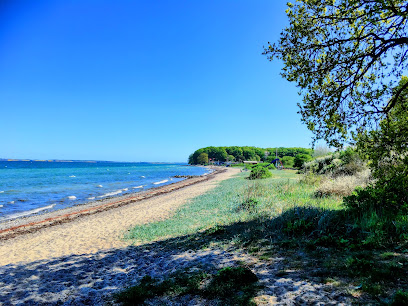
Vornæs havn
6.7 km
Small, scenic harbour on the Vornæs peninsula where woodland meets the South Funen coast, offering quiet moorings, coastal walks and peaceful fishing waters.
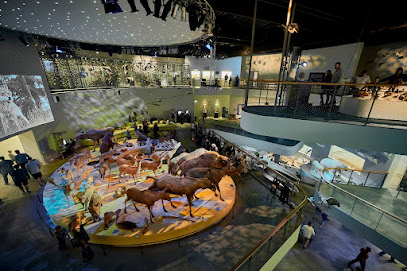
Naturama
6.7 km
Denmark's most immersive natural history museum, where dramatic design and living collections reveal nature's interconnected wonders.
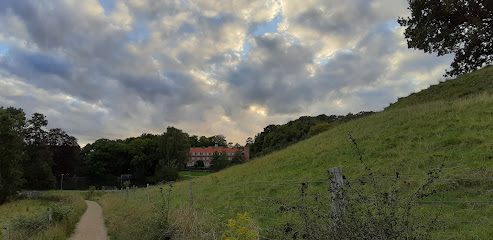
Ørkild Slots Voldsted
7.0 km
One of Denmark’s largest medieval castle mounds, where grassy ramparts and deep ditches reveal the ghost of a lost fortress above the outskirts of Svendborg.
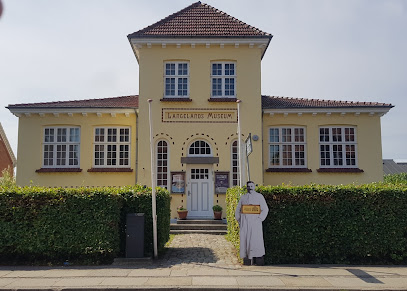
Langelands Museum
9.5 km
Compact island museum in Rudkøbing tracing Langeland’s story from Stone Age barrows to world wars, GDR plastics and everyday life on a Baltic outpost.
Simmerbølle Church
10.6 km
A small medieval church on Langeland, where fieldstone walls, an east-end tower and quirky frescoes – including a playful Danish coat of arms – invite quiet exploration.
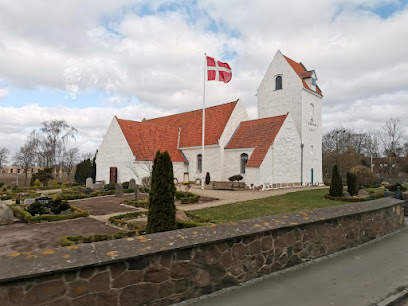
Tobaksladen
13.7 km
A tiny former village shop in Tranekær, Tobaksladen preserves the feel of a historic tobacconist and general store on the Danish island of Langeland.
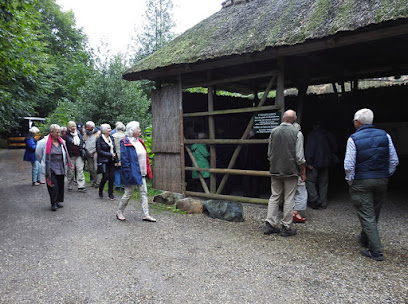
Souvenirmuseet Souvenariet
14.1 km
A whimsical museum celebrating the art of souvenir collecting in a historic Danish castle town.
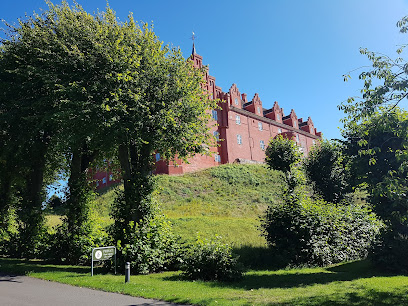
Essential places to dine

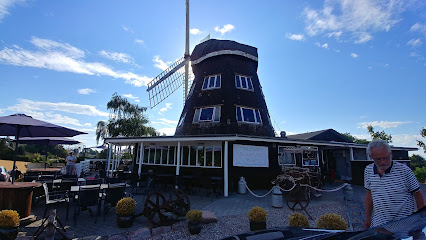
Restaurant Bregninge Mølle
2.7 km
Historic village mill on Tåsinge serving hearty Danish classics and hosting celebrations in a cosy countryside setting near Svendborg.
Thurø Stuen ApS
5.4 km
Hearty Danish comfort food in a thatched village house on Thurø, blending island coziness, classic recipes and a relaxed, local pub-like atmosphere.
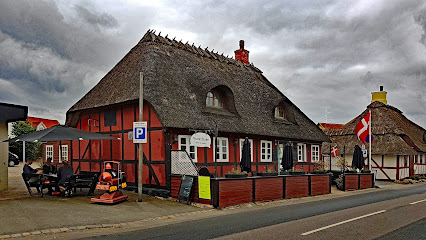
Restaurant Øret
5.4 km
Unpretentious Danish dining where fresh local ingredients and skilled kitchen craft create honest, memorable meals.
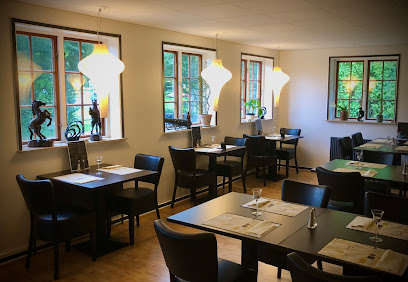
Stella Maris
5.6 km
An intimate seaside boutique hotel on Svendborgsund, blending Nordic design, gourmet dining and tranquil garden-and-water views on the edge of South Funen.
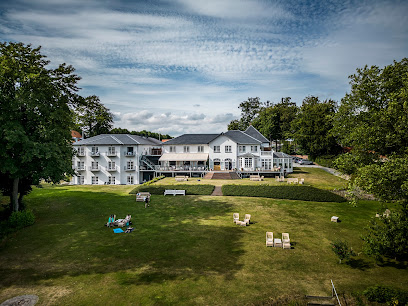
Restaurant Hotel Ærø i Svendborg
6.0 km
Historic harborfront restaurant serving traditional Danish cuisine in a colonial-styled setting steeped in maritime heritage.
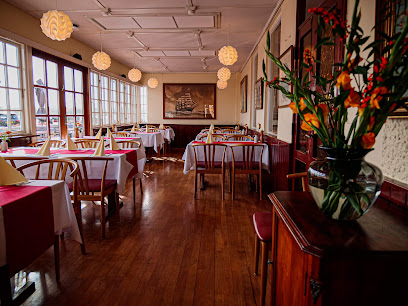
Jettes Diner
6.0 km
Cozy harbor-side diner in Svendborg serving generous burgers, changing daily specials and comforting Danish-style dishes in a relaxed, family-friendly setting.
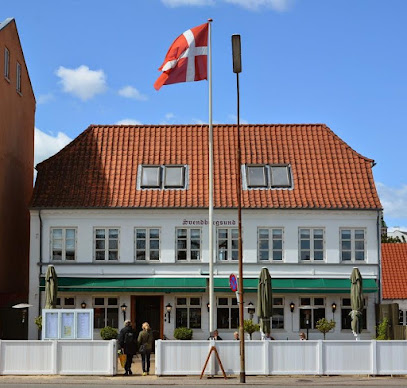
Restaurant Svendborgsund
6.1 km
Classic Danish cooking and hearty portions served right on Svendborg’s harborfront, with wide views across Svendborgsund and a relaxed, maritime atmosphere all day long.
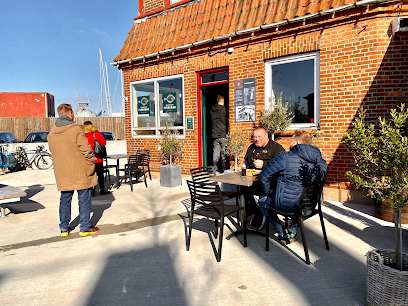
Frederiksøens Madbar
6.1 km
Casual harbourfront burger and seafood bar on Svendborg’s old shipyard island, pairing organic burgers and fried fish with laid-back maritime views.
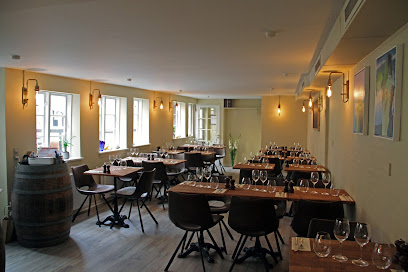
Salig Simons Gaard
6.1 km
French-inspired bistro flair in a historic Svendborg courtyard, where candlelit beams, local Funen produce and relaxed service turn meals into lingering occasions.
Restaurant Resumé
6.1 km
Gourmet cuisine rooted in South Funen, delivered at remarkable value in Svendborg's finest restaurant.
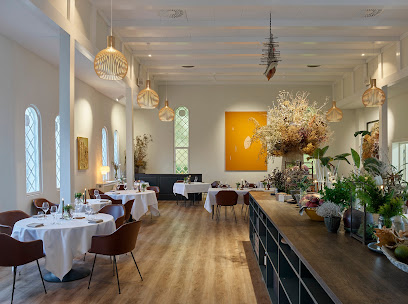
Thude's Restaurant & Vinbar
6.1 km
Intimate seafood-focused restaurant and wine bar in central Svendborg, pairing seasonal Danish cooking with thoughtful wines and a charming hidden garden terrace.
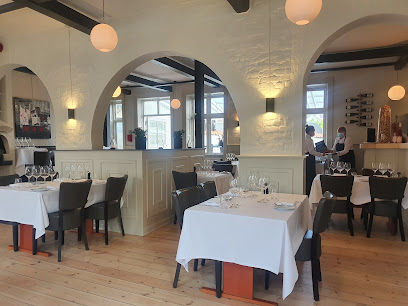
Restaurant
6.2 km
Waterfront hotel restaurant in Svendborg serving seasonal Danish cuisine with a strong seafood focus, framed by wide sea views and a spacious terrace by the beach.
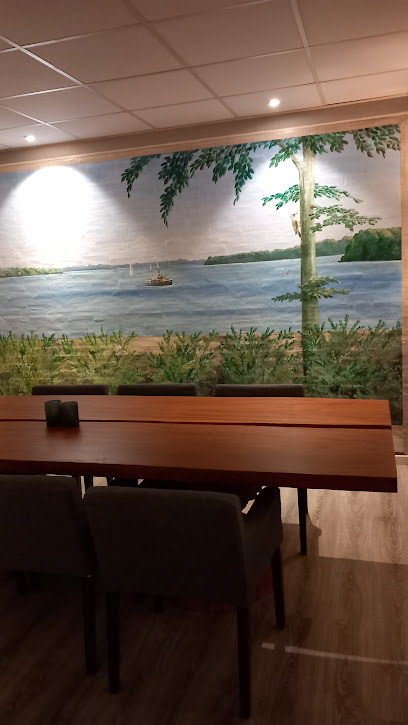
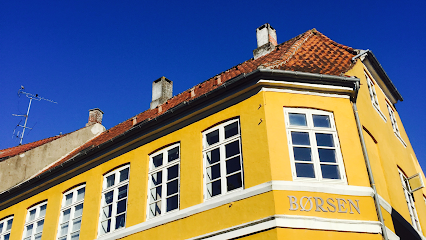
Restaurant Børsen
6.2 km
Central Svendborg gastropub blending Danish comfort cooking, specialty beers and a colourful terrace under floating umbrellas in a set of characterful vintage rooms.
Under Uret
6.2 km
All-day café and brasserie under the clock on Svendborg’s main pedestrian street, serving cozy comfort food, quality coffee and relaxed drinks from morning to late night.
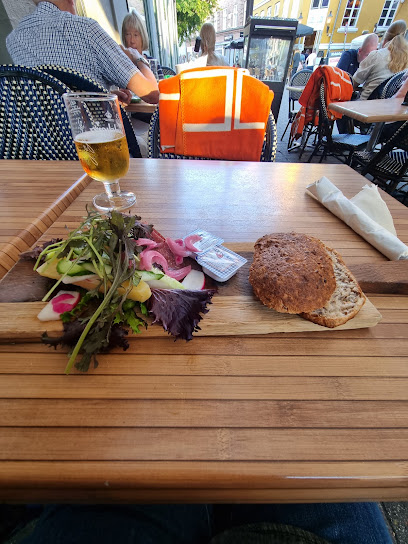
Pams African Restaurant
6.3 km
Ghanaian warmth, jollof rice and slow-cooked stews bring a slice of West Africa to the historic streets of Svendborg’s compact old town.
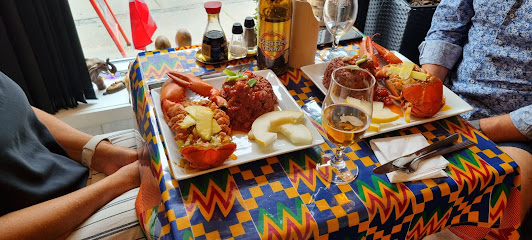
Markets, malls and hidden boutiques

Storms Hjørne
3.2 km
A volunteer-run village gem where Danish tradition, local pride, and waterfront views converge.

Thi Ti Ting
6.1 km
A cozy little gift shop on Korsgade in Svendborg’s old town, where playful Danish design and easygoing small-town charm meet on every shelf.
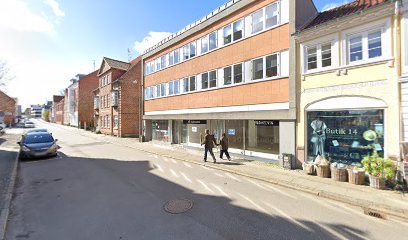
Flying Tiger Copenhagen
6.2 km
Colourful, low-cost Danish design and quirky gifts in the heart of Svendborg’s main shopping street, ideal for quick souvenirs, party supplies and everyday essentials.
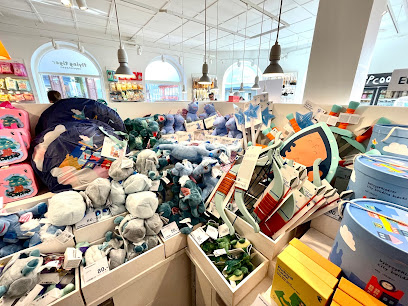
Kop & Kande
6.2 km
Warmth, comfort, and inspiration for your home in the heart of Svendborg
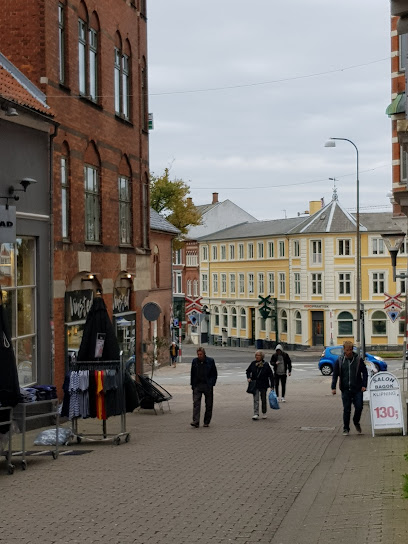
Shop Dot & Flower Corner Svendborg
6.2 km
Svendborg's premier florist and lifestyle boutique, where fresh blooms meet curated gifts and fine wines.
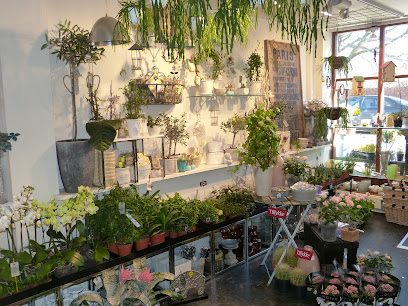
Phigo, Fine Luxury
6.2 km
A three-floor Scandinavian fashion house in central Svendborg, showcasing refined designer clothing, accessories and leather goods in an elegant, relaxed setting.
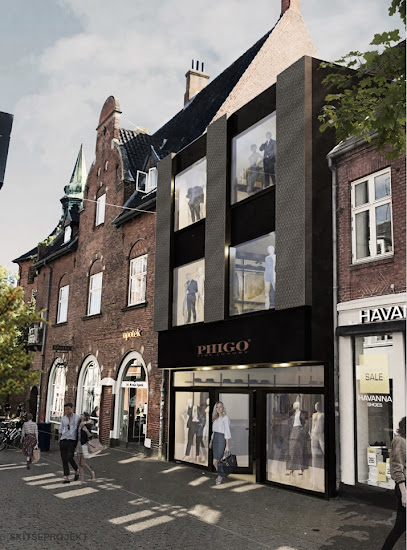
Kaj Hansen
9.1 km
Intimate goldsmith’s atelier and art-filled gallery in Rudkøbing, where handcrafted jewellery and local creativity capture the quiet spirit of Langeland.
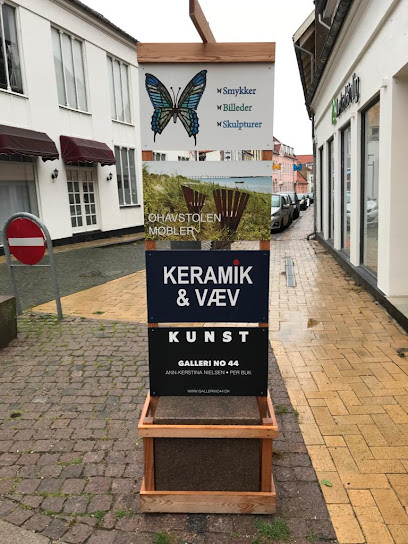
Dansk
9.1 km
A contemporary clothing boutique in Rudkøbing offering wearable Scandinavian style, seasonal collections and practical wardrobe updates in a relaxed, local setting.
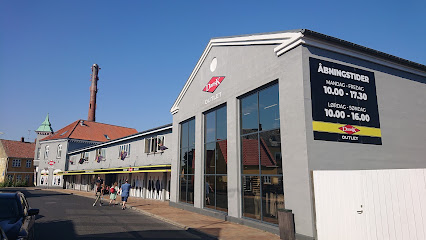
Shop Louise Mary
9.1 km
Charming gift shop on Rudkøbing's central square, offering curated Scandinavian home décor and souvenirs.
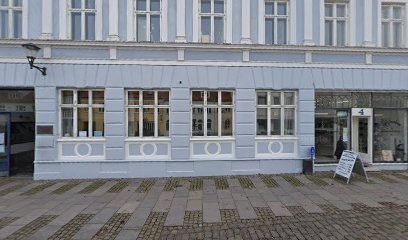
Skovhus Keramik
9.1 km
Handcrafted Nordic ceramics inspired by Langeland's natural beauty, created by artist Trine Steffensen.
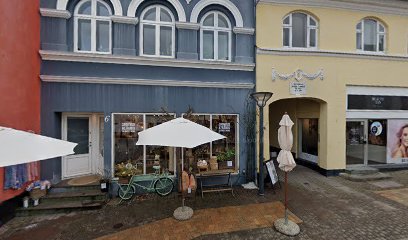
Købmandsgården-Tingstedet- v/Torbjørn Brun Madsen
9.2 km
Characterful antique shop in an 18th‑century merchant’s house in central Rudkøbing, where Langeland’s history is stacked on shelves, tables and timeworn beams.
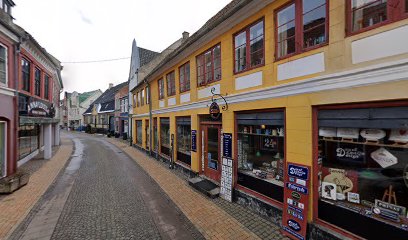
Butik Knag I/S
9.3 km
Cosy Rudkøbing specialty shop with liqueurs, gourmet treats and beautifully arranged gift baskets that add local flavour to your Langeland visit.
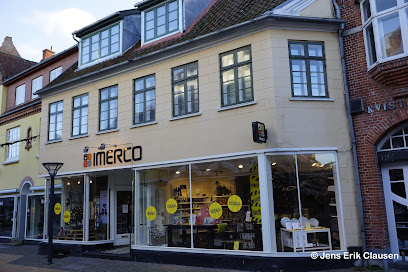
Imerco
9.3 km
Compact Danish homeware store on Rudkøbing’s main street, blending everyday kitchen essentials, stylish tableware and gift ideas for locals and island visitors.
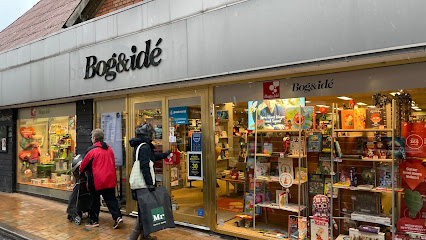
Books & Paper Rudkøbing
9.3 km
Cosy island bookshop on Rudkøbing’s main street, combining Danish literature, games and stationery with local-flavoured gifts and practical supplies for everyday life.
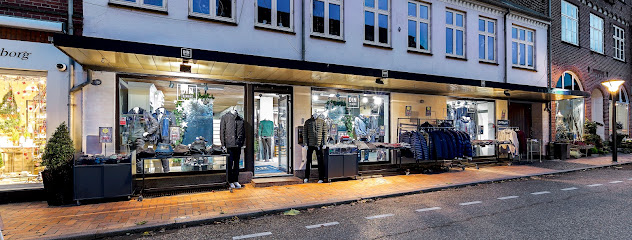
Tøjmanden Langeland
9.3 km
Expert menswear styling in the heart of Rudkøbing's charming island center.
Essential bars & hidden hideouts

tøsingen ivs
4.7 km
Discover Tøsingen IVS, Svendborg's cozy bar offering a diverse selection of drinks in a warm, inviting atmosphere.
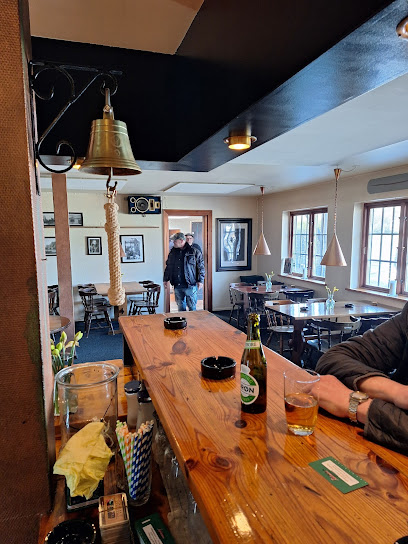
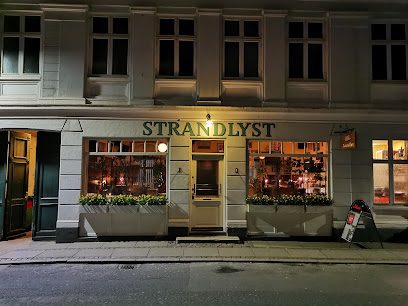
Strandlyst Svendborg ApS
6.0 km
Cozy, maritime-flavored bar in central Svendborg, known for its spirits, live music nights and intimate courtyard that comes alive on long summer evenings.
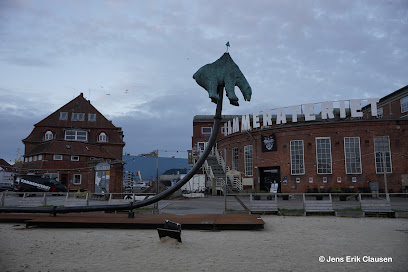
Spillestedet Kammerateriet
6.1 km
Creative cocktail bar and live venue in a converted harbor warehouse on Frederiksø, blending industrial charm, Nordic drinks and Svendborg’s waterfront nightlife.
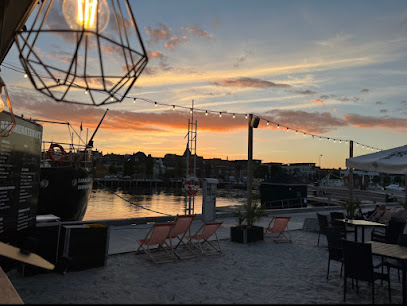
Strandbar
6.1 km
Harbourside beach bar on tiny Frederiksø, pouring sunset drinks, live music vibes and laid-back island atmosphere in the heart of Svendborg’s working waterfront.
Bogholderiet - Ølbar på Værftet
6.1 km
Industrial shipyard heritage meets one of Denmark’s biggest beer selections and organic burgers in a characterful harborfront bar on Frederiksø in Svendborg.
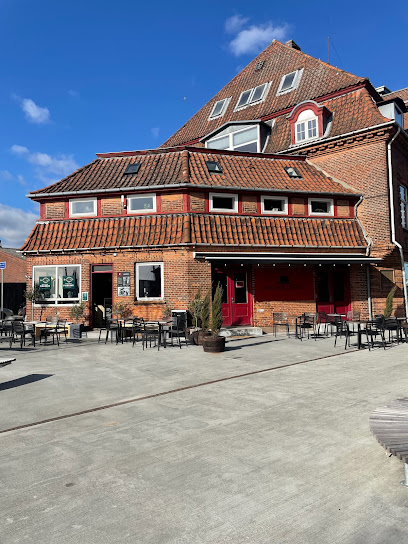
Loftet
6.1 km
Late-opening neighborhood bar in central Svendborg, blending pool, darts and affordable drinks with an easygoing, social atmosphere into the small hours.
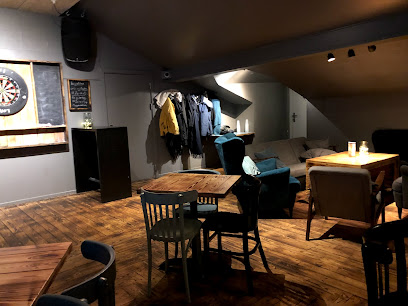
Rasmus
6.1 km
Intimate live music, specialty beers and a relaxed, bohemian bar atmosphere in the heart of Svendborg’s old town.
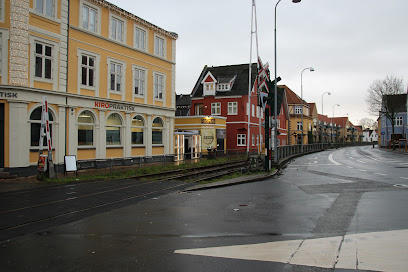
Trier's Corner
6.1 km
Intimate non-smoking bar on Svendborg’s Klosterplads, serving specialty beers, wine, cocktails and coffee in a warm, Scandinavian-inspired atmosphere.
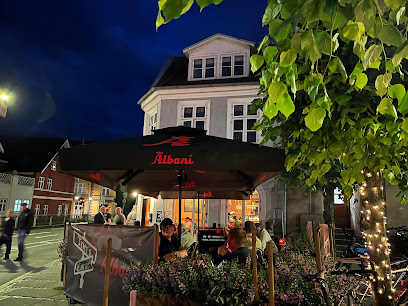
Kahytten Svendborg
6.1 km
Dimly lit, smoky and disarmingly honest, Kahytten is Svendborg’s cabin-like pub where cheap beers, local regulars and harbor-town character meet under one low ceiling.
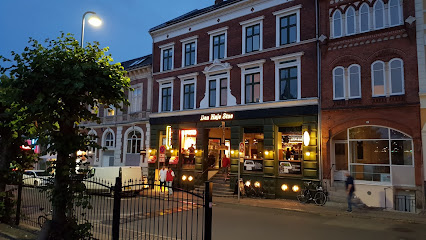
Den Høje Stue
6.1 km
Cosy, inexpensive neighbourhood bar in central Svendborg, blending daytime calm with intimate, pub-style evenings in a warm, unpretentious setting.
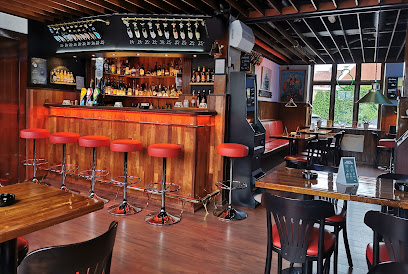
Vinsted
6.2 km
Intimate Svendborg wine bar with shelves of bottles, simple seasonal plates and a warm, candlelit atmosphere on historic Klosterplads.
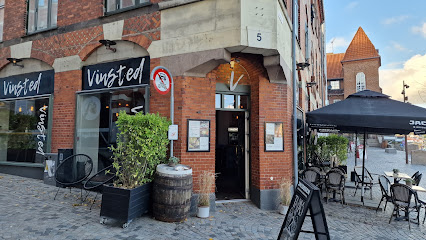
The Drunken Sailor
6.2 km
Cozy nautical pub in Svendborg’s harbor quarter, pouring affordable drinks, hearty Danish tartlets and a generous measure of maritime atmosphere late into the night.
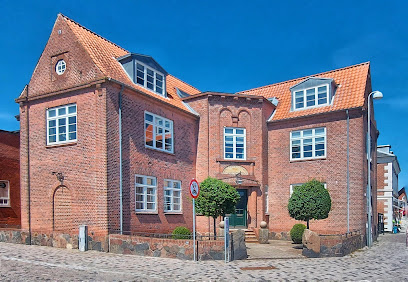
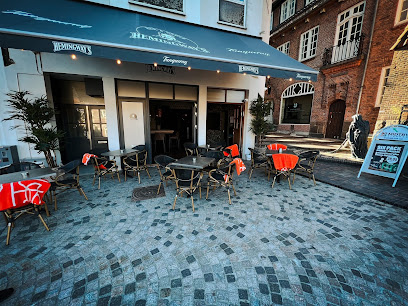
Hemingway's Svendborg
6.2 km
Late-night Nordic bar in historic Svendborg's medieval heart, open weekends until dawn.
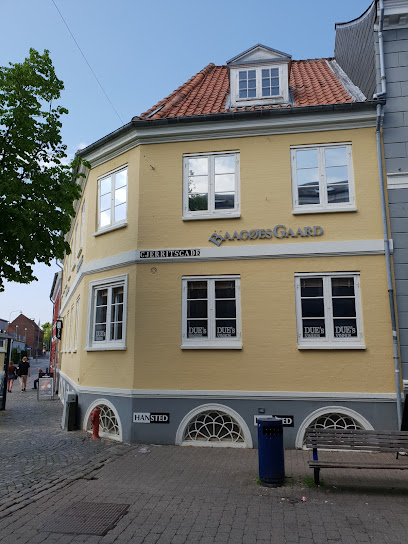
HANSTED
6.2 km
Cozy neighborhood bar and intimate live stage bringing late-night music, craft drinks, and local Svendborg atmosphere together on lively Vestergade.
Skrumpklunk Institute
6.4 km
An unfussy neighbourhood bar with a quirky name, Skrumpklunk Institute offers laid-back drinks, local colour and easygoing evenings in everyday Svendborg.

Nightclubs & after hour spots

Crazy Daisy Svendborg
6.2 km
Compact, high-energy weekend nightclub in central Svendborg, serving mainstream beats, drinks and a sociable dance floor until the early hours.
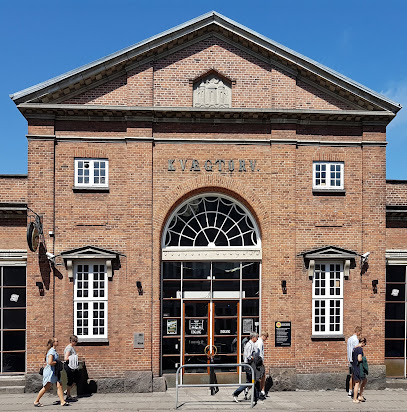
Ommel
17.6 km
A small, sociable island nightspot near Marstal where locals and travelers share quiet drinks, simple music and the easygoing charm of Ærø after dark.
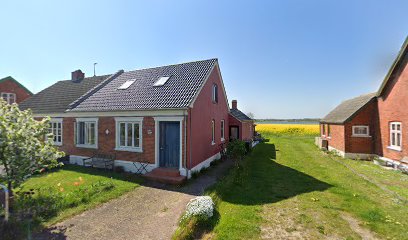
Ærø Golf Klub
27.5 km
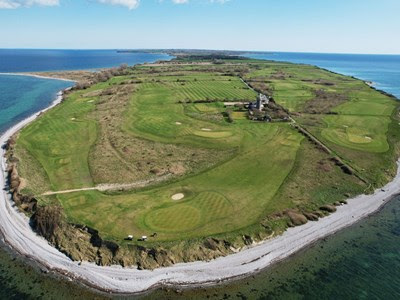
Distinctive links course on Ærø’s northwest cape, blending historic lighthouse views, Nordic coastlines, and a classic Danish golfing challenge.
Muzirkus
34.7 km
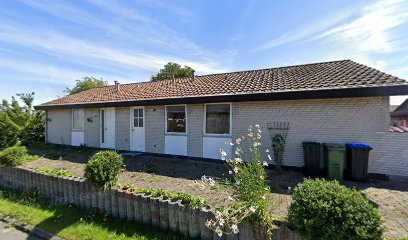
Nyborg's independent music sanctuary where local bands rehearse, collaborate, and perform since 1974.
KJ's bodel
35.7 km
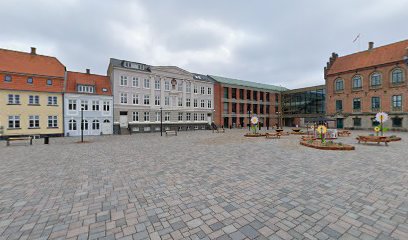
Laid‑back local nightspot on Nyborg’s main square, mixing simple drinks, sociable bar chatter and a compact dance floor in an unpretentious setting.
CLUB ZANZI
37.1 km
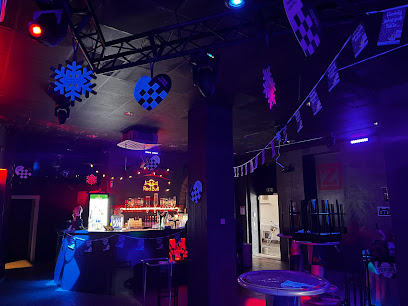
High‑energy waterfront nightclub bringing big‑city beats, flashing lights and late‑night dancing to the heart of coastal Nakskov.
Dance Odense, Funen Square Dance Club
41.5 km
Community-driven square dancing in a cozy Odense neighborhood hall, where callers, patterns and shared rhythm turn an ordinary evening into a friendly social event.
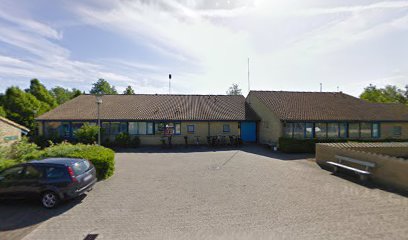
Carlsens Kvarter
45.6 km
Atmospheric pub in Odense C, offering unmatched hygge, an impressive selection of craft beers, and a welcoming local vibe in a characterful historic setting.
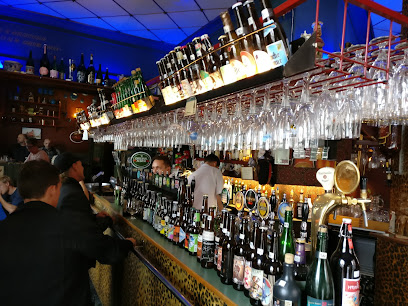
Den Brølende And
46.1 km
Experience the heart of Odense's nightlife at Den Brølende And, where music, dance, and camaraderie come alive.
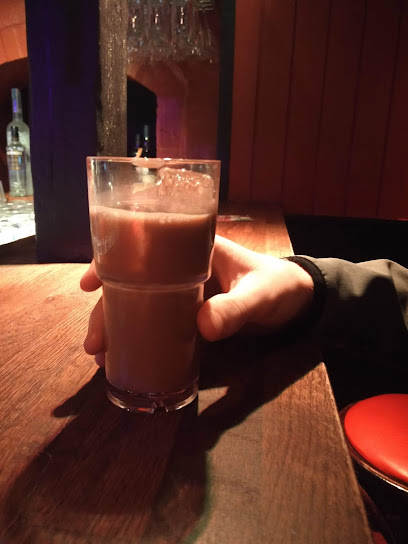
Heidi's Bier Bar Odense
46.2 km
Dance on tables, drink large beers, and celebrate Alpine-style year-round in Odense's most uninhibited nightclub.
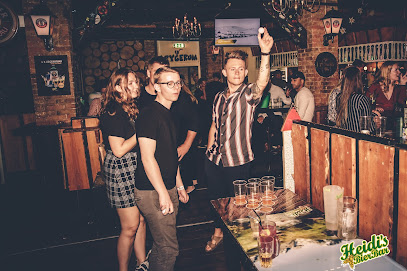
BUTCHERS Odense
46.2 km
High-energy nightclub on Odense’s Overgade, mixing pounding bass, lights and late-night drinks in a central old-town setting steps from major sights.
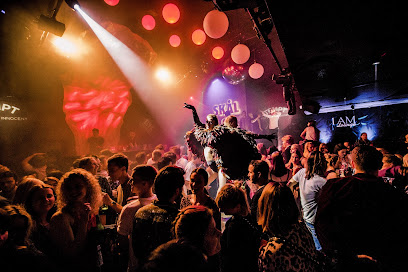
The Flower and the Bee
46.2 km
Odense's vibrant weekend dance bar where the city comes alive after dark.

Dansebar Odense
46.2 km
Lively central Odense nightclub with mainstream hits, colorful lights and a sociable dance floor vibe from late evening into the early hours.
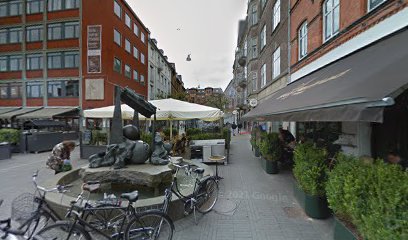
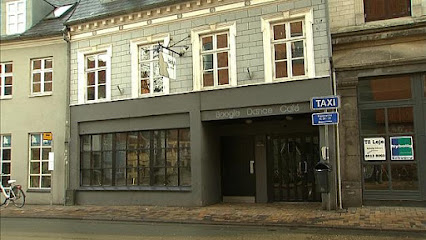
Boogie Dance Café
46.4 km
Odense's oldest disco where retro charm meets genuine community dancing.
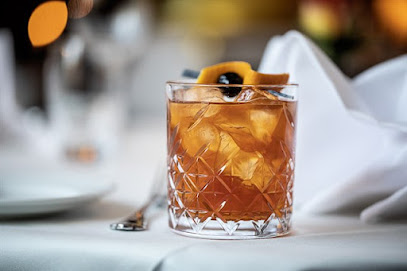
Grand Bar & Lounge
46.4 km
Experience timeless elegance and expertly crafted cocktails at Odense's Grand Bar & Lounge, nestled within the historic First Hotel Grand.
For the vibe & atmosphere seeker
- Tranquil
- Scenic
- Unique
For the architecture buff
- Historic
- Sacred Sites
- Parks & Gardens
For the view chaser and sunset hunter
- Iconic Views
For the social media creator & influencer
- Photo Spots
- Selfie Spots
- Reel-Friendly
For the eco-conscious traveler
- Low Impact
- Leave-No-Trace Critical
- Wildlife Habitat
- Public-Transport Accessible
For the kind of experience you’re after
- Mindfulness
- Myth & Legends
- Cultural Heritage
- Photowalk
- Day Trip
- Roadtrip Stop
For how adventurous you want the journey to be
- Easy Access
Location Audience
- Family Friendly
- Senior Friendly
- Teen Friendly
- Solo Friendly
- Couple Friendly
- Solo Female Friendly


