Danmarks Museum for Lystsejlads Travel Guide
Free Guide: Denmark’s dedicated yachting museum in Svendborg Harbour, showcasing 150 years of pleasure sailing through classic boats, living workshops and rich maritime stories.


A brief summary of Danmarks Museum for Lystsejlads
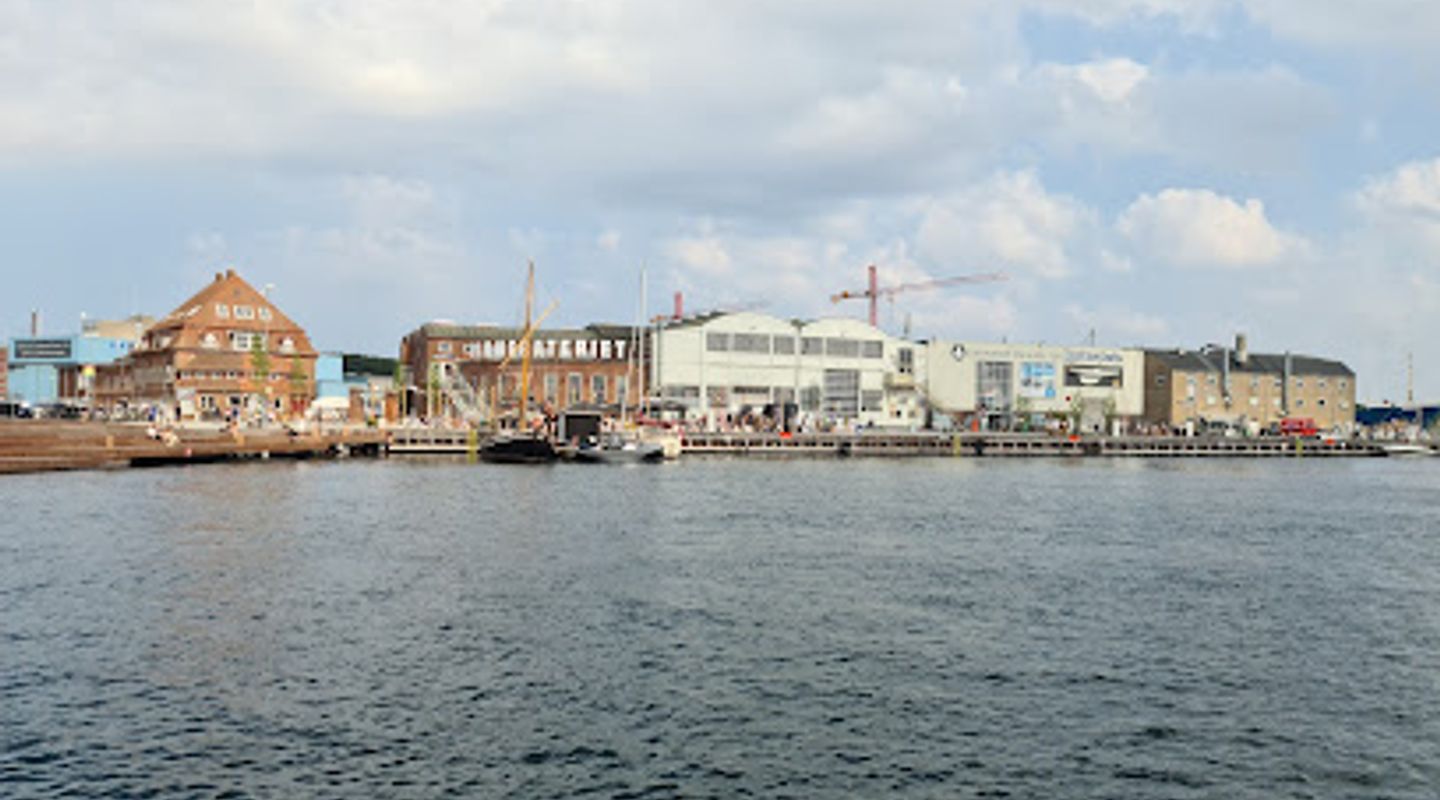
Denmark’s dedicated yachting museum in Svendborg Harbour, showcasing 150 years of pleasure sailing through classic boats, living workshops and rich maritime stories.
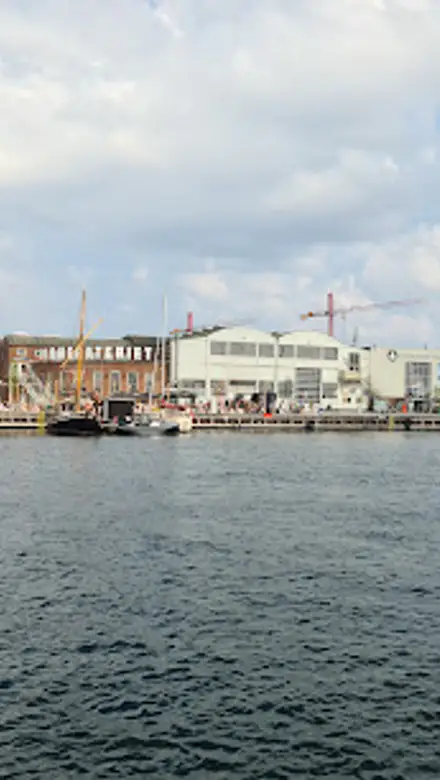
Moored on the island-like Frederiksø in Svendborg Harbour, Danmarks Museum for Lystsejlads is Denmark’s dedicated museum of yachting and pleasure sailing. Housed in atmospheric former shipyard halls, it charts more than 150 years of Danish leisure sailing through full-size classic boats, finely crafted models, tools, photos and race trophies. This is where maritime craftsmanship, design evolution and sailing culture come together, from clinker-built wooden dinghies to sleek fiberglass racers, all maintained with visible care by an active workshop.
On-site amenities
 Restrooms
 Drink options
 Food options
 Seating areas
 Trash bins
 Information boards
Opening hours
- Every day11 am–5 pm
Opening hours as listed on the venue’s Google Business Profile. Hours can change for services and special events, so check with the venue before you go.
- Address
- Frederiksø 16F, 5700 Svendborg
- Phone
- Website
Getting there
Train and walking from Odense
Car from central Svendborg and Funen
Regional bus within the Svendborg area
Discover more about Danmarks Museum for Lystsejlads
Sailing heritage in the heart of Svendborg Harbour
Danmarks Museum for Lystsejlads sits on Frederiksø, a compact island in Svendborg Harbour that once bustled with shipbuilding activity. Inside the old industrial halls, the tone shifts from working yard to curated time capsule, with the creak of timber and the smell of varnish setting the scene. The museum focuses entirely on Danish leisure sailing, tracing how small boats reshaped life along the coasts and in the island communities around the South Funen Archipelago.Founded by sailing author and enthusiast Bent Aarre together with a circle of local yachtsmen, the collection grew from a handful of saved boats to a substantial archive of hulls, rigs and stories. Here you can follow the shift from home-built wooden craft to mass-produced fiberglass hulls, and from simple open boats to comfortable cruising yachts designed for weekends afloat rather than work at sea.
Boats under roof: from dinghies to classic yachts
Stepping into the main exhibition hall, you are surrounded by full-size pleasure craft resting on cradles, their keels exposed and their lines easy to study. There are traditional clinker-built dinghies, sharp-bowed racing keelboats and sturdy family cruisers, many preserved with their original fittings. Suspended from beams and stacked along the walls, beautifully detailed models show everything from early 20th-century regatta fleets to modern offshore racers.Alongside the hulls, cases of navigation instruments, regatta pennants and weathered life jackets bring the human element into focus. Design drawings and half-models reveal how boatbuilders experimented with form, while worn tillers, blocks and sails tell of long summers under Nordic skies. Information panels explain how different classes evolved, why some designs became national favourites and how safety equipment changed as sailing spread beyond professional mariners.
Workshop life and the craft of maintenance
One of the museum’s distinctive features is its active workshop, where volunteers and specialists continue to maintain and restore the collection. On certain days, the museum opens while work is underway, so visitors can hear the rasp of hand planes, the tap of caulking irons and the whirr of small machines tuning fittings. This ongoing care keeps the boats more than static exhibits; they remain seaworthy or close to it, preserving knowledge of traditional methods.The workshop environment also highlights the materials behind the romance of yachting. You see stacks of seasoned timber, coils of rope and tins of paint and varnish, as well as templates and jigs used for repairs. Explanations of how planks are steamed and bent, how seams are sealed, and how masts are rigged give a deeper appreciation of what it takes to keep classic craft afloat in a salty, changeable climate.
Stories of sailors, regattas and everyday escapes
Beyond craftsmanship, the museum is rich in personal narratives. Photographs show families loading provisions for summer cruises, young crews poised at the start line of local regattas, and small boats threading between the green Funen islands. Logbooks and race certificates testify to long passages, while club burgees and trophies evoke the sociable side of life in sailing clubs along Denmark’s coasts.Panels and displays explore how leisure sailing mirrored broader social changes: more free time, new ideas about outdoor life and a growing desire to explore by water rather than by road or rail. You gain a sense of how accessible sailing became as designs simplified and production costs dropped, and how Svendborg’s position among sheltered channels made it an ideal base for this shift.
A maritime atmosphere shaped by water and weather
Part of the museum’s appeal lies in its immediate surroundings. Through large doors and windows you glimpse the working harbour outside: fishing boats, modern yachts and the rippling channel to the archipelago beyond. The wind’s direction is obvious from the clink of rigging and the pattern of waves, subtly reminding you that every object inside was built to move on water, not sit on land.Whether you are deeply involved in sailing or simply curious about maritime culture, the museum offers a compact but layered experience. The combination of full-scale boats, intimate details and an authentic harbour setting makes it easy to imagine slipping lines, hoisting sails and following in the wake of the craft preserved here. It is as much an introduction to Denmark’s relationship with the sea as it is a specialist collection, anchored firmly in Svendborg’s own waterfront identity.
Evendo Review Centre
 Google
Guest reviews
Best time to go
Quietest: Jan, Feb & Mar · before 8am or at 7pm
Busy times are Evendo estimates for a typical year, to help you plan. Actual crowds vary with events, school holidays and the weather.
Explore Danmarks Museum for Lystsejlads on the map
A handpicked selection of must-see spots near Danmarks Museum for Lystsejlads, mapped for you.
Get your free copy of our complete guide to Danmarks Museum for Lystsejlads, delivered straight to you.
Everything on this page, from opening hours and how to get there to Eve’s tips and the best time to go, in one PDF you can read offline, print or share.
Already have an account? Sign in
Your Danmarks Museum for Lystsejlads guide is ready.
We'll send it to · Not you? Sign out

Getting your guide ready…
We are putting together a fresh copy of the Danmarks Museum for Lystsejlads guide. This can take up to a minute.
This can take a few moments. If your browser asks, choose Allow so the download can start. You'll find the guide in your Downloads folder.
Nothing happened? Download it again
Sorry, the guide is taking longer than usual. Please try again in a minute, or get it by email instead.
Other nearby places you may find interesting
The closest places of the same kind, if this one is not quite what you had in mind.
-
-
-
-
-


Swipe for more places
More to explore near Danmarks Museum for Lystsejlads
-
 Best experiences near Danmarks Museum for Lystsejlads
-
 Best hotels near Danmarks Museum for Lystsejlads
-
 Best landmarks near Danmarks Museum for Lystsejlads
-
 Best attractions near Danmarks Museum for Lystsejlads
-
 Best shops near Danmarks Museum for Lystsejlads
-
 Best restaurants near Danmarks Museum for Lystsejlads
-
 Best bars near Danmarks Museum for Lystsejlads


Do you manage this location?
Take control to get all the benefits, like improved information, better appearance, and stronger visibility across AI-powered discovery.
Explore more
Explore more of Funen
Discover Funen, Denmark's lush island treasure, where fairy tales come to life amidst scenic landscapes, historic castles, and vibrant cultural heritage.
Explore Funen
Explore more of Denmark
Discover Denmark: A perfect blend of history, modern design, and the cozy concept of hygge. Explore vibrant cities, serene landscapes, and world-class cuisine.
Explore Denmark