Tåsinge, The North Sea Islands Travel Guide
Romantic South Funen island of skipper villages, castle landscapes, hilltop views and the enduring love story of Elvira Madigan and Sixten Sparre.
Tåsinge is a gently rolling island just south of Svendborg in South Funen’s archipelago, known for half-timbered skipper villages, manor landscapes and a famously romantic – and tragic – love story. Here, orchards, small farms and sheltered coves frame historic Troense, Valdemars Castle’s grand estate, Bregninge Church with wide archipelago views, and the Elvira Madigan sites that have woven the island into Danish cultural lore.
A brief summary to Tåsinge
- Svendborg, DK
- Duration: 3 to 10 hours
- Free
-
 Outdoor
- Mobile reception: 4 out of 5

Know before you go
Hi, I'm Eve. Here are a few practical things to know before exploring Tåsinge.
- Bring or rent bicycles; Tåsinge’s modest size, gentle hills and network of minor roads make it ideal for a full-day loop between Troense, Valdemars Castle, Bregninge and Vejlen.
- Climb Bregninge Church tower on a clear day for sweeping views across the South Funen Archipelago and to appreciate how the island fits into the wider seascape.
- Plan time for Troense’s backstreets; walking Grønnegade and the waterfront slowly reveals many of the most photogenic half-timbered houses and gardens.
- If you follow the Elvira Madigan story, treat the grave at Landet Church and the Nørreskov memorial stone as quiet places of remembrance, behaving respectfully.
- Pack a simple lunch or buy local produce from roadside stalls to enjoy at hilltop viewpoints, coastal meadows or the Skansen peninsula by Svendborgsund.
Do you manage this location?
Take control to get all the benefits, like improved information, better appearance, and stronger visibility across AI-powered discovery. Learn more about listing your business on Evendo
Activate your presenceOther nearby places you may find interesting
The closest places of the same kind, if this one is not quite what you had in mind.
Explore Tåsinge on the Map
A handpicked selection of must-see spots near Tåsinge, mapped for you.
Unlock the Best of Tåsinge
Buy tickets
-
No tickets available
Book tours with entry

Book tours without entry
-
No tours available
Getting There
-
Car from central Svendborg
From central Svendborg, reaching Tåsinge by car typically takes around 10–20 minutes depending on traffic. You cross the Svendborgsund Bridge directly onto the island, with no tolls. Standard car rental or private vehicles are suitable; roads are paved and well signposted. Parking is generally free or low-cost near Troense, Bregninge Church and other main sights, though spaces can be tighter on sunny summer weekends.
-
Local bus from Svendborg
Local regional buses run regularly between Svendborg and several stops on Tåsinge, including Vindeby and routes towards Troense and Landet. The ride usually takes 15–30 minutes depending on your stop and service pattern. Expect a single adult ticket to cost in the range of 20–40 DKK, with discounts for children. Services are more frequent on weekdays and in daytime; evening and weekend timetables can be reduced, so checking departure times in advance is important.
-
Bicycle via Svendborgsund Bridge
Cyclists can ride from Svendborg onto Tåsinge using the Svendborgsund Bridge, which has safe space for bikes. The approach from central Svendborg to the first villages on Tåsinge usually takes 20–35 minutes at a relaxed pace, depending on wind and fitness. The route includes gentle gradients but no major hills, and once on the island, quiet country roads make exploration straightforward. Be prepared for wind exposure on the bridge and use lights and reflective gear in low light.
-
Taxi from Svendborg
Taxis from Svendborg to key points on Tåsinge, such as Troense or Bregninge, generally take 10–20 minutes. Fares vary with distance and time of day, but you can expect a typical one-way trip to cost roughly 150–300 DKK for up to four passengers. Taxis are convenient if you arrive by train or ferry with luggage, or if buses are infrequent outside peak hours. Booking ahead is advisable at night or during major local events.
For the on-the-go comforts that matter to you
-
 Restrooms
-
 Drink Options
-
 Drinking Water
-
 Food Options
-
 Seating Areas
-
 Sheltered Areas
-
 Picnic Areas
-
 Trash Bins
-
 Information Boards
-
 Visitor Center
Discover more about Tåsinge
An island of gentle hills and island village charm
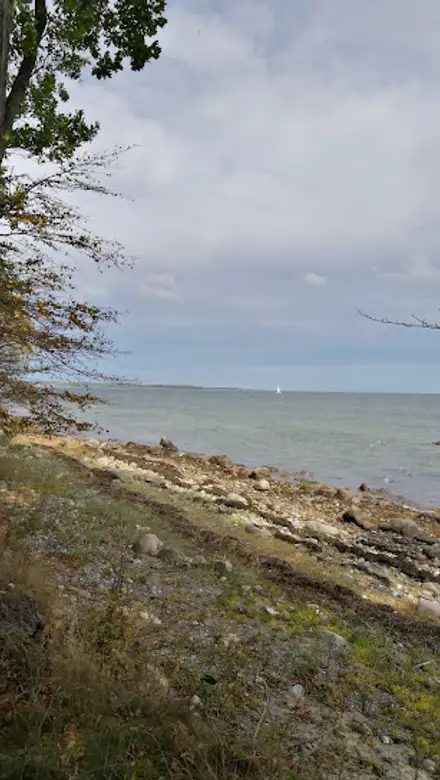
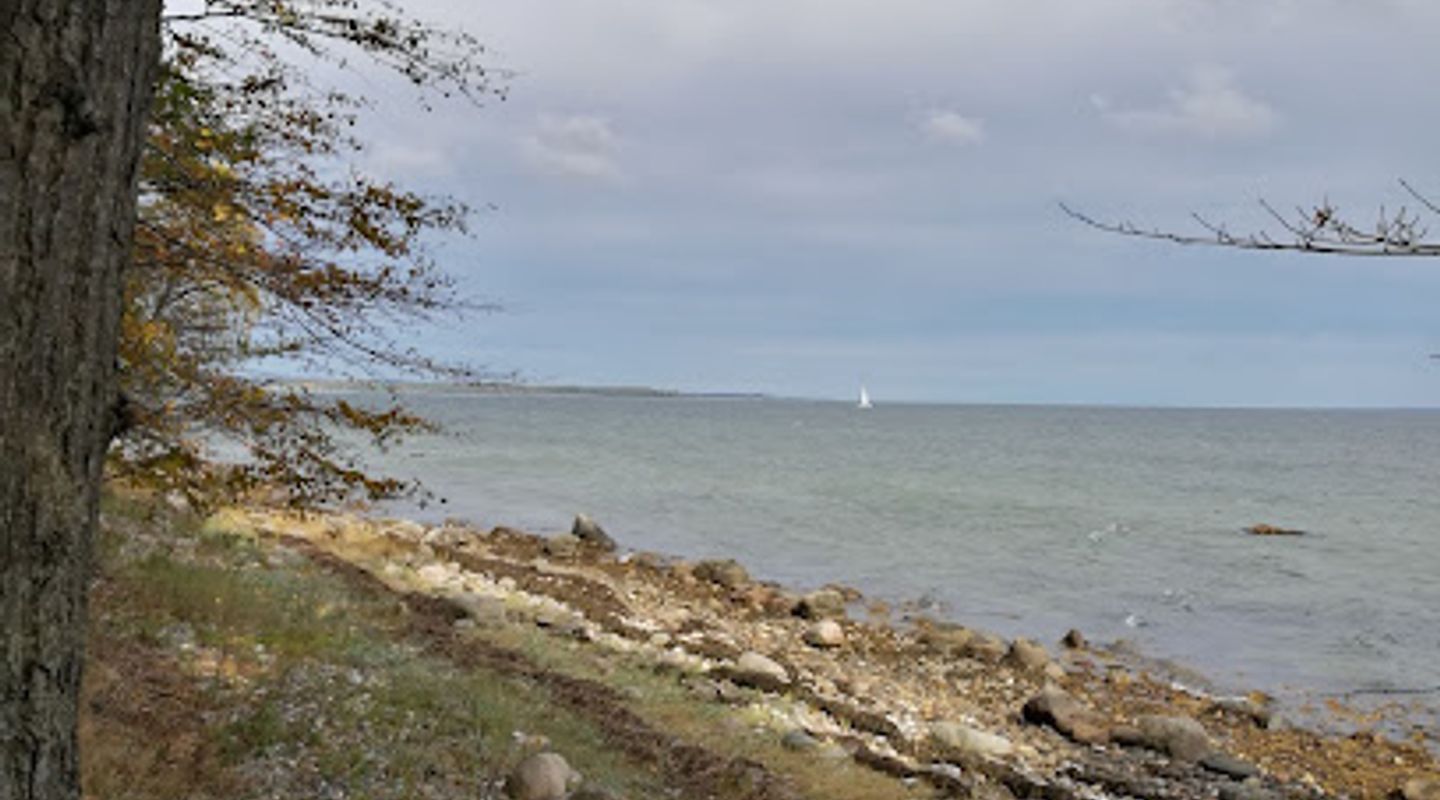
Tåsinge lies just south of Svendborg, forming part of the South Funen Archipelago and feeling like a self-contained countryside world afloat in the sea. Much of the island is still shaped by small-scale farming, orchards and hedgerows, so you move through a patchwork of fields, windbreaks and tiny hamlets that have changed remarkably little in a century. The coastline alternates between shallow bays, reed-fringed shores and low headlands, with long views towards Funen, Langeland and the surrounding islets.The north and northeast have grown together with Svendborg via the Svendborgsund Bridge, but away from the bridge Tåsinge quickly settles into a slower rhythm. Narrow lanes lead past roadside stalls selling seasonal fruit and vegetables, and low farmhouses sit behind sheltering trees. The island’s modest size makes it easy to grasp in a day, yet varied enough in landscape and atmosphere that it rewards slow exploration on two wheels.Troense and the age of sea captains
On the island’s northeastern shore, Troense is Tåsinge’s postcard village and its maritime heart. Here, 18th-century half-timbered houses in soft colours line crooked streets planned by and for sea captains, who once sailed from the local shipyards to distant ports. Walking along Grønnegade or the waterfront street you notice how the houses are oriented towards both gardens and sea, reflecting a life lived between fields and far horizons.From Troense, the view across Svendborgsund takes in passing yachts, old wooden ships and the silhouette of Svendborg on the opposite shore. The village has a small maritime museum and serves as a practical base for exploring, with a tourist office that can point you towards local beaches, smaller museums and lesser-known corners of the island. Troense also preserves the memory of Tåsinge’s sailing era, when the island’s fortunes were tied to timber, shipbuilding and global trade.Valdemars Castle and the cultivated landscape
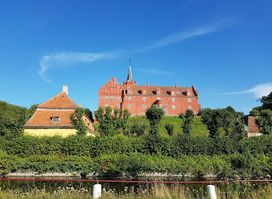
South of Troense, a tree-lined avenue leads through parkland and farmland towards Valdemars Castle, one of Denmark’s largest privately owned estates. The main building, side wings and outbuildings sit in a carefully composed landscape of lawns, trees and water, still hinting at the power an estate like this held over island life. Even after the museum function has changed, the castle remains a visual anchor for Tåsinge.Around the estate, woodland, small lakes and grazing land create a soft, cultivated scenery that contrasts with the more rugged shorelines elsewhere on the island. Paths and minor roads give glimpses of the castle from different angles, while the nearby coast opens towards the South Funen Archipelago. The area underlines how Tåsinge’s nature is not wild in a dramatic sense, but deeply shaped by centuries of human use.Bregninge hill, church and the island’s wide horizon
Near the island’s centre, Bregninge Hill rises to about 70 metres above sea level, the highest point on Tåsinge. Crowning the hill, Bregninge Church forms both a spiritual and visual landmark. From the church tower, on clear days, you can see a large sweep of the archipelago: dozens of islands, church towers and manor houses scattered across land and water. The surrounding hilltop area is protected, preserving open views and traditional field boundaries.Beside the church, the Tåsinge Museum occupies several historic buildings and tells stories of local sailors, village life and folk music, with collections ranging from a skipper’s home to musical instruments and maritime artefacts. The juxtaposition of church, museum and viewpoint makes Bregninge a natural place to understand the island as a whole, from its religious history to its everyday working culture and its relationship with the sea.Elvira Madigan, forest paths and quiet graveyards
Tåsinge’s most famous story is that of Elvira Madigan, a tightrope artist, and her lover, the Swedish officer Sixten Sparre. In 1889, after fleeing to Denmark, they spent their final days around Troense before ending their lives together in nearby woodland. A granite boulder in Nørreskov forest marks the place of their death, turning a quiet corner of the woods into a site of sombre reflection.The couple is buried at Landet Church, a modest village church further south on the island. Their shared grave has become a symbol of romantic tragedy, and it is a long-standing tradition for newly married brides to leave their bouquet here. These layers of story, ritual and landscape give Tåsinge an undercurrent of romance and melancholy that complements its surface idyll of gardens, orchards and harbour scenes.Nature pockets, birdlife and shoreline stillness
Beyond its villages and stories, Tåsinge also offers pockets of semi-wild nature. At Vejlen, next to Vornæs Forest in the northwest, former hunting grounds have been transformed into a bird sanctuary where the main sounds are birdsong and wind in the reeds. Shallow waters and wetlands attract waders and waterfowl, making it an appealing stop for nature enthusiasts with binoculars.Elsewhere along the coast, low beaches, meadows and groves create a gentle mosaic of habitats. On the Skansen peninsula near Vindebyøre, you can sit with a simple packed lunch, watching boats pass through Svendborgsund and taking in views of Svendborg Harbour and the bridge. Whether you come for history, scenery or a quiet day’s cycling between villages, Tåsinge offers a compact blend of Danish island life, past and present.












Your all‑in‑one travel companion app
Explore expert travel guides, compare and book tours, experiences, hotels, and more—all from the palm of your hand. Download now for seamless trip planning wherever your wanderlust takes you.


Explore More of The North Sea Islands
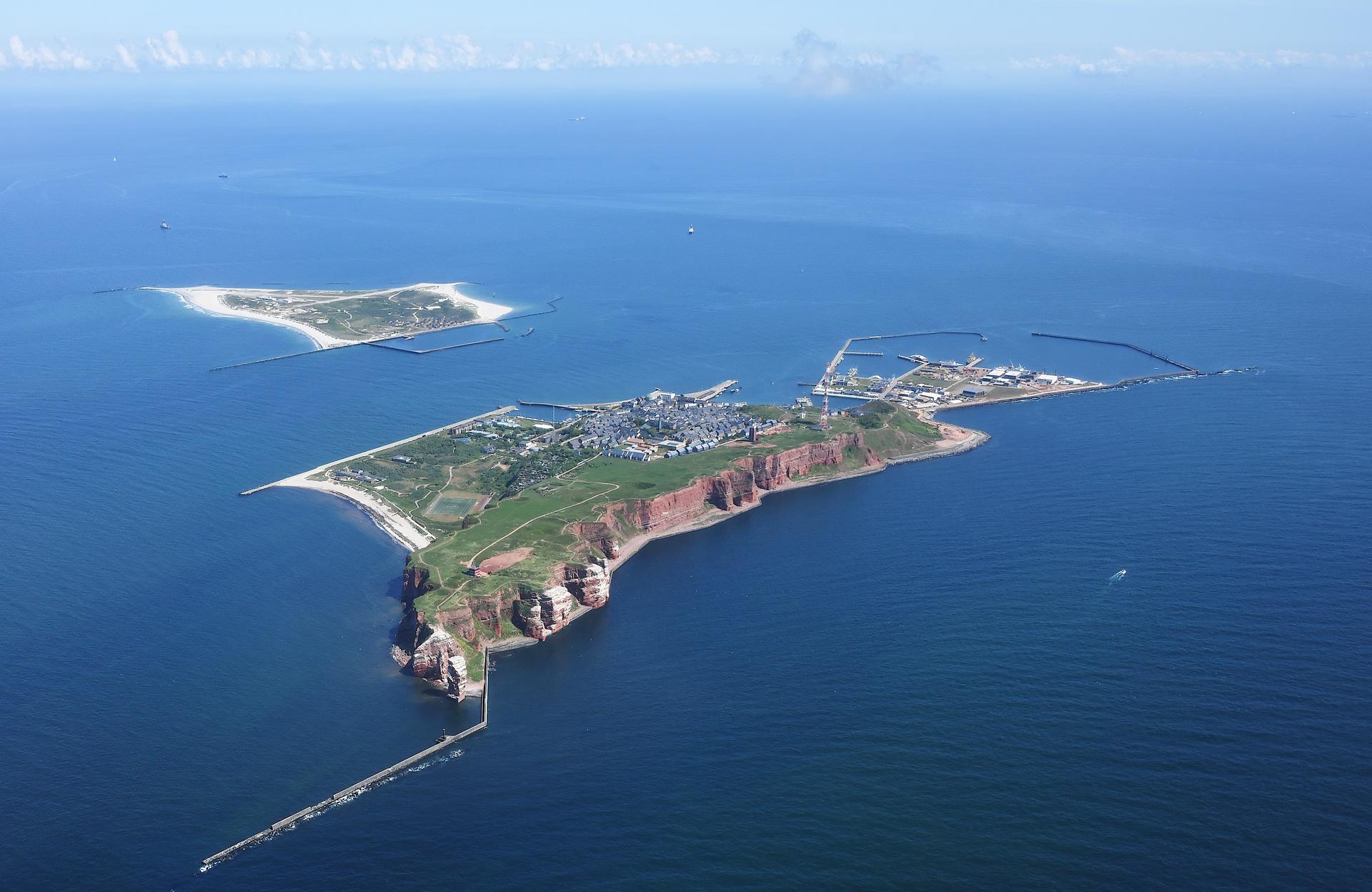
Looking beyond Tåsinge? Discover The North Sea Islands for broader travel guides, local hot-spots, and regional highlights.
Explore The North Sea Islands