

Langelands Museum, Langeland Travel Guide
Compact island museum in Rudkøbing tracing Langeland’s story from Stone Age barrows to world wars, GDR plastics and everyday life on a Baltic outpost.
Langelands Museum in the coastal town of Rudkøbing offers a compact yet richly layered journey through the island’s past, from Stone Age settlers and Bronze Age burial mounds to the air war over Langeland in World War II and life in the former Eastern Bloc. Exhibits blend archaeological treasures with cultural history displays, including a playful, thought‑provoking focus on plastic, Trabants and everyday GDR design. Housed in a modest building close to the town centre, the museum is easy to combine with a stroll through cobbled streets and down to the harbour.
A brief summary to Langelands Museum
- Jens Winthers Vej 12, Rudkøbing, 5900, DK
- Click to display
- Click to display
- Duration: 1 to 2 hours
- Budget
-
 Indoor
- Mobile reception: 4 out of 5
- Monday 10 am-3 pm
- Tuesday 10 am-3 pm
- Wednesday 10 am-3 pm
- Thursday 10 am-3 pm
- Friday 10 am-3 pm
- Saturday 10 am-1 pm

Know before you go
Hi, I'm Eve. Here are a few practical things to know before exploring Langelands Museum.
- Check seasonal opening hours in advance; outside peak summer the museum often opens only on selected weekdays and for shorter time windows.
- Allow at least 90 minutes if you want to explore both the archaeological collections and the special exhibitions on World War II and GDR plastic culture.
- Pair your visit with a walk through Rudkøbing’s old streets and down to the harbour to connect the exhibits with the townscape outside.
- Families with children may find the colourful plastic and GDR sections especially engaging; prepare a few questions or a mini scavenger hunt to keep younger visitors involved.
Do you manage this location?
Take control to get all the benefits, like improved information, better appearance, and stronger visibility across AI-powered discovery. Learn more about listing your business on Evendo
Activate your presenceOther nearby places you may find interesting
The closest places of the same kind, if this one is not quite what you had in mind.
Explore Langelands Museum on the Map
A handpicked selection of must-see spots near Langelands Museum, mapped for you.
Getting There
-
Car from Svendborg (Funen)
Driving from Svendborg to Langelands Museum in Rudkøbing typically takes around 35–45 minutes, crossing the Svendborgsund Bridge and continuing south onto Langeland. Standard cars are sufficient and the route is straightforward main roads. Expect to pay approximately 80–120 DKK in fuel for a return journey, depending on consumption. Parking in Rudkøbing is generally free or low‑cost in public areas, but summer weekends can be busier, so allow extra time to find a space within walking distance of the museum.
-
Bus from Svendborg to Rudkøbing
Regional buses run between Svendborg and Rudkøbing with journey times usually around 45–60 minutes, depending on the specific service and intermediate stops. A one‑way adult ticket for this regional route typically costs in the range of 40–70 DKK, with discounts for children and certain travel cards. Services run more frequently on weekdays and in daytime hours; evening and weekend timetables can be limited, so it is important to check current departures and plan your return in advance.
-
Cycling on Langeland
For those already staying on Langeland, reaching the museum by bicycle is a pleasant option, with travel times from nearby villages often ranging between 20 and 60 minutes depending on distance and fitness. There is no direct cost beyond bike rental, which on the island generally falls roughly between 100 and 200 DKK per day for a standard bicycle. Roads are mostly quiet rural routes, but expect some gentle hills and be prepared for coastal winds; visibility and comfort are best in milder, dry weather.
For the on-the-go comforts that matter to you
-
 Restrooms
-
 Information Boards
-
 Trash Bins
-
 Seating Areas
Discover more about Langelands Museum
Island stories from Stone Age shores
Langelands Museum unfolds the story of Langeland as an island shaped by the sea, from the very first hunters and gatherers to today’s small‑town life. Inside, glass cases shimmer with flint axes, carved antler tools and finely worked arrowheads gathered from ancient stone dykes and burial sites scattered across the island’s fields and cliffs. These finds make it clear how unusually rich the area is in prehistoric remains, and how tightly everyday survival was tied to the surrounding waters.Carefully drawn maps and models show how the island’s landscape changed over millennia, linking objects in the cases to real places you can still explore outside. The result is less a distant textbook timeline and more a tangible sense that people have lived, worked and worried on Langeland’s shores for thousands of years.From burial mounds to market town life
Beyond the earliest eras, the museum leads you into the world of Bronze Age and Iron Age communities, where grave goods, jewellery and weapon fragments hint at trade routes, belief systems and social hierarchies. You move from the dim light of barrows and bogs into brighter galleries explaining how Langeland’s farms and villages took shape around fields, churches and ferry routes.Displays on Rudkøbing’s growth as a market town add a very local dimension. Everyday objects – a merchant’s scales, a child’s toy, well‑used tools – sketch the rhythms of island life long before bridges and mass tourism. Photos and documents help you trace how shipping, fishing and agriculture linked Langeland to the wider Baltic world while still preserving a distinct insular character.War in the skies above Langeland
One of the most striking parts of the museum focuses on the air war over Langeland during the Second World War. Here the story shifts upwards, into the skies, through fragments of aircraft, uniforms, navigation equipment and carefully researched narratives of individual missions. Maps mark crash sites around the island, connecting dramatic global events to the fields, beaches and farm roads just beyond Rudkøbing.Archival photographs and personal stories bring a human dimension to the conflict, from downed airmen to islanders who watched contrails and searchlights carve across the night. The section offers a compact yet intense look at how a small Danish island became entangled in a much larger war.Plastic, propaganda and everyday GDR design
Another distinctive thread at Langelands Museum is its focus on plastic and the former GDR, where everyday objects become a lens on politics and ideology. Through exhibitions such as “A World of Plastic – Trabant, Kalashnikov and GDR”, you encounter everything from iconic East German cars and toys to household goods and synthetic furniture. Bright colours and bold shapes stand in contrast to the often sombre reputation of the era.Text panels explore how plastic symbolised modernity, scarcity and ingenuity behind the Iron Curtain, while today raising questions about waste and environmental impact. The blend of nostalgia, critical reflection and visual humour makes this part of the museum accessible even if you arrive with little prior knowledge of Cold War history.A compact museum in the heart of Rudkøbing
The museum building itself is modest and welcoming, located a short walk from Rudkøbing’s harbour and main streets. Inside, rooms are on a human scale, with clear signage and a layout that makes it easy to see the entire collection without feeling rushed. This intimacy suits families, casual visitors and history enthusiasts alike, allowing you to pause over details without battling through crowds.Because the museum focuses so closely on Langeland and its surroundings, a visit also works well as a starting point for exploring the island’s megalithic tombs, coastal viewpoints and Cold War relics. Stepping back outside, the objects and stories you have just seen lend extra meaning to the cobblestones, rooftops and sea breeze of Rudkøbing itself.Planning your time among the exhibits
Langelands Museum generally operates with limited daytime opening hours that vary by season, with longer hours in summer and shorter schedules in the shoulder and winter periods. It is wise to check current times before you arrive, especially outside July and August when some days may be closed or only open mid‑week.The museum is compact enough to explore comfortably in one to two hours, yet detailed enough to reward a slower pace if you enjoy reading captions and examining artefacts up close. Combined with a café stop in town or a walk to the waterfront, it makes for a satisfying half‑day introduction to the island’s layered history.












Your all‑in‑one travel companion app
Explore expert travel guides, compare and book tours, experiences, hotels, and more—all from the palm of your hand. Download now for seamless trip planning wherever your wanderlust takes you.


Explore More of Langeland
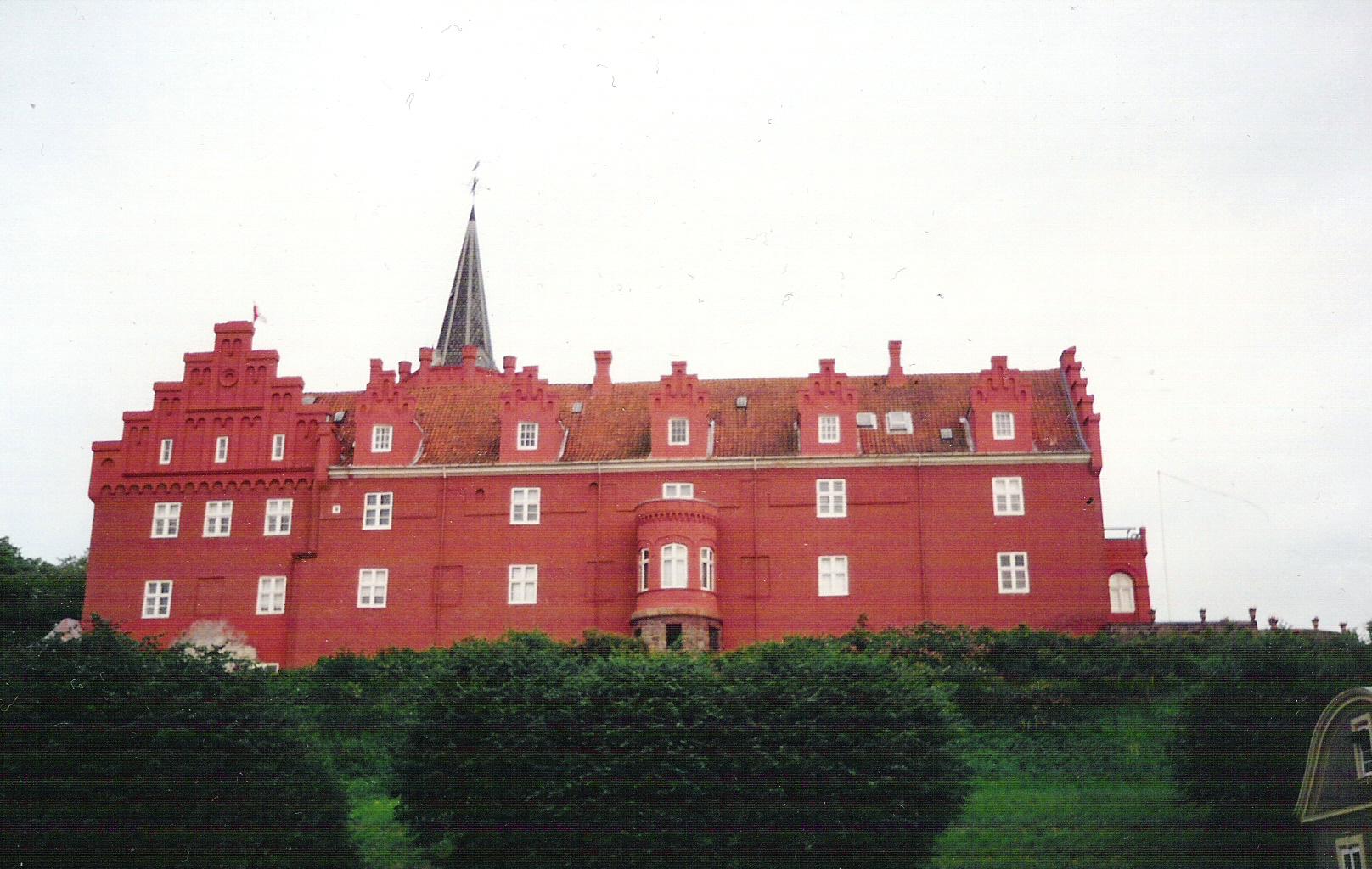
Looking beyond Langelands Museum? Discover Langeland for broader travel guides, local hot-spots, and regional highlights.
Explore Langeland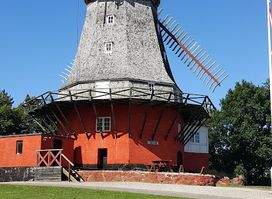
Historic hilltop windmill above Tranekær Castle, combining traditional milling heritage with a small seasonal museum and cosy café overlooking rural Langeland.
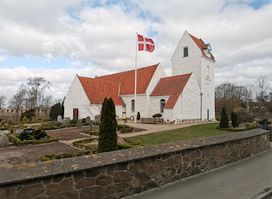
A small medieval church on Langeland, where fieldstone walls, an east-end tower and quirky frescoes – including a playful Danish coat of arms – invite quiet exploration.
