Valdemars Slot (Valdemar’s Castle), Tåsinge
A 17th-century royal manor turned contemporary art estate, Valdemars Slot blends grand interiors, rich history and coastal parkland on the island of Tåsinge.
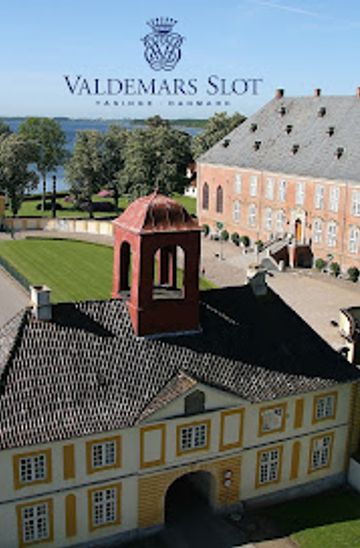
Valdemars Slot is a grand 17th-century manor and former royal palace set on the island of Tåsinge near Svendborg, surrounded by beech woods, shoreline and rich birdlife. Built by King Christian IV and later home to naval hero Niels Juel, it is now Denmark’s largest private residence and a public art destination, blending historic state rooms, period collections and contemporary installations with an ornamental park, coastal paths and sea views.
A brief summary to Valdemars Slot
- Valdemars Slot, Slotsalleen 100, Svendborg, 5700, DK
- Click to display
- Click to display
- Duration: 2 to 5 hours
- Mid ranged
-
 Mixed
Mixed
- Mobile reception: 4 out of 5

Know before you go
Hi, I'm Eve. Here are a few practical things to know before exploring Valdemars Slot.
- Plan a summer visit if you want to explore the castle interiors and art exhibitions, as the main season typically runs from May to early autumn.
- Allow time to walk the public paths through the woods and along the shoreline; bring binoculars if you enjoy birdwatching in the lagoon and meadows.
- Check in advance which exhibitions or events are on during your visit, as the contemporary art programme changes from season to season.
- Wear comfortable footwear suitable for both historic interiors and potentially damp grass or uneven park paths, especially after rain.
- If arriving by bike from Svendborg or Troense, bring a lock; bike stands may be simple and the grounds can be busy on fine summer days.
Do you manage this location?
Take control to get all the benefits, like improved information, better appearance, and stronger visibility across AI-powered discovery. Learn more
Activate your presenceOther nearby places you may find interesting

Getting There
-
Bus and short walk from Svendborg
From central Svendborg, regular regional buses run towards Tåsinge and Troense, typically taking about 20–35 minutes depending on the route and stops. A single adult ticket usually falls in the range of 25–40 DKK within the local fare zones. Services operate throughout the day but may be less frequent in the evening and on weekends, so it is worth checking the timetable in advance. From the nearest bus stop on Tåsinge, expect a pleasant walk of around 15–25 minutes along established roads and paths to reach the castle grounds; the terrain is mostly level but includes some stretches without full shade.
-
Bicycle from Svendborg via Troense
Cycling from Svendborg to Valdemars Slot is a popular option in good weather, taking most riders around 30–45 minutes each way along signposted routes that cross the bridge to Tåsinge and continue through the village of Troense. There is no charge for cycling, and the route combines town streets with quieter country roads and gentle hills. Surfaces are paved but can feel narrow where car traffic passes close, so high-visibility clothing and lights are useful outside daylight hours. The last stretch towards the estate follows tree-lined avenues that are scenic but exposed to wind and rain.
-
Seasonal ferry along Svendborgsund
In the summer season, a veteran passenger ferry connects Svendborg with several stops along Svendborgsund, including a jetty close to Valdemars Slot. The crossing typically takes 35–50 minutes depending on the route and intermediate stops, and one-way adult fares are usually in the range of 60–90 DKK. This is a foot-passenger service only, with limited space and a timetable that varies by day and season, so checking departure times beforehand is essential. The short walk from the jetty to the castle follows level ground but can be breezy and exposed in unsettled weather.
For the on-the-go comforts that matter to you
-
 Restrooms
-
 Drink Options
-
 Drinking Water
-
 Food Options
-
 Seating Areas
-
 Sheltered Areas
-
 Picnic Areas
-
 Trash Bins
-
 Information Boards
-
 Visitor Center
Discover more about Valdemars Slot
A royal manor on a tranquil island shore
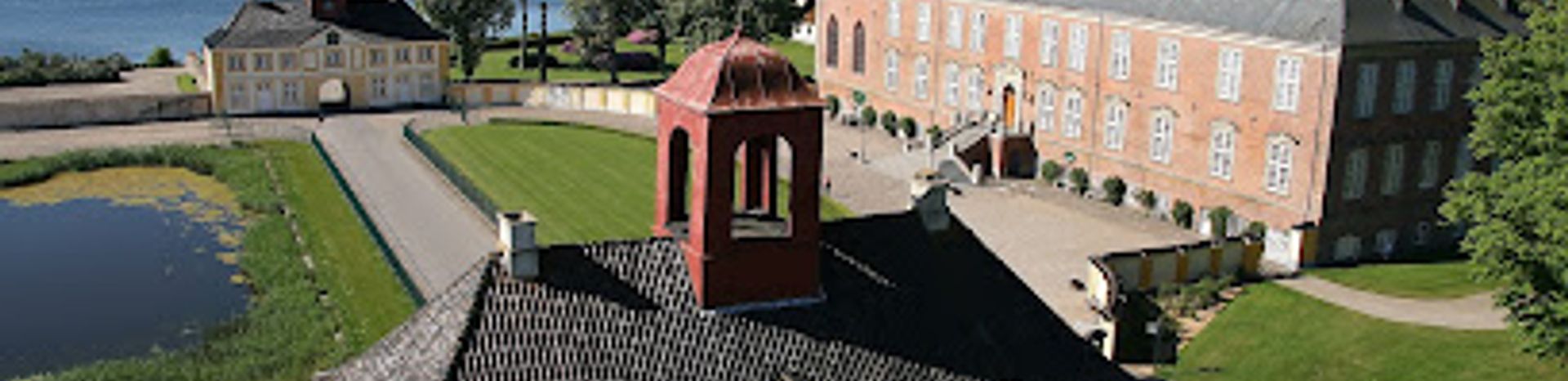
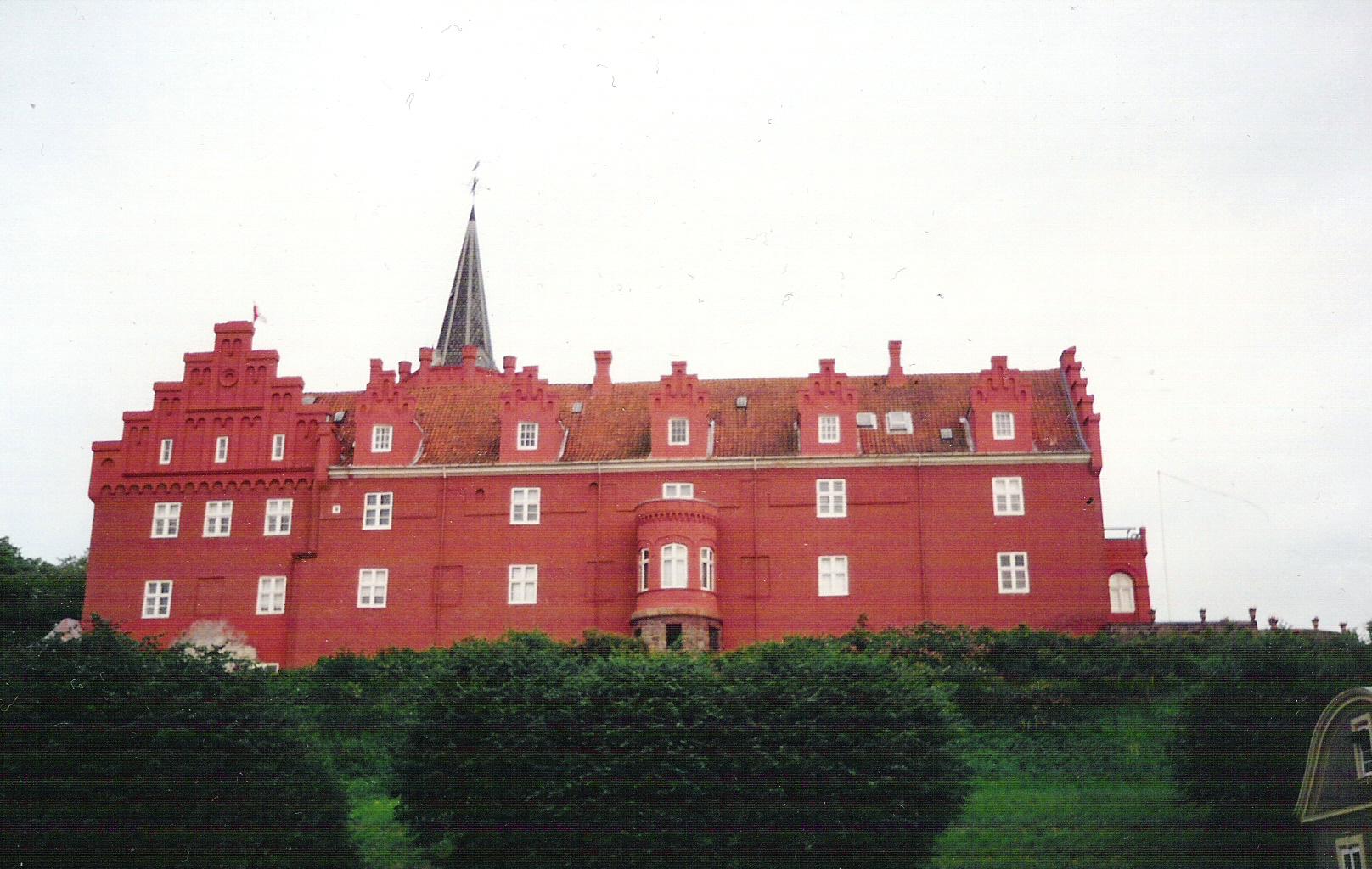
Valdemars Slot rises beside the water on the northeastern coast of Tåsinge, a short hop from Svendborg yet wrapped in its own quiet world of forest, meadows and sea air. Originally built between 1639 and 1644 for King Christian IV’s son Valdemar Christian, it was conceived not as a fortress but as an elegant manor where royal life could unfold at a scenic remove from Copenhagen. The pale façades, long wings and symmetrically planned forecourt still exude that sense of ceremony and ease.From the approach avenue you glimpse both the castle and the glint of Svendborgsund beyond the trees. The estate forms the only manor on Tåsinge, giving it a commanding presence in the landscape. Yet the mood is more pastoral than imposing: lawns spill down towards ponds and a narrow strip of beach, and the castle’s outline is softened by old trees and the ever-changing light over the water.From naval glory to private palace
The story of Valdemars Slot is closely tied to the rise and fortunes of Denmark as a maritime power. After Valdemar Christian’s death in battle, the estate passed through troubled years and war damage before being granted to Admiral Niels Juel in the late 17th century as reward for his decisive victory at the Battle of Køge Bay. The admiral transformed the residence into a refined baroque home, filling it with naval mementos and objects that spoke of life at sea and at court.Over generations, the Iuel-Brockdorff family developed the manor into what is now recognised as the largest private home in Denmark and the only former royal palace still in private hands. Its private status did not prevent it from shaping the cultural landscape of South Funen: the castle became a landmark for seafarers, a focal point for life on Tåsinge, and a key chapter in the region’s architectural story.Historic interiors and shifting artistic scenes
Behind the stately façade, suites of rooms chart three centuries of taste, wealth and collecting. Antique furniture, portraits by leading artists, Venetian glass, tapestries and curiosities once spoke solely of aristocratic life. Today, many of these historic pieces remain part of the narrative, but they are put into conversation with contemporary art in a curated museum setting. Works by classical painters such as Carl Gustaf Pilo and Jens Juel share space with installations by international artists, turning the castle into a living dialogue between eras.Seasonal exhibitions, performances and interventions animate both the grand salons and the more intimate corners of the house. Rather than freezing the building in time, the current owners present it as a changing stage where themes of power, representation and portraiture are explored through new commissions. It is both a historic home and a platform for new ideas.Parks, shoreline and flourishing wildlife
Beyond the walls, the estate opens into a mosaic of designed gardens, natural woodland and coastal meadow. An ornamental park with long sightlines, ponds and avenues reflects baroque ideas of order and perspective, yet it soon relaxes into wilder edges where reeds and salt-tolerant plants take over near the water. Public paths thread through this landscape, inviting unhurried walks beneath tall trees and along the foreshore.The shallow lagoon and surrounding meadows provide resting and breeding grounds for an impressive range of birdlife. In spring, waders such as lapwing, redshank and snipe are active in the marshes, while winter brings flocks of swans and geese, with herons standing sentinel in the shallows. Raptors occasionally patrol overhead, adding a touch of drama to the otherwise gentle scene. This blend of culture and nature gives visits to Valdemars Slot a restorative quality that extends well beyond the castle tour itself.Experiencing the estate through the seasons
Valdemars Slot operates primarily as a summer destination, with exhibitions and events concentrated between May and September. During these months the house, outbuildings and park hum with cultural activity, from art installations to performances and smaller gatherings in the historic barns and pavilions. Even when the main interiors are closed, the broader landscape retains its appeal for walkers, cyclists and those arriving by water.The veteran ferry route connecting Svendborg with the island makes a visit feel like a small voyage, and the jetty near the castle underlines its long relationship with seafaring. Light changes rapidly over the sound, and different times of day give the castle distinct atmospheres: clear mornings sharpen its outlines, while late afternoon sun warms the stone and deepens the surrounding greens. Whether you focus on history, art or simply the pleasure of being outdoors, Valdemars Slot offers a layered experience that rewards lingering.Explore the best of what Valdemars Slot has to offer













More about Langeland
Discover Langeland: Denmark's idyllic island retreat with scenic landscapes, rich history, and vibrant culture. Perfect for nature lovers, history buffs, and festival goers.
Tell me more about Langeland
Compact island museum in Rudkøbing tracing Langeland’s story from Stone Age barrows to world wars, GDR plastics and everyday life on a Baltic outpost.
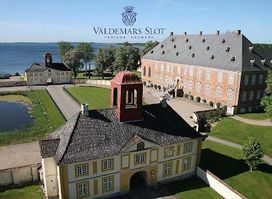
Seaside baroque manor on Tåsinge, where royal ambitions, naval heroism and family life meet amid lakeside lawns, a chapel, museums and a gentle maritime breeze.