Kannikegaarden, Ribe Travel Guide
Free Guide: Award-winning parish hall and archaeological showcase where contemporary Nordic architecture hovers above Ribe’s oldest brick ruins beside the cathedral.


A brief summary of Kannikegaarden
Award-winning parish hall and archaeological showcase where contemporary Nordic architecture hovers above Ribe’s oldest brick ruins beside the cathedral.
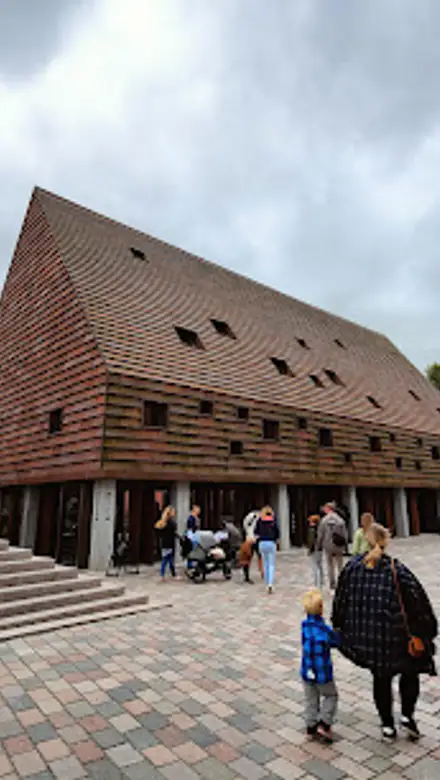
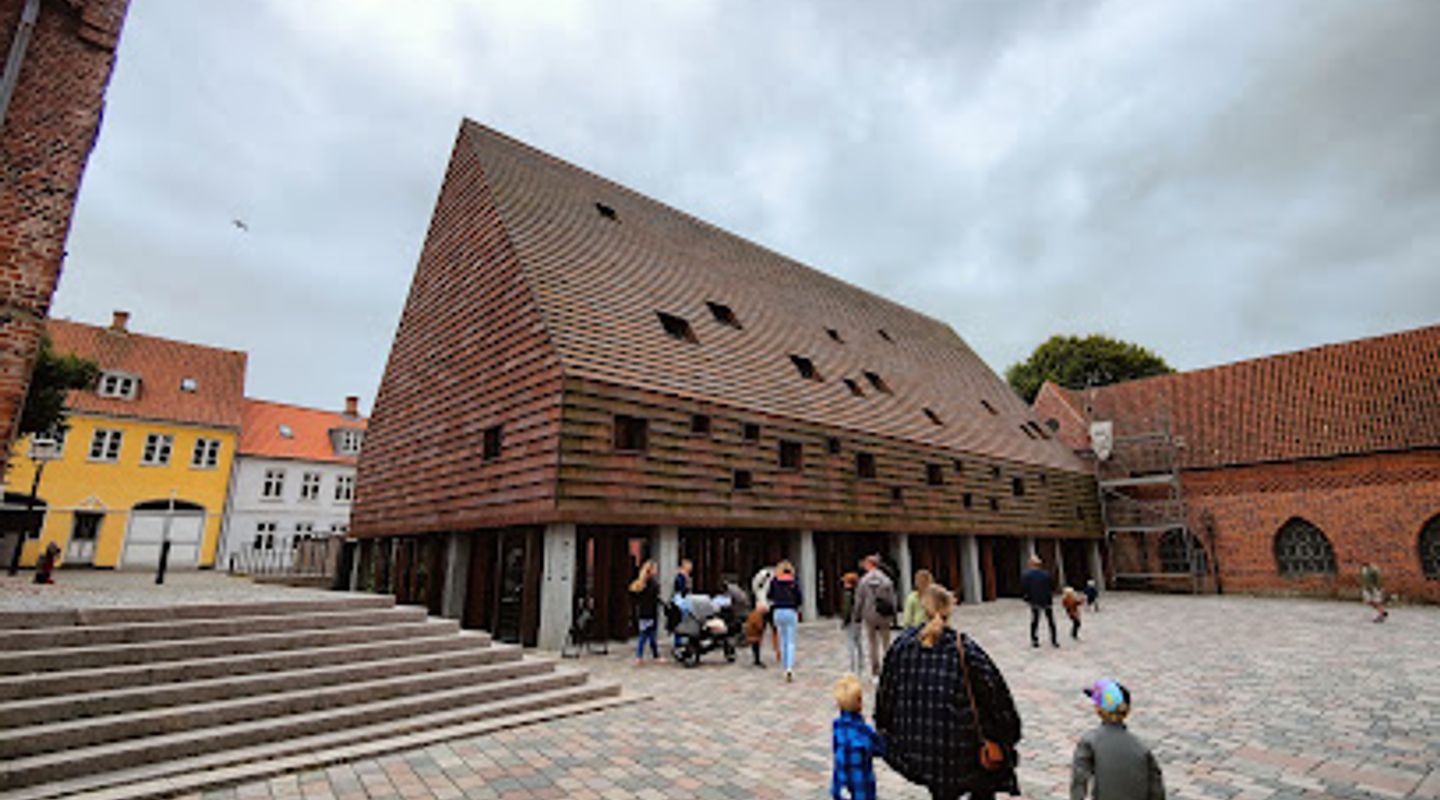
Kannikegården in Ribe is an award-winning parish hall and cultural venue that hovers above the excavated ruins of Denmark’s oldest known brick house, once part of the medieval canon’s quarter by Ribe Cathedral. The timber-clad gabled volume, with its discreet glass base, blends contemporary Nordic design with a quiet respect for the town’s thousand-year history. Inside, you can look down onto the protected ruins, read about the site’s past, and experience how new architecture can both frame and safeguard a fragile archaeological treasure.
On-site amenities
 Restrooms
 Seating areas
 Sheltered areas
 Information boards
- Address
- Torvet, 6760 Ribe
- Website
Getting there
Train and short walk from Esbjerg
Car from Esbjerg and nearby towns
Regional bus within South Jutland
Discover more about Kannikegaarden
A Contemporary Landmark Beside Ribe Cathedral
Kannikegården sits on Ribe’s main square, directly opposite the cathedral, where a simple gabled volume clad in warm-toned brick and timber has quietly redefined the town’s historic heart. The building’s sharply cut roofline and restrained detailing echo the silhouettes of surrounding merchant houses, yet its clean geometry and nearly windowless facades clearly mark it as a work of contemporary Nordic architecture. It serves as the parish hall and administrative home for Ribe Cathedral, but it is also conceived as a civic living room where the town’s long story is made visible.Completed in the mid‑2010s after an international burst of attention in architectural circles, Kannikegården was quickly recognized with major European prizes. These accolades focused on how the building manages to be both modest in height and monumental in presence, acting as a calm counterpoint to the cathedral’s towers and spires. As you walk around the square, the changing play of light across the textured brick and timber subtly shifts the building’s character from morning to evening.
Medieval Ruins Preserved Beneath Your Feet
The real heart of Kannikegården lies below the main floor, where the remains of a 12th‑century canon’s house are carefully sheltered. Archaeological excavations here uncovered what is considered the oldest known brick building in Denmark, a rare physical trace of the early use of brick in Northern Europe. Rather than removing or reburying the ruins, the architects elevated the new structure on a discreet plinth, allowing the fragile foundations and walls to be left almost untouched in situ.From the public exhibition area, large glazing and open voids allow you to look directly down onto the uneven stone and brickwork. Interpretive panels explain how the canon’s house fitted into the daily life of the cathedral precinct, with clerics living, studying and working only steps from the church itself. The cool air, subdued lighting and low whisper of visitors tend to give this chamber an almost crypt‑like atmosphere, connecting you viscerally to medieval Ribe.
Architecture as a Bridge Between Eras
Kannikegården is often cited as a textbook example of how new architecture can converse respectfully with old towns without resorting to imitation. Its form is deliberately simple: a single, elongated volume with a steep roof, echoing the proportions of historic granaries and warehouses once common in Ribe. Yet details such as finely profiled wooden slats, carefully recessed joints and hidden gutters mark it as firmly 21st century.The ground‑level glass band makes the upper volume seem to almost float, an effect that lightens its presence on the square while signaling that something special lies below. Inside, the material palette continues this theme of understated quality: pale timber, smooth concrete and carefully framed views of both ruins and cathedral. The spaces are designed to host parish meetings, lectures, workshops and cultural events, meaning that the building’s role as a gathering point is every bit as important as its function as a protective shelter.
Life, Events and Quiet Moments in the Parish House
Although compact, Kannikegården packs a varied program into a relatively small footprint. On weekdays it functions as a modern parish office and meeting place, with flexible rooms that can be rearranged for classes, talks or community dinners. At other times it is used for exhibitions, concerts, craft workshops and thematic events that link local heritage with contemporary artistic practice.For casual visitors, it is perfectly possible to experience the building in a short stop: a circuit around the exterior, a look through the large windows into the archaeological zone, and a few minutes spent absorbing the atmosphere of the square. Those who choose to enter and explore more deeply can linger over the interpretive displays, or simply sit by a window and watch everyday life unfolding between cathedral, market stalls and cafés. The contrast between the lively square outside and the hushed interior makes even a brief visit feel reflective.
Ribe’s Past and Present in One View
Standing by the windows of Kannikegården, you can take in one of the most layered views in Ribe: the cathedral’s weathered stone walls and towers, the patchwork roofs of medieval houses and, directly below, the foundations of a long‑vanished canon’s home. The parish hall’s precise geometry frames these elements like a series of living paintings, constantly changing with the weather and the time of day.In a town renowned as Denmark’s oldest, Kannikegården demonstrates that new interventions need not be timid to be respectful. By balancing archaeological conservation, daily parish life and ambitious design, it shows how a modestly sized project can play an outsized role in the identity of a historic city. Whether you are drawn here by an interest in medieval ruins, contemporary architecture or simply the desire for a quiet corner near the cathedral, Kannikegården rewards attention with a rich, layered sense of place.
Evendo Review Centre
 Google
Guest reviews
Best time to go
Quietest: Jan, Feb & Mar · before 7am or from 8pm
Busy times are Evendo estimates for a typical year, to help you plan. Actual crowds vary with events, school holidays and the weather.
Explore Kannikegaarden on the map
A handpicked selection of must-see spots near Kannikegaarden, mapped for you.
Get your free copy of our complete guide to Kannikegaarden, delivered straight to you.
Everything on this page, from opening hours and how to get there to Eve’s tips and the best time to go, in one PDF you can read offline, print or share.
Already have an account? Sign in
Your Kannikegaarden guide is ready.
We'll send it to · Not you? Sign out

Getting your guide ready…
We are putting together a fresh copy of the Kannikegaarden guide. This can take up to a minute.
This can take a few moments. If your browser asks, choose Allow so the download can start. You'll find the guide in your Downloads folder.
Nothing happened? Download it again
Sorry, the guide is taking longer than usual. Please try again in a minute, or get it by email instead.
Other nearby places you may find interesting
The closest places of the same kind, if this one is not quite what you had in mind.
-
-
-
-
-


Swipe for more places
More to explore near Kannikegaarden

 Best experiences near Kannikegaarden
 Best hotels near Kannikegaarden
 Best landmarks near Kannikegaarden
 Best attractions near Kannikegaarden
 Best shops near Kannikegaarden
 Best restaurants near Kannikegaarden
 Best bars near Kannikegaarden
Do you manage this location?
Take control to get all the benefits, like improved information, better appearance, and stronger visibility across AI-powered discovery.
Explore more
Explore more of Ribe
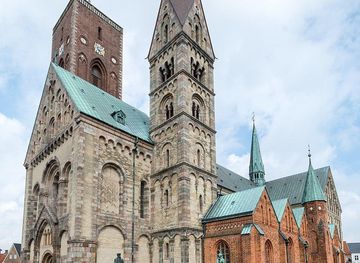
Discover Ribe, Denmark's oldest town, where medieval charm meets modern allure. Experience Viking history, stunning architecture, and breathtaking natural wonders.
Explore Ribe
Explore more of Denmark
Discover Denmark: A perfect blend of history, modern design, and the cozy concept of hygge. Explore vibrant cities, serene landscapes, and world-class cuisine.
Explore Denmark