

Weis Stue, Ribe Travel Guide
Centuries-old timber inn and restaurant on Ribe’s main square, serving classic Danish dishes and simple rooms in a wonderfully crooked historic house.
Weis Stue is a historic inn and restaurant on Ribe’s cobbled main square, set in one of Denmark’s oldest preserved timber-framed houses. Low beamed ceilings, sloping floors and tiny rooms create an intimate, time-capsule feel, while classic Danish dishes and simple rooms upstairs make it both a characterful dining spot and an atmospheric place to stay in the heart of Denmark’s oldest town.
A brief summary to Weis Stue
- Torvet 2, Ribe, 6760, DK
- Click to display
- Click to display
- Duration: 1 to 3 hours
- Mid ranged
-
 Indoor
- Mobile reception: 4 out of 5

Know before you go
Hi, I'm Eve. Here are a few practical things to know before exploring Weis Stue.
- Mind your head and watch your step inside: ceilings are low and floors can be uneven due to the age of the building.
- Book ahead for dinner in peak season, as the small dining rooms fill quickly, especially around weekends and holidays.
- If staying overnight, check in advance whether your room has a private or shared bathroom so expectations match the historic layout.
- Ask for a table near a window to enjoy views over Ribe’s main square while you eat, particularly at lunchtime.
- Try at least one classic Danish dish such as smørrebrød or a traditional meat-and-potato plate to complete the local experience.
Do you manage this location?
Take control to get all the benefits, like improved information, better appearance, and stronger visibility across AI-powered discovery. Learn more about listing your business on Evendo
Activate your presenceOther nearby places you may find interesting
The closest places of the same kind, if this one is not quite what you had in mind.
Explore Weis Stue on the Map
A handpicked selection of must-see spots near Weis Stue, mapped for you.
Getting There
-
Train and short walk from Esbjerg
Take a regional train from Esbjerg to Ribe Station, a journey of about 25–35 minutes with frequent departures during the day. A standard adult single ticket typically costs around 40–60 DKK. From Ribe Station, it is an easy walk of roughly 10–15 minutes through the old town to Weis Stue on the main square, along mostly flat, cobbled streets that are manageable for most visitors but may feel bumpy for wheelchairs or prams.
-
Car from Esbjerg and nearby towns
If you arrive by car from Esbjerg or surrounding areas, expect around 25–35 minutes’ driving time to Ribe under normal traffic conditions. Public parking areas are available within walking distance of the old town center, typically with time limits or fees in the busier periods; budget roughly 10–20 DKK per hour where payment is required. From the parking areas you continue on foot into the largely pedestrian historic core to reach Weis Stue on Torvet.
-
Regional bus within South Jutland
Regional buses connect Ribe with other South Jutland towns such as Esbjerg and Kolding, with journey times usually between 30 and 60 minutes depending on the route. A single fare for adults commonly ranges from 30–70 DKK. Most buses stop near Ribe’s central area or the station; from there you walk about 10–15 minutes along level streets into the old town to reach the square where Weis Stue is located. Services may be less frequent in the evenings and on weekends, so checking timetables in advance is advisable.
For the on-the-go comforts that matter to you
-
 Drink Options
-
 Food Options
-
 Seating Areas
-
 Restrooms
Discover more about Weis Stue
A crooked timber house on Ribe’s medieval square
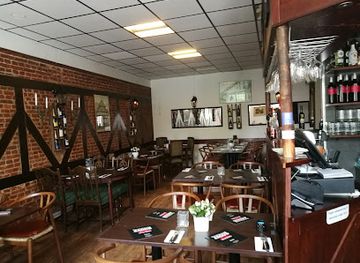
Weis Stue sits right on Torvet, the main square of Ribe, in a narrow, dark-timbered building that looks almost too picturesque to be real. The façade leans slightly, small-paned windows glow in the evenings, and the red-tiled roof and timber frame trace their origins back several centuries. Step inside and you are immediately surrounded by creaking floorboards, low ceilings and wooden beams that tell the story of Denmark’s oldest town in every line and knot.The interior is a warren of compact rooms rather than one large hall. Doorways are low enough that taller visitors instinctively duck, and many floors tilt gently, a reminder that the house has settled over time. Instead of sleek design, the charm lies in uneven surfaces, framed pictures, candles and sturdy wooden furniture, giving the feeling of a lived-in merchant’s house rather than a modern venue.Traditional Danish cooking in an intimate setting
At street level, Weis Stue functions as a classic Danish restaurant, with white-clothed tables squeezed into intimate chambers. The menu focuses on traditional national staples: open-faced smørrebrød at lunchtime, hearty meat and fish dishes, seasonal produce and rich gravies later in the day. Portions tend to be generous, with potatoes, rye bread and pickled accompaniments forming a familiar backbone to many plates.In colder months the atmosphere is especially cosy, with candles and low light reflecting off dark wood. On lighter days, tables near the windows frame views of Torvet, where church towers and old façades form a backdrop to your meal. It is the sort of place where lunch can easily stretch on, as you watch life in Ribe’s centre pause and flow outside.Simple historic guestrooms above the dining rooms
Upstairs, Weis Stue doubles as a modest inn, offering a handful of rooms above the restaurant. Rather than luxury, the appeal lies in sleeping inside a centuries-old building overlooking the town square. Some rooms have sloping ceilings and visible beams, and furnishings are straightforward: beds, a desk, perhaps a wardrobe and television. Bathrooms may in some cases be shared along the corridor, reflecting the building’s age and layout rather than contemporary hotel norms.Guests staying here wake to the sound of footsteps on cobbles and the distant chime of Ribe’s church bells. Windows open onto rooftops and gables, and you remain only a short stroll from the town’s museums, cathedral and riverside paths, making it an atmospheric base if you value character over high-end amenities.A living fragment of Ribe’s heritage
More than just a place to eat or sleep, Weis Stue forms part of the fabric of Ribe’s historic centre. The inn has long served as a social hub on the main square, witnessing markets, processions and everyday comings and goings over the centuries. Its preserved timber structure contributes to the town’s carefully maintained streetscape, where nearly every corner seems to carry a story.For travellers, time inside Weis Stue offers a tactile way to experience this heritage: the uneven staircases, the scent of wood and cooking, and the square framed by old window glass. It is an easy stop during a day exploring Ribe, but also a rewarding choice if you want to linger after the day-trippers leave and the town settles into a quieter, candlelit rhythm.Dining and staying in the heart of the old town
Practical comforts blend with historic quirkiness here. Free wireless internet is typically available, and rooms receive daily attention from housekeeping, yet the core experience remains pleasingly old-fashioned. You can descend from your room straight into the restaurant for a traditional meal, then step directly out onto the square for an evening stroll among half-timbered façades.Whether you come for a single lunch, a celebratory dinner or a night or two in its creaky rooms, Weis Stue offers front-row access to Ribe’s past. The combination of period architecture, classic Danish cooking and unbeatable location ensures that time spent here feels firmly rooted in the town’s long story.More to explore near Weis Stue







Your all‑in‑one travel companion app
Explore expert travel guides, compare and book tours, experiences, hotels, and more—all from the palm of your hand. Download now for seamless trip planning wherever your wanderlust takes you.


Explore More of Ribe
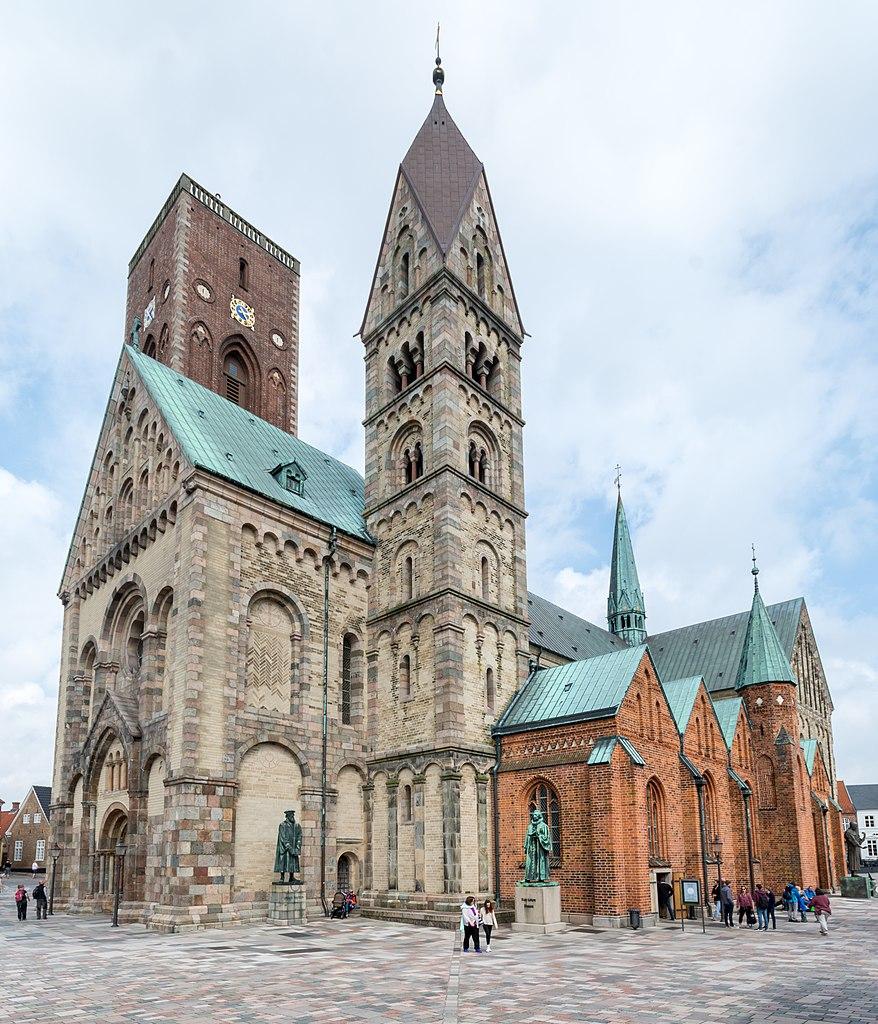
Looking beyond Weis Stue? Discover Ribe for broader travel guides, local hot-spots, and regional highlights.
Explore Ribe
Historic 1899 mission house turned warm Danish restaurant and celebration hall in Ribe’s old town, serving hearty, seasonal cuisine with a sense of occasion.
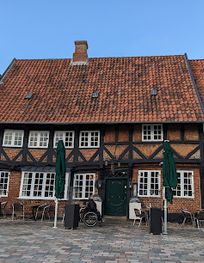
Hearty steaks and classic Danish flavours served in a candlelit 16th‑century cellar beneath historic Hotel Dagmar on Ribe’s storybook main square.
