Wooden bridges, Ribe Travel Guide
Free Guide: A cluster of simple timber footbridges over Ribe Å, offering quiet river views, greenery and a glimpse of Jacob A. Riis in Denmark’s oldest town.


A brief summary of Wooden bridges
A cluster of simple timber footbridges over Ribe Å, offering quiet river views, greenery and a glimpse of Jacob A. Riis in Denmark’s oldest town.
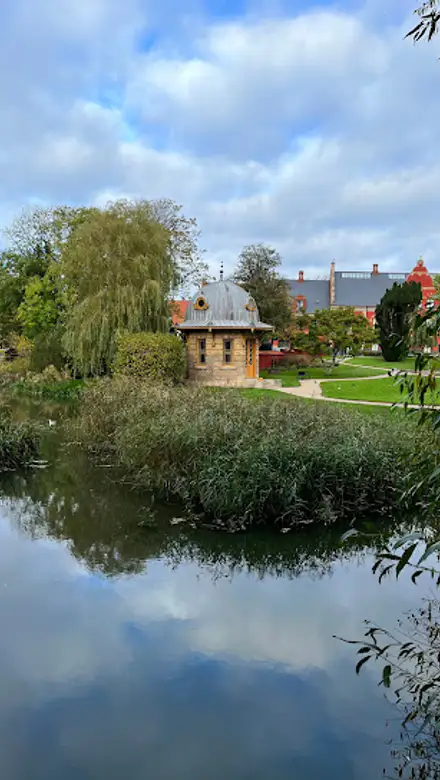
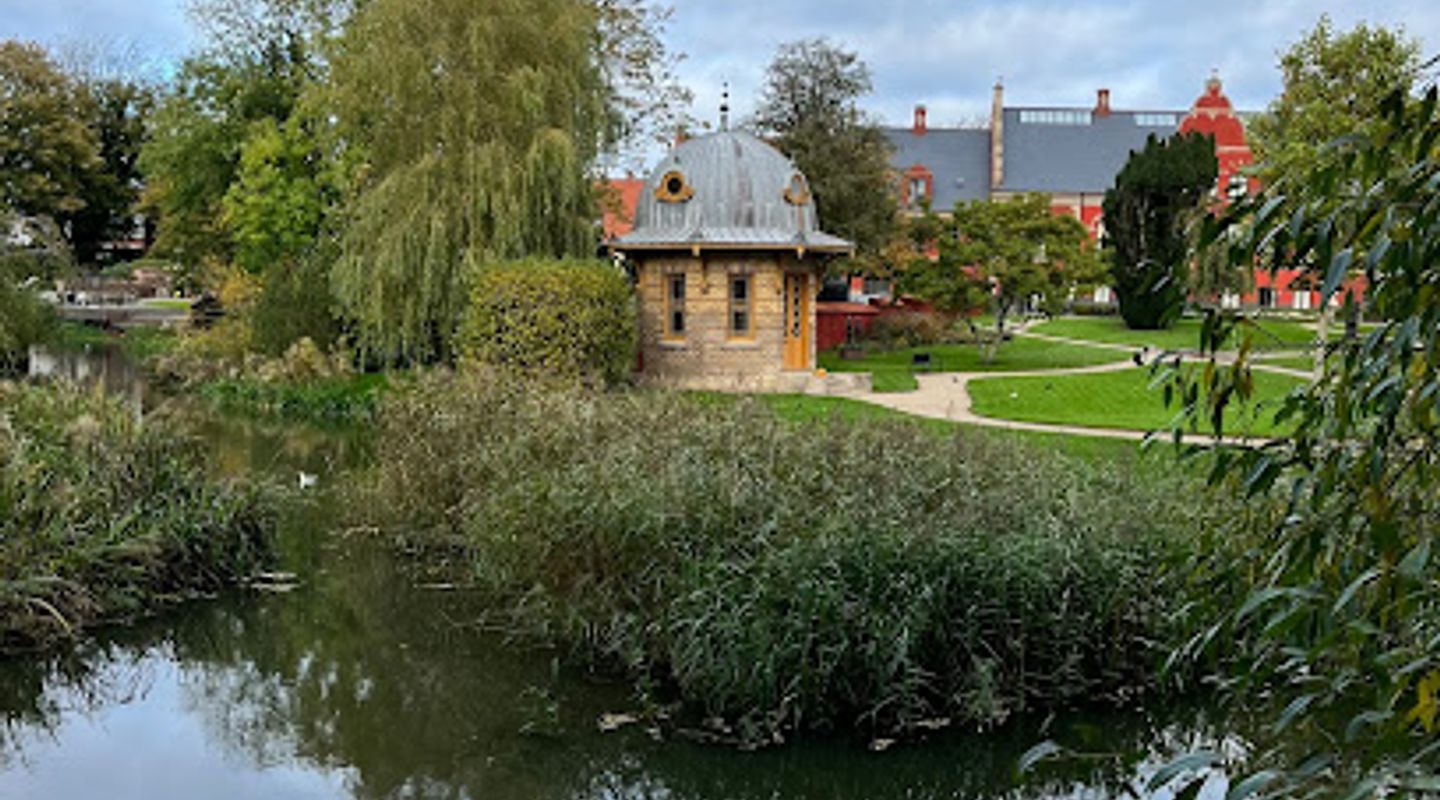
Tucked behind Ribe’s historic streets, the Wooden Bridges form a tranquil crossing over the Ribe Å, linking small tree‑covered islets and grassy banks just steps from the old town. This little cluster of simple timber footbridges offers a quiet pause from the city’s medieval bustle, with reflections in the slow-moving water, views toward Ribe’s red roofs and cathedral tower, and a sense of everyday Danish hygge in the open air. Nearby, a modest bust of Jacob A. Riis hints at the town’s connection to one of America’s pioneering social reformers.
On-site amenities
 Seating areas
 Trash bins
 Information boards
 Restrooms
 Drink options
 Food options
Opening hours
- Every dayOpen 24 hours
Opening hours as listed on the venue’s Google Business Profile. Hours can change for services and special events, so check with the venue before you go.
- Address
- Buste af Jacob A. Riis, Sct Catharinæ Pl., 6760 Ribe
Getting there
Train and walking from Esbjerg
Car from Esbjerg and short walk
Regional bus within South Jutland
Discover more about Wooden bridges
Riverside crossings in Denmark’s oldest town
Ribe is often introduced as Denmark’s oldest town, and the Wooden Bridges offer one of its gentlest vantage points. Here, a handful of wooden footbridges span the Ribe Å, the calm river that threads past the historic center. Simple in structure and built for pedestrians, the bridges draw your eye down to the mirrored surface of the water and up again to the tiled roofs, half-timbered houses and distant cathedral tower that frame the horizon.Despite sitting only a short walk from the main streets, this pocket of riverside feels like a small green room attached to the old town. The soft creak of the planks underfoot, the low banks and the slow flow of the river create a contrast with Ribe’s cobbled lanes and busy squares.
A quiet island of trees and reflections
Where several of the bridges meet, they converge around a tiny, tree-covered island in midstream. It is a modest patch of land, yet it changes the character of the river into a series of channels and views. From one railing you might look back towards the old town façades; from another, the scene opens to grassy lawns, willows dipping into the water and the open sky beyond.The atmosphere here is unhurried. In spring and summer, the banks are lush and green, with birds skimming over the water and the occasional ripple from a fish near the surface. In autumn, the bridges become a quiet platform for watching leaves drift downstream. Even on grey days, the muted light plays on the wet wood and the river’s surface.
Jacob A. Riis and Ribe’s transatlantic story
Near one of the southern bridges stands a bust of Jacob A. Riis, the Ribe-born journalist and photographer who emigrated to the United States in the 19th century. His work documenting life in New York’s tenements helped spark social reforms and made him an important figure in the history of photojournalism.The sculpture is modest in scale, placed close to the path rather than on a grand plinth. It serves as a quiet reminder that this small Danish town has sent its influence far beyond the riverbanks. A short stroll away, a museum dedicated to Riis further explores his life and work, but here by the water you simply encounter his likeness in passing, set against the backdrop of trees and flowing water.
Everyday Ribe along the river path
Most of the activity at the Wooden Bridges is low-key and local: dog walkers crossing from one side of the river to the other, children pausing to peer over the railing, and cyclists gliding along nearby paths. Benches and grassy patches invite you to sit for a while, unpack a simple picnic or just watch the light change on the water.Because the site is open at all hours, it shifts character with the day. Morning brings a soft, dewy calm, while late afternoon and early evening often add warmer light and longer shadows from the trees. In winter, when frost rims the railings and the air is sharper, the open views of the river and town feel particularly clear and uncluttered.
A gentle pause between museums and monuments
The bridges sit within easy reach of Ribe’s denser cluster of attractions, including churches, museums and historic houses. That proximity makes this riverside spot an appealing interlude between more structured visits. Instead of a grand monument, you find a small, human-scale landscape of wood, water and greenery.There is no formal entrance or ticketed experience here—only a network of paths inviting you to wander at your own pace. For many visitors, the Wooden Bridges become a quiet mental snapshot of Ribe: a meeting point of nature and town, history and everyday life, all expressed in the simple act of crossing a small river in Denmark’s oldest city.
Evendo Review Centre
 Google
Guest reviews
Best time to go
Quietest: Jan, Feb & Mar · before 6am or from 11pm
Busy times are Evendo estimates for a typical year, to help you plan. Actual crowds vary with events, school holidays and the weather.
Explore Wooden bridges on the map
A handpicked selection of must-see spots near Wooden bridges, mapped for you.
Get your free copy of our complete guide to Wooden bridges, delivered straight to you.
Everything on this page, from opening hours and how to get there to Eve’s tips and the best time to go, in one PDF you can read offline, print or share.
Already have an account? Sign in
Your Wooden bridges guide is ready.
We'll send it to · Not you? Sign out

Getting your guide ready…
We are putting together a fresh copy of the Wooden bridges guide. This can take up to a minute.
This can take a few moments. If your browser asks, choose Allow so the download can start. You'll find the guide in your Downloads folder.
Nothing happened? Download it again
Sorry, the guide is taking longer than usual. Please try again in a minute, or get it by email instead.
Other nearby places you may find interesting
The closest places of the same kind, if this one is not quite what you had in mind.
-
-
-
-
-


Swipe for more places
More to explore near Wooden bridges

 Best experiences near Wooden bridges
 Best hotels near Wooden bridges
 Best landmarks near Wooden bridges
 Best attractions near Wooden bridges
 Best shops near Wooden bridges
 Best restaurants near Wooden bridges
 Best bars near Wooden bridges
Do you manage this location?
Take control to get all the benefits, like improved information, better appearance, and stronger visibility across AI-powered discovery.
Explore more
Explore more of Ribe
Discover Ribe, Denmark's oldest town, where medieval charm meets modern allure. Experience Viking history, stunning architecture, and breathtaking natural wonders.
Explore Ribe
Explore more of Denmark
Discover Denmark: A perfect blend of history, modern design, and the cozy concept of hygge. Explore vibrant cities, serene landscapes, and world-class cuisine.
Explore Denmark