Landbohøjskolens Have
A 19th‑century university horticultural garden in Frederiksberg, where scientific plant collections and everyday park life blend into a calm green refuge.
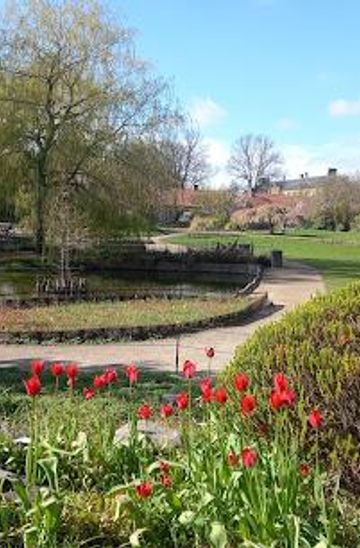
Tucked behind university buildings in Frederiksberg, Landbohøjskolens Have is a tranquil horticultural garden that blends academic plant collections with the charm of a neighborhood park. Laid out in the 19th century and now part of the University of Copenhagen’s Frederiksberg Campus, it shelters more than 6,000 different plants in themed beds, tree-lined paths, lawns and a small pond. Benches, intimate corners and seasonal blooms make it a peaceful escape from central Copenhagen’s busy streets.
A brief summary to Landbohøjskolens Have
- Bülowsvej 17, Frederiksberg Municipality, Frederiksberg C, 1870, DK
- Click to display
- Click to display
- Duration: 1 to 2 hours
- Free
-
 Outdoor
- Mobile reception: 5 out of 5
- Monday 7 am-8 pm
- Tuesday 7 am-8 pm
- Wednesday 7 am-8 pm
- Thursday 7 am-8 pm
- Friday 7 am-8 pm
- Saturday 7 am-8 pm
- Sunday 7 am-8 pm

Know before you go
Hi, I'm Eve. Here are a few practical things to know before exploring Landbohøjskolens Have.
- Plan at least an hour to wander the themed plant beds and tree-lined paths; the garden looks compact but holds a lot of detail once you slow down.
- Bring a book, picnic or takeaway coffee and use the many benches for a quiet break; shade and sun spots are both easy to find.
- Visit in different seasons if you can: spring bulbs, summer roses and rhododendrons, and autumn foliage each show a different side of the garden.
- Look out for the medicinal and useful plant areas to get a sense of how many familiar species have practical and historical importance.
- If the small glasshouse café is open, use it as a base for a second stroll; it is especially atmospheric on bright but cool days.
Do you manage this location?
Take control to get all the benefits, like improved information, better appearance, and stronger visibility across AI-powered discovery. Learn more
Activate your presenceOther nearby places you may find interesting
Getting There
-
Metro
From central Copenhagen, take the M1 or M2 metro to Forum Station and walk about 10–15 minutes along Frederiksberg’s main streets to the garden. The metro runs frequently throughout the day, and a standard two-zone ticket typically costs around 20–25 DKK each way. Platforms and trains are step-free, but the final walk includes some gentle gradients and mixed paving.
-
Bus
Several city bus lines run through Frederiksberg with stops within a 5–10 minute walk of Bülowsvej. Travel time from the inner city is usually 15–25 minutes depending on traffic. Use a two-zone ticket or a travel card; expect to pay roughly 20–25 DKK per journey. Buses have low-floor access, making this a convenient option if you prefer to minimize stairs.
-
Bicycle
Cycling from the historic center to Landbohøjskolens Have typically takes 10–20 minutes via Copenhagen’s dedicated bike lanes. The route is flat and well signposted, and there are usually bike racks in the streets around the university campus. This is a good choice in dry weather and lets you combine the visit with a wider ride through Frederiksberg’s parks and residential areas.
-
Taxi
Taxis from central Copenhagen reach the garden in about 10–20 minutes, depending on traffic. Fares commonly fall in the 120–200 DKK range for this distance. This is the most comfortable door-to-door option if you are short on time, carrying luggage or visiting with limited mobility, though pavements within the garden remain primarily gravel.
For the on-the-go comforts that matter to you
-
 Seating Areas
-
 Picnic Areas
-
 Trash Bins
-
 Information Boards
Discover more about Landbohøjskolens Have
A historic garden woven into university life
Laid out in the mid-19th century as study grounds for Copenhagen’s agricultural and horticultural school, Landbohøjskolens Have feels like a green campus heart as well as a public park. Today it belongs to the University of Copenhagen’s Frederiksberg Campus, where plant scientists, students and locals share the same leafy paths. You move through a landscape where teaching plots, experimental beds and ornamental displays quietly coexist.The garden’s age shows not in stiffness, but in maturity. Old trees cast deep shade over winding gravel paths, and the layout still hints at a time when horticulture was taught in the open air. Despite its academic role, the atmosphere is relaxed and informal, inviting you to wander, sit, read or simply watch the light shift across the lawns.Living collections and themed plant worlds
Landbohøjskolens Have holds a remarkably broad collection of cultivated and wild plants, structured in clear, readable areas. You can seek out beds of wild Danish herbs and woody species that anchor the garden in local flora, then step into zones where the focus is on ornamental display or useful value. Labels hint at the plants’ scientific and practical roles, from agriculture to medicine.Special collections highlight grasses, alpine plants and extensive borders of roses, azaleas, rhododendrons and heather. Elsewhere, ferns and shade-loving forest plants make the most of sheltered corners. A section devoted to medicinal plants illustrates how species have been used through history and how many still underpin modern treatments, linking this quiet space directly to everyday life.Seasonal rhythms in an urban oasis
Because the planting is so varied, the garden offers interest in every season. In spring, bulbs and early perennials brighten the beds and lawns. Summer brings dense foliage, fragrant roses and flowering shrubs framing the pond. Autumn colors wash through the older trees and woody collections, while winter reveals branch structure and subtle evergreens.The garden is open to the public, so it naturally doubles as a neighborhood retreat. Office workers and students slip in for fresh air, while locals use the lawns and benches for quiet breaks. Even when paths are busy, the space feels human in scale, with enough nooks and hedged rooms that you can usually find a corner of calm.Paths, pond and glasshouse charm
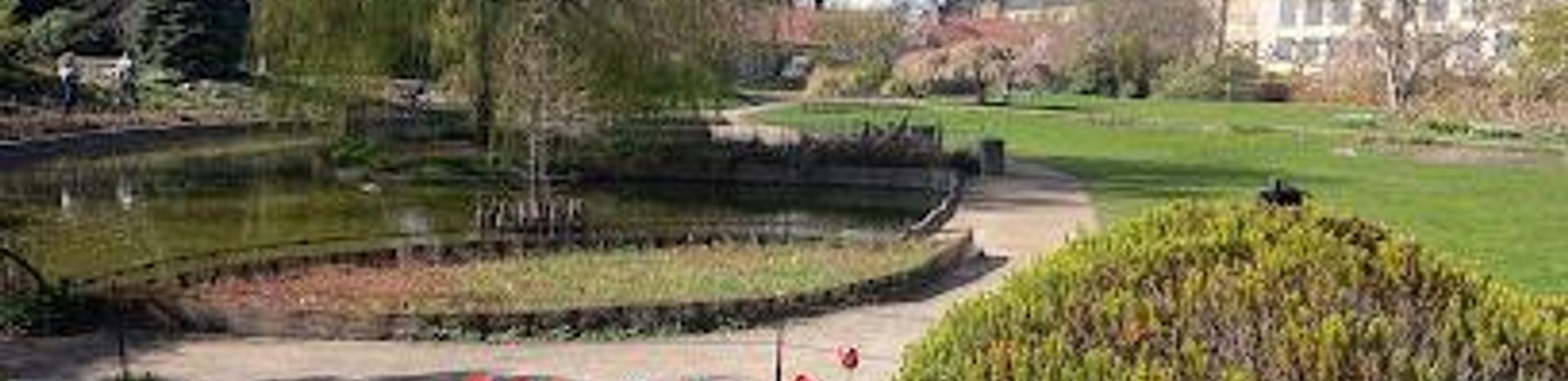
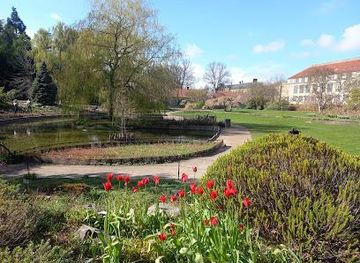
The layout is easy to explore without a plan. Curving paths loop past a small pond where ducks often gather, then back through shrub borders and specimen trees. Benches appear at thoughtful intervals, some in open sun, others tucked among plantings for more privacy. The garden’s size makes it manageable, but its density of detail rewards slow, repeated circuits.A small glasshouse stands as a reminder of the site’s horticultural purpose. At times it functions as a simple café, offering drinks and light refreshments in season, adding a sociable hub without overpowering the quiet mood. Brick university buildings form a backdrop on one side, while beyond the trees the city hums just out of view and earshot.Everyday escape in Frederiksberg
Landbohøjskolens Have is less about grand spectacle and more about everyday livability. It is a place to bring a book, a thermos or a to-go coffee, and let an hour slide by among plant beds that still serve teaching and research. Children can explore without the distractions of playground equipment, and adults can trace plant labels or simply enjoy the textures and colors.Because access is free and the gates are open long hours, it easily fits into a wider day in Frederiksberg or central Copenhagen. Whether you are interested in botany, urban green design or just a patch of grass and birdsong between museum visits and cafés, this modest horticultural garden offers a quietly distinctive stop.Explore the best of what Landbohøjskolens Have has to offer















More about North Zealand
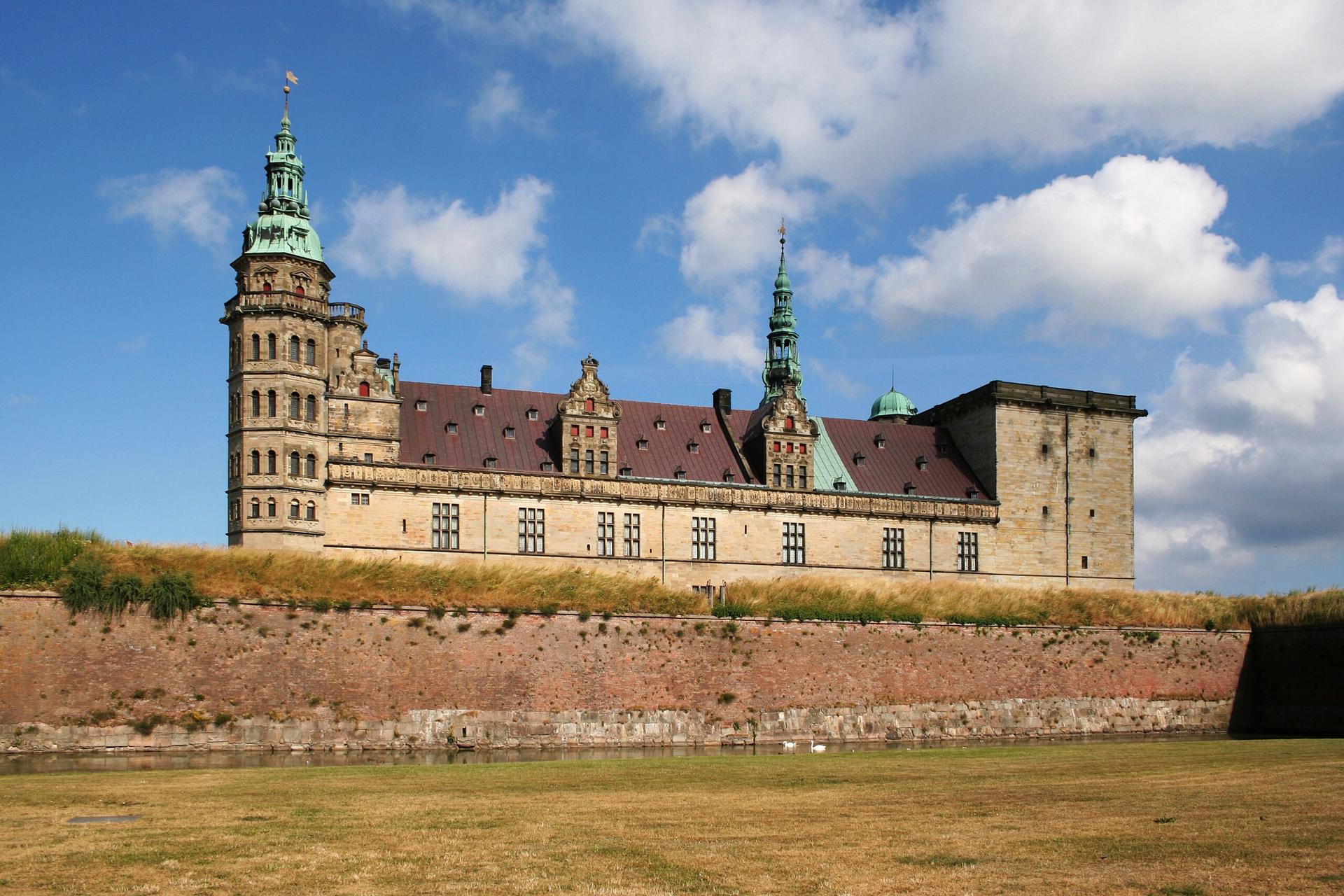
Explore North Zealand, Denmark's enchanting region of castles, beaches, and royal estates, perfect for history buffs, nature enthusiasts, and seaside lovers.
Tell me more about North Zealand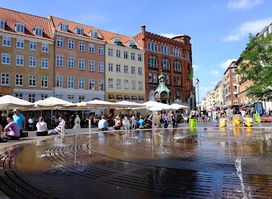
Historic coal market turned lively pedestrian square, Kultorvet blends layered architecture, fountain-side cafés and everyday city life in the heart of Copenhagen.
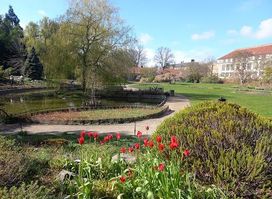
A nineteenth‑century university horticultural garden where living plant collections, quiet lawns and campus life blend into one of Frederiksberg’s most inviting green oases.