Frederiksberg Gardens, Copenhagen Travel Guide
Royal waterways, baroque palaces, and pacifier traditions in Copenhagen's most romantic green escape.
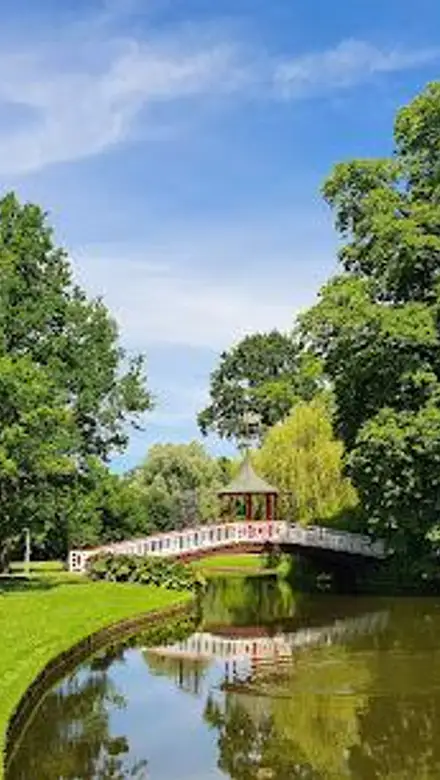
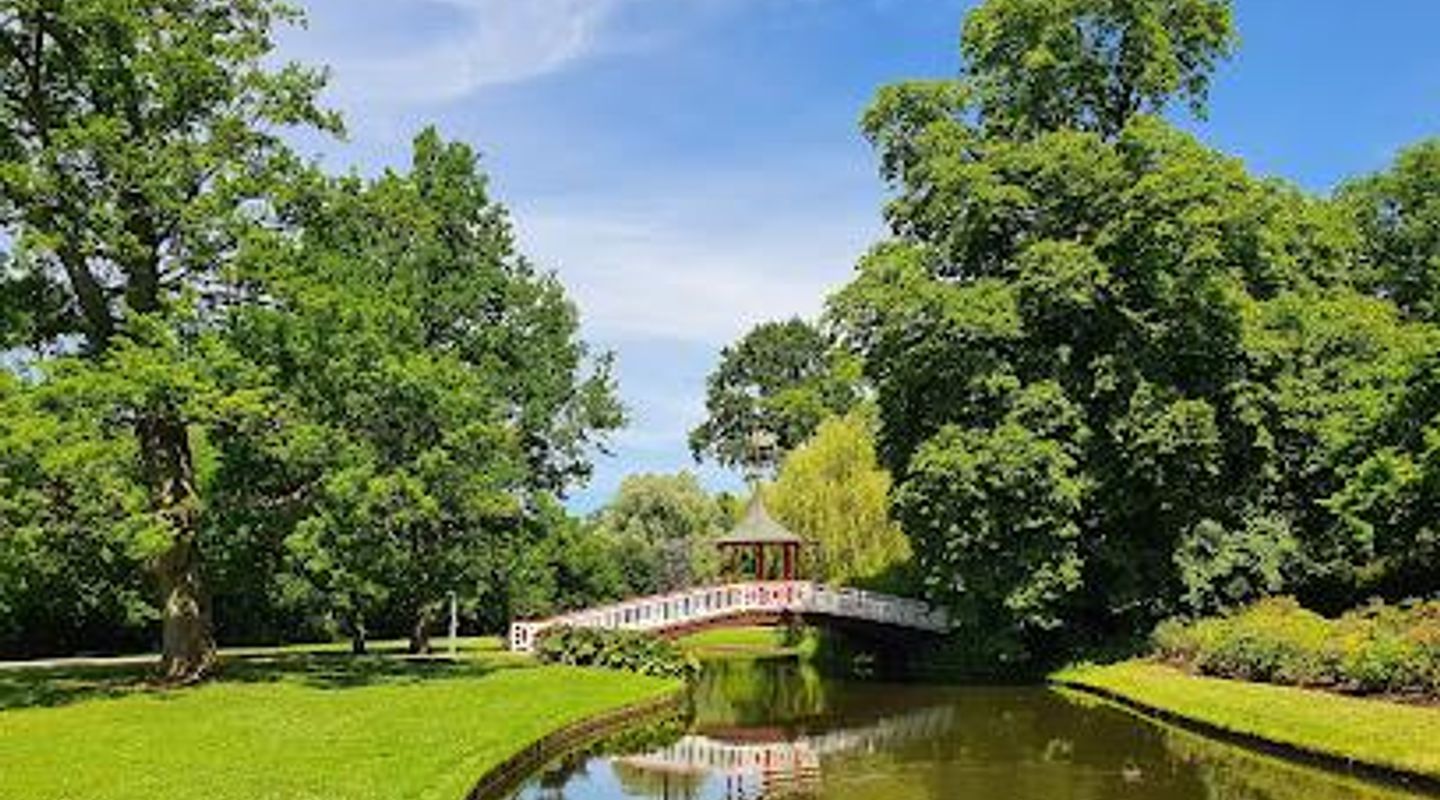
Copenhagen's most romantic park, Frederiksberg Gardens spans 64 hectares of baroque and English landscape design centered around an 18th-century royal palace. Visitors glide through scenic canals by rowboat, explore the historic Chinese Pavilion built in 1799, and enjoy lakeside picnics beneath ancient trees. The park's iconic entrance features a statue of beloved King Frederik VI, who once greeted subjects from these same waterways.
A brief summary to Frederiksberg Gardens
- Frederiksberg, 2000, DK
- Duration: 1.5 to 4 hours
- Free
-
 Outdoor
- Mobile reception: 4 out of 5
- Monday 6 am-5 pm
- Tuesday 6 am-5 pm
- Wednesday 6 am-5 pm
- Thursday 6 am-5 pm
- Friday 6 am-5 pm
- Saturday 6 am-5 pm
- Sunday 6 am-5 pm

Know before you go
Hi, I'm Eve. Here are a few practical things to know before exploring Frederiksberg Gardens.
- Visit in spring (April-May) for peak blooms and fewer crowds. Crocuses, scillas, and daffodils transform the entrance into a floral display, while the weather remains mild for extended exploration.
- Book a rowboat tour with Svendsen's Boat Service during summer months (May-September). The 20-minute canal journey costs 60 DKK for adults and 30 DKK for children aged 3+, offering a unique perspective of the palace and bridges.
- Bring a picnic and settle by one of the lakes for several hours. The park has ample seating, trash bins, and peaceful spots perfect for families or couples seeking a full-day escape.
- Locate the suttetræet (pacifier tree) north of the Chinese Pavilion—a unique 250-year-old tree adorned with hundreds of colorful ribbons tied to baby pacifiers, representing a cherished Danish tradition.
- Visit the Royal Horticultural Society gardens at the main entrance for horticultural inspiration, or head to the café in the greenhouse for coffee surrounded by flowerbeds.
Do you manage this location?
Take control to get all the benefits, like improved information, better appearance, and stronger visibility across AI-powered discovery. Learn more about listing your business on Evendo
Activate your presenceOther nearby places you may find interesting
The closest places of the same kind, if this one is not quite what you had in mind.

Explore Frederiksberg Gardens on the Map
A handpicked selection of must-see spots near Frederiksberg Gardens, mapped for you.
Unlock the Best of Frederiksberg Gardens
Buy tickets
-
No tickets available
Book tours with entry


Getting There
-
Metro and Bus
From central Copenhagen, take the Metro Line M1 or M2 toward Vanløse or Vestamager, exiting at Frederiksberg Station (approximately 15-20 minutes from Nørreport). Alternatively, buses 1A, 6A, or 14 serve the Frederiksberg area. Journey time from central Copenhagen is typically 20-30 minutes depending on starting point. Single tickets cost approximately 24-80 DKK depending on zones traveled.
-
Bicycle
Copenhagen's extensive cycling infrastructure makes bike travel ideal. From central areas like Nørreport or Vesterbro, the journey to Frederiksberg Gardens takes 15-25 minutes via dedicated cycle lanes. Bike rental services throughout the city offer daily rates around 60-100 DKK. The park itself is bike-friendly with secure parking areas available.
-
Walking
From Vesterbro district or the city center, walking is feasible for those with 45-60 minutes available. The route passes through Copenhagen's charming neighborhoods and follows tree-lined streets. The final approach via Frederiksberg Allé—the impressive double-lined avenue of linden trees—makes the walk particularly scenic and memorable.
-
Taxi or Rideshare
Taxis and rideshare services (Uber, local operators) are available throughout Copenhagen. Journey time from central areas is typically 15-25 minutes depending on traffic. Estimated cost ranges from 100-200 DKK from central Copenhagen. Drop-off points are available near the main entrance on Roskildevej.
For the on-the-go comforts that matter to you
-
 Restrooms
-
 Drink Options
-
 Drinking Water
-
 Food Options
-
 Seating Areas
-
 Picnic Areas
-
 Trash Bins
-
 Information Boards
Discover more about Frederiksberg Gardens
A Royal Sanctuary Born from Baroque Vision
Frederiksberg Gardens emerged in the early 1700s when King Frederik IV seized the opportunity to build a grand summer residence on Copenhagen's soft hills. Completed in 1703, the palace was accompanied by extensive baroque gardens meticulously designed and laid out over three decades. The original baroque aesthetic remains visible today, layered beneath the romantic landscape transformations that followed. The gardens became a beloved retreat where King Frederik VI would sail the canals, waving to loyal subjects strolling the grounds—a tradition immortalized in the statue of Frederik VI that greets visitors at the main entrance, inscribed with the words: "Here he felt happy in the midst of loyal people."From Baroque Grandeur to English Romance
In the 1790s, the gardens underwent a dramatic reimagining when designer P. Petersen created a new garden plan in 1795, transforming the space into an English-style landscape garden. This shift introduced winding lawns, naturalistic lakes, and canals that replaced the rigid geometry of baroque design. The result was a romantic composition of bundles of trees, luxurious grottos, temples, pavilions, and summerhouses scattered throughout the 64-hectare grounds. Today, both design eras coexist harmoniously, creating a layered landscape that rewards exploration at every turn.Palaces, Pavilions, and Peculiar Traditions
The imposing Frederiksberg Palace commands attention from its hilltop perch, its baroque architecture framed by panoramic views across the gardens and Copenhagen beyond. The Chinese Pavilion, built in 1799 as a royal teahouse on a small island, represents the 18th-century European fascination with Asian aesthetics and remains one of the park's most photographed structures. Perhaps most uniquely, the gardens are home to the suttetræet—a 250-year-old tree hung with hundreds of colorful ribbons tied to baby pacifiers. According to Danish tradition, when toddlers turn three, parents bring them here to ceremonially leave their pacifiers with a note, creating a living monument to childhood transitions.Waterways and Wildlife Encounters
The canal system remains the gardens' defining feature, offering both practical beauty and recreational opportunity. Svendsen's Boat Service operates rowboat tours throughout summer, providing 20-minute journeys that glide under charming bridges and past wildlife including ducks, herons, and swans. From certain vantage points within the park, visitors can glimpse elephants from the adjacent Copenhagen Zoo, creating an unexpected wildlife encounter in the heart of the city. The waterways also support the park's ecological character, with native birds and aquatic life thriving in the carefully maintained environment.A Living Garden for All Seasons
Spring transforms the entrance with explosions of crocuses, scillas, and daffodils, while summer invites picnicking on expansive lawns and boat exploration. The Royal Horticultural Society's gardens at the main entrance provide year-round horticultural inspiration, showcasing rare plants and seasonal blooms. The park's tree-lined avenues, particularly the impressive Frederiksberg Allé with its double rows of linden trees, create natural corridors that guide visitors through different garden rooms. Autumn brings golden foliage, and winter reveals the skeletal beauty of ancient trees against Copenhagen's pale sky.A Cherished Refuge for Locals and Travelers
For centuries, Frederiksberg Gardens has served as Copenhagen's premier green escape, equally beloved by locals seeking respite and travelers discovering the city's soul. The park accommodates all ages and interests: families spread picnic baskets on the lawns, joggers traverse the wooded paths, children explore playgrounds, and couples find romantic corners beneath historic trees. The surrounding neighborhood, with its posh residential character and cultural institutions, reinforces the gardens' status as a sophisticated urban sanctuary where nature, history, and community converge.












Your all‑in‑one travel companion app
Explore expert travel guides, compare and book tours, experiences, hotels, and more—all from the palm of your hand. Download now for seamless trip planning wherever your wanderlust takes you.


Explore More of Copenhagen
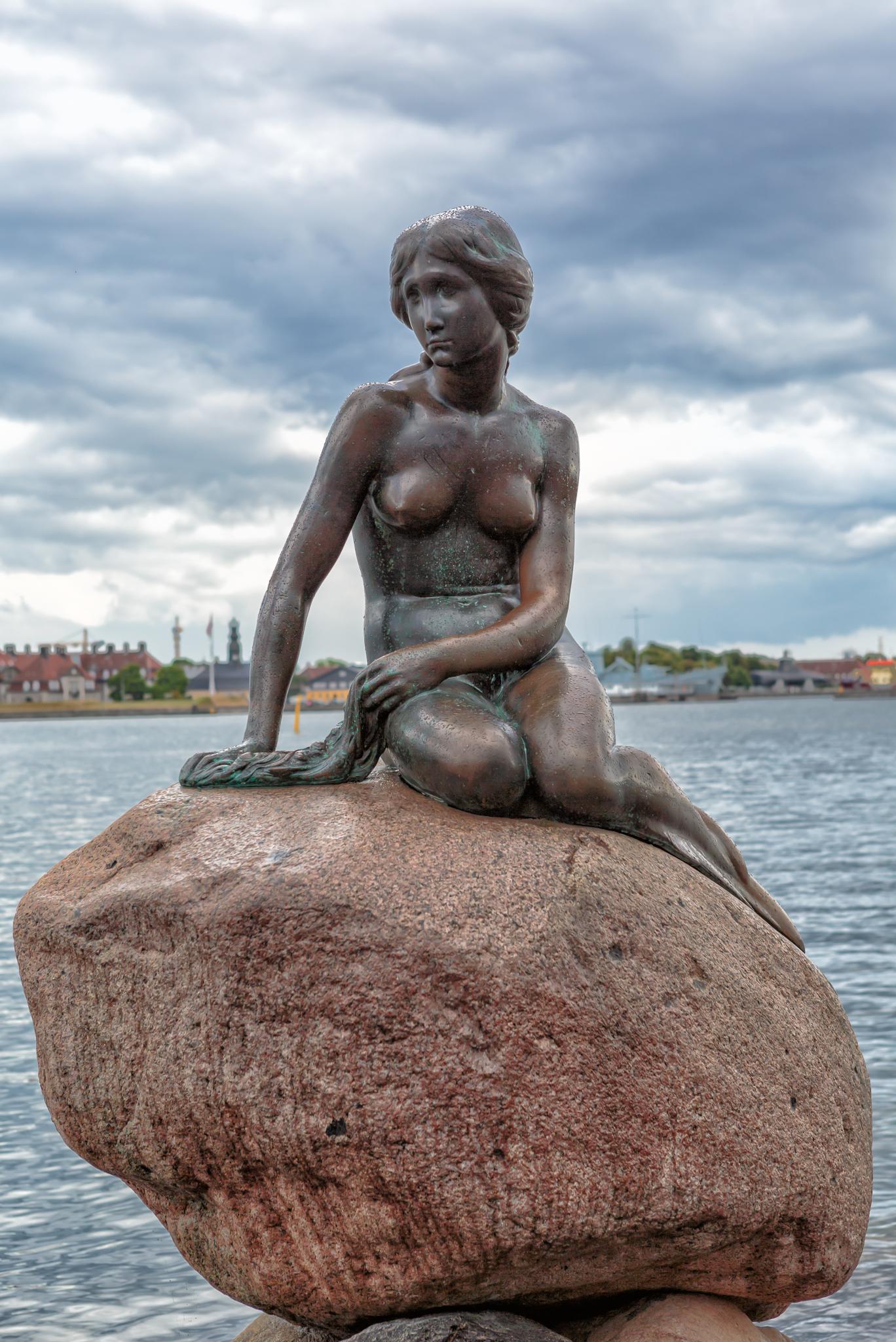
Looking beyond Frederiksberg Gardens? Discover Copenhagen for broader travel guides, local hot-spots, and regional highlights.
Explore Copenhagen