Museum Silkeborg, Blicheregnen
Historic vicarage museum in Thorning exploring Blicher’s life, Jutland heath society, the Battle of Grathe Heath and a quirky global animal collection.
Housed in the former vicarage in the village of Thorning near Kjellerup, Museum Silkeborg, Blicheregnen brings rural 19th‑century Jutland vividly to life. The museum explores the world of priest, poet and social critic Steen Steensen Blicher, the harsh existence on the heath, and the decisive medieval Battle of Grathe Heath in 1157. Add a quirky global animal collection and hands‑on displays, and this compact museum becomes an engaging cultural stop between Silkeborg and Viborg.
A brief summary to Museum Silkeborg, Blicheregnen
- Blichersvej 30, Kjellerup, 8620, DK
- Click to display
- Click to display
- Duration: 1.5 to 3 hours
- Budget
-
 Indoor
- Mobile reception: 4 out of 5
- Tuesday 11 am-4 pm
- Wednesday 11 am-4 pm
- Thursday 11 am-4 pm
- Friday 11 am-4 pm
- Saturday 11 am-4 pm
- Sunday 11 am-4 pm

Know before you go
Hi, I'm Eve. Here are a few practical things to know before exploring Museum Silkeborg, Blicheregnen.
- Plan at least two hours to explore both the Blicher and rural life exhibitions as well as the Grathe Heath section without rushing the texts and objects.
- Check current opening hours in advance; the museum typically opens late morning and hours can vary by season and weekday.
- Bring a light layer; historic buildings can feel cool inside even on sunny days, especially outside the summer season.
- Combine your visit with a walk around Thorning church and village to better sense the parish setting that shaped Blicher’s writing.
- Families with children can use the animal collection as an engaging break between history rooms to keep younger visitors interested.
Do you manage this location?
Take control to get all the benefits, like improved information, better appearance, and stronger visibility across AI-powered discovery. Learn more
Activate your presenceOther nearby places you may find interesting
Getting There
-
Car from Silkeborg
From central Silkeborg, driving to Museum Silkeborg, Blicheregnen typically takes about 25–35 minutes via regional roads through the countryside. Traffic is usually light, but speeds can be reduced in villages and during winter conditions. Parking is generally free in the immediate vicinity of the museum, though spaces can be busier on event days.
-
Car from Viborg
From Viborg, allow roughly 30–40 minutes by car to reach the museum along main roads heading south towards Kjellerup and Thorning. The route is straightforward, with fuel stations available in larger towns en route. Parking near the museum is at ground level and suitable for standard vehicles; larger motorhomes may need to use nearby public spaces.
-
Regional bus from Silkeborg or Viborg area
Regional buses connect towns in the Silkeborg–Viborg corridor with stops in or near Thorning, typically taking 35–60 minutes depending on route and departure point. Expect standard Danish regional fares, often in the range of 20–50 DKK one way for adults. Services usually run hourly or every few hours on weekdays, with reduced frequency in evenings and on weekends, so checking current timetables and last departures is important.
-
Cycling from Kjellerup
From Kjellerup, experienced cyclists can reach Thorning in about 30–45 minutes on country roads. The terrain is generally gentle but can feel exposed in windy conditions. There are no dedicated long-distance cycle lanes for the full route, so riders share the road with local traffic and should use lights and high‑visibility clothing, especially outside summer and in low light.
For the on-the-go comforts that matter to you
-
 Restrooms
-
 Seating Areas
-
 Trash Bins
-
 Information Boards
Discover more about Museum Silkeborg, Blicheregnen
A country vicarage turned cultural time capsule
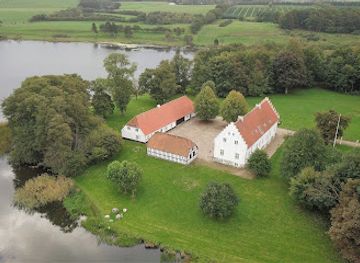
Set in low, whitewashed wings around a green courtyard, Museum Silkeborg, Blicheregnen occupies the old vicarage of Thorning, a small village in central Jutland. The buildings themselves tell a quiet story of clerical life on the edge of the heath: modest, practical architecture, thick walls for shelter against wind and weather, and views over fields that still hint at the open moorland Blicher once knew. Inside, more than 650 square metres of exhibition space unfold through creaking floors, narrow corridors and intimate rooms that preserve a distinctly rural atmosphere.The museum forms one of the three main departments of Museum Silkeborg and focuses specifically on the history and culture of the Blicher region. Exhibitions are largely ground level, making orientation straightforward, and interpretive texts are thoughtfully arranged so you can follow themes at your own pace without feeling rushed.Steen Steensen Blicher’s life and pen
From 1819 to 1825, this vicarage was home to Steen Steensen Blicher, the priest, poet and pioneering realist writer whose work helped define Danish literature. Here he wrote his first short story, drawing inspiration from the landscape, the farmers he served and the social tensions of his time. One exhibition room gathers first editions, personal belongings and portraits that put a human face to the often solemn name.Manuscripts, letters and everyday objects such as pipe, writing tools and simple furnishings anchor Blicher in daily routines rather than distant fame. Display panels introduce his role as a sharp social commentator, concerned with poverty, moral questions and the changing countryside. Even if you have never read his stories, the exhibition sketches a vivid picture of a restless, observant mind living in a quiet parish.On the windswept heath: rural Jutland in the 1800s
Beyond the vicar’s rooms, the museum opens onto the broader world of 19th‑century rural life. Atmospheric displays reconstruct interiors from simple farmhouses, showing rough wooden furniture, woven textiles, clay stoves and the tools that defined work on the heath. You get a sense of how little separated comfort from hardship when soil was poor and weather unforgiving.Panels and dioramas introduce farmers, day‑laborers, peddlers and vagabonds who moved across the heath with goods, news and rumours. Costumes, work implements and household objects are displayed with sparse but effective staging, inviting you to imagine the sounds of spinning wheels, the smell of peat smoke and the long winter evenings lit by tallow candles. The result is a grounded, unsentimental portrait of a landscape that was both home and challenge to its inhabitants.Grathe Heath and the making of a kingdom
One of the museum’s most dramatic sections is dedicated to the Battle of Grathe Heath in 1157, a violent climax to a civil war between rival Danish kings. Exhibits outline the tangled power struggle between Svend, Knud and Valdemar, culminating in a clash on the nearby heath that helped shape the medieval Danish kingdom. Maps, weapon replicas and concise narratives make sense of a complex conflict.Lighting and sound are used with restraint to evoke tension without slipping into spectacle. Rather than focusing only on heroes and victors, the exhibition also hints at the experience of ordinary warriors and local communities caught between shifting allegiances. Standing in this quiet rural museum, it is striking to imagine armoured forces once manoeuvring across what are now peaceful fields.A curious menagerie from around the world
Unexpectedly, Blicheregnen also houses a sizable collection of mounted animals from across the globe. Eagles, penguins, smaller birds, mammals and a lone wolf share space in a gallery that feels part natural history cabinet, part travelogue. Though eclectic, the collection invites close looking, especially for children and anyone with an interest in wildlife.The animals provide a change of pace from text‑heavy history rooms, adding colour and a touch of wonder. Simple labels highlight habitats and characteristics, encouraging visitors to compare species and reflect on how distant ecosystems relate to the more familiar Jutland landscape outside.Exploring the grounds and seasonal activities
Outside the exhibition rooms, the vicarage courtyard and surrounding grounds offer a pleasant break. Benches, grass and views towards Thorning church underscore the close connection between parish church, priest and community. On selected days, the museum hosts themed events, family activities and occasional medieval‑ or history‑focused days that bring crafts, costumes and demonstrations into the mix.A small shop area typically offers books on Blicher, local history and the heath landscape, along with simple souvenirs. Combined with the relatively compact scale of the museum, these touches make Blicheregnen a comfortable half‑day cultural stop that pairs well with broader exploration of Silkeborg’s lakes, forests and other museum departments.Explore the best of what Museum Silkeborg, Blicheregnen has to offer













More about Central Jutland
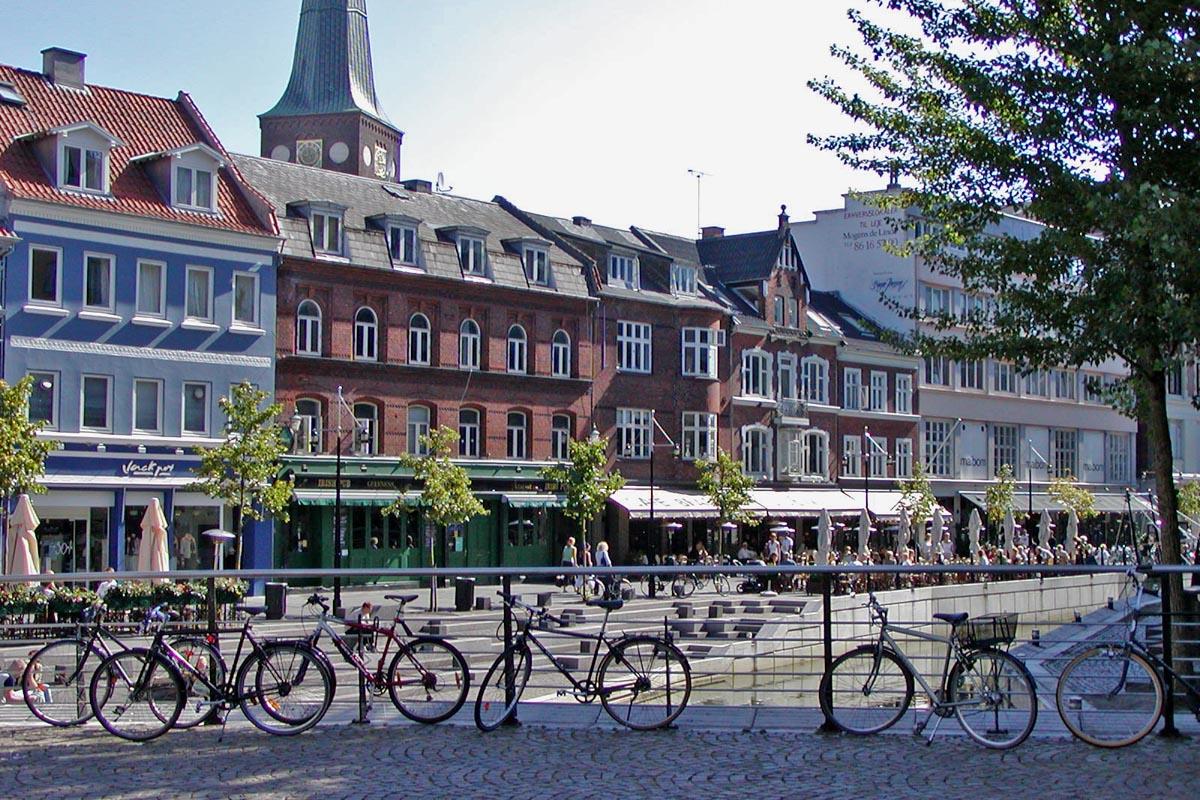
Explore Central Jutland in Denmark: A perfect blend of natural beauty, cultural heritage, and family-friendly attractions.
Tell me more about Central Jutland
A lakeside climate park where Viborg’s rainwater is tamed, cleaned and celebrated in a landscape of ponds, paths and playful green spaces.
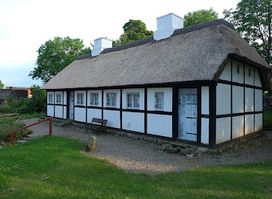
Atmospheric 18th-century village schoolhouse and Blicher haunt in Lysgård, offering an intimate glimpse into rural Jutland life, learning and storytelling.