Genforeningssten i Sønderborg, Sonderborg Travel Guide
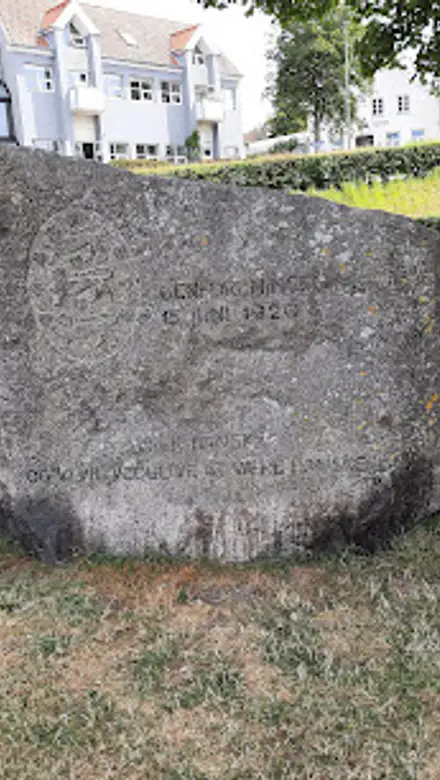
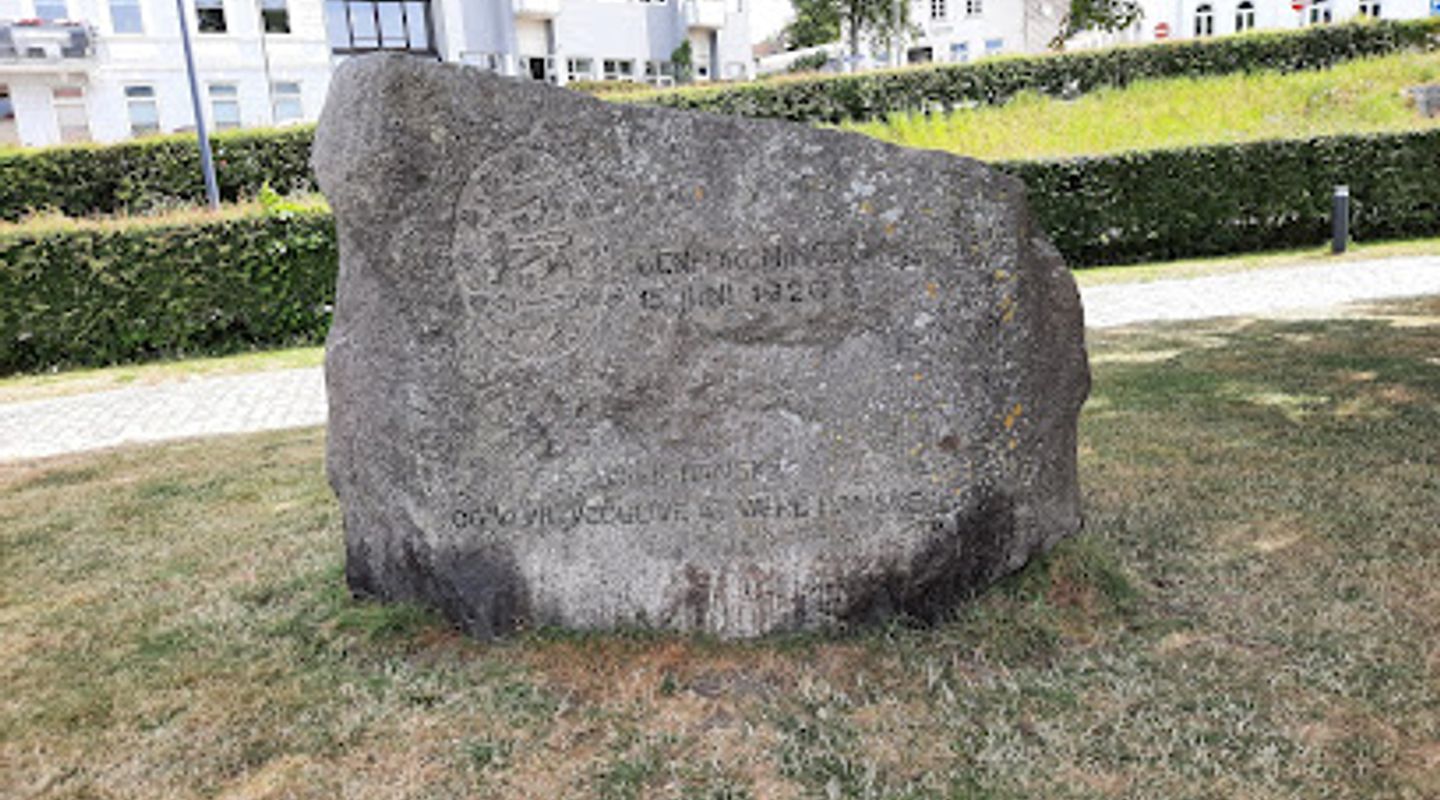
A granite monument celebrating Denmark's 1920 reunification, quarried from island cliffs and raised by hand.
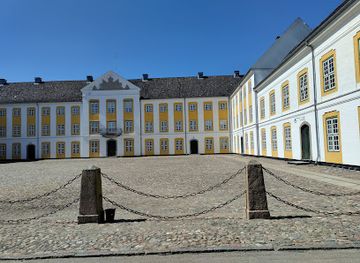
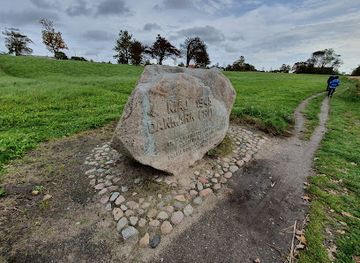
A historic stone monument commemorating the 1920 reunification of Southern Jutland with Denmark, located in the courtyard of Sønderborg Castle. This granite marker stands as one of over 561 such stones erected across Denmark to celebrate the return of the Schleswig region following World War I. The stone was quarried from Kegnæs and laboriously transported to its current position, representing a powerful symbol of national identity and the resolution of a century-old territorial dispute.
A brief summary to Genforeningssten i Sønderborg
- Slotsbakken 8, Sønderborg, 6400, DK
- Duration: 0.25 to 1 hours
- Free
-
 Outdoor
- Mobile reception: 4 out of 5

Know before you go
Hi, I'm Eve. Here are a few practical things to know before exploring Genforeningssten i Sønderborg.
- Visit during daylight hours to fully appreciate the stone's carved inscriptions and its setting within the castle courtyard. The monument is accessible year-round and free to view.
- Combine your visit with a tour of Sønderborg Castle itself, which dominates the courtyard and offers deeper context into the region's complex history spanning centuries.
- Consider visiting on June 15 if possible, when commemorative events often take place to mark the anniversary of the 1920 reunification.
- The stone's location in the castle courtyard makes it easily accessible without requiring hiking or special equipment; it is suitable for visitors of all mobility levels.
Do you manage this location?
Take control to get all the benefits, like improved information, better appearance, and stronger visibility across AI-powered discovery. Learn more about listing your business on Evendo
Activate your presenceOther nearby places you may find interesting
The closest places of the same kind, if this one is not quite what you had in mind.

Explore Genforeningssten i Sønderborg on the Map
A handpicked selection of must-see spots near Genforeningssten i Sønderborg, mapped for you.
Getting There
-
Walking from Sønderborg City Centre
From the central square of Sønderborg, a pleasant 10–15 minute walk leads directly to the monument. Head toward Sønderborg Castle, which is a prominent landmark visible from most central locations. The castle courtyard, where the Genforeningssten stands, is freely accessible. The route is flat and suitable for all mobility levels.
-
Public Transport from Regional Stations
Sønderborg Station is served by regional train services connecting to Odense and Aarhus, with journey times of approximately 2–3 hours depending on connections. From the station, local bus routes or a 15–20 minute walk reach the city centre and castle courtyard. Bus services operate throughout the day with typical frequencies of 30–60 minutes.
-
Driving and Parking
Sønderborg is accessible via the E45 motorway from the north and regional roads from surrounding areas. Parking is available in the castle area and nearby city centre car parks, typically costing 20–40 DKK per hour or 100–150 DKK for full-day parking. The drive from Odense takes approximately 1.5 hours; from Aarhus approximately 2 hours.
-
Bicycle Routes
Sønderborg is well-connected by regional cycling routes, including the North Sea Cycle Route and local paths. The castle courtyard is accessible by bicycle, and bike parking is available nearby. Journey times from surrounding towns range from 30 minutes to 2 hours depending on distance.
For the on-the-go comforts that matter to you
-
 Seating Areas
-
 Information Boards
Discover more about Genforeningssten i Sønderborg
A Monument to National Reunification
The Genforeningssten in Sønderborg commemorates one of the most significant moments in modern Danish history: the reunification of Southern Jutland with Denmark on June 15, 1920. After the defeat of Germany in World War I, the northern part of Schleswig was returned to Danish sovereignty through a plebiscite based on the principle of national self-determination. This stone, standing in the courtyard of Sønderborg Castle, marks the profound joy and sense of historical closure that this event represented for the Danish people.The Broader Movement of Stone Memorials
The Genforeningssten in Sønderborg is one of 561 such monuments erected across Denmark between 1920 and 1938, with more than half constructed in the reunification year itself. This makes the 1920 reunification the single event in Danish history marked by the most commemorative monuments. The choice of large stones as memorials was deeply characteristic of the era—a time of democratic expansion when folk culture and the nation's roots were celebrated. Rather than commissioning statues of the king or grand architectural monuments, Denmark chose to raise stones "from Danish soil," reflecting the democratic spirit of the age and the grassroots enthusiasm for reunification.The Stone's Remarkable Journey
The granite stone now standing at Sønderborg Castle has a compelling origin story. It was quarried from the cliffs at Bredsten Strand on the island of Kegnæs and required an extraordinary effort to extract and transport. Four men labored for fourteen days to free the stone from the cliff face, after which it was hauled upward using pulleys and tackle to reach its final position in the castle courtyard. This labor-intensive process underscores the deep commitment communities felt to creating these memorials and the symbolic weight they carried.A Gathering of Thousands
On Sunday, June 15, 1930, approximately 6,000 people gathered in the castle courtyard for the formal dedication of the Genforeningssten. This massive turnout demonstrates the profound emotional significance the monument held for the local population and the broader Danish nation. The event was a celebration of identity, belonging, and the resolution of a national trauma that had haunted Denmark since the loss of the duchies in the Schleswig Wars of 1864.Historical Context and Meaning
The reunification of 1920 represented far more than a territorial adjustment. For generations after 1864, the loss of the duchies was experienced as a national humiliation. The Danish-speaking populations left on the German side of the border remained a source of deep concern and emotional connection for Danes. Throughout the intervening decades, local societies dedicated to maintaining ties with the "lost lands" flourished across Denmark. When reunification finally became possible, it was celebrated with an outpouring of national feeling that found expression in these stone monuments—tangible markers of a restored nation and a healed historical wound.More to explore near Genforeningssten i Sønderborg













Your all‑in‑one travel companion app
Explore expert travel guides, compare and book tours, experiences, hotels, and more—all from the palm of your hand. Download now for seamless trip planning wherever your wanderlust takes you.


Explore More of Sonderborg
Looking beyond Genforeningssten i Sønderborg? Discover Sonderborg for broader travel guides, local hot-spots, and regional highlights.
Explore Sonderborg