Sønderborg Castle Travel Guide
Free Guide: An almost 800-year-old waterfront fortress turned museum, Sønderborg Castle explores Southern Jutland’s borderland history amid Renaissance halls, dungeons and a tranquil park.


A brief summary of Sønderborg Castle
An almost 800-year-old waterfront fortress turned museum, Sønderborg Castle explores Southern Jutland’s borderland history amid Renaissance halls, dungeons and a tranquil park.
Commanding the waterfront of Sønderborg, Sønderborg Castle is an almost 800‑year‑old fortress turned museum that tells the turbulent story of Southern Jutland. Inside its red‑brick walls you wander from medieval dungeons and a grand knight’s hall to one of the oldest preserved Renaissance chapel interiors in the Nordic region. Exhibitions spotlight the Schleswig Wars, the 1920 Reunification and everyday life in the region, while interactive installations, a small café and access to the surrounding park make this a rewarding stop for both history enthusiasts and families.
On-site amenities
 Restrooms
 Drink options
 Drinking water
 Food options
 Seating areas
 Sheltered areas
 Trash bins
 Information boards
 Visitor centre
Opening hours
- Every day10 am–5 pm
Opening hours as listed on the venue’s Google Business Profile. Hours can change for services and special events, so check with the venue before you go.
- Address
- Sønderbro 1, 6400 Sønderborg
- Phone
- Website
Getting there
Train and short walk
Local bus within Sønderborg
Car or rental car
Regional bus connections
Discover more about Sønderborg Castle
A red-brick stronghold on the water’s edge
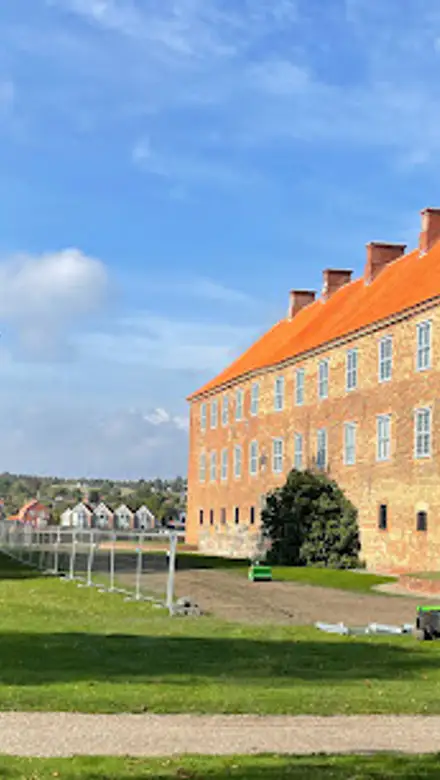
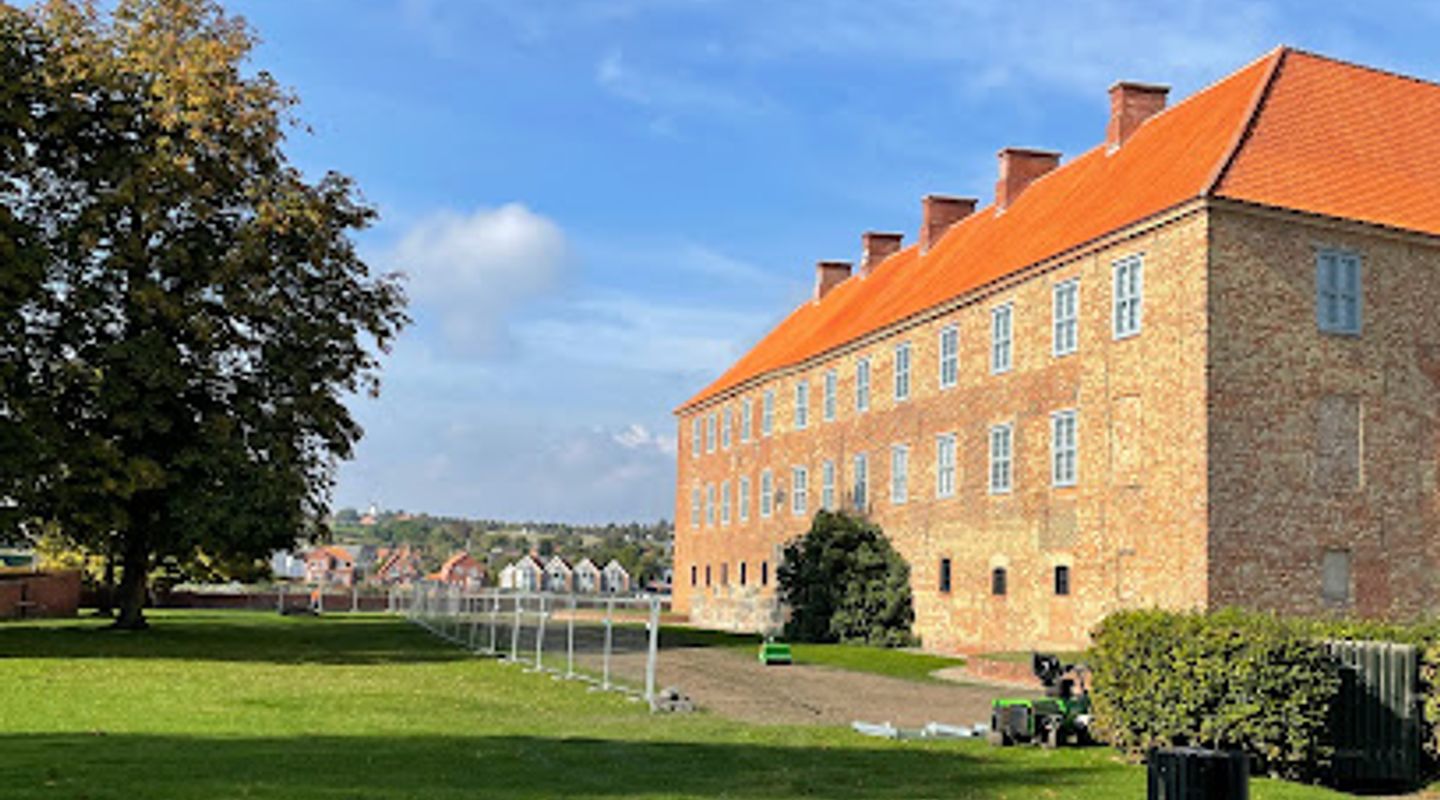
Sønderborg Castle rises in sturdy red brick on the shore of Alssund, a compact quadrangular fortress that has watched over this stretch of Southern Jutland for centuries. Originally built as a medieval stronghold, it once guarded the sound and the vital route between the island of Als and the mainland. Over time, a town grew up around it, taking its name from the castle and turning the former outpost into the historic heart of Sønderborg.From the outside, the building’s thick walls, squat corner towers and tile roofs feel solid rather than ostentatious. Facing the water, the castle seems almost austere; from the park side, its arcaded façades and orderly windows hint at the Renaissance makeover that reshaped it in the 16th century. The calm of the surrounding lawns and the gentle slap of waves against the embankment contrast with the many conflicts that once raged around these walls.
Prison, royal residence and Renaissance transformation
Few European castles have played as many roles as Sønderborg. In the 16th century it was notorious as the place where the deposed king Christian II was held under guard for years, confined within rooms that today feel disarmingly peaceful. Later, King Christian III and Queen Dorothea rebuilt the fortress into a more refined residence, adding a castle church that became one of the earliest Protestant chapels in the Nordic region.Their renovations turned the interior into a showcase of Renaissance taste. Ornate ceilings, panelled walls and generous windows spoke of princely ambition rather than military urgency. Yet war never stayed far away. In subsequent centuries the castle reverted to barracks and dungeons, its halls filled with soldiers and prisoners as border conflicts repeatedly flared in the surrounding duchies. Only after the Reunification of 1920 did the building’s role shift decisively from power politics to cultural memory.
Southern Jutland’s stories under one roof
Today the castle houses Museum Sønderjylland’s major collection on Southern Jutland’s history, covering everything from the Middle Ages to the 20th century. On the lower levels, vaulted spaces and heavy doors evoke the older fortress, while displays trace the region’s shifting borders, languages and loyalties. Upstairs, galleries focus on the Schleswig Wars, the impact of World War I, and the delicate process that led to the 1920 vote bringing Northern Schleswig back to Denmark.Alongside big political narratives, there is room for everyday life. Cases of textiles, folk costumes, furniture and crafted objects from Als and Sundeved reveal how people lived, worked and celebrated on both sides of the old frontier. Well-curated panels and period rooms help anchor dates and battles in personal stories, making the castle as much an ethnographic museum as a military one.
Chapel, knight’s hall and atmospheric interiors
Some of the castle’s most memorable spaces need no labels. The knight’s hall stretches out with timbered ceilings and long perspectives, a reminder of feasts, ceremonies and negotiations that once took place here. Nearby, the chapel attributed to Queen Dorothea preserves a rare Renaissance interior, with wooden galleries and painted decoration that transport you straight into the early Lutheran era.Smaller chambers retain traces of aristocratic life: tiled stoves, painted doors, narrow staircases and views framed by deep window niches. In other corners, the mood darkens as you step into former dungeons and storerooms, where thick walls and minimal light convey how it might have felt to be on the wrong side of power. Together, these rooms offer a layered sense of time that a purely modern museum building could never match.
Visiting today: exhibitions, café and castle park
As a visitor, you move at your own pace between permanent displays and temporary exhibitions, with plenty to catch the eye of both adults and children. Interactive installations and a treasure-hunt style game invite younger visitors to solve puzzles and track down a fictional master thief, turning the castle into a playful labyrinth. The museum is spread across several floors, with lift access to the main exhibition levels and assistance available for guests with reduced mobility.When you need a pause, the former castle kitchen doubles as a cozy café during busier seasons, serving coffee, cakes and simple regional specialties. At other times, it offers a sheltered spot to enjoy a packed lunch. Before or after exploring indoors, you can stroll the surrounding park, admire the views across the sound and the harbour front, and appreciate how this once-strategic fortress now anchors a tranquil cultural quarter in modern Sønderborg.
Evendo Review Centre
 Google
Guest reviews
Best time to go
Quietest: Jan, Feb & Nov · before 8am or from 7pm
Busy times are Evendo estimates for a typical year, to help you plan. Actual crowds vary with events, school holidays and the weather.
Explore Sønderborg Castle on the map
A handpicked selection of must-see spots near Sønderborg Castle, mapped for you.
Get your free copy of our complete guide to Sønderborg Castle, delivered straight to you.
Everything on this page, from opening hours and how to get there to Eve’s tips and the best time to go, in one PDF you can read offline, print or share.
Already have an account? Sign in
Your Sønderborg Castle guide is ready.
We'll send it to · Not you? Sign out

Getting your guide ready…
We are putting together a fresh copy of the Sønderborg Castle guide. This can take up to a minute.
This can take a few moments. If your browser asks, choose Allow so the download can start. You'll find the guide in your Downloads folder.
Nothing happened? Download it again
Sorry, the guide is taking longer than usual. Please try again in a minute, or get it by email instead.
Other nearby places you may find interesting
The closest places of the same kind, if this one is not quite what you had in mind.
-
-
-
-
-


Swipe for more places
More to explore near Sønderborg Castle

 Best experiences near Sønderborg Castle
 Best hotels near Sønderborg Castle
 Best landmarks near Sønderborg Castle
 Best attractions near Sønderborg Castle
 Best shops near Sønderborg Castle
 Best restaurants near Sønderborg Castle
 Best bars near Sønderborg Castle
Do you manage this location?
Take control to get all the benefits, like improved information, better appearance, and stronger visibility across AI-powered discovery.
Explore more
Explore more of Sønderjylland
Sønderjylland: A Journey Through Denmark's Scenic Landscapes, Rich History, and Vibrant Traditions.
Explore Sønderjylland
Explore more of Denmark
Discover Denmark: A perfect blend of history, modern design, and the cozy concept of hygge. Explore vibrant cities, serene landscapes, and world-class cuisine.
Explore Denmark