The Holy source Travel Guide
Free Guide: A modest yet timeless spring on Thyholm, where clear water, rural history and quiet legends flow together in a peaceful Limfjord landscape.


A brief summary of The Holy source
A modest yet timeless spring on Thyholm, where clear water, rural history and quiet legends flow together in a peaceful Limfjord landscape.
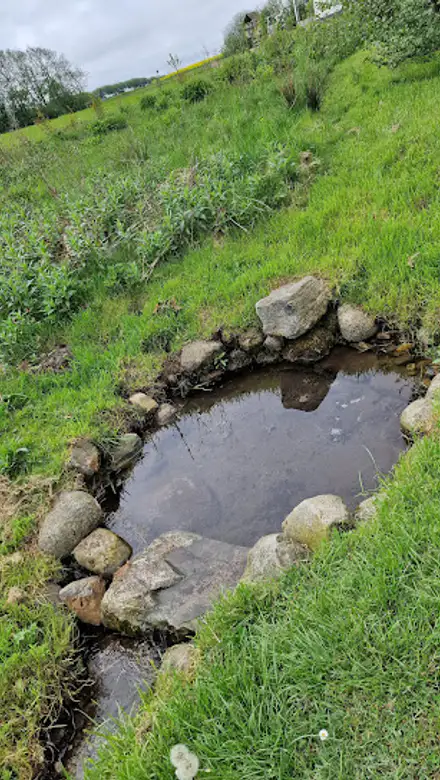
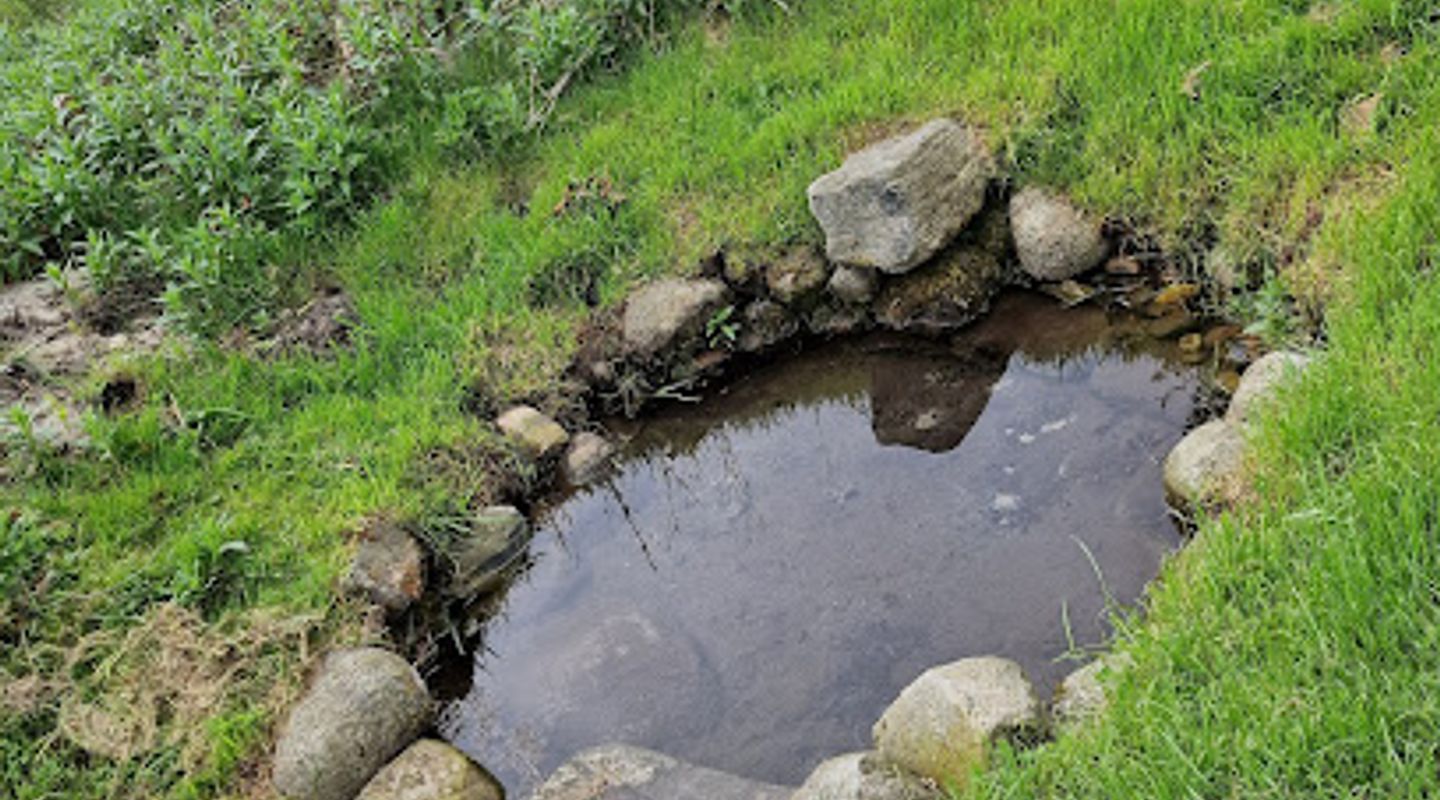
Tucked along Munkevej on the Thyholm peninsula, The Holy Source (Helligkilde) is a restored medieval spring where clear, cold water has bubbled from the ground for centuries. First recorded in 1360 and revived in 1976, this modest yet atmospheric spot blends legend, rural history, and Limfjord landscapes. A short path leads down to the stone-lined basin, inviting a quiet pause, a sip of fresh water, and a moment to reflect on generations who gathered here.
On-site amenities
 Trash bins
 Information boards
Opening hours
- Every dayOpen 24 hours
Opening hours as listed on the venue’s Google Business Profile. Hours can change for services and special events, so check with the venue before you go.
- Address
- Munkevej 11, 7790 Thyholm
Getting there
Car from Hvidbjerg (local center on Thyholm)
Regional train and short drive from Struer
Bicycle from nearby Thyholm villages
Discover more about The Holy source
A quiet spring with a deep past
The Holy Source, or Helligkilde, lies just southeast of Hvidbjerg on the Thyholm peninsula, where fields and hedgerows roll gently toward the Limfjord. At first glance it is a simple stone-framed spring in a small hollow, yet its story stretches back to the Middle Ages and probably much further. Clear water pours from the ground all year, even in dry summers, feeding a shallow basin with a steady, glassy flow.The spring was first mentioned in 1360, when it was already understood to be special. Local tradition suggests that people may have gathered here since the earliest settlements after the Ice Age, drawn by reliable freshwater in a windswept landscape. Over time the site acquired a reputation as a holy or healing place, part of a wider network of sacred springs that dotted Denmark’s countryside.
Water, work and worship
Beyond its spiritual reputation, the spring once had very practical importance. Its abundant flow was strong enough to power a full watermill at the nearby farm Helligkildegård. The old millpond still exists, a reminder that this quiet corner once hummed with the sound of wheels turning and grain being ground for local farms.In an era before piped water and modern infrastructure, a dependable source like this shaped settlement patterns and daily routines. People came with buckets and barrels, meeting neighbours as they waited their turn. It was a place where work, belief and social life overloveped, and where stories about the spring’s powers and protection could easily take root.
Restoration and the landscape today
By the 20th century the spring’s stonework had deteriorated, and its old surroundings were partly overgrown. In 1976 the site was carefully restored, giving it the shape you see today: a neat, stone-lined outlet where the water emerges, reached by a modest, often grassy path. The restoration respected the natural setting, so the area still feels informal and rural rather than manicured like a park.Around you, low farmland, shelterbelts and the distant outline of Thyholm’s villages form a calm backdrop. Birds call from hedges, and in the cooler months you may see mist hanging above the damp ground. Even a short visit gives a sense of how this dependable spring helped anchor life in an exposed maritime landscape.
Experiencing the spring up close
Visitors today come mainly for atmosphere rather than spectacle. The Holy Source is small in scale, best appreciated slowly. Standing by the edge of the basin, you can watch sand and small stones shift where the water pushes up from the ground. The flow is strong but quiet, and the air often feels a few degrees cooler beside the spring, especially on warm days.Some travellers like to dip their hands in the water or fill a bottle, enjoying its crisp, mineral taste. Others simply linger to listen to the gentle trickle and the rustle of wind in nearby trees. Because the site is open at all hours and unfenced, it lends itself to unhurried, contemplative visits at dawn, dusk or under a clear night sky.
A contemplative pause on the Thyholm peninsula
The Holy Source works well as a short stop woven into a broader exploration of Thyholm’s churches, villages and Limfjord viewpoints. Its appeal lies in mood rather than activities: there are no exhibits or facilities, only the sound of running water and the feel of old stones underfoot. For many, that simplicity is exactly the point.Spending half an hour here offers a small but vivid connection to the peninsula’s long human story. Generations have stood where you stand now, cupping the same cold water in their hands, watching the same spring rise from the earth. In a region shaped by sea, sand and wind, this constant, quiet source has become one of Thyholm’s most understated landmarks.
Evendo Review Centre
 Google
Guest reviews
Best time to go
Quietest: Jan, Feb & Mar · before 6am or at 8pm or at 9pm
Busy times are Evendo estimates for a typical year, to help you plan. Actual crowds vary with events, school holidays and the weather.
Explore The Holy source on the map
A handpicked selection of must-see spots near The Holy source, mapped for you.
Get your free copy of our complete guide to The Holy source, delivered straight to you.
Everything on this page, from opening hours and how to get there to Eve’s tips and the best time to go, in one PDF you can read offline, print or share.
Already have an account? Sign in
Your The Holy source guide is ready.
We'll send it to · Not you? Sign out

Getting your guide ready…
We are putting together a fresh copy of the The Holy source guide. This can take up to a minute.
This can take a few moments. If your browser asks, choose Allow so the download can start. You'll find the guide in your Downloads folder.
Nothing happened? Download it again
Sorry, the guide is taking longer than usual. Please try again in a minute, or get it by email instead.
Other nearby places you may find interesting
The closest places of the same kind, if this one is not quite what you had in mind.
-
-
-
-
-


Swipe for more places
More to explore near The Holy source

 Best experiences near The Holy source
 Best hotels near The Holy source
 Best landmarks near The Holy source
 Best attractions near The Holy source
 Best shops near The Holy source
 Best restaurants near The Holy source
 Best bars near The Holy source
Do you manage this location?
Take control to get all the benefits, like improved information, better appearance, and stronger visibility across AI-powered discovery.
Explore more

Explore more of South Jutland
Discover the beauty and charm of South Jutland, Denmark's southern treasure, with its rich history, stunning landscapes, and delightful local cuisine.
Explore South Jutland
Explore more of Denmark
Discover Denmark: A perfect blend of history, modern design, and the cozy concept of hygge. Explore vibrant cities, serene landscapes, and world-class cuisine.
Explore Denmark