

Kronborg Castle, South Zealand Travel Guide
UNESCO‑listed Renaissance stronghold over the Øresund, famed as Shakespeare’s Elsinore and home to royal grandeur, sea‑battered ramparts and the legend of Holger Danske.
Commanding the narrow Øresund Strait between Denmark and Sweden, Kronborg Castle rises over Helsingør as one of Northern Europe’s finest Renaissance strongholds and a UNESCO World Heritage Site. Built in the late 1500s on the site of an earlier fortress, it once controlled Baltic trade through lucrative tolls and dazzled visiting nobles with lavish balls, tapestries and royal pageantry. Today, its grand halls, casemates and sea‑battered ramparts are inseparable from Shakespeare’s Hamlet and the legend of Holger Danske.
A brief summary to Kronborg Castle
- Kronborg, Helsingør, 3000, DK
- Click to display
- Click to display
- Duration: 2 to 4 hours
- Mid ranged
-
 Mixed
Mixed
- Mobile reception: 4 out of 5
- Monday 10 am-6 pm
- Tuesday 10 am-6 pm
- Wednesday 10 am-6 pm
- Thursday 10 am-6 pm
- Friday 10 am-6 pm
- Saturday 10 am-6 pm
- Sunday 10 am-6 pm

Know before you go
Hi, I'm Eve. Here are a few practical things to know before exploring Kronborg Castle.
- Wear warm layers and sturdy shoes; interiors can be cool even in summer and the casemates are damp, uneven and noticeably colder than the upper floors.
- Plan at least two to three hours if you want to see the great hall, chapel, casemates and ramparts without rushing, and allow extra time during school holidays and summer events.
- Bring a small flashlight or use your phone torch for the darkest sections of the casemates, especially if you are visiting with children who may be nervous in low light.
- Check current schedules for guided tours or Shakespeare performances in advance; some tours are seasonal and can add valuable context to what you’re seeing.
- Walk the full ramparts circuit for the best sea views and photographs of the castle’s profile with the Øresund and Swedish coastline in the background.
Do you manage this location?
Take control to get all the benefits, like improved information, better appearance, and stronger visibility across AI-powered discovery. Learn more about listing your business on Evendo
Activate your presenceOther nearby places you may find interesting
The closest places of the same kind, if this one is not quite what you had in mind.
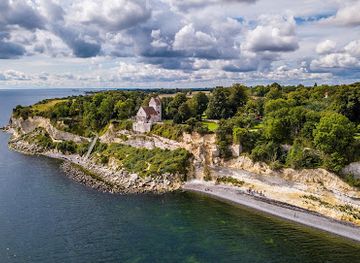
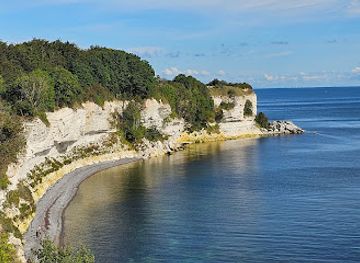
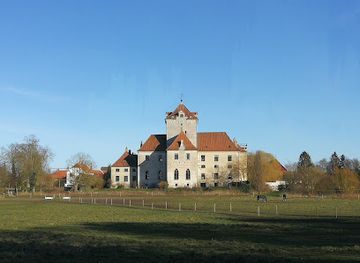
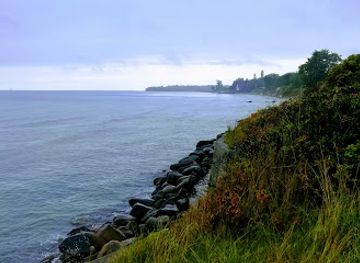
Explore Kronborg Castle on the Map
A handpicked selection of must-see spots near Kronborg Castle, mapped for you.
Unlock the Best of Kronborg Castle
Buy tickets
-
No tickets available
Book tours with entry


Getting There
-
Regional Train from Copenhagen
From Copenhagen Central Station, take a regional train towards Helsingør; services typically run several times per hour and the journey takes around 45–50 minutes. Standard adult fares are usually in the range of 80–110 DKK one way in standard class. Helsingør Station is within walking distance of the castle along level, paved routes suitable for most visitors. Trains operate year‑round, though late‑night frequency is reduced and seat reservations are not required.
-
Car from Greater Copenhagen
Driving from central Copenhagen to Kronborg Castle takes about 45–60 minutes under normal traffic conditions via the coastal motorway. There are public parking areas near the castle; some spaces are time‑limited or pay‑and‑display, with typical fees in the range of 10–20 DKK per hour. Traffic can be heavier on summer weekends and holiday periods, and campervans or larger vehicles should check local height or length restrictions in advance.
-
Ferry Connection from Helsingborg, Sweden
If you are coming from Sweden, frequent passenger and car ferries link Helsingborg with Helsingør, usually taking about 20 minutes to cross the Øresund. Foot passenger return fares commonly range from about 80–150 DKK depending on time and ticket type, while vehicles pay more. The ferry terminal in Helsingør sits close to the historic centre, from where the castle can be reached on foot along mostly flat, paved surfaces. Services are generally reliable year‑round but can be affected by severe weather.
-
Local Bus within North Zealand
Several local bus routes in North Zealand connect smaller towns and coastal areas to Helsingør, with typical journey times between 20 and 60 minutes depending on distance and stops. Single tickets within the regional fare system usually fall in the 24–48 DKK range per trip. Buses tend to run less frequently in the evening and on weekends, and some routes are reduced during school holidays, so it is advisable to check current timetables before relying on this option.
For the on-the-go comforts that matter to you
-
 Restrooms
-
 Drink Options
-
 Drinking Water
-
 Food Options
-
 Seating Areas
-
 Sheltered Areas
-
 Trash Bins
-
 Information Boards
-
 Visitor Center
Discover more about Kronborg Castle
Renaissance Powerhouse at the Edge of the Øresund
Kronborg Castle occupies a low headland at the very throat of the Øresund, where Denmark and Sweden almost touch. Here, medieval kings once demanded tolls from every ship bound for the Baltic, turning Helsingør into one of Europe’s busiest ports. The present castle rose between 1574 and 1585 under King Frederik II, who transformed an older fortress into a richly ornamented Renaissance showpiece crowned with copper roofs and needle‑thin spires.From the approach, the castle’s four sandstone wings encircle a cobbled courtyard, framed by defensive earthworks, bastions and moats. It feels simultaneously ceremonial and martial: a palace designed to impress foreign envoys while projecting absolute control over the busy shipping lane just beyond its cannons. The orientation toward the sea is no accident – the castle’s very purpose was to watch, tax and, if needed, threaten every passing vessel.Hamlet’s Shadow and Dramatic Legends
Beyond its political importance, Kronborg is best known as Elsinore, the brooding setting of Shakespeare’s Hamlet. Whether the playwright ever set foot here remains uncertain, but the stories of extravagant court life and tense maritime rivalries clearly traveled across the North Sea. Walking the arcaded galleries and echoing staircases, it is easy to imagine the prince confronting ghosts, spies and treachery beneath painted ceilings and along drafty stone corridors.The castle’s mythology runs deeper than the English stage. In the dim casemates below the ramparts sits Holger Danske, a massive stone figure from Danish legend. According to tradition, this sleeping warrior will rise to defend Denmark if the realm is ever in mortal peril. Visitors passing his throne‑like seat by flickering light experience a different kind of drama – less theatrical, more folkloric, but equally tied to ideas of nation, fate and watchfulness.Grand Halls, Chapel Light and Subterranean Gloom
Inside, Kronborg alternates between grandeur and austerity. The great ballroom, once among the largest in Northern Europe, stretches almost the length of one wing, lined with tall windows that pour soft northern light onto a polished floor. Here the court staged elaborate banquets and dances that became the talk of Europe, with music, costume and ceremony reinforcing royal prestige.Elsewhere, more intimate rooms display ornate tapestries, carved doorways and remnants of painted decoration, hinting at the layers of power and daily life that flowed through these rooms over centuries. In striking contrast, the chapel off one corner of the courtyard is an oasis of woodwork and filtered light, its stalls and pulpit richly carved yet sober in tone. Together, these spaces reveal a castle designed not just for defense but for ritual, ceremony and the careful choreography of royal presence.Ramparts, Casemates and Maritime Horizons
Step back outside and the military character of Kronborg reasserts itself. A circuit of ramparts and bastions wraps the complex, offering broad views across the strait to the Swedish coast and along the low Danish shoreline. On clear days, the steady procession of modern ships echoes the traffic that once paid dearly to pass. It is a powerful reminder that for four centuries, this fortress helped regulate one of Europe’s most important maritime corridors.Below, the casemates reveal how seriously that task was taken. These thick‑walled, largely windowless chambers were designed to shelter hundreds of soldiers, stores and artillery during siege. Today they are explored by visitors following low ceilings, damp air and occasional alcoves where cannons once pointed toward the sea. The contrast between the sunlit courtyard and this underground world underscores Kronborg’s dual identity: both glittering court and hardened stronghold.World Heritage Status and Modern Life at the Castle
Recognised as a UNESCO World Heritage Site, Kronborg is valued both for its architectural integrity and for the way it captures a pivotal chapter in Northern European history. Its bastioned defenses, Renaissance ornament and carefully preserved skyline have survived fires, military use and restoration, offering a remarkably complete picture of late 16th‑century royal ambition.Today the castle is part of Denmark’s national museum landscape, with curated exhibitions, guided storytelling and seasonal performances animating its rooms and courtyards. In summer, Shakespeare productions bring Hamlet back within the very walls that inspired the play, while temporary displays delve into trade, warfare and royal ceremony. Yet even on a quiet day, the essence of Kronborg is in the details: the worn thresholds, the wind off the water, and the ever‑present view of ships sliding past – reminders that this handsome fortress once watched over the doorway to an entire sea.












Your all‑in‑one travel companion app
Explore expert travel guides, compare and book tours, experiences, hotels, and more—all from the palm of your hand. Download now for seamless trip planning wherever your wanderlust takes you.


Explore More of South Zealand
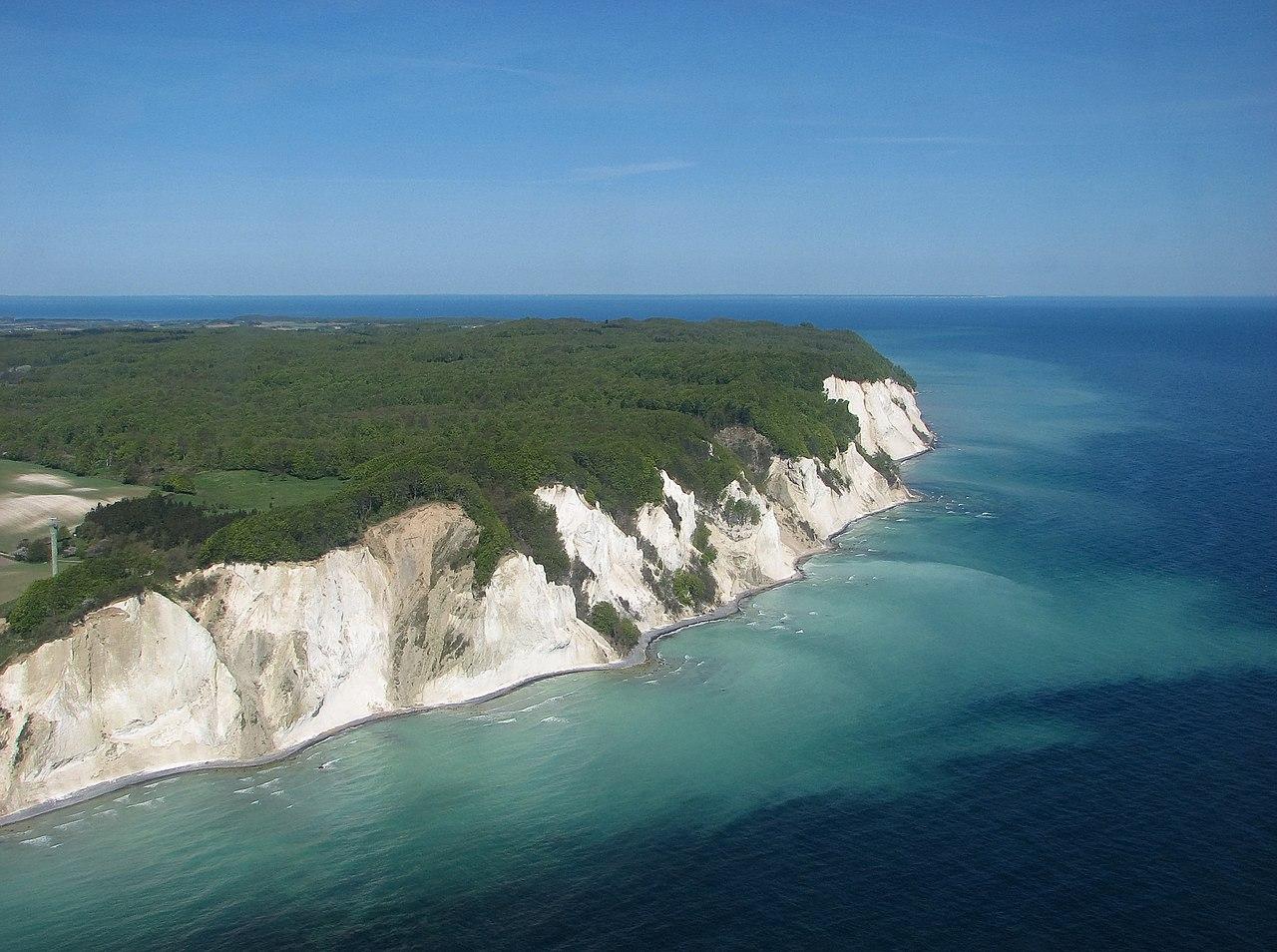
Looking beyond Kronborg Castle? Discover South Zealand for broader travel guides, local hot-spots, and regional highlights.
Explore South Zealand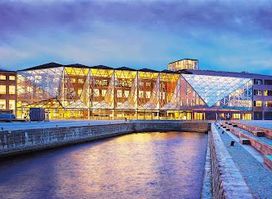
A bold glass-and-steel cultural hub in Helsingør’s former shipyard, where landmark architecture, a renowned library, harbour views and year-round events meet by Kronborg.
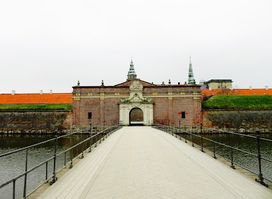
The legendary sleeping warrior beneath Kronborg Castle, waiting to awaken and defend Denmark in its darkest hour.
