
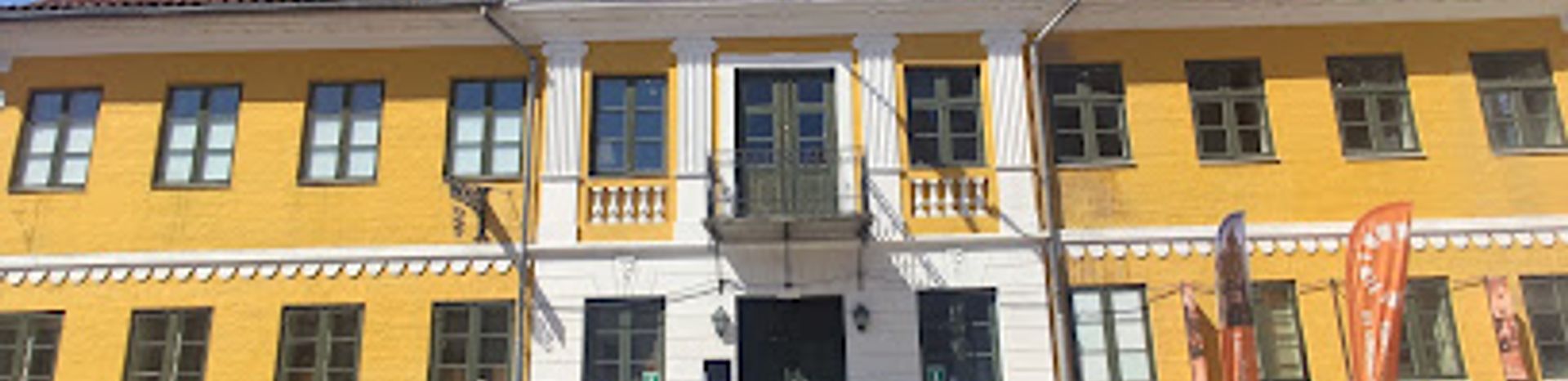
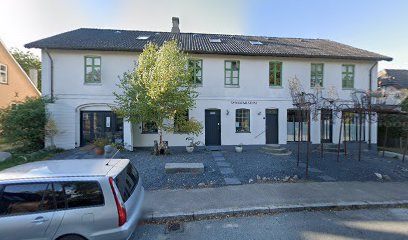
Møns Museum, Empiregården
Local history, island geology and merchant-town charm meet inside this atmospheric museum in a historic merchant’s house on Stege’s main street.
Housed in a stately old merchant’s house on Stege’s main street, Møns Museum, Empiregården offers a richly layered introduction to the island of Møn. Inside the creaking floors and panelled rooms you’ll find exhibitions on Stege’s trading past, local life through the centuries, the island’s geology and changing landscape, plus thoughtful special displays. With its intimate scale, historic courtyard and in-house local archive, it’s an ideal first stop for understanding this corner of South Zealand.
A brief summary to Møns Museum, Empiregården
- Storegade 75, Stege, 4780, DK
- +4570701236
- Visit website
- Duration: 1 to 2 hours
- Budget
-
 Indoor
- Mobile reception: 5 out of 5
- Tuesday 10 am-4 pm
- Wednesday 10 am-4 pm
- Thursday 10 am-4 pm
- Friday 10 am-4 pm
- Saturday 10 am-4 pm
Local tips
- Allow at least 1–1.5 hours to explore; the museum is compact but the themed rooms and objects reward unhurried reading and closer inspection.
- Pair your visit with a stroll through Stege’s old streets and by the town gate tower to connect the exhibits with the surrounding architecture.
- Check current opening hours and any temporary exhibitions in advance, as seasonal schedules and special displays can vary during the year.

For the on-the-go comforts that matter to you
- Restrooms
- Seating Areas
- Information Boards
Getting There
-
Bus from Vordingborg
From Vordingborg, regional buses run to Stege several times a day, with typical journey times of 35–50 minutes depending on route and stops. A single adult ticket generally costs around 40–60 DKK, and you can pay with contactless cards or local travel cards. Services are less frequent in the evening and on weekends, so check the timetable in advance if you plan to return late.
-
Car from Vordingborg and South Zealand
Driving from Vordingborg or elsewhere in South Zealand to Stege usually takes 30–45 minutes, depending on traffic and starting point. The route crosses causeways and bridges onto Møn and follows main regional roads suited to standard vehicles. Parking options are available in central Stege within a short walk of the museum, though spaces can be busier in summer and on market days.
-
Cycling on Møn
If you are already on Møn, cycling to Stege is a pleasant option in mild weather. Distances from nearby villages range from roughly 20 to 60 minutes of riding on mostly flat country roads, with some sections on shared routes used by cars. Surfaces are generally paved but can feel exposed in windy conditions, so dress for the weather and use lights outside daylight hours.
Møns Museum, Empiregården location weather suitability
-
 Any Weather
-
 Rain / Wet Weather
-
 Cold Weather
-
 Mild Temperatures
Discover more about Møns Museum, Empiregården
A merchant’s house with many island stories
Empiregården, the elegant building that houses Møns Museum, began life as a prosperous merchant’s residence in the heart of Stege, just a short stroll from the town’s medieval gate tower. Step through the doorway and you exchange the bustle of Storegade for creaking timber floors, deep window sills and low ceilings that hint at centuries of trade, domestic life and quiet wealth. The museum has made deft use of this setting, allowing the rooms themselves to act as artefacts. Painted doors, worn stair treads and glimpses of the enclosed courtyard remind you that this was once a working home and business, closely tied to the fortunes of the harbour and the fertile fields beyond.From medieval market town to sugar and shipping
One strand of the exhibition traces Stege’s transformation from fortified medieval market town to modern local centre. Displays explore the town’s fishing and trading heritage, the importance of the harbour and the later rise of industry, including the nearby sugar factory that reshaped local employment and the waterfront skyline. Historic maps, tools, household objects and shop fittings show how life on Møn has always been shaped by its position between sea and farmland. Panels and objects touch on everything from guild life and craftsmanship to the impact of storms, crop failures and economic booms on everyday families.Island landscapes, geology and the wider Møn story
Another focus is the island’s remarkable natural setting. While the famous white cliffs lie some distance away, the museum’s geological collection helps explain how Møn’s chalk landscape formed, why fossils appear in the cliffs and how the last Ice Age carved out the coastline and inland hills. This environmental perspective is woven into the broader story of settlement on Møn: how villages clustered where soil and water allowed, how forests were cleared, and how the sea could be both barrier and highway. It is an ideal primer before exploring the island’s beaches, woodland trails and cliff-top viewpoints.Everyday life, traditions and changing times
Several rooms delve into local domestic and social history. Recreated interiors, clothing, tools and photographs show how islanders lived, worked and celebrated across the 19th and 20th centuries. Themes such as schooling, religious life, crafts and agriculture are presented through objects with clear local provenance. Shifts in technology and transport are also visible: from sail-powered freight and horse-drawn wagons to motorboats and buses linking Stege more closely with the rest of Zealand. Together, these exhibits give a grounded sense of how a relatively small community adapted to wider Danish and European changes.Special exhibitions and the local archive courtyard
Beyond the permanent rooms, Empiregården often uses additional space behind the main building for special exhibitions. These may highlight particular episodes in local history, notable residents or wider events seen through the lens of Møn, offering depth for repeat visitors and history enthusiasts. Tucked within the complex is the local archive, an invaluable resource for those tracing family connections or researching the island in more detail. Even if you do not consult the archive, the adjacent courtyard offers a sheltered place to pause, surrounded by old walls and rooflines that echo the themes inside.Visiting atmosphere in the heart of Stege
A visit typically fits comfortably into a half-day in Stege, pairing well with a walk through the town’s cobbled streets and along the harbour. The scale of the museum makes it approachable for families and casual visitors, while still rewarding those who linger over details. Inside, the mood is unhurried and quietly reflective. Simple seating, informative labels and the domestic proportions of the rooms encourage you to move at your own pace, letting the island’s stories settle before you head back out into the light of Storegade.Iconic landmarks you can’t miss

Rose Stege Restaurant
0.5 km
Discover the authentic tastes of Denmark at Rose Stege Restaurant, where delicious pizzas and local dishes await in a cozy atmosphere.
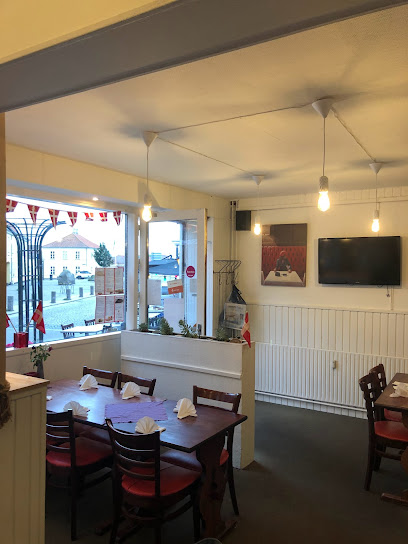
Restaurant pizzeria Delfino
0.6 km
Experience authentic Italian cuisine in the heart of Stege at Restaurant Pizzeria Delfino, where fresh ingredients and a warm atmosphere create a memorable dining experience for all.
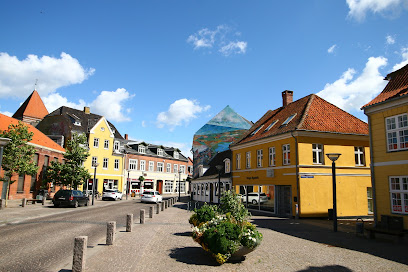
Cosy Farmhouse on Møn
3.9 km
Experience tranquility at Cosy Farmhouse on Møn: Discover rural charm, stunning landscapes, and authentic Danish hospitality on this idyllic island escape, a UNESCO Biosphere Reserve.
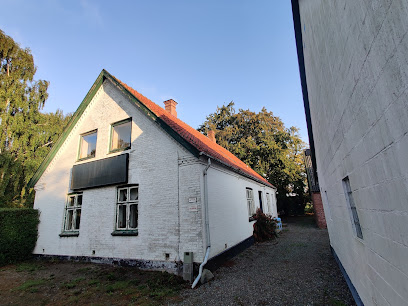
Pension Elmehøj
7.1 km
Experience Møn's charm at Pension Elmehøj: Affordable comfort near Stege, close to Møns Klint, Elmelunde Church, and the Camønoen hiking trail, perfect for families and budget travelers.

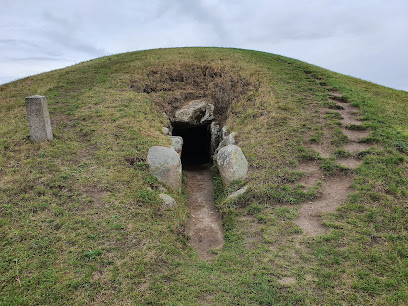
Kong Asgers Høj
10.1 km
Denmark's largest passage grave—a 5,000-year-old Neolithic monument of monumental stone and timeless mystery.
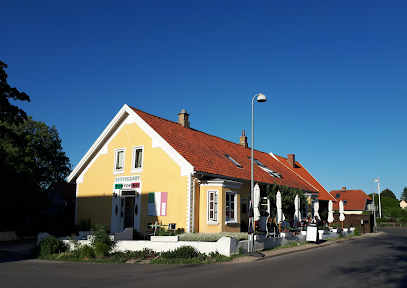
Restaurant Portofino
12.1 km
Experience authentic Italian cuisine in a charming Danish setting at Restaurant Portofino, Møn. Fresh ingredients, traditional recipes, and a warm atmosphere await near Klintholm Havn.
Høje Møn
13.5 km
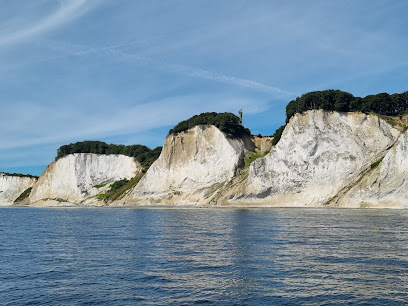
Denmark's tallest white chalk cliffs rise 128 meters above the Baltic, crowned by legendary tales and ancient forests.
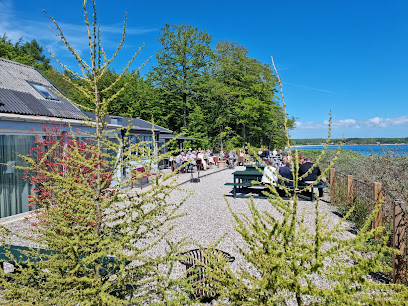
Pomle Nakke Traktørsted
22.2 km
Experience Danish coastal charm at Pomle Nakke Traktørsted, where stunning Baltic Sea views meet locally sourced cuisine for an unforgettable dining experience on Falster.
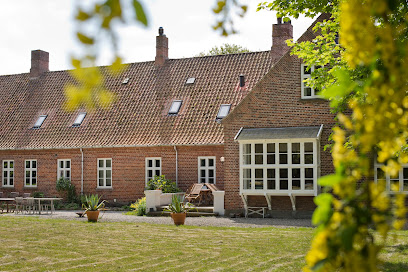
Bellinge House- Bed & Breakfast. Wellness.
29.0 km
Discover tranquility and wellness at Bellinge House, a charming bed & breakfast in Nykøbing Falster, Denmark, offering holistic treatments and serene accommodations.
Cold war museum Stevnsfort
31.8 km
Explore a secret nuclear-proof Cold War fortress in Denmark: descend into underground tunnels, witness military technology, and uncover a pivotal era of global tension.
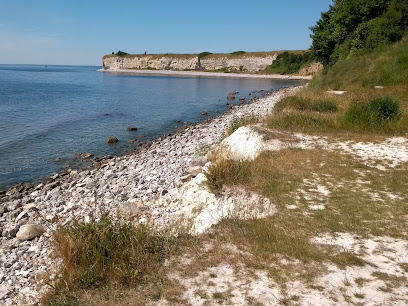
Zipline Systofte
32.5 km
Discover the thrill of soaring through the trees at Zipline Systofte in Nykøbing Falster - an unforgettable outdoor adventure awaits!
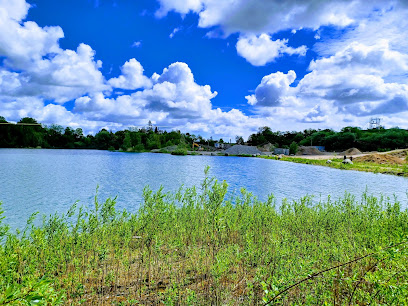
Stevns Klint UNESCO World Heritage
33.9 km
Explore Stevns Klint, a UNESCO World Heritage site in Denmark, where dramatic chalk cliffs reveal the asteroid impact that wiped out the dinosaurs, offering a unique journey through Earth's history and natural beauty.
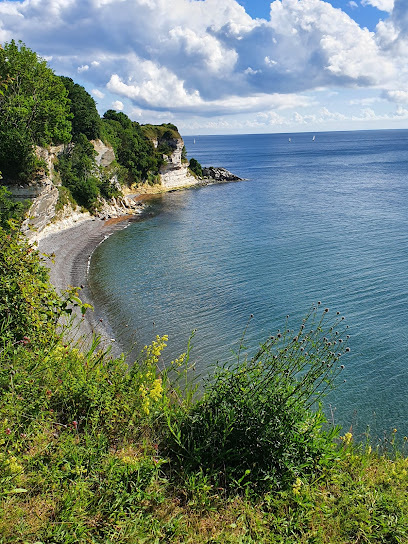
Højerup old church
34.0 km
A 13th-century church ruin teetering on the edge of destiny, where half a building tells the story of nature's unstoppable force.
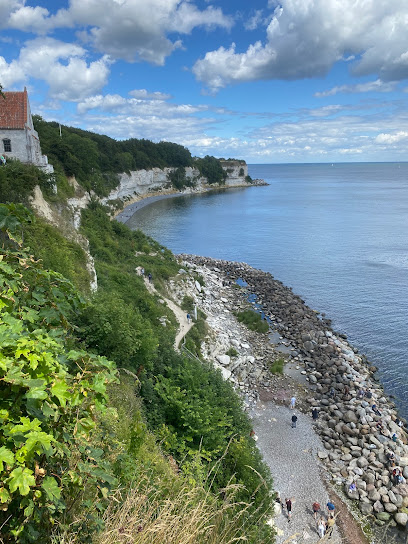
Hotel Falster
34.9 km
Experience Danish hospitality at Hotel Falster in Nykøbing Falster, offering comfortable accommodations, on-site dining, and easy access to local attractions and the South Sea Islands.
Stevns Lighthouse
35.3 km
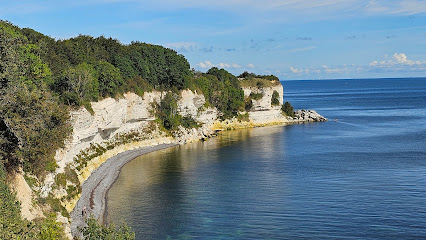
Historic stone lighthouse perched atop Stevns Klint, blending Baltic seascapes, Cold War echoes and sweeping UNESCO-listed cliff-top views.
Unmissable attractions to see

Camønoen
0.0 km
A gentle 175 km island hiking route weaving cliffs, villages, Dark Sky nights and everyday Danish life into one welcoming, slow-travel adventure.
Mølleporten
0.0 km
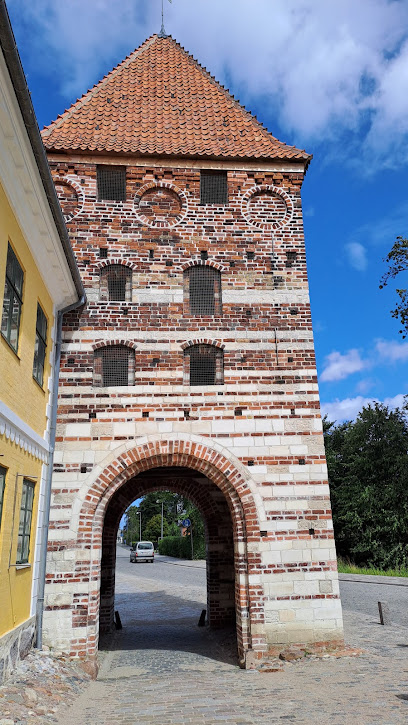
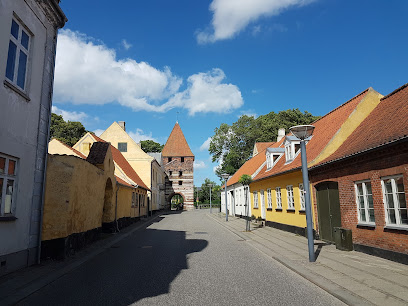
One of Denmark’s last medieval town gates, Mølleporten pairs evocative fortifications and intimate prison history with fine views over historic Stege.
Hotel Residens Møen
0.4 km
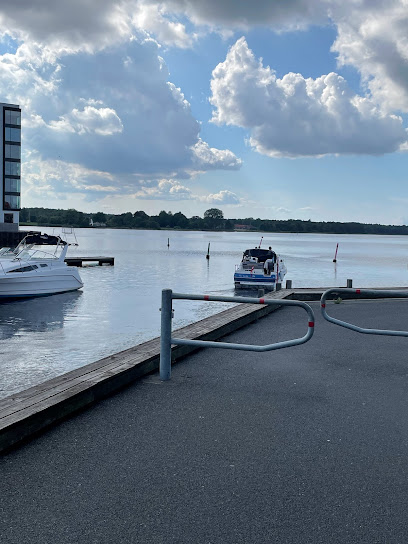
Waterfront residence on idyllic Møn, blending historic seaside charm, modern Scandinavian apartments and thoughtfully designed shared spaces by Stege Bay.
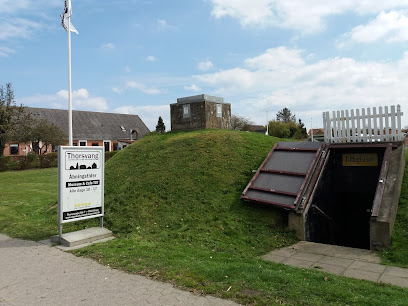
Thorsvang, Danmarks Samlermuseum
1.4 km
Rejs tilbage til ”de gode gamle dage” i en komplet lille købstad fyldt med butikker, værksteder, kolonihaver og café – alt samlet under tag i Stege på Møn.
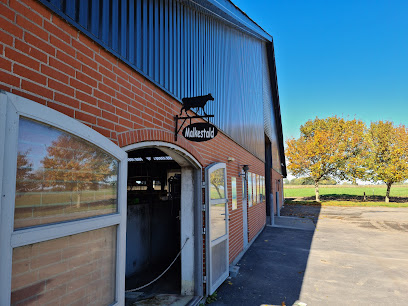
Møn Is
5.4 km
Organic ice cream farm and rural courtyard on Møn, where grazing cows, a cosy farm shop and rich, house-made scoops bring island agriculture deliciously to life.
Møn
5.5 km
Discover centuries of seafaring tradition and maritime culture at Marstal Søfartsmuseum, the heart of nautical history on Ærø in Denmark’s South Funen Archipelago.
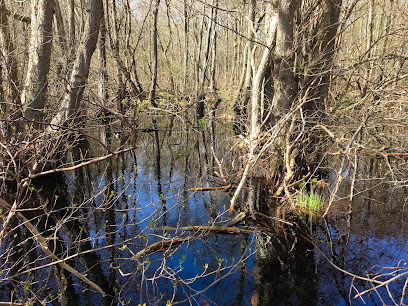
Ulvshale Naturcenter
6.8 km
Simple but superbly placed, Ulvshale Naturcenter is your springboard into Møn’s wild mix of flint forest, grazing meadows, rich birdlife and big coastal skies.
Råbylille Strand
6.8 km
A tranquil Baltic beach resort with golden sands, cottage charm, and access to Denmark's iconic white cliffs.
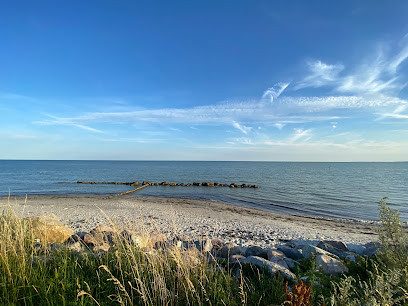
Ulvshale
7.4 km
A quietly beautiful peninsula on Møn where broad sandy beach, low dunes and coastal forest create a soft, light-filled escape by the Baltic Sea.
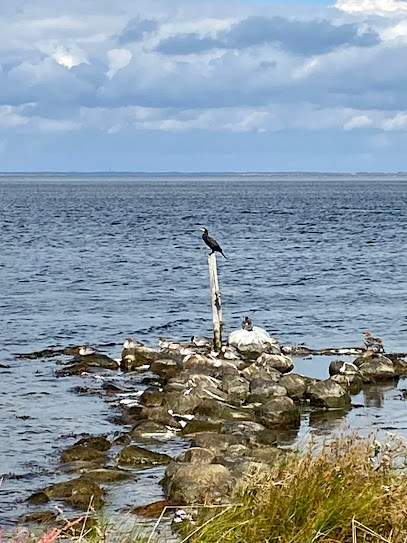
Nyord Enge, fuglereservat
8.0 km
Windy salt meadows, wide horizons and rich birdlife make Nyord Enge a standout coastal wetland and an international stopover for migratory ducks, geese and waders.
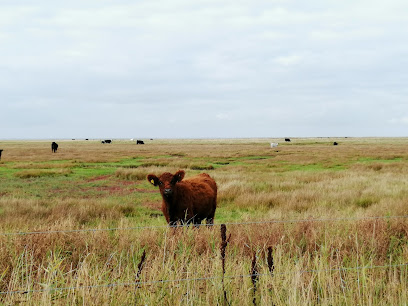
Nyord
8.3 km
Tiny island, big skies: salt meadows, bird sanctuaries and a storybook village under some of Northern Europe’s darkest, starriest nights.
Smykkemuseum.dk
11.5 km
A working jewelry studio and intimate museum celebrating handcrafted artistry across centuries.
Kalvehave Labyrintpark
11.7 km
Navigate mind-bending mazes and brain-teasing games across 20,000 square meters of outdoor puzzle paradise.
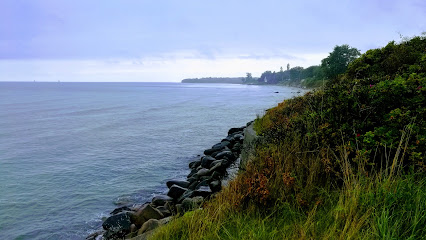
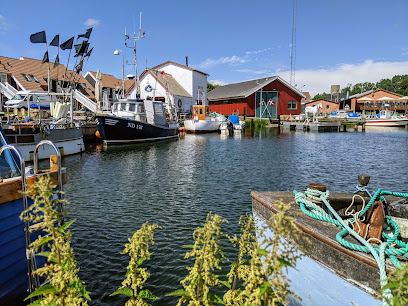
Klintholm Harbor
11.9 km
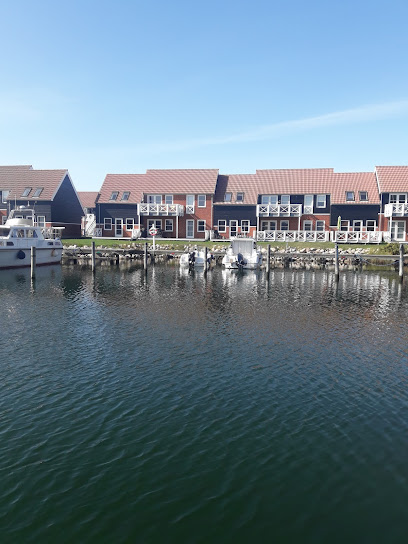
A working Baltic fishing port turned relaxed marina village, Klintholm Harbor blends seaside cafés, child-friendly sands, history and boat access to dramatic Møns Klint.
Sejlkutteren Discovery
11.9 km
Traditional wooden cutter tours from Klintholm Havn to the towering white cliffs of Møns Klint, blending maritime heritage, geology and Baltic Sea tranquillity.
Essential places to dine

MØN AMI - The French Bistro 🇫🇷
0.1 km
A tiny French-inspired bistro in Stege, where intimate island charm, slow-paced dining and classic Gallic flavours meet in one cosy neighbourhood room.
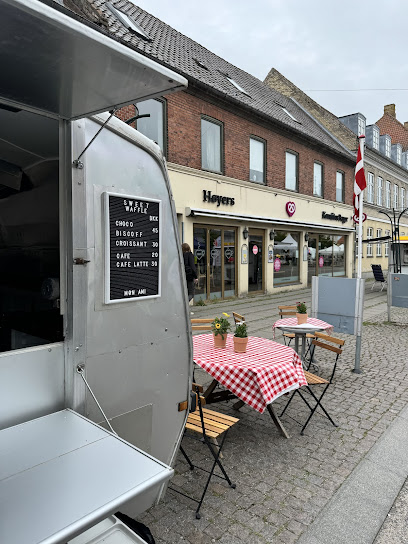
Møn Isola Pizza
0.1 km
Casual, central pizzeria on Stege’s main street serving generous, no‑nonsense pizzas and takeaway boxes to fuel island adventures on Møn.
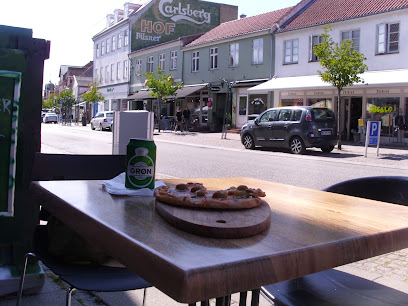
Slagter Stig
0.2 km
Traditional Danish butcher and eclectic brasserie in the heart of Stege, where hand‑picked cuts, candlelit dining and art-filled rooms create a distinctly Møn experience.
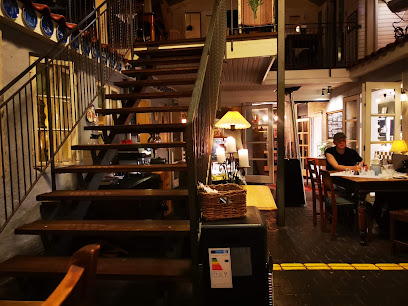
Café Frederik VII
0.3 km
Relaxed, family-friendly café on Stege’s main square, serving burgers, grill dishes, sweets and coffee with front-row views of everyday life on the island of Møn.
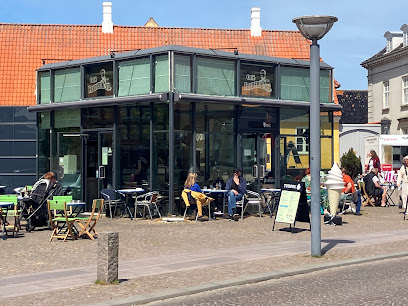
Stege Sushi
0.4 km
Casual sushi and Asian comfort food on Stege’s main street, offering dine‑in, takeaway and party platters for relaxed evenings on the island of Møn.
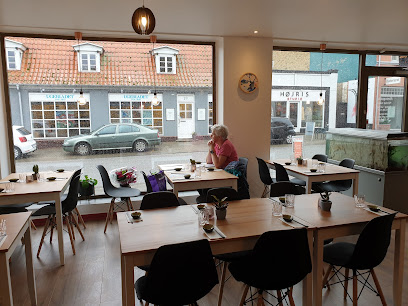
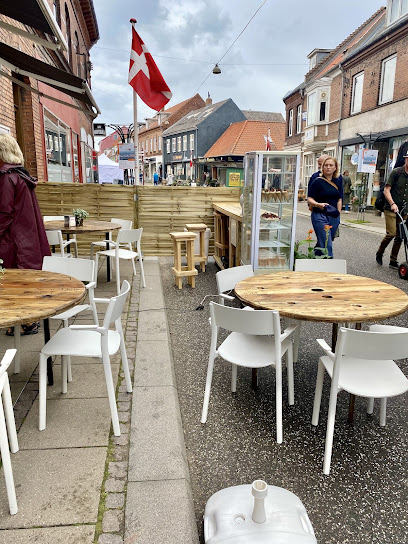
By-Bjerg Café & Event
0.5 km
Freshly baked Danish comfort and local flavours in the heart of Stege's charming shopping district.
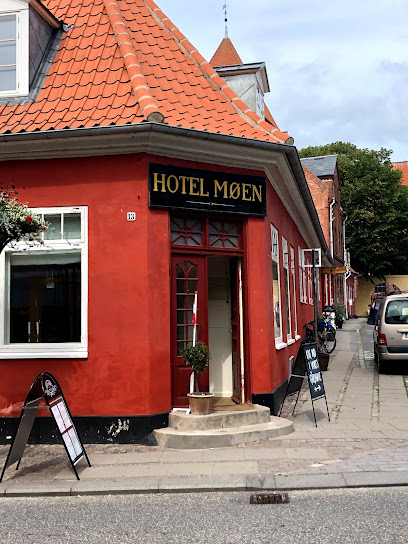
Hotel Møen
0.5 km
Relaxed Scandinavian dining in a historic Stege hotel, serving seasonal Danish comfort food a short stroll from the harbour and the narrow streets of old Møn.
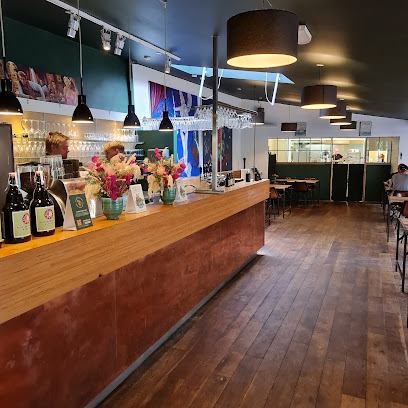
Restaurant Bryghuset Møn
0.5 km
Brewery restaurant celebrating Danish culinary traditions with fresh ingredients and genuine hospitality in medieval Stege.
Terra Del Gusto Pizza
0.6 km
Casual, family‑run pizzeria on Stege’s main street, serving generous, playful pizzas and simple comfort dishes to eat in or take away on the island of Møn.
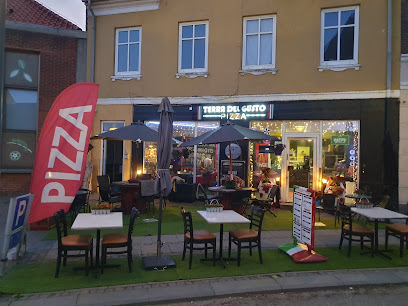
HAVNEGRILLEN - Stege
0.6 km
Waterfront Danish grill serving generous portions of smørrebrød, hot dogs, and frikadeller in casual seaside comfort.
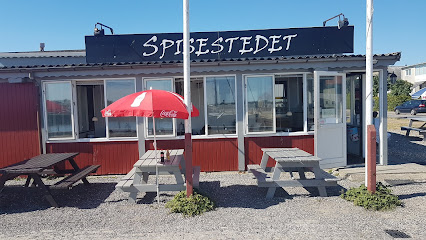
Saftig Café & Snackbar
0.6 km
Waterfront burgers and fresh seafood with harbor views in charming Stege
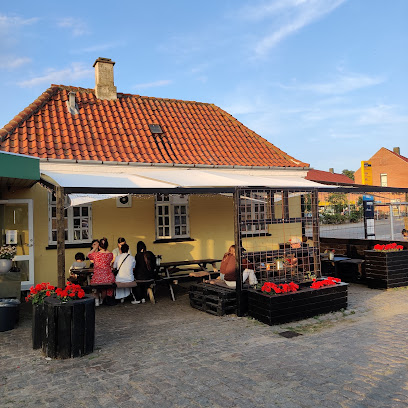
NORD - Bistro by the Sea
0.7 km
Casual waterfront bistro on Møn serving generous Danish and European comfort dishes with harbor views, relaxed indoor seating and a breezy outdoor terrace.
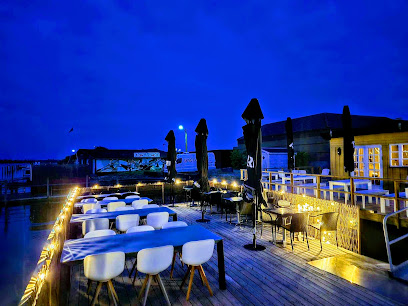
Staysail.Danmark is closed
1.8 km
Experience authentic Danish cuisine and serene boating adventures at Staysail.Danmark in beautiful Stege.
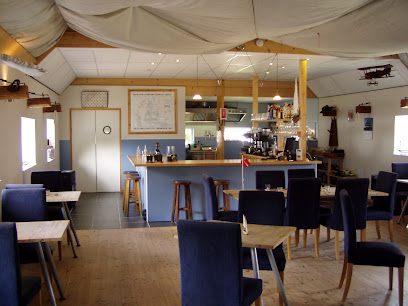
Hvidegaard Møn
1.8 km
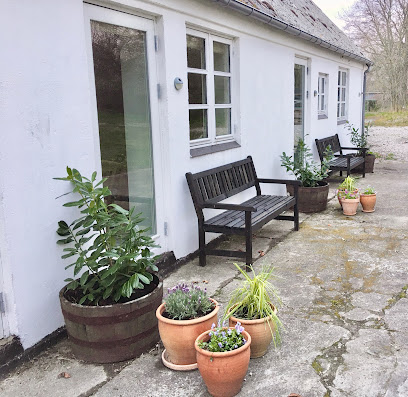
Cozy countryside bed & breakfast and cafe on Møn, blending homemade food, garden calm and easy access to Stege and the dramatic cliffs of Møns Klint.
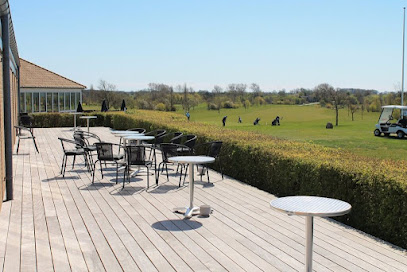
Møn Golf Resort - Hotel Præstekilde
4.0 km
Relaxed golf-and-nature retreat on Møn, with wide views over Stege Nor, an 18‑hole course on the doorstep and a terrace restaurant made for long sunsets.
Markets, malls and hidden boutiques

Sy Og Strik
0.2 km
A cosy knit and sewing shop in Stege’s historic main street, brimming with yarn, fabrics and friendly advice for creative travellers on the island of Møn.
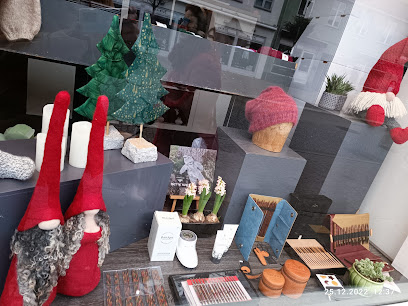
Colourlove Møn
0.2 km
A cosy, colour-drenched design boutique in Stege, filled with upcycled silk fashion, playful interiors and unique gifts inspired by the creative spirit of Møn.
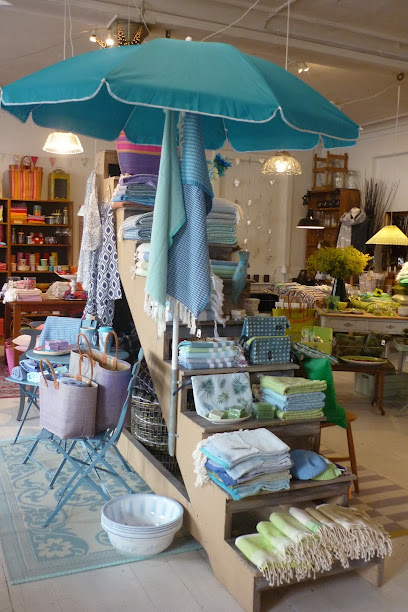
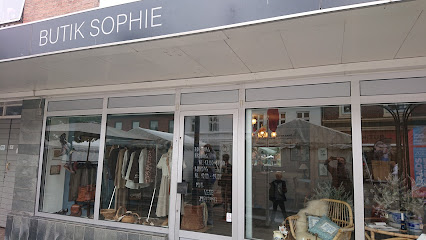
Butik Sophie
0.2 km
A cosy Scandinavian-style gift boutique on Stege’s main street, mixing hygge-filled home décor, textiles and small treasures in an intimate, relaxed setting.
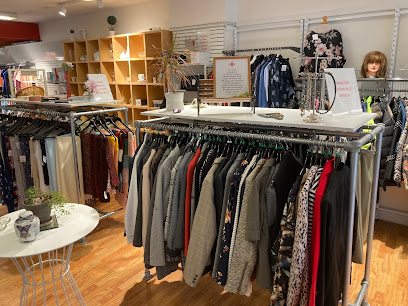
Red Cross Op Shop
0.2 km
Volunteer-run second-hand treasure trove in Stege, where sustainable finds, local life and Red Cross humanitarian work come together under one modest roof.
Moshroom
0.2 km
A cozy, offbeat clothing boutique on Stege’s main street, blending relaxed Scandinavian style, personal service and small-town island charm on Møn.
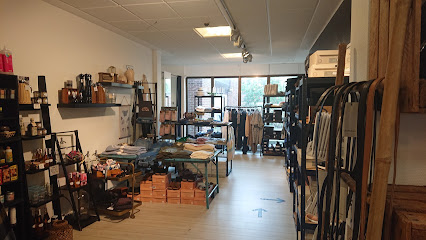
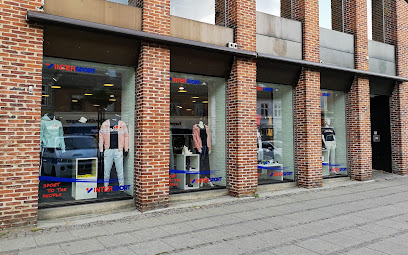
Intersport
0.2 km
Premier sporting goods retailer offering expert guidance, quality equipment, and professional services in central Stege.
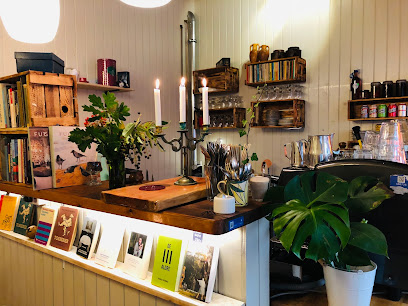
Fængselsgården Møn
0.3 km
Fængselsgården Møn - Stege’s historic prison yard reimagined as a creative brasserie, bookshop, and cultural nexus, inviting visitors to eat, browse, and experience local life.
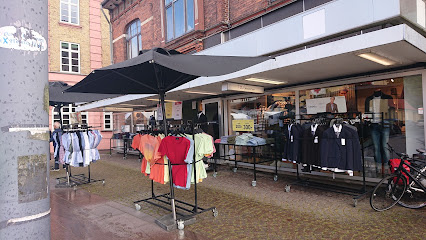
Tøjeksperten
0.3 km
Compact Danish menswear store on Stege’s main street, ideal for smart-casual outfits, emergency wardrobe fixes and climate-ready layers while exploring Møn.
Vinhuset Møn
0.3 km
Atmospheric island wine shop in the heart of Stege, combining handpicked bottles, gourmet treats and personal, expert guidance in an intimate setting.
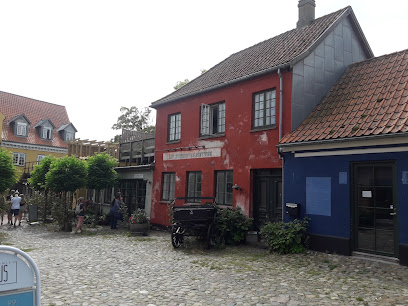
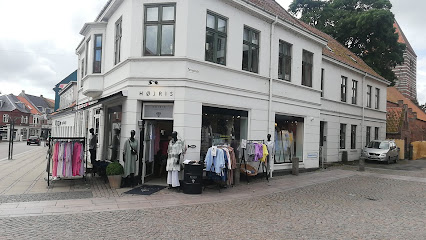
Højris Femme Clothing
0.4 km
A cosy women’s fashion boutique on Stege’s main street, blending Scandinavian style, quality fabrics and personal service in the heart of historic Møn.
Liza's Gallery
0.4 km
Intimate artist-run gallery in a historic Stege courtyard, blending Møn’s coastal atmosphere with contemporary Danish and international art and distinctive design pieces.
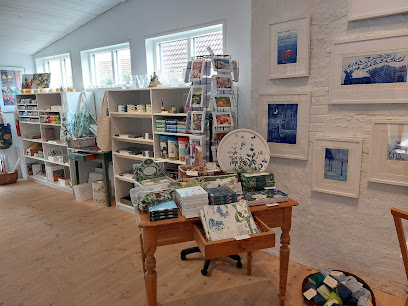
Mønne
0.5 km
Authentic Danish gourmet deli celebrating Møn's local flavors and artisan traditions in historic Stege.
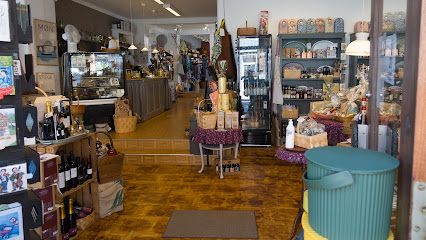
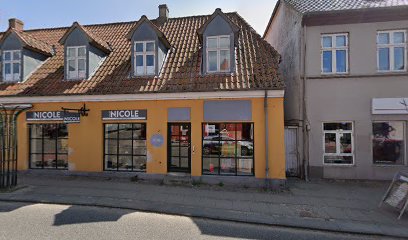
Nicolegarn
0.5 km
A cosy yarn shop on Stege’s main street, packed with colour, texture and friendly advice for knitters and crocheters exploring the island of Møn.
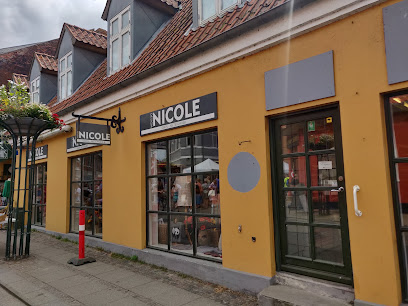
Møns Vævehus
0.5 km
Working textile studio, weaving classes, and yarn shop in historic Stege
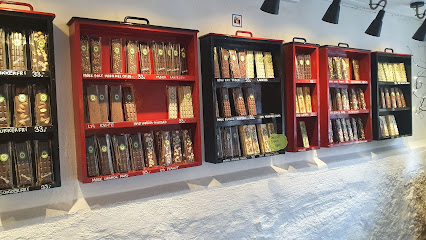
Lene Evers Chocolate
0.6 km
Artisan Danish chocolates crafted in a cozy cellar boutique on Stege’s main street, offering small-batch pralines and sweet souvenirs from the island of Møn.
Essential bars & hidden hideouts

Mølleporten Øl- og Vinstue
0.1 km
A classic Danish “brown pub” on Stege’s main street, pairing local atmosphere, simple drinks and small-town charm just down from the town’s medieval gate.
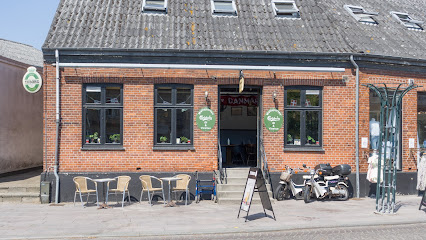
Ba'ryhl Bar & Café
0.2 km
Cosy café by day, intimate cocktail bar by night, Ba'ryhl brings small‑town warmth, good drinks and relaxed conversation to the heart of Stege on Møn.
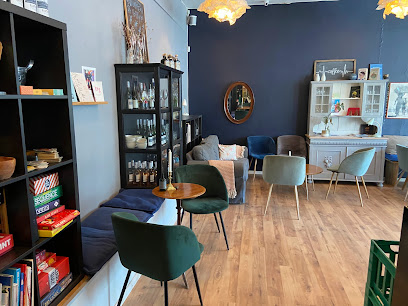
Cafe Borre
10.2 km
Homemade pastries and genuine warmth in a charming Borre village café.
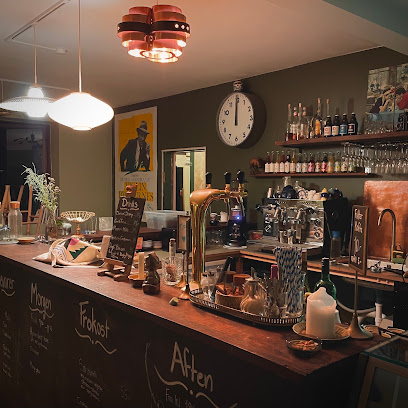
Pier To Heaven
11.9 km
Intimate harbor bar on Møn’s waterfront, blending creative cocktails, maritime charm and cozy candlelit corners right on the quay at Klintholm Havneby.
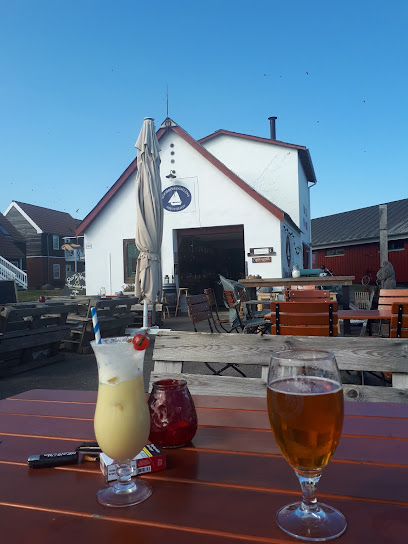
Sussis Bodega ApS
14.3 km
Rural Danish bodega in an 1800s house along Stavreby Strandvej, offering simple drinks, informal company and a quietly coastal countryside atmosphere.
Biblioteket
19.2 km
Casual neighborhood bar in central Stubbekøbing with extended hours and genuine local character.
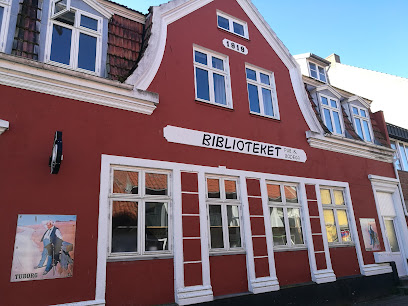
Rådhus Pub'en
24.5 km
Authentic Danish pub on the historic town square, where locals and travelers gather for genuine hospitality.
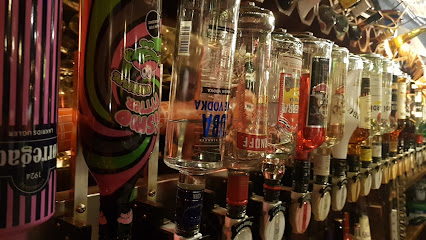
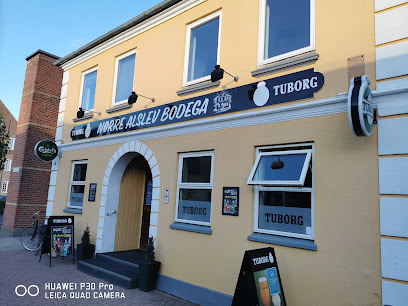
Nr. Alslev Bodega ApS
27.7 km
Laid-back neighborhood bodega in Nørre Alslev, pouring inexpensive beers and small-town Danish charm from late morning until midnight on weekends.
Fuglsang Musikforening
35.5 km
Experience the rich tradition of classical music at Fuglsang Musikforening in Nykøbing Falster's historic Fuglsang Manor.
Slap A'
35.9 km
Unpretentious local bar in Nykøbing Falster with pool tables, inexpensive drinks and a relaxed neighborhood vibe from daytime quiet to late-night chatter.
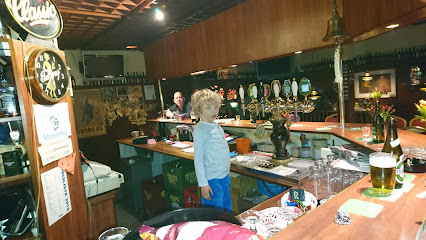
Jernbanecafeen Nykoebing Falster - Denmark
36.0 km
Unpretentious railway-side bar-café in Nykøbing Falster, where locals gather for relaxed evening drinks, conversations and classic, no-fuss Danish hospitality.
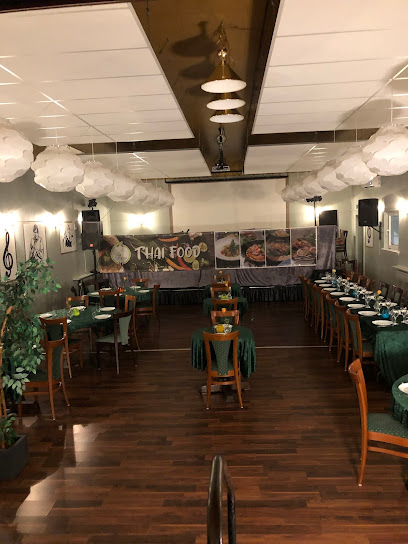
Cafe Nutiden V/ Brian Ipsen
36.0 km
A classic Danish bodega-style bar in central Nykøbing Falster, serving simple drinks and plenty of local atmosphere from midday through the late evening.
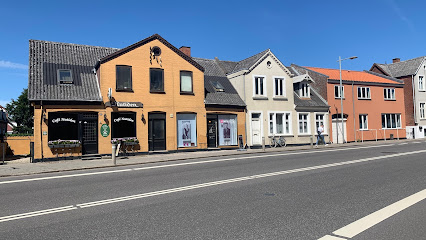
falster falster
36.1 km
Small, social neighborhood bar on Skolegade in Nykøbing Falster, serving cold beers and simple drinks in an unpretentious, intimate Danish pub atmosphere.
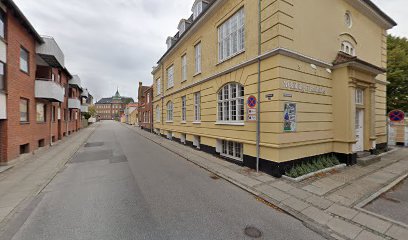
FUND BAR
36.1 km
Waterfront cocktails, Nordic design and a smoke-free, sociable atmosphere on Nykøbing Falster’s marina-facing Slotsbryggen promenade.
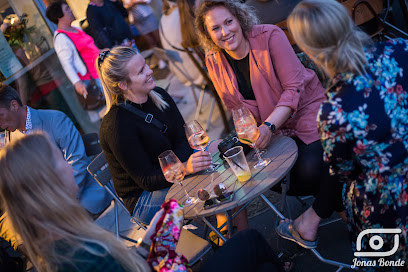
Riverside Jazz Club
36.2 km
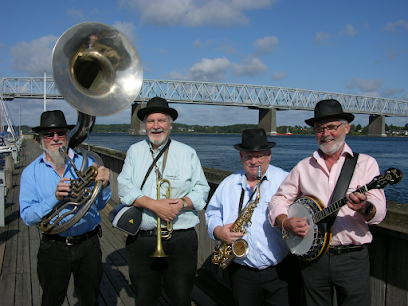
Intimate riverside jazz nights in Nykøbing Falster, where volunteer spirit, close-up performances and a cosy bar atmosphere bring live Danish jazz to life.
Nightclubs & after hour spots

Loke MC - Helheim
32.8 km
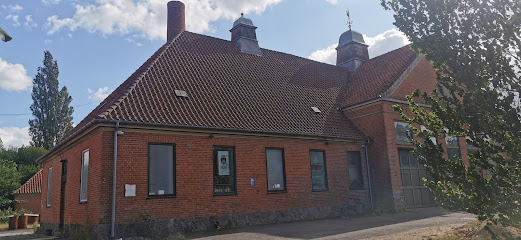
Rural Danish biker clubhouse with Norse-mythology flair, offering intimate late-night gatherings, loud rock playlists and a no-frills bar far from mainstream nightlife.
N.Y.K. Event
36.1 km
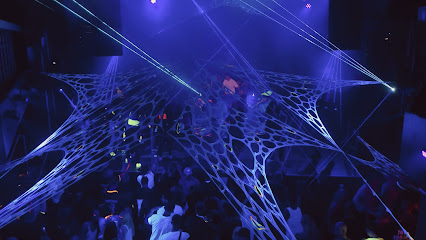
Compact late-night bar and nightclub in central Nykøbing Falster, mixing strong drinks, loud beats and a sociable dance floor that runs into the early morning.
Billy Booze
36.2 km
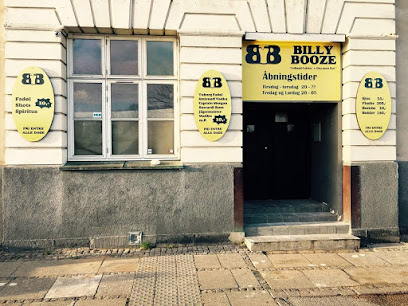
Compact late-night disco in Nykøbing Falster with inexpensive drinks, loud hits and a casual dance floor vibe from Thursday to Saturday.
Første sted
36.4 km
Compact, music-driven nightclub on central Slotsgade, offering an intimate, local slice of Nykøbing Falster’s late-night dancing and drinks scene.
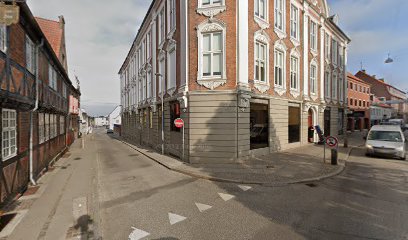
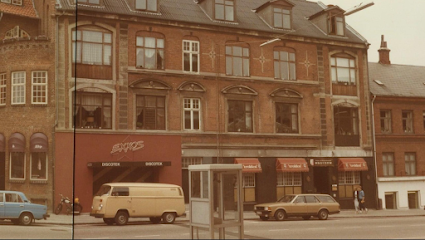
Avenue Næstved
43.0 km
Lively nightspot and flexible event hall in central Næstved, mixing dancefloor energy, festive dinners, stand-up comedy and themed parties under one roof.
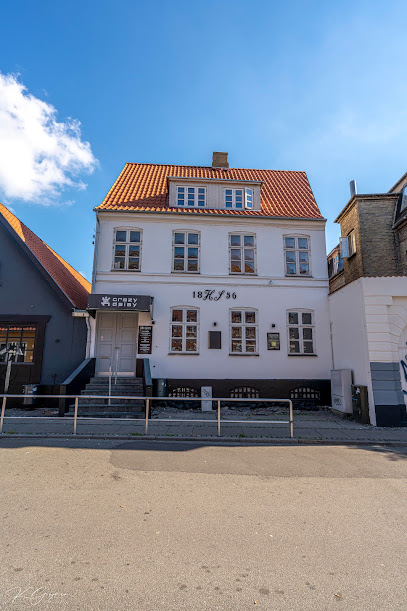
Crazy Daisy Næstved
43.1 km
High‑energy weekend nightclub in central Næstved, packing loud beats, flashing lights and a late‑night local crowd into a compact, classic Danish town‑club setting.
Sct. Jørgens Jazzklub
43.2 km
Experience live jazz in the heart of Næstved at Sct. Jørgens Jazzklub, where music and history harmonize.
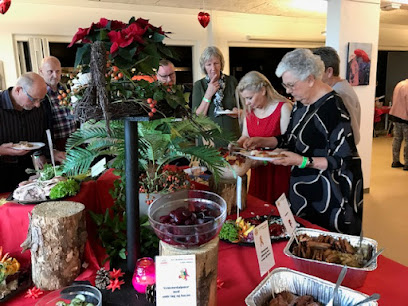
The Beach
43.3 km
The Beach is Næstved’s top karaoke bar, renowned for its vibrant ambiance, creative drinks, and a lineup of crowd-pleasing singalong nights in the city center.
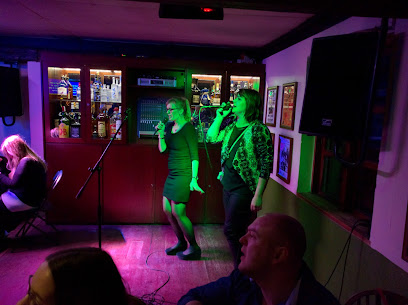
The Old Irish Pub
43.3 km
A vibrant Irish-themed pub in the heart of Næstved, offering live music, sports, draught beer, and a lively atmosphere for both locals and visitors.
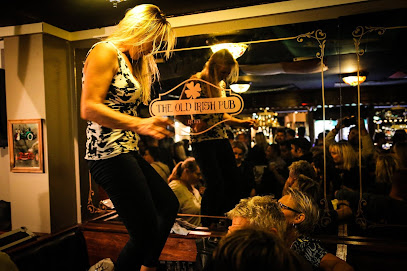
Gedser Lighthouse
51.5 km
Explore Denmark's southernmost lighthouse, offering panoramic Baltic Sea views and rich maritime history.
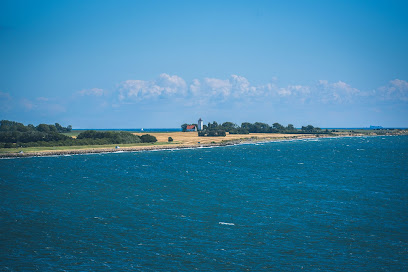
Gedser Odde
51.7 km
Discover the windswept beauty and migratory birdlife of Gedser Odde, Denmark's dramatic southernmost point where land and Baltic Sea converge.
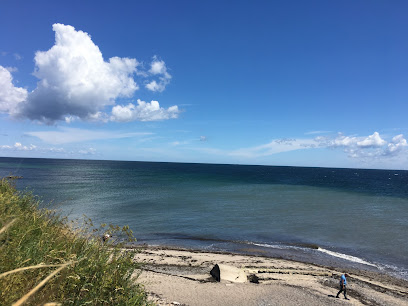
Bloom Nightclub
52.3 km
Late-night harborfront beats and a compact dance floor bring big-night energy to small-city Køge every Friday and Saturday.
The Flame
52.3 km
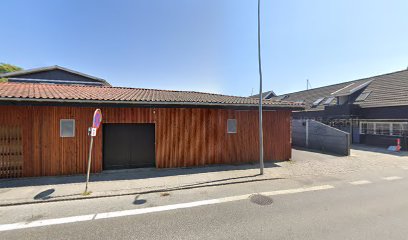
Compact, high-energy nightclub by Køge’s harbor, serving up youthful beats, live acts and weekend dance-floor vibes in an intimate, no-frills setting.
LUSIO
52.3 km
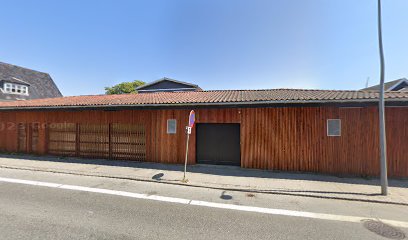
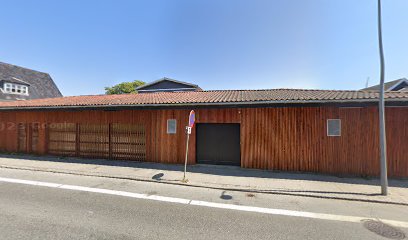
Compact harbor-side nightclub in Køge with late Friday hours, a tight dance floor, and an intimate, no‑frills setting for Danish weekend nights out.
Tropicana DC
71.1 km
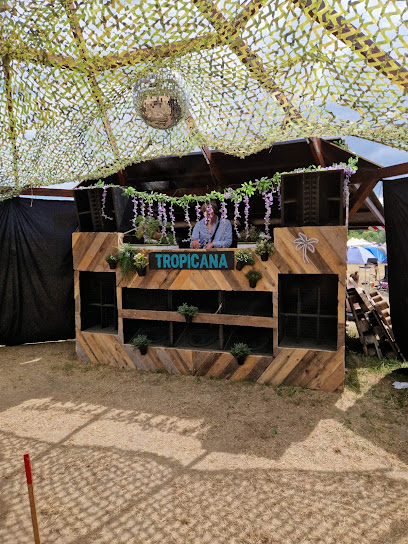
Compact Latin-flavoured nightclub on Roskilde’s industrial edge, delivering loud beats, simple drinks and a late-night dancefloor focused purely on partying.
For the vibe & atmosphere seeker
- Scenic
- Unique
- Casual
- Tranquil
For the architecture buff
- Historic
- Landmarks
For the social media creator & influencer
- Photo Spots
- Architectural Shots
For the eco-conscious traveler
- Public-Transport Accessible
- Locally Managed
- Low Impact
For the kind of experience you’re after
- Cultural Heritage
- Photowalk
- Day Trip
- Roadtrip Stop
For how adventurous you want the journey to be
- Easy Access
Location Audience
- Family Friendly
- Senior Friendly
- Child Friendly
- Teen Friendly
- Solo Friendly
- Couple Friendly
- Solo Female Friendly
- Vegetarian Friendly
- Vegan Friendly


