Næstved Museum Travel Guide
Free Guide: Medieval Helligåndshuset meets Viking relics and local tales in a compact, atmospheric museum at the heart of historic Næstved.


A brief summary of Næstved Museum
Medieval Helligåndshuset meets Viking relics and local tales in a compact, atmospheric museum at the heart of historic Næstved.
Housed in the atmospheric medieval Helligåndshuset on Ringstedgade, Næstved Museum explores the rich history of South Zealand from Viking-age finds to bustling merchant-town days. Exhibitions weave together archaeology, local crafts, and everyday life, with evocative displays such as the executioner’s room, complete with skeletons, chains, and axes. Family-friendly storytelling, changing special exhibitions and a central old-town location make this a rewarding cultural stop in Næstved.
On-site amenities
 Restrooms
 Seating areas
 Information boards
Opening hours
- Mon11 am–4 pm
- Tue11 am–4 pm
- Wed11 am–4 pm
- Thu11 am–4 pm
- Fri11 am–4 pm
- Sat10 am–3 pm
- SunClosed
Opening hours as listed on the venue’s Google Business Profile. Hours can change for services and special events, so check with the venue before you go.
- Address
- Ringstedgade 4, 4700 Næstved
- Phone
- Website
Getting there
Train and short walk from Copenhagen
Regional bus within Næstved
Car from greater Zealand
Discover more about Næstved Museum
Medieval Walls and a House of Mercy
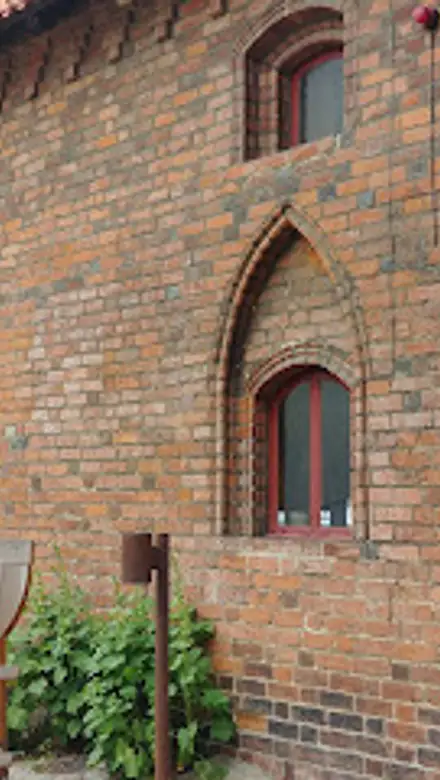
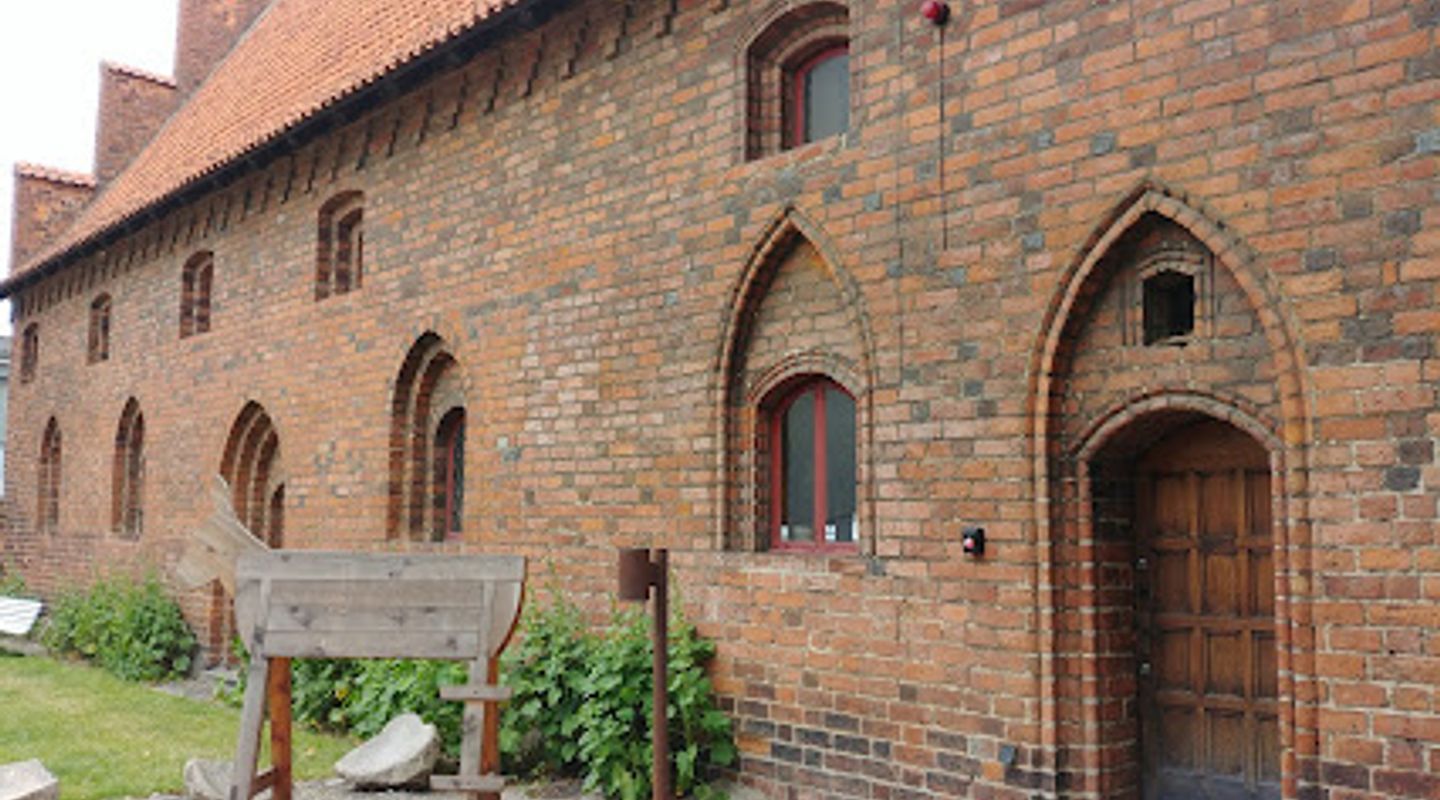
Næstved Museum occupies Helligåndshuset, a former House of the Holy Spirit dating back to the 15th century. Once part of a network of medieval welfare institutions offering care for the poor, sick and elderly, the building’s thick brick walls, arched windows and timbered interiors still tell of its charitable past. Standing here places you inside a rare survivor of late-medieval urban architecture on Zealand, preserved in the heart of Næstved’s old town.The historic setting adds a tangible sense of time to the collections. Vaulted ceilings, worn stairs and uneven floors remind you that countless generations have passed through these rooms long before they became museum galleries.
From Vikings of Vester Egesborg to Market-Town Citizens
A major strand of the museum traces the story of the region from prehistory into the Viking era and beyond. Finds from the nearby Viking site at Vester Egesborg bring to life traders, farmers and seafarers who once navigated the fjords and inlets of South Zealand. Tools, jewellery, weapons and everyday utensils reveal how closely this area was connected to wider Scandinavian networks.The narrative then shifts into the growth of Næstved as a medieval market town. Displays of ceramics, imported wares, coins and guild artefacts illustrate how commerce, craftsmanship and monastic life shaped the town’s identity, from bustling marketplaces to quiet cloisters.
Executioner’s Room and Shadows of Justice
One of the most memorable spaces is the executioner’s room, where objects linked to punishment and law enforcement are gathered. Chains, axes and heavy iron restraints sit beside skeletal remains, making the consequences of past justice systems strikingly concrete. Rather than simply shocking, the presentation encourages reflection on changing ideas of crime, punishment and authority.Interpretive panels place these objects in their legal and social context, highlighting how power was exercised in earlier centuries and how ordinary townspeople might have experienced public executions and corporal penalties.
Everyday Life, Craft and Changing Exhibitions
Beyond the dramatic themes, much of Næstved Museum focuses on daily life in the surrounding communes of Næstved, Suså, Holmegaard and Fladså. Domestic interiors, tools and household objects show how families cooked, worked and decorated their homes over the centuries. Particular attention is often given to local crafts and industries, from pottery to glassmaking and agriculture.Changing exhibitions regularly delve into specific topics such as children’s lives, local design, or archaeological discoveries. This rotating programme keeps the experience fresh and allows the museum to showcase pieces from its wider regional collections that are not always on permanent display.
A Compact, Family-Friendly Visit
The museum is relatively compact, making it easy to explore without feeling rushed. Many displays are accessible to children, with clear visuals and storytelling elements that help younger visitors connect with Vikings, merchants and craftsmen. The central city location means it fits naturally into a wider stroll through Næstved’s historic streets.Expect to spend between one and two hours if you take time to read the texts and enjoy the building itself. For history enthusiasts or those interested in medieval architecture and archaeology, it can easily become a longer, more in-depth visit.
Part of a Wider Museum Network
Næstved Museum forms part of Museum Sydøstdanmark, the state-recognised museum organisation for Næstved, Køge and Vordingborg municipalities. This connection gives it access to a broad team of historians and archaeologists who contribute research, excavation material and new perspectives to the exhibitions.For travellers, this means the stories told here are rooted in ongoing archaeological work and regional scholarship, placing Næstved’s local finds within the larger puzzle of Denmark’s past and South Zealand’s coastal landscape.
Evendo Review Centre
 Google
Guest reviews
Best time to go
Quietest: Jan, Feb & Nov · before 8am or from 6pm
Busy times are Evendo estimates for a typical year, to help you plan. Actual crowds vary with events, school holidays and the weather.
Explore Næstved Museum on the map
A handpicked selection of must-see spots near Næstved Museum, mapped for you.
Get your free copy of our complete guide to Næstved Museum, delivered straight to you.
Everything on this page, from opening hours and how to get there to Eve’s tips and the best time to go, in one PDF you can read offline, print or share.
Already have an account? Sign in
Your Næstved Museum guide is ready.
We'll send it to · Not you? Sign out

Getting your guide ready…
We are putting together a fresh copy of the Næstved Museum guide. This can take up to a minute.
This can take a few moments. If your browser asks, choose Allow so the download can start. You'll find the guide in your Downloads folder.
Nothing happened? Download it again
Sorry, the guide is taking longer than usual. Please try again in a minute, or get it by email instead.
Other nearby places you may find interesting
The closest places of the same kind, if this one is not quite what you had in mind.
-
Stevns Klint UNESCO World Heritage Stand on the edge of a white Danish cliff where a thin dark band in the rock marks the asteroid impact that ended the dinosaurs and reshaped life on Earth.
-
Roneklint Fyr Small historic lighthouse at the mouth of Præstø Fjord, with shallow child‑friendly beaches, rich snorkelling waters and tranquil coastal scenery.
-
Stevns Lighthouse Historic lighthouse on the edge of Stevns Klint, blending maritime heritage with wide Baltic Sea views and windswept chalk‑cliff scenery near Store Heddinge.
-
Gjorslev One of Denmark’s oldest inhabited medieval castles, Gjorslev combines Gothic stonework, moats and beech forest walks in a quietly atmospheric manor landscape.
-
Kalvehave Labyrintpark A 20,000 m² outdoor maze park of puzzles, illusions and giant games, turning a day in rural South Zealand into relaxed, brain-teasing fun for all ages.
Swipe for more places
More to explore near Næstved Museum

 Best experiences near Næstved Museum
 Best hotels near Næstved Museum
 Best landmarks near Næstved Museum
 Best attractions near Næstved Museum
 Best shops near Næstved Museum
 Best restaurants near Næstved Museum
 Best bars near Næstved Museum
Do you manage this location?
Take control to get all the benefits, like improved information, better appearance, and stronger visibility across AI-powered discovery.
Explore more
Explore more of South Zealand
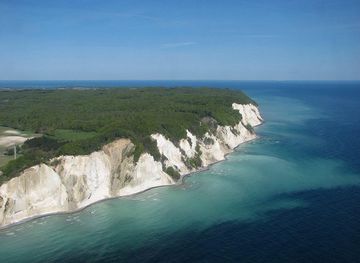
Discover South Zealand, where dramatic cliffs, historic castles, and charming coastal towns create the perfect Danish escape.
Explore South Zealand
Explore more of Denmark
Discover Denmark: A perfect blend of history, modern design, and the cozy concept of hygge. Explore vibrant cities, serene landscapes, and world-class cuisine.
Explore Denmark