
Knud Rasmussen’s House, Hundested
Historic home of Denmark’s famed polar explorer, set on a windswept headland above the Kattegat with intimate exhibits, a Greenland-stone memorial and sweeping sea views.
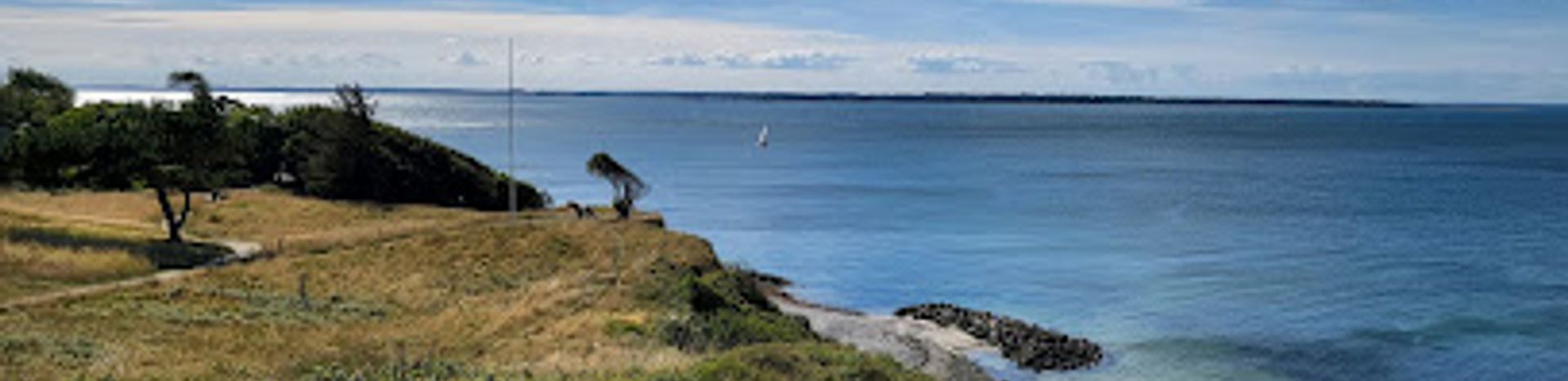
Perched on a grassy headland above the Kattegat, Knud Rasmussen’s House is the evocative former home and workplace of Denmark’s most famous polar explorer. Built in 1917 as a retreat between Arctic expeditions, the whitewashed, thatched house now serves as an intimate museum filled with personal objects, expedition photos and exhibits on Inuit culture. Outside, a Greenland-stone memorial cairn, open coastal heath and sweeping sea views invite slow walks, quiet reflection and salty North Sealand fresh air.
A brief summary to Knud Rasmussens House
- Knud Rasmussensvej 9, Hundested, 3390, DK
- +4547720605
- Visit website
- Duration: 1 to 2.5 hours
- Budget
-
 Mixed
Mixed
- Mobile reception: 4 out of 5
- Tuesday 11 am-4 pm
- Wednesday 11 am-4 pm
- Thursday 11 am-4 pm
- Friday 11 am-4 pm
- Saturday 11 am-4 pm
- Sunday 11 am-4 pm
Local tips
- Plan your visit between Easter and mid-October and arrive close to opening time; the house is compact, and earlier hours give you more space to explore the rooms and exhibits in peace.
- Combine the indoor museum with a slow walk around the grounds and up to the memorial cairn and lighthouse; sturdy shoes are useful on the uneven, often breezy coastal paths.
- Bring an extra layer, even in summer; the clifftop location catches wind off the Kattegat, and it can feel cool when you pause to enjoy the views or read outdoor information boards.

For the on-the-go comforts that matter to you
- Restrooms
- Drink Options
- Drinking Water
- Food Options
- Seating Areas
- Trash Bins
- Information Boards
- Visitor Center
Getting There
-
Regional train and bus from Copenhagen
From Copenhagen, take a regional train toward Hillerød and connect to the local line to Hundested; the full rail journey typically takes 1.5–2 hours. From Hundested station, local buses toward the coastal area near Knud Rasmussensvej run regularly in season, and the onward ride is usually under 10 minutes. A one-way adult rail ticket from Copenhagen to Hundested is commonly in the range of 80–120 DKK depending on time and fare type, while the local bus segment uses standard regional tickets or travel cards at modest additional cost. Services are generally reliable year-round but can be less frequent in evenings and outside the main museum season.
-
Car from North Sealand and Copenhagen region
Drivers approaching from North Sealand towns or the Copenhagen area can reach Hundested via well-signed regional roads in about 45–75 minutes depending on starting point and traffic. Parking for museum visitors is available at designated lots near Knud Rasmussensvej, from where a short signed walk leads to the house; private cars are typically not allowed directly at the building itself. There is no separate fee for the final walk, but be prepared for slightly uneven ground and coastal weather. In peak summer weekends, arrive earlier in the day for the best chance of finding a parking space close to the signed paths.
-
Walking from Hundested harbour area
If you are already in Hundested, you can reach the headland on foot in roughly 20–30 minutes at a relaxed pace. The route gradually climbs from the town and harbour area to more open coastal terrain, with gentle inclines rather than steep hills. Surfaces are a mix of pavements and well-trodden paths, so comfortable walking shoes are recommended. This option is particularly pleasant in mild, dry weather, but can feel exposed on very windy or rainy days; check the forecast and carry a layer against the sea breeze.
Knud Rasmussens House location weather suitability
-
 Mild Temperatures
-
 Clear Skies
-
 Any Weather
-
 Cold Weather
-
 Windy Conditions
Discover more about Knud Rasmussens House
Explorer’s retreat on the Kattegat cliffs
Built in 1917 on a wind-swept headland near Spodsbjerg Lighthouse, Knud Rasmussen’s House was conceived as a working refuge rather than a genteel summer villa. Here, Denmark’s celebrated polar explorer wrote, planned expeditions and met fellow researchers far from the distractions of Copenhagen. The low, whitewashed house with its thatched roof, dark timber details and small-paned windows looks almost modest against the big sky and sea, yet the setting feels purpose-built for big ideas. The interior preserves the atmosphere of an early 20th-century study-home. Rooms are compact and human in scale, but every surface hints at distant ice: maps, books, photographs and personal belongings conjure up dog sleds, drift ice and the Inuit communities Rasmussen worked with. A fire in 2011 led to careful restoration, bringing the building closer to its original colours and character while discreetly updating safety and museum standards.Inside the life of Denmark’s polar pioneer
Stepping through the door feels like entering a paused chapter of Rasmussen’s life. Display rooms weave together his biography, the Thule expeditions and his role as both explorer and anthropologist. Texts, objects and images highlight his documentation of Inuit culture and language, placing as much emphasis on people and stories as on feats of endurance. Annual special exhibitions add fresh themes, from specific expeditions to the science that grew out of his fieldwork. Because the house retains its domestic layout, you move through spaces that were once private: living rooms where guests were received, the desk where manuscripts took shape, and windows chosen for their views to sea and sky. The compact footprint means you are never far from a glimpse of water or the sense of weather outside, reinforcing how closely Rasmussen’s intellectual world was tied to the North.Windswept grounds and Greenland stone memorial
Outside, the museum opens onto a natural plot of grass, low shrubs and sandy paths rolling gently towards the Kattegat. The terrain feels more like coastal heath than manicured garden, with uneven ground, exposed rock and hardy vegetation shaped by salt and wind. It is easy to imagine Rasmussen pacing these paths while planning his next journey north. At a higher point on the site stands a striking memorial cairn built from stones brought from Greenland. Its rough, stacked forms echo Arctic landscapes and subtly link this Danish headland with the far north. Behind it rises Spodsbjerg Lighthouse, reinforcing the theme of navigation and orientation. On clear days you can see all the way to Hesselø, and the shifting light across the water makes the grounds as compelling as the house itself.Family-friendly coastal walks and quiet contemplation
The museum’s surroundings naturally extend a visit into the outdoors. Short, family-friendly trails lead along the clifftop, combining gentle exercise with big seascapes and plentiful places to sit on the grass. Children can explore the open areas under watchful eyes, while adults find sheltered spots against low dunes or rocks to simply listen to waves and wind. The house is close enough to Hundested town and harbour for a combined cultural and coastal day out, yet the headland feels pleasantly removed. For many, the experience here is as much about mood as information. The mix of intimate interiors, fresh air and expansive views encourages unhurried wandering and reflection. It works equally well as a half-day excursion for history-minded travellers, a contemplative solo stop on a coastal ramble, or a gentle outing for multi-generational groups.Seasonal museum with a sense of place
Knud Rasmussen’s House operates seasonally from Easter to mid-October, typically opening from late morning to mid-afternoon, with admission for adults and free entry for under-18s. That rhythm matches the site itself: this is a place to experience in daylight, with time to move between rooms and landscape. Facilities are simple but practical, with nearby parking, information and small-scale refreshments often available via the museum shop. Even when exhibitions change, the core appeal remains constant: a rare chance to step directly into the working environment of a major polar explorer while standing in a landscape that still feels raw, spacious and closely connected to sea and sky. It is this tight weave of house, history and headland that makes Knud Rasmussen’s House a distinctive stop on any North Sealand itinerary.Iconic landmarks you can’t miss

Auderødlejren
14.1 km
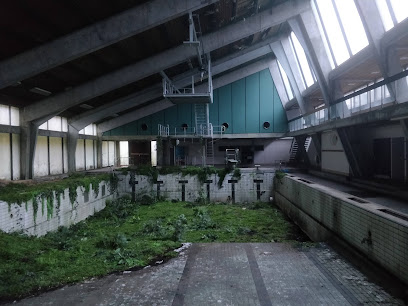
Once a busy Danish Navy barracks, today a quiet, semi‑abandoned camp on Arrenæs where stark military architecture meets lakeside nature and recent history.
Kirppu Hillerød
27.2 km
Discover unique vintage finds and support sustainable shopping at Kirppu Hillerød, Denmark's largest flea market supermarket, offering a treasure trove of pre-loved goods and community spirit.
Skänk øl, vin & madbar Hillerød
28.4 km
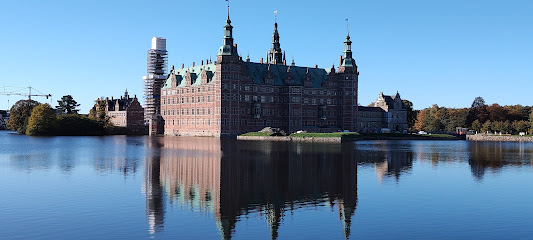
Experience Danish craft beers, global wines, and tasty tapas at Skänk in Hillerød, a cozy spot with castle views and a welcoming atmosphere on Torvet square.
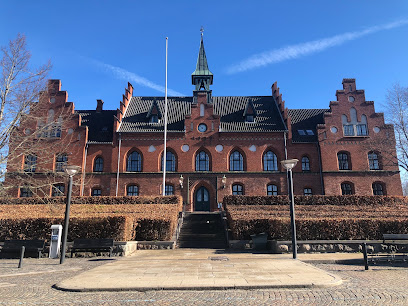
Old town hall
28.5 km
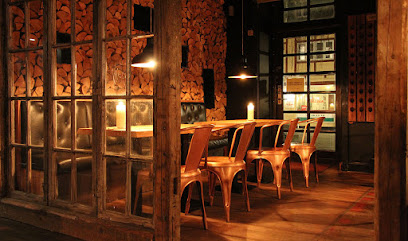
A dignified brick landmark on Hillerød’s main square, the Old Town Hall anchors the town’s civic heart between cobbled streets, cafés and castle views.
Hillerød Rectory
28.5 km
Discover the Befrielsessten in Høgsholt, Vejle—a serene memorial park honoring Denmark's journey to freedom amidst lush landscapes.
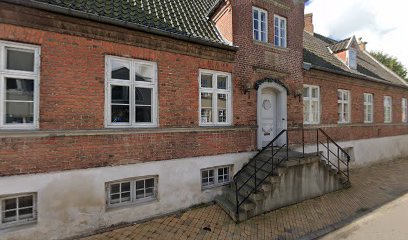
Hillerød St.
28.9 km
North Zealand's essential transport hub connecting Copenhagen, regional destinations, and Frederiksborg Castle.
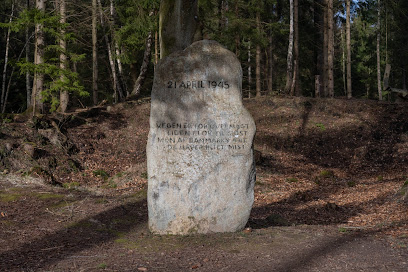
Kulsvierstenen
29.8 km
A modest forest boulder in Gribskov that marks a dramatic World War II resistance firefight, blending North Zealand’s tranquil woodland with powerful memory.
Fredensborg Slotshave
33.5 km
Discover Denmark's royal history and stunning baroque architecture in the serene Fredensborg Slotshave, a cultural gem blending art, nature, and tranquility near Copenhagen.
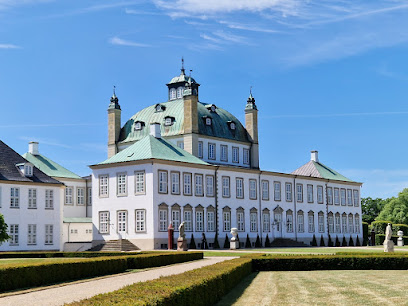
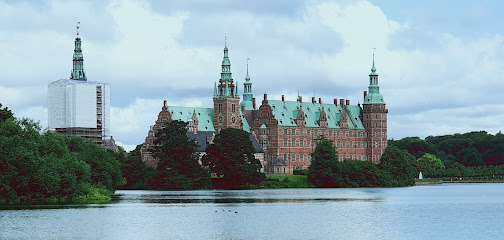
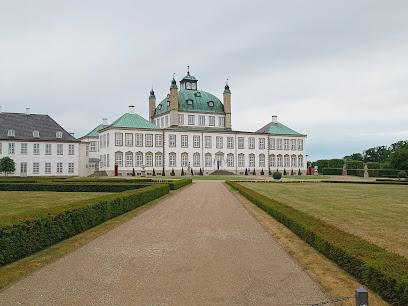
Fredensborg Palace
33.7 km
Denmark's Peace Palace: A Baroque masterpiece on Lake Esrum where royal history, architectural grandeur, and magnificent gardens converge.
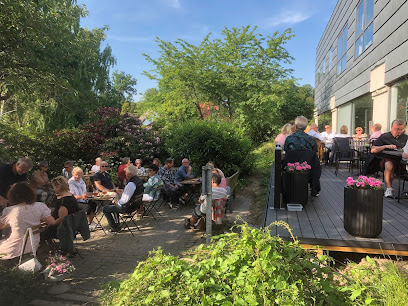
Country Market
33.9 km
Experience the charm of Fredensborg at Country Market, a vibrant marketplace offering local delicacies, artisan products, and a cozy café atmosphere in the heart of town.
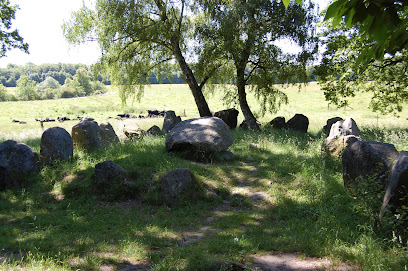
Kongedyssen
34.1 km
A 5,400-year-old passage grave nestled in ancient forest, connecting modern visitors to Neolithic burial traditions.
Nakkehoved Fyr - Museum Nordsjælland
34.3 km
Explore the historic Nakkehoved Lighthouse near Gilleleje, offering stunning coastal views, a lighthouse museum, and a glimpse into Denmark's maritime past.
VisitRanders - Randers Tourist Office
34.3 km
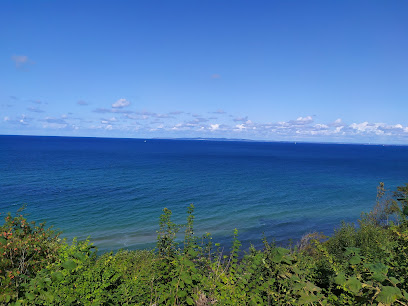
Amalienborg Palace is Denmark’s regal gem: a living royal residence where tradition meets vibrant city life, complete with museum tours and the iconic Changing of the Guard.
Falkonergården
35.4 km
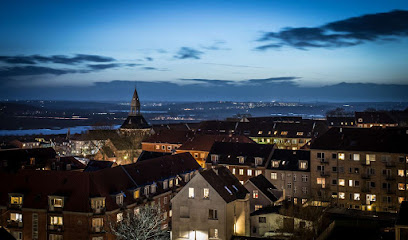
Explore the enchanting Falkonergården Zoo in Fredensborg, a captivating destination for wildlife enthusiasts and families seeking adventure in nature.

National Park Skjoldungernes Land
35.7 km
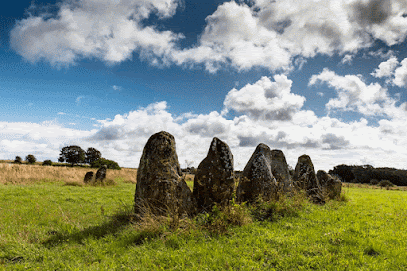
Aarhus Waterfront offers contemporary Nordic architecture, vibrant public spaces, and sweeping bay views—fusing urban vibrancy with Denmark’s maritime heritage.
Unmissable attractions to see

Skansen i Hundested
0.5 km
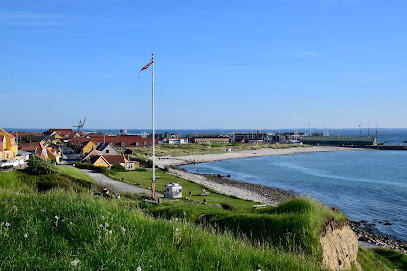
Napoleonic-era earthworks, surviving cannons and sweeping Kattegat views meet on a wind-battered cliff edge above Hundested’s harbour and sandy shoreline.
Hundested Strand - Trekanten
0.9 km
Sandy refuge in an authentic Danish port town, where beach life meets working harbour charm.
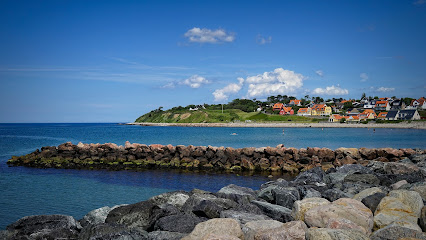
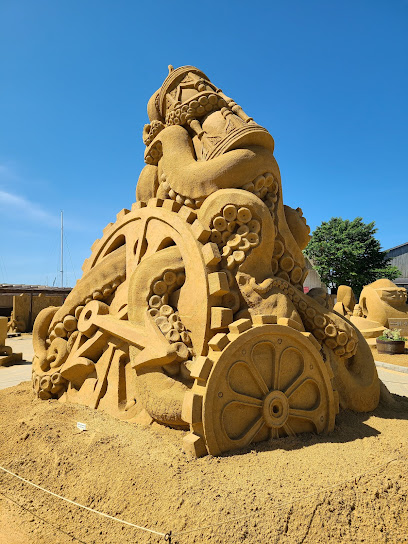
Hundested Sand Sculpture Festival
1.3 km
A seasonal harbour-front art park where international artists transform golden sand into intricate, short-lived sculptures, blending coastal atmosphere with playful creativity.
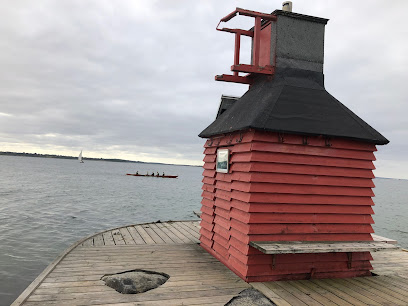
Lynæs Lighthouse
4.0 km
Journey back to 14th-century Denmark at The Medieval Center, a unique living history museum with crafts, jousts, medieval inventions, and immersive family activities.
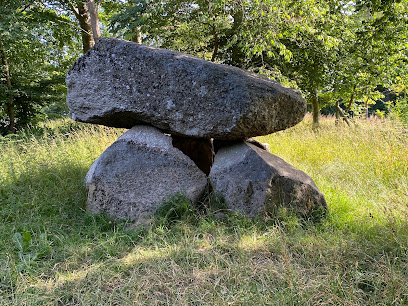
Carlsstenen - Grønnessedyssen
5.3 km
A quiet Stone Age dolmen deep in Grønnesse Forest, where a huge glacial boulder crowns an ancient tomb once chosen to grace Denmark’s five-kroner banknote.
Englænderskansen
5.5 km
Low grassy ramparts above the Isefjord where a modest 1808 coastal battery once watched for British ships and now offers a quiet historic pause by Kulhuse Harbour.
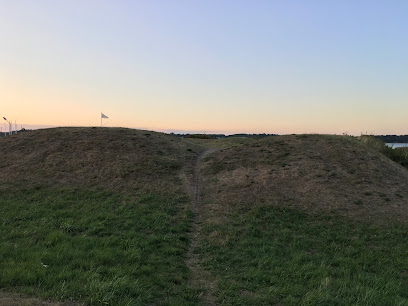
Liseleje Strand
8.3 km
Wide, dune-backed sands, clear shallow waters and a cosy seaside village make Liseleje Strand a gentle Danish Riviera escape for families and nature lovers.
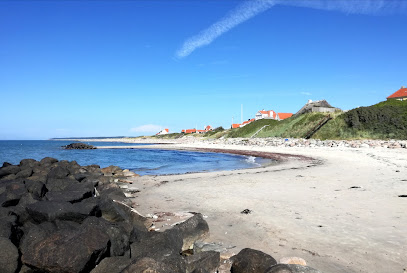
Havtyren
8.4 km
A forest-fringed nature playground where a mythical Sea Bull, wooden climbing frames and coastal air turn simple playtime into a North Zealand adventure.
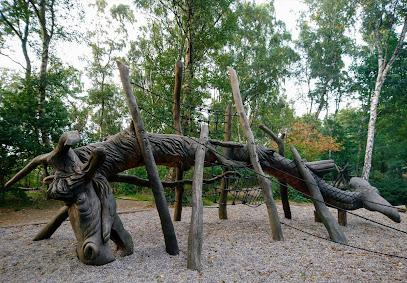
Storkeegen
10.6 km
The weathered remains of the legendary Stork Oak in Jægerspris Nordskov, where centuries of forest history stand preserved in a single monumental trunk.
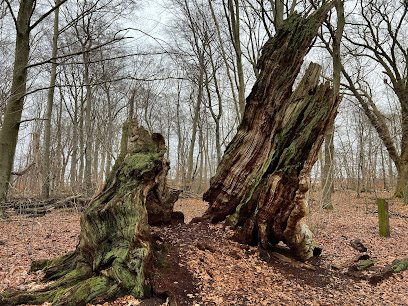
Nordskoven
10.9 km
Ancient royal oaks, varied woodland and quiet trails create a timeless forest escape in Jægerspris, where Denmark’s oldest trees still anchor the landscape.
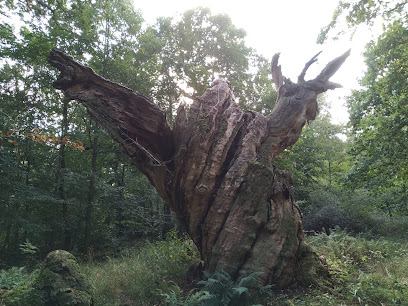
The King Oak
11.1 km
An ancient royal oak hidden in Jægerspris Forest, where centuries of history, legend and woodland life meet in one gnarled, hollow giant.
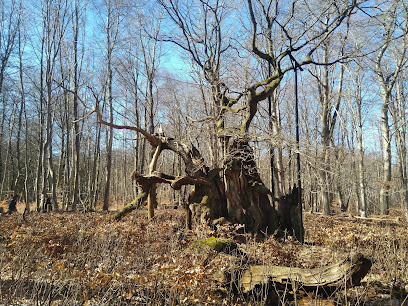
Stængehus Beach, Nude Area
11.5 km
A relaxed clothing-optional stretch of North Zealand’s wild Kattegat coast, where clear water, soft dunes and heathland scenery create a quietly liberating escape.
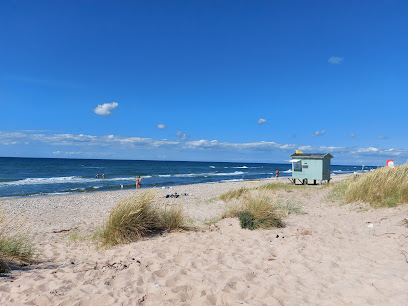
Snoegen
12.0 km
An ancient twisted oak standing as a sculptural forest relic in Jægerspris Nordskov, where centuries of woodland history are etched into spiralling wood.
Dronningholm Castle Ruin
12.6 km
Atmospheric medieval castle ruins set in peaceful North Zealand wetlands, echoing royal intrigue, dramatic history, and serene Danish landscapes near Gilleleje.
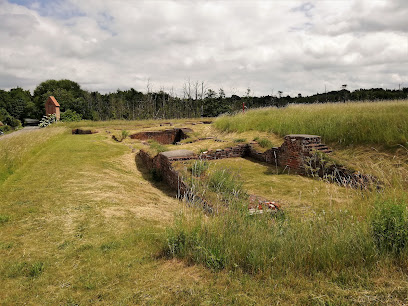
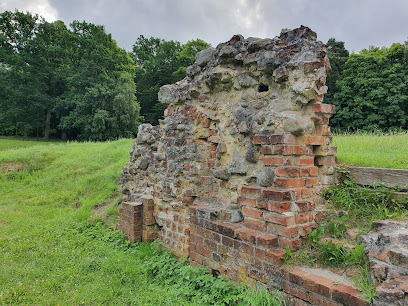
Asserbo Charterhouse
13.5 km
Grass-covered castle and monastery ruins hidden in North Zealand’s forest, where medieval power, monastic silence and drifting sands shaped a quiet historic clearing.
Essential places to dine

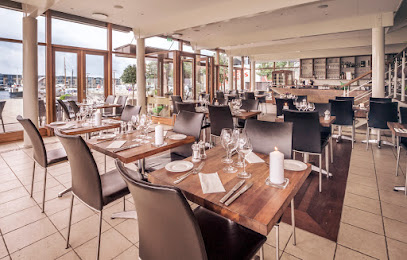
Restaurant Toldboden
19.8 km
Contemporary Nordic dining with fjord views and three-star Danish recognition in a luminous waterfront setting.
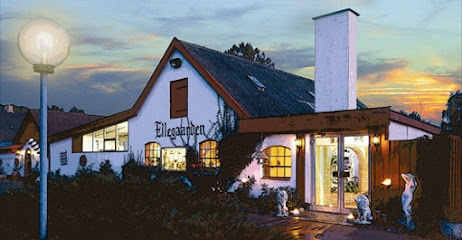
Restaurant Ellegården
24.8 km
Cosy Danish familierestaurant in a historic country-house setting, serving set menus, hearty classics and unhurried dinners on the quiet outskirts of Hillerød.
Bauhaus Grill
25.6 km
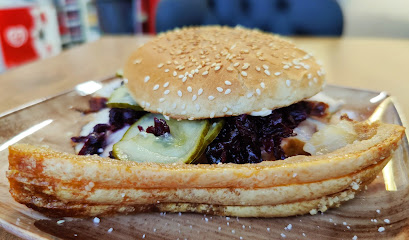
Unpretentious Danish burgers and flæskesteg sandwiches at budget-friendly prices in central Hillerød.
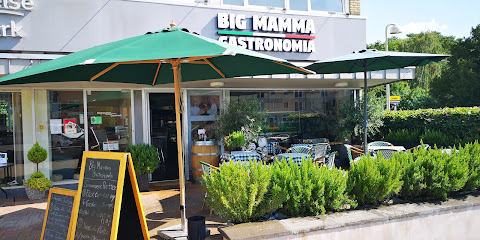
Big Mamma Gastronomia
27.8 km
Casual Italian pizzeria and pasta spot in central Hillerød, serving generous, ingredient-led comfort food for eat-in or takeaway in a relaxed local setting.
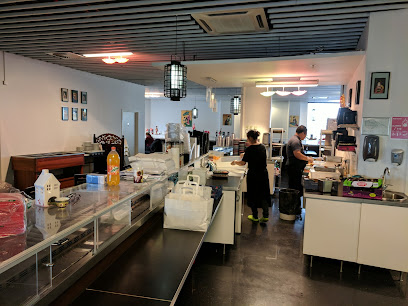
9-Ni Sushi
27.9 km
Casual running sushi and Chinese buffet on Slangerupgade, serving easygoing, all-you-can-eat comfort with a minimalist, family-friendly feel in central Hillerød.
Jensens Bøfhus
27.9 km
Casual Danish steakhouse on Hillerød’s main street, offering family-friendly comfort food and easy castle-side convenience from lunchtime through evening.
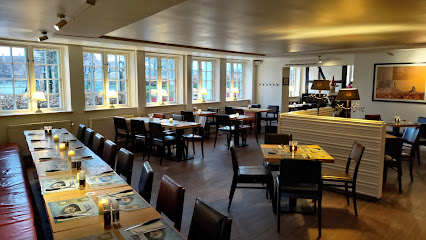
Royal Taste
28.0 km
Generous sushi ad libitum and colourful Asian plates in a relaxed, modern setting on Hillerød’s historic Slotsgade, ideal for cosy dinners and sociable feasts.
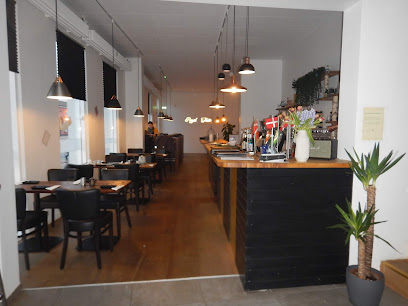
Restaurant Royal Style
28.0 km
Casual Asian comfort food with dim sum, bao and ramen just steps from Frederiksborg Castle in the heart of Hillerød’s historic Slotsgade.
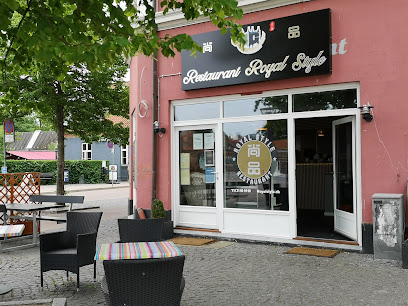
Ninos Pizza
28.0 km
Casual pizzeria serving Italian, Mexican, and American fare in central Hillerød with friendly service and extended hours.
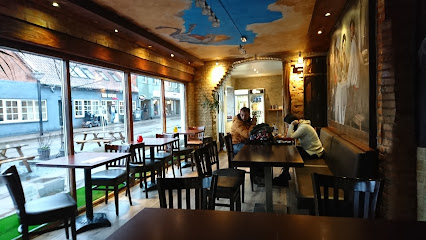
Rabarbergaarden Slottet
28.1 km
Organic farm-to-table dining in Frederiksborg Castle’s former carriage house, where seasonal North Zealand produce meets calm Scandinavian design and royal surroundings.
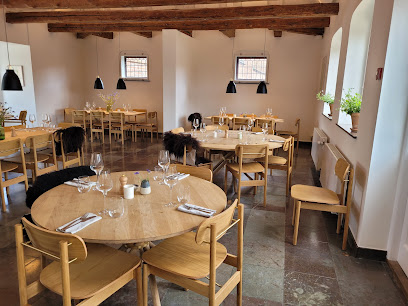
Rib House
28.1 km
Hearty ribs and steaks in a relaxed, family-friendly steakhouse just steps from Frederiksborg Castle on historic Slotsgade in central Hillerød.
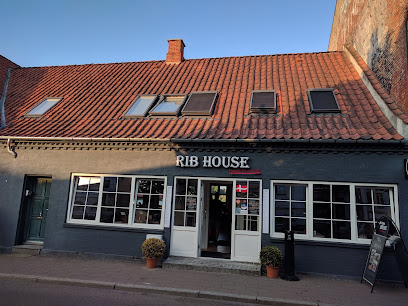
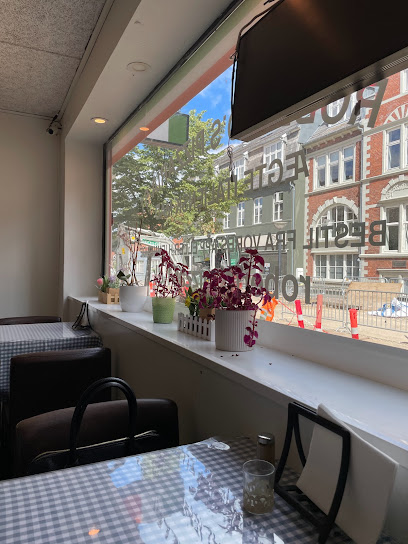
Roberto's 51
28.1 km
Straightforward pizzas and burgers on Hillerød’s main street, serving solid comfort food from lunchtime until late on weekend nights.
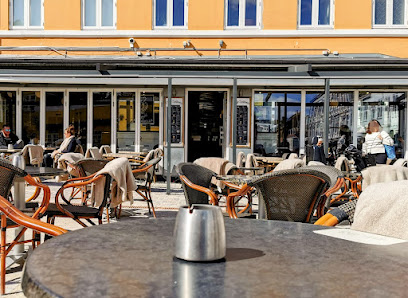
Café Valentin
28.1 km
All‑day Danish café on Hillerød’s main street, blending generous brunches, comfort food and cocktails with a lively terrace near Frederiksborg Castle.
Café Kaiser
28.1 km
Relaxed all‑day Danish café inside Hillerød’s Slotsarkaderne, serving hearty brunch, smørrebrød, burgers and drinks in a warm, mall‑side setting.
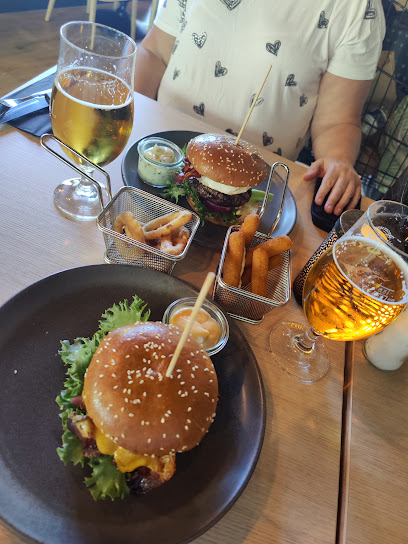
Gonzales Cantina
28.1 km
Casual, family-friendly cantina on Hillerød’s main pedestrian street, serving generous pizzas, steaks and comfort food just a short stroll from Frederiksborg Castle.
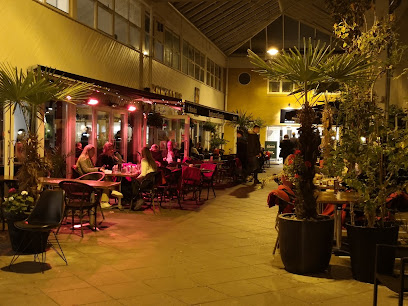
Markets, malls and hidden boutiques

Plantorama Hillerød
26.1 km
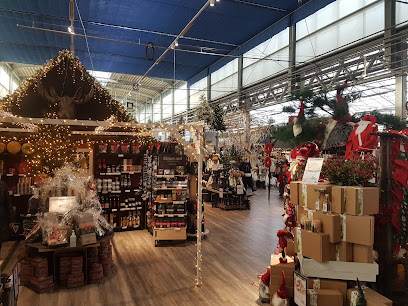
A 10,000 m² green universe in Hillerød, where plants, pets, home décor and a cosy café turn a simple shopping trip into a relaxed family outing.
ØnskeBørn
27.9 km
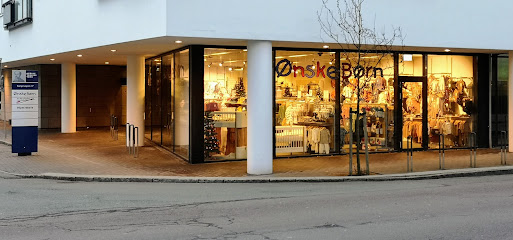
Practical one-stop children’s and baby store in central Hillerød, stocking prams, gear, clothing, toys and nursery essentials for young families and parents-to-be.
Red Cross Op Shop
28.1 km
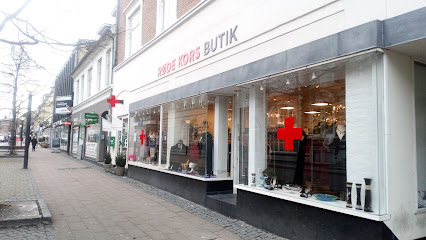
Hyggelig Røde Kors genbrugsbutik i Hillerøds hovedgade, hvor du finder billige fund til garderobe og hjem – og samtidig støtter lokalt og internationalt hjælpearbejde.
Søs Tre
28.1 km
A cosy women’s fashion boutique on Hillerød’s historic Slotsgade, blending Scandinavian style, curated clothing and accessories with a relaxed, personal atmosphere.
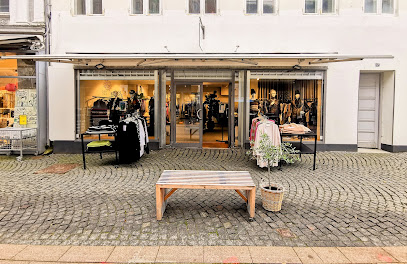
Tingstedet
28.1 km
Curated vintage and retro treasures near Frederiksborg Castle since 1996.
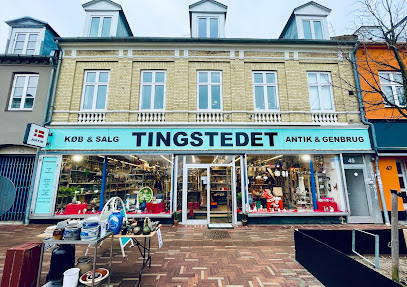
NORMAL
28.1 km
A compact, budget-friendly beauty and household store inside Hillerød’s main mall, perfect for quick essentials, quirky finds and travel-sized Danish everyday goods.
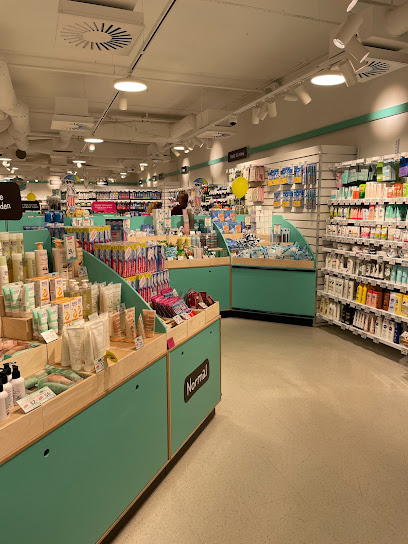
SlotsArkaderne
28.1 km
North Zealand's premier shopping destination where modern retail meets royal heritage in the heart of historic Hillerød.
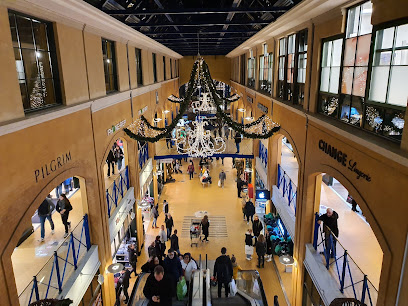
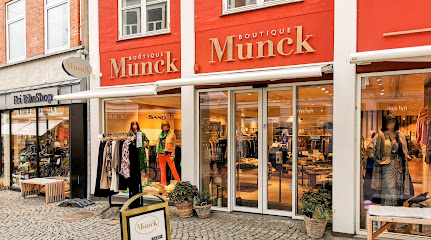
Boutique Munck
28.1 km
Intimate Scandinavian womenswear boutique in central Hillerød, blending curated Nordic fashion, warm styling advice and a relaxed, local neighborhood feel.
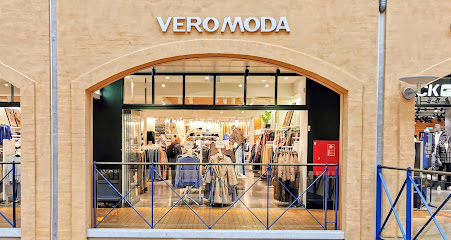
VERO MODA
28.1 km
Central Hillerød fashion stop in SlotsArkaderne, offering accessible Scandinavian women’s style, seasonal collections and easy indoor browsing in a modern mall setting.
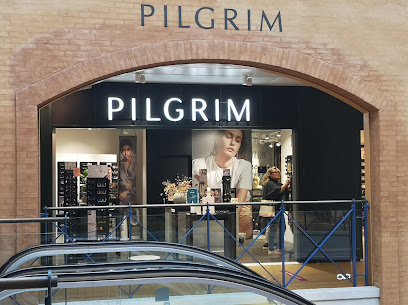
Pilgrim Hillerød Slotsarkaderne
28.1 km
Handcrafted Danish jewellery celebrating personal style, quality, and Scandinavian design.
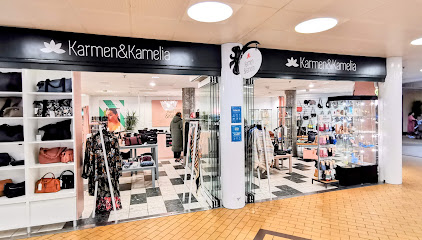
Karmen & Kamelia
28.1 km
A bright, modern jewelry and accessories boutique in Hillerød’s SlotsArkaderne mall, offering handpicked Scandinavian sparkle and easy gift ideas steps from city life.
JACK & JONES
28.1 km
Easygoing menswear and denim inside Hillerød’s main shopping centre, combining Scandinavian style, everyday essentials and smart-casual looks under one roof.

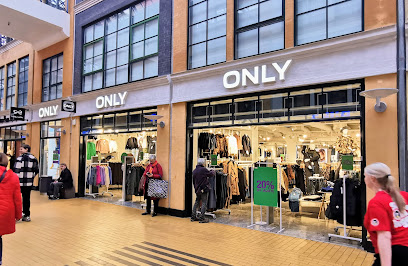
ONLY
28.1 km
Scandi high-street fashion and denim-focused style for women, conveniently located inside Hillerød’s Slotsarkaderne shopping centre.
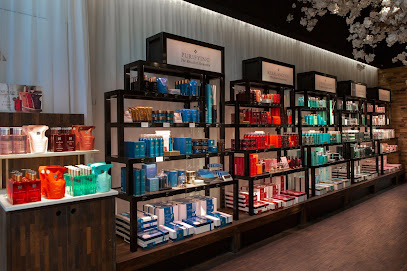
Rituals
28.1 km
Luxury beauty rituals and wellness products in Hillerød's premier shopping destination.
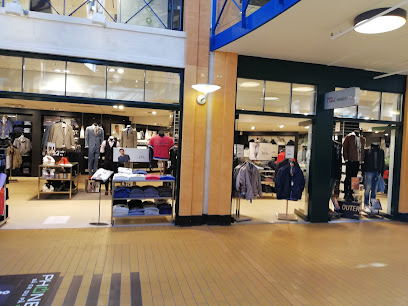
Tøjeksperten
28.1 km
Straightforward men’s style in Hillerød’s main mall, offering wearable brands, practical basics and smarter looks in a compact, weatherproof setting.
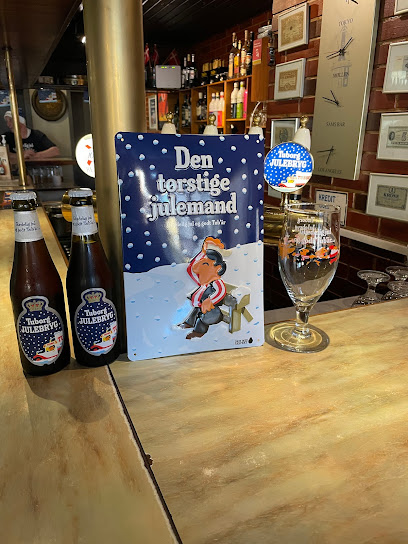
Essential bars & hidden hideouts

Møllen
28.1 km
A welcoming Danish bodega in Hillerød's heart, where locals gather for drinks, snacks, and authentic social connection.
The Old Irish Pub
28.3 km
Lively Irish-style bar and late-night dance venue on Hillerød’s central square, pouring pints, playing hits and catering to a sociable, mature party crowd.
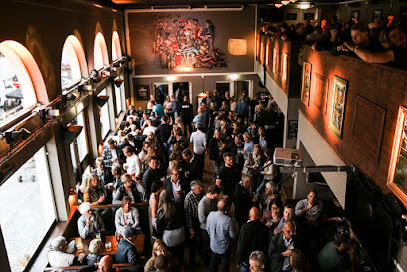
Tahonga Lounge
28.4 km
Intimate tiki-style lounge bar off Hillerød’s central square, blending cocktails, small-stage events and private parties in a cozy tropical hideaway.
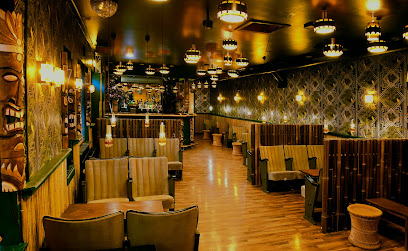
Crane Brothers
28.4 km
Cosy cocktail bar on Hillerød’s main square, blending inventive drinks, warm design and a relaxed, grown-up atmosphere with access to the adjacent Tahonga Lounge.
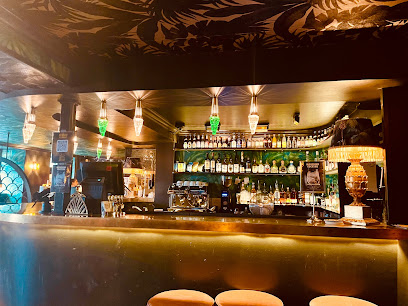
Jernstangen
28.9 km
Old-school Hillerød pub opposite the station, with billiards, darts, dice games and live music nights in a laid‑back, locals-first atmosphere.
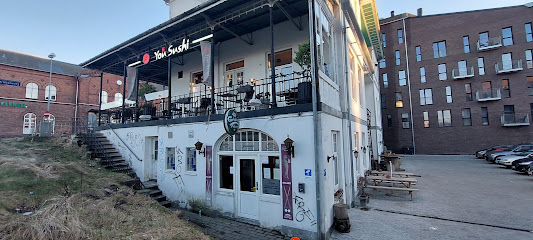
Teatercaféen
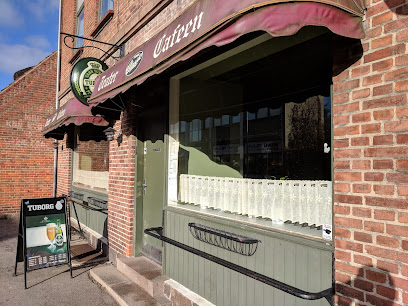
39.0 km
Unpretentious local beer hall in Roskilde where everyday life, cheap drinks and warm conversation matter more than design or trends.
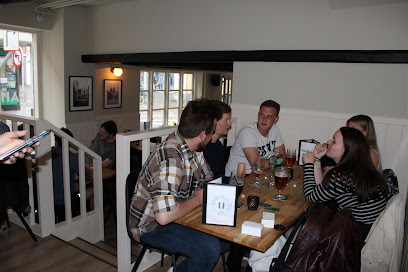
PAUSE
39.6 km
Intimate wine and beer bar in Roskilde's historic center, celebrating Nordic hospitality and craft beverages.
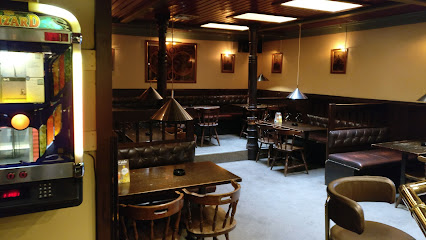
Ruder Konge Bodega
39.7 km
A timeworn Danish bodega in central Roskilde, offering cheap beer, pool tables and unpretentious pub life just off the city’s main pedestrian street.
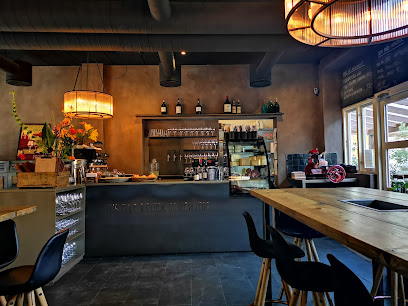
PROP Vin og Tapasbar
39.7 km
Intimate Roskilde wine bar pairing curated bottles with Mediterranean-inspired tapas in a candlelit room and sheltered courtyard, strictly for a relaxed 25+ crowd.
Gullanden
39.8 km
An unpretentious Roskilde pub with darts, DJ nights, cold beer and a loyal local crowd, where evenings stretch easily into the early hours.
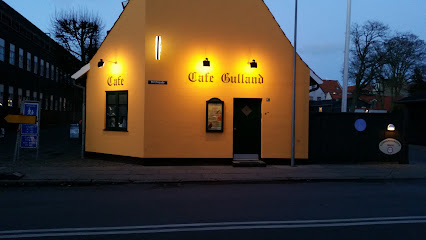
28 Live
39.9 km
A lively “youth club for adults” in central Roskilde, blending bar, games, live shows, sport and nightclub energy under one sociable roof.
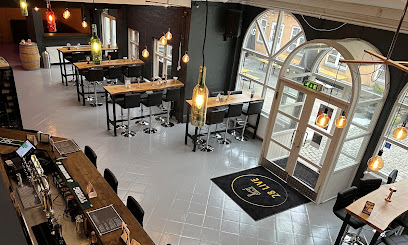
Klosterkælderen
39.9 km
Roskilde's premier craft beer cellar with 200+ beers and authentic Danish pub charm.
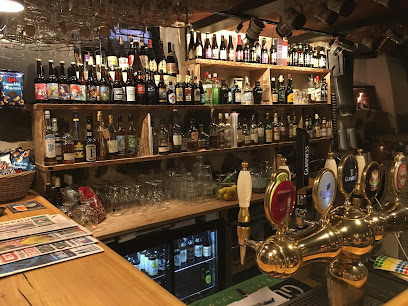
Mulligans Irish Pub
40.0 km
Authentic Irish pub in two storeys with live music, craft beers, and vibrant social atmosphere in central Roskilde.
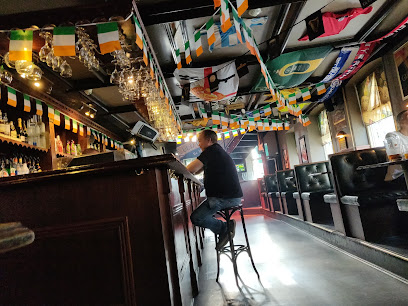
Gustav Wieds - Byens Ølbar
40.0 km
Craft-focused neighbourhood beer bar in central Roskilde, combining eight rotating taps, a cosy wooden interior, jukebox tunes and billiards in a relaxed local atmosphere.
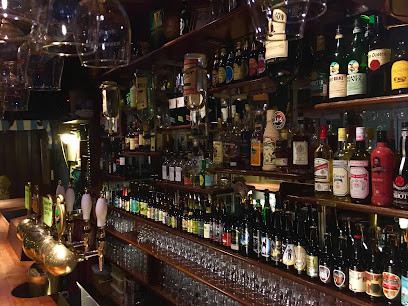
Copé Lounge
40.0 km
Urban lounge bar by Roskilde’s main square, blending backyard summer vibes, easygoing cocktails and cosy Danish hygge late into the night.
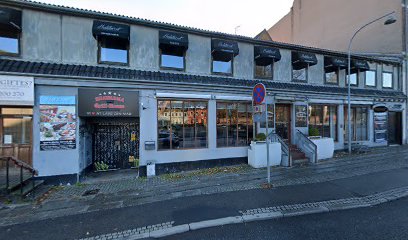
Nightclubs & after hour spots

Club El Diablo
26.2 km
Adults-only entertainment venue offering a discreet, welcoming atmosphere for private social experiences.
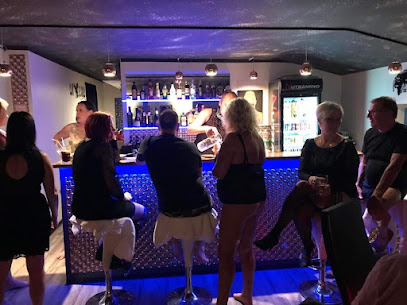
Socialz
28.1 km
Intimate cocktail bar and nightclub in the heart of Hillerød, blending shisha lounge vibes, late-night DJ sets and a compact dance floor on lively Slotsgade.
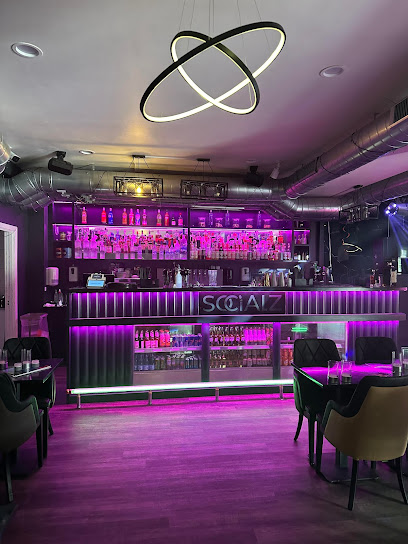
Den Dansende Viking
31.1 km
High-energy suburban nightclub in Egedal Centret, serving packed dance floors, late-night DJ sets and budget-friendly drinks for party-focused weekends.
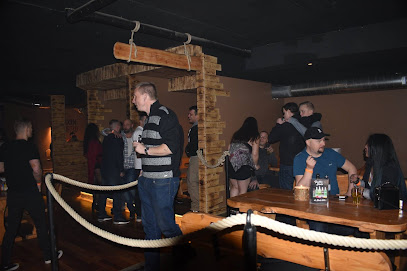
Danseriet
39.6 km
Frivilligdrevet danseklub i Roskilde med stort dansegulv, livebands og hyggelig stemning for danseglade gæster på tværs af aldre og niveauer.
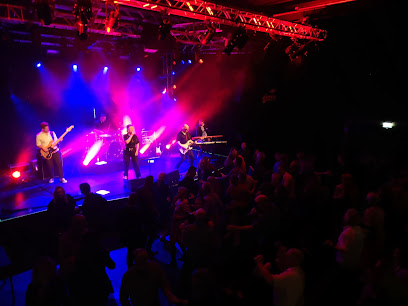
Garbos Roskilde
40.0 km
Cozy neighborhood nightclub in central Roskilde, blending casual bar vibes with a compact dance floor and late-night weekend energy on Hersegade.

Dansebar Roskilde
40.1 km
Roskilde's premier multi-floor nightclub with dual dance spaces, three bars, and DJ-driven energy until dawn.
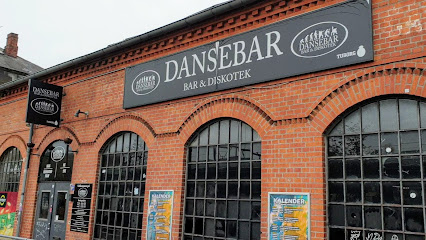
Rytmisk Musikforening Steps Ahead
41.1 km
Dynamic live music venue in Roskilde, specializing in jazz and contemporary genres, with an intimate setting and vibrant community engagement throughout the year.
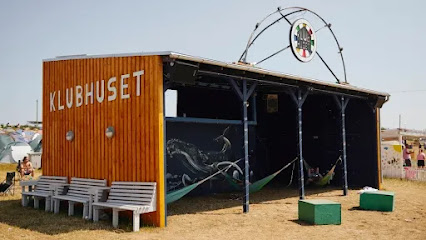
Klubhuset
42.2 km
Low-key local clubhouse turned disco-style nightspot, where a simple bar, small dance floor and regulars’ vibe create relaxed, unpretentious nights in Roskilde.
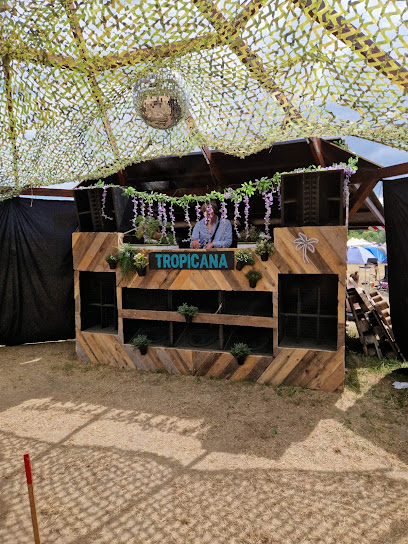
Tropicana DC
42.3 km
Compact Latin-flavoured nightclub on Roskilde’s industrial edge, delivering loud beats, simple drinks and a late-night dancefloor focused purely on partying.
Walther's grillkylling og svuppeklub
43.0 km
Intimate neighborhood nightclub in Helsingør with loud music, simple drinks, and a playful local vibe behind an unassuming facade on Rødegårdsvej.

Rustik
47.3 km
Helsingør's premier weekend nightclub with craft cocktails and high-energy dancing until dawn.
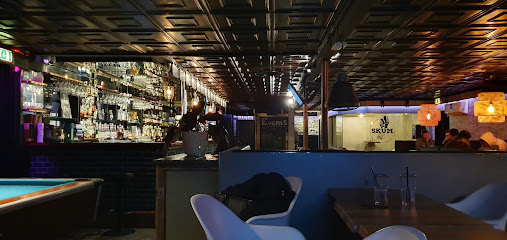
Retro
47.6 km
High-energy weekend nightclub in central Helsingør, mixing big-room beats, bright lights and a young crowd in what calls itself the largest club north of Copenhagen.
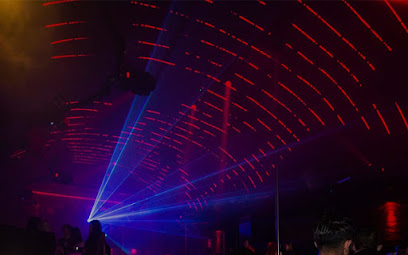
Afrobeat Palace Nightclub
52.2 km
Discover the energetic Afrobeat Palace Nightclub in Copenhagen, where music, dance, and multicultural vibes unite for an unforgettable nightlife experience.
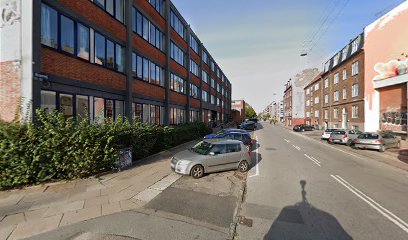
Falafelberg
53.0 km
Discover the pulsating nightlife of Frederiksberg at Falafelberg, a night club offering delicious falafel and electrifying music for an unforgettable experience.
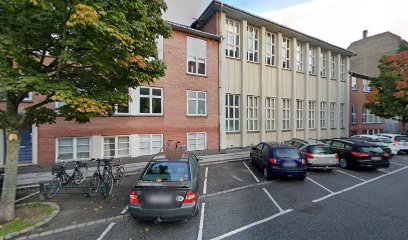
SIGURD CPH
53.1 km
Discover the pulse of Copenhagen's nightlife at SIGURD CPH, where vibrant dancing, fine wines, and pachinko gaming come together for an unforgettable experience.
For the vibe & atmosphere seeker
- Scenic
- Tranquil
- Relaxing
- Unique
- Casual
For the design and aesthetic lover
- Vintage Styles
- Rustic Designs
For the architecture buff
- Historic
- Landmarks
- Parks & Gardens
- Heritage Neighborhoods
- Viewpoints
For the view chaser and sunset hunter
- Iconic Views
- Panoramas
- Sunset Spots
For the social media creator & influencer
- Photo Spots
- Selfie Spots
- Architectural Shots
- Instagrammable
- Reel-Friendly
For the eco-conscious traveler
- Low Impact
- Public-Transport Accessible
- Locally Managed
For the kind of experience you’re after
- Cultural Heritage
- Photowalk
- Mindfulness
- Nature Escape
- Day Trip
- Roadtrip Stop
- Myth & Legends
For how adventurous you want the journey to be
- Easy Access
- Seasonal Only
Location Audience
- Family Friendly
- Senior Friendly
- Child Friendly
- Teen Friendly
- Solo Friendly
- Couple Friendly
- Solo Female Friendly
- Vegetarian Friendly
- Vegan Friendly


