

Hammerichs Hus – Hammerich House, Ærøskøbing
Step into Hammerichs Hus, where crooked half‑timbered houses, porcelain‑lined walls and an artist’s eclectic treasures preserve the intimate charm of old Ærøskøbing.
Tucked into a narrow lane in Ærøskøbing’s old town, Hammerichs Hus is a trio of crooked, half‑timbered houses from the 17th and 18th centuries that feel like a time capsule. Once the holiday home of sculptor and collector Gunnar Hammerich, this branch of the Ærø Museum preserves his wonderfully cluttered interiors, porcelain‑lined walls and cabinets of curiosities, offering an intimate glimpse into island life, taste and artistry in the early 20th century.
A brief summary to Hammerich House • Aero Museum
- Gyden 22, Ærøskøbing, 5970, DK
- +4562522950
- Visit website
- Duration: 0.5 to 1.5 hours
- Budget
-
 Indoor
- Mobile reception: 4 out of 5
Local tips
- Combine Hammerichs Hus with the main Ærø Museum on the same day; a combined ticket often covers both sites and helps you understand the island’s history and this house in context.
- Watch your head and step: ceilings are low and floors uneven in these old houses, so comfortable, low‑heeled shoes make it easier to navigate the narrow stairs and thresholds.
- Allow unhurried time upstairs to enjoy the porcelain room; stand back to take in the overall pattern, then move closer to spot tiny scenes and motifs on individual tiles and plates.

For the on-the-go comforts that matter to you
- Restrooms
- Seating Areas
- Information Boards
Getting There
-
Ferry and walk from Ærøskøbing harbour
Arrive on Ærø by ferry to Ærøskøbing from Svendborg, Faaborg or Fynshav; crossings usually take 60–75 minutes and foot passenger tickets generally cost around 120–170 DKK one way. From the harbour, Hammerichs Hus is within a short, level walk through the old town on cobblestones, suitable for most visitors with moderate mobility, though very uneven surfaces and narrow pavements can be challenging for some wheelchairs.
-
Local bus within Ærø
If you are staying elsewhere on Ærø, use the island’s local buses, which typically connect Søby and Marstal with Ærøskøbing several times a day and are often free or low‑cost. Travel times to Ærøskøbing are usually 20–40 minutes depending on the starting point. The bus stops near the town centre; from there expect a brief walk on historic streets to reach the house, with limited seating en route and no shelter in heavy rain.
-
Car or bicycle on island roads
Driving from other parts of Ærø to Ærøskøbing typically takes 15–25 minutes on narrow country roads. Parking for cars is available at designated areas around the edge of the old town, from which you complete your visit on foot. Cycling is a popular way to reach the town in 20–40 minutes from nearby villages, but be prepared for occasional hills, variable wind and sharing the road with local traffic.
Hammerich House • Aero Museum location weather suitability
-
 Any Weather
-
 Rain / Wet Weather
-
 Cold Weather
-
 Mild Temperatures
-
 Hot Weather
Discover more about Hammerich House • Aero Museum
A crooked cluster of historic town houses
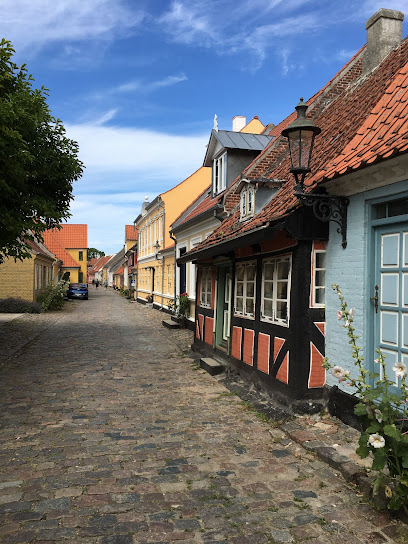
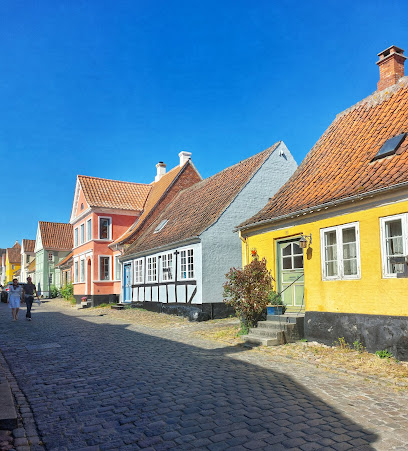
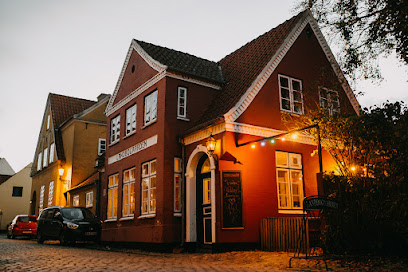
Hammerichs Hus sits quietly on Gyden, one of Ærøskøbing’s narrowest lanes, its low, half‑timbered facades leaning gently over cobblestones worn smooth by centuries of footsteps. The museum occupies a trio of adjoining houses dating from the 17th and 18th centuries, each with its own angles, sagging beams and tiny-paned windows that speak of the town’s long maritime and merchant past. Step through the modest doorway and you cross from a picturesque street into an interior largely untouched for decades. Rooms are small, ceilings low and floors uneven, a reminder that these were working homes in a busy harbour town rather than grand townhouses. Limewashed walls, exposed timber and old stove niches hint at earlier domestic lives long before the museum era. The compact scale makes the whole place feel more like entering someone’s private world than visiting a formal institution.The sculptor who turned a home into a collection
From 1916 until his death in 1977, Danish sculptor Gunnar Hammerich used this cluster of houses as his holiday retreat and personal cabinet of curiosities. Drawn to Ærøskøbing’s atmosphere and soft island light, he gradually filled the rooms with objects that caught his eye: antiques, folk art, maritime mementos and decorative pieces from Denmark and beyond. He intended that both the houses and his collection would be preserved together, and Hammerichs Hus now forms a distinctive branch of the wider Ærø Museum. Rather than a neatly labelled gallery, the museum preserves Hammerich’s own, slightly eccentric sense of order. Everyday furniture stands alongside carved chests and painted trunks, while small sculptures and figurines appear on windowsills, tabletops and shelves. This layered environment offers insight into the tastes of an early 20th‑century artist fascinated by history, craftsmanship and the character of Ærøskøbing.Rooms overflowing with porcelain and curiosities
One of the most memorable spaces is the upstairs room where more than three thousand blue‑and‑white tiles and plates line the walls, creating a dense, almost shimmering surface. The motifs range from floral patterns to scenic views and stylised figures, turning the room itself into a kind of three‑dimensional artwork. It feels part private collection, part stage set, and rewards slow, close looking to pick out repeated themes and tiny variations. Elsewhere you find shelves stacked with glassware, clocks, small paintings and oddities that defy easy classification. A corner might hold a ship model beside a religious carving, while another juxtaposes rustic ceramics with refined porcelain. There is a sense of abundance rather than minimal curation, inviting you to follow your own curiosity instead of a prescribed route. Children often enjoy spotting the most unusual object in each room, while adults may linger over workmanship and patina.A quiet window into Ærøskøbing’s past
Beyond Hammerich’s personal story, the house offers a lens onto Ærøskøbing itself. The low rooms, deep window recesses and thick walls reflect a time when the town was a modest but prosperous harbour, its merchants and craftsmen closely tied to the sea. Decorative pieces with nautical themes echo the island’s seafaring connections, while local furniture styles and textiles ground the collection firmly on Ærø. Because the house has not been heavily modernised, many original details remain visible: worn stair treads, old doors with iron latches, and glimpses of the timber frame in odd corners. Looking out of an upstairs window, you see tiled roofs and twisting lanes that reinforce how closely the museum is woven into the historic fabric of the town, rather than standing apart from it.Visiting as part of the Ærø Museum story
Hammerichs Hus is administratively part of the Ærø Museum, and a combined ticket typically gives access to both the main museum in the former sheriff’s house and this more intimate satellite. Many visitors start with the broader island story before wandering over to Gyden to experience it at a personal scale. In contrast to larger, text-heavy exhibitions, Hammerichs Hus invites a slower, more atmospheric visit focused on mood and detail. Expect to spend around an hour inside, moving carefully through the compact rooms and narrow staircases. Space can feel tight when it is busy, but quieter moments enhance the sense of stepping into another era. For those who enjoy half‑timbered architecture, collecting, or the feeling of walking into a lived-in historic interior, Hammerichs Hus offers one of Ærøskøbing’s most characterful stops.Iconic landmarks you can’t miss

Danish Island Weddings
0.1 km
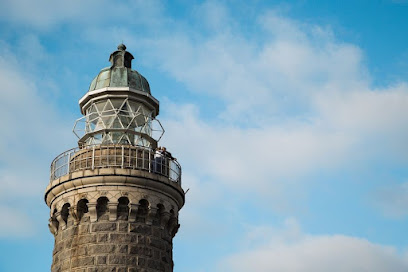
Experience the magic of weddings on the enchanting Danish island of Ærø, where love meets scenic beauty and unforgettable memories are made.
På Torvet
0.1 km
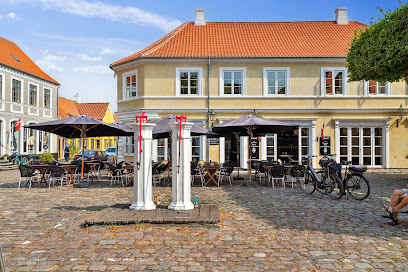
Experience the unique charm of På Torvet in Ærøskøbing, where historic beauty meets modern comfort in the heart of Denmark.
Andelen Guesthouse
0.2 km
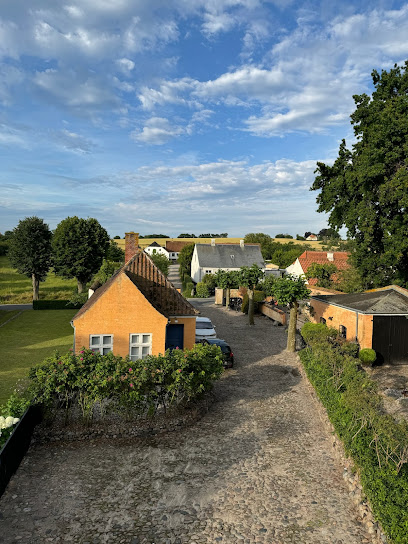
Discover the charm of Ærøskøbing at Andelen Guesthouse, your cozy retreat in the heart of Denmark's picturesque island.
Hotel Ærøhus
0.2 km
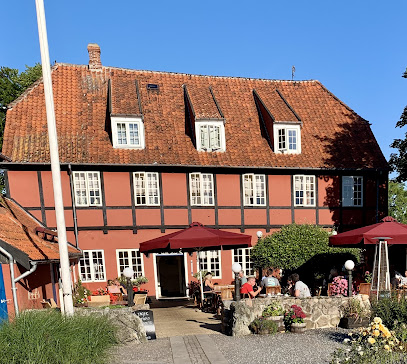
Historic hotel in the heart of Ærøskøbing known for its authentic Danish charm, lush gardens, and local island cuisine—a perfect base for exploring Ærø.
Ærøfærgerne
0.2 km
Experience the scenic ferry ride to Ærø Island via Ærøfærgerne, where Danish charm meets breathtaking coastal views.
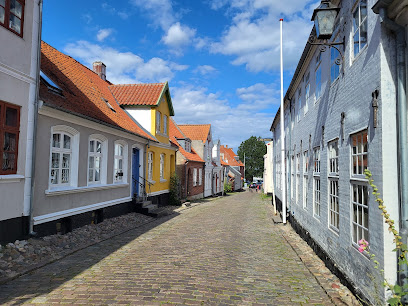
Hattesens Konfektfabrik Aps
0.2 km
Discover the sweet artistry of traditional Danish liquorice at Hattesens Konfektfabrik Aps in scenic Ærøskøbing.
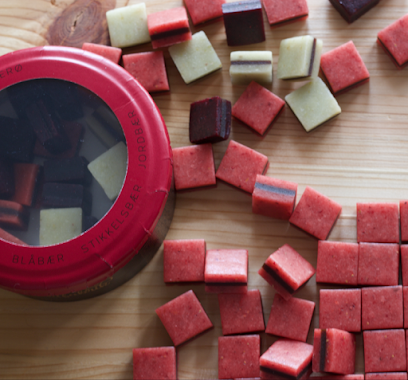
Ærø Turist & Erhverv
0.2 km
Explore the beautiful island of Ærø with expert insights and resources from Ærø Turist & Erhverv, your local tourist information center.
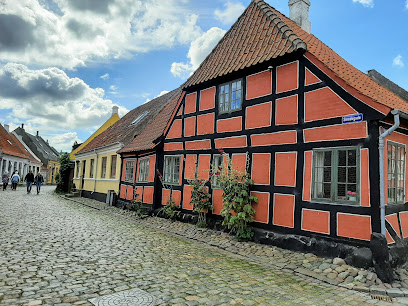
Rise Kirke
3.9 km
A quietly beautiful 12th‑century countryside church on Ærø, where whitewashed walls, historic graves and open fields tell the island’s rural and seafaring story.
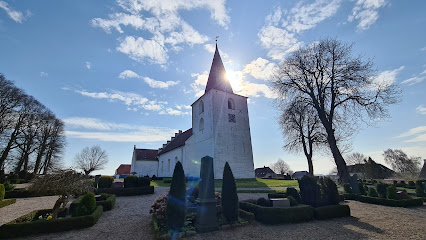
Forladt skorsten
6.0 km
A haunting brick ruin marking Ærø's vanished industrial era, standing silent on the island's edge.
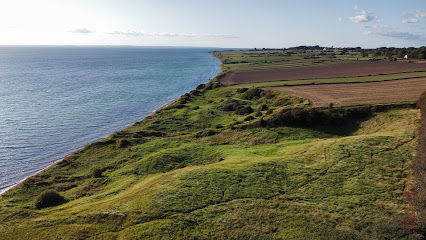
Bregninge Kirke
6.5 km
Medieval island church on a gentle Ærø hillside, where whitewashed stone, quiet fields and seafaring stories meet in a calm, contemplative setting.
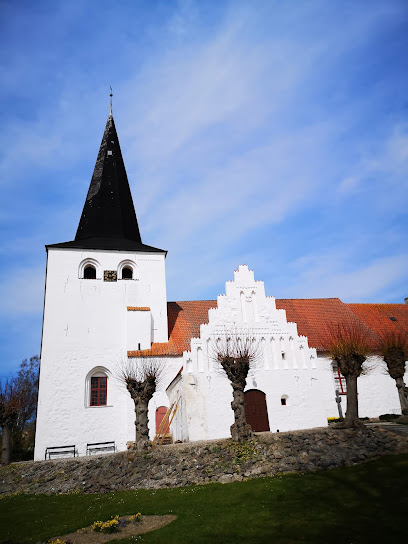
Monument for Danske Sømænd
7.9 km
A modest harbourfront memorial in Marstal that quietly honours generations of Danish sailors who left this island port and never returned from the sea.
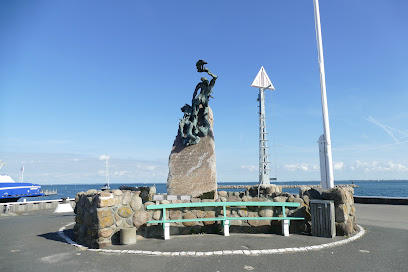
Langdyssen "Kong Humbles Grav"
19.9 km
A 55‑metre Stone Age long dolmen in the fields north of Humble, where legend, prehistoric engineering and soft Langeland landscapes meet in quiet simplicity.
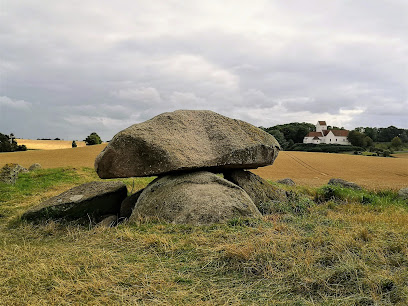
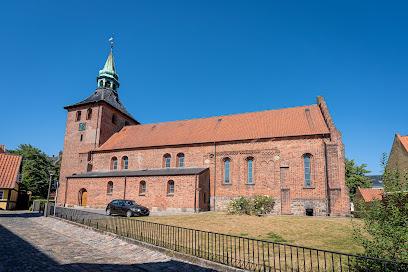
Saint Nicolai's Church
22.7 km
Svendborg’s oldest church and a quiet seafaring sanctuary, where red-brick medieval walls and a calm, whitewashed interior meet just off lively Gerritsgade.
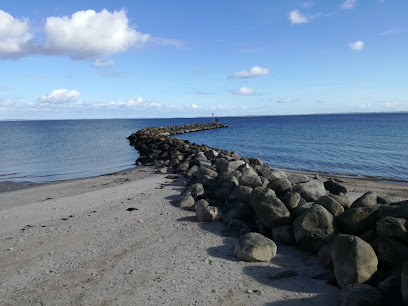
Hafenbune Mommark
23.8 km
Discover the laid-back maritime allure and coastal serenity of Hafenbune Mommark, a historic harbour hub on the southeast shores of scenic Als, Sønderjylland.
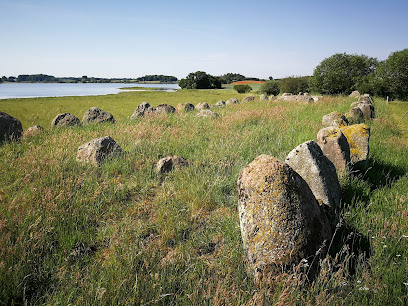
Hulbjerg | Burial site from the Peasant Stone Age
24.5 km
Explore Hulbjerg Passage Grave on Langeland, a fascinating Neolithic burial site offering a unique glimpse into Denmark's prehistoric past and the lives of the Funnelbeaker culture.
Unmissable attractions to see

Ærøskøbing Bymuseum • Ærø Museum
0.1 km
A 1775 sheriff's house revealing Ærø's maritime heritage and border-crossing history.
Ærø Whiskey Destilleri
0.1 km
Island-crafted single malt whisky with complete grain traceability and legendary local oak maturation.

Ærøskøbing Church
0.1 km
An 18th‑century island church with medieval roots, blue maritime pews and hanging model ships, offering a quiet window into Ærø’s seafaring soul.
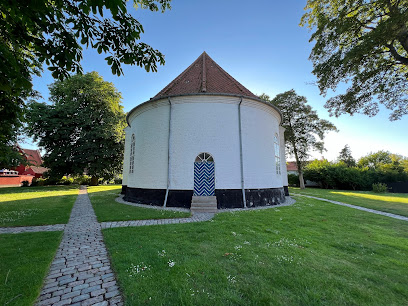
Flaske-Peters Samling
0.1 km
An intimate maritime museum in Ærøskøbing’s old poorhouse, filled with Flaske-Peter’s extraordinary ships in bottles and miniature seafaring worlds in glass.
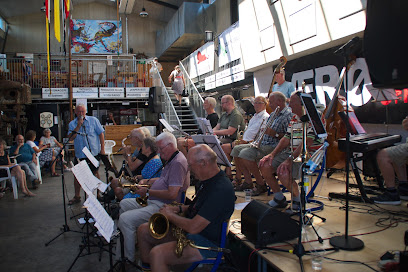
Ærø Jazzfestival
0.3 km
An intimate summer jazz festival in an old island shipyard, where harbour history, Nordic light and live music blend into long, atmospheric nights.
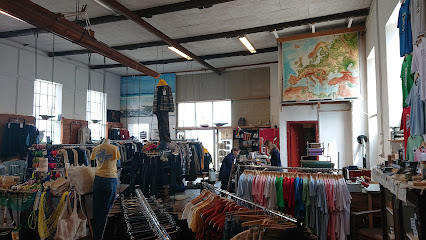
Det Gamle Værft
0.3 km
A working harbor shipyard turned hands-on maritime hub, where traditional crafts, nautical style, and Ærø’s seafaring heritage come together by the quayside.
Naturlegepladsen & shelters
0.7 km
A modest island playground and shelter spot on Ærø’s edge, blending simple outdoor fun, family-friendly space and back-to-basics overnight stays under open skies.
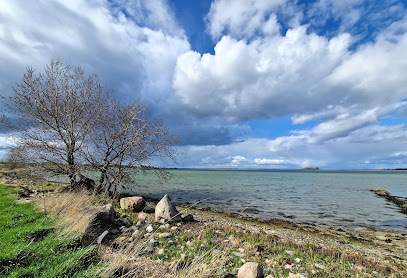
Badehuse ved Vestre Strandvej
1.2 km
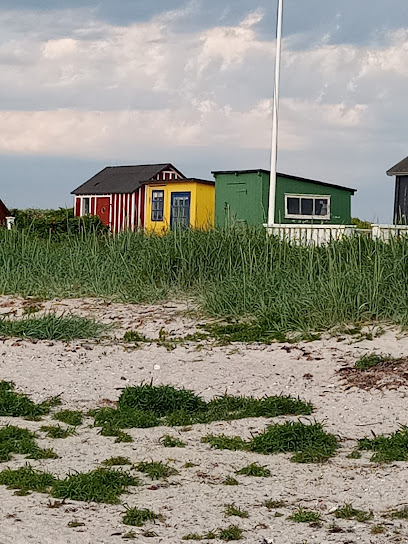
A ribbon of tiny, colourful wooden bath huts on Ærøskøbing’s Vesterstrand, blending living island tradition with one of Ærø’s most scenic, swimmable beaches.
Mindesten for Edvard Biering
3.2 km
A modest roadside memorial on Ærø, honouring district doctor Edvard Biering and offering a quiet glimpse into the island’s everyday history.
Mindesten for Ærøs Samling
3.6 km
Discover Marstal’s colorful beach cabins—historic bathing huts lining the Ærø coast, embodying Danish maritime heritage, island nostalgia, and waterfront charm.
Ærø
3.6 km
Storybook streets, gentle Baltic seascapes and a quietly ambitious island community make Ærø a slow-travel haven in Denmark’s South Funen Archipelago.
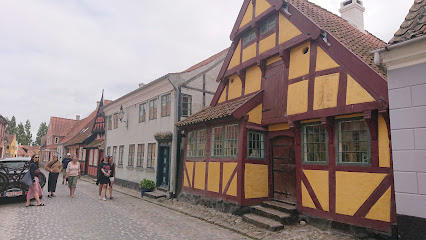
Ærø Bryggeri
4.3 km
Craft beer, island heritage, and authentic Danish hospitality in a historic microbrewery.
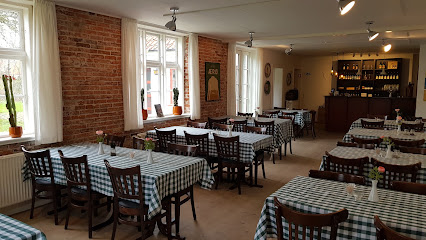
Ærø Flyveplads
4.8 km
A small grass airfield in Ærø’s countryside, where island tranquillity meets light aircraft, scenic flights and colourful community events under wide open skies.
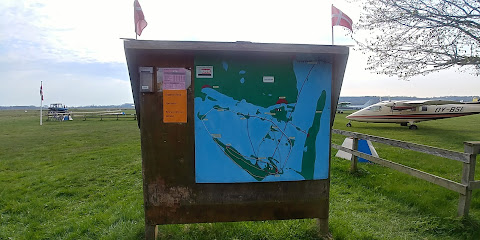
Strandbyen Havn
5.3 km
Small, scenic marina and beachside hideaway on Ærø’s eastern tip, where simple harbour life, camping and open seascapes meet in a quietly charming setting.
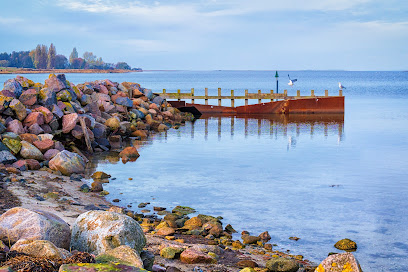
Voderup Klint
5.5 km
Terraced coastal cliffs where Ice Age geology, open sea views and tranquil island farmland meet in one of Ærø’s most distinctive natural landscapes.
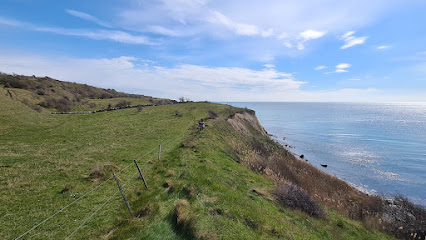
Essential places to dine

Hotel The Monica
0.0 km
Experience personalized luxury and island charm at Hotel The Monica in Ærøskøbing.
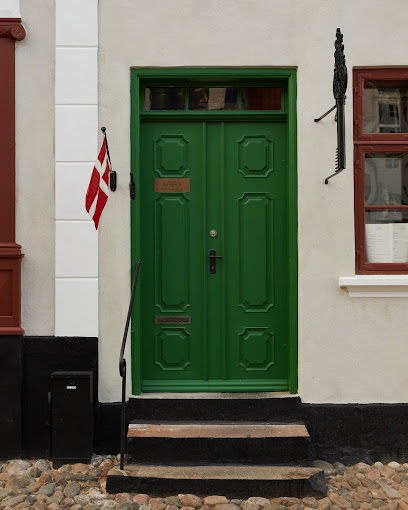
Cafe På Torvet
0.1 km
Island hospitality and local flavors in Ærøskøbing's beloved main square café.
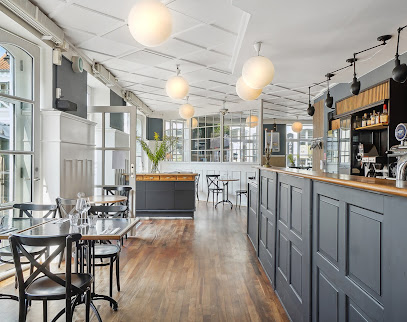
Badehotel Harmonien
0.1 km
Historic 1850s Danish seaside hotel with Baltic views, Italian dining, and waterfront garden in charming Ærøskøbing.
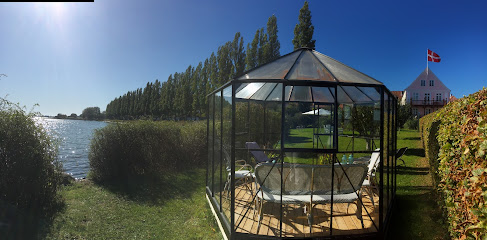
Arnfeldt Hotel & Restaurant
0.1 km
Small, design‑driven island hotel and ambitious restaurant in the cobbled heart of Ærøskøbing, where fairytale streets meet inventive Nordic cooking.
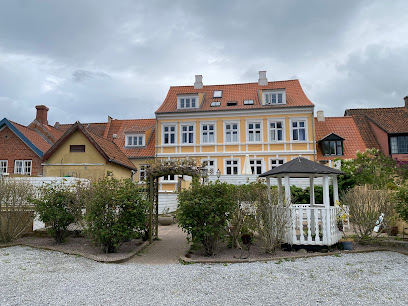
Bang’s Mad & Vinbar
0.1 km
Intimate Nordic wine bar serving seasonal small plates in charming Ærøskøbing.
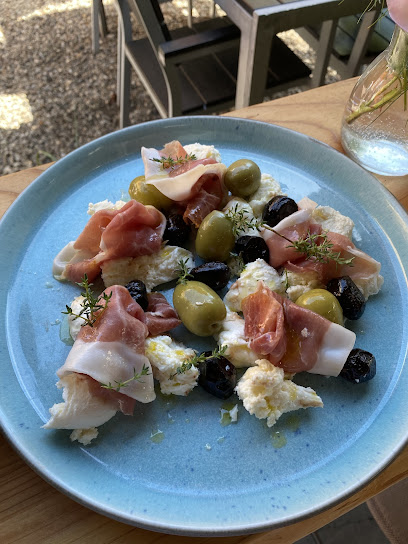
Restaurant MUMM
0.1 km
Candlelit steaks, fresh Ærø fish and thoughtful vegetarian dishes served in a cosy, long-loved dining room on cobbled Søndergade in the heart of Ærøskøbing.
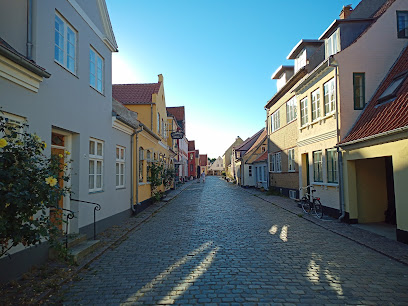
Den Hemmelige Café
0.1 km
A cosy “secret” café hidden behind a shopfront in fairytale Ærøskøbing, serving quality coffee, home-baked cakes and light lunches wrapped in pure Danish hygge.
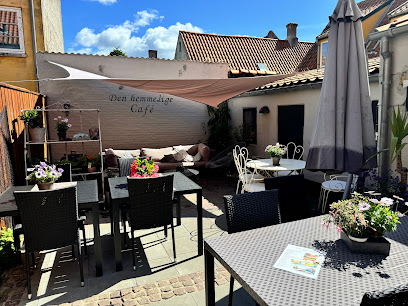
Landbogården
0.1 km
Ærø's oldest restaurant since 1919, where homemade Danish cuisine meets warm island hospitality.
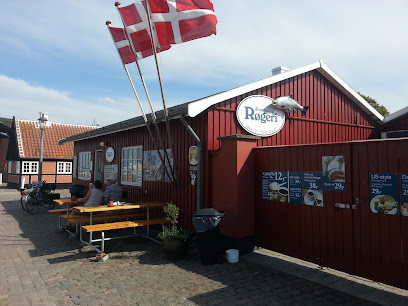
Ærøskøbing Røgeri
0.2 km
Ærø's iconic harbor smokehouse serving freshly prepared smoked fish in a relaxed waterfront setting.
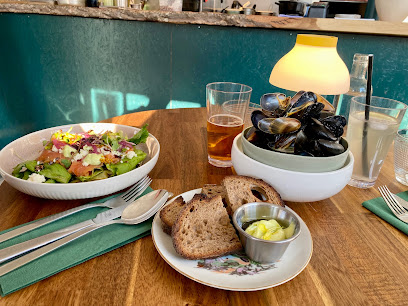
Kraut & Koala
0.2 km
Intimate harbourfront restaurant and wine bar in Ærøskøbing, marrying seasonal island produce with thoughtful European flavours in a warm, candlelit setting.
Havnegrillen Ærøskøbing YST
0.3 km
Honest harbor grill where ferries meet food, and Danish classics taste best by the sea.
Vindeballe Kro
3.9 km
Historic yellow island inn from 1888 in Ærø’s quiet countryside, serving hearty Danish cuisine and offering simple, characterful rooms for slow travelers.
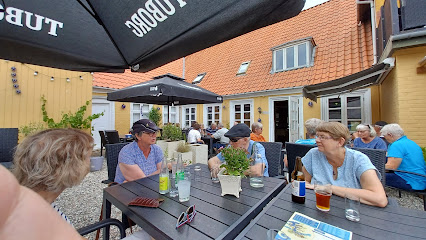
Dunkær Kro
4.5 km
Roadside inn, workers’ pub and countryside stop rolled into one, Dunkær Kro serves hearty Danish fare and local atmosphere on the quiet back roads of Ærø.
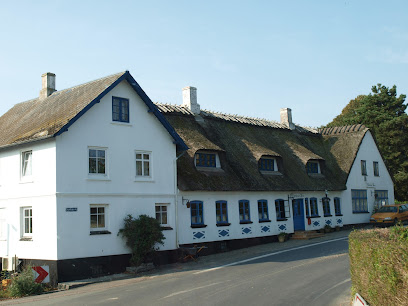
Restaurant Udsigten Marstal
7.4 km
Coastal Danish cuisine in a cosy seaside hotel setting, with sweeping views over the South Funen Archipelago from dining room, conservatory and terrace.
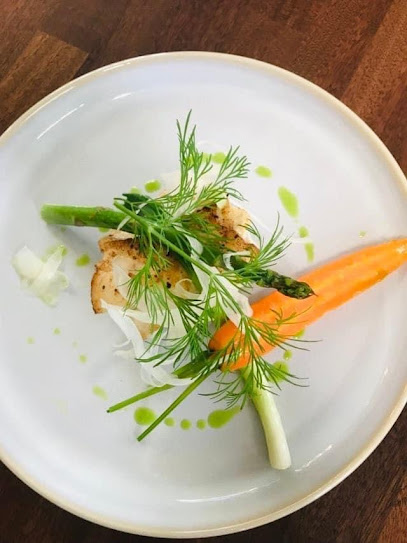
Hotel Udsigten Marstal
7.4 km
Laid-back waterfront hotel on Ærø where nearly every room faces the Baltic and Marstal’s maritime charm is just a shoreline stroll away.

Markets, malls and hidden boutiques

Gyden 13
0.0 km
A cosy fashion accessories hideaway on a cobbled lane in Ærøskøbing, where retro-inspired pieces and Danish simplicity meet island charm and slow travel.
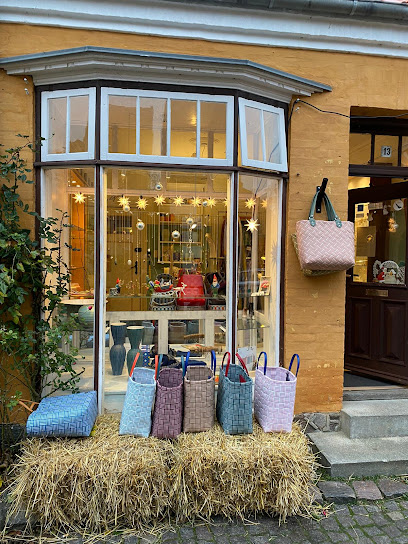
Shop
0.0 km
Atmospheric lifestyle and gift shop on Brogade in Ærøskøbing’s old town, blending traditional hardware-store roots with cozy Danish design and island-inspired finds.
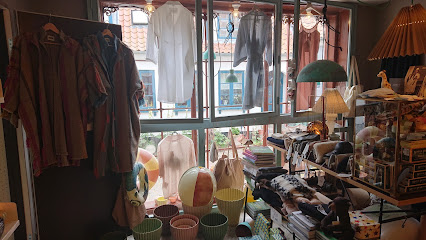
Ærøskøbing City Museum Kiosk & Bookstore
0.0 km
A cosy little museum shop in Ærøskøbing’s old sheriff’s house, pairing kiosk charm with curated books and souvenirs that tell the story of Ærø island.
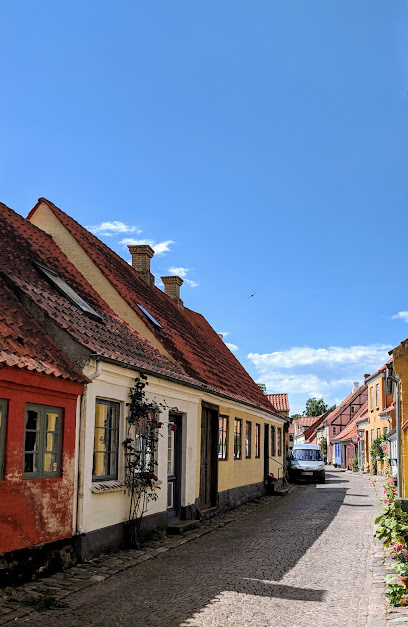
Den Gamle Købmandsgaard
0.1 km
Historic island grocer and café where Ærøskøbing's maritime heritage meets contemporary artisanal food culture.
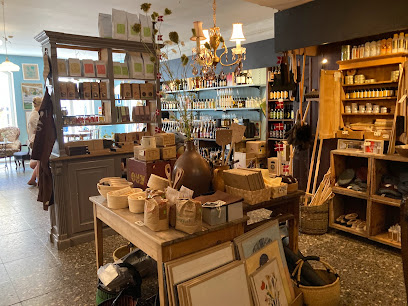
Kunstmågen
0.1 km
Artistic supplies and creative workshops in the heart of Ærøskøbing's charming historic square.
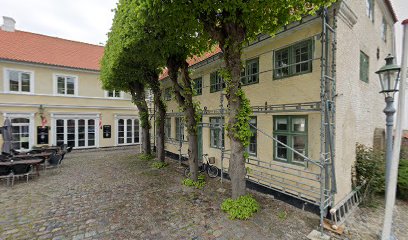
Garna
0.1 km
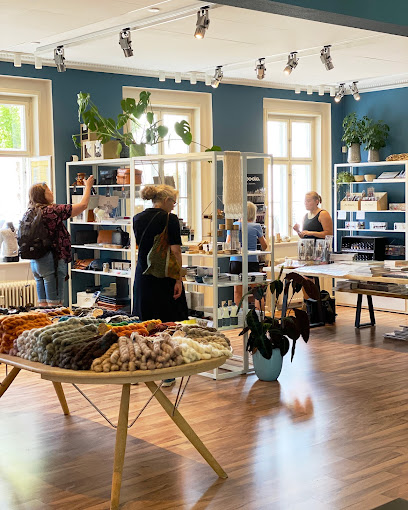
A serene yarn and design boutique in Ærøskøbing’s old savings bank, where natural fibres, thoughtful details and island calm invite you to slow down and create.
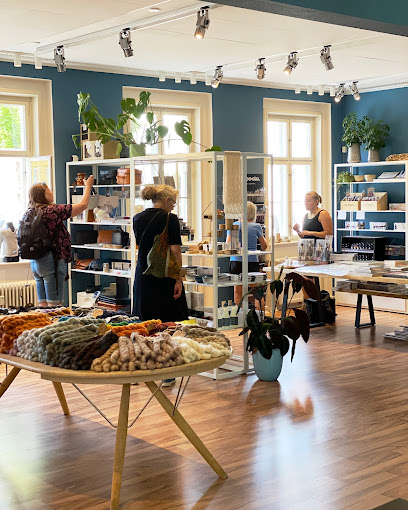
Island Living Ærø
0.1 km
A cosy craft, yarn and leather shop on Ærøskøbing’s main square, where Nordic design, island inspiration and tactile materials come together in one intimate space.
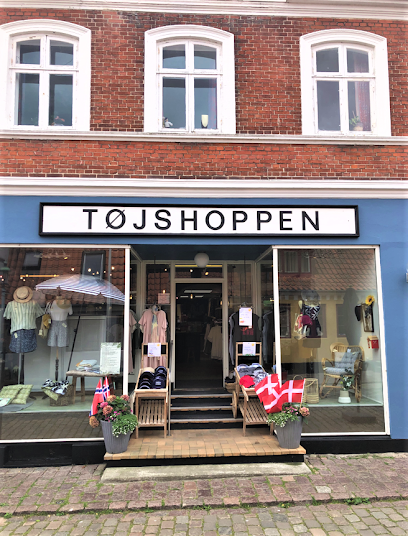
Tøjshoppen
0.1 km
Practical island clothing and home textiles in the heart of Ærøskøbing’s cobbled old town, ideal for topping up your wardrobe or holiday cottage essentials.
Verdens Mindste Stormagasin
0.1 km
A delightfully tiny “world’s smallest department store” in Ærøskøbing, brimming with island-made crafts, nostalgic curiosities and small-town Danish charm.
Blandede Bolcher
0.1 km
A tiny Søndergade shop where antiques, toys and curiosities spill from every corner, offering a nostalgic, treasure-hunt pause in fairytale Ærøskøbing.
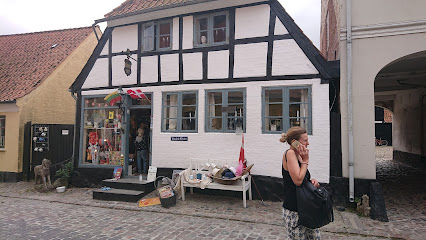
Den Gamle Isenkram
0.1 km
Historic boutique blending Danish tradition with contemporary style in Ærøskøbing's charming heart.
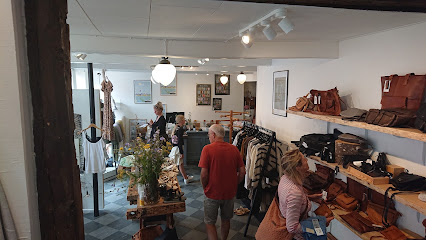
Valk Inter Collection
0.1 km
Intimate Ærøskøbing jewelry studio and gift shop crafting refined, personal pieces in gold and silver amid the cobbled charm of historic Vestergade.
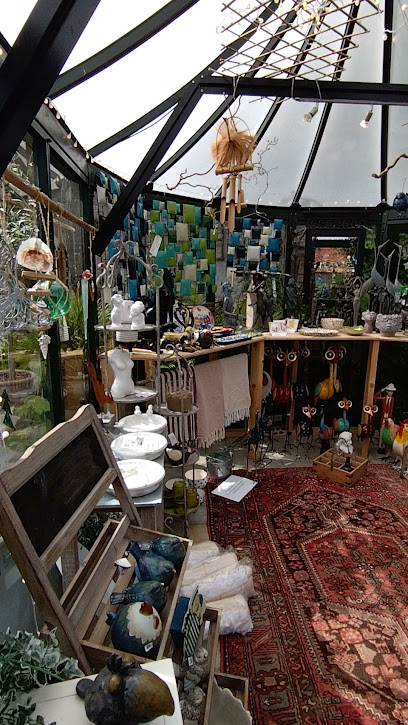
Ærø Glaskunst
0.1 km
Handmade glass art, island-inspired design and a cozy café nook, all tucked into a historic street in the heart of fairytale Ærøskøbing.
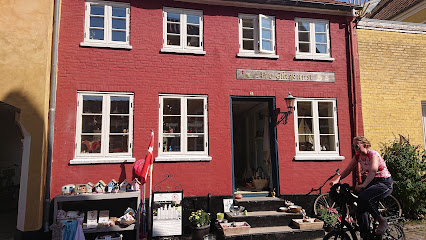
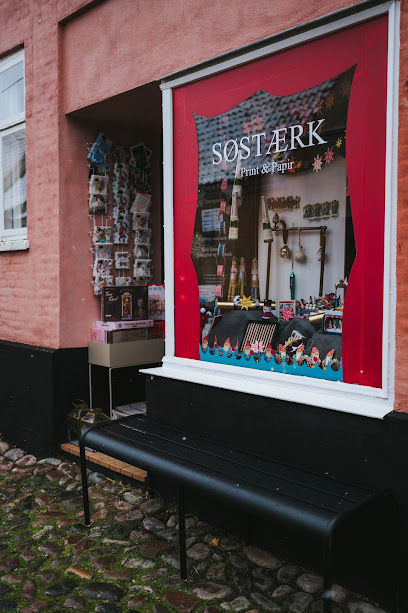
Søstærk Print & Papir
0.1 km
A tiny Ærøskøbing shop devoted to hand-printed stationery, fine pens and the quiet pleasure of handwritten letters and traditional craftsmanship.
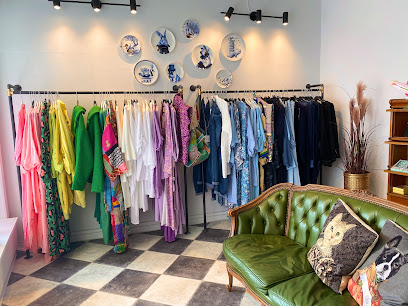
Donna & Miss Daisy
0.1 km
Intimate island boutique in Ærøskøbing’s old town, blending whimsical Scandinavian fashion, thoughtful accessories and personal styling in a cosy, cobbled-street setting.
Essential bars & hidden hideouts

Arrebo
0.2 km
Island pub where locals and visitors gather for live music, cold drinks, and authentic Ærø atmosphere.
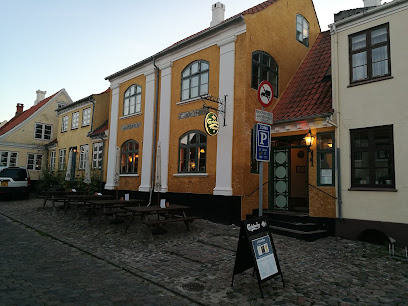
Marstal cafe Den Glade Gris
7.5 km
Cozy island bar in Marstal where locals and visitors share beers, stories and a relaxed slice of Ærø everyday life.
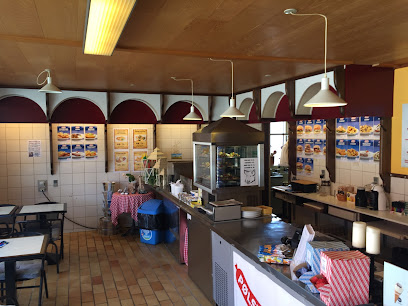
Skipperkroen
7.8 km
Cosy skipper’s bar in central Marstal, serving inexpensive drinks and simple fare in a relaxed, maritime small‑town atmosphere close to the harbour.
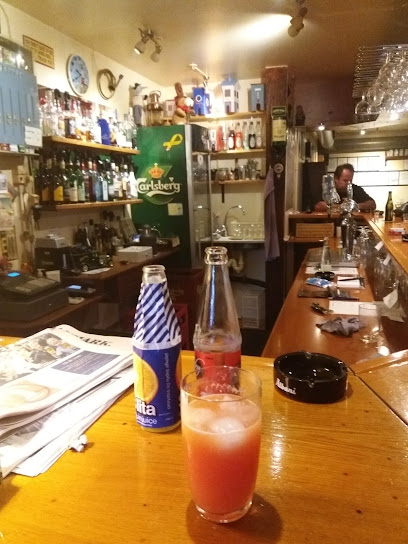
Foley's Pub
7.8 km
Marstal's maritime pub where live music, local brews, and seafaring tales create authentic island nightlife.
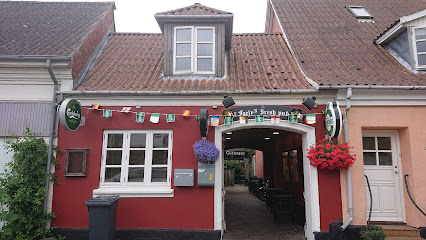
BALLAST BAR BUTIK
7.9 km
Cozy harborfront cocktail bar and woolly boutique in Marstal’s old ferry waiting room, blending inventive drinks, Nordic knitwear and intimate island atmosphere.
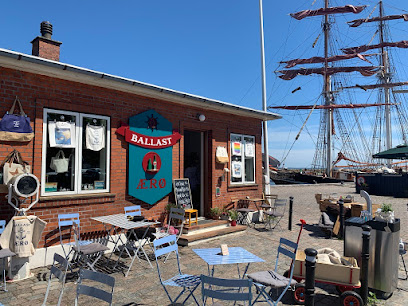
Bar & Café MF Egeskov
8.1 km
Cozy harborfront bar and café on Marstal’s working quay, blending maritime atmosphere, dockside views, and relaxed drinks in the spirit of Ærø’s seafaring life.
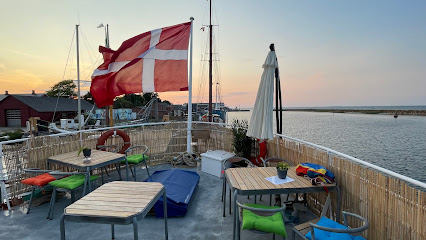
Rådhuskælderen
10.8 km
Cosy cellar bar in Søby’s former town hall, offering simple drinks, local atmosphere and a low‑key glimpse of everyday life on the island of Ærø.
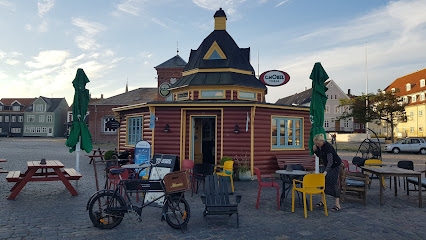
Havnekiosken 6kanten
19.6 km
Quirky octagonal harbour kiosk turned cosy café-bar, serving simple Danish fare and cold beer with front-row views of Rudkøbing’s boats and Langelandsbroen.
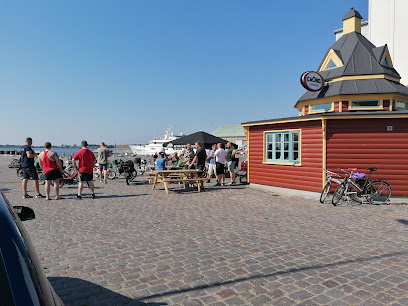
Havnekiosken v/Ole Damgaard Hansen
19.6 km
A tiny historic kiosk-bar on Rudkøbing’s harbor front, serving simple drinks and snacks with big maritime views and the easy rhythm of island harbor life.
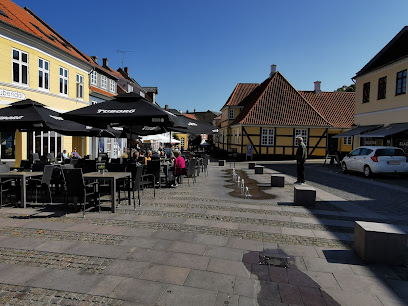
Dybendal
19.8 km
Easygoing local bar on Rudkøbing’s main square, blending billiards, darts and drinks with small‑town atmosphere and summer concerts on the cobbled Torvet.
Sukker
19.9 km
Intimate wine bar where Danish heritage meets Nordic sophistication in historic Rudkøbing.
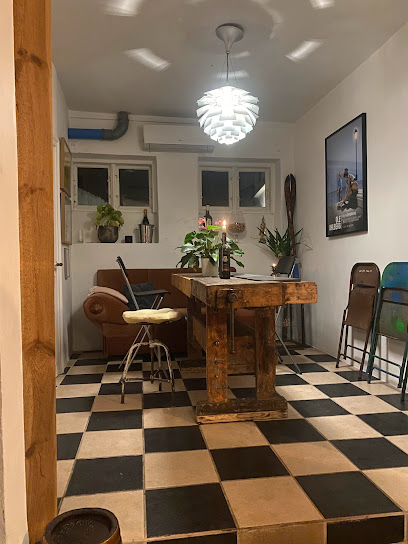
Kasket karl
19.9 km
A classic Rudkøbing bodega where locals gather for cold beer, warm conversation, and an authentic slice of island everyday life from morning to late evening.
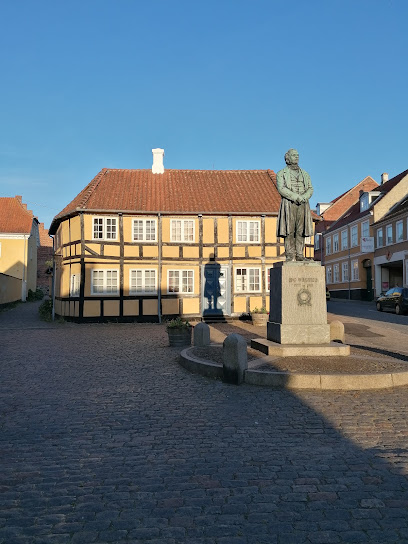
No. 10
20.1 km
Cozy, adults‑only lounge bar in a former butcher’s shop, serving Champagne, craft beer and cocktails with island hygge and a colourful courtyard in central Rudkøbing.
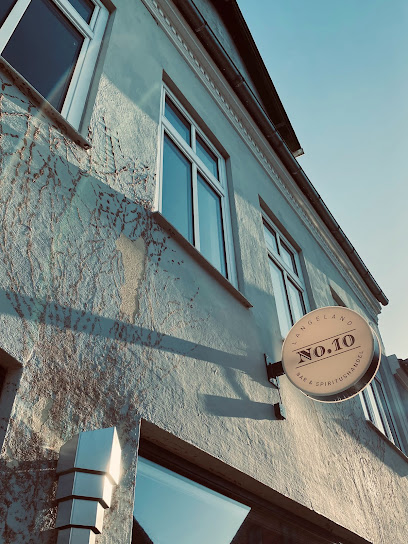
Langelands Jazzklub
20.6 km
Tiny island jazz hub in Rudkøbing, blending close-up concerts, seasonal outdoor gigs and decades of Danish jazz heritage in a warm, community-run setting.
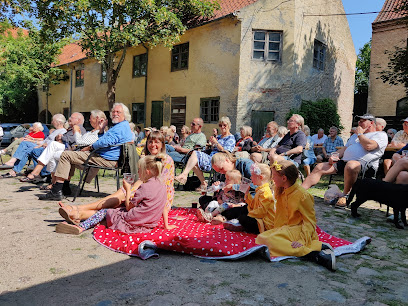
Basicbigband
20.6 km
Local big band headquarters in a quiet Rudkøbing neighbourhood, where brass, reeds and rhythm bring Langeland’s intimate jazz scene to life on select evenings.
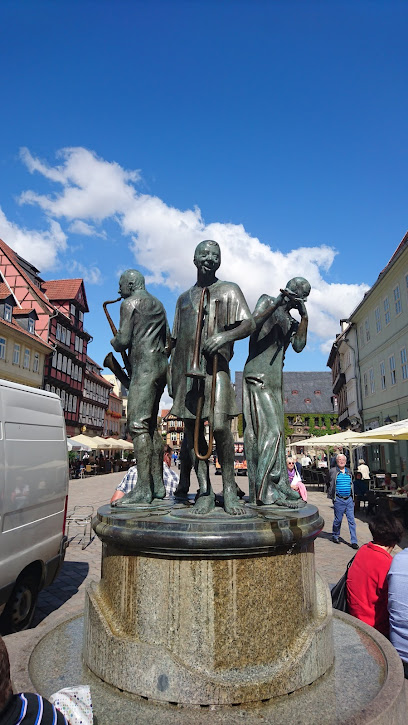
Nightclubs & after hour spots

Ommel
5.1 km
A small, sociable island nightspot near Marstal where locals and travelers share quiet drinks, simple music and the easygoing charm of Ærø after dark.
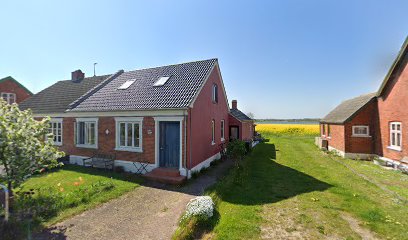
Crazy Daisy Svendborg
22.9 km
Compact, high-energy weekend nightclub in central Svendborg, serving mainstream beats, drinks and a sociable dance floor until the early hours.
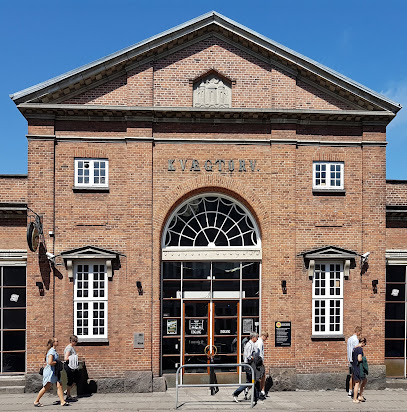
Old Danish Pub
39.9 km
Central Sønderborg institution blending classic Danish pub ambiance, affordable drinks, and lively atmosphere—perfect for experiencing Southern Denmark’s warmth and social life.
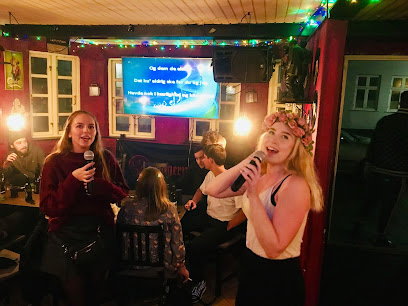
Kaizen ApS
39.9 km
Compact disco-style nightclub in central Sønderborg, pulsing with late-night beats, colourful lights and a straightforward bar for an unpretentious night out.
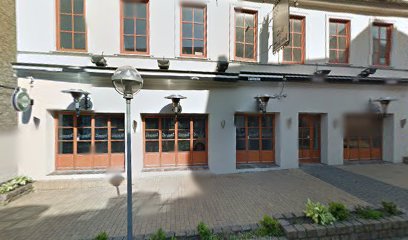
New Orleans Jazz I Sønderborg
40.1 km
Authentic New Orleans jazz experience in the heart of Sønderborg.
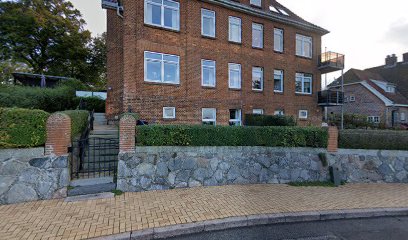
Dance All Over
45.6 km
Sønderborg’s sociable dance hub, where fitness, swing and party-ready moves come together in energetic, community-driven classes across the city.
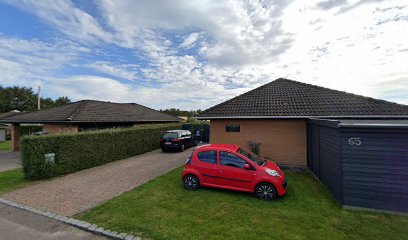
CLUB ZANZI
46.5 km
High‑energy waterfront nightclub bringing big‑city beats, flashing lights and late‑night dancing to the heart of coastal Nakskov.
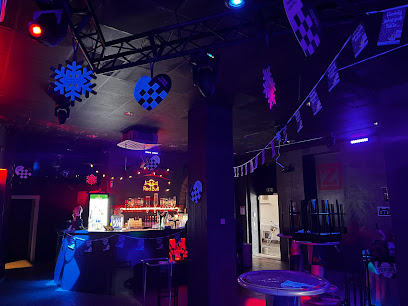
Muzirkus
51.9 km
Nyborg's independent music sanctuary where local bands rehearse, collaborate, and perform since 1974.
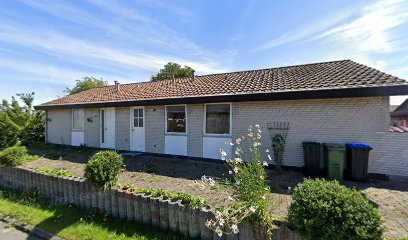
Dance Odense, Funen Square Dance Club
52.9 km
Community-driven square dancing in a cozy Odense neighborhood hall, where callers, patterns and shared rhythm turn an ordinary evening into a friendly social event.
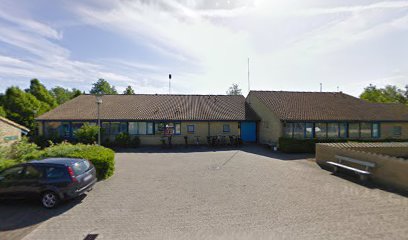
KJ's bodel
53.0 km
Laid‑back local nightspot on Nyborg’s main square, mixing simple drinks, sociable bar chatter and a compact dance floor in an unpretentious setting.
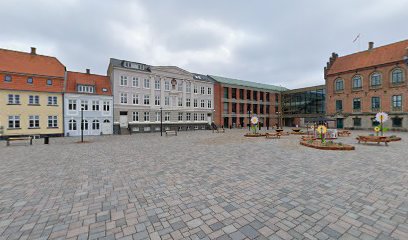
Carlsens Kvarter
55.9 km
Atmospheric pub in Odense C, offering unmatched hygge, an impressive selection of craft beers, and a welcoming local vibe in a characterful historic setting.
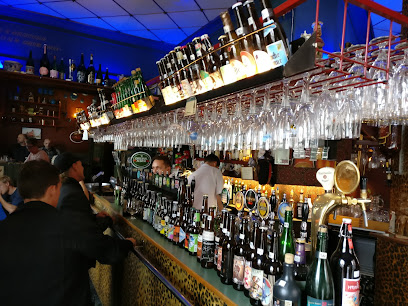
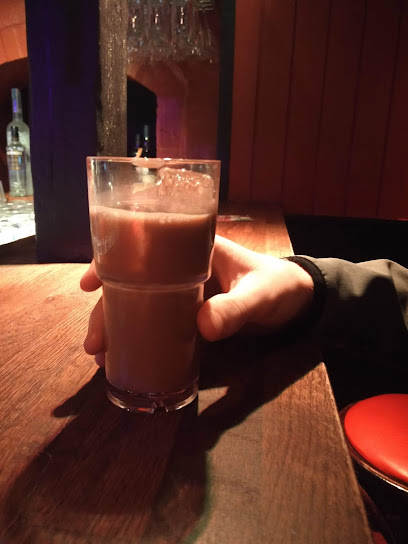
Den Brølende And
56.3 km
Experience the heart of Odense's nightlife at Den Brølende And, where music, dance, and camaraderie come alive.
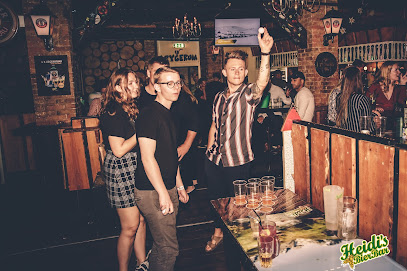
Heidi's Bier Bar Odense
56.3 km
Dance on tables, drink large beers, and celebrate Alpine-style year-round in Odense's most uninhibited nightclub.
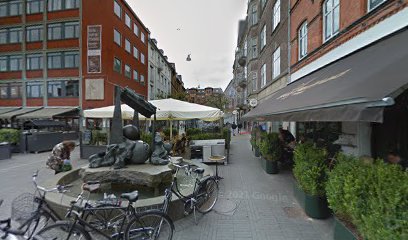
Dansebar Odense
56.5 km
Lively central Odense nightclub with mainstream hits, colorful lights and a sociable dance floor vibe from late evening into the early hours.
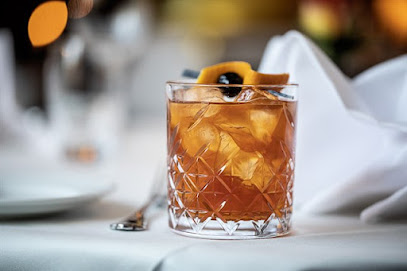
Grand Bar & Lounge
56.6 km
Experience timeless elegance and expertly crafted cocktails at Odense's Grand Bar & Lounge, nestled within the historic First Hotel Grand.
For the vibe & atmosphere seeker
- Quirky
- Unique
- Scenic
- Tranquil
- Casual
For the design and aesthetic lover
- Vintage Styles
- Rustic Designs
For the architecture buff
- Historic
- Heritage Neighborhoods
- Landmarks
- Art & Design
For the view chaser and sunset hunter
- Iconic Views
For the social media creator & influencer
- Photo Spots
- Aesthetic Corners
- Architectural Shots
- Instagrammable
For the eco-conscious traveler
- Low Impact
- Public-Transport Accessible
- Locally Managed
For the kind of experience you’re after
- Cultural Heritage
- Photowalk
- Day Trip
- Mindfulness
For how adventurous you want the journey to be
- Easy Access
Location Audience
- Family Friendly
- Senior Friendly
- Child Friendly
- Teen Friendly
- Solo Friendly
- Couple Friendly
- Solo Female Friendly


