Æ Fywerhus – The Fjord House of Jegindø
A humble 1911 fjord house at Jegindø Harbour, where tools, photos and film quietly tell the story of traditional fishing on the Limfjord’s sheltered waters.
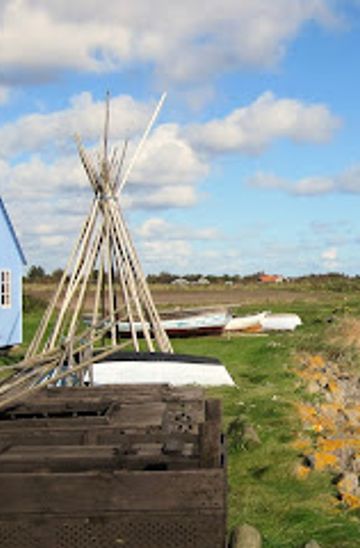
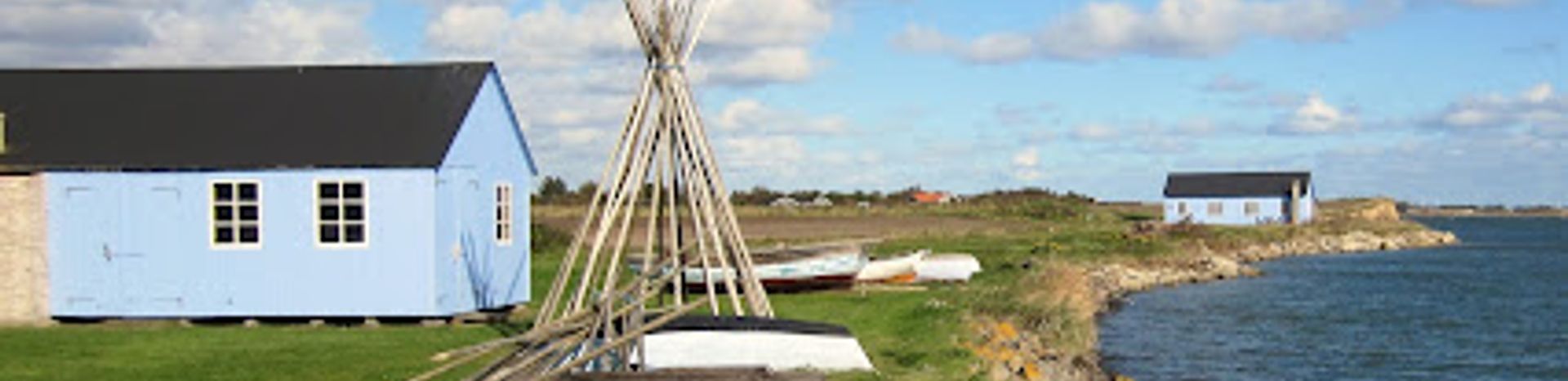
Æ Fywerhus on Jegindø is a small, characterful fjord house from 1911 that tells the story of fishing in the Limfjord. Set right by Jegindø Harbour on the quiet island near Thyholm, the modest former fisherman's building now hosts an intimate museum with tools, photos and a still-image show about life on the water. With the harbour and fjord just outside the door, it offers a compact but atmospheric glimpse into a traditional maritime world, ideal to combine with a harbour stroll or coastal walk.
A brief summary to Æ Fywerhus
- Jegindø, 7790, Havnegade 26, Thyholm, 7790, DK
- Duration: 0.5 to 1.5 hours
- Free
-
 Mixed
Mixed
- Mobile reception: 4 out of 5
- Monday 10 am-6 pm
- Tuesday 10 am-6 pm
- Wednesday 10 am-6 pm
- Thursday 10 am-6 pm
- Friday 10 am-6 pm
- Saturday 10 am-6 pm
- Sunday 10 am-6 pm

Know before you go
Hi, I'm Eve. Here are a few practical things to know before exploring Æ Fywerhus.
- Allow time to stroll the harbour before or after visiting Æ Fywerhus; the views of the Limfjord help bring the fishing stories inside the fjord house to life.
- Check local information for current opening hours, as the museum typically operates daytime hours in the main season and may have reduced access outside summer.
- Bring an extra layer, as winds off the fjord can feel cool even on bright days, especially if you plan to explore the quays and nearby shoreline.
- Combine Æ Fywerhus with a coastal walk or a stop at Jegindø Tap Beach to experience both the cultural and natural sides of the island.
Do you manage this location?
Take control to get all the benefits, like improved information, better appearance, and stronger visibility across AI-powered discovery. Learn more
Activate your presenceOther nearby places you may find interesting
Getting There
-
Regional train and bus from Struer
From Struer, take a regional train towards Thyholm and get off at Hvidbjerg; the ride typically takes around 20–25 minutes and standard tickets usually cost in the range of 40–70 DKK one way. From Hvidbjerg, continue by local bus or a pre‑booked regional flex service towards Jegindø Harbour, generally adding 25–40 minutes depending on the connection. Services run less frequently in evenings and on weekends, so it is important to check current timetables in advance.
-
Car via Thyholm and Jegindø dam
Travelling by car from Struer to Jegindø Harbour usually takes about 35–45 minutes, using main regional roads across Thyholm and the small dam that links Jegindø to the peninsula. There are no road tolls on this route, and fuel costs will depend on your vehicle, but for planning purposes you might expect to spend roughly 30–60 DKK in fuel for the return journey. Parking near the harbour is generally straightforward but can feel busier on fine summer days when more visitors are exploring the island.
-
Cycling from Thyholm area
For keen cyclists based on Thyholm, reaching Æ Fywerhus by bike typically takes 45–75 minutes from villages such as Hvidbjerg, depending on pace and wind conditions. The route uses quiet rural roads and the causeway to Jegindø, with gentle gradients but possible strong crosswinds across open stretches. There is no direct cost for this option, but be prepared for changeable weather and limited shelter along the way, and carry water and basic repair gear as services between settlements are sparse.
For the on-the-go comforts that matter to you
-
 Restrooms
-
 Drink Options
-
 Drinking Water
-
 Food Options
-
 Seating Areas
-
 Trash Bins
-
 Information Boards
Discover more about Æ Fywerhus
A modest fjord house with a big maritime story
Æ Fywerhus is a low, unassuming building at Jegindø Harbour, yet it holds more than a century of Limfjord history within its simple walls. Built in 1911 as a working fjord house beside the small fishing harbour, it once served as a base for local fishermen whose livelihoods depended on the ever-changing waters. Today the house functions as a small museum, preserving that practical, no‑nonsense atmosphere while opening a window onto the maritime culture that shaped Jegindø.Step inside and you move from the bright, salty air of the harbour into a space shaped by work and weather. The structure is plain and functional rather than grand, a reminder that this was first and foremost a tool in the daily struggle to earn a living from the sea. Its age and patina give a quiet sense of continuity: the fjord is still just outside the door, and the stories inside are rooted in that same view.Fishing life in the Limfjord brought into focus
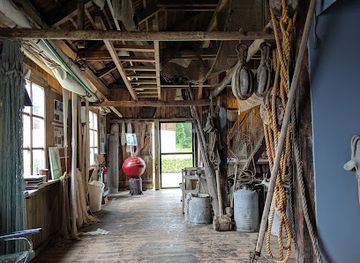
The heart of Æ Fywerhus is its compact exhibition on Limfjord fishing. Displays of nets, eel traps and other implements reveal how people adapted their gear to the shallow, changeable waters of the fjord. Each object hints at long, cold nights on the water, careful maintenance on shore, and the shared know‑how of generations.Photographs line the walls, capturing boats, boathouses and weather‑beaten faces from earlier decades. A still‑picture show ties these elements together, illustrating everyday routines and seasonal cycles: mending nets, hauling catches, and following fish migrations. The focus is firmly on the practical realities of work rather than romantic seafaring tales, which gives the museum a grounded, authentic feel.Jegindø Harbour and the surrounding landscape
Outside Æ Fywerhus, Jegindø Harbour provides the living backdrop to the stories told inside. The small marina and fishing port are embedded in the wider Limfjord landscape, with low horizons, shifting light and often a fresh breeze sweeping across the water. Modern leisure boats share the basin with working craft, reflecting how the area has added tourism alongside traditional fisheries.The island itself is low and open, with fields, gentle hills in the south and flat land to the north. From the harbour, views stretch across the fjord to Thyholm and other parts of northwest Jutland. The sense of exposure to wind and weather helps explain why local fishing practices developed as they did, tailored to short distances, shallow depths and fast‑changing conditions.A quiet, low‑key visitor experience
A visit to Æ Fywerhus is typically calm and unhurried. The museum is small enough to explore thoroughly in under an hour, making it an easy stop during a wider circuit of Jegindø or the Limfjord region. The harbour setting invites you to linger outside before or after your visit, watching boats come and go or simply absorbing the stillness of the fjord.Interpretive materials are straightforward and accessible, focusing on clear storytelling rather than elaborate multimedia. This simplicity matches the building and its history, and makes the site approachable for families, casual sightseers and anyone with a passing interest in maritime life. The modest scale also means you are never far from the door, so it is easy to combine time indoors with a walk along the quay.Connecting past livelihoods with today’s Limfjord
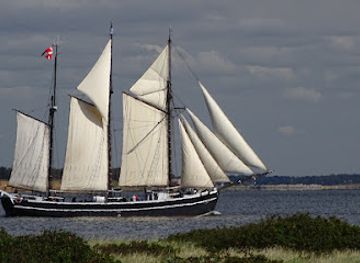
Æ Fywerhus also highlights how Jegindø and the Limfjord have changed over time. Fisheries remain important in the region, but the balance between work, recreation and nature has shifted. Where the fjord once represented sheer subsistence for local families, it is now also valued as a place for sailing, birdwatching and quiet coastal holidays.By situating the historical displays within an active harbour, the fjord house makes those contrasts visible. Visitors can step from exhibits on eel trapping or mussel gathering straight out to a quay where modern boats lie at their moorings. The museum thus serves as a small but telling link between earlier generations and the contemporary Limfjord landscape that travellers encounter today.Explore the best of what Æ Fywerhus has to offer













More about West Jutland
Discover West Jutland: Denmark's scenic coastal region with vast beaches, historic towns, and rich cultural heritage, perfect for nature lovers and history enthusiasts.
Tell me more about West Jutland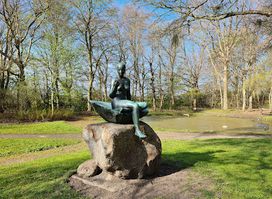
Graceful bronze statue at Stadion Allé, honoring Nykøbing Mors’ centuries-old oyster heritage and the island’s enduring bond with the Limfjord.
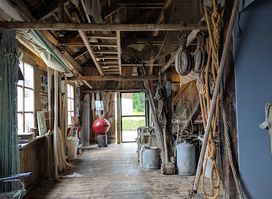
A tiny 1911 fjord house on Jegindø where eel traps, photographs and harbour views bring Limfjord fishing life into quiet, authentic focus.