Skallingen Ende: Where Land Meets Sea
Experience the untamed beauty of Skallingen Ende, where the Wadden Sea's raw coastal landscape meets dramatic dunes and rich birdlife, offering a unique escape into nature's embrace.
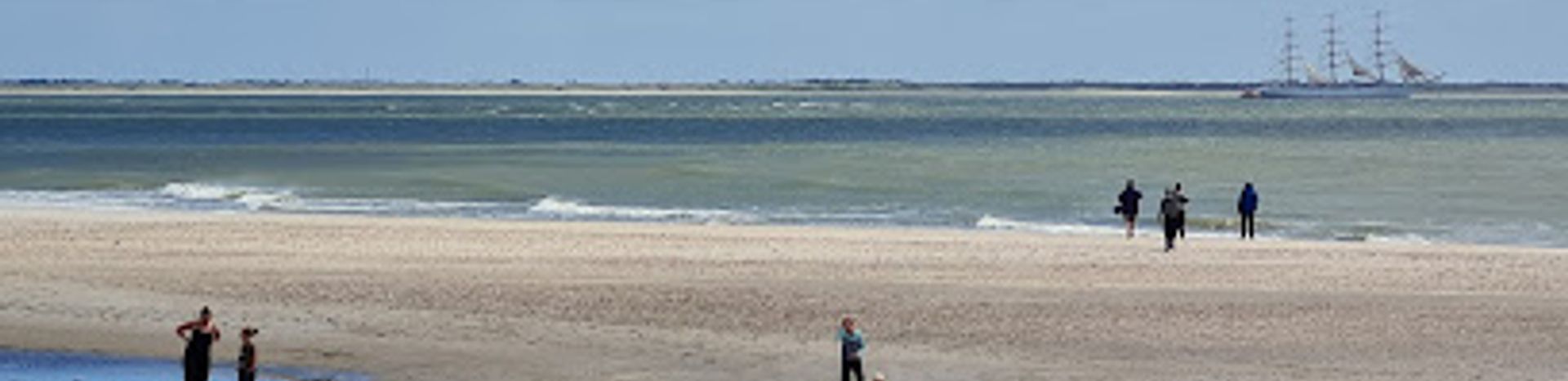
Skallingen Ende, located on the Skallingen peninsula in the Wadden Sea National Park, offers a raw and untamed coastal experience. This dynamic landscape, shaped by wind and sea, features expansive sandy beaches, rolling dunes, and unique salt marshes. It's a haven for birdwatchers, nature enthusiasts, and those seeking tranquility away from crowded tourist spots. The area's history is intertwined with the forces of nature, as Skallingen itself was formed after a major storm in the 17th century. Today, it continues to evolve, with the sea constantly reshaping its coastline. Visitors can explore the area on foot, enjoying the vast open spaces and the sense of being at the edge of the world. Keep an eye out for seals basking in the sun at Skalling Ende, a truly unforgettable sight. Remember to respect the delicate ecosystem and leave no trace behind, ensuring this natural wonder remains pristine for generations to come. Skallingen Ende is a testament to the power and beauty of nature, offering a unique and rewarding experience for those who venture to its shores.
A brief summary to Skallingen Ende
- Blåvand, 6857, DK
Local tips
- Check the weather forecast before visiting, as coastal conditions can change rapidly. Dress in layers and be prepared for wind and rain.
- Bring binoculars for birdwatching, as Skallingen is a vital stopover for migratory birds. You might spot rare or unique species.
- Wear sturdy shoes suitable for walking on sand and uneven terrain. The area is best explored on foot.
- Pack a picnic to enjoy on the beach or among the dunes. There are no restaurants or cafes directly at Skallingen Ende.
- Respect the delicate ecosystem by staying on established paths (where available) and taking all trash with you. Leave no trace behind.

Getting There
-
Driving
From Blåvand, head east towards the village of Ho. Continue through Ho, following signs for Skallingen. The road narrows to a single lane with passing places as you enter Skallingen. Drive carefully and be mindful of oncoming traffic. Follow the road to the end, where you'll find parking areas near the beach. Parking is free, but can be limited during peak season. Be prepared for a short walk from the parking area to Skalling Ende.
-
Public Transport
While possible, reaching Skallingen Ende via public transport requires multiple connections and a final walk. Take a train or bus to Esbjerg or Varde. From either city, transfer to a bus towards Oksbøl. In Oksbøl, take bus route 140 towards Blåvand, alighting at Ho. From Ho, there is no public transport for the final few kilometers through Ho Plantation to Skallingen. Consider a taxi from Ho (approximately 200-300 DKK) or be prepared for a significant walk (approximately 5-7 km) to reach Skallingen Ende.
Discover more about Skallingen Ende
Iconic landmarks you can’t miss

Hjerting Badehotel
6.1 km
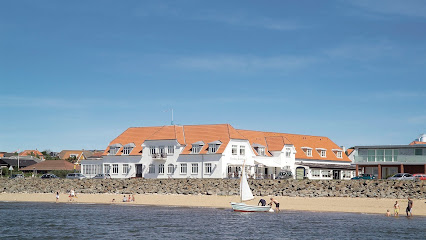
Picturesque sandy beach blending serene sea views, lush forests, and family-friendly facilities just minutes from Aarhus city center.
Fanø Tourist Office
7.7 km
Centrally located on Fanø, the Tourist Office is the ideal starting point for discovering authentic island charm, local culture, and practical travel advice.
Fano Bed and Boats
7.7 km
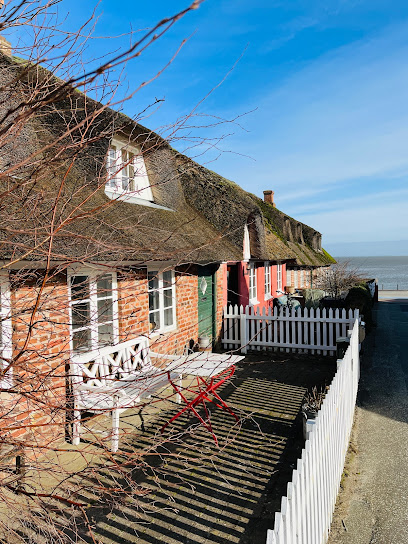
Charming seaside bed & breakfast and boat rental in Nordby, Fanø—offering cozy rooms and authentic maritime experiences on Denmark’s storied North Sea island.
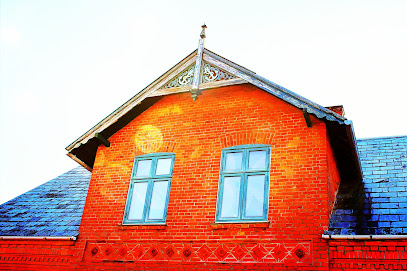
Fanø Krogaard
7.7 km
Experience the timeless charm of Fanø Krogaard, a historic inn blending Nordic cuisine, island tradition, and warm hospitality in the heart of Nordby harbour.
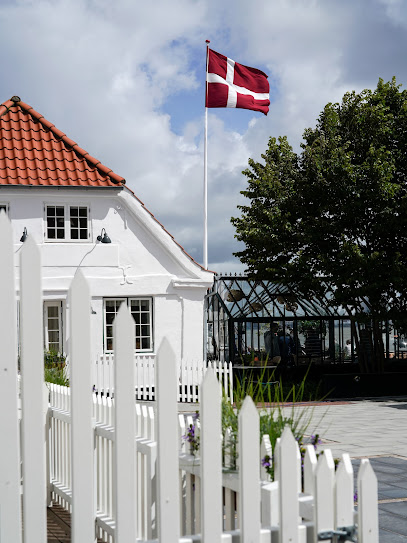
FanøFærgen, Esbjerg
9.3 km
Compact harbor terminal in Esbjerg serving the fast 12‑minute Fanø ferry, linking mainland bustle with island calm in the Wadden Sea UNESCO landscape.
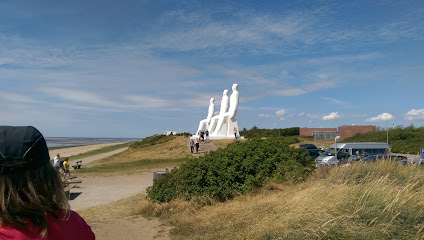
Esbjerg Water Tower
9.8 km
Historic red-brick water tower on a Bronze Age mound overlooking Esbjerg’s harbour, blending medieval-inspired architecture with the story of a young, ambitious port city.
Denmark
9.8 km
Marselisborg Strand is Aarhus’s urban beach escape, offering sandy shores, a classic pier, family-friendly facilities, and beautiful views right at the city’s edge.
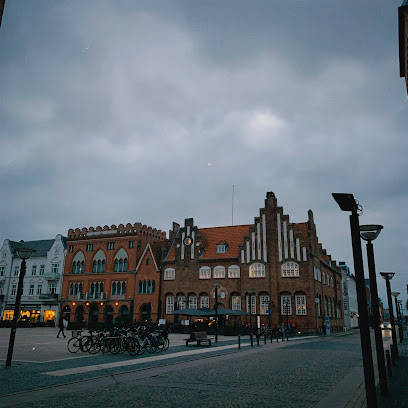
Dronning Louise
9.9 km
Urban beachfront serenity meets Danish royal heritage at Marselisborg Strand, Aarhus’ favorite local escape for swimming, sunbathing, and seaside strolls year-round.
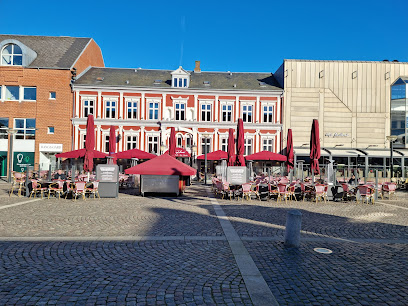
Begravet bunker
9.9 km
A preserved German WWII bunker revealing the hidden lives of occupation soldiers beneath Danish soil.
Vadehavskysten
10.0 km
An iconic copper bridge tower turned cultural gem, offering harbor panoramas, intimate events, and a taste of Copenhagen’s creative spirit on Knippelsbro.
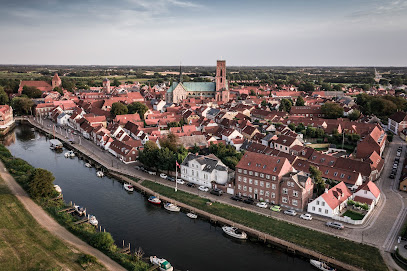
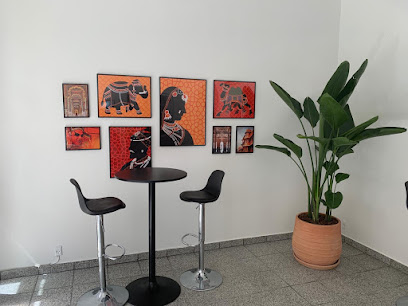
Namaste Esbjerg
10.0 km
Marselisborg Strand is Aarhus’ vibrant urban beach, blending sandy coastline, tranquil bay views, and easy access to city highlights and lush forest parks.
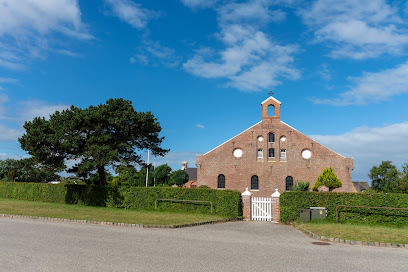
Sønderho Church
17.9 km
An 18th‑century island church filled with Denmark’s largest flotilla of votive ships, anchoring Sønderho’s seafaring history in a tranquil Wadden Sea village.
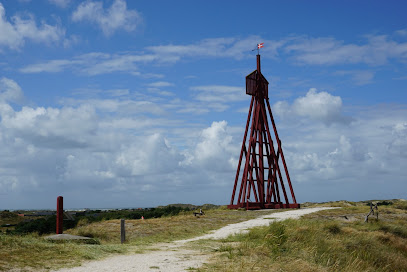
Æ Kåver
18.1 km
Reborn wooden seamark on Fanø’s southern edge, Æ Kåver recalls 17th‑century seafaring in a wild Wadden Sea landscape of wind, sand and wide horizons.
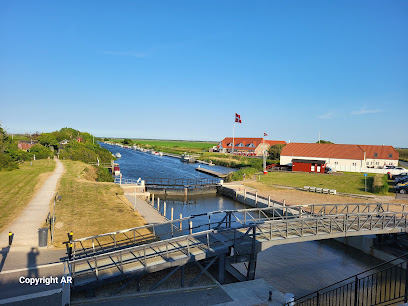
Kammerslusen Ribe
28.6 km
Discover Copenhagen's Black Diamond: A fusion of modern architecture and cultural heritage on the waterfront.
Queen Dagmar of Bohemia
33.3 km
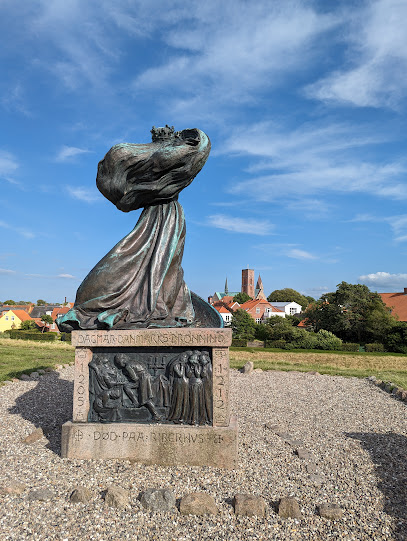
A contemplative statue on Ribe’s former castle hill, honouring the gentle 13th‑century Queen Dagmar where her life and legend became entwined with Denmark’s history.
Unmissable attractions to see

Skallingen Strand
3.2 km
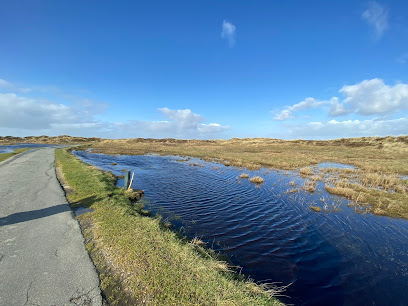
Denmark's wild, unspoiled beach within a protected 2,000-hectare nature reserve—pristine solitude on the North Sea.
Strandgut - Strandfischerei Monument
5.1 km
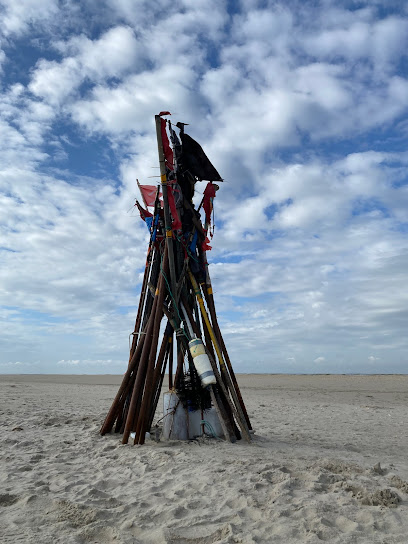
A simple dune-side memorial where driftwood, sea wind and open sky recall Fanø’s hard-earned living from beach fishing and the gifts and losses of the North Sea.
Bunkers on Fanø
5.3 km
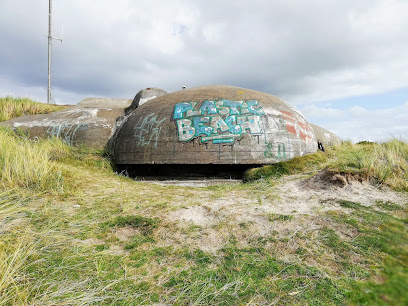
Concrete relics of the Atlantic Wall scattered across Fanø’s dunes and beaches, where stark wartime bunkers meet wide North Sea horizons.
Hjerting Strand
6.0 km
A gently shelving Wadden Sea beach north of Esbjerg, where a long wooden promenade, shallow waters and wide skies create a relaxed slice of everyday coastal life.
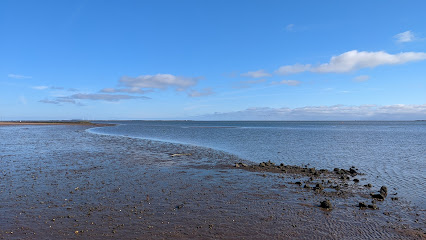
Fanoe Bad Beach
6.5 km
A sweeping North Sea beach on Fanø where ever-widening sands, steady winds and simple seaside comforts meet the wild energy of the Wadden Sea.
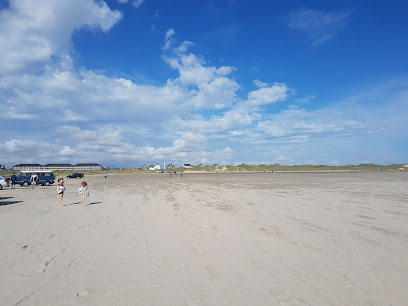
Danland Fanø
6.5 km
Unfussy seaside holiday apartments with pools and dunes-on-the-doorstep access to Fanø’s wide North Sea beach and Wadden Sea landscapes.

The Beach on Fanø
6.5 km
A vast, wind‑shaped ribbon of sand where you can drive on the shore, chase kites across tidal flats, and feel the full, wide‑open spirit of Denmark’s North Sea coast.

Mindesten for Det Økumeniske Kirkemøde 1934
6.6 km
Set off across wild tidal flats from Fanø’s tranquil south end to witness unforgettable seal colonies and the windswept beauty of the Wadden Sea coastline.
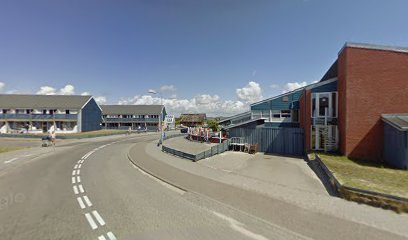
Kikkebjerget
6.8 km
Slotsgaden in Møgeltønder: A fairytale street of thatched cottages, noble vistas, and rural calm leading to the historic Schackenborg Castle in southern Denmark.
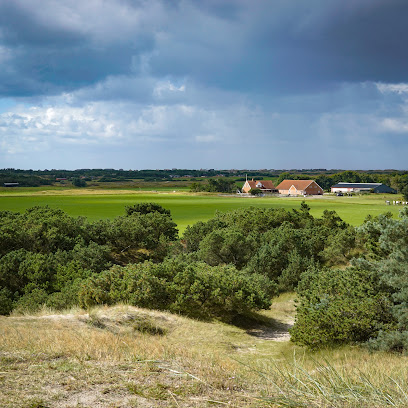
Nördlich Odden (Let flakbatteri)
7.0 km
Evocative WWII bunkers and flak remains hidden in Fanø’s dunes, where Atlantic Wall history meets the wide skies and shifting sands of the Wadden Sea.
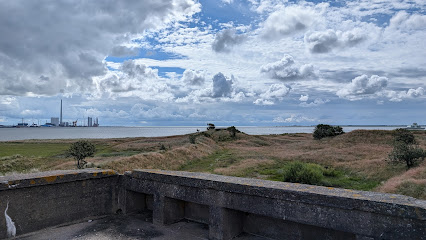
Museumsfyrskibet Horns Rev
7.2 km
Historic lightship turned museum at Esbjerg’s harbourfront, preserving the story of Horns Rev and life aboard a floating lighthouse on Denmark’s west coast.
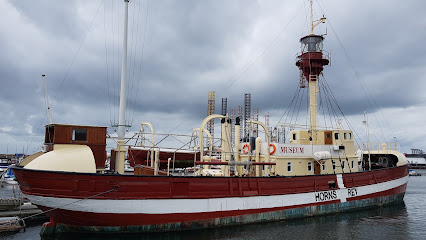
Sædding Mellem Fyr
7.2 km
A modest but historic leading light on Sædding’s shoreline, quietly recalling Esbjerg’s maritime navigation heritage beside the sands of the North Sea.
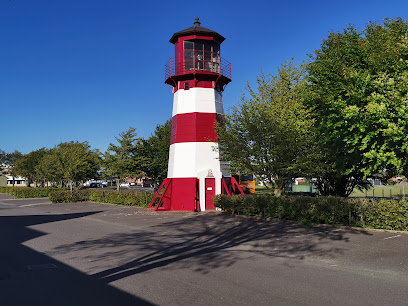
Sjelborg Beach
7.2 km
A gentle, family-friendly stretch of sand on sheltered Ho Bay, where shallow waters, big skies and Wadden Sea tides create a quietly relaxing coastal escape.
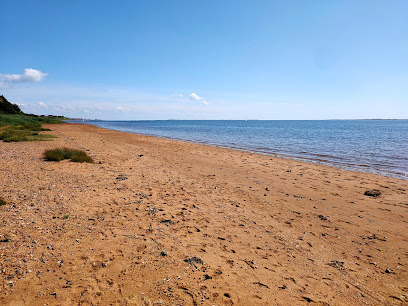
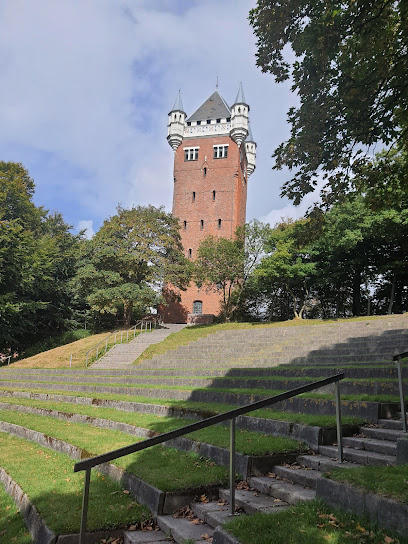
Men by the Sea
7.2 km
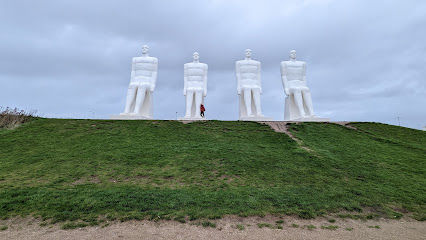
Four towering white figures gazing over the North Sea, Men by the Sea is Esbjerg’s unmissable coastal icon of humanity’s calm encounter with nature.
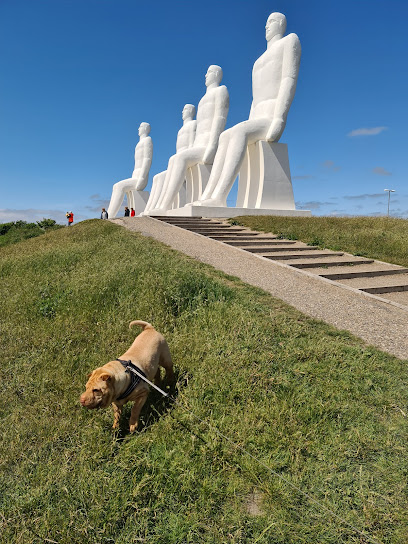
Fiskeri- og Søfartsmuseet
7.3 km
Denmark’s museum of the sea, where Esbjerg’s fishing past, offshore present and North Sea wildlife come together in one immersive waterfront complex.
Essential places to dine

Restaurant Strandpavillonen
6.1 km
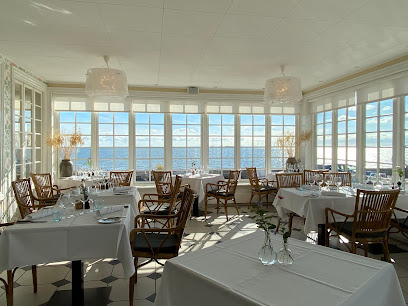
Gourmet Nordic cuisine overlooking the Wadden Sea at a historic Danish seaside hotel.
Pelargoniehuset
6.6 km
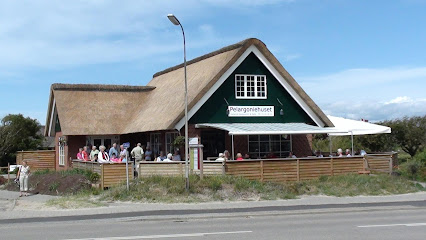
Relaxed seaside restaurant on Fanø’s west coast, serving simple Danish comfort food and cakes just steps from dunes, golf course and the island’s broad North Sea beach.
Kellers Badehotel
6.6 km
Historic beachfront hotel on Fanø combining coastal Danish charm, gourmet dining, and immersive island hospitality with sweeping North Sea views and a storied heritage.
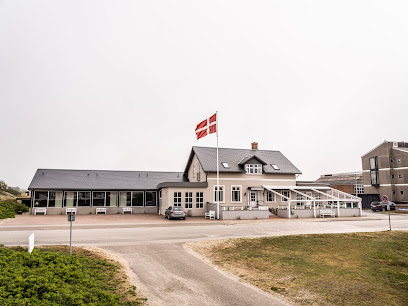
Den Røde Okse
7.3 km
Long‑running Esbjerg restaurant and catering house serving classic Danish menus, festive banquets and sustainable “mad ud af huset” in warm, roomy surroundings.
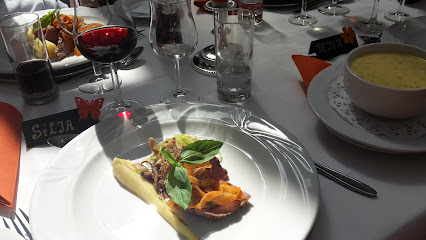
Catering i Esbjerg
7.3 km
Experience authentic Danish cuisine in the heart of Esbjerg at Spisestuen.
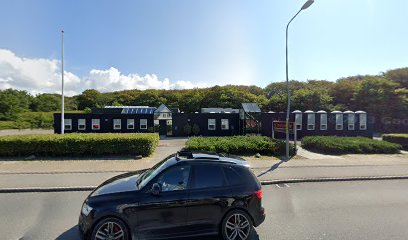
VadeMad
7.6 km
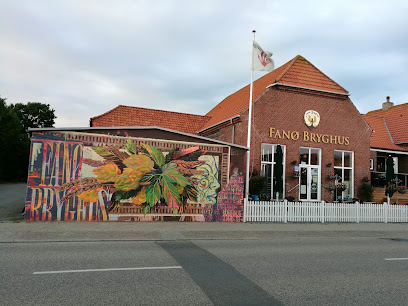
Casual food‑truck dining paired with island‑brewed craft beer, set in the laid‑back courtyard of Fanø Bryghus just a short stroll from the Wadden Sea.
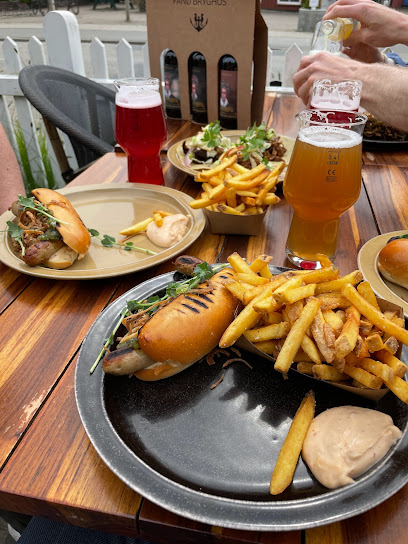
Restaurant Dino
7.6 km
Casual island restaurant in Fanø Bad serving pizzas, Bosnian specialities and Danish comfort food just steps from the North Sea dunes.
Cafe Nord
7.6 km
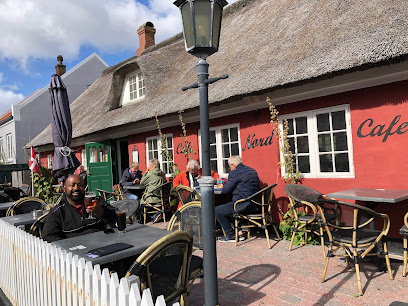
Harbourfront Danish home cooking on Fanø, serving traditional fish dishes, smørrebrød and cakes in a relaxed café-restaurant by the Nordby ferry.
Restaurant Aroma - Fanø øko Øl
7.7 km
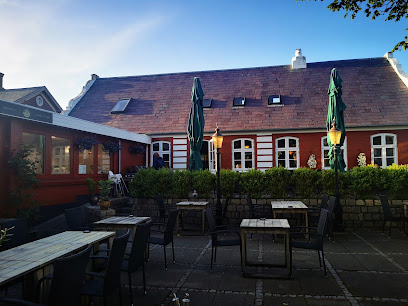
Cosy island restaurant and organic microbrewery in a historic skipper’s villa at the heart of Nordby, pairing house‑brewed Fanø beers with relaxed European plates.
Pandekagehuset Fanø
7.7 km
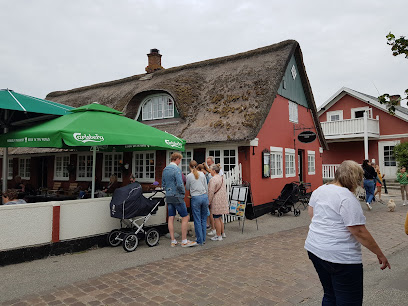
Cosy island creperie in Nordby serving generous sweet and savoury pancakes with a hygge-filled courtyard and relaxed Fanø village atmosphere.
Tacobørsen
7.7 km
Colorful Mexican-inspired street food on Fanø’s main street, perfect for easy takeout, casual meals and beach picnics between dunes, harbor walks and village strolls.

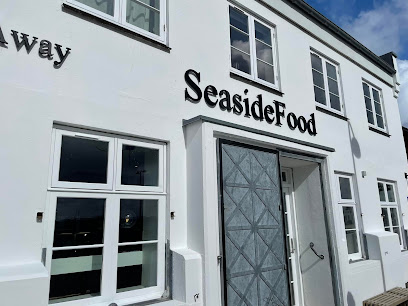
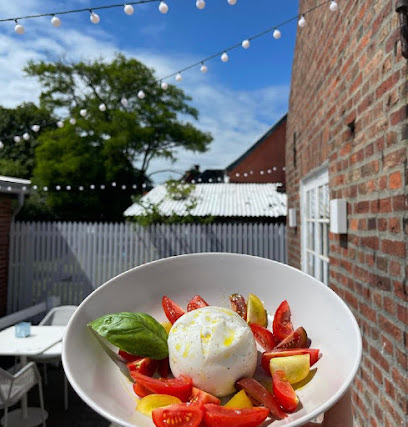
Seaside Food
7.7 km
Fresh panini sandwiches with local seafood and island ingredients, served casual and quick by the Wadden Sea.
Konsulen nordby
7.7 km
Intimate, candlelit dining on Nordby’s historic main street, where simple Scandinavian comfort meets the relaxed rhythm of island life on Fanø.
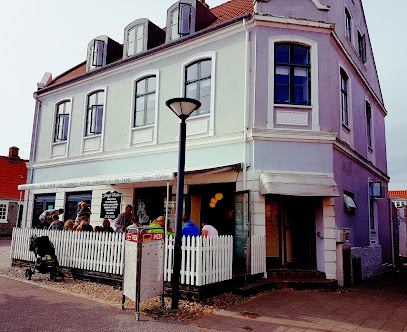
Jimmy's Køkken
7.7 km
Casual pizza and grill in the middle of Nordby, serving hot, hearty favourites to locals and island visitors from lunch through to the evening.
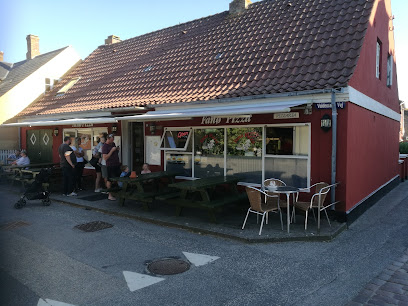
Fanø Pizza
7.7 km
Straightforward Danish-style pizza and takeaway favorites in Nordby, offering an easy, kid-friendly dinner option after a day exploring windswept Fanø.
Markets, malls and hidden boutiques

Fanø Lys
6.5 km
Candlelit hygge, local delicacies and island design come together at this cozy Fanø shop just behind the dunes of the North Sea.
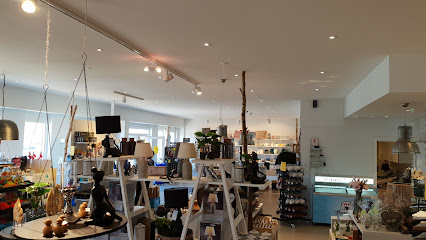
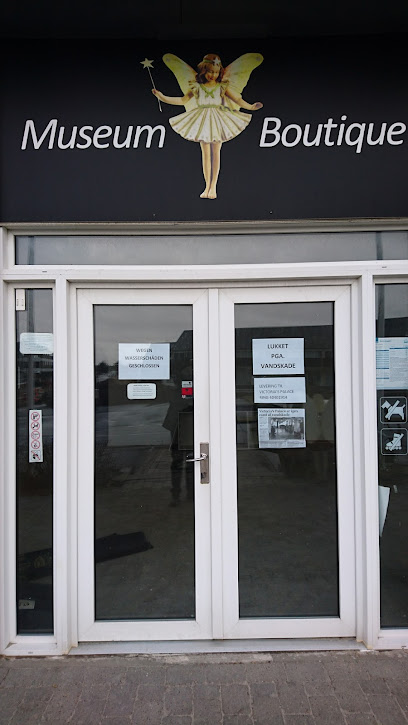
Victoria's Palace
6.5 km
A cosy Nordic-style interiors and gift shop in the heart of Fanø Bad, where coastal charm and Scandinavian design meet just moments from the wide North Sea beach.
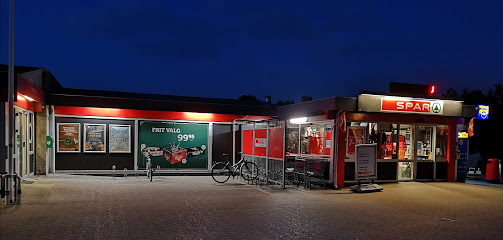
SPAR
7.2 km
Fanø's reliable supermarket steps from the beach, serving locals and visitors daily.
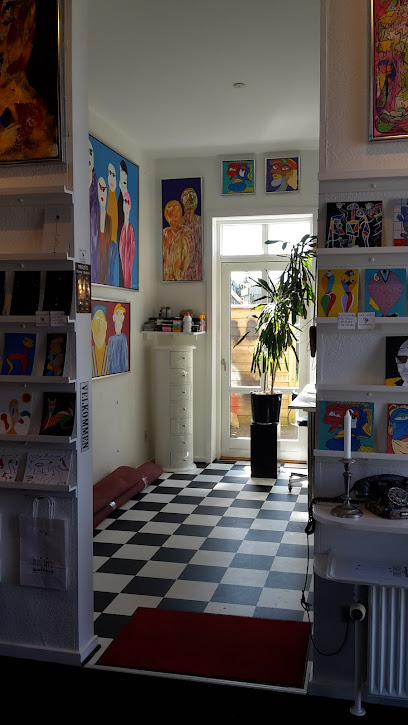
GOLDSCHMIDT ART GALLERI
7.6 km
A small, intimate gallery on Nordby’s main street, Galleri Goldschmidt captures Fanø’s coastal light and village life in contemporary paintings steps from everyday island bustle.
SuperBrugsen
7.6 km
Fanø’s central supermarket hub, blending everyday Danish island life with convenient shopping for self-catering holidays and beachbound visitors in Nordby.
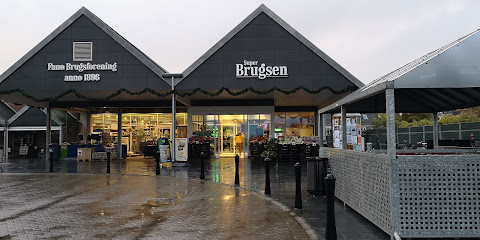
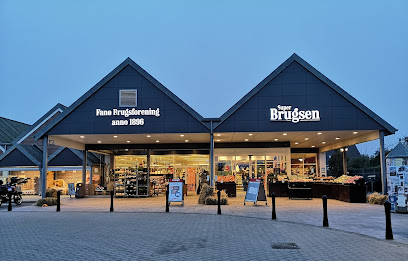
Fanø Brugsforening
7.6 km
Fanø’s friendly SuperBrugsen co-op in Nordby, keeping islanders and visitors stocked with fresh food, Danish staples and everyday essentials near the harbour.
Kulturfabrikken, frkToft
7.6 km
Playful island ceramics with vintage prints, crooked edges and plenty of humor, crafted and displayed in a characterful studio-shop on Fanø’s main street.
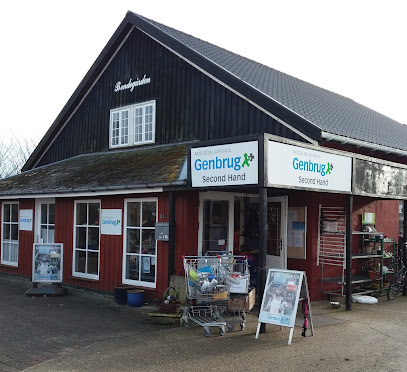
Mission Afrika Genbrug
7.7 km
Cosy Nordby thrift shop where island finds, friendly volunteers and second-hand treasures help fund Mission Afrika’s community projects far beyond Fanø.
Fanø Lægeurtehave
7.7 km
Traditional herb shop preserving natural wellness practices on Denmark's peaceful Fanø Island.
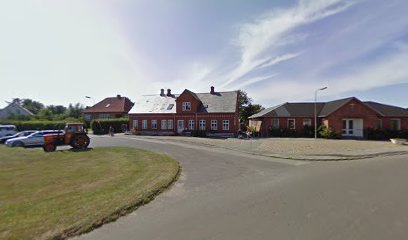
Westwind
7.7 km
Coastal clothing hub on Nordby’s main street, equipping you with practical sports and leisure wear for Fanø’s ever‑changing North Sea weather.

Fanø keramik
7.7 km
Intimate island pottery studio on Nordby’s main street, where hand-thrown stoneware captures Fanø’s dunes, sea tones and understated Nordic everyday life.
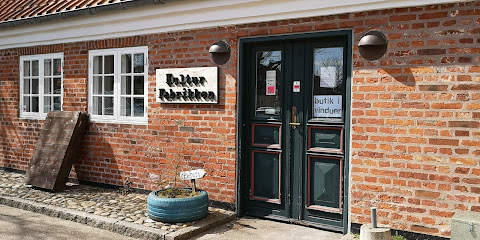
Christel Seyfarth Butik
7.7 km
A vivid studio-store on Fanø where bold fair-isle inspired knitwear, quality yarns and island traditions come together in a richly coloured creative universe.
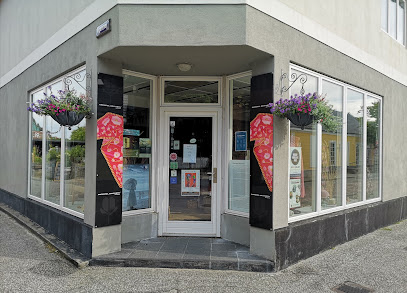
SALT
7.7 km
A small-but-stylish fashion and lifestyle shop in Nordby’s former bank building, SALT blends island charm with Scandinavian design on Fanø’s main street.
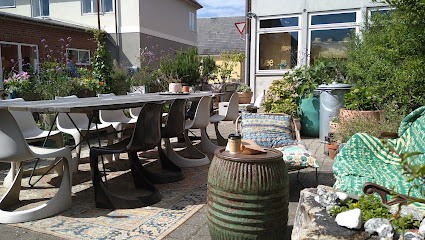
Fru Sørensen
7.7 km
Intimate Nordby gift shop where Scandinavian design, cosy homewares and Fanø’s gentle maritime spirit come together on the island’s historic main street.
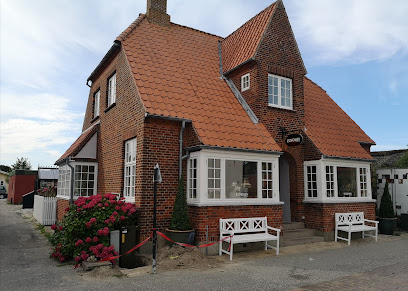
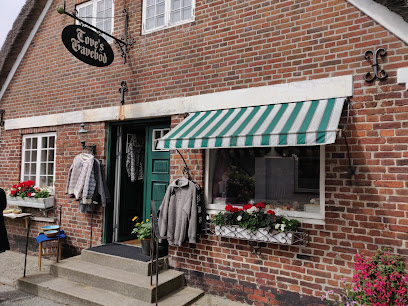
Toves Gavebod
7.7 km
A tiny, time‑honoured gift shop on Nordby’s main street, filled with woven textiles, hornware and handmade pieces that capture the quiet craft spirit of Fanø.
Essential bars & hidden hideouts

Pub Bibas i Esbjerg
7.2 km
A classic brown Danish bodega in Esbjerg’s Sædding centre, serving cold beer, local stories and unpretentious bar life from late morning until late evening.
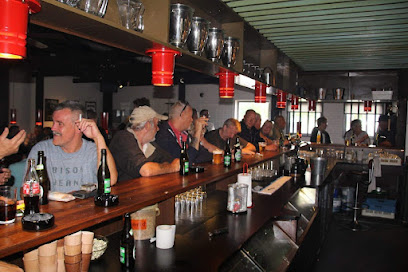
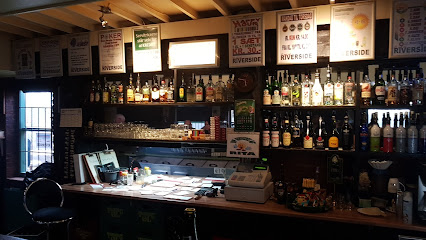
Riverside Pub
7.3 km
Relaxed neighborhood pub in Ådalsparken, serving cold beer and cozy Danish hygge in a low-key, local setting west of central Esbjerg.
Hjørnekroen
7.7 km
Cosy corner bar in Nordby where Fanø’s island life, live music nights and classic Danish bodega charm come together over draught beer and easy conversation.
Kabyssen
8.3 km
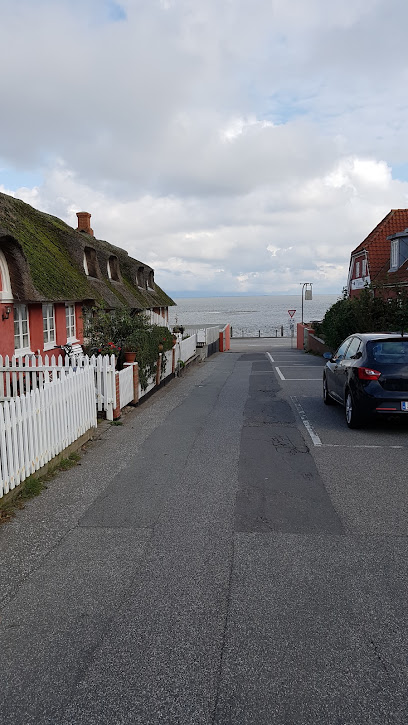
Fanø's cherished community bar serving authentic Danish island hospitality with live music and genuine warmth.
Corners Pub
8.8 km
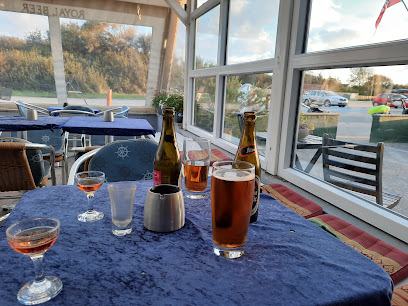
A cozy neighborhood pub where cold beers and warm hospitality define the Danish experience.
Horns Rev Bodega & Bar
8.8 km
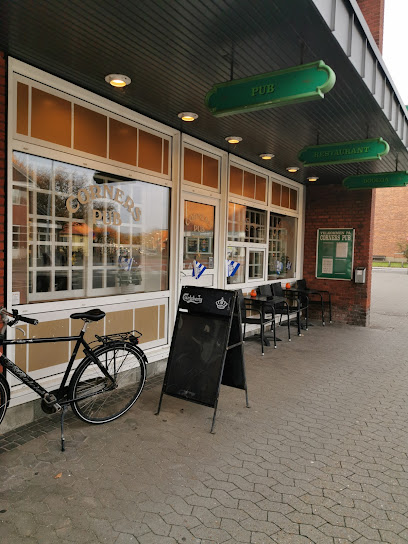
A no-frills Danish bodega in central Esbjerg, where wood-panelled warmth, affordable drinks, and local camaraderie capture the city’s everyday pub culture.
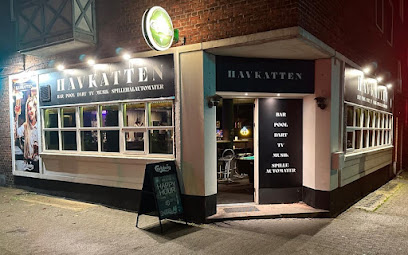
Havkatten
9.0 km
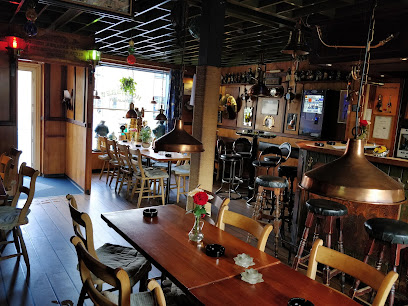
Old-school Esbjerg harbour bar with 80s tunes, pool, darts and everyday prices, offering a relaxed window into the city’s down-to-earth nightlife.
Dokken City Beach
9.4 km
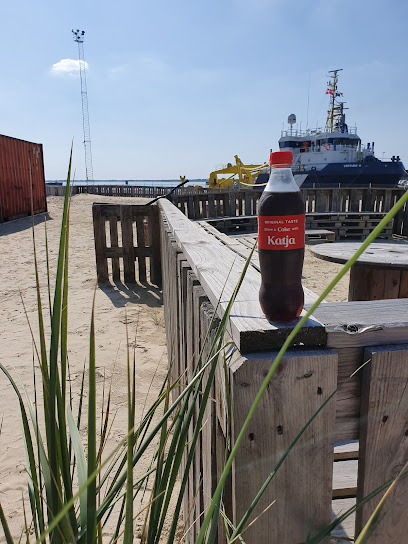
A pocket of sand, deckchairs and drinks on Esbjerg Harbour, Dokken City Beach turns the working waterfront into a relaxed urban seaside escape.
Vinbaren
9.8 km
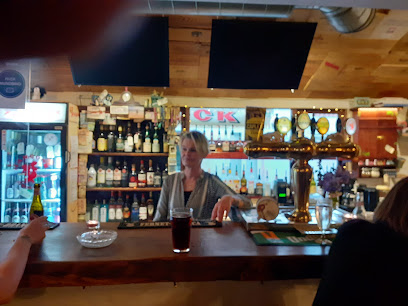
Intimate, dimly lit and disarmingly casual, Vinbaren is Esbjerg’s brown-bar style wine hangout for late-night chats, cheap pours and the occasional close-up concert.
HomeRun Esbjerg
9.8 km
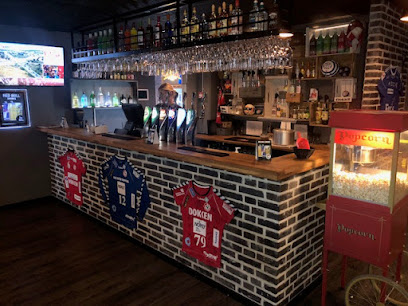
Lively gastro sports bar above Esbjerg’s main square, with wall-to-wall screens, bar games, casual bites and late-night energy on weekends.
Pioner Bar Esbjerg
9.9 km
Late-night Esbjerg bar on Torvet with cheap cold beer, classic party hits from the ’80s to today, and a lively dance floor packed with locals and visitors.
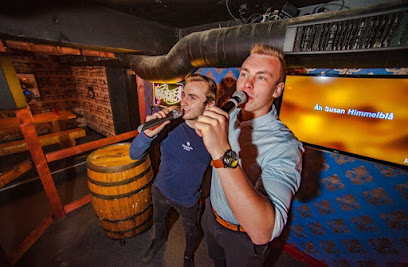
James Bond Esbjerg
9.9 km
Late-opening dance bar on Skolegade in Esbjerg, where a mature crowd sings along to classic hits and keeps the party going until early morning.
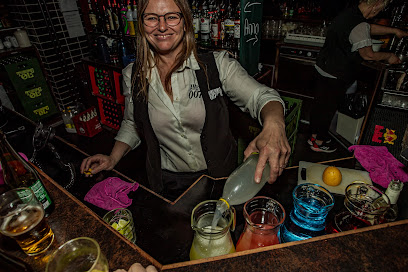
Kasket Karl
9.9 km
Legendary Esbjerg pub on Skolegade, pouring beer and hosting darts, dice and laid‑back evenings since 1975 in a warmly lit, unpretentious setting.
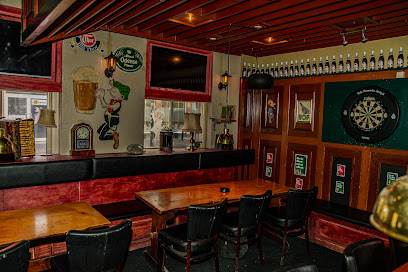
SoHo - Bar & Cocktails
9.9 km
Adults-focused cocktail bar tucked inside Esbjerg Street Food’s old theatre hall, pairing crafted drinks, modern design and a lively, central city atmosphere.
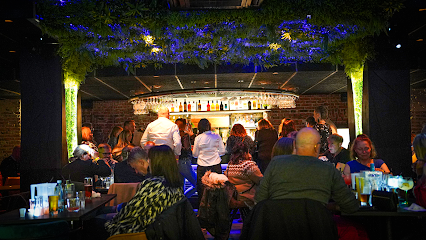
Industrien
9.9 km
Historic Danish bar where 130+ years of tradition meets contemporary hospitality on Esbjerg's vibrant Skolegade.
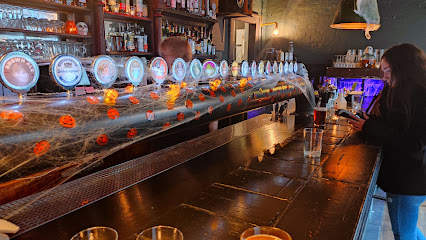
Nightclubs & after hour spots

No.31 - Bar & Natklub
9.9 km
Compact, high-energy nightclub on Esbjerg’s Skolegade, blending late-night bar vibes, loud DJ sets and a youthful dance floor in the heart of the city.
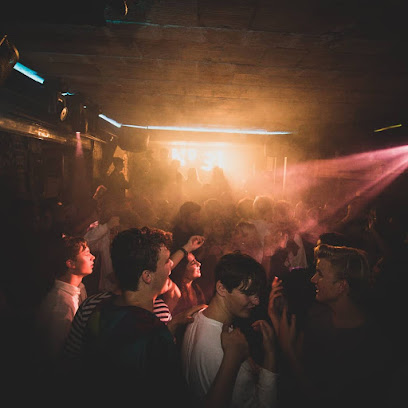
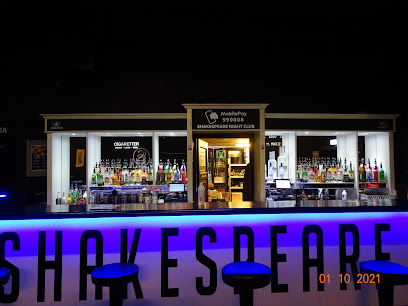
NewsBar - Shakespeare Nightclub & Eventhouse
42.2 km
Ølgod's premier nightclub and event venue, where celebration and community connection meet.
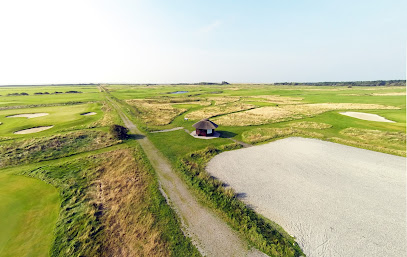
Romo Golf Links
46.7 km
Romo Golf Links offers an authentic coastal golf experience amid the windswept dunes and wild beauty of Rømø, blending challenging play with stunning North Sea views.
Liglad Day & Nightlife
50.3 km
Compact late-night club on Grindsted’s main street, mixing local vibes, DJs and simple drinks for weekend nights that run into the early hours.
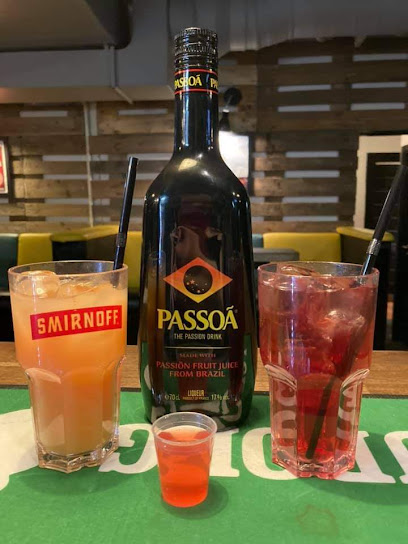
Crazy Daisy Vejen
52.9 km
High-energy disco club in central Vejen, bringing late-night music, dancing and big-city nightclub vibes to a compact South Jutland town.
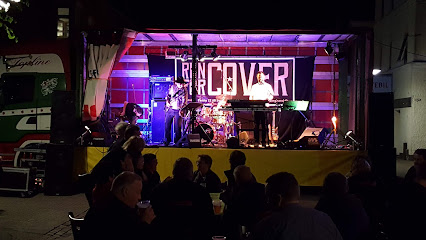
Rotes Kliff
58.6 km
Experience the vibrant nightlife of Rotes Kliff in Sylt, a premier disco club and cocktail bar perfect for unforgettable evenings.
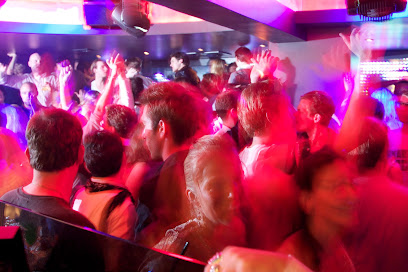
Fishi
59.8 km
Compact, no-frills nightclub in Vejen with loud beats, simple drinks and a friendly small-town crowd that keeps the dance floor moving late into the night.
P2 Champagne & Cocktail Tønder
70.5 km
Intimate champagne and cocktail lounge bringing late-night sparkle and city-style glamour to the historic heart of Tønder.
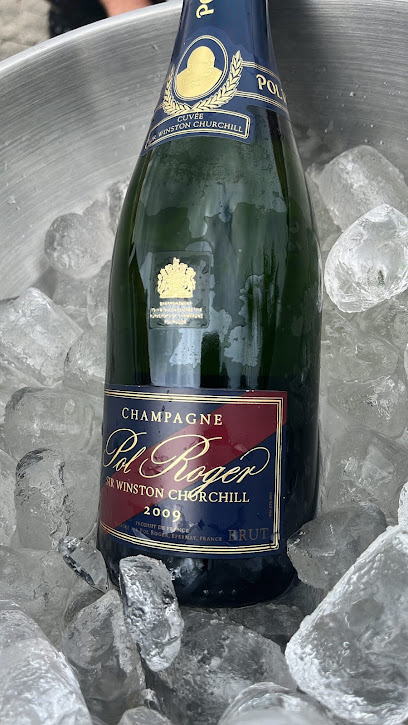
Al Capone
70.5 km
Tønder’s sole nightclub, Al Capone blends a rustic 1920s‑inspired mood, late‑night beats and strong drinks into an intimate speakeasy‑style party den.
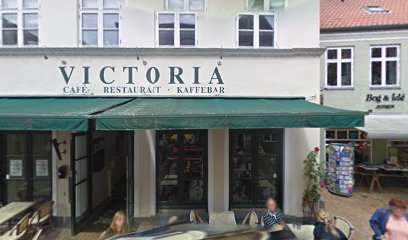
Koldingtivet Engen
73.6 km
Compact Kolding disco where locals pack the dance floor, mainstream hits fill the speakers and late-night energy turns a modest venue into a full-bodied club night.
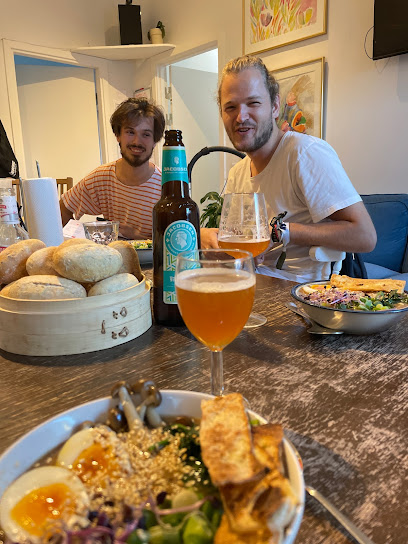
Discoteque Tordenskiold
74.1 km
Kolding's legendary two-floor discotheque and cultural institution since 1973.
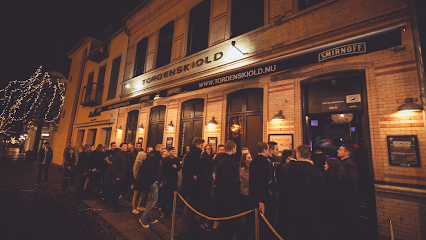
Mørks Kælder
74.3 km
Modern basement nightclub in central Kolding, pouring drinks and classic dance tunes for a grown-up crowd late into the weekend night.
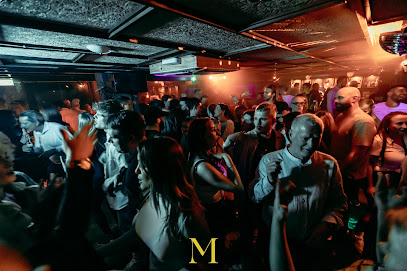
Pitstop
74.5 km
Small, central and loud, Pitstop is Kolding’s alternative live music stronghold, blending intimate gigs, late-night dancing and laid-back bar vibes in a historic building.
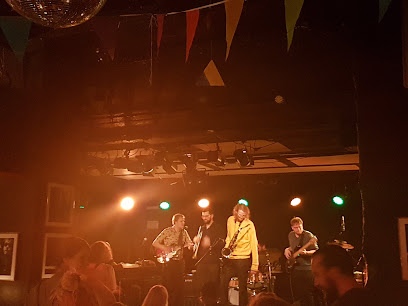
Jazz 6000
74.7 km
An essential stop in Kolding for jazz lovers, Jazz 6000 brings world-class live music, community spirit, and a cozy club atmosphere to southern Denmark.
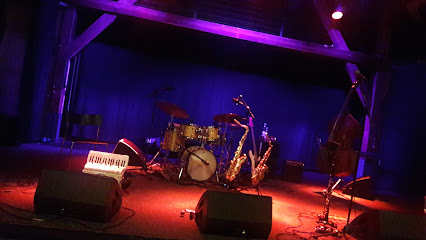
Tucan Swinger & wellness Club
78.3 km
Adults-only swinger and wellness retreat in rural Jutland, blending erotic exploration, spa comforts and themed rooms in a discreet, rules-based environment.