Koldinghus: Denmark's Last Royal Castle
Explore Koldinghus, Denmark's last royal castle, where centuries of history and modern restoration converge in a captivating museum experience.
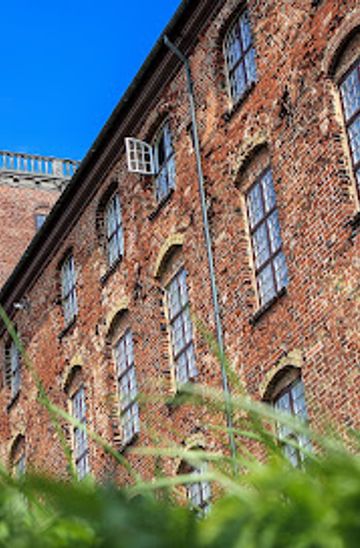
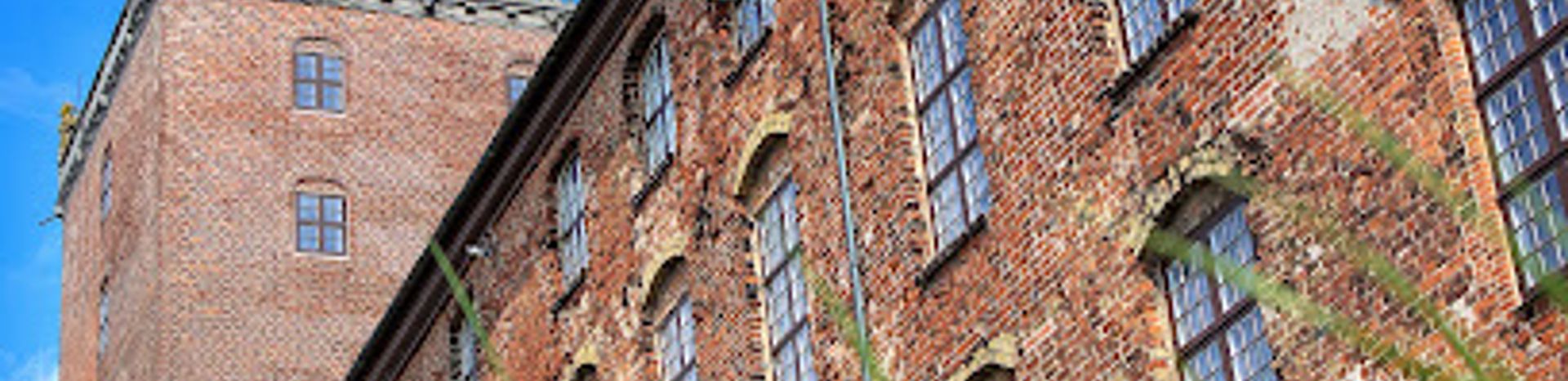
Koldinghus, Denmark's last royal castle, stands as a testament to over 750 years of history. From its origins as a 13th-century fortress to its transformation into a Renaissance palace and its rebirth after a devastating fire in 1808, the castle now serves as a museum showcasing Danish heritage, art, and architecture.
A brief summary to Koldinghus
- Koldinghus 1, Kolding, 6000, DK
- Click to display
- Click to display
- Monday 10 am-5 pm
- Tuesday 10 am-5 pm
- Wednesday 10 am-5 pm
- Thursday 10 am-5 pm
- Friday 10 am-5 pm
- Saturday 10 am-5 pm
- Sunday 10 am-5 pm
Local tips
- Purchase tickets online in advance to avoid waiting times.
- Utilize the lockers near the ticket desk for storing larger bags, as only small bags are permitted inside.
- Visit the Madkælderen restaurant in the castle's cellar for a traditional Danish lunch experience.
- Climb the Great Tower for panoramic views of Kolding and its surroundings.
- Check the museum's calendar for special exhibitions and events during your visit.

Do you manage this location?
Take control to get all the benefits, like improved information, better appearance, and stronger visibility across AI-powered discovery. Learn more
Activate your presenceOther nearby places you may find interesting
Getting There
-
Public Transport
From the central bus station in Kolding, it's a brief walk to Koldinghus. The castle is prominently situated atop a hill, making it easily visible as you approach. Public buses frequently stop near the base of the hill, and from there, it's a short uphill walk to the entrance.
-
Driving
If you're driving, parking is available in the Stable Yard near the castle. Be aware that parking fees apply, and payment is facilitated through mobile apps. The castle is well-signposted from major roads leading into Kolding, guiding you directly to the parking area.
Discover more about Koldinghus
Explore the best of what Koldinghus has to offer
















Experience the heart of Danish comedy at Odense Comediehuus, where culture and laughter unite in the vibrant city center.
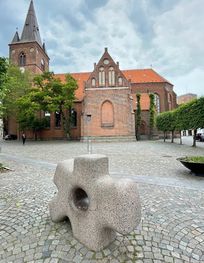
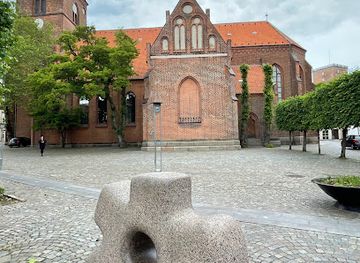
Kolding’s oldest church, where medieval roots, Renaissance artistry, and daily parish life meet under a red-brick neo‑Gothic tower.