Magra El Oyoun Aqueduct: A Historic Waterway
Explore the Magra El Oyoun Aqueduct in Old Cairo: a marvel of ancient engineering and a testament to Egypt's rich history and architectural prowess.
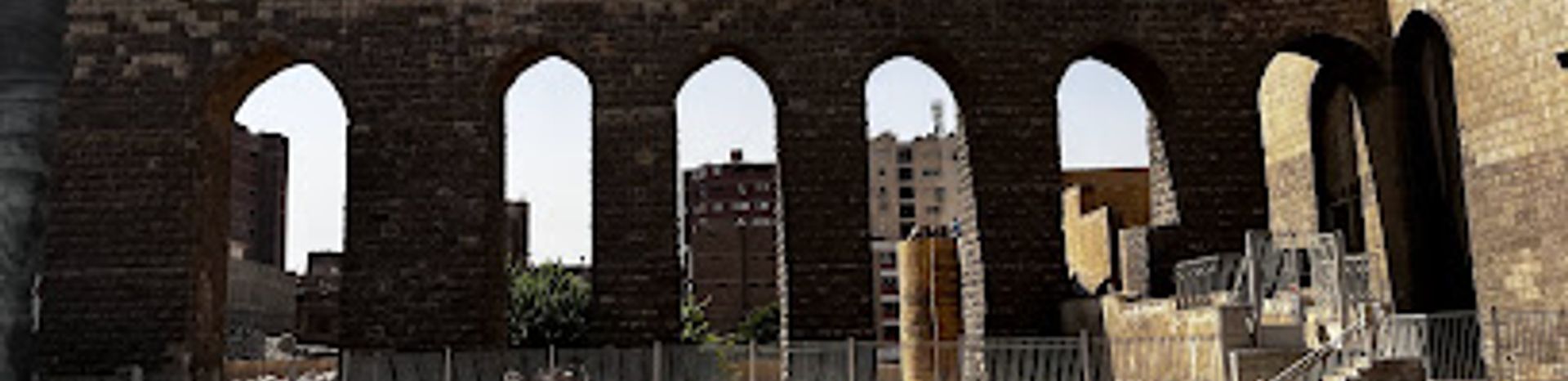
The Magra El Oyoun Aqueduct, located in Old Cairo, is a remarkable feat of ancient engineering. Built during the Mamluk period, it was crucial for transporting water from the Nile to the Cairo Citadel. Today, its impressive arches offer a glimpse into Cairo's rich history and architectural ingenuity.
A brief summary to Magra El Oyoun aqueduct
- 26CJ+R4W، Magra Al Eyoon, فم الخليج ودير النحاس، حي مصر القديمة، محافظة القاهرة،, Old Cairo, Fom Al Khalig WA Deir an Nahas, Cairo Governorate, EG
Local tips
- Visit early in the morning or late afternoon to avoid crowds and enjoy cooler temperatures.
- Wear comfortable shoes, as you'll want to explore the pathways around the aqueduct.
- Bring a camera to capture the stunning architecture and surrounding scenery.

Getting There
-
Public Transport
To reach the Magra El Oyoun Aqueduct via public transport, take the Cairo Metro Line 1 (red line) to the 'Sadam' station. From there, exit and walk to the nearby bus stop. Board a local bus heading towards 'Fom Al Khalig' or 'Old Cairo'. Ask the driver to drop you off at the nearest stop to the aqueduct. Bus fare is approximately 5 EGP.
-
Taxi/Ride-sharing
The most convenient way to reach the aqueduct is by taxi or ride-sharing service (Uber or Careem). Set your destination to 'Magra El Oyoun aqueduct, Old Cairo'. Fares typically range from 50 to 150 EGP depending on your location and traffic.
Discover more about Magra El Oyoun aqueduct
Iconic landmarks you can’t miss

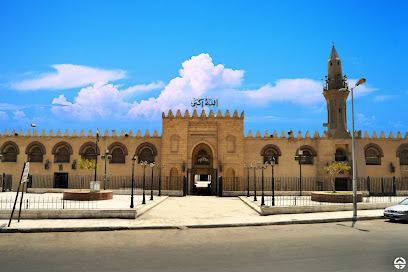
Amr ibn Al-A'as Masjid Jama
1.4 km
Visit the Amr ibn Al-A'as Mosque, the first mosque in Egypt and Africa, a landmark of Islamic history and architecture in Old Cairo.
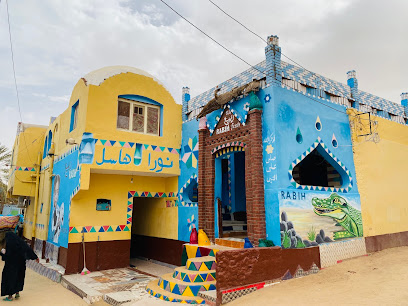
Nubian Village
1.5 km
Experience authentic Nubian culture in Cairo: traditional cuisine, live music, and a vibrant atmosphere await at Nubian Village.
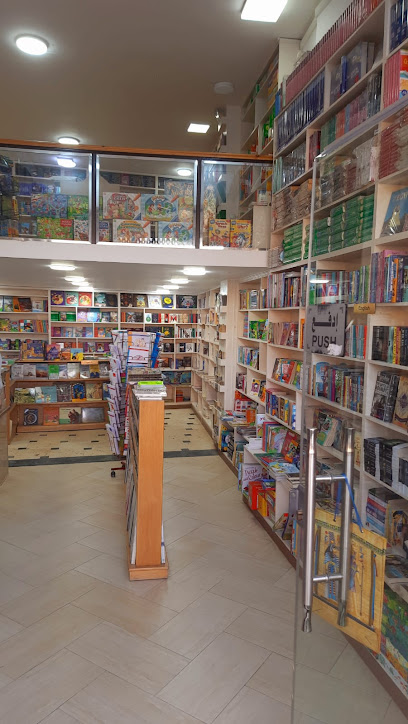
Red Sea Bookstores - مكتبة البحر الاحمر
1.5 km
Explore a curated collection of books and souvenirs at Red Sea Bookstores, nestled in the heart of Old Cairo's historic and religious sites.
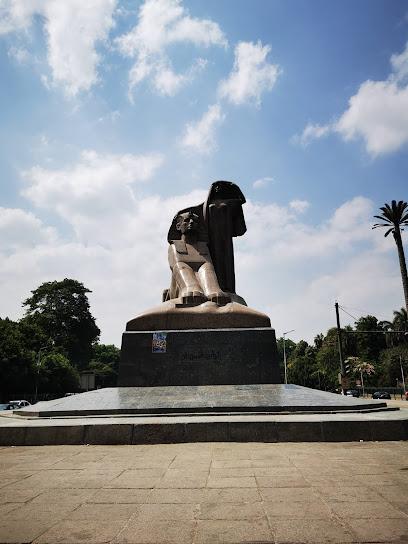
Egypt's Renaissance Statue
1.5 km
A Giza monument embodying Egypt's national aspirations, blending ancient heritage with a vision for a modern future.
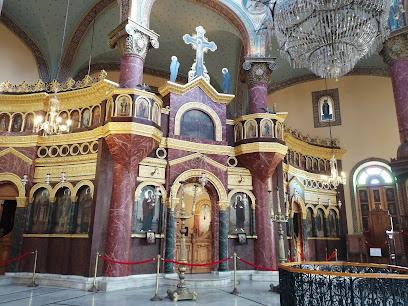
St. George's church
1.8 km
Discover St. George's Church in Old Cairo: a unique round church with a rich history and stunning Byzantine architecture.
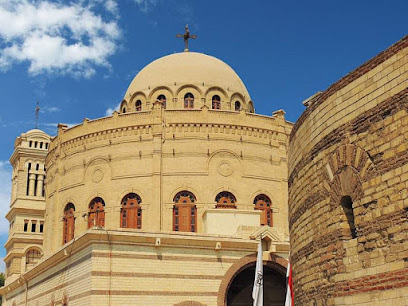
Saint Barbara Church Complex
1.8 km
Explore the historic Saint Barbara Church Complex in Old Cairo, a treasure trove of Coptic art and architecture dating back to the 5th century.
سبيل وكتاب الست صالحة
1.8 km
Explore سبيل وكتاب الست صالحة in Cairo: a historic sabil and kuttab showcasing unique Ottoman-era architecture and cultural heritage.
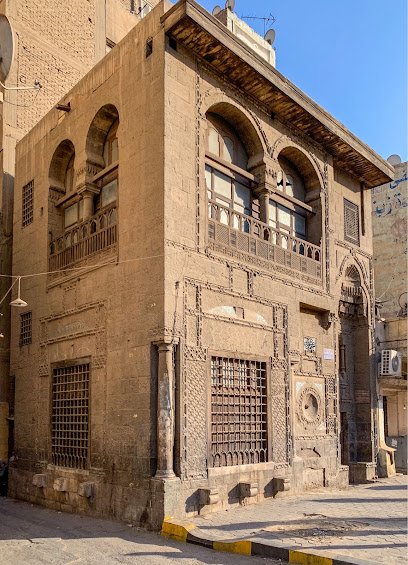
Roman Tower
1.8 km
Explore the ancient Roman Tower in Old Cairo, a historic landmark easily accessible and offering a glimpse into Egypt's Roman past.
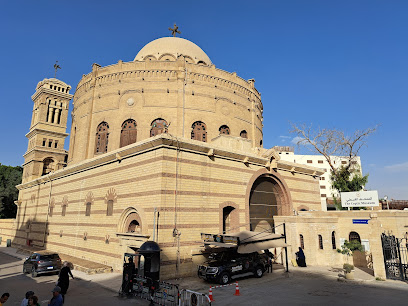
Giza
1.9 km
Explore the majestic Giza Pyramids and Sphinx, ancient wonders of Egypt and UNESCO World Heritage site, revealing millennia of history.
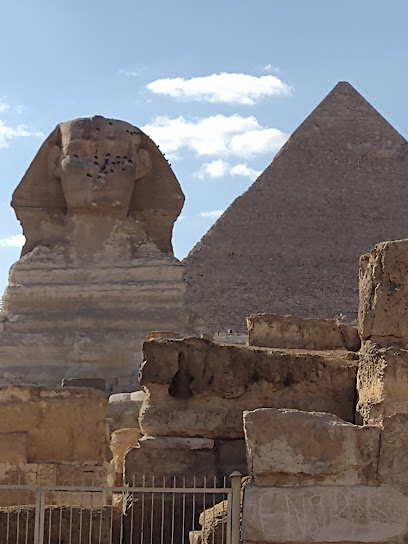
Pyramid
1.9 km
Explore the monumental Great Pyramid of Giza, the oldest and largest pyramid, a testament to ancient Egyptian ingenuity and pharaonic power.
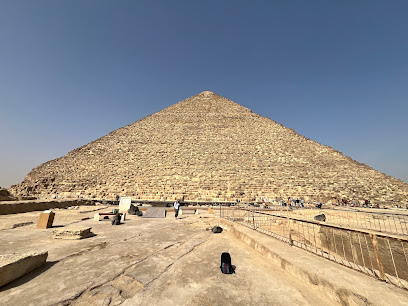
Kasr Al Shama'e
1.9 km
Explore Kasr Al Shama'e in Old Cairo: A historic district with ancient churches, vibrant culture, and authentic Egyptian experiences.

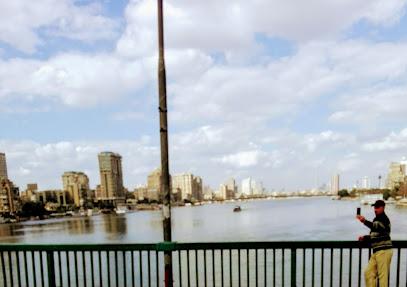
Giza Bridge
2.2 km
Cross the Nile on the historic Giza Bridge, connecting past and present in the heart of Cairo's bustling metropolis.
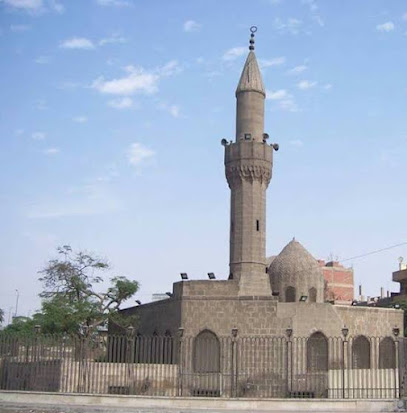
رباط الأثار
2.2 km
Explore the historical depths of Rabat Al-Athar in Old Cairo, where the echoes of ancient Egypt come alive in a captivating landmark.
Giza pyramids
2.3 km
Explore the Giza Pyramids, ancient tombs of pharaohs and iconic symbols of Egypt's glorious past. A journey through time awaits!
Kasr Al Nile Bridge
2.4 km
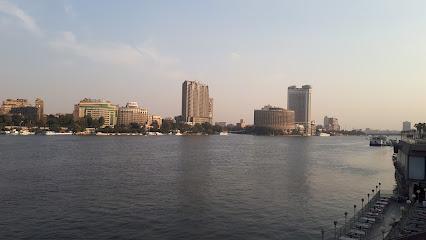
Experience Cairo's heart at Qasr El Nil Bridge: iconic views, majestic lions, and a vibrant atmosphere connecting history and modern life.
Unmissable attractions to see

سراي العرش
0.5 km
Discover the enchanting Saray Al-Arsh in Old Cairo, a captivating blend of history and architecture that showcases Egypt's rich cultural heritage.
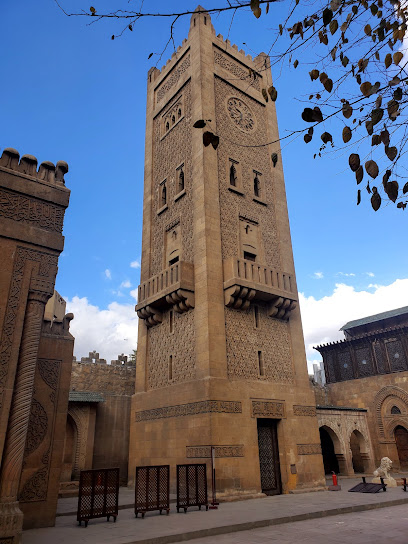
قصر السرايا
0.6 km
Discover the grandeur of Al-Saraya Palace, a stunning historical attraction in Old Cairo that embodies Egypt's rich cultural heritage.
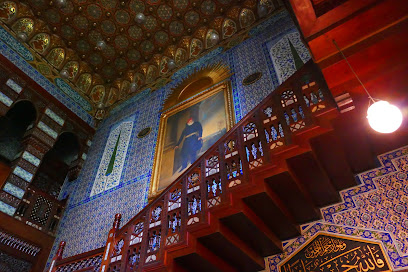
برج الساعة
0.7 km
Explore the breathtaking views and cultural heritage at the Tower of Al-Sayeda, the iconic landmark of Old Cairo, Egypt, offering a glimpse into the city's vibrant life.
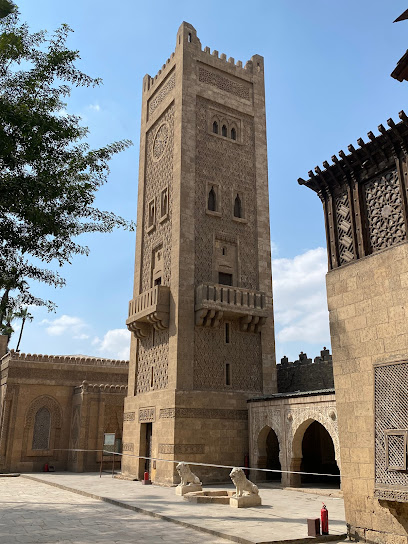
سراى الإستقبال
0.7 km
Discover the tranquil beauty and rich history of Al Saraya, a captivating tourist attraction in the heart of Old Cairo.
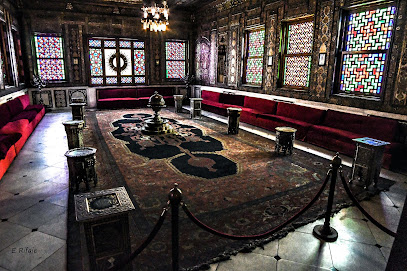
Prince Mohamed Ali Palace (Manial Palace)
0.7 km
Experience the opulence of Egypt's royal history at Prince Mohamed Ali Palace, a stunning landmark in Old Cairo with captivating museums and serene gardens.
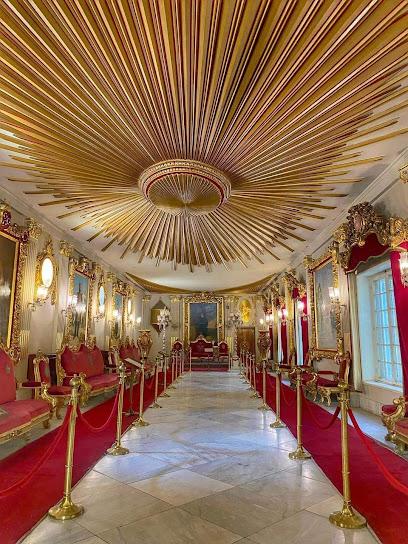
عوامة الشوق
1.0 km
Explore Awamat Al-Shouq, a vibrant tourist attraction in Old Cairo, where history meets culture in a captivating Egyptian experience.
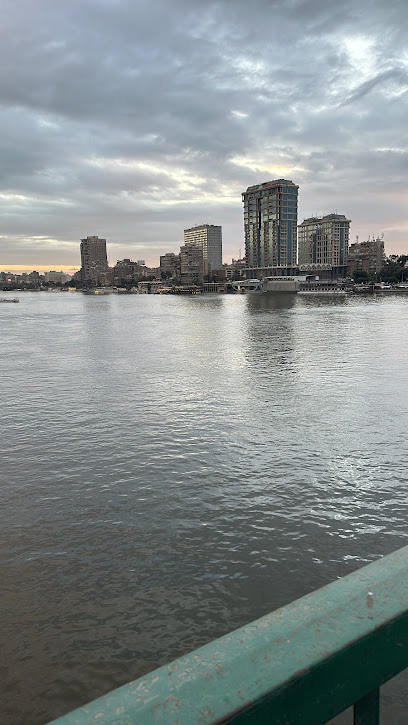
St. Mercurius (Abu Seifein) Monastery & Tamav Erini's Shrine
1.1 km
Discover the tranquil beauty and rich history of St. Mercurius Monastery, a hidden gem in Old Cairo that reflects Egypt's spiritual legacy.
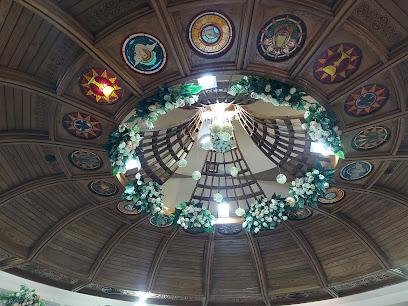
Nubia yacht
1.2 km
Discover the enchanting Nile River with a luxurious yacht experience at Nubia Yacht, where stunning views and exquisite dining create unforgettable memories.
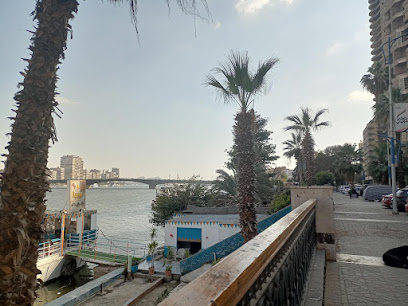
Ahmed Shawky Museum
1.2 km
Discover the legacy of Ahmed Shawky at the museum dedicated to Egypt's literary gem, set in the lush surroundings of Giza.
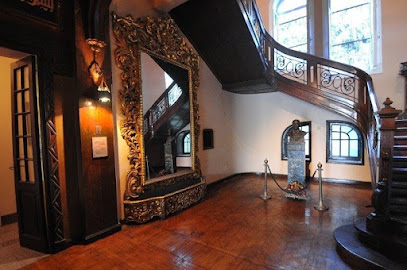
Sky Yacht - مرسي يخوت سكاي
1.4 km
Discover the luxury and beauty of Sky Yacht in Al Giza, where breathtaking views and top-tier amenities create unforgettable experiences on the Nile.
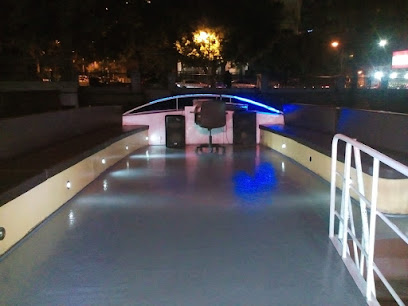
Riu Nil
1.4 km
Explore the stunning beauty and rich history at Riu Nil, a premier tourist attraction near the iconic pyramids of Giza, Egypt.
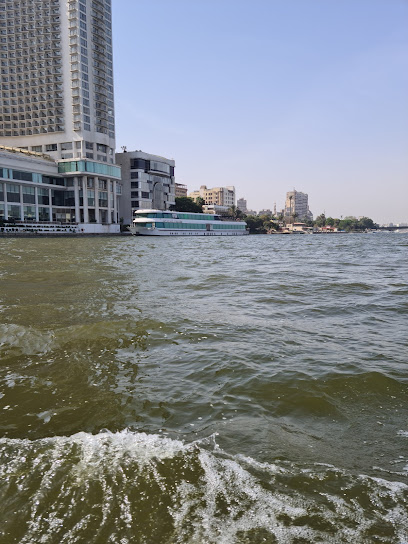
cairo star
1.4 km
Explore the vibrant culture of Cairo at Cairo Star, a must-visit tourist attraction in the heart of El Sayeda Zeinab, rich with history and local charm.
Manasterly Bridge
1.5 km
Experience the enchanting charm of Manasterly Bridge, a cultural gem in Old Cairo offering stunning views and rich history amidst the vibrant life of the Nile.
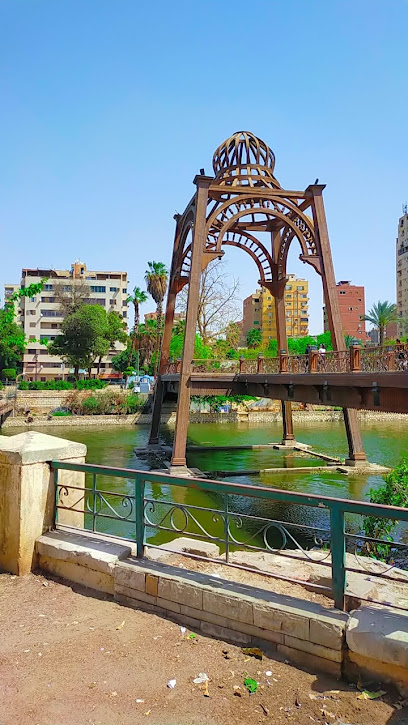
Ahmed El Badawy Réception
1.5 km
Ahmed El Badawy Réception: Embrace the Heart of Egyptian Hospitality in Cairo's Vibrant Qasr El Nil.
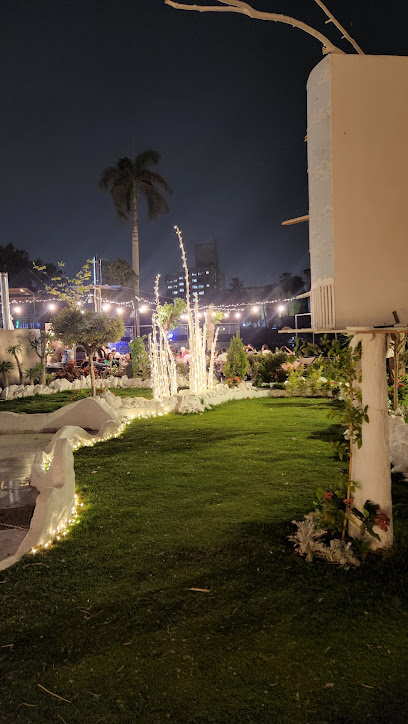
Nile View Club
1.5 km
Experience the beauty of the Nile River at Nile View Club, where stunning views meet exquisite cuisine in a tranquil setting.
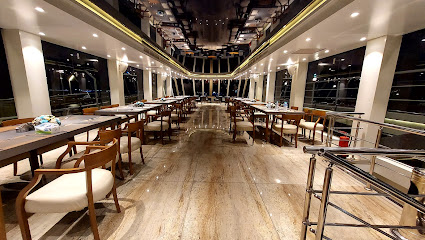
Essential places to dine

Nile Lily Restaurants
0.7 km
Experience authentic Japanese izakaya dining at Nile Lily Restaurants in Old Cairo, where tradition meets culinary excellence.
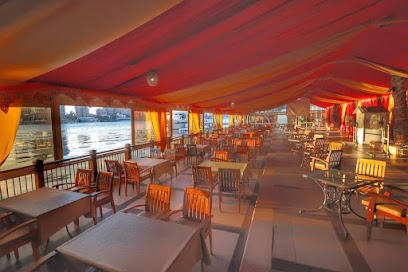
Nile Lily
0.8 km
Experience authentic Japanese izakaya dining at Nile Lily in Old Cairo – where tradition meets flavor in a vibrant setting.
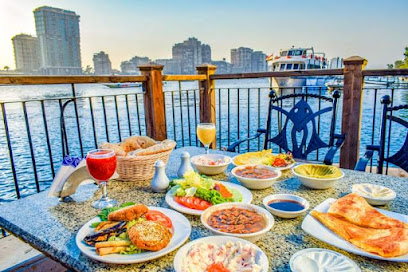
The Roof ذا روف
1.1 km
Experience fine dining at The Roof, where exquisite cuisine meets stunning views along the banks of the Nile River.
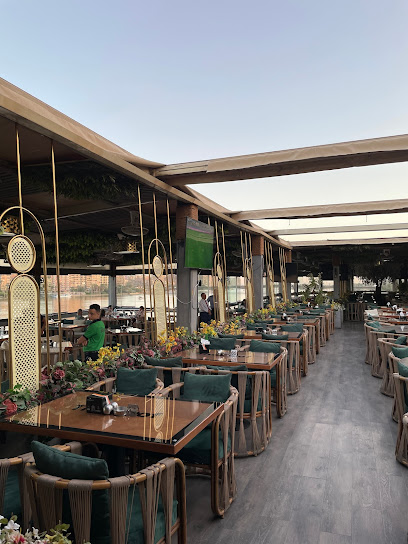
Le Petit Chef - Cairo
1.2 km
Discover the magic of culinary storytelling at Le Petit Chef in Cairo – where every meal is an unforgettable adventure.
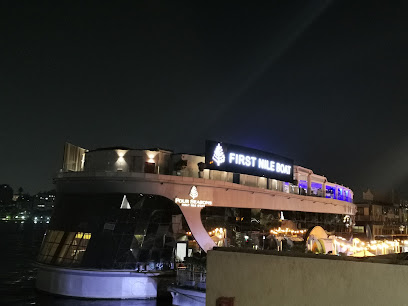
Zoe
1.2 km
Discover Zoe, Giza's premier Mediterranean restaurant with breathtaking Nile views and exquisite seafood delicacies.
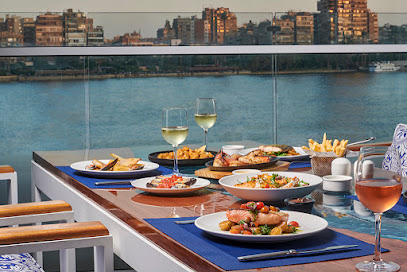
Eat & Barrel
1.2 km
Experience exquisite dining at Eat & Barrel in Giza – where traditional flavors meet modern elegance along the banks of the Nile.
Nairu
1.2 km
Experience exquisite Asian flavors at Nairu along the Nile – where culinary artistry meets breathtaking views.
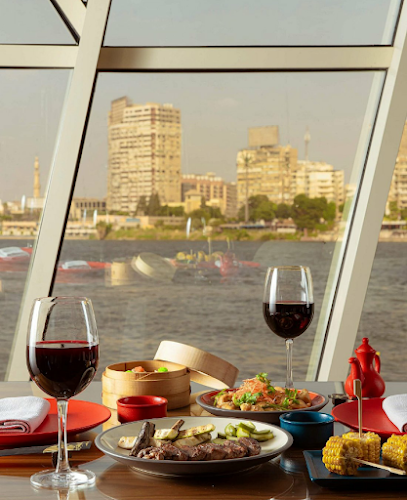
XODÓ
1.2 km
Indulge in exquisite steak and South American cuisine at XODÓ while enjoying stunning Nile views in Giza's finest dining experience.
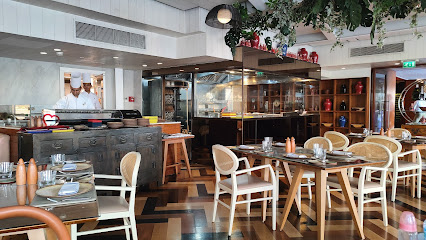
Kai
1.3 km
Experience authentic Mexican cuisine at Kai in Giza – where every bite tells a story filled with flavor and culture.
Aura
1.3 km
Experience authentic Lebanese flavors at Aura in Cairo—where culinary excellence meets breathtaking views.
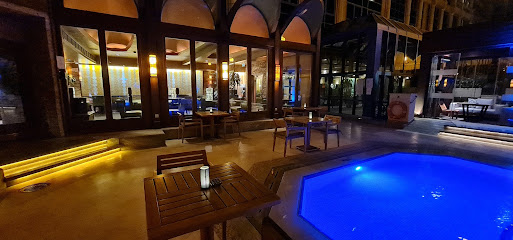
Patrimoine Du Caire
1.3 km
Experience exquisite French cuisine in Cairo at Patrimoine Du Caire, where themed dining meets culinary artistry.
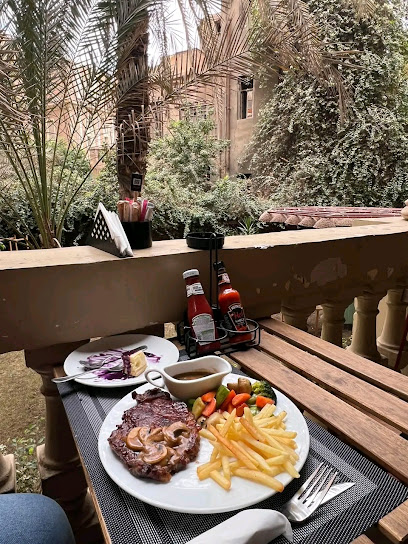
Marquise Boat at Grand Nile Tower Hotel
1.4 km
Experience luxury dining on the Nile with stunning views at Marquise Boat in Cairo's Grand Nile Tower Hotel.
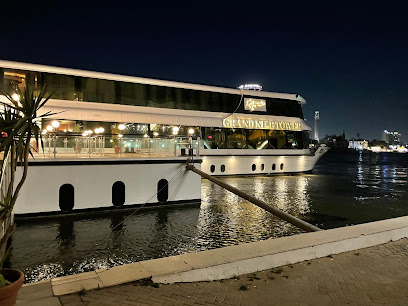
il Nilo | النيلو
1.4 km
Discover authentic Italian flavors at il Nilo along Cairo's scenic Nile Corniche - where exquisite cuisine meets breathtaking views.
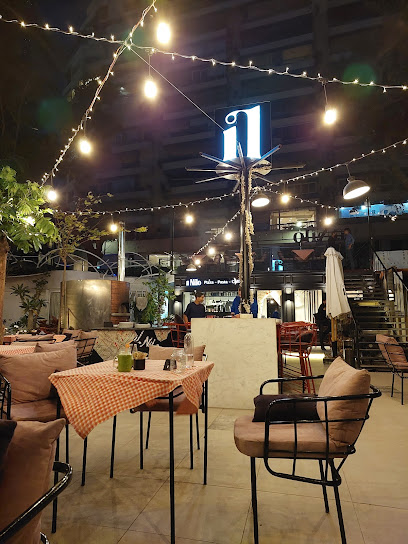
8 Restaurant
1.6 km
Experience exquisite Chinese cuisine and delightful desserts at 8 Restaurant along Cairo's Nile Corniche.
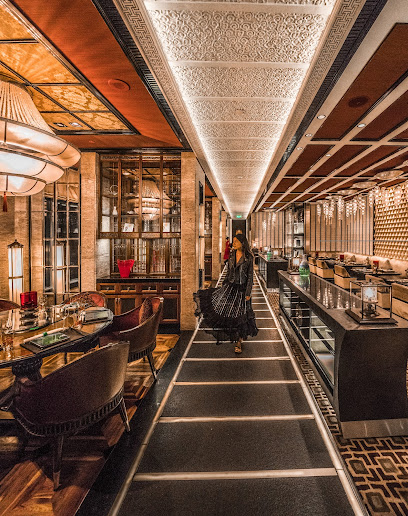
Zitouni
1.6 km
Experience authentic Egyptian cuisine with breathtaking Nile views at Zitouni - Cairo's premier fine dining destination.
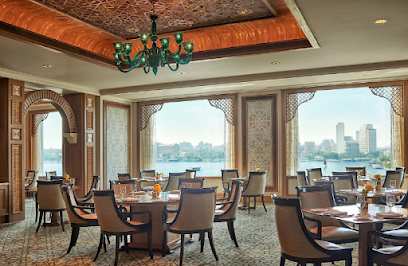
Markets, malls and hidden boutiques

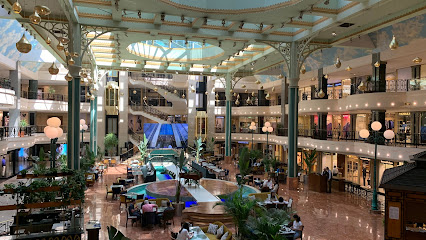
The First Mall
1.3 km
Experience luxury shopping at The First Mall, nestled within the Four Seasons Hotel, offering exclusive brands and exquisite dining in Giza, Egypt.
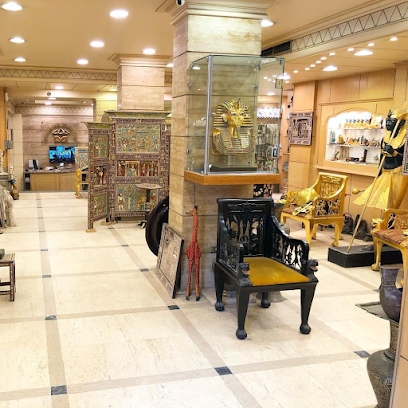
Mamluk Jewellery and Bazaar مجوهرات مملوك
1.4 km
Discover the artistic brilliance of Mamluk Jewellery and Bazaar in Old Cairo, where history meets exquisite craftsmanship in a vibrant marketplace.
Souq El Fustat
1.5 km
Explore Souq El Fustat: A Handicraft Haven in Old Cairo, Where Artistry Meets Tradition.
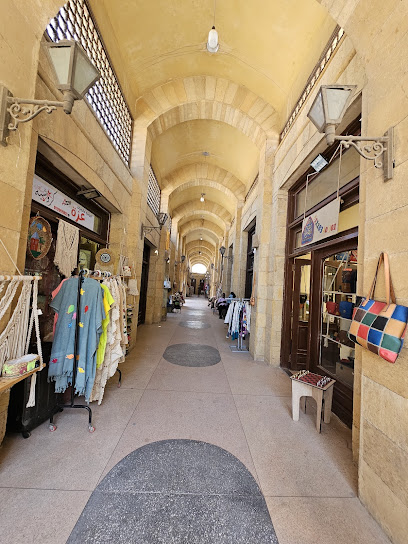
Garden City Gifts
1.6 km
Explore Garden City Gifts in Cairo for unique handicrafts and souvenirs that showcase the rich culture and artistry of Egypt.
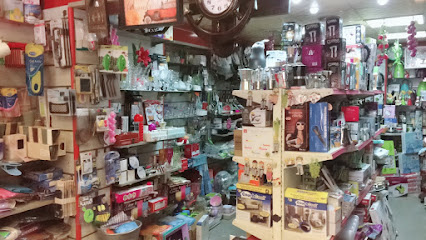
محل بيشو لانجيرى
1.9 km
Discover the latest in women's fashion at بيشو لانجيرى, Giza's premier clothing store blending modern style with Egyptian charm.
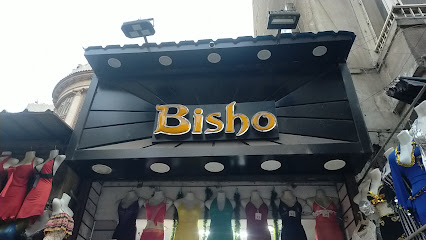
Egypt Duty Free Shops
2.2 km
Discover luxury shopping at Egypt Duty Free Shops in Dokki, Giza, where exclusive products meet exceptional prices.
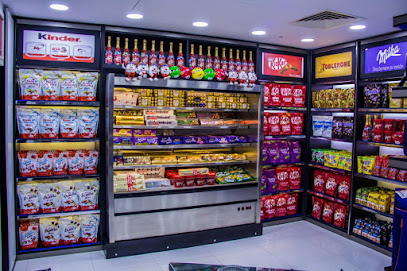
Oriental Bazzar
2.3 km
Explore Oriental Bazaar: Cairo's vibrant gift shop along the Nile, offering unique souvenirs and a taste of Egyptian culture.
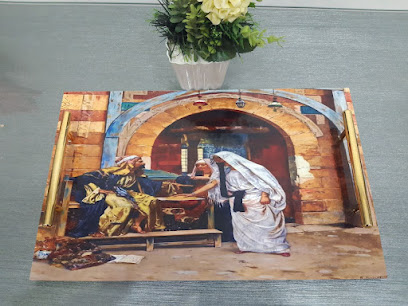
Konouz Gift Shop NMEC
2.4 km
Explore Konouz Gift Shop NMEC for authentic Egyptian crafts and unique souvenirs that capture the essence of Egypt's rich cultural heritage.
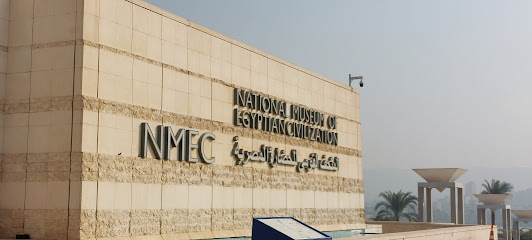
Novotel Cairo El Borg
2.5 km
Discover luxury and comfort at Novotel Cairo El Borg, a stunning hotel with breathtaking Nile views in the heart of Zamalek.
Gonnashop
2.5 km
Discover exquisite luxury watches at Gonnashop in Cairo, where elegance meets cultural richness for an unforgettable shopping experience.

Kiki's Boutique
2.5 km
Discover Kiki's Boutique in Cairo for a unique blend of local fashion and contemporary style, perfect for tourists seeking stylish souvenirs.
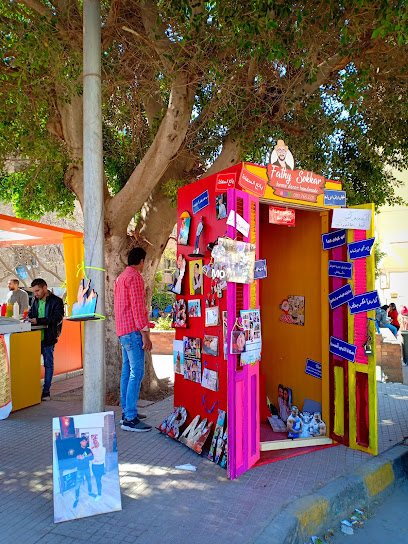
Fathy sokkar
2.5 km
Explore Fathy Sokkar Gift Shop for unique Egyptian souvenirs and handcrafted treasures, capturing the essence of Cairo's vibrant culture.
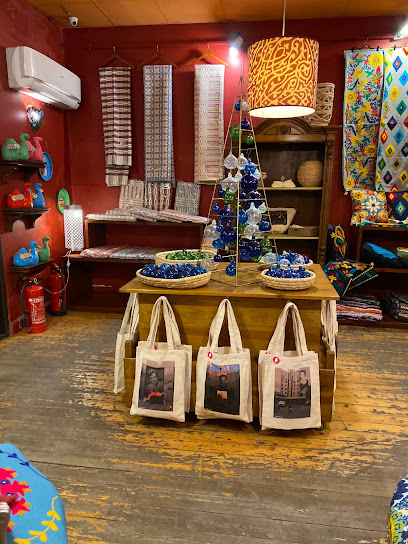
Oum el Dounia Gallery - ام الدنيا جاليري
2.6 km
Explore the vibrant craftsmanship of Egypt at Oum el Dounia Gallery, the premier destination for unique handmade gifts and souvenirs.
Egyptian Souvenirs
2.7 km
Explore authentic Egyptian treasures at Egyptian Souvenirs, where craftsmanship meets culture in the heart of Ismailia.
thrifted house
2.8 km
Thrifted House in Cairo: Discover unique vintage and contemporary fashion treasures in an eclectic clothing store.
Essential bars & hidden hideouts

Helix Restaurant & Bar
1.0 km
Discover the essence of Cairo's nightlife at Helix Restaurant & Bar with exquisite cuisine and a vibrant atmosphere.
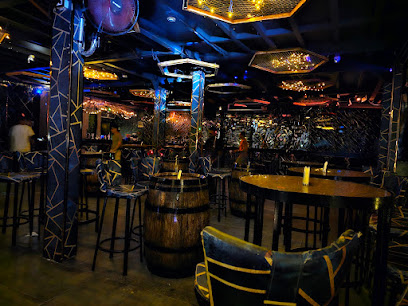
Rai Club Nile Dragon Boat
1.3 km
Dive into an electrifying nightlife at Rai Club Nile Dragon Boat, where music meets the Nile for an unforgettable party experience.
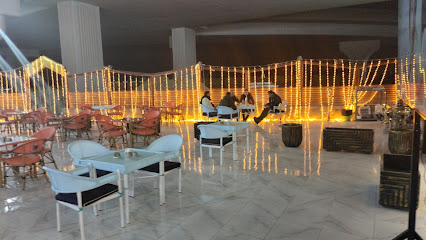
Bears
1.3 km
Discover Bears, the vibrant bar in Dokki, Giza, where locals and tourists converge for drinks, music, and unforgettable nights.
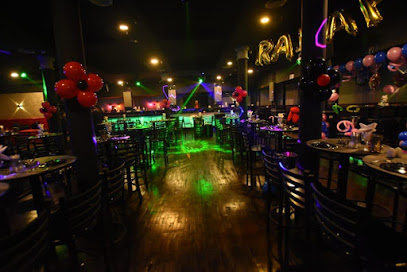
El-Regina Club Nile Tower
1.3 km
Discover the electrifying nightlife at El-Regina Club Nile Tower, where vibrant music meets stunning Nile views for an unforgettable experience.
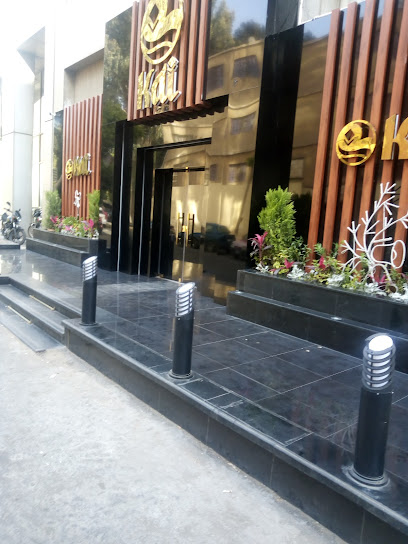
The First Bar
1.3 km
Experience luxury at The First Bar in Al Giza, where expertly crafted cocktails and breathtaking views meet an elegant atmosphere.
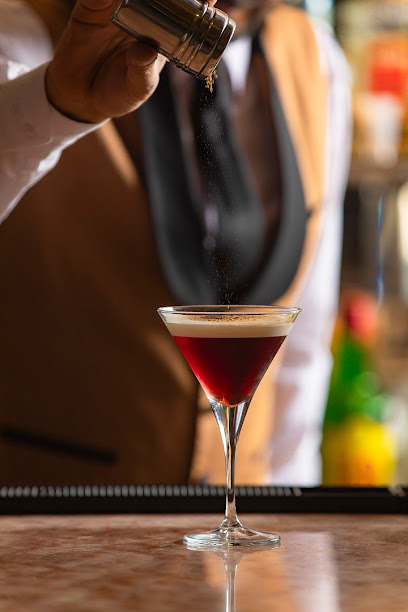
The Bar
1.6 km
Discover The Bar in Cairo, where luxurious lounge vibes meet exquisite Japanese dining along the scenic Nile.
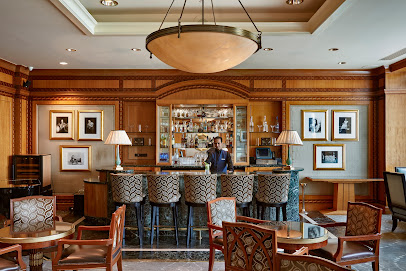
Jazz Bar
1.8 km
Experience Cairo's vibrant nightlife at the Jazz Bar with live music, exquisite cocktails, and an enchanting atmosphere.
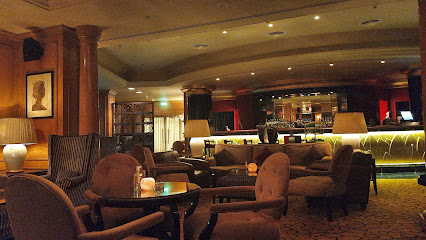
Char Bar
1.9 km
Experience the best of American grilling and refreshing beverages at Char Bar in Giza, a delightful spot for food lovers and families.
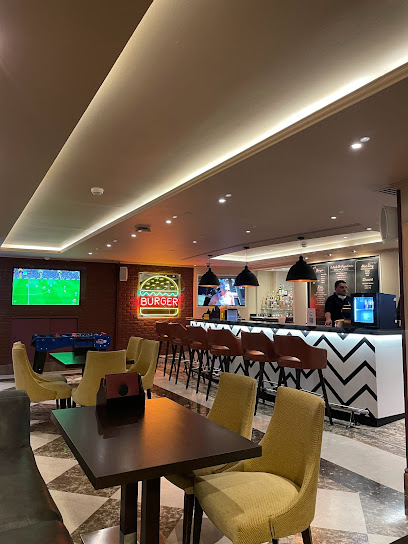
Sofitel Cairo Nile El Gezirah
1.9 km
Experience unparalleled luxury at Sofitel Cairo Nile El Gezirah, where stunning Nile views, exquisite dining, and world-class service await you.
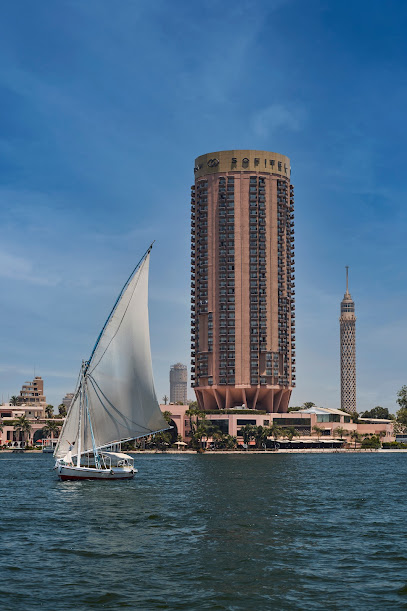
ElTonsi Rooftop
2.3 km
Experience breathtaking views and vibrant nightlife at ElTonsi Rooftop, a must-visit bar in the heart of Giza.
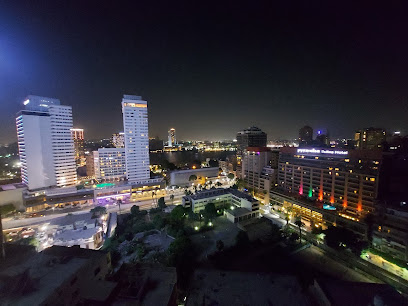
Ambassador Club
2.3 km
Discover the vibrant nightlife at Ambassador Club, a premier bar in Cairo with stunning Nile views and exquisite cocktails.
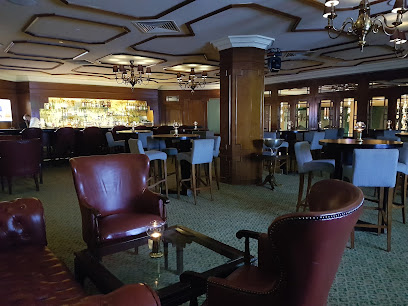
Nomad
2.6 km
Experience the authentic flavors of Egypt at Nomad Grill, where every dish tells a story of tradition and passion.
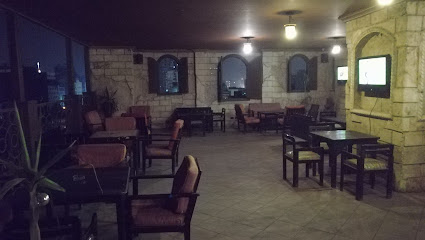
Asia Bar
2.6 km
Experience the vibrant fusion of Asian cuisine and nightlife at Asia Bar in Zamalek, Cairo, where every meal is a celebration.
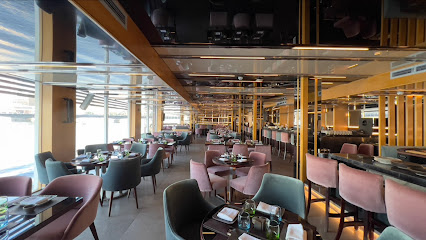
Bar'Oro
2.6 km
Experience luxury and breathtaking views at Bar'Oro, Cairo's premier riverside bar serving exquisite cocktails and gourmet tapas.
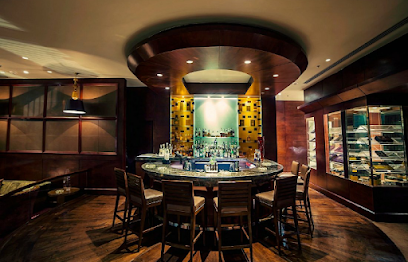
Lobby Lounge
2.7 km
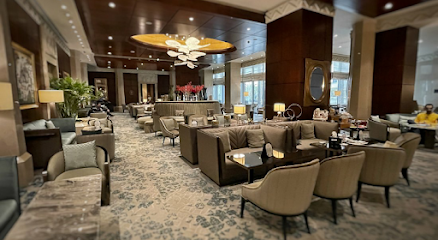
Experience the exquisite elegance and tranquility of the Lobby Lounge, the perfect retreat in Cairo's bustling atmosphere.
Nightclubs & after hour spots

Opal club
1.2 km
Discover the vibrant nightlife of Opal Club in Giza, where energetic beats and stylish ambiance create unforgettable nights.

ICON Club Cairo
1.2 km
Experience the vibrant nightlife at ICON Club Cairo, a premier disco club on the Nile with electrifying music and dance.

Xo Club Nightclub Cairo
1.2 km
Discover Cairo’s vibrant nightlife at Xo Club Nightclub, where music, dancing, and unforgettable memories await every night.
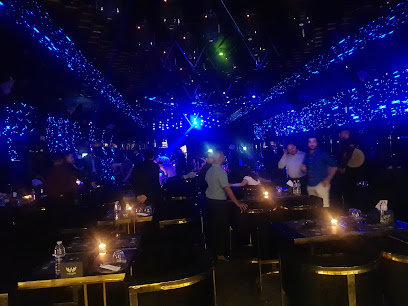
CAVALLI CLUB
1.2 km
Discover the ultimate nightlife experience at Cavalli Club, a premier disco club in Giza offering top DJs and an electrifying atmosphere.
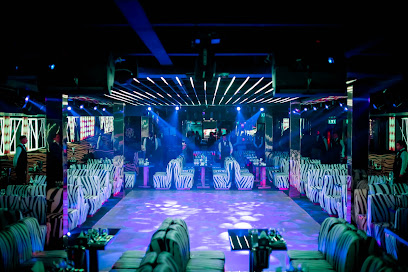
Karwaza Club
1.3 km
Discover the electrifying nightlife at Karwaza Club in Al Giza, where music and dance unite for an unforgettable experience.
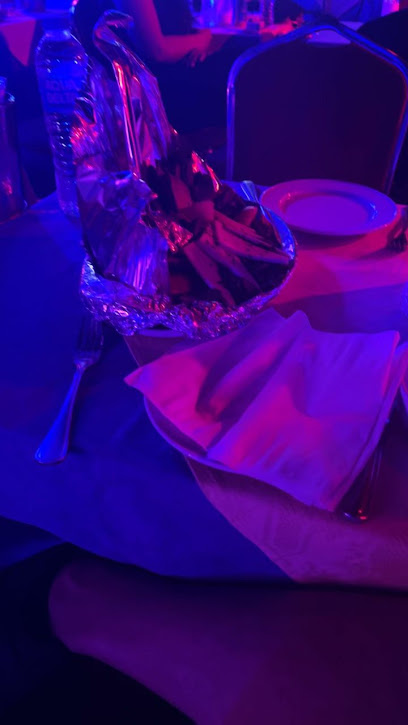
Night club Disco Khalijy and after party
1.3 km
Experience the vibrant nightlife of Giza at Disco Khalijy, a premier night club featuring pulsating music, dazzling lights, and unforgettable vibes.

Disco cash cairo by Magnum Nights
1.3 km
Discover the electrifying nightlife at Disco Cash Cairo, a premier night club featuring live music, dance performances, and an exhilarating atmosphere.
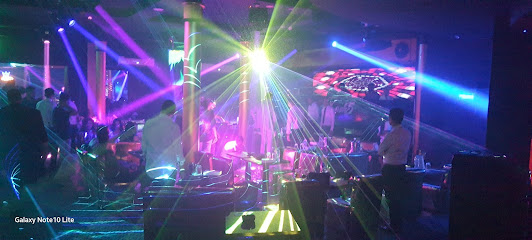
Night life
1.3 km
Dive into Cairo's nightlife at this lively club, where top DJs and an electric atmosphere create unforgettable nights.
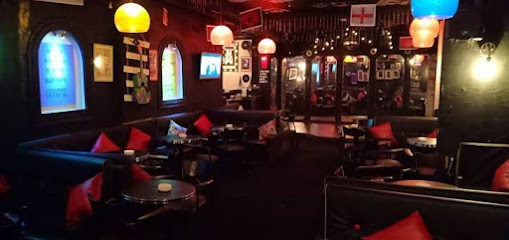
Regiena Nightclub
1.3 km
Dive into the vibrant nightlife of El Omraniya at Regiena Nightclub, where unforgettable music and dance await you.
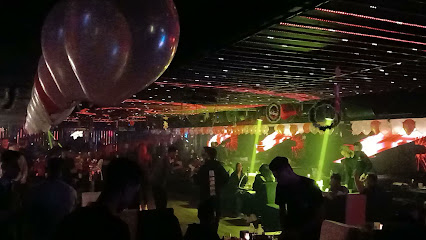
1 Ok Club
2.0 km
Dive into the pulsating nightlife of Cairo at 1 Ok Club, your ultimate disco destination in Zamalek, where music and culture collide.
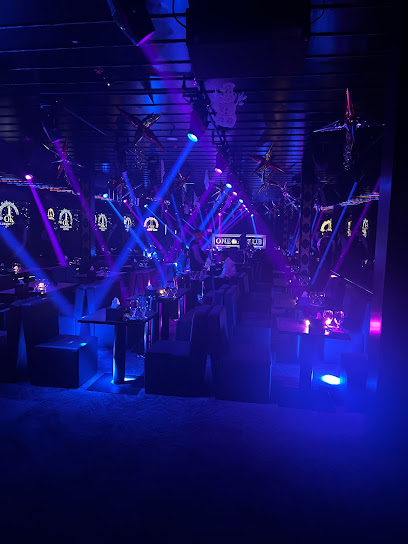
SPINE Cairo
2.0 km
Dive into the heart of Cairo's nightlife at SPINE, where music, dance, and unforgettable memories await in stylish surroundings.
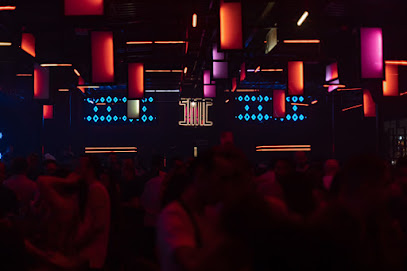
Crowd Club Cairo
2.1 km
Dive into the electrifying nightlife of Cairo at Crowd Club, where every night is a vibrant celebration of music and dance.
جنينة بيت المايكول
2.5 km
Experience the vibrant nightlife of Cairo at جنينة بيت المايكول, where music and dance create unforgettable memories.
Greek Campus Rooftop
2.6 km
Discover the vibrant nightlife at Greek Campus Rooftop, where stunning views meet an energetic atmosphere in the heart of Cairo.
Blue Sky
2.6 km
Dive into Cairo's nightlife at Blue Sky, a premier dance club in Zamalek, where music and energy combine for an unforgettable experience.