

Free Zoba Semienawi Keyih Bahri Travel Guide & Mobile App
Explore Zoba Semienawi Keyih Bahri with free travel guides. Discover regional history, expert tips, proposed trips, and audio guides on web or mobile app.


Explore Massawa’s coral-stone heritage, Red Sea landscapes, Adulis archaeology and the remote Dahlak Archipelago in northern Eritrea.
Read more about Zoba Semienawi Keyih Bahri
When is the best time to visit Zoba Semienawi Keyih Bahri?
Best: February, November–December · 24–25°C| Month | High (°C) | Rainfall (mm) |
|---|---|---|
| January | 23 | 1 |
| February (best) | 25 | 1 |
| March | 26 | 2 |
| April | 28 | 3 |
| May | 30 | 2 |
| June | 32 | 1 |
| July | 32 | 5 |
| August | 32 | 5 |
| September | 30 | 4 |
| October | 28 | 2 |
| November (best) | 25 | 1 |
| December (best) | 24 | 1 |
Getting to and around Zoba Semienawi Keyih Bahri
How to get there
Transportation
Top city travel guides in Zoba Semienawi Keyih Bahri
The cities of Zoba Semienawi Keyih Bahri, and the easiest places to base yourself.
-

-

-

-

-

-


Swipe for more cities
Destinations in Zoba Semienawi Keyih Bahri
Resorts, valleys and scenic spots worth a trip of their own.
-

-

-

-

-


Swipe for more destinations
Best attractions in Zoba Semienawi Keyih Bahri
The region’s attractions are defined by historical depth, harsh coastal scenery and remoteness rather than by a large tourism industry. Massawa’s old town is the principal urban attraction, with coral-stone buildings, arcades, mosques, waterfront streets and traces of Ottoman, Egyptian and Italian rule. The Gulf of Zula offers access to the archaeological landscape associated with ancient Adulis, although its isolated position and permission requirements make it a planned excursion. Inland routes lead through stark volcanic and desert terrain towards places connected with Eritrea’s independence struggle, including Nakfa, where military history is inseparable from the landscape. Offshore, the Dahlak Archipelago offers reefs, mangroves, sandbanks, fishing communities and clear Red Sea waters, but facilities are extremely basic and time on the islands requires organised transport, supplies and official approval. Birdlife, marine environments and coastal geology are additional interests for suitably prepared visitors. The region is not suited to spontaneous sightseeing: its most rewarding experiences depend on local arrangements, patience and respect for restricted areas.
-
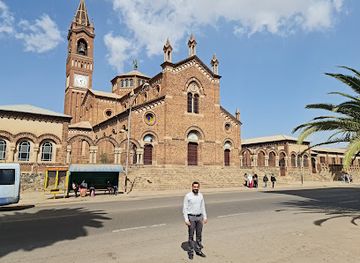
Catholic cathedral
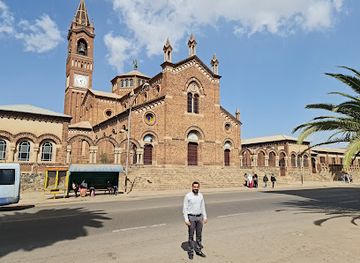
ኣስመራ ካቴድራል | Cathedral Our Lady of the Rosary
Explore the breathtaking architecture and serene atmosphere of the Cathedral of Our Lady of the Rosary in Asmara, a cultural gem of Eritrea.
-
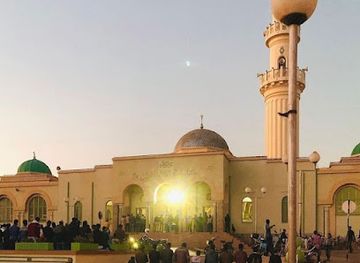
Mosque
Khulafa al-Rashidun Mosque - ጃምዕ ኹለፋእ ኣልራሺዲን
Discover the architectural beauty and cultural significance of Khulafa al-Rashidun Mosque, a must-visit landmark in Asmara, Eritrea.
-
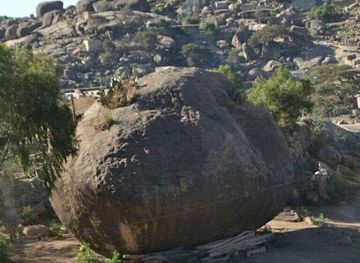
Monastery
ቅድስተ ቅዱሳን ድንግል ማርያም ደብረሲና ኦርቶዶክስ ተዋህዶ ገዳም ኤርትራ "St. Mariam Debresina Orthdox Tewahdo Monastery Eritrea"
Explore the serene St. Mariam Debresina Monastery, a cultural gem in Eritrea, embodying spiritual richness and breathtaking beauty.
-
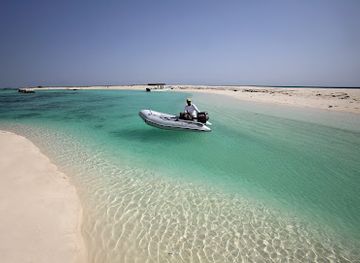
National park
Dahlak Marine National Park
Discover the stunning underwater beauty and rich biodiversity of Dahlak Marine National Park, a hidden gem off the coast of Eritrea.
Best landmarks in Zoba Semienawi Keyih Bahri
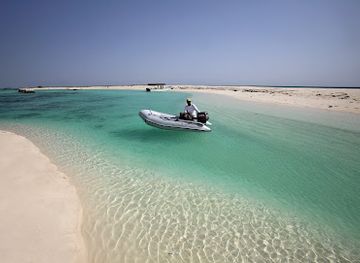
Massawa’s historic urban fabric is the region’s most recognisable landmark, particularly the island districts and old port areas where coral masonry, arcaded façades, mosques and colonial-era structures reveal successive layers of Red Sea history. The causeways linking the islands to the mainland are also central to the city’s visual identity and practical geography. Around the Gulf of Zula, the ruins of Adulis mark the site of an ancient port whose influence extended across the Red Sea and into the Aksumite world. The Dahlak Archipelago forms a natural landmark of scattered islands, reefs, tidal channels and low, arid shores rather than a single monumental site. Far inland, the rugged terrain around Nakfa carries strong symbolic importance in Eritrea’s modern history because it served as a major independence-era stronghold. These places are significant not only for their appearance but also for the maritime, imperial, archaeological and wartime histories embedded in the landscape.
-
Catholic cathedral
ኣስመራ ካቴድራል | Cathedral Our Lady of the Rosary
Discover the architectural beauty and cultural significance of the Cathedral Our Lady of the Rosary in Asmara, Eritrea, a true gem for tourists.
-
National park
Dahlak Marine National Park
Explore the enchanting Dahlak Marine National Park, Eritrea’s hidden gem of vibrant marine life and stunning island landscapes.
-
National park
Semenawi Bahri National Park
Explore the stunning landscapes and rich biodiversity of Semenawi Bahri National Park, a gem of Eritrea's natural beauty and adventure.
-
 Bay
Bay‘Idī
Experience the tranquil beauty of ‘Idī, Eritrea's captivating bay known for its stunning views, crystal-clear waters, and rich cultural experiences.
Explore Zoba Semienawi Keyih Bahri on the map
Plan your trip on one map. See where the top cities, national parks and sights are, and book hotels and experiences in a few clicks.
Best hotels in Zoba Semienawi Keyih Bahri
Best restaurants in Zoba Semienawi Keyih Bahri
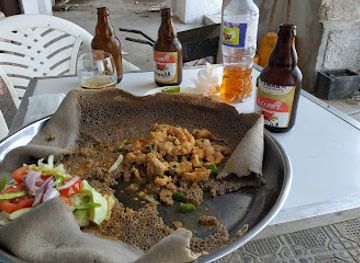
Dining in Zoba Semienawi Keyih Bahri is generally simple, local and shaped by the coast’s trade connections. In Massawa, restaurants and cafés may serve Eritrean staples such as injera with stews, lentils, vegetables and meat, alongside rice, pasta and other foods reflecting the country’s broader culinary history. Fish and seafood are particularly relevant on the Red Sea coast, although availability varies with supply, season and location. Tea, coffee and non-alcoholic drinks are common in town, while supplies become much less dependable outside Massawa. Visitors travelling towards Adulis, Nakfa or the Dahlak Archipelago should carry provisions and confirm meals in advance rather than relying on regular restaurant service. Markets and small food sellers provide a more practical introduction to everyday ingredients than a formal dining scene. Eating modestly, accepting local hospitality respectfully and avoiding waste are sensible approaches in communities where refrigeration, water and food deliveries can be limited.
-
Restaurant
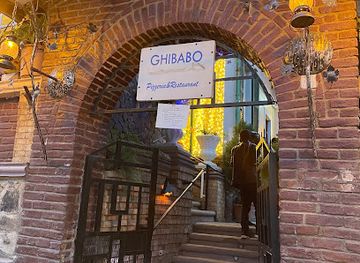
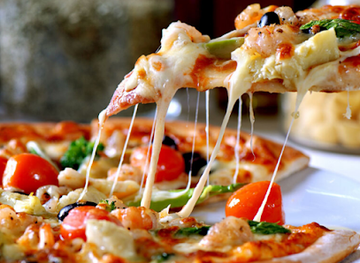
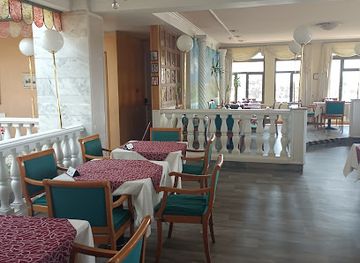
Ghibabo Restaurant And Pizzeria
Discover the exquisite flavors of Eritrea blended with Italian cuisine at Ghibabo Restaurant And Pizzeria in Asmara.
-
Eritrean
Golden Fork Fast Food
Experience authentic Eritrean cuisine at Golden Fork Fast Food in Asmara – where every bite tells a story of rich culture and flavor.
-
Restaurant
The Roof Garden
Discover the best of Eritrean cuisine with stunning views at The Roof Garden - an unforgettable dining experience in Asmara.
-
Family-friendly
Banuna Bar & Restaurant
Experience family-friendly dining at Banuna Bar & Restaurant in Mitsiwa with diverse cuisine and welcoming atmosphere.
Best bars in Zoba Semienawi Keyih Bahri
Nightlife in the region is limited and concentrated mainly in Massawa. Evening social life is more likely to centre on cafés, hotel restaurants, tea and coffee rooms, and informal gatherings than on a large club scene. A few establishments may serve beer or other drinks, but opening arrangements and availability can change, particularly outside the main town. The old port and waterfront can be atmospheric after sunset, yet visitors should follow local advice about where to walk and should not assume that public areas remain busy late at night. In smaller settlements and on the Dahlak islands, evenings are quiet and shaped by local community life, fishing activity and the heat of the day. Travellers heading into the interior should expect no dependable nightlife and should arrange accommodation and transport before dark.
-
Restaurant
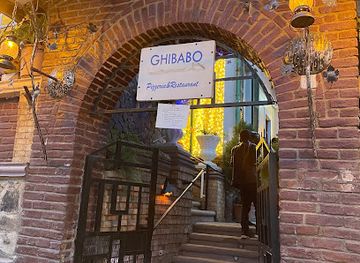
Ghibabo Restaurant And Pizzeria
Explore the rich flavors of Eritrean cuisine at Ghibabo Restaurant and Pizzeria, a top culinary destination in Asmara, Eritrea.
-
Bar
Bar selam ባር ሰላም ( እንዳ ሳባ)
Discover the essence of Eritrean culture at Bar Selam in Adi Kontsi, where local drinks and vibrant atmosphere await.
-
Bar
Bar Jima
Discover the charm of Eritrean culture at Bar Jima, where delightful drinks meet a welcoming atmosphere in the heart of Asmara.
-
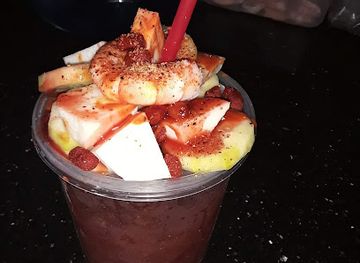
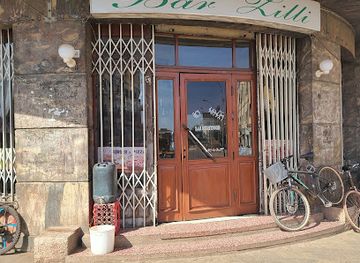
Grill
Bar Zilli
Experience the best of Eritrean cuisine and vibrant nightlife at Bar Zilli, Asmara's top grill and bar destination.
Best nightclubs in Zoba Semienawi Keyih Bahri
Nightlife in the region is limited and concentrated mainly in Massawa. Evening social life is more likely to centre on cafés, hotel restaurants, tea and coffee rooms, and informal gatherings than on a large club scene. A few establishments may serve beer or other drinks, but opening arrangements and availability can change, particularly outside the main town. The old port and waterfront can be atmospheric after sunset, yet visitors should follow local advice about where to walk and should not assume that public areas remain busy late at night. In smaller settlements and on the Dahlak islands, evenings are quiet and shaped by local community life, fishing activity and the heat of the day. Travellers heading into the interior should expect no dependable nightlife and should arrange accommodation and transport before dark.
-
Bar
Bar Jima
Experience the vibrant nightlife of Asmara at Bar Jima, a lively bar offering a blend of local culture and modern drinks.
-
Restaurant
Bar Hiwnet
Experience authentic Eritrean flavors at Bar Hiwnet, a beloved restaurant in Asmara boasting a warm atmosphere and delectable local dishes.
-
Restaurant
Hebron Bar And Restaurant
Experience authentic Eritrean cuisine at Hebron Bar And Restaurant in Asmara, a delightful stop for food lovers and cultural enthusiasts alike.
-
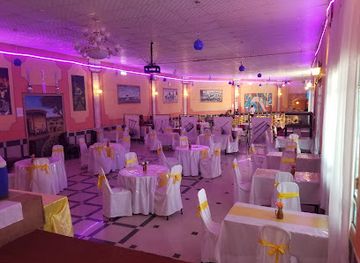
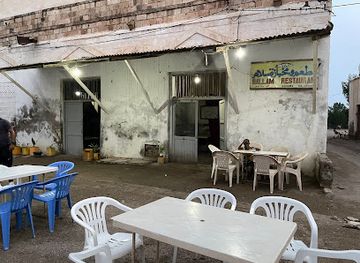
Seafood
Sallam Restaurant
Savor the best of Eritrean seafood at Sallam Restaurant, where fresh ingredients meet traditional flavors in a welcoming atmosphere.

Best shops in Zoba Semienawi Keyih Bahri
Shopping is modest and practical, with Massawa offering the widest choice in the region. Small shops and markets may sell household goods, clothing, food, tea, coffee and everyday supplies, while coastal communities can offer fish or locally traded marine products when available. The most meaningful purchases are usually Eritrean rather than narrowly regional: woven items, simple handicrafts, spices, coffee and locally produced foodstuffs. Visitors should not expect a large organised craft market or extensive luxury retail scene, particularly outside Massawa. In island and rural areas, supplies are limited and prices or availability can depend on transport from the mainland. When buying shells, coral or objects described as archaeological, choose responsibly and do not remove material from reefs, beaches or historic sites. Bargaining should remain courteous and proportionate, and cash in nakfa is the practical means of payment.
-
Hotel
Asmara Palace Hotel
Experience luxury and comfort at Asmara Palace Hotel, a premier destination in Eritrea's historic capital, blending modern amenities with cultural richness.
-
Hotel
Dahlak Hotel
Explore Eritrea from the comfort of Dahlak Hotel, a welcoming retreat in the vibrant city of Mitsiwa, where local charm meets cozy accommodations.
-
Memorial estate
memorial plaza for victims of massawa battle
Discover the touching history and resilience at the Memorial Plaza for Victims of the Massawa Battle in Mitsiwa, Eritrea.
-
Apartment building
ADI GHEBRU
Discover the charm of Eritrea with a comfortable stay at Adi Gebru, your gateway to cultural experiences and breathtaking landscapes.

Get your free copy of our complete guide to Zoba Semienawi Keyih Bahri, delivered straight to you.
Everything on this page, from attractions and restaurants to essentials and local phrases, in one PDF you can read offline, print or share.
Already have an account? Sign in
Your Zoba Semienawi Keyih Bahri guide is ready.
We'll send it to · Not you? Sign out

Getting your guide ready…
We are putting together a fresh copy of the Zoba Semienawi Keyih Bahri guide. This can take up to a minute.
This can take a few moments. If your browser asks, choose Allow so the download can start. You'll find the guide in your Downloads folder.
Nothing happened? Download it again
Sorry, the guide is taking longer than usual. Please try again in a minute, or get it by email instead.
Zoba Semienawi Keyih Bahri essentials
Currency and Payment
Safety
Emergency Situations
Do's and Don'ts
Local Tips
From Eve
Local phrases worth knowing
You don't need to get them perfect. A few words go a long way, and locals appreciate the effort.
Basics
| English | Local | Say it |
|---|---|---|
| Hello | Selam | [seh-lahm] |
| Goodbye | Dehanksh | [deh-han-ksh] |
| Yes | Iye | [ee-yeh] |
| No | Iye | [ee-yeh] |
| Please/You’re welcome | Berekah | [beh-reh-kah] |
| Thank you | Yekenyeley | [yeh-ken-yeh-ley] |
| Excuse me/Sorry | Ewedihalehu | [eh-weh-dee-ha-leh-hoo] |
| How are you? | Kemey alek? | [keh-mey ah-lek] |
| Fine. And you? | Bihayem. Kemey alek? | [bee-hah-yem. keh-mey ah-lek] |
| Do you speak English? | Englizi tselam? | [en-glee-zee tseh-lahm] |
| I don't understand | Aydel enekum | [ay-del eh-neh-kum] |
Eating & Drinking
| English | Local | Say it |
|---|---|---|
| I’d like to see the menu, please | Menyu yibel, berekah | [men-yoo yee-bel, beh-reh-kah] |
| I don't eat meat | Ani selam buhuli | [ah-nee seh-lahm boo-hoo-lee] |
| Cheers! | Lihai! | [lee-high] |
| I would like to pay, please | Ahibe alay, berekah | [ah-hee-beh ah-lay, beh-reh-kah] |
Emergencies
| English | Local | Say it |
|---|---|---|
| Help! | Aydel! | [ay-del] |
| Go away! | Betay! | [beh-tay] |
| Call the Police! | Polis yebka! | [poh-lees yeh-bka] |
| Call a doctor! | Haki yebka! | [hah-kee yeh-bka] |
| I’m lost | Aydel eza | [ay-del eh-zah] |
| I’m ill | Ana haseb | [ah-nah hah-seb] |
Shopping
| English | Local | Say it |
|---|---|---|
| I’d like to buy... | Ahibe ... | [ah-hee-beh ...] |
| I’m just looking | Awe feren | [ah-weh feh-ren] |
| How much is it? | Kemey yebka? | [keh-mey yeh-bka] |
| That’s too expensive | Yekebed yihon | [yeh-keh-bed yee-hon] |
| Can you lower the price? | Mekelka yihon? | [meh-kel-kah yee-hon] |
Time & Numbers
| English | Local | Say it |
|---|---|---|
| What time is it? | Kemey zemen? | [keh-mey zeh-men] |
| It’s one o’clock | Zemen kulu | [zeh-men koo-loo] |
| Half past (10) | Hafna (10) | [haf-na (10)] |
| Morning | Bihay | [bee-hah-y] |
| Afternoon | Mekele | [meh-keh-leh] |
| Evening | Mekele | [meh-keh-leh] |
| Yesterday | Zekher | [zeh-kher] |
| Today | Hagere | [hah-ge-reh] |
| Tomorrow | Higera | [hee-ge-rah] |
| 1 | Hadi | [hah-dee] |
| 2 | Kulu | [koo-loo] |
| 3 | Selasa | [seh-lah-sah] |
| 4 | Arba | [ahr-bah] |
| 5 | Hamsa | [ham-sah] |
| 6 | Sita | [see-tah] |
| 7 | Seb'a | [seh-b'ah] |
| 8 | Semanya | [seh-mah-nyah] |
| 9 | Tis'a | [tee-s'ah] |
| 10 | Asher | [ah-sher] |
Transport & Directions
| English | Local | Say it |
|---|---|---|
| Where's a/the...? | Kemen ... yihon? | [keh-men ... yee-hon] |
| What's the address? | Kemey address yihon? | [keh-mey ad-dress yee-hon] |
| Can you show me (on the map)? | Map yibel? | [map yee-bel] |
| When's the next (bus)? | Bus yibel? | [bus yee-bel] |
| A ticket (to ....) | Tiket (li ...) | [tee-ket (lee ...)] |
History of Zoba Semienawi Keyih Bahri
Adulis and Red Sea Antiquity
Near the Gulf of Zula, the archaeological site of Adulis preserves the remains of one of the ancient Red Sea’s important trading ports. Its connections reached across the Red Sea and into the wider Indian Ocean world, linking the African hinterland with Arabian and Mediterranean markets. Archaeological evidence indicates a long sequence of occupation, including periods associated with the kingdom of Aksum. The site’s position helps explain why this coast became strategically important long before the emergence of modern Eritrea, although the ruins are remote and visits require practical planning and official permission.
Ottoman and Egyptian Coastal Rule
Massawa became increasingly important from the sixteenth century as Ottoman power expanded along the Red Sea coast. The harbour and its islands formed part of a maritime network connecting Arabia, the Sudanese coast and the Horn of Africa. Egyptian administration followed in the nineteenth century, bringing further military and commercial investment to the port. These successive influences contributed to Massawa’s layered urban character, visible in its mosques, coral masonry, waterfront buildings and trading traditions.
Italian Massawa and the Railway Era
Italy occupied Massawa in 1885 and subsequently incorporated the port into its colonial project in Eritrea. The town developed as a major naval and commercial centre, with Italian planning and buildings added to an older Ottoman and Egyptian urban fabric. The railway and road links towards Asmara strengthened Massawa’s role as Eritrea’s maritime gateway, while new administrative and military installations altered the surrounding landscape. Much of the built heritage associated with this period was later damaged, but surviving structures remain central to the region’s historical identity.
War and Strategic Importance in the Twentieth Century
Massawa’s harbour and the Red Sea coast were strategically important during the Second World War and the later conflicts surrounding Eritrea’s political status. After the federation of Eritrea with Ethiopia in 1952 and its subsequent annexation, armed resistance developed across the country. The Northern Red Sea escarpment, the port approaches and the interior routes became important theatres of the Eritrean War of Independence. Warfare left extensive physical damage and created restricted zones that still affect travel planning.
Nakfa and the Eritrean War of Independence
Nakfa, in the northern interior of the region, became a major stronghold of the Eritrean independence movement and gave its name to the Eritrean currency, the nakfa. The town and surrounding mountains endured prolonged fighting, bombardment and siege conditions. The difficult terrain helped the Eritrean People’s Liberation Front maintain a strategically important base. Nakfa and the wider northern front are therefore significant to modern Eritrean national history, although access to former military areas can be controlled and should not be approached without permission.
The 1990 Battle for Massawa and Independence
In 1990, Eritrean forces captured Massawa in a major operation that deprived Ethiopian forces of a crucial Red Sea port. The battle caused severe destruction in parts of the city and its infrastructure, leaving visible scars alongside older historic buildings. Eritrea achieved de facto independence in 1991 and formal independence in 1993. Post-war reconstruction restored some services, but Massawa’s damaged architecture remains a powerful reminder of the conflict and of the port’s importance to the country’s modern history.
Dahlak Island Communities and Maritime Life
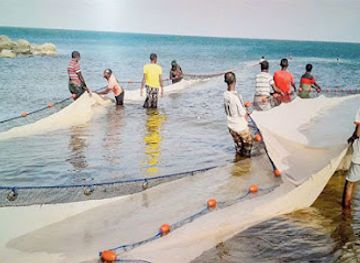
The Dahlak Archipelago has long supported fishing, seafaring and small island communities adapted to a dry environment with limited freshwater and vegetation. Its inhabitants developed close relationships with reefs, tidal channels and seasonal marine resources, while the islands also lay along historic shipping routes. Contemporary island life remains shaped by remoteness and restricted infrastructure. The archipelago’s cultural and environmental significance is best understood through responsible, locally arranged visits rather than through mass tourism.
Zoba Semienawi Keyih Bahri in Photos
Browse through our photo collection highlighting the charm and character of the destination.
Neighbouring regions of Zoba Semienawi Keyih Bahri
The closest regions to Zoba Semienawi Keyih Bahri, if you have time for more than one.
-

-

-

-

-


Swipe for more regions
Explore more

Explore more of Eritrea
Discover Eritrea: A land of ancient history, stunning coastlines, and vibrant cultures nestled in the heart of the Horn of Africa.
Explore Eritrea