

Free Savonlinna Travel Guide & Mobile App
Plan your Savonlinna trip with Evendo. Get free guides to top attractions, restaurants, hotels, and bars. Web access or download the mobile app.


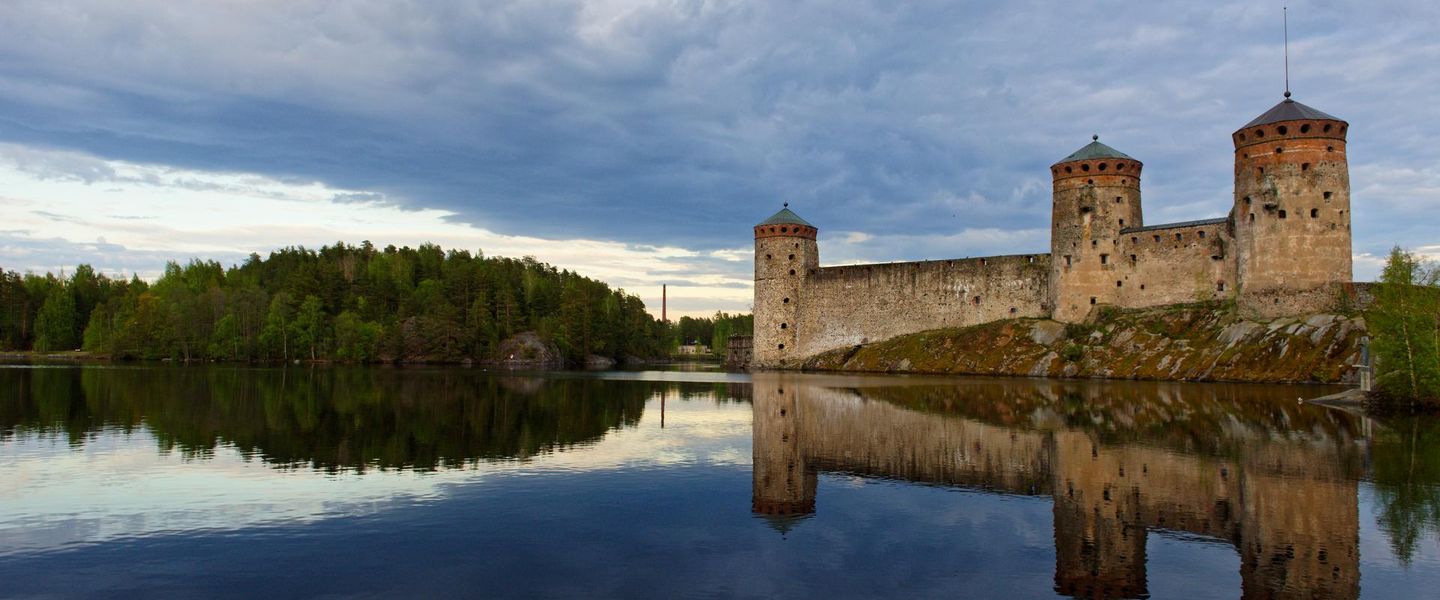


Savonlinna, Finland pairs Olavinlinna Castle, Lake Saimaa scenery, opera, museums and ridge landscapes with memorable cultural experiences in eastern Finland.
A Lake-Country City
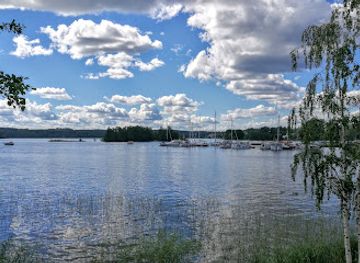
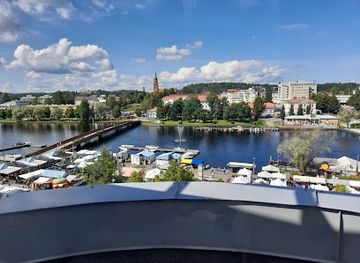
Savonlinna rises from the water in Finland’s eastern lake district, where narrow channels, wooded islands and open stretches of Lake Saimaa shape both the landscape and the rhythm of daily life. The city centre occupies islands and peninsulas connected by bridges, making water a constant presence beside streets, cafés and lakeside paths. Its defining landmark is Olavinlinna, a 15th-century stone fortress standing on a small island and visible from many parts of town.Read more about Savonlinna
History, Music and Architecture
Ridges, Forests and Waterways
When is the best time to visit Savonlinna?
Best: June–August · 19–23°C| Month | High (°C) | Rainfall (mm) |
|---|---|---|
| January | -4 | 28 |
| February | -4 | 23 |
| March | 1 | 21 |
| April | 7 | 17 |
| May | 15 | 14 |
| June (best) | 19 | 29 |
| July (best) | 23 | 39 |
| August (best) | 20 | 38 |
| September | 14 | 25 |
| October | 9 | 26 |
| November | 2 | 24 |
| December | -2 | 27 |
Getting to and around Savonlinna
How to get there
Transportation
Best attractions in Savonlinna
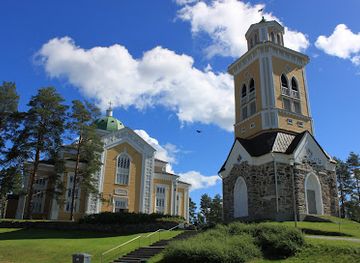
Olavinlinna is Savonlinna’s principal attraction, its medieval towers and courtyards offering a close view of the fortress’s defensive design and commanding position on the water. Riihisaari – Savonlinna Museum explores the Saimaa region through exhibitions on lake navigation, vessels and local life, while the S/S Punkaharju and other historic boats add a seasonal maritime dimension when operating. The market square and waterfront provide an easy introduction to the city’s everyday character, particularly in summer, and nearby bridges create changing views across the castle channels. Beyond the centre, the Punkaharju ridge brings pine forest, lakes and long scenic roads together in a distinctive esker landscape, while Kerimäki’s vast wooden church reflects the scale of 19th-century rural religious architecture. During festival season, opera performances at Olavinlinna transform a historic monument into a major cultural venue.
-
Tourist attraction
Olavinlinna
Discover the enchanting Olavinlinna Castle in Savonlinna, where medieval history meets breathtaking scenery amidst Finland's beautiful lakes.
16 min walk · 1.3 km from city centre
-
Museum
Lusto - The Finnish Forest Museum
Explore the Finnish Forest Museum in Punkaharju, a captivating destination celebrating Finland's rich forest culture and natural heritage.
44 min drive · 24 km from city centre
-
Tourist attraction
Riihisaari – Savonlinnan museo, Savonlinna Museum
Explore the captivating history and cultural richness of Savonlinna at Riihisaari Museum, a must-visit tourist attraction.
14 min walk · 1.1 km from city centre
-
Tourist attraction
Kummakivi
Explore the breathtaking Kummakivi, a stunning balancing rock on Luukkolansaari Island, and immerse yourself in Finland's rich natural beauty and folklore.
1 h 8 min drive · 48 km from city centre


Best landmarks in Savonlinna
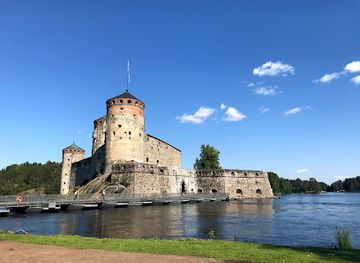
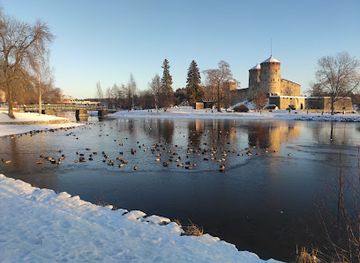
Olavinlinna is Savonlinna’s defining landmark: founded in the 15th century as a Swedish frontier fortress, it occupies a rocky island in the Kyrönsalmi strait and preserves towers, walls and courtyards shaped by centuries of military use. The Savonlinna Cathedral, completed in the 19th century, reflects the town’s later civic and religious development in brick rather than medieval stone. Riihisaari’s former granary building is itself an important historic structure, now housing the regional museum beside the lake and its collection of traditional vessels. In the wider municipality, Kerimäki Church is notable for its immense wooden interior and scale, while the Punkaharju ridge is a natural landmark formed by glacial deposits, its narrow forested crest separating expanses of water. Together, these places show how defence, faith, transport and landscape shaped the city.
-
Castle
Olavinlinna
Explore Olavinlinna Castle in Savonlinna, a historic fortress surrounded by stunning nature, rich in culture, and home to the famous Savonlinna Opera Festival.
16 min walk · 1.3 km from city centre
-
Market
Savonlinna Market Square
Discover Savonlinna Market Square, a vibrant hub showcasing local culture, delicious food, and stunning views of Finland's picturesque landscapes.
4 min walk · 0.3 km from city centre
-
Church
Kerimäki church
Discover the grandeur of Kerimäki Church, the largest wooden church in the world, nestled in the serene Finnish landscapes, a true architectural marvel.
42 min drive · 22 km from city centre
-
Italian
Perlina di Castello
Discover the taste of Italy in the heart of Savonlinna at Perlina di Castello, where authentic flavors meet a charming atmosphere.
5 min walk · 0.4 km from city centre
Explore Savonlinna on the map
Plan your Savonlinna trip on one map. See where the top attractions, landmarks, restaurants, bars and hotels are, find what's near where you're staying, and book hotels and experiences in a few clicks.
Best hotels in Savonlinna
Best restaurants in Savonlinna
Savonlinna’s food culture is closely tied to eastern Finland and Lake Saimaa. Freshwater vendace, or muikku, appears fried, smoked or served in other simple local preparations, while rye bread, forest berries, mushrooms and lake fish reflect the surrounding landscape. The lörtsy, a crescent-shaped filled pastry associated particularly with Savonlinna, is a characteristic snack found around the market square and food stalls, with both savoury and sweet fillings. The market and waterfront cafés are central to the city’s seasonal eating culture, offering coffee, pastries and informal outdoor meals when the weather allows. Restaurants in the centre range from traditional Finnish cooking to contemporary interpretations, and summer brings a larger choice of festival-oriented dining. In the wider municipality, farm produce and local ingredients become more prominent as cafés and rural eateries open along routes through the lake district.
-
Restaurant
Ravintola Majakka
Experience authentic Finnish cuisine at Ravintola Majakka in Savonlinna - where stunning views meet delicious flavors.
6 min walk · 0.4 km from city centre
-
Restaurant
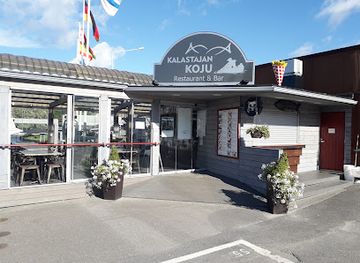
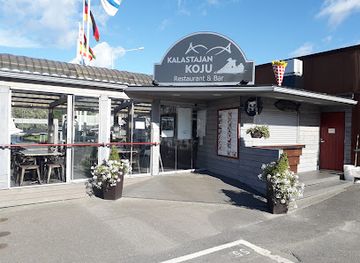
Kalastajan Koju
Experience authentic Finnish seafood at Kalastajan Koju in Savonlinna’s bustling Kauppatori market - where freshness meets flavor.
4 min walk · 0.3 km from city centre
-
Pizza
Pizzeria Capero
Discover authentic Italian flavors at Pizzeria Capero in Savonlinna – where every pizza is crafted with passion and fresh ingredients.
1 min walk · 0.1 km from city centre
-
Pizza
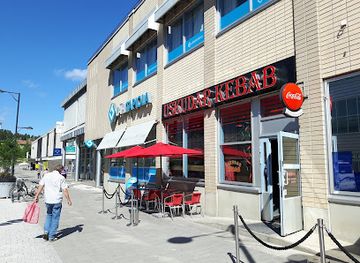
Uskudar Kebab
Discover mouthwatering pizzas at Uskudar Kebab in Savonlinna – where flavor meets Finnish hospitality.
2 min walk · 0.1 km from city centre
Best bars in Savonlinna
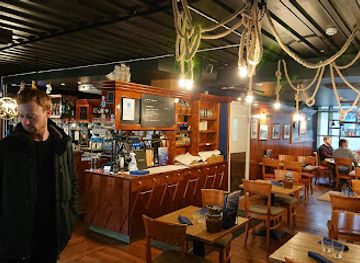
Savonlinna’s evening life is seasonal and culturally focused rather than built around a large club scene. In summer, the opera festival brings performances, pre-show dining and post-performance conversation to the castle and central streets, while concerts and cultural events extend the programme beyond opera. The waterfront and market area provide the main concentration of relaxed cafés, pubs and bars, with activity increasing during warm evenings and festival periods. Finnish-style saunas, hotel lounges and informal local bars are more characteristic than large nightclubs, and late-night options can be limited outside the summer season. Evenings may also centre on live music, theatre or lakeside events rather than drinking. Visitors should expect quieter streets away from the centre and should check current venue programmes rather than assuming a year-round nightlife schedule.
-
Restaurant
Ravintola Majakka
Discover the flavors of Finland at Ravintola Majakka, a charming restaurant in Savonlinna with stunning waterfront views and a welcoming atmosphere.
6 min walk · 0.4 km from city centre
-
Bar
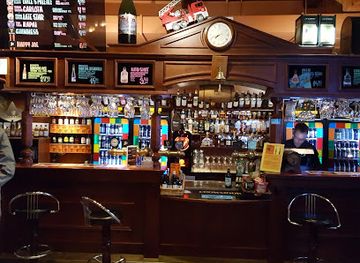
Kalastajan Koju
Experience the best of Finnish cuisine at Kalastajan Koju, a seafood paradise in Savonlinna's vibrant heart.
4 min walk · 0.3 km from city centre
-
Pub
Beer Restaurant Sillansuu
Discover Savonlinna's vibrant beer culture at Beer Restaurant Sillansuu, a must-visit pub with a fantastic beer selection and delightful meals.
2 min walk · 0.2 km from city centre
-
Pub
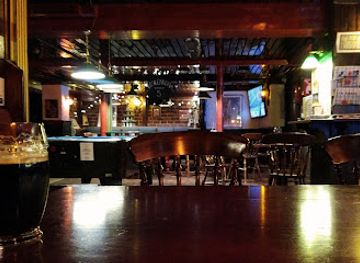
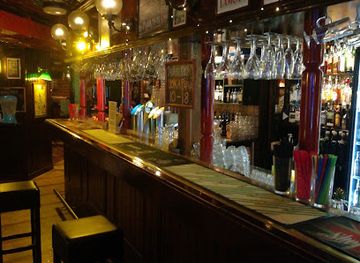
Pub Olavin Olga
Discover the vibrant atmosphere of Pub Olavin Olga in Savonlinna, where locals and tourists unite over drinks and delicious Finnish cuisine.
3 min walk · 0.2 km from city centre
Best nightclubs in Savonlinna
Savonlinna’s evening life is seasonal and culturally focused rather than built around a large club scene. In summer, the opera festival brings performances, pre-show dining and post-performance conversation to the castle and central streets, while concerts and cultural events extend the programme beyond opera. The waterfront and market area provide the main concentration of relaxed cafés, pubs and bars, with activity increasing during warm evenings and festival periods. Finnish-style saunas, hotel lounges and informal local bars are more characteristic than large nightclubs, and late-night options can be limited outside the summer season. Evenings may also centre on live music, theatre or lakeside events rather than drinking. Visitors should expect quieter streets away from the centre and should check current venue programmes rather than assuming a year-round nightlife schedule.
-
Restaurant
Ravintola Majakka
Discover the authentic taste of Finnish cuisine at Ravintola Majakka, a charming waterfront restaurant in Savonlinna, perfect for every palate.
6 min walk · 0.4 km from city centre
-
Hotel
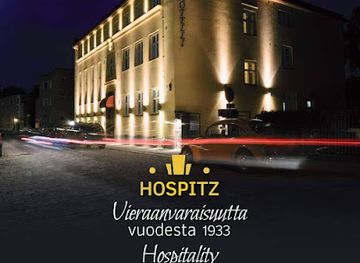
Family Hotel Hospitz
Discover the charm of Savonlinna at Family Hotel Hospitz, where comfort meets Finnish hospitality amidst stunning lake views.
11 min walk · 0.9 km from city centre
-
Pub
Pub Olavin Olga
Discover the local charm at Pub Olavin Olga, Savonlinna's cozy pub offering a perfect blend of drinks, ambiance, and friendly faces.
3 min walk · 0.2 km from city centre
-
Restaurant
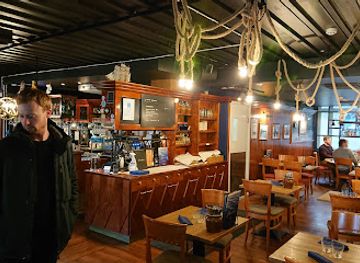
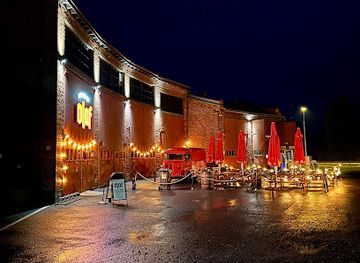
House Of Olaf
Experience the best of Savonlinna's culinary scene at House of Olaf, where delicious food meets a lively atmosphere.
12 min walk · 1.0 km from city centre
Best shops in Savonlinna
Shopping in Savonlinna is concentrated around the town centre, market square and waterfront, where seasonal stalls bring local foods, berries, crafts and small souvenirs into the open air. Lörtsy pastries and products made from rye, fish, mushrooms or forest berries provide edible reminders of the region, while Finnish design goods, textiles, woodwork and handmade items appear in independent shops and craft outlets. The central streets combine practical retailers with cafés and small businesses rather than forming a large-scale luxury shopping district. During the tourist season, galleries and artisan sellers may offer ceramics, jewellery, knitwear and other locally made work, while the surrounding municipality has farm shops and rural craft stops along its scenic routes. Opening patterns can be more seasonal outside the centre, particularly in smaller villages and around popular lake destinations.
-
Hypermarket
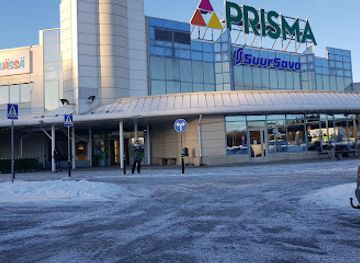
Prisma Savonlinna
Explore Prisma Savonlinna, a vibrant hypermarket offering local delicacies, everyday essentials, and a taste of Finnish culture.
11 min drive · 3.7 km from city centre
-
Grocery store
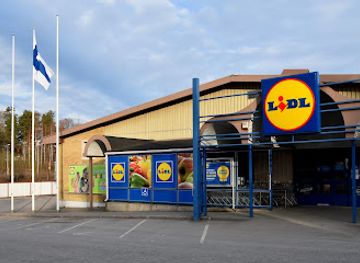
Lidl Miekkoniemi
Discover the best of Finnish groceries at Lidl Miekkoniemi, Savonlinna's top supermarket for quality and value.
7 min drive · 2.2 km from city centre
-
Department store
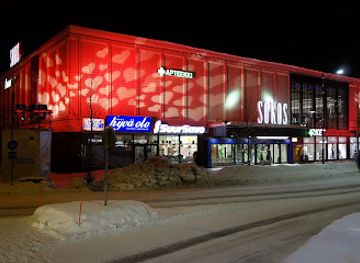
Sokos
Explore Sokos Savonlinna, a vibrant department store offering fashion, beauty, and unique Finnish products in the heart of Savonlinna.
3 min walk · 0.3 km from city centre
-
Store
Taito Shop Savonlinna
Explore Taito Shop Savonlinna for handcrafted Finnish souvenirs and a unique shopping experience in the heart of Savonlinna.
3 min walk · 0.2 km from city centre
Get your free copy of our complete guide to Savonlinna, delivered straight to you.
Everything on this page, from attractions and restaurants to essentials and local phrases, in one PDF you can read offline, print or share.
Already have an account? Sign in
Your Savonlinna guide is ready.
We'll send it to · Not you? Sign out

Getting your guide ready…
We are putting together a fresh copy of the Savonlinna guide. This can take up to a minute.
This can take a few moments. If your browser asks, choose Allow so the download can start. You'll find the guide in your Downloads folder.
Nothing happened? Download it again
Sorry, the guide is taking longer than usual. Please try again in a minute, or get it by email instead.
Savonlinna essentials
Currency and Payment
Safety
Emergency Situations
Do's and Don'ts
Local Tips
From Eve
Local phrases worth knowing
You don't need to get them perfect. A few words go a long way, and locals appreciate the effort.
Basics
| English | Local | Say it |
|---|---|---|
| Hello | Hei | [hay] |
| Goodbye | Näkemiin | [nah-keh-meen] |
| Yes | Kyllä | [kuu-laa] |
| No | Ei | [ay] |
| Please/You're welcome | Ole hyvä | [oh-le huu-vaa] |
| Thank you | Kiitos | [kee-tohs] |
| Excuse me/Sorry | Anteeksi | [ahn-tehk-see] |
| How are you? | Mitä kuuluu? | [mee-taa koo-loo] |
| Fine. And you? | Hyvin. Entä sinä? | [hoo-veen. en-taa see-naa] |
| Do you speak English? | Puhutko englantia? | [poo-hoot-koh eng-lahn-tee-ah] |
| I don't understand | En ymmärrä | [en uh-maa-rraa] |
Eating & Drinking
| English | Local | Say it |
|---|---|---|
| I'd like to see the menu, please | Saisinko ruokalistan, kiitos | [sai-sin-koh roo-kah-lee-stahn, kee-tohs] |
| I don't eat meat | En syö lihaa | [en sue lee-haa] |
| Cheers! | Kippis! | [kip-pis] |
| I would like to pay, please | Haluaisin maksaa, kiitos | [ha-lu-aai-sin mahk-saa, kee-tohs] |
Emergencies
| English | Local | Say it |
|---|---|---|
| Help! | Apua! | [ah-pu-ah] |
| Go away! | Mene pois! | [meh-neh poh-ees] |
| Call the Police! | Soita poliisille! | [soi-tah poh-lii-sil-leh] |
| Call a doctor! | Soita lääkärille! | [soi-tah laa-kah-rii-leh] |
| I'm lost | Olen eksyksissä | [oh-len ek-syksi-saa] |
| I'm ill | Olen sairas | [oh-len sai-rahs] |
Shopping
| English | Local | Say it |
|---|---|---|
| I'd like to buy... | Haluan ostaa... | [ha-lu-an ohs-taa] |
| I'm just looking | Katson vain | [kaat-sohn vain] |
| How much is it? | Paljonko se maksaa? | [pahl-yon-koh seh mahk-saa] |
| That's too expensive | Se on liian kallis | [se ohn lee-ahn kahl-lis] |
| Can you lower the price? | Voisitko alentaa hintaa? | [voi-sit-koh ah-len-taa hin-taa] |
Time & Numbers
| English | Local | Say it |
|---|---|---|
| What time is it? | Paljonko kello on? | [pahl-yon-koh keh-loh ohn] |
| It's one o'clock | Kello on yksi | [keh-loh ohn uuk-see] |
| Half past (10) | Puoli (kymmenen) | [poo-oh-lee (kuum-meh-nehn)] |
| Morning | Aamu | [ah-muu] |
| Afternoon | Iltapäivä | [eel-tah-pai-vaa] |
| Evening | Ilta | [eel-tah] |
| Yesterday | Eilen | [ai-len] |
| Today | Tänään | [ta-naan] |
| Tomorrow | Huomenna | [hoo-oh-men-nah] |
| 1 | Yksi | [uuk-see] |
| 2 | Kaksi | [kahk-see] |
| 3 | Kolme | [kohl-meh] |
| 4 | Neljä | [nel-yaa] |
| 5 | Viisi | [vee-see] |
| 6 | Kuusi | [koo-see] |
| 7 | Seitsemän | [sait-seh-mahn] |
| 8 | Kahdeksan | [kah-dehk-sahn] |
| 9 | Yhdeksän | [uh-dehk-sahn] |
| 10 | Kymmenen | [kuum-meh-nehn] |
Transport & Directions
| English | Local | Say it |
|---|---|---|
| Where's a/the...? | Missä on... | [mee-ssah ohn] |
| What's the address? | Mikä on osoite? | [mee-kah ohn oh-soi-teh] |
| Can you show me (on the map)? | Voitko näyttää minulle (kartalla)? | [voi-tkoh nay-stah min-oo-leh (kart-tah-lah)] |
| When's the next (bus)? | Milloin seuraava (bussi)? | [mil-loh-een seu-rah-vah (boo-see)] |
| A ticket (to ....) | Yksi lippu (jonnekin) | [uuk-see lip-poo (yohn-neh-keen)] |
History of Savonlinna
Olavinlinna and the Swedish Frontier
Olavinlinna was founded in 1475 by Erik Axelsson Tott, a Swedish nobleman, on an island in the Kyrönsalmi strait. Its purpose was to strengthen Sweden’s eastern frontier and control an important water route through the Saimaa lake system. The fortress, named after Saint Olaf, developed into a substantial stone stronghold with towers, walls and defensive chambers. Around it grew a settlement known in Swedish as Nyslott, or New Castle. Although the castle was repeatedly altered and tested by conflict, its position on water protected it from straightforward attack and made it a strategic point between Swedish and Russian spheres of power.
The Town of Nyslott
Savonlinna received town privileges in 1639, establishing a formal urban centre beside the fortress. Its economy drew on the surrounding forests, waterways and rural communities, while transport by boat connected the town with other Saimaa settlements. The borderland position also brought periods of military uncertainty. During the Great Northern War, Russian forces occupied the castle in 1714, and the settlement changed hands again during later struggles between Sweden and Russia. These events left Savonlinna with a history shaped less by large-scale urban growth than by strategic geography, frontier administration and the movement of goods and people across the lakes.
From Swedish Rule to the Russian Empire
The Treaty of Åbo in 1743 transferred Savonlinna and the surrounding area to Russia, placing the town within the Russian Empire. Olavinlinna lost much of its military importance as the frontier moved west, although the fortress continued to influence the town’s identity and physical development. When Finland became an autonomous Grand Duchy of the Russian Empire in 1809, Savonlinna formed part of this new Finnish political framework. In 1812, the transfer of the so-called Old Finland to the Grand Duchy further consolidated the region within Finland’s administrative territory. The castle’s later decline as a military site helped preserve its medieval fabric.
Railways, Saimaa and Modern Growth
During the 19th and early 20th centuries, improved waterways, roads and rail connections strengthened Savonlinna’s role as a regional centre. Steam navigation on Lake Saimaa supported trade, timber transport and travel, while railway links eventually connected the town more closely with eastern Finland. The opening of the Savonlinna railway connection in the early 20th century accompanied wider changes in mobility and commerce. Tourism also became increasingly important, encouraged by the lake scenery, the historic castle and the forested landscapes around Punkaharju. These developments shifted Savonlinna from a frontier settlement towards a service, cultural and leisure centre.
Opera Returns to the Castle
The first Savonlinna Opera Festival was held in 1912, initiated by the Finnish soprano Aino Ackté, who recognised the dramatic possibilities of staging opera at Olavinlinna. The festival did not continue annually at first, but it was revived in 1967 and became a major part of the city’s modern cultural identity. Performing opera within the fortress links Savonlinna’s medieval architecture with Finland’s professional musical traditions, while the event has helped bring international audiences to the region. The festival also contributed to the conservation and continued public use of Olavinlinna as more than a historic monument.
A Contemporary Lake District Centre
Modern Savonlinna developed through municipal changes that brought extensive rural and lake landscapes into the city, including the historic areas of Kerimäki and Punkaharju. The city today combines regional services with tourism, cultural events and outdoor recreation. Museums such as Riihisaari preserve the story of Saimaa shipping and local life, while the restored castle remains a focal point for heritage and performance. The surrounding ridges, islands and forests are not merely scenery beyond the urban area: they continue to influence transport, livelihoods, recreation and the seasonal character of Savonlinna.
Travel experiences inspired by this city


Swipe for more travel diaries
Savonlinna in Photos
Browse through our photo collection highlighting the charm and character of the destination.
Cities near Savonlinna
The closest cities to Savonlinna, if you have time for more than one stop.
-

-

-

-

-


Swipe for more cities
Explore more

Explore more of Finland
Explore Finland, where the Midnight Sun meets the Northern Lights, offering a unique blend of natural beauty, rich culture, and unforgettable experiences.
Explore Finland