

Free Everglades Travel Guide & Mobile App
Explore Everglades with free travel guides. Discover regional history, expert tips, proposed trips, and audio guides on web or mobile app.


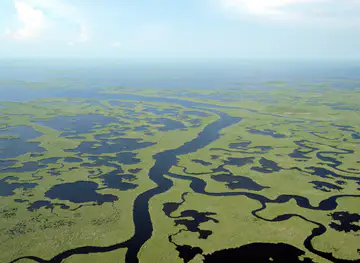
Explore the Everglades through sawgrass marshes, mangrove waterways, wildlife trails and the broad horizons of southern Florida.
Read more about Everglades
Getting to and around Everglades
How to get there
Transportation
Top city travel guides in Everglades
The cities of Everglades, and the easiest places to base yourself.
-

-

-


Swipe for more cities
Destinations in Everglades
Resorts, valleys and scenic spots worth a trip of their own.
-

-

-

-


Swipe for more destinations
Best attractions in Everglades
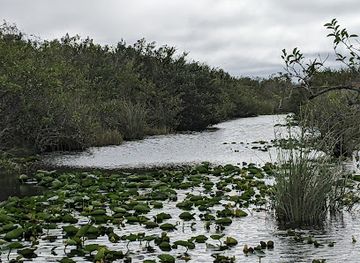
The Everglades’ attractions are primarily ecological and experiential rather than built entertainment. In the eastern part of Everglades National Park, the Anhinga Trail and nearby Gumbo Limbo Trail provide accessible walks through marsh and tropical hardwood habitat, with frequent opportunities to observe birds, turtles and alligators. Pa-hay-okee Overlook opens across the sawgrass, while the Long Pine Key area offers further trails and camping facilities. Shark Valley, north of the park’s main eastern approach, combines a paved loop with tram excursions and broad views of the freshwater interior. Farther south, the road to Flamingo passes changing wetland habitats before reaching mangrove-lined waterways and Florida Bay, where guided boat tours and paddling trips reveal a more coastal Everglades. The wider Greater Everglades includes neighbouring conservation landscapes such as Big Cypress National Preserve, but it is a separate protected area with its own access arrangements. Wildlife watching, photography, canoeing, kayaking, cycling and ranger-led interpretation are central to the region, while weather and water levels can substantially alter the character of any visit.
-
National park
Everglades National Park
Experience the breathtaking beauty of Everglades National Park, a UNESCO World Heritage Site and a haven for wildlife enthusiasts in Florida.
-
Tourist attraction
Robbie's of Islamorada
Discover adventure, dining, and shopping at Robbie's of Islamorada, the ultimate Florida Keys destination for tourists seeking unforgettable experiences.
-
Boat tour agency
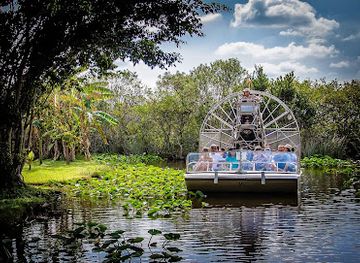
Everglades Holiday Park Airboat Tours and Rides
Discover the wild heart of Florida at Everglades Holiday Park, where thrilling airboat tours and vibrant wildlife await your adventure.
-
Wildlife and safari park
Everglades Safari Park
Explore the breathtaking beauty of the Everglades at Everglades Safari Park, where adventure and wildlife await in a natural paradise.


Best landmarks in Everglades
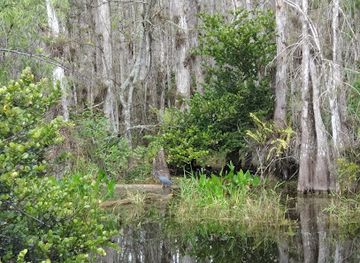
The Everglades’ most recognisable landmarks are broad natural spaces and carefully placed structures that reveal how water shapes the region. The Shark Valley Observation Tower is a prominent viewpoint above the sawgrass and offers a memorable perspective across the seemingly level freshwater plain. At Pa-hay-okee Overlook, a short elevated walkway reaches above the marsh for another expansive view, while the Anhinga Trail’s boardwalk is an emblematic route through wildlife-rich wetland habitat. Flamingo is significant as the national park’s southern coastal centre, where the freshwater Everglades opens into mangroves, lagoons and Florida Bay. The park’s main roads, canals and historic visitor facilities also express the twentieth-century effort to make this difficult landscape accessible without converting it entirely to urban use. Outside the national park, the Tamiami Trail is an important regional transport landmark crossing the wetlands, though it is a road corridor rather than a single monument. These places matter less for monumental architecture than for making visible the scale, hydrology and changing boundary between inland marsh and subtropical coast.
-
National park
Everglades National Park
Explore Everglades National Park, a UNESCO World Heritage Site, showcasing Florida's unique ecosystems and diverse wildlife in a breathtaking subtropical wilderness.
-
State park
John Pennekamp Coral Reef State Park
Dive into adventure at John Pennekamp Coral Reef State Park, Florida's first underwater park, where vibrant marine life awaits exploration.
-
Nature preserve
Big Cypress National Preserve
Experience the serene beauty and diverse wildlife of Big Cypress National Preserve, a natural wonder in Florida's great outdoors.
-
Wildlife park
Everglades Alligator Farm
Explore the Everglades Alligator Farm, a unique wildlife park showcasing alligators and exotic animals while promoting conservation and education.



Explore Everglades on the map
Plan your trip on one map. See where the top cities, national parks and sights are, and book hotels and experiences in a few clicks.
Best hotels in Everglades
Best restaurants in Everglades
Dining in the Everglades is concentrated in gateway communities rather than dispersed through the wetlands themselves. Homestead and Florida City provide the broadest choice of cafés, diners, Cuban-influenced South Florida cooking, seafood restaurants and places selling tropical produce from the agricultural area east of the park. Meals associated with the wider region may include stone crab when in season, locally available fish, key lime pie and fruit grown in southern Florida, although these are not all exclusive to the Everglades. Near the park, food options are limited, so visitors should carry water and provisions for long excursions and avoid assuming that a remote trailhead will have a café. Flamingo has limited visitor facilities that can change with park operations and weather, making advance checks sensible. In nearby communities, independent restaurants reflect the multicultural character of South Florida, with Caribbean, Latin American and American options alongside seafood and casual breakfast spots.
-
Boat tour agency
Everglades Holiday Park Airboat Tours and Rides
Experience thrilling airboat rides and encounter diverse wildlife at Everglades Holiday Park – a top tourist attraction in Florida's stunning ecosystem.
-
Seafood
Lazy Days
Discover Lazy Days in Islamorada: A top seafood restaurant with stunning ocean views and fresh local flavors perfect for any traveler.
-
Seafood restaurant
Whale Harbor Seafood Buffet
Expansive all-you-can-eat seafood buffet with fresh Keys catches, harbor views, and casual elegance—perfect for families and travelers craving variety and value along Overseas Highway.
-
Boat tour agency
Coopertown The Original Airboat Tour
Discover the beauty and excitement of Florida's Everglades at Coopertown Airboat Tours - an unforgettable adventure awaits!


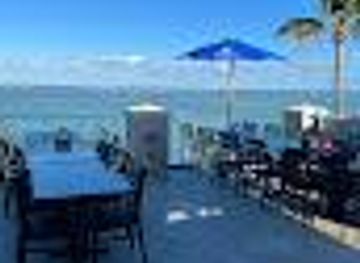

Best bars in Everglades
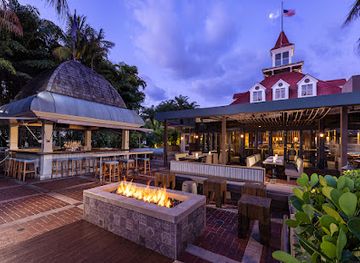
Nightlife is limited within the Everglades itself because the region is protected, dark and sparsely settled. After sunset, the main evening experience is quiet observation of the sky, weather and nocturnal landscape rather than clubbing, although visitors should follow park rules and avoid entering closed areas after dark. Homestead and Florida City, outside the wetland interior, offer casual restaurants, bars and neighbourhood social venues, while larger nightlife scenes are found in Miami and Fort Lauderdale beyond the region. Some gateway establishments serve Florida beer, rum-based drinks and Caribbean or Latin American food, but the atmosphere is generally informal rather than designed around a concentrated nightlife district. Visitors staying near Flamingo or camping in the park should plan evenings around darkness, insects, heat and limited services, and should never drink before driving, boating, cycling or undertaking a remote trail.
-
Resort hotel
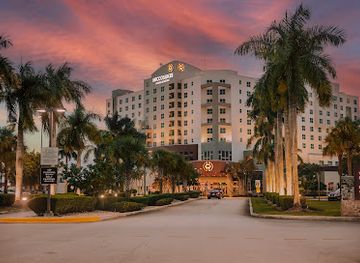
Miccosukee Casino & Resort
Discover the ultimate entertainment experience at Miccosukee Casino & Resort in Miami, featuring gaming, dining, and luxurious accommodations.
-
Seafood
Boatyard
Experience the vibrant flavors of seafood and American cuisine at Boatyard, Fort Lauderdale's premier dining destination by the water.
-
Seafood
Lazy Days
Discover culinary bliss at Lazy Days, where fresh seafood meets stunning ocean views in the heart of Islamorada.
-
Seafood
Marker 88
Experience the best of Florida Keys dining at Marker 88, where fresh seafood meets breathtaking waterfront views.


Best nightclubs in Everglades
Nightlife is limited within the Everglades itself because the region is protected, dark and sparsely settled. After sunset, the main evening experience is quiet observation of the sky, weather and nocturnal landscape rather than clubbing, although visitors should follow park rules and avoid entering closed areas after dark. Homestead and Florida City, outside the wetland interior, offer casual restaurants, bars and neighbourhood social venues, while larger nightlife scenes are found in Miami and Fort Lauderdale beyond the region. Some gateway establishments serve Florida beer, rum-based drinks and Caribbean or Latin American food, but the atmosphere is generally informal rather than designed around a concentrated nightlife district. Visitors staying near Flamingo or camping in the park should plan evenings around darkness, insects, heat and limited services, and should never drink before driving, boating, cycling or undertaking a remote trail.
-
Grill
Hog Heaven Sports Bar and Grill
Experience the best of American dining and vibrant nightlife at Hog Heaven Sports Bar and Grill in beautiful Islamorada, Florida.
-
Seafood
Snappers Oceanfront Restaurant & Bar
Discover Snappers Oceanfront Restaurant & Bar in Key Largo, where fresh seafood meets stunning ocean views for an unforgettable dining experience.
-
Seafood
Shipwrecks Bar & Grill
Experience the best of Key Largo dining at Shipwrecks Bar & Grill, where fresh seafood and a relaxed atmosphere meet.
-
Pub
The Oceanview Inn & Sports Pub
Discover the charm of The Oceanview Inn & Sports Pub, where coastal views meet local flavors in the heart of Islamorada, Florida.


Best shops in Everglades
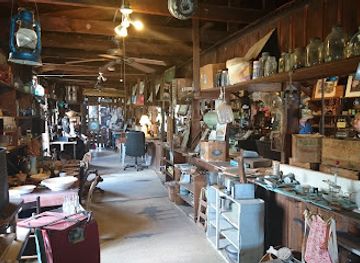
Shopping in the Everglades is practical and small-scale rather than centred on large retail districts. Homestead and Florida City are the principal gateway communities for supplies, outdoor equipment, food, water and locally grown tropical fruit before entering the park. Farm stands and produce sellers in the surrounding agricultural area may offer mangoes, avocados, tomatoes and other South Florida crops, although availability varies by season. Park visitor centres and nearby tourism businesses may carry books, maps, clothing and educational material about the wetlands, wildlife and conservation. In the wider South Florida region, visitors can find Indigenous-designed arts and crafts, but purchases should come from reputable sources that identify artists and community connections clearly. Souvenirs are best chosen for their educational or locally made value; removing plants, shells, feathers or other natural material from protected areas is prohibited. For extensive retail shopping, visitors need to travel to the larger urban centres outside the Everglades region.
-
National park
Everglades National Park
Explore the breathtaking wilderness of Everglades National Park, a unique ecosystem bursting with wildlife and natural beauty in Florida.
-
Boat tour agency
Everglades Holiday Park Airboat Tours and Rides
Experience the thrill of airboat tours in the breathtaking Everglades, where adventure meets the beauty of nature and wildlife.
-
Sporting goods store
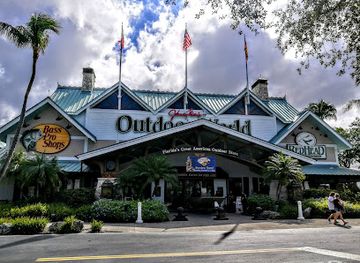
Bass Pro Shops
Discover an outdoor haven at Bass Pro Shops, your one-stop destination for fishing, camping, and adventure gear in Dania Beach.
-
Shopping mall
The Falls
Discover The Falls, Miami's vibrant shopping mall, featuring a diverse array of stores, dining, and entertainment in a picturesque outdoor setting.

Get your free copy of our complete guide to Everglades, delivered straight to you.
Everything on this page, from attractions and restaurants to essentials and local phrases, in one PDF you can read offline, print or share.
Already have an account? Sign in
Your Everglades guide is ready.
We'll send it to · Not you? Sign out

Getting your guide ready…
We are putting together a fresh copy of the Everglades guide. This can take up to a minute.
This can take a few moments. If your browser asks, choose Allow so the download can start. You'll find the guide in your Downloads folder.
Nothing happened? Download it again
Sorry, the guide is taking longer than usual. Please try again in a minute, or get it by email instead.
Everglades essentials
Currency and Payment
Safety
Emergency Situations
Do's and Don'ts
Local Tips
From Eve
Local phrases worth knowing
You don't need to get them perfect. A few words go a long way, and locals appreciate the effort.
Basics
| English | Local | Say it |
|---|---|---|
| Hello | Howdy | [Haudi] |
| Goodbye | See ya later | [See ya lay-ter] |
| Yes | Yep | [Yep] |
| No | Nope | [Nope] |
| Please/You're welcome | No problem | [No prob-lem] |
| Thank you | Thanks a lot | [Thanks uh lot] |
| Excuse me/Sorry | Excuse me | [Ex-cuse me] |
| How are you? | How ya doin'? | [How ya doin'?] |
| Fine. And you? | I’m good. And you? | [I’m good. An' you?] |
| Do you speak English? | Ya speakin' English? | [Ya speakin' English?] |
| I don't understand | I don't get it | [I don't get it] |
Eating & Drinking
| English | Local | Say it |
|---|---|---|
| I'd like to see the menu, please | Can I see the menu? | [Can I see the men-u?] |
| I don't eat meat | I’m a vegetarian | [I’m a vege-tarian] |
| Cheers! | Cheers! | [Cheers!] |
| I would like to pay, please | Can I get the check? | [Can I get the check?] |
Emergencies
| English | Local | Say it |
|---|---|---|
| Help! | Help! | [Help!] |
| Go away! | Get lost! | [Get lost!] |
| Call the Police! | Call the cops! | [Call the cops!] |
| Call a doctor! | Get a doctor! | [Get a doc-tor!] |
| I'm lost | I’m lost | [I’m lost] |
| I'm ill | I ain't feelin' good | [I ain't feelin' good] |
Shopping
| English | Local | Say it |
|---|---|---|
| I'd like to buy... | I wanna buy... | [I wanna buy...] |
| I'm just looking | Just browsin' | [Just browsin'] |
| How much is it? | How much? | [How much?] |
| That's too expensive | That's way too pricey | [That's way too pry-cee] |
| Can you lower the price? | Can ya give me a deal? | [Can ya give me a deal?] |
Time & Numbers
| English | Local | Say it |
|---|---|---|
| What time is it? | What time ya got? | [What time ya got?] |
| It's one o'clock | It's one o'clock | [It's one o'clock] |
| Half past (10) | Half past ten | [Half past ten] |
| Morning | Mornin' | [Mornin'] |
| Afternoon | Afternoon | [Afternoon] |
| Evening | Evenin' | [Evenin'] |
| Yesterday | Yesterday | [Yesterday] |
| Today | Today | [Today] |
| Tomorrow | Tomorrow | [Tomorrow] |
| 1 | One | [One] |
| 2 | Two | [Two] |
| 3 | Three | [Three] |
| 4 | Four | [Four] |
| 5 | Five | [Five] |
| 6 | Six | [Six] |
| 7 | Seven | [Seven] |
| 8 | Eight | [Eight] |
| 9 | Nine | [Nine] |
| 10 | Ten | [Ten] |
Transport & Directions
| English | Local | Say it |
|---|---|---|
| Where's a/the...? | Where's the...? | [Where's the...?] |
| What's the address? | What’s the address? | [What’s the ad-dress?] |
| Can you show me (on the map)? | Can ya show me on the map? | [Can ya show me on the map?] |
| When's the next (bus)? | When's the next bus? | [When's the next bus?] |
| A ticket (to ....) | A ticket to... | [A ticket to...] |
History of Everglades
Indigenous South Florida and the Wetland Landscape
People have lived in and around the Everglades for thousands of years, adapting to a landscape shaped by seasonal water, fish, wildlife and mangroves. Earlier Indigenous societies occupied the wider South Florida region before the emergence of the Miccosukee and Seminole communities associated with the modern era. The wetlands were not an empty wilderness but a travelled and used cultural landscape, with waterways functioning as routes through difficult terrain. Indigenous knowledge of seasonal conditions, plants and animals remains an important part of understanding the Everglades.
Seminole and Miccosukee Continuity
During the nineteenth century, Seminole people and other Indigenous communities resisted United States efforts to remove them from Florida. The Seminole Wars caused displacement, conflict and major changes in the settled parts of the peninsula, while some people sought refuge in the Everglades and neighbouring wetlands. The Miccosukee and Seminole peoples maintain distinct political and cultural identities today, with communities and enterprises in South Florida. Visitors should understand that the Everglades remains a living Indigenous landscape rather than solely a national park or wildlife reserve.
Drainage, Canals and Regional Development
From the late nineteenth century onwards, engineers, land companies and state authorities promoted drainage and water-control schemes intended to make South Florida more suitable for agriculture and urban development. Canals, levees and water diversions altered the natural movement of freshwater, while population growth around Miami and agricultural expansion transformed the surrounding landscape. These projects helped create the modern economy of southern Florida but damaged wetland habitats and changed the timing and quality of water reaching the coast.
The Everglades as a National Concern
The modern conservation movement gained wider public attention through the work of writer and environmental campaigner Marjory Stoneman Douglas, whose 1947 book The Everglades: River of Grass presented the wetlands as a connected ecological system rather than useless swamp. Her writing helped change public perceptions at a crucial moment, when drainage and development threatened large areas. In the same year, Everglades National Park was established to protect the southern portion of the ecosystem, although the park did not encompass the whole Greater Everglades.
Everglades National Park and International Recognition
Everglades National Park became the first United States national park created primarily to protect an ecosystem rather than a famous monument or scenic formation. Its protected area includes freshwater marshes, coastal mangroves, marine waters and Florida Bay. The park later received international recognition as a World Heritage Site, an International Biosphere Reserve and a Wetland of International Importance. These designations reflect the area’s ecological significance, but they do not remove the pressures created by water management, invasive species, storms and surrounding development.
Restoration and the Contemporary Everglades
Since the late twentieth century, restoration programmes have sought to improve the quantity, timing and quality of water flowing through the Greater Everglades. Projects have included wetland conservation, reservoir and treatment areas, modified water-control structures and efforts to reconnect habitats. Restoration is technically complex because it must address urban water supplies, agriculture, flood protection and the needs of wildlife and coastal ecosystems. The contemporary Everglades is therefore both a protected landscape and an ongoing environmental management project.
Everglades in Photos
Browse through our photo collection highlighting the charm and character of the destination.
Neighbouring regions of Everglades
The closest regions to Everglades, if you have time for more than one.
-

-

-

-
-


Swipe for more regions
Explore more

Explore more of Florida
Discover Florida: A Sunshine State full of dazzling beaches, iconic theme parks, rich history, and stunning natural parks, offering endless adventures for every traveler.
Explore Florida