

Free Southeast Florida Travel Guide & Mobile App
Explore Southeast Florida with free travel guides. Discover regional history, expert tips, proposed trips, and audio guides on web or mobile app.


Explore Southeast Florida for Miami culture, Atlantic beaches, Caribbean flavours, waterways, museums and subtropical landscapes from Palm Beach to Miami.
Read more about Southeast Florida
When is the best time to visit Southeast Florida?
Best: December–February · 24–25°C| Month | High (°C) | Rainfall (mm) |
|---|---|---|
| January (best) | 24 | 61 |
| February (best) | 25 | 63 |
| March | 26 | 71 |
| April | 29 | 76 |
| May | 31 | 112 |
| June | 32 | 197 |
| July | 33 | 170 |
| August | 33 | 185 |
| September | 32 | 201 |
| October | 30 | 119 |
| November | 27 | 83 |
| December (best) | 24 | 61 |
Getting to and around Southeast Florida
How to get there
Transportation
Top city travel guides in Southeast Florida
The cities of Southeast Florida, and the easiest places to base yourself.
-

-

-

-

-

-


Swipe for more cities
Destinations in Southeast Florida
Resorts, valleys and scenic spots worth a trip of their own.
-

-

-

-

-
-


Swipe for more destinations
Best attractions in Southeast Florida
Southeast Florida’s attractions range from major urban museums and historic neighbourhoods to beaches, gardens, waterways and protected ecosystems. Miami-Dade offers the Art Deco Historic District in Miami Beach, Vizcaya Museum and Gardens, the Pérez Art Museum Miami, the Phillip and Patricia Frost Museum of Science and the subtropical collections of Fairchild Tropical Botanic Garden. Biscayne National Park, reached from the mainland, introduces visitors to mangroves, islands and offshore waters. Broward County combines Fort Lauderdale’s waterways and beaches with the Bonnet House Museum and Gardens, the arts institutions of downtown Fort Lauderdale and Hollywood’s broad seafront. In Palm Beach County, the Flagler Museum, Norton Museum of Art, Morikami Museum and Japanese Gardens and Mounts Botanical Garden provide cultural and horticultural depth. Outdoor options include paddling, cycling, fishing and wildlife observation, but the region’s wetland and marine environments demand respect for heat, tides, storms and protected habitats.
-
Theme park
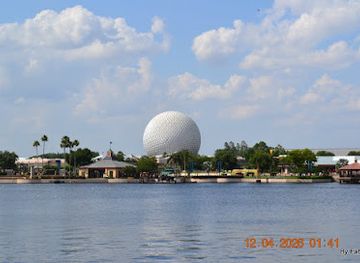
Epcot
Discover the wonders of technology and global culture at Epcot, a premier theme park in Bay Lake, Florida, perfect for tourists seeking adventure.
-
Theme park
Universal Studios Florida
Discover the thrills and magic of Universal Studios Florida, where movies come to life and unforgettable adventures await for all ages.
-
Theme park
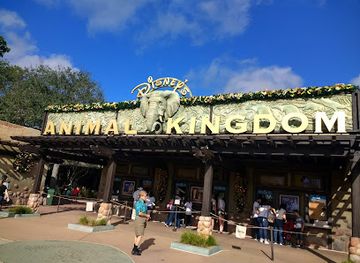
Disney's Animal Kingdom Theme Park
Experience the magic of nature at Disney's Animal Kingdom Theme Park, where thrilling rides meet incredible wildlife encounters in a stunning setting.
-
Theme park
Disney's Hollywood Studios
Discover the enchanting world of Disney's Hollywood Studios, where your favorite movies come to life through thrilling rides and unforgettable experiences.


Best landmarks in Southeast Florida
The region’s best-known landmarks express its mixture of resort architecture, immigration history, civic ambition and subtropical geography. Miami Beach’s Art Deco Historic District is recognised for its streamlined façades, neon-era details and carefully preserved oceanfront streetscape. Miami’s Freedom Tower, originally built as a newspaper headquarters and later associated with the reception of Cuban refugees, carries powerful civic and migration significance. Vizcaya’s Italianate villa and formal gardens illustrate the wealth and display culture of the early twentieth-century city, while Coral Gables’ Biltmore Hotel represents the grand architectural ambitions of the same era. In Fort Lauderdale, the New River, canals and drawbridges are defining elements of the urban landscape rather than merely scenic backdrops. Palm Beach’s Worth Avenue and surviving Gilded Age-era buildings reflect the resort town’s planned, architectural character. Beyond the cities, Biscayne Bay, the Everglades’ sawgrass horizon and the Atlantic barrier islands are geographical landmarks whose scale and fragility frame the entire region.
-
Historical landmark
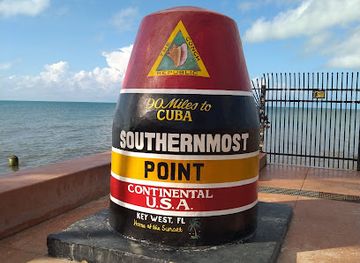
Southernmost Point of the Continental U.S.A.
Explore the Southernmost Point of the continental U.S.A. in Key West, a vibrant landmark offering stunning ocean views and rich historical significance.
-
Museum
The Hemingway Home and Museum
Discover the legacy of Ernest Hemingway at The Hemingway Home and Museum in Key West, a historic site filled with literary charm and stunning gardens.
-
State park
Fort Zachary Taylor Historic State Park
Immerse yourself in history and nature at Fort Zachary Taylor Historic State Park in Key West, where stunning beaches and rich heritage await.
-
Garden
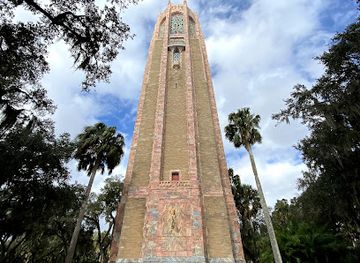
Bok Tower Gardens
Explore the enchanting Bok Tower Gardens, a historical gem in Florida boasting stunning landscapes, a majestic carillon, and rich natural beauty.


Explore Southeast Florida on the map
Plan your trip on one map. See where the top cities, national parks and sights are, and book hotels and experiences in a few clicks.
Best hotels in Southeast Florida
Best restaurants in Southeast Florida
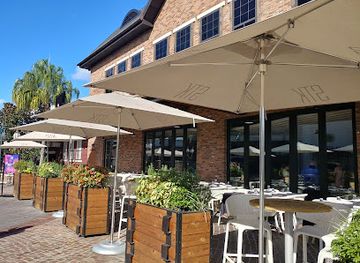
Dining in Southeast Florida reflects its position between the United States, the Caribbean and Latin America. Cuban food is central in Miami, from pressed sandwiches and roast pork to strong coffee and home-style dishes, while Haitian, Dominican, Colombian, Peruvian and other Caribbean and Latin American traditions are well represented across the metropolitan area. Seafood restaurants feature local and regional catches, stone crab when in season, shrimp and oysters, although menus and sourcing vary. Fort Lauderdale and Palm Beach County combine waterfront dining with independent neighbourhood restaurants, bakeries, cafés and long-established diners. Farmers’ markets and food halls are useful places to sample tropical fruit, citrus, prepared foods and small-producer products. Contemporary restaurants increasingly draw on multicultural influences rather than a single regional cuisine, and visitors should distinguish genuinely local dishes from the broad American resort menu of burgers, steaks and seafood.
-
Steak
STK Steakhouse
Experience fine dining at its best with exquisite steaks and vibrant nightlife at STK Steakhouse in Orlando.
-
American
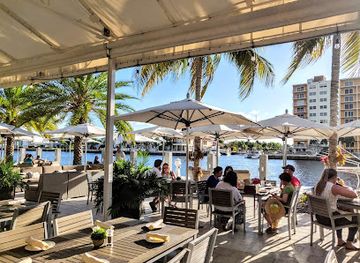
Shooters Waterfront
Discover Shooter's Waterfront: where exquisite American cuisine meets stunning waterfront views in Fort Lauderdale.
-
Seafood
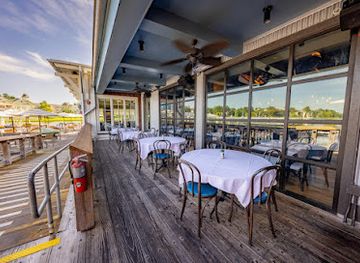
The Boathouse
Savor exquisite seafood and American dishes at The Boathouse while enjoying stunning lakeside views in Lake Buena Vista.
-
American
Blue Heaven
Discover Blue Heaven: Where American and Caribbean flavors unite in a vibrant atmosphere amidst Key West's enchanting landscape.

Best bars in Southeast Florida
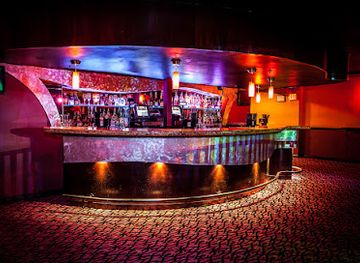
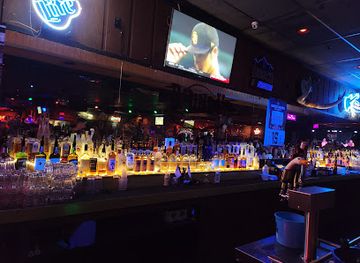
Nightlife is concentrated in Miami, Miami Beach, Fort Lauderdale, Hollywood and West Palm Beach, with the character changing sharply between districts. Miami Beach is known for late-night hospitality around South Beach, while mainland Miami offers cocktail bars, live music, breweries and restaurants in areas such as Wynwood, Brickell and Little Havana. Fort Lauderdale combines waterfront bars, neighbourhood venues and a busy restaurant scene, whereas West Palm Beach has a compact concentration of bars, lounges and performance spaces around its central entertainment areas. Across the region, Caribbean, Latin and electronic music influence evening culture, but nightlife is not limited to clubs: hotel bars, breweries, theatre, jazz and live local music are important alternatives. Opening arrangements, door policies and transport options vary, so check current details and plan a safe journey home.
-
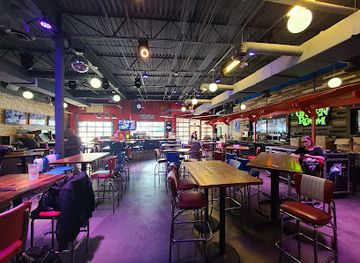
Live music bar
Tin Roof
Discover the vibrant atmosphere of Tin Roof, where live music meets delicious food and drinks in the heart of Orlando's nightlife.
-
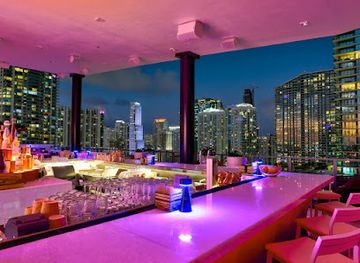
Bar
Rosa Sky
Experience the vibrant nightlife of Miami at Rosa Sky, a chic rooftop bar offering exquisite cocktails, tapas, and breathtaking skyline views.
-
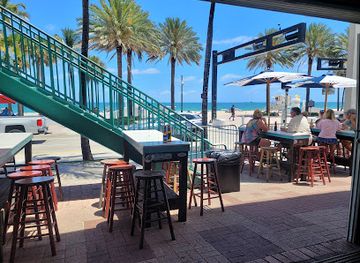
Bar
Elbo Room
Discover Elbo Room: A Fort Lauderdale beach bar offering live music, refreshing drinks, and a lively atmosphere perfect for relaxation and fun.
-
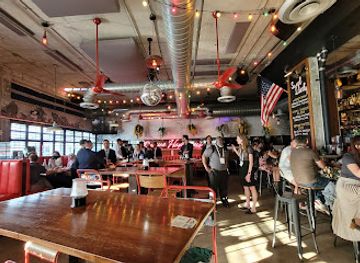
Bar
Sweet Liberty Drinks & Supply Company
Explore Sweet Liberty Drinks & Supply Company, where innovative cocktails meet the vibrant atmosphere of Miami Beach's nightlife scene.
Best nightclubs in Southeast Florida
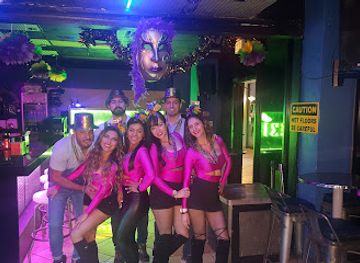
Nightlife is concentrated in Miami, Miami Beach, Fort Lauderdale, Hollywood and West Palm Beach, with the character changing sharply between districts. Miami Beach is known for late-night hospitality around South Beach, while mainland Miami offers cocktail bars, live music, breweries and restaurants in areas such as Wynwood, Brickell and Little Havana. Fort Lauderdale combines waterfront bars, neighbourhood venues and a busy restaurant scene, whereas West Palm Beach has a compact concentration of bars, lounges and performance spaces around its central entertainment areas. Across the region, Caribbean, Latin and electronic music influence evening culture, but nightlife is not limited to clubs: hotel bars, breweries, theatre, jazz and live local music are important alternatives. Opening arrangements, door policies and transport options vary, so check current details and plan a safe journey home.
-
Night club
Club Prana
Discover the electrifying nightlife of Club Prana, Tampa's top destination for dancing, drinks, and unforgettable events in Ybor City.
-
Night club
Club Euro Night Club
Discover the nightlife at Club Euro Night Club, where vibrant music and energy create an unforgettable experience in Fort Lauderdale.
-
Night club
Round Up Night Club & Restaurant
Experience the vibrant nightlife of Davie, FL, at Round Up Night Club & Restaurant, where great food meets electrifying entertainment.
-
Night club
TEKILA BAR CLUB
Discover the vibrant nightlife at Tekila Bar Club in Hollywood, where dynamic music and delicious cocktails create unforgettable evenings.

Best shops in Southeast Florida
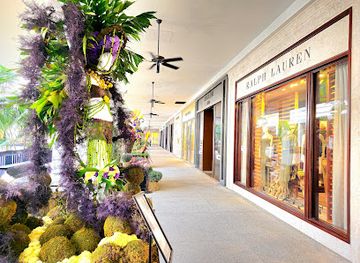
Shopping in Southeast Florida ranges from independent neighbourhood commerce to high-end resort retail and large suburban centres. Miami’s Little Havana is useful for Cuban cafés, bakeries, cigars and locally themed goods, while Wynwood and the Design District focus on galleries, design, fashion and contemporary retail. Miami Beach’s Lincoln Road and nearby streets provide a dense mix of shops, restaurants and visitor-oriented businesses. Fort Lauderdale combines central shopping with beachside stores, independent boutiques and antique or design-focused businesses, while Hollywood’s downtown and beachfront areas have a more relaxed local and visitor mix. Palm Beach is associated with luxury shopping around Worth Avenue, whereas West Palm Beach provides a broader combination of independent shops, galleries, food businesses and established retail streets. Farmers’ markets and garden shops are good places to look for tropical plants, Florida produce and prepared foods, though the best market days vary by location and season. For practical purchases, large shopping centres and supermarkets are widely available outside the historic cores.
-
Shopping mall
Sawgrass Mills
Experience the ultimate shopping destination at Sawgrass Mills, Florida's largest outlet mall with over 350 stores and diverse dining options.
-
Shopping mall
The Shops at Pembroke Gardens
Discover a vibrant shopping paradise at The Shops at Pembroke Gardens with diverse stores, delightful dining, and a picturesque outdoor setting.
-
Shopping mall
Bal Harbour Shops
Discover luxury shopping like never before at Bal Harbour Shops in Florida, featuring premier boutiques, fine dining, and a serene atmosphere.
-
Gift shop
World of Disney®
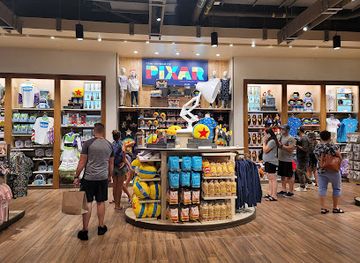
Explore World of Disney® in Disney Springs for exclusive merchandise, magical souvenirs, and a shopping experience like no other.


Get your free copy of our complete guide to Southeast Florida, delivered straight to you.
Everything on this page, from attractions and restaurants to essentials and local phrases, in one PDF you can read offline, print or share.
Already have an account? Sign in
Your Southeast Florida guide is ready.
We'll send it to · Not you? Sign out

Getting your guide ready…
We are putting together a fresh copy of the Southeast Florida guide. This can take up to a minute.
This can take a few moments. If your browser asks, choose Allow so the download can start. You'll find the guide in your Downloads folder.
Nothing happened? Download it again
Sorry, the guide is taking longer than usual. Please try again in a minute, or get it by email instead.
Southeast Florida essentials
Currency and Payment
Safety
Emergency Situations
Do's and Don'ts
Local Tips
From Eve
Local phrases worth knowing
You don't need to get them perfect. A few words go a long way, and locals appreciate the effort.
Basics
| English | Local | Say it |
|---|---|---|
| Hello | Hey | [Hey] |
| Goodbye | See ya | [See ya] |
| Yes | Yeah | [Yeah] |
| No | Nah | [Nah] |
| Please/You're welcome | No problem | [No problem] |
| Thank you | Thanks | [Thanks] |
| Excuse me/Sorry | Sorry | [Sorry] |
| How are you? | How's it going? | [How's it going?] |
| Fine. And you? | Good. You? | [Good. You?] |
| Do you speak English? | You speak English? | [You speak English?] |
| I don't understand | I don't get it | [I don't get it] |
Eating & Drinking
| English | Local | Say it |
|---|---|---|
| I'd like to see the menu, please | Can I see the menu? | [Can I see the menu?] |
| I don't eat meat | I’m a vegetarian | [I’m a vegetarian] |
| Cheers! | Cheers! | [Cheers!] |
| I would like to pay, please | Can I get the check? | [Can I get the check?] |
Emergencies
| English | Local | Say it |
|---|---|---|
| Help! | Help! | [Help!] |
| Go away! | Leave me alone! | [Leave me alone!] |
| Call the Police! | Call 911! | [Call 911!] |
| Call a doctor! | Get a doctor! | [Get a doctor!] |
| I'm lost | I’m lost | [I’m lost] |
| I'm ill | I’m not feeling well | [I’m not feeling well] |
Shopping
| English | Local | Say it |
|---|---|---|
| I'd like to buy... | I wanna buy... | [I wanna buy...] |
| I'm just looking | Just browsing | [Just browsing] |
| How much is it? | What's the price? | [What's the price?] |
| That's too expensive | That's way too pricey | [That's way too pricey] |
| Can you lower the price? | Can you give me a better price? | [Can you give me a better price?] |
Time & Numbers
| English | Local | Say it |
|---|---|---|
| What time is it? | What time is it? | [What time is it?] |
| It's one o'clock | It's one | [It's one] |
| Half past (10) | Half past ten | [Half past ten] |
| Morning | Morning | [Morning] |
| Afternoon | Afternoon | [Afternoon] |
| Evening | Evening | [Evening] |
| Yesterday | Yesterday | [Yesterday] |
| Today | Today | [Today] |
| Tomorrow | Tomorrow | [Tomorrow] |
| 1 | One | [One] |
| 2 | Two | [Two] |
| 3 | Three | [Three] |
| 4 | Four | [Four] |
| 5 | Five | [Five] |
| 6 | Six | [Six] |
| 7 | Seven | [Seven] |
| 8 | Eight | [Eight] |
| 9 | Nine | [Nine] |
| 10 | Ten | [Ten] |
Transport & Directions
| English | Local | Say it |
|---|---|---|
| Where's a/the...? | Where's the...? | [Where's the...?] |
| What's the address? | What's the address? | [What's the address?] |
| Can you show me (on the map)? | Can you show me on the map? | [Can you show me on the map?] |
| When's the next (bus)? | When's the next bus? | [When's the next bus?] |
| A ticket (to ....) | A ticket to ... | [A ticket to ...] |
History of Southeast Florida
Indigenous South Florida Before European Settlement
The lands and waters of Southeast Florida were inhabited for centuries by Indigenous peoples, including Tequesta communities around the Miami River and Biscayne Bay, and groups associated with the region’s wider Calusa and Jeaga cultural world. They travelled by canoe, harvested marine and wetland resources and adapted to a landscape of mangrove, lagoon and freshwater marsh. Much archaeological evidence is fragile or has been obscured by later construction, but shell deposits, burial sites and surviving place names demonstrate that the metropolitan coast has a much older human history than its modern skyline suggests.
Spanish Florida and the Changing Borderlands
Spain claimed Florida from the sixteenth century, although effective control along the southeast coast was limited and frequently contested. European diseases, mission activity, warfare and new political boundaries transformed Indigenous life. Florida passed between Spanish, British and Spanish rule before becoming a United States territory in 1821. The region’s later identity was also shaped by migration from the Bahamas and the Caribbean, whose maritime connections predated the large-scale urban development of the twentieth century.
The Seminole Wars and South Florida’s Frontier
During the nineteenth century, the United States fought a series of conflicts against Seminole communities resisting removal from Florida. South Florida’s wetlands and interior hammocks provided refuge and made military campaigns difficult. Although the wars are often presented through a frontier narrative, they involved forced displacement, African American freedom seekers and the defence of Indigenous homelands. Seminole history remains part of the wider cultural landscape of South Florida, while the Everglades preserve physical settings associated with these encounters.
Railways, Drainage and the Rise of Miami
The arrival of Henry Flagler’s Florida East Coast Railway in the 1890s connected the southeast coast to the wider United States and accelerated Miami’s incorporation and growth. Rail transport, agriculture, land speculation and drainage projects encouraged settlement across difficult wetland terrain. Flagler’s Royal Palm Hotel helped establish Miami as a winter destination, while nearby communities developed at different speeds. The railway corridor remains a major organising line for travel between Miami, Fort Lauderdale, Boca Raton, West Palm Beach and other coastal centres.
Twentieth-Century Migration and Metropolitan Expansion
Post-war air travel, highway construction, residential development and tourism transformed Southeast Florida into a major metropolitan region. Miami became especially shaped by migration from Cuba after 1959, followed by communities from Haiti, the Caribbean and Latin America. Little Havana, Little Haiti and numerous suburban districts reflect these movements, although no single neighbourhood represents the whole region. High-rise construction, canal building and the expansion of port and airport infrastructure also produced the intensely urban coastal landscape visible today.
Conservation and the Protection of the Wetlands
The draining and diversion of South Florida’s water altered ecosystems and increased pressure on the Everglades, Biscayne Bay and the coastal lagoons. Conservation movements helped establish protected areas, including Everglades National Park in 1947 and Biscayne National Park in 1968. Environmental debates now concern water quality, habitat loss, sea-level rise, hurricanes and the balance between metropolitan growth and ecological restoration. These issues are not separate from tourism: beaches, reefs, wetlands and wildlife are central to the region’s economy and its sense of place.
Southeast Florida in Photos
Browse through our photo collection highlighting the charm and character of the destination.
Neighbouring regions of Southeast Florida
The closest regions to Southeast Florida, if you have time for more than one.
-
 Everglades
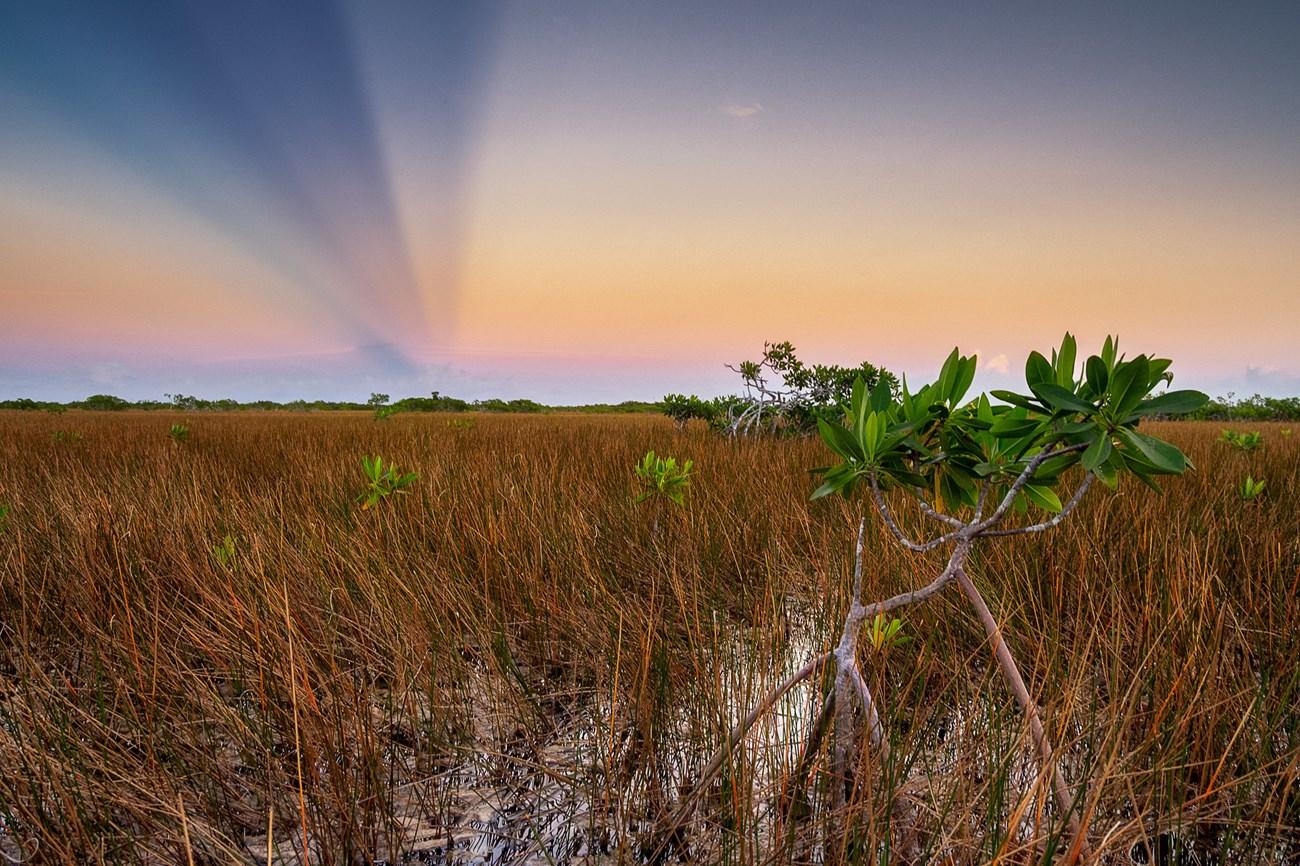
Explore the Everglades through sawgrass marshes, mangrove waterways, wildlife trails and the broad horizons of southern Florida.
-

-

-
-


Swipe for more regions
Explore more

Explore more of Florida
Discover Florida: A Sunshine State full of dazzling beaches, iconic theme parks, rich history, and stunning natural parks, offering endless adventures for every traveler.
Explore Florida