

Islamorada Travel Guide - Free Web & App
Your ultimate guide to Islamorada. Discover top landmarks, proposed trips, and local tips. Free on the web or via the Evendo companion app.


Islamorada, Florida Keys, blends coral reefs, sport fishing, island history, mangrove kayaking, diving heritage and laid-back waterfront dining.
Geography and Island Character
Islamorada is a village of islands in the Florida Keys, positioned between Key Largo and Marathon along the Overseas Highway. Its settled landscape extends across Plantation Key, Windley Key, Upper Matecumbe Key and Lower Matecumbe Key, with nearby Indian Key and Lignumvitae Key adding protected islands and important historical and natural sites. The village faces the Florida Bay backcountry to the north and the Atlantic Ocean to the south, giving it two distinct aquatic environments: shallow flats, mangrove channels and seagrass meadows on one side, and coral reefs and open ocean on the other. Palm-lined roads, boat docks and low-rise accommodation create a quieter atmosphere than the larger resort centres farther south.Read more about Islamorada
Reefs, Wildlife and Outdoor Life
History and Culture
When is the best time to visit Islamorada?
Best: December–February · 24–25°C| Month | High (°C) | Rainfall (mm) |
|---|---|---|
| January (best) | 24 | 48 |
| February (best) | 25 | 51 |
| March | 26 | 57 |
| April | 28 | 62 |
| May | 30 | 89 |
| June | 31 | 151 |
| July | 32 | 129 |
| August | 32 | 142 |
| September | 31 | 155 |
| October | 30 | 142 |
| November | 27 | 73 |
| December (best) | 25 | 54 |
Getting to and around Islamorada
How to get there
Transportation
Best attractions in Islamorada
Islamorada's attractions move between land-based history and a largely marine landscape. Windley Key Fossil Reef Geological State Park provides trails through former quarry workings and exposes fossilised coral from the ancient Key Largo limestone reef. At the History of Diving Museum on Upper Matecumbe Key, exhibits explain the equipment, techniques and personalities behind underwater exploration. The small islands of Indian Key and Lignumvitae Key are reached by boat and offer contrasting experiences: one presents the remains of a nineteenth-century settlement, while the other protects a tropical hardwood hammock and historic house. Anne's Beach on Lower Matecumbe Key has shallow water, mangroves and a boardwalk-style shoreline setting, though conditions vary with tide and weather. Offshore reefs, wreck sites, flats and channels are explored through diving, snorkelling, fishing, kayaking and wildlife-focused excursions, while the Florida Keys National Marine Sanctuary provides the wider ecological setting for these activities.
-
Tourist attraction
History of Diving Museum
Explore the fascinating evolution of underwater exploration at the History of Diving Museum in Islamorada, Florida, a unique attraction for all diving enthusiasts.
-
Boat tour agency
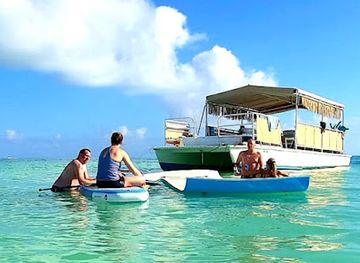
Clearly Unique Charters
Experience the beauty of the Florida Keys with Clearly Unique Charters, offering unforgettable boat tours, SCUBA diving, and water sports adventures.
-
Tourist attraction
Library Beach Park
Discover the serene beauty of Library Beach Park in Islamorada, a perfect blend of relaxation, recreation, and natural wonders.
-
Tourist attraction
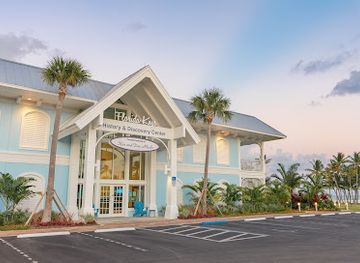
Keys History & Discovery Center
Explore the vibrant past of the Florida Keys at the Keys History & Discovery Center, where local history comes to life through engaging exhibits.

Best landmarks in Islamorada
The defining landmark of Islamorada is its position across a chain of low coral islands between Florida Bay and the Atlantic Ocean, with bridges and the Overseas Highway binding the individual communities together. Windley Key Fossil Reef Geological State Park is significant for the exposed fossilised coral rock quarried from the ancient Key Largo formation, while Indian Key's overgrown ruins recall the wrecking and trading settlement that once occupied the island. Lignumvitae Key's tropical hardwood hammock and historic house illustrate the ecological contrast between a protected island interior and the surrounding shallow waters. Offshore, Alligator Reef Lighthouse is a prominent maritime marker east of Islamorada, though it is viewed from the water rather than visited as a conventional land attraction. The local waters, reefs, mangroves and seagrass beds are also landmarks in their own right, forming part of the protected seascape of the Florida Keys National Marine Sanctuary.
-
Tourist attraction
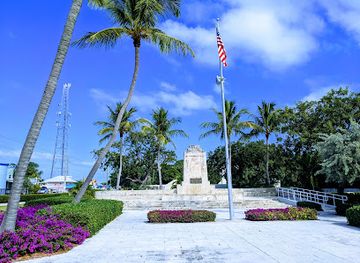
Hurricane Monument
Discover the Hurricane Monument in Islamorada, a poignant tribute to resilience and the enduring spirit of the Florida Keys community.
Explore Islamorada on the map
Plan your trip on one map. See where the top attractions, landmarks, restaurants and hotels are, and book hotels and experiences in a few clicks.
Best hotels in Islamorada
Best restaurants in Islamorada
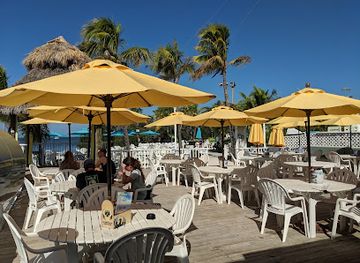
Islamorada's dining reflects its position between the Atlantic Ocean and Florida Bay, with seafood, tropical produce and casual waterfront meals prominent in the local food culture. Restaurants, inns, cafés and bars are concentrated along the Overseas Highway and around the village's marinas rather than gathered in a single town centre. Menus commonly draw on Florida seafood, including locally sourced fish where available, alongside stone crab when in season, key lime desserts and familiar American and Caribbean-influenced dishes. Established places such as the Green Turtle Inn, Lorelei Restaurant and Cabana Bar, and Morada Bay offer recognisable examples of the area's hospitality landscape, while smaller businesses and resort restaurants add further choice. Visitors using remote beaches, state parks or boat excursions should not expect food service on site and may need to plan meals around the highway corridor and their accommodation.
-
Bar
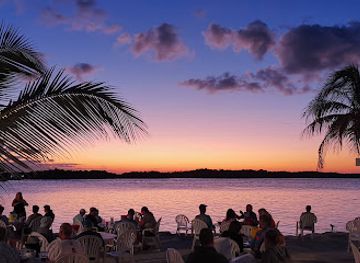
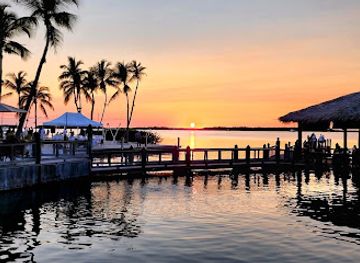
Lorelei Restaurant & Cabana Bar
Experience tropical dining at Lorelei Restaurant & Cabana Bar in Islamorada with fresh seafood and stunning waterfront views.
-
Restaurant
Islamorada Fish Company
Discover fresh seafood delights and stunning waterfront views at Islamorada Fish Company in the heart of the Florida Keys.
-
Seafood
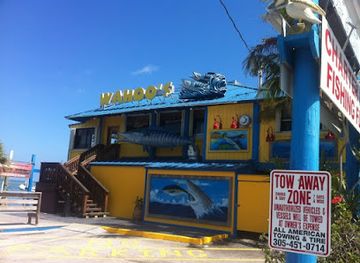
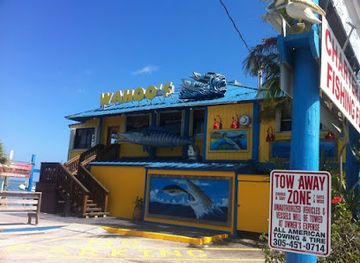
Wahoo's Seafood Bar and Grill Restaurant
Experience fresh seafood and tropical flavors at Wahoo's Seafood Bar and Grill in Islamorada - your ultimate dining destination in the Florida Keys.
-
Seafood
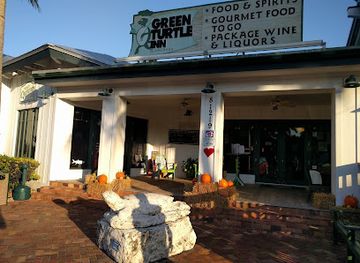
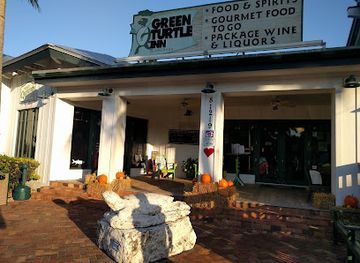
Green Turtle Inn
Experience fresh seafood delicacies at Green Turtle Inn in Islamorada – where local flavors meet oceanfront charm.
Best bars in Islamorada
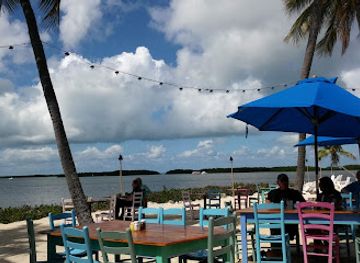
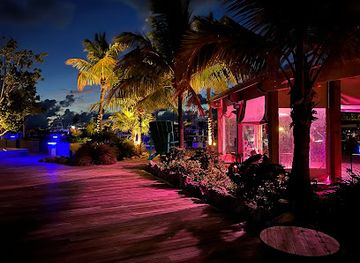
Islamorada's evening scene is relaxed and waterside rather than centred on nightclubs or a formal entertainment district. The main choices are established resort bars, marina venues, traditional inns and casual restaurants along the Overseas Highway, where sunset drinks, live music and outdoor seating may form part of the atmosphere when scheduled. Lorelei Restaurant and Cabana Bar is known for its waterfront setting and entertainment-oriented hospitality, while other local bars and restaurants provide quieter evenings shaped by fishing, boating and the Keys' informal social culture. Entertainment can be seasonal and weather-dependent, and venues are dispersed across several islands, so visitors should arrange transport responsibly rather than walk between distant locations. Those seeking larger late-night scenes generally need to travel beyond Islamorada to other Keys communities, not expect a dense nightlife centre within the village.
-
Bar
Lorelei Restaurant & Cabana Bar
Experience the vibrant flavors and breathtaking views at Lorelei Restaurant & Cabana Bar in Islamorada, the heart of the Florida Keys.
-
Seafood
Wahoo's Seafood Bar and Grill Restaurant
Experience fresh seafood and stunning waterfront views at Wahoo's Seafood Bar and Grill, a culinary highlight in the heart of Islamorada, Florida.
-
American
Morada Bay
Savor the flavors of America with a tropical twist at Morada Bay, a beachfront gem in the Florida Keys, perfect for unforgettable dining experiences.
-
Seafood
Green Turtle Inn
Experience the vibrant flavors of the Florida Keys at Green Turtle Inn, a seafood lover's paradise in Islamorada.
Best nightclubs in Islamorada
Islamorada's evening scene is relaxed and waterside rather than centred on nightclubs or a formal entertainment district. The main choices are established resort bars, marina venues, traditional inns and casual restaurants along the Overseas Highway, where sunset drinks, live music and outdoor seating may form part of the atmosphere when scheduled. Lorelei Restaurant and Cabana Bar is known for its waterfront setting and entertainment-oriented hospitality, while other local bars and restaurants provide quieter evenings shaped by fishing, boating and the Keys' informal social culture. Entertainment can be seasonal and weather-dependent, and venues are dispersed across several islands, so visitors should arrange transport responsibly rather than walk between distant locations. Those seeking larger late-night scenes generally need to travel beyond Islamorada to other Keys communities, not expect a dense nightlife centre within the village.
-
Tiki bar
Tiki Bar
Experience the vibrant atmosphere and tropical flavors at Tiki Bar, a must-visit spot in Islamorada for cocktails and relaxation.
-
Pub
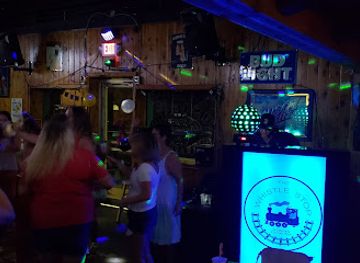
The Whistle Stop Pub
Discover The Whistle Stop Pub in Islamorada for a delightful mix of local flavors, friendly atmosphere, and island charm.
-
Adult entertainment club
Woody's
Discover the lively nightlife at Woody's, an adult entertainment club in Islamorada, offering vibrant entertainment and a great selection of drinks.
-
Live Music
The Rooftop Sandbar.
Experience the best of live music and stunning ocean views at The Rooftop Sandbar in Islamorada, Florida - a must-visit for every traveler.
Best shops in Islamorada
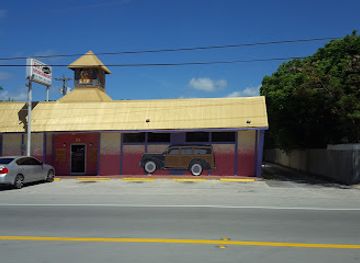
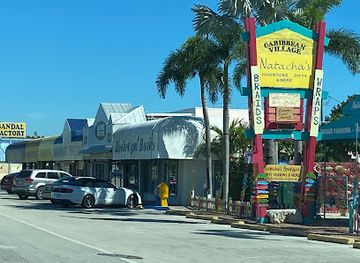
Shopping in Islamorada is small-scale and closely tied to art, fishing, boating and Florida Keys food culture. The Morada Way Arts and Cultural District on Upper Matecumbe Key brings together galleries, studios and creative businesses, with work that often reflects marine life, island landscapes and local colour. Rain Barrel Village, recognisable from its large lobster sculpture on the Overseas Highway, is another established stop for galleries, craft shops and visitor-oriented retail. Shops and marinas around the highway sell fishing equipment, beach essentials, clothing, souvenirs and locally themed artwork, while farm stands and specialist food retailers may offer regional produce when available. Retail facilities are spread along the islands rather than concentrated in a conventional shopping centre, and visitors should expect more independent galleries and practical Keys merchandise than high-street fashion or large department stores.
-
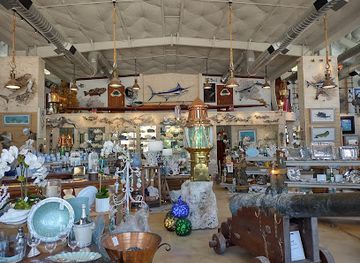
Gift shop
Ocean Gardens
Discover a unique gift shop in Islamorada, Florida, offering locally crafted treasures and beach-themed souvenirs.
-
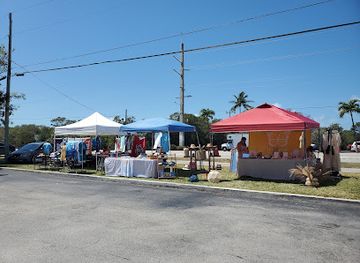
Farmers' market
Florida Keys Farmers Market
Experience the vibrant culture and fresh flavors at the Florida Keys Farmers Market, a must-visit destination for tourists in Islamorada.
-
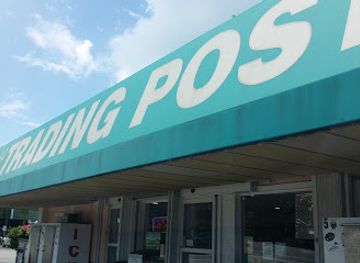
Grocery store
The Trading Post
Explore the vibrant flavors of the Florida Keys at The Trading Post, your one-stop grocery store for gourmet meats, fresh produce, and delightful desserts.
-
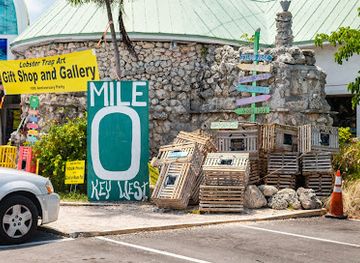
Gift shop
Lobster Trap Art Gift Shop and Gallery
Explore the Lobster Trap Art Gift Shop and Gallery for unique local art, handcrafted souvenirs, and a taste of the vibrant culture of the Florida Keys.
Get your free copy of our complete guide to Islamorada, delivered straight to you.
Everything on this page, from attractions and restaurants to essentials and local phrases, in one PDF you can read offline, print or share.
Already have an account? Sign in
Your Islamorada guide is ready.
We'll send it to · Not you? Sign out

Getting your guide ready…
We are putting together a fresh copy of the Islamorada guide. This can take up to a minute.
This can take a few moments. If your browser asks, choose Allow so the download can start. You'll find the guide in your Downloads folder.
Nothing happened? Download it again
Sorry, the guide is taking longer than usual. Please try again in a minute, or get it by email instead.
Islamorada essentials
Currency and Payment
Safety
Emergency Situations
Do's and Don'ts
Local Tips
From Eve
Local phrases worth knowing
You don't need to get them perfect. A few words go a long way, and locals appreciate the effort.
Basics
| English | Local | Say it |
|---|---|---|
| Hello | Salam | [sah-lahm] |
| Goodbye | Ma'a as-salama | [maa ah-sah-lah-mah] |
| Yes | Na'am | [nah-ahm] |
| No | La | [lah] |
| Please/You're welcome | Min fadlik | [meen fahd-leek] |
| Thank you | Shukran | [shook-rahn] |
| Excuse me/Sorry | Afuwan | [ah-foo-wahn] |
| How are you? | Kayfa halak? | [kay-fa ha-lahk] |
| Fine. And you? | Bikhayr. Wa anta? | [bee-khayr. wah ahn-tah] |
| Do you speak English? | Hal tatakallam al-ingliziyya? | [hal tah-tah-kah-lahm al-een-glee-zee-yah] |
| I don't understand | Ana la afham | [ah-nah lah ahf-hahm] |
Eating & Drinking
| English | Local | Say it |
|---|---|---|
| I'd like to see the menu, please | Uriid an adhur al-qima, min fadlik | [oo-ree-eed ahn ah-dhoor al-kee-mah, meen fahd-leek] |
| I don't eat meat | Ana la akul lahm | [ah-nah lah ah-kool lahm] |
| Cheers! | Sahtain! | [sah-tah-een] |
| I would like to pay, please | Uriid an adfa', min fadlik | [oo-ree-eed ahn ad-fah, meen fahd-leek] |
Emergencies
| English | Local | Say it |
|---|---|---|
| Help! | Musaidah! | [moo-sah-ee-dah] |
| Go away! | Ithhab! | [ith-hahb] |
| Call the Police! | Ibd' bil-shurta! | [ibd' beel-shoor-tah] |
| Call a doctor! | Ibd' tabib! | [ibd' taa-beeb] |
| I'm lost | Dha'ayt | [dha-ahyt] |
| I'm ill | Ana mareed | [ah-nah mah-reed] |
Shopping
| English | Local | Say it |
|---|---|---|
| I'd like to buy... | Uriid an ashtar... | [oo-ree-eed ahn as-tah-r...] |
| I'm just looking | Ana faqat atamaththul | [ah-nah fah-kat ah-tah-math-thool] |
| How much is it? | Kam huwa thamanuhu? | [kam hoo-wah thah-mah-noo-hoo] |
| That's too expensive | Thalika ghalin jiddan | [tha-lee-kah gha-leen jid-dan] |
| Can you lower the price? | Hal tastati' tahnin al-sa'r? | [hal tah-stah-tee ahn-heen al-sar] |
Time & Numbers
| English | Local | Say it |
|---|---|---|
| What time is it? | Kam al-sa'ah? | [kam al-sa-ah] |
| It's one o'clock | Al-sa'ah wahidah | [al-sa-ah wah-hee-dah] |
| Half past (10) | Nisf ba'd (asharah) | [neessf bahd (ah-shah-rah)] |
| Morning | Sabah | [sah-bah] |
| Afternoon | Ba'd al-zuhr | [bahd al-zuhr] |
| Evening | Al-masa' | [al-ma-sa] |
| Yesterday | Al-bareh | [al-bah-reh] |
| Today | Al-yawm | [al-yawm] |
| Tomorrow | Ghadan | [ghah-dahn] |
| 1 | Wahid | [wah-heed] |
| 2 | Ithnayn | [ith-nah-yeen] |
| 3 | Thalatha | [tha-lah-thah] |
| 4 | Arba'a | [ar-bah-ah] |
| 5 | Khamsa | [kham-sah] |
| 6 | Sitta | [sit-tah] |
| 7 | Sab'a | [sah-bah] |
| 8 | Thamania | [tha-mah-nee-ah] |
| 9 | Tis'a | [tees-ah] |
| 10 | Ashara | [ah-shah-rah] |
Transport & Directions
| English | Local | Say it |
|---|---|---|
| Where's a/the...? | Ayna huwa/hayya...? | [ay-nah hoo-wah/hay-yah] |
| What's the address? | Ma huwa al-alamat? | [ma hoo-wah al-ah-la-maht] |
| Can you show me (on the map)? | Hal tastati' an tu'ayyidani (ala al-khari'tah)? | [hal tah-stah-tee ahn too-aiy-yee-dah-nee (ah-lah al-khah-reetah)] |
| When's the next (bus)? | Mata huwa alqatim alqadim? | [mah-tah hoo-wah al-ka-teem al-ka-deem] |
| A ticket (to ....) | Tathkira (ila ....) | [tath-kee-rah (ee-lah ....)] |
History of Islamorada
Indigenous Peoples and the Island Environment
The Florida Keys were used by Indigenous peoples long before modern settlement, including communities associated with the Calusa and Tequesta cultural worlds. The low islands, mangrove shorelines, shallow bays and surrounding reefs supported travel, fishing and seasonal use, although the Keys offered limited freshwater and agricultural potential. European exploration and later colonial pressures brought disease, conflict and displacement, profoundly affecting Indigenous communities across southern Florida. Archaeological material and shell deposits in the wider Keys record the long relationship between people and the marine environment, while the islands' geography continued to determine how later residents travelled, worked and settled.
Wrecking, Fishing and Early Settlement
During the Spanish and British colonial periods and into the nineteenth century, the Florida Keys occupied an important position beside busy shipping routes. Wreckers salvaged cargo and equipment from vessels lost on the reefs, and maritime work shaped the early economy of communities around the islands. Fishing, sponge gathering and small-scale commerce later became important sources of income. Indian Key, now a state historic site reached by water, grew into a small wrecking and trading settlement during the nineteenth century before violence and changing economic conditions brought its decline. The ruins and vegetation of the island preserve an evocative connection with this maritime past.
The Overseas Railway Era
The Overseas Railway transformed access to the Middle and Lower Keys when Henry Flagler's Florida East Coast Railway reached Key West in 1912. Its bridges and embankments crossed the islands and channels around present-day Islamorada, linking local communities to mainland markets and encouraging new patterns of settlement, fishing and tourism. Much of the railway infrastructure was destroyed by the intense Labor Day hurricane of 1935. Portions of the old route were later adapted for the Overseas Highway, meaning that modern travellers often follow a corridor first established by the railway while crossing a landscape still marked by its engineering history.
Road Tourism and Modern Islamorada
After the railway's destruction, road connections became the foundation of modern life in the Keys. Improved access supported tourism, recreational fishing, diving, boating and the growth of accommodation and hospitality businesses across Islamorada's islands. The community's identity increasingly centred on its surrounding waters, while conservation measures sought to protect coral reefs, seagrass and mangrove habitats from development and visitor pressure. The Florida Keys National Marine Sanctuary, established in 1990, added a broad framework for marine resource protection. Islamorada Village of Islands was incorporated in 1997, bringing the principal inhabited islands within a unified local government.
Islamorada in Photos
Browse through our photo collection highlighting the charm and character of the destination.
Neighbouring destination travel guides
The closest destinations to Islamorada, if you have time for more than one.
-

-

-

-

-


Swipe for more destinations
Explore more
Explore more of Everglades
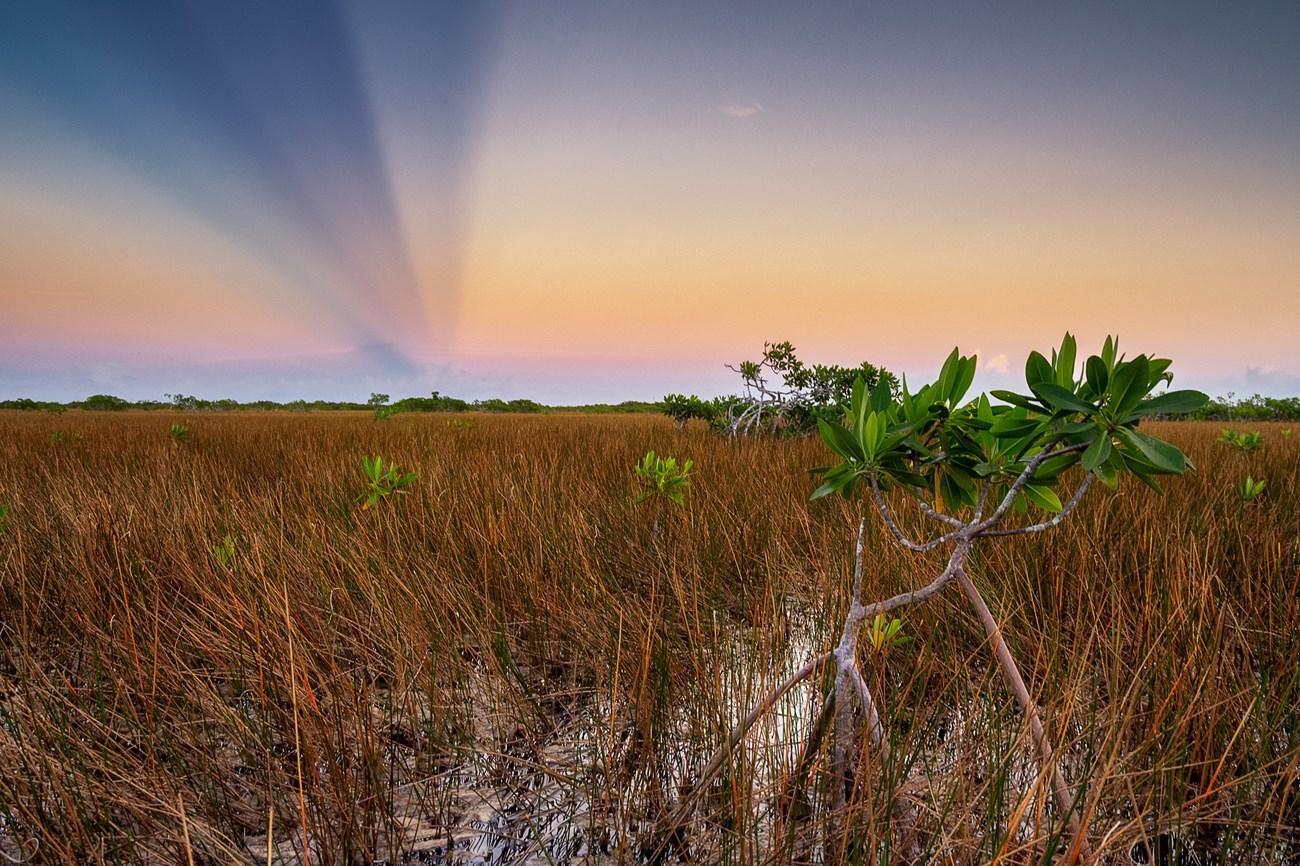
Explore the Everglades through sawgrass marshes, mangrove waterways, wildlife trails and the broad horizons of southern Florida.
Explore Everglades
Explore more of Florida
Discover Florida: A Sunshine State full of dazzling beaches, iconic theme parks, rich history, and stunning natural parks, offering endless adventures for every traveler.
Explore Florida