

Free Florida Keys Travel Guide & Mobile App
Explore Florida Keys with free travel guides. Discover regional history, expert tips, proposed trips, and audio guides on web or mobile app.


Discover the stunning Florida Keys, a chain of tropical islands offering world-class diving, vibrant nightlife, rich history, and breathtaking sunsets.
Read more about Florida Keys
When is the best time to visit Florida Keys?
Best: February–March, December · 24–26°C| Month | High (°C) | Rainfall (mm) |
|---|---|---|
| January | 24 | 50 |
| February (best) | 24 | 45 |
| March (best) | 26 | 50 |
| April | 27 | 60 |
| May | 29 | 90 |
| June | 31 | 130 |
| July | 31 | 130 |
| August | 31 | 150 |
| September | 31 | 140 |
| October | 29 | 110 |
| November | 27 | 70 |
| December (best) | 24 | 55 |
Getting to and around Florida Keys
How to get there
Transportation
Destinations in Florida Keys
Resorts, valleys and scenic spots worth a trip of their own.

Swipe for more destinations
Best attractions in Florida Keys
The Florida Keys, a coral cay archipelago stretching over 120 miles off the southern tip of Florida, boast a mesmerizing blend of natural beauty, history, and adventure, perfect for any curious traveler. Visitors can explore the vibrant underwater world of the John Pennekamp Coral Reef State Park, the first undersea park in the U.S., or dive into the storied past of shipwrecks and treasures at the Mel Fisher Maritime Museum. Stroll along the quaint streets of Key West and visit the Ernest Hemingway Home and Museum, where the legendary author penned some of his greatest works. For a splash of local culture, catch the nightly Sunset Celebration at Mallory Square, where street performers and artisans gather as the sun dips below the horizon. With its turquoise waters, swaying palms, and an abundance of charming islands to discover, from the laid-back vibes of Islamorada to the picturesque beaches of Bahia Honda State Park, the Florida Keys offer a captivating escape into a tropical paradise brimming with opportunities for discovery and relaxation.
-
Historical landmark
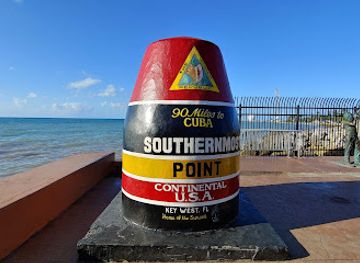
Southernmost Point of the Continental U.S.A.
Discover the Southernmost Point of the Continental U.S.A. in Key West, a vibrant landmark that captures the spirit and beauty of the Florida Keys.
-
Museum
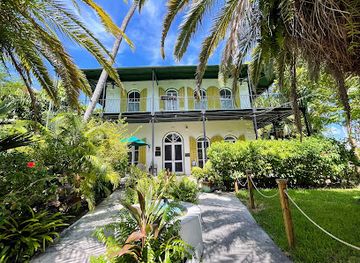
The Hemingway Home and Museum
Visit The Hemingway Home and Museum in Key West, where literary history comes alive amidst stunning gardens and captivating architecture.
-
State park
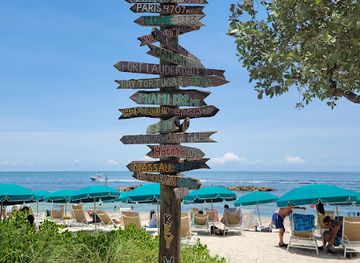
Fort Zachary Taylor Historic State Park
Discover the historical significance and natural beauty of Fort Zachary Taylor Historic State Park in Key West, a perfect spot for history and nature lovers.
-
State park
Bahia Honda State Park
Explore Bahia Honda State Park, a tropical paradise with stunning beaches, vibrant wildlife, and endless outdoor adventures in the heart of the Florida Keys.
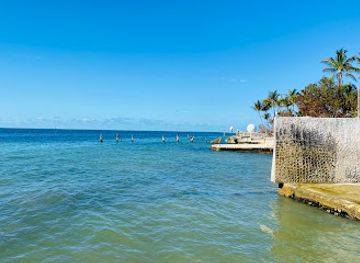
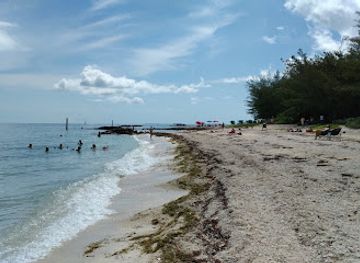
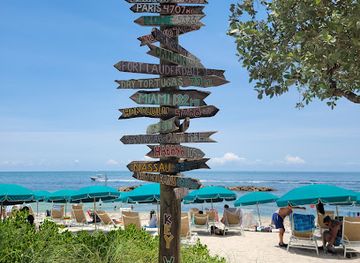
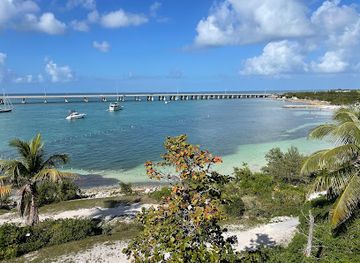
Best landmarks in Florida Keys
The Florida Keys, a sun-soaked paradise stretching over 100 miles off the southern tip of Florida, offers a captivating blend of natural beauty and historical intrigue. Visitors can explore the vibrant coral reefs of John Pennekamp Coral Reef State Park, the first undersea park in the U.S., where snorkeling and diving reveal a mesmerizing underwater world. In Key West, discover the Ernest Hemingway Home and Museum, where the iconic writer's legacy comes to life amidst lush gardens and dozens of six-toed cats. The historic Seven Mile Bridge, a marvel of engineering, offers stunning vistas of turquoise waters, perfect for photography enthusiasts. Don't miss the charming and colorful streets of Key West's Old Town, where history, culture, and a lively atmosphere converge. For a taste of maritime history, the Mel Fisher Maritime Museum displays the treasures of the Spanish galleon Nuestra Señora de Atocha. With its stunning sunsets, vibrant marine life, and rich history, the Florida Keys promise an unforgettable adventure for every traveler.
-
Historical landmark
Southernmost Point of the Continental U.S.A.
Experience the Southernmost Point of the Continental U.S.A. in Key West, a historic gem known for its iconic buoy and breathtaking coastal views.
-
Museum
The Hemingway Home and Museum
Discover the historic charm and literary legacy of Ernest Hemingway at The Hemingway Home and Museum in Key West, a must-visit for culture enthusiasts.
-
State park
Fort Zachary Taylor Historic State Park
Explore Fort Zachary Taylor Historic State Park: A blend of rich history, stunning beaches, and vibrant nature in Key West, Florida.
-
Tourist attraction
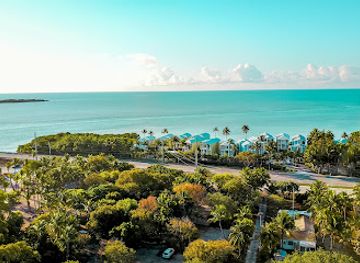
Robbie's of Islamorada
Experience the vibrant atmosphere of Robbie's of Islamorada, where adventure meets relaxation in the heart of the Florida Keys.
Explore Florida Keys on the map
Plan your trip on one map. See where the top cities, national parks and sights are, and book hotels and experiences in a few clicks.
Best hotels in Florida Keys
Best restaurants in Florida Keys
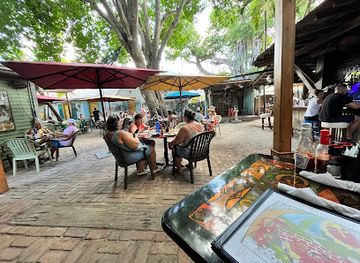
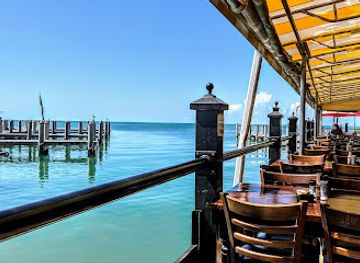
The Florida Keys offer a vibrant and eclectic dining scene that is as colorful and diverse as its sunsets. Visitors can indulge in an array of fresh seafood straight from the surrounding turquoise waters, with local specialties like conch fritters, stone crab, and spiny lobster. Dining options range from laid-back beachfront shacks where you can enjoy your meal with your toes in the sand, to upscale waterfront restaurants offering gourmet dishes and panoramic ocean views. The influence of Caribbean and Latin flavors is evident across the islands, infusing the cuisine with a tropical flair. Whether you're savoring a slice of key lime pie at a quaint café in Key West or enjoying a mojito at a tiki bar in Islamorada, the dining experience in the Florida Keys is sure to be a feast for the senses.
-
American
Blue Heaven
Experience the vibrant flavors of American and Caribbean cuisine at Blue Heaven in Key West – a delightful culinary escape awaits!
-
Seafood
Island Fish Company
Experience fresh seafood dining at Island Fish Company in Marathon - where local flavors meet breathtaking views!
-
Grill
Sunset Grille & Raw Bar
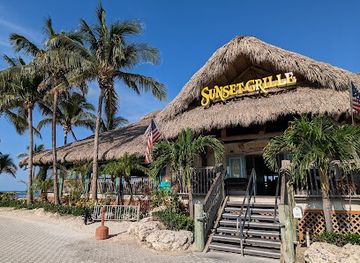
Experience fresh seafood and vibrant island dining at Sunset Grille & Raw Bar in Marathon, Florida Keys - perfect for families and couples alike.
-
Bar
Lorelei Restaurant & Cabana Bar
Experience Florida's Keys at Lorelei Restaurant & Cabana Bar – where fresh seafood meets stunning waterfront views.

Best bars in Florida Keys
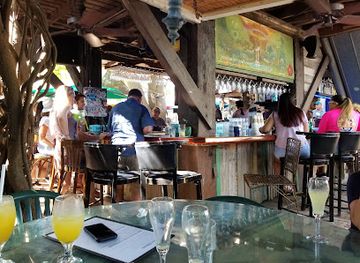
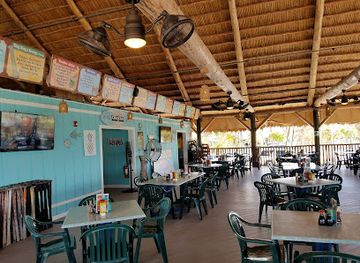
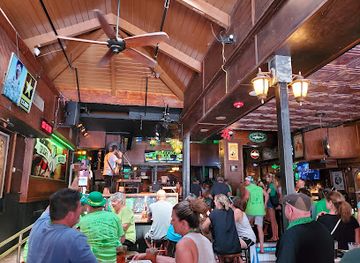
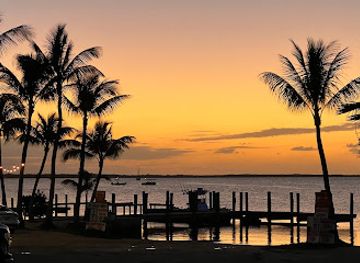
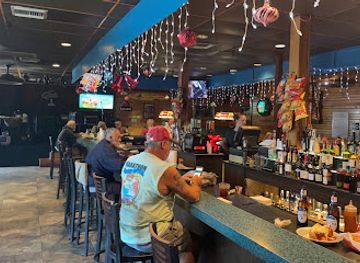
The nightlife in the Florida Keys is a vibrant tapestry of laid-back beach bars, lively nightclubs, and eclectic music venues, each exuding its own unique charm and atmosphere. Visitors can start their evening with sunset cocktails at iconic spots like Mallory Square in Key West, where street performers and local artisans add to the festive ambiance. As night falls, the legendary Duval Street comes alive with bustling bars and live music, offering everything from rock and reggae to the sultry sounds of local island bands. For those seeking a more intimate experience, hidden gems like the Green Parrot Bar offer an authentic taste of local culture with its dive bar vibe and lively jam sessions. Meanwhile, Islamorada's tiki bars provide a more relaxed atmosphere, perfect for sipping tropical cocktails under swaying palm trees. Whether you're dancing the night away at a high-energy club or enjoying a quiet drink by the ocean, the Florida Keys promise an unforgettable night filled with the spirit of the islands.
-
Bar
Sloppy Joe's Bar
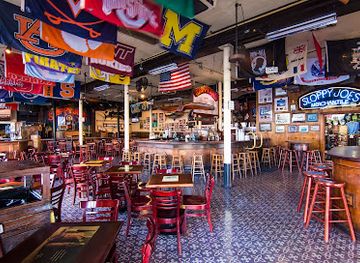
Discover the lively spirit of Key West at Sloppy Joe's Bar, where delicious food, refreshing drinks, and live music come together in a historic setting.
-
American
Blue Heaven
Experience the vibrant flavors of Key West at Blue Heaven, where American and Caribbean cuisine meet in a tropical paradise.
-
Grill
Sunset Grille & Raw Bar
Experience the best seafood and sushi at Sunset Grille & Raw Bar, where every meal is a delightful escape in the heart of the Florida Keys.
-
Irish pub
Irish Kevin's
Discover the lively Irish Kevin's pub in Key West, where live music, delicious food, and a vibrant atmosphere create unforgettable memories.
Best nightclubs in Florida Keys
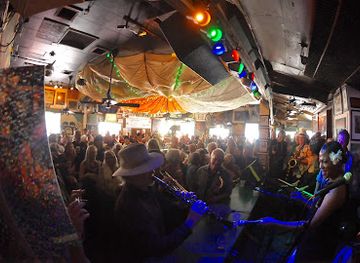
The nightlife in the Florida Keys is a vibrant tapestry of laid-back beach bars, lively nightclubs, and eclectic music venues, each exuding its own unique charm and atmosphere. Visitors can start their evening with sunset cocktails at iconic spots like Mallory Square in Key West, where street performers and local artisans add to the festive ambiance. As night falls, the legendary Duval Street comes alive with bustling bars and live music, offering everything from rock and reggae to the sultry sounds of local island bands. For those seeking a more intimate experience, hidden gems like the Green Parrot Bar offer an authentic taste of local culture with its dive bar vibe and lively jam sessions. Meanwhile, Islamorada's tiki bars provide a more relaxed atmosphere, perfect for sipping tropical cocktails under swaying palm trees. Whether you're dancing the night away at a high-energy club or enjoying a quiet drink by the ocean, the Florida Keys promise an unforgettable night filled with the spirit of the islands.
-
Grill
Sunset Grille & Raw Bar
Experience the flavors of the Florida Keys at Sunset Grille & Raw Bar, a vibrant seafood haven with stunning waterfront views and a lively atmosphere.
-
Bar
Green Parrot Bar
Experience the lively atmosphere of Green Parrot Bar in Key West, where delicious cocktails and live music create unforgettable memories.
-
Bar
Caribbean Club
Experience the vibrant atmosphere of Caribbean Club in Key Largo, with delicious drinks, live music, and breathtaking waterfront views.
-
Bar
Brass Monkey
Discover the vibrant atmosphere of Brass Monkey, a top bar and lounge in Marathon, Florida, perfect for relaxation and socializing in the Keys.

Best shops in Florida Keys
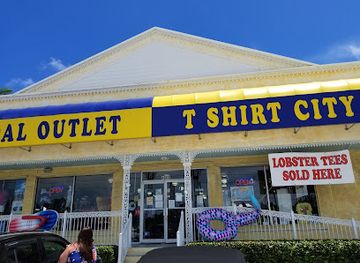
The Florida Keys offer a vibrant and eclectic shopping experience that captures the essence of island life and the rich cultural tapestry of the region. Visitors can explore an array of charming boutiques and art galleries in Key West, where local artisans showcase unique handcrafted jewelry, colorful island-inspired clothing, and vibrant artworks that echo the Keys' tropical flair. In Islamorada, known as the Sportfishing Capital of the World, shoppers can find specialty stores offering nautical gear and local fishing tackle perfect for enthusiasts. For those seeking more relaxed browsing, Marathon's quaint shops provide everything from seashell souvenirs to locally made soaps and candles, ideal for a piece of paradise to take home. Throughout the Keys, flea markets and roadside stands offer a treasure trove of quirky finds, from vintage memorabilia to handcrafted hammocks, making for an unforgettable shopping adventure amidst the laid-back island atmosphere.
-
Gift shop
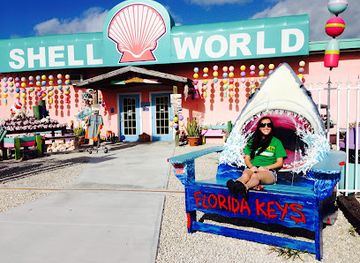
Shell World
Explore the hidden gems of Shell World in Key Largo, where unique gifts and local crafts reflect the vibrant spirit of the Florida Keys.
-
Shopping mall
Tradewinds Shopping Center
Experience the lively shopping, dining, and tropical charm of Tradewinds Shopping Center in Key Largo, the perfect place for every traveler.
-
Store
Sandal Factory
Explore the Sandal Factory in Marathon for unique gifts, handcrafted sandals, and memorable souvenirs that embody the spirit of the Florida Keys.
-
Gift shop
Largo Cargo Co.
Discover the vibrant Largo Cargo Co. in Key Largo, your one-stop shop for beach apparel, unique souvenirs, and stylish gifts reflecting island life.


Get your free copy of our complete guide to Florida Keys, delivered straight to you.
Everything on this page, from attractions and restaurants to essentials and local phrases, in one PDF you can read offline, print or share.
Already have an account? Sign in
Your Florida Keys guide is ready.
We'll send it to · Not you? Sign out

Getting your guide ready…
We are putting together a fresh copy of the Florida Keys guide. This can take up to a minute.
This can take a few moments. If your browser asks, choose Allow so the download can start. You'll find the guide in your Downloads folder.
Nothing happened? Download it again
Sorry, the guide is taking longer than usual. Please try again in a minute, or get it by email instead.
Florida Keys essentials
Currency and Payment
Safety
Emergency Situations
Do's and Don'ts
Local Tips
From Eve
Local phrases worth knowing
You don't need to get them perfect. A few words go a long way, and locals appreciate the effort.
Basics
| English | Local | Say it |
|---|---|---|
| Hello | Hey there | [Hay thair] |
| Goodbye | See ya later | [See yah lay-tur] |
| Yes | Yep | [Yep] |
| No | Nah | [Nah] |
| Please/You're welcome | No problem | [No prob-lum] |
| Thank you | Thanks a lot | [Thangs a lot] |
| Excuse me/Sorry | My bad | [My bad] |
| How are you? | How ya doin'? | [How yah doin'?] |
| Fine. And you? | Good. You? | [Good. You?] |
| Do you speak English? | You speakin' English? | [Yoo speakin' English?] |
| I don't understand | I don't get it | [I don't get it] |
Eating & Drinking
| English | Local | Say it |
|---|---|---|
| I'd like to see the menu, please | Can I see the menu? | [Can I see the men-yoo?] |
| I don't eat meat | I'm a vegetarian | [I'm a vege-tarian] |
| Cheers! | Bottoms up! | [Bot-tums up!] |
| I would like to pay, please | Can I get the check? | [Can I get the chek?] |
Emergencies
| English | Local | Say it |
|---|---|---|
| Help! | Somebody help! | [Sum-bod-ee help!] |
| Go away! | Leave me alone! | [Leev me a-lone!] |
| Call the Police! | Call the cops! | [Call the cops!] |
| Call a doctor! | Get a doctor! | [Get a doc-tor!] |
| I'm lost | I'm totally lost | [I'm toe-tally lost] |
| I'm ill | I'm not feelin' good | [I'm not feelin' good] |
Shopping
| English | Local | Say it |
|---|---|---|
| I'd like to buy... | I wanna buy... | [I wanna buy...] |
| I'm just looking | Just browsing, thanks | [Just brows-ing, thangs] |
| How much is it? | What's the price? | [What's the price?] |
| That's too expensive | That's a bit pricey | [That's a bit pricy] |
| Can you lower the price? | Can you cut me a deal? | [Can you cut me a deel?] |
Time & Numbers
| English | Local | Say it |
|---|---|---|
| What time is it? | What time ya got? | [What time yah got?] |
| It's one o'clock | It's one | [It's one] |
| Half past (10) | Half past ten | [Half past ten] |
| Morning | Mornin' | [Mornin'] |
| Afternoon | Afternoon | [Afternoon] |
| Evening | Evenin' | [Evenin'] |
| Yesterday | Yesterday | [Yesterday] |
| Today | Today | [Today] |
| Tomorrow | Tomorrow | [Tomorrow] |
| 1 | One | [One] |
| 2 | Two | [Two] |
| 3 | Three | [Three] |
| 4 | Four | [Four] |
| 5 | Five | [Five] |
| 6 | Six | [Six] |
| 7 | Seven | [Seven] |
| 8 | Eight | [Eight] |
| 9 | Nine | [Nine] |
| 10 | Ten | [Ten] |
Transport & Directions
| English | Local | Say it |
|---|---|---|
| Where's a/the...? | Where's the nearest...? | [Where's the near-est...?] |
| What's the address? | What's the addy? | [What's the addy?] |
| Can you show me (on the map)? | Can you point it out? | [Can you point it out?] |
| When's the next (bus)? | When's the next bus? | [When's the next bus?] |
| A ticket (to ....) | One ticket to ... | [One tik-it to ...] |
History of Florida Keys
Early Indigenous Inhabitants
Long before European settlers arrived, the Florida Keys were inhabited by Native American tribes, most notably the Calusa and Tequesta. These tribes thrived on the abundant marine life and established complex societies and trade networks across the region.
Spanish Exploration and Colonization
In the early 16th century, Spanish explorers, including Juan Ponce de León, arrived in the Florida Keys. The Spanish were drawn to the area due to its strategic location and the potential for treasure. Despite their efforts, the harsh environment and resistance from indigenous populations limited their settlement.
The Wrecking Era
During the 18th and 19th centuries, the Florida Keys became a hub for wrecking – the practice of salvaging goods from shipwrecks. Due to the treacherous coral reefs and shallow waters, many ships met their demise here. Salvagers, known as wreckers, established thriving communities, particularly in Key West, which became one of the wealthiest cities in the United States during this period.
Construction of the Overseas Railroad
In the early 20th century, industrialist Henry Flagler undertook the ambitious project of constructing the Overseas Railroad, connecting the Florida Keys to the mainland. Completed in 1912, this engineering marvel transformed the region, fostering tourism and economic growth. The railroad was later destroyed by the Labor Day Hurricane of 1935 but laid the groundwork for the Overseas Highway.
World War II and Naval Presence
During World War II, the strategic location of the Florida Keys made it an essential base for the U.S. military. Naval Air Station Key West played a crucial role in anti-submarine warfare and training. The military presence brought significant infrastructure and development to the region, which continued post-war.
Cuban Influence and Immigration
Proximity to Cuba has deeply influenced the culture of the Florida Keys. Waves of Cuban immigrants, especially after the Cuban Revolution in 1959, brought rich cultural traditions, cuisine, and a vibrant community to the area. Key West, in particular, became a melting pot of Cuban and American cultures.
Environmental Conservation Efforts
In recent decades, the Florida Keys have become a focal point for environmental conservation efforts. The establishment of the Florida Keys National Marine Sanctuary in 1990 marked a significant step in protecting the delicate coral reefs and marine ecosystems. Ongoing initiatives aim to balance tourism with sustainable practices to preserve the natural beauty of the Keys.
Hurricane Irma and Recovery
In September 2017, Hurricane Irma struck the Florida Keys, causing widespread devastation. The community's resilience and determination shone through as recovery efforts quickly commenced. The event highlighted the vulnerability of the region to natural disasters and spurred initiatives to enhance infrastructure and emergency preparedness.
Florida Keys in Photos
Browse through our photo collection highlighting the charm and character of the destination.
Neighbouring regions of Florida Keys
The closest regions to Florida Keys, if you have time for more than one.
-
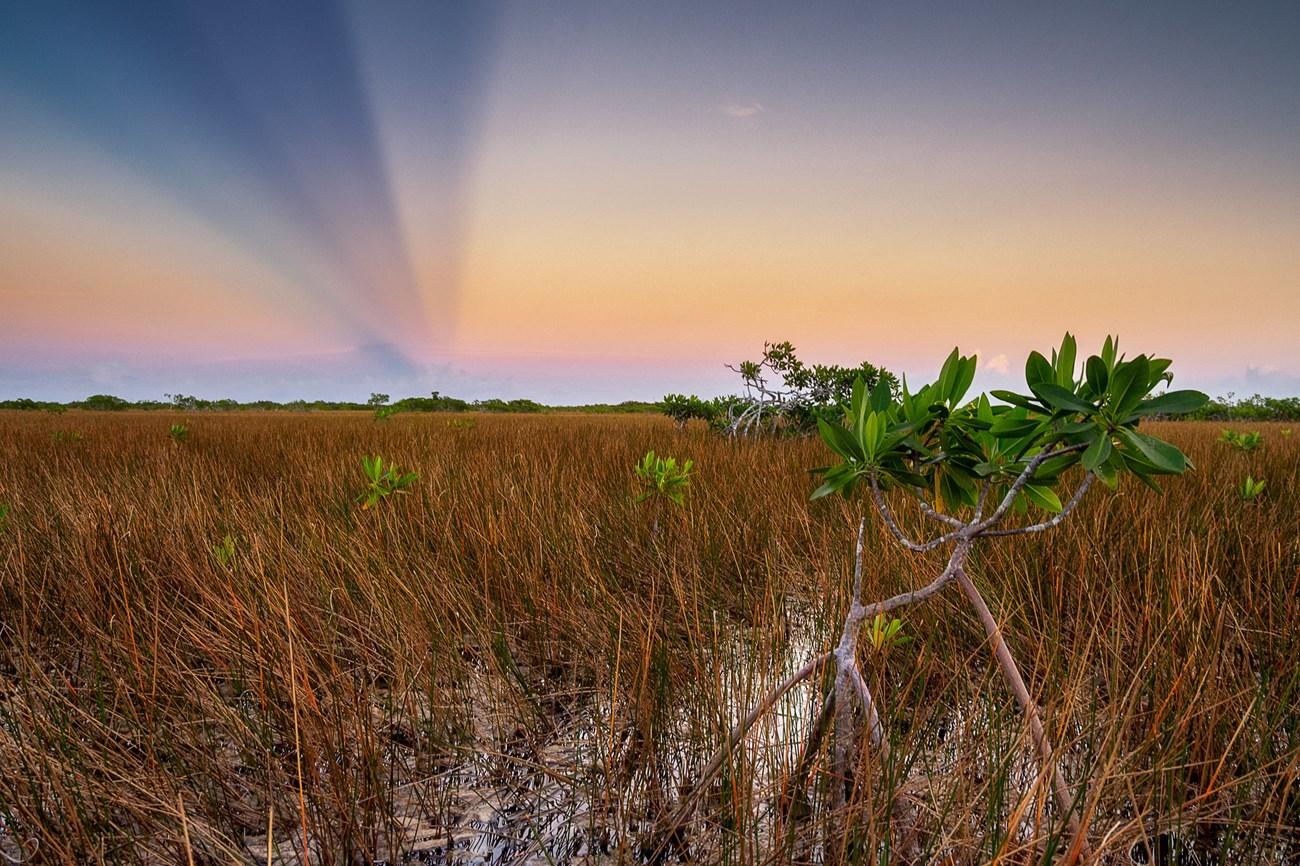 Everglades
Discover the Everglades: Florida's unique wetland wonderland, teeming with wildlife, rich history, and breathtaking landscapes, perfect for nature lovers and adventurers.
Everglades
Discover the Everglades: Florida's unique wetland wonderland, teeming with wildlife, rich history, and breathtaking landscapes, perfect for nature lovers and adventurers.
-
 Southeast Florida
Discover the vibrant cities, stunning beaches, and rich cultural diversity of Southeast Florida, from Miami's lively streets to the tranquil waters of Fort Lauderdale.
Southeast Florida
Discover the vibrant cities, stunning beaches, and rich cultural diversity of Southeast Florida, from Miami's lively streets to the tranquil waters of Fort Lauderdale.
-
 Gold Coast
Discover the Gold Coast of Florida: pristine beaches, vibrant nightlife, and cultural delights in the heart of the Sunshine State.
Gold Coast
Discover the Gold Coast of Florida: pristine beaches, vibrant nightlife, and cultural delights in the heart of the Sunshine State.
-
Southwest Florida Discover Southwest Florida: A blend of stunning beaches, vibrant wildlife, rich history, and culinary delights, making it a perfect getaway for all types of travelers.
-
 Sun Coast
Explore the Sun Coast in Florida: Pristine beaches, vibrant coastal towns, and endless outdoor adventures await you on this stunning stretch of the Gulf Coast.
Sun Coast
Explore the Sun Coast in Florida: Pristine beaches, vibrant coastal towns, and endless outdoor adventures await you on this stunning stretch of the Gulf Coast.
Swipe for more regions

