

Free Nature Coast Travel Guide & Mobile App
Explore Nature Coast with free travel guides. Discover regional history, expert tips, proposed trips, and audio guides on web or mobile app.


Explore Florida’s Nature Coast for clear springs, manatee encounters, Gulf islands, tidal marshes, fishing towns and expansive wildlife habitats.
Read more about Nature Coast
When is the best time to visit Nature Coast?
Best: February–March, November · 23–25°C| Month | High (°C) | Rainfall (mm) |
|---|---|---|
| January | 22 | 61 |
| February (best) | 23 | 66 |
| March (best) | 25 | 86 |
| April | 28 | 81 |
| May | 31 | 111 |
| June | 33 | 201 |
| July | 34 | 231 |
| August | 33 | 222 |
| September | 32 | 178 |
| October | 29 | 101 |
| November (best) | 25 | 61 |
| December | 22 | 63 |
Getting to and around Nature Coast
How to get there
Transportation
Top city travel guides in Nature Coast
The cities of Nature Coast, and the easiest places to base yourself.
-
-


Swipe for more cities
Destinations in Nature Coast
Resorts, valleys and scenic spots worth a trip of their own.
-

-
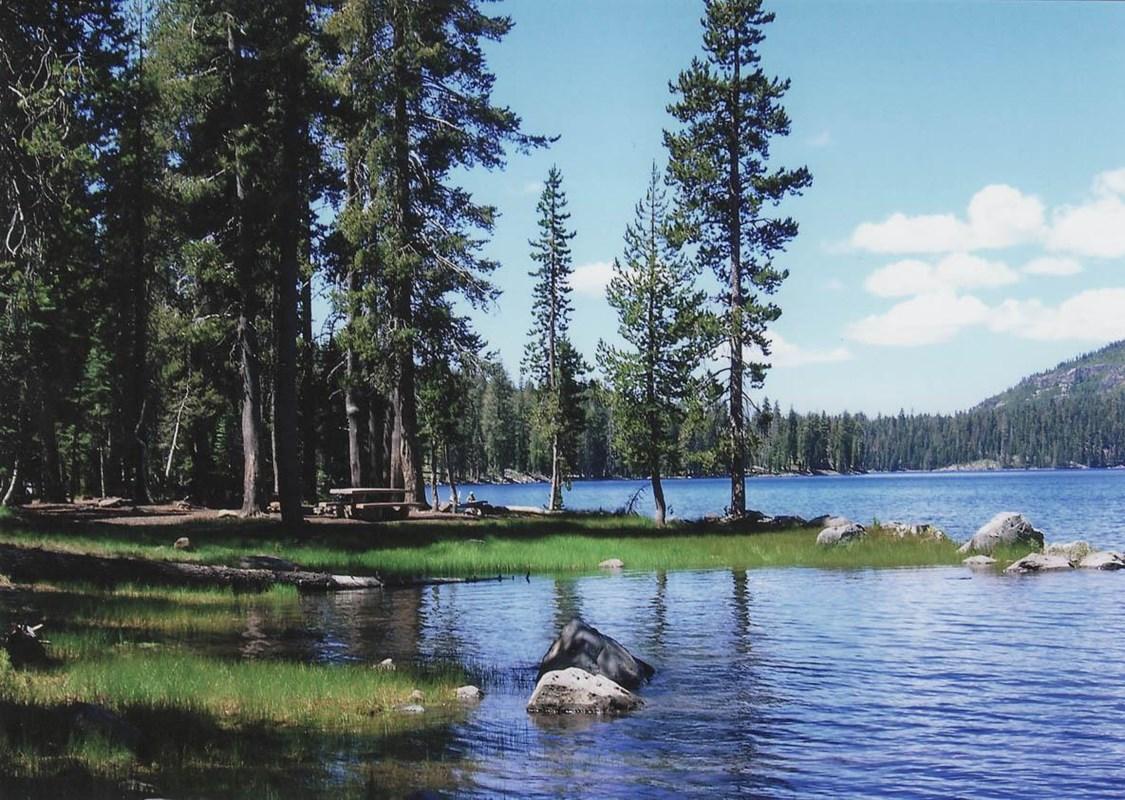 Juniper Springs Recreation Area
 in Florida offers crystal-clear springs, forest trails, canoeing on Juniper Run and historic Ocala National Forest scenery.
-

-

-

-


Swipe for more destinations
Best attractions in Nature Coast
The Nature Coast’s attractions are defined by water, wildlife and open landscapes rather than by a dense chain of urban sights. In the south, Weeki Wachee Springs State Park combines a historic mermaid theatre with access to a clear spring run, while nearby Homosassa Springs Wildlife State Park and the waterways around Crystal River provide opportunities to learn about native animals and observe manatees under regulated conditions. The Gulf coast becomes increasingly maritime farther north: Cedar Key is a base for boat trips, kayaking and island exploration, and the Steinhatchee River supports paddling, fishing and seasonal outdoor recreation. Wakulla County brings wetlands, coastal forests and the internationally recognised spring landscape of Edward Ball Wakulla Springs State Park. Wildlife refuges, state forests, birding sites and low-traffic roads create many opportunities for independent exploration, although some locations are remote and facilities may be limited. Visitors should think in terms of separate day-trip zones, allowing time for weather, tides and slow roads rather than attempting to cover the entire region from one base.
-
Tourist attraction
Blue Spring State Park
Explore the beauty of Blue Spring State Park, a pristine oasis in Florida offering swimming, kayaking, hiking, and wildlife viewing in a serene natural setting.
-
 Tourist attraction
The Florida Aquarium
Explore the vibrant underwater world at The Florida Aquarium, a premier destination for marine life enthusiasts and families in Tampa, Florida.
-
Tourist attraction
Tarpon Springs Sponge Docks
Explore the Tarpon Springs Sponge Docks, a historical coastal treasure brimming with Greek culture, delicious cuisine, and rich maritime heritage.
-
Tourist attraction
Everglades National Park
Discover the rich biodiversity of Everglades National Park, a UNESCO World Heritage site, and explore Florida's unique subtropical wilderness.

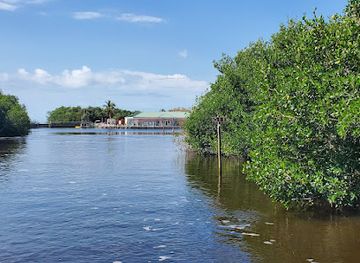
Best landmarks in Nature Coast
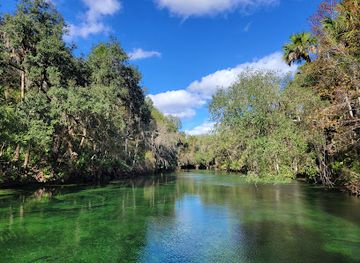
The Nature Coast’s most recognisable landmarks are often natural or water-related. The spring-fed waterways of Weeki Wachee, Homosassa and Crystal River express the limestone geology that gives the region its clear freshwater channels and manatee habitat. Edward Ball Wakulla Springs State Park, near the northern end of the region, is notable for its immense spring basin, cypress surroundings and long association with glass-bottom boat tours and natural-history tourism. Cedar Key’s compact island settlement, working waterfront and historic buildings embody the maritime character of Florida’s Gulf coast, while the Cedar Keys archipelago provides a distinctive low-lying counterpoint to the mainland. The lighthouse at Cedar Keys National Wildlife Refuge, although not normally accessible for casual touring, is an important symbol of the islands’ navigational history. Farther south, the Weeki Wachee mermaid theatre is a deliberately theatrical landmark of roadside Florida, while the marshes, tidal creeks and broad waters of Apalachee Bay form a less monumental but equally defining regional landscape.
-
Historical landmark
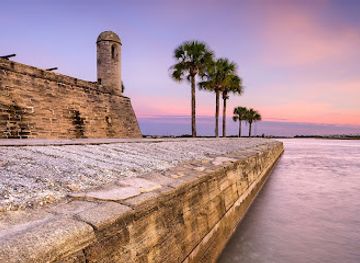
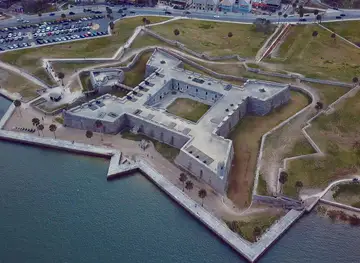
Castillo de San Marcos National Monument
Discover the historic beauty of Castillo de San Marcos, the oldest fort in the U.S., in St. Augustine, Florida, where history comes alive.
-
Historical landmark
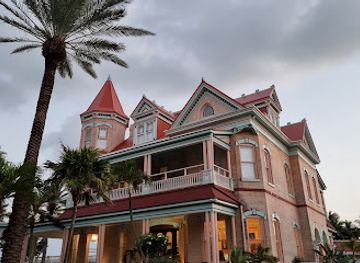
Southernmost Point of the Continental U.S.A.
Experience the vibrant charm of Key West at the Southernmost Point of the Continental U.S.A., a historic landmark just 90 miles from Cuba.
-
State park
Honeymoon Island State Park
Explore Honeymoon Island State Park: A stunning coastal paradise in Florida with beautiful beaches, nature trails, and diverse wildlife.
-
Tourist attraction
The Florida Aquarium
Explore The Florida Aquarium in Tampa, where adventure meets education in a stunning underwater world filled with diverse marine life.


Explore Nature Coast on the map
Plan your trip on one map. See where the top cities, national parks and sights are, and book hotels and experiences in a few clicks.
Best hotels in Nature Coast
Best restaurants in Nature Coast
Dining along the Nature Coast is closely tied to the Gulf, rivers and small-town communities. Seafood restaurants and informal waterfront establishments commonly serve shrimp, oysters, clams, crab and locally available Gulf fish, while Cedar Key is particularly associated with farmed clam production and a long maritime food culture. Menus vary with season, regulation and supply, so “local” should be understood as a changing regional emphasis rather than a guarantee that every seafood item was caught nearby. Inland and spring towns add Southern comfort food, barbecue, burgers, fried seafood, country breakfasts and cafés suited to visitors heading for the water. Farmers’ markets and independent food shops may offer citrus, honey, baked goods and other Florida produce, though market schedules vary. In smaller communities, dining choices can be dispersed and early closing is more common than in major cities; planning ahead is useful, especially outside the busiest spring and fishing centres.
-
Seafood
Aunt Catfish's On the River
Discover Aunt Catfish's On the River – where fresh seafood meets breathtaking river views in Port Orange, Florida.
-
Grill
Norwood's Restaurant & Treehouse Bar
Experience coastal dining at Norwood's Restaurant & Treehouse Bar in New Smyrna Beach—where fresh seafood meets nature in a unique treehouse setting.
-
Floridian restaurant
Guanabanas Restaurant
Discover the flavors of Florida at Guanabanas Restaurant - where tropical dining meets vibrant Latin American cuisine in Jupiter.
-
Restaurant
Gilbert's Resort
Discover Gilbert's Resort in Key Largo: A vibrant restaurant and marina offering delicious cuisine and live music against a stunning waterfront backdrop.
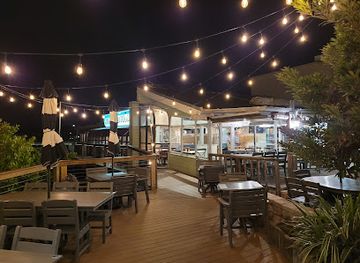


Best bars in Nature Coast
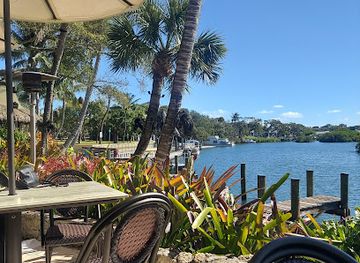
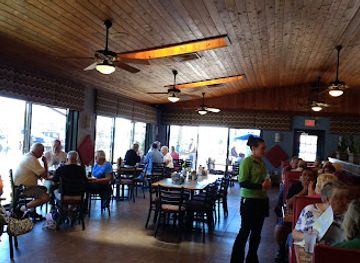
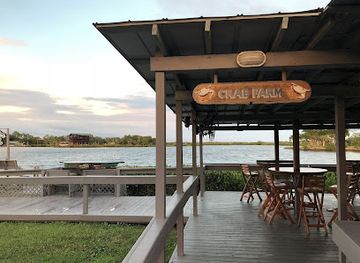
Nightlife is modest and community-oriented across most of the Nature Coast. Crystal River, Homosassa, Cedar Key and other larger coastal settlements have bars, seafood restaurants and informal waterfront venues where evenings may include live music, conversation and views over marinas rather than a large club scene. Traditional pubs in the British sense are uncommon, but American bars, taverns and casual restaurants provide similar social functions. Steinhatchee and smaller inland communities generally concentrate evening activity around restaurants, local bars and seasonal events, with fewer late-night options. Some breweries, distilleries or craft-focused venues may appear in the more populated southern corridor, but visitors should check current arrangements rather than rely on fixed assumptions. Rural roads, limited taxi availability and alcohol laws make designated driving particularly important, and an evening on the Nature Coast need not centre on drinking: sunset walks, fishing piers, music and quiet waterfront meals are equally characteristic.
-
Seafood
Cracker's Bar & Grill
Experience the best of Florida's seafood cuisine at Cracker's Bar & Grill in Crystal River, where every bite is a taste of the coast.
-
Restaurant
Crump's Landing
Discover the tropical paradise of Crump's Landing, a must-visit tiki bar and restaurant along the scenic waters of Homosassa, Florida.
-
Seafood
Peck's Old Port Cove
Discover the best seafood dining experience at Peck's Old Port Cove, where fresh flavors meet stunning waterfront views in Crystal River, Florida.
-
Sports bar
Norton's Riverside Sports Bar and Grill
Discover the excitement of Norton's Riverside Sports Bar and Grill, where delicious food meets live entertainment in Crystal River, Florida.


Best nightclubs in Nature Coast
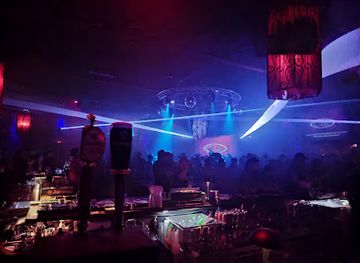
Nightlife is modest and community-oriented across most of the Nature Coast. Crystal River, Homosassa, Cedar Key and other larger coastal settlements have bars, seafood restaurants and informal waterfront venues where evenings may include live music, conversation and views over marinas rather than a large club scene. Traditional pubs in the British sense are uncommon, but American bars, taverns and casual restaurants provide similar social functions. Steinhatchee and smaller inland communities generally concentrate evening activity around restaurants, local bars and seasonal events, with fewer late-night options. Some breweries, distilleries or craft-focused venues may appear in the more populated southern corridor, but visitors should check current arrangements rather than rely on fixed assumptions. Rural roads, limited taxi availability and alcohol laws make designated driving particularly important, and an evening on the Nature Coast need not centre on drinking: sunset walks, fishing piers, music and quiet waterfront meals are equally characteristic.
-
Live Music
The Beach Club
Discover the vibrant nightlife at The Beach Club in Sarasota, featuring live music, refreshing cocktails, and stunning ocean views.
-
Night club
The Castle
Discover the electric energy of The Castle, Tampa's premier night club, where unforgettable nights and vibrant music come together in Ybor City.
-
Restaurant
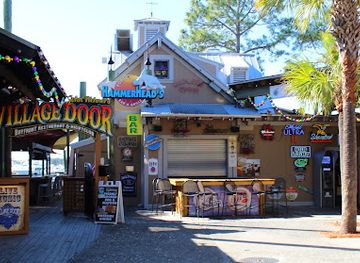
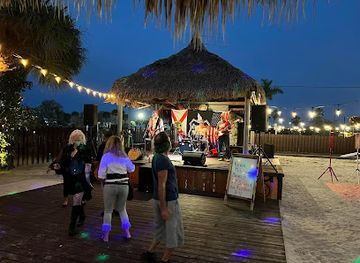
The Village Door Restaurant & Entertainment
Discover the vibrant atmosphere of The Village Door, where delicious seafood meets exciting nightlife in Destin, Florida.
-
Tiki bar
Tipsy Tiki
Discover the vibrant atmosphere of Tipsy Tiki, a lively tiki bar in Fort Pierce, Florida, offering tropical drinks and live music for an unforgettable experience.

Best shops in Nature Coast
Shopping on the Nature Coast is centred on practical small-town high streets, marinas, independent galleries, roadside produce stands and markets rather than major retail districts. Cedar Key offers art, souvenirs, books, shell-inspired products and locally themed goods connected with its island and fishing identity, while Crystal River and Homosassa have outfitters, craft shops and galleries aimed at visitors exploring the springs and Gulf. Seafood markets and direct-sales stands may offer clams, oysters or other regional products, subject to season, regulation and availability; buy only from reputable licensed sellers. Farmers’ markets and community markets in towns such as Chiefland and coastal centres can feature honey, preserves, baked goods, plants and Florida-grown produce, although schedules change. Nature-focused souvenirs, local art, fishing equipment and kayaking supplies are generally more characteristic purchases than luxury fashion. Visitors should preserve archaeological objects, shells from protected areas and wildlife products where collection is prohibited, and should ask whether food or craft goods can legally be carried home.
-
Shopping mall
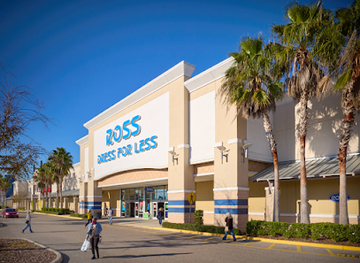
Nature Coast Commons
Explore Nature Coast Commons: A Shopping Haven in Spring Hill, Florida, Offering Diverse Retail and Dining Experiences.
-
Metaphysical supply store
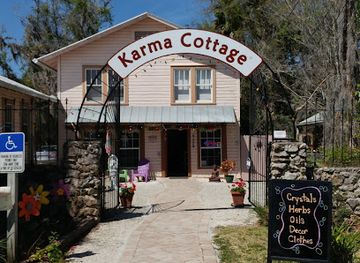
Karma Cottage Inc
Explore Karma Cottage Inc, a metaphysical treasure trove in Crystal River, Florida, offering crystals, herbs, jewelry, and psychic insights.
-
Gift shop
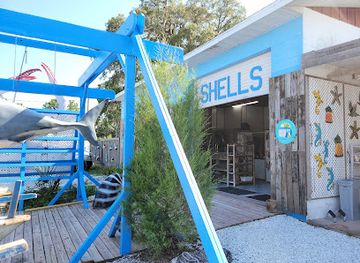
World Shells Treasure Chest
Explore the World Shells Treasure Chest in Crystal River, Florida, for unique gifts and local art that capture the essence of coastal charm.
-
Gift shop
World Shells Gift Maket
Explore the World Shells Gift Market for unique Florida souvenirs, seashells, and local crafts that capture the essence of the Sunshine State.

Get your free copy of our complete guide to Nature Coast, delivered straight to you.
Everything on this page, from attractions and restaurants to essentials and local phrases, in one PDF you can read offline, print or share.
Already have an account? Sign in
Your Nature Coast guide is ready.
We'll send it to · Not you? Sign out

Getting your guide ready…
We are putting together a fresh copy of the Nature Coast guide. This can take up to a minute.
This can take a few moments. If your browser asks, choose Allow so the download can start. You'll find the guide in your Downloads folder.
Nothing happened? Download it again
Sorry, the guide is taking longer than usual. Please try again in a minute, or get it by email instead.
Nature Coast essentials
Currency and Payment
Safety
Emergency Situations
Do's and Don'ts
Local Tips
From Eve
Local phrases worth knowing
You don't need to get them perfect. A few words go a long way, and locals appreciate the effort.
Basics
| English | Local | Say it |
|---|---|---|
| Hello | Hey there | [Hay thair] |
| Goodbye | See ya | [See yah] |
| Yes | Yep | [Yep] |
| No | Nah | [Nah] |
| Please/You're welcome | Sure thing | [Shur thing] |
| Thank you | Thanks a bunch | [Thangs a bunch] |
| Excuse me/Sorry | My bad | [My bad] |
| How are you? | How ya doin'? | [How yah doin'?] |
| Fine. And you? | Good. And you? | [Good. An' you?] |
| Do you speak English? | You speakin' English? | [Yoo speakin' English?] |
| I don't understand | I ain't gettin' it | [I ain't gettin' it] |
Eating & Drinking
| English | Local | Say it |
|---|---|---|
| I'd like to see the menu, please | Can I see the menu? | [Can I see the menu?] |
| I don't eat meat | I don't do meat | [I don't do meat] |
| Cheers! | Cheers! | [Cheers!] |
| I would like to pay, please | Can I get the check? | [Can I get the check?] |
Emergencies
| English | Local | Say it |
|---|---|---|
| Help! | Help! | [Help!] |
| Go away! | Leave me alone! | [Leave me alone!] |
| Call the Police! | Call the cops! | [Call the cops!] |
| Call a doctor! | Get a doc! | [Get a doc!] |
| I'm lost | I'm turned around | [I'm turned around] |
| I'm ill | I'm not feelin' well | [I'm not feelin' well] |
Shopping
| English | Local | Say it |
|---|---|---|
| I'd like to buy... | I wanna buy... | [I wanna buy...] |
| I'm just looking | Just browsin' | [Just browsin'] |
| How much is it? | What’s the price? | [What's the price?] |
| That's too expensive | That's a bit pricey | [That's a bit pricey] |
| Can you lower the price? | Can you knock down the price? | [Can you knock down the price?] |
Time & Numbers
| English | Local | Say it |
|---|---|---|
| What time is it? | What time ya got? | [What time ya got?] |
| It's one o'clock | It's one | [It's one] |
| Half past (10) | Half past ten | [Half past ten] |
| Morning | Mornin' | [Mornin'] |
| Afternoon | Afternoon | [Afternoon] |
| Evening | Evenin' | [Evenin'] |
| Yesterday | Yesterday | [Yesterday] |
| Today | Today | [Today] |
| Tomorrow | Tomorrow | [Tomorrow] |
| 1 | One | [One] |
| 2 | Two | [Two] |
| 3 | Three | [Three] |
| 4 | Four | [Four] |
| 5 | Five | [Five] |
| 6 | Six | [Six] |
| 7 | Seven | [Seven] |
| 8 | Eight | [Eight] |
| 9 | Nine | [Nine] |
| 10 | Ten | [Ten] |
Transport & Directions
| English | Local | Say it |
|---|---|---|
| Where's a/the...? | Where's the...? | [Where's the...?] |
| What's the address? | What's the address? | [What's the address?] |
| Can you show me (on the map)? | Can you point it out? | [Can you point it out?] |
| When's the next (bus)? | When's the next bus? | [When's the next bus?] |
| A ticket (to ....) | A ticket to ... | [A ticket to ...] |
History of Nature Coast
Indigenous Coastal and River Communities
Long before European colonisation, peoples including the Timucua and other Indigenous communities lived around the rivers, springs, estuaries and shell-rich shoreline of the Nature Coast. Mounds, middens and archaeological sites record sustained use of fish, shellfish, game and plants, as well as trade and ceremonial activity. The coastal environment was not an untouched wilderness but a managed cultural landscape with established routes between inland springs and the Gulf. Many surviving place names and archaeological remains offer reminders of this earlier history, although much evidence has been altered or lost through development and collecting.
Spanish Exploration and Mission Frontiers
Spanish expeditions reached Florida’s Gulf coast in the sixteenth century, followed by missionary and colonial activity centred more strongly in the northern part of the modern Nature Coast. The Apalachee region around present-day Jefferson and Wakulla counties became connected to Spanish mission networks, while coastal waterways served as routes for exploration and commerce. Epidemics, warfare, forced labour and colonial disruption severely affected Indigenous societies. Spanish control was contested and changed over time, leaving the region’s later settlements with a layered history of Indigenous, Spanish, British and American influence.
Plantations, Timber and Early American Settlement
After the United States acquired Florida in 1821, settlement expanded unevenly through the coastal counties and interior pine lands. Agriculture, cattle, timber and naval stores became important, while rivers provided access in a landscape with few reliable roads. In the northern Nature Coast, plantations and small agricultural communities developed around the broader Apalachee Bay hinterland; farther south, settlements remained closely tied to fishing, springs and the Gulf. The Seminole Wars and wider conflicts of the nineteenth century also affected movement and settlement, even where formal battlefields were not located in every modern county.
Cedar Key and the Maritime Economy
Cedar Key grew as a Gulf port serving coastal transport, fishing, timber and later railway connections. Its island setting made it a useful point between the mainland and the Gulf, while local industries included cedar production, sponging and seafood harvesting. A railway reached the community in the nineteenth century, strengthening its role before changing transport patterns and severe storms altered the local economy. Today’s historic streets and island landscape reflect this maritime past. Cedar Key’s modern shellfish industry continues a long relationship between the town and the productive shallow waters of the Gulf.
Railways, Roads and the Rise of Tourism
Nineteenth- and twentieth-century railways and roads connected the Nature Coast’s small ports, inland communities and spring country to larger markets in Florida. Improved access encouraged citrus growing, timber extraction, fishing and seasonal tourism. Springs became attractions for visitors seeking swimming, glass-bottom boats and the state’s distinctive freshwater landscapes, while Weeki Wachee developed a famous mermaid show in the mid-twentieth century. Motoring also transformed the region, making dispersed natural sites more accessible but increasing pressure on springs, wetlands and coastal habitats.
Conservation and the Modern Nature Coast
During the twentieth century, growing recognition of the ecological value of springs, estuaries, forests and wetlands reshaped the region’s public identity. State parks, wildlife refuges and protected waters were established or expanded, while conservation groups and local authorities worked to address pollution, groundwater withdrawal, shoreline change and habitat loss. Manatee viewing around Crystal River and Homosassa became a major visitor activity, alongside paddling and birdwatching. The modern Nature Coast therefore combines working waterways and communities with an expanding conservation economy, rather than representing a landscape untouched by human use.
Nature Coast in Photos
Browse through our photo collection highlighting the charm and character of the destination.
Neighbouring regions of Nature Coast
The closest regions to Nature Coast, if you have time for more than one.
-

-

-

-

-


Swipe for more regions
Explore more

Explore more of Florida
Discover Florida: A Sunshine State full of dazzling beaches, iconic theme parks, rich history, and stunning natural parks, offering endless adventures for every traveler.
Explore Florida