

Free Northeast Florida Travel Guide & Mobile App
Explore Northeast Florida with free travel guides. Discover regional history, expert tips, proposed trips, and audio guides on web or mobile app.


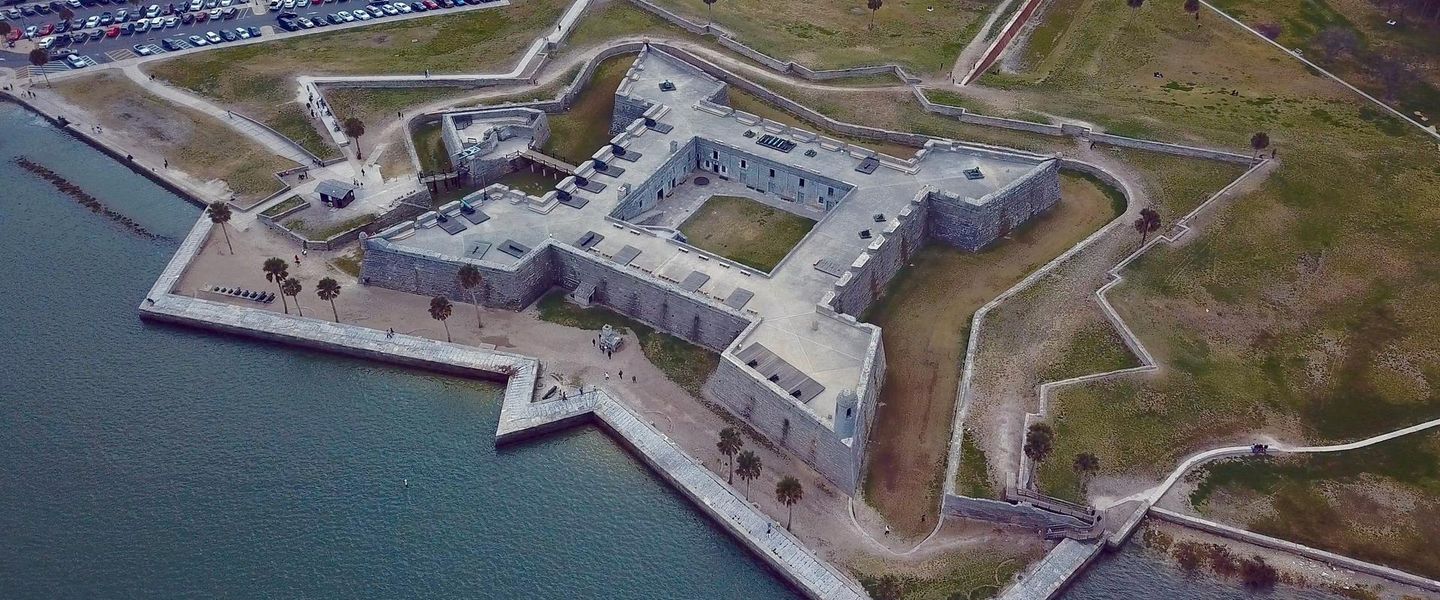


Northeast Florida blends Jacksonville's river city culture with Atlantic beaches, historic St Augustine, maritime landscapes and Southern coastal cuisine.
Read more about Northeast Florida
When is the best time to visit Northeast Florida?
Best: March–April, October · 23–27°C| Month | High (°C) | Rainfall (mm) |
|---|---|---|
| January | 17 | 80 |
| February | 19 | 85 |
| March (best) | 23 | 100 |
| April (best) | 26 | 95 |
| May | 30 | 100 |
| June | 32 | 170 |
| July | 33 | 180 |
| August | 33 | 190 |
| September | 31 | 180 |
| October (best) | 27 | 110 |
| November | 21 | 90 |
| December | 18 | 85 |
Getting to and around Northeast Florida
How to get there
Transportation
Top city travel guides in Northeast Florida
The cities of Northeast Florida, and the easiest places to base yourself.
-

-

-

-
-


Swipe for more cities
Destinations in Northeast Florida
Resorts, valleys and scenic spots worth a trip of their own.
-
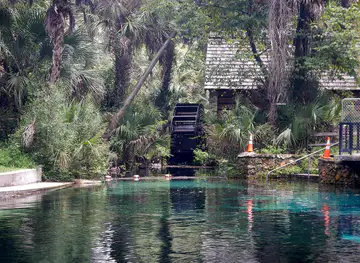
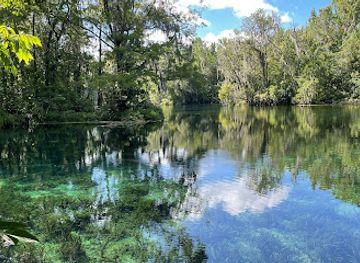
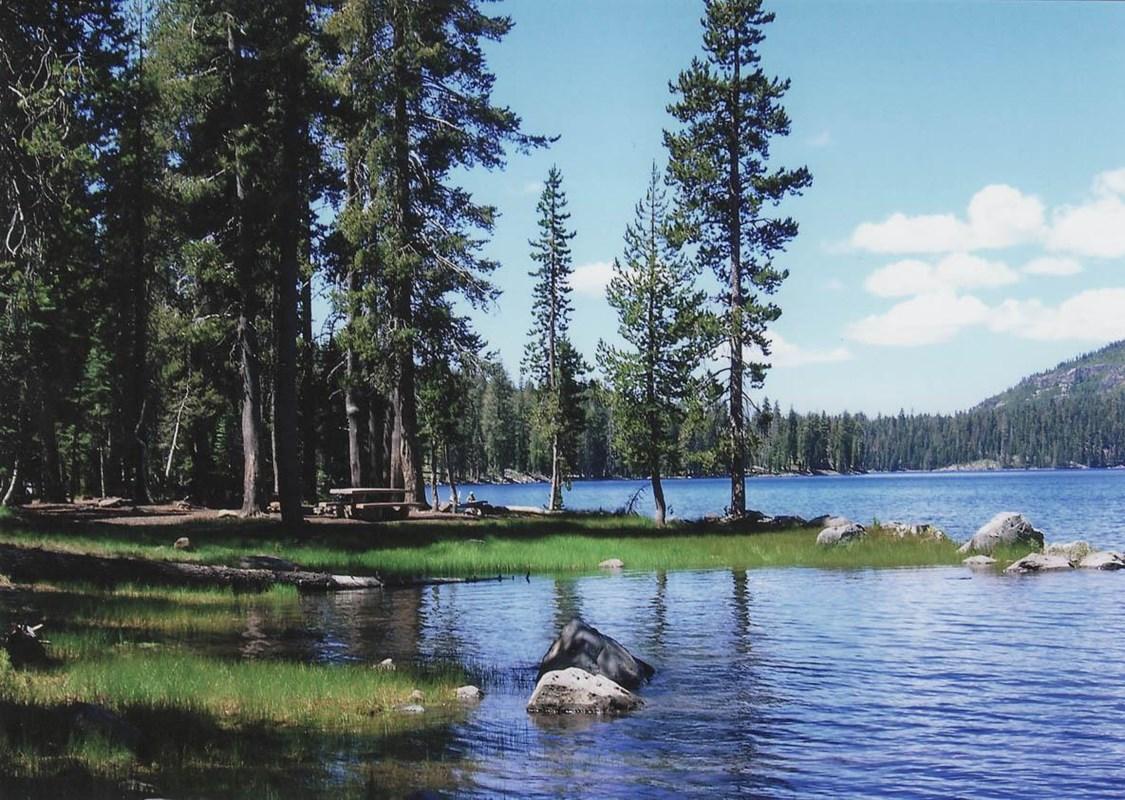 Juniper Springs Recreation Area
 in Florida offers crystal-clear springs, forest trails, canoeing on Juniper Run and historic Ocala National Forest scenery.
-

-
-

-

-


Swipe for more destinations
Best attractions in Northeast Florida
Northeast Florida's attractions range from the concentrated historic streets of St Augustine to the tidal wetlands and maritime forests around Jacksonville. In St Augustine, museums, colonial-era buildings, churches, archaeological sites and military history can be explored on foot, while the Castillo de San Marcos and nearby Fort Matanzas explain why the harbour mattered to successive empires. Jacksonville's Timucuan Ecological and Historic Preserve combines beaches, creeks, salt marshes, forest and Indigenous and colonial sites, with Kingsley Plantation providing a substantial African American and plantation-history context. The Atlantic beaches offer swimming, surfing, cycling and long walks, although conditions vary by season and weather. Amelia Island adds beaches, maritime landscapes and the historic streets of Fernandina Beach. Inland, Olustee Battlefield and rural conservation areas provide a different perspective on the region through Civil War history, pine flatwoods and wildlife. Kayaking, fishing, birdwatching and boating are particularly well suited to the St Johns River and estuarine waterways, while Jacksonville contributes art, science, gardens, sport and family-oriented cultural venues.
-
Fortress
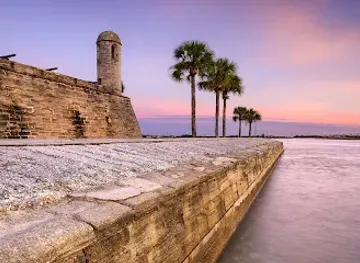
Castillo de San Marcos National Monument
Visit Castillo de San Marcos, a historic fortress in St. Augustine, Florida, and experience centuries of captivating history and stunning coastal views.
-
Zoo
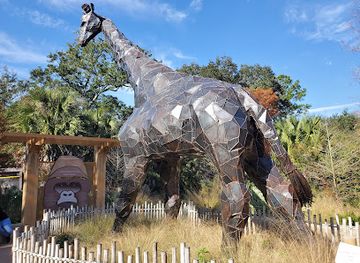
Jacksonville Zoo and Gardens
Explore the enchanting Jacksonville Zoo and Gardens, where wildlife wonders and botanical beauty come together for an unforgettable family adventure.
-
Tourist attraction
St. Augustine Lighthouse & Maritime Museum
Explore the St. Augustine Lighthouse & Maritime Museum, a historical treasure with breathtaking views and fascinating maritime heritage.
-
State park
Silver Springs State Park
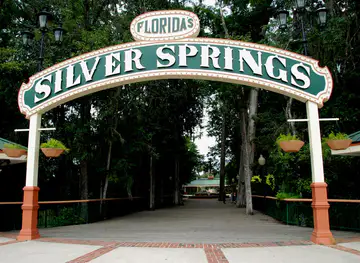
Explore the enchanting Silver Springs State Park, where crystal-clear springs and abundant wildlife await your adventure in the heart of Florida.

Best landmarks in Northeast Florida
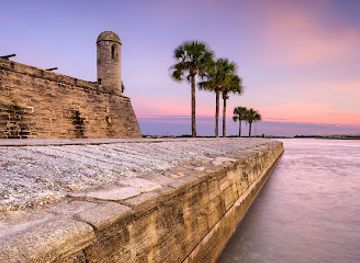
The Castillo de San Marcos is Northeast Florida's most recognisable historic structure, its massive coquina walls overlooking Matanzas Bay as evidence of St Augustine's strategic Spanish past. Nearby, the compact historic street plan, city gates and religious buildings convey the town's colonial development, while the Bridge of Lions provides a prominent twentieth-century crossing between the historic centre and Anastasia Island. Fort Matanzas, reached by boat from the national monument visitor area, guarded the southern approach to St Augustine and illustrates the importance of the narrow waterways around the city. In Jacksonville, the St Johns River is the defining geographic landmark, crossed by major bridges and framed by a changing urban skyline. The Ribault Club and other preserved sites on Fort George Island evoke the area's plantation and resort history, while the rural landscape around Olustee carries the memory of Florida's largest Civil War battle. On Amelia Island, Fernandina Beach's historic district, Victorian streets and maritime setting provide a contrasting landmark landscape shaped by port commerce and coastal settlement.
-
Fortress
Castillo de San Marcos National Monument
Explore the Castillo de San Marcos, the oldest masonry fort in the continental U.S., rich in history and stunning views in beautiful St. Augustine.
-
Zoo
Jacksonville Zoo and Gardens
Discover the enchanting Jacksonville Zoo and Gardens, where wildlife and lush landscapes create unforgettable experiences for the whole family.
-
Museum
St. Augustine Lighthouse & Maritime Museum
Uncover the maritime history and stunning views at St. Augustine Lighthouse & Maritime Museum, a captivating destination in Florida.
-
Museum
Ponce de Leon Inlet Lighthouse & Museum
Discover the Ponce de Leon Inlet Lighthouse & Museum, a historic gem offering stunning views and rich maritime history in Ponce Inlet, Florida.

Explore Northeast Florida on the map
Plan your trip on one map. See where the top cities, national parks and sights are, and book hotels and experiences in a few clicks.
Best hotels in Northeast Florida
Best restaurants in Northeast Florida
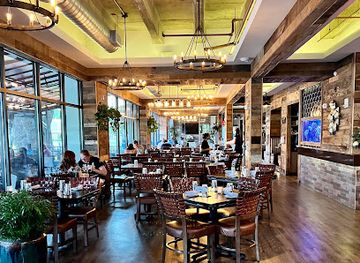
The region's food reflects its Atlantic coast, Southern agricultural hinterland and long connection with the St Johns River. Seafood is central, with shrimp, oysters, fish, crab and clam dishes appearing in restaurants from Jacksonville's riverfront districts to St Augustine and the beaches. St Augustine is particularly associated with Minorcan clam chowder, a tomato-based preparation commonly flavoured with datil pepper, a locally established chilli used in sauces and marinades. Barbecue, fried seafood, grits, biscuits, seasonal vegetables and other Southern dishes are widely available, while Jacksonville's larger population supports a broad range of international cooking and contemporary restaurants. Fernandina Beach and the northern coast have a strong relationship with fishing and maritime produce, though menus change with supply. Farmers' markets, independent bakeries, cafés, breweries and food halls provide opportunities to try local products without formal dining. Tipping and service practices follow the wider United States, and seafood is best chosen from reputable establishments that handle local and seasonal catch responsibly.
-
Seafood
Harry's Seafood, Bar & Grille
Experience delectable seafood and Cajun cuisine at Harry's Seafood, Bar & Grille in historic St. Augustine - where flavors meet fun.
-
American
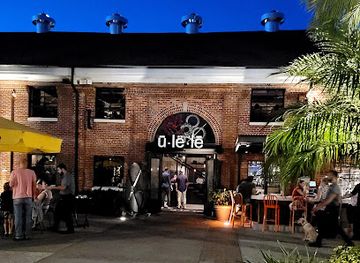
Ulele
Discover Ulele in Tampa Heights – where American cuisine meets local flavors in an inviting setting perfect for every occasion.
-
Seafood
Cap's On the Water
Discover Cap's On the Water - St. Augustine's premier seafood destination offering fresh catches and stunning waterfront views.
-
Restaurant
River & Post
Experience exquisite American cuisine at River & Post in Jacksonville - where great food meets stunning river views.


Best bars in Northeast Florida
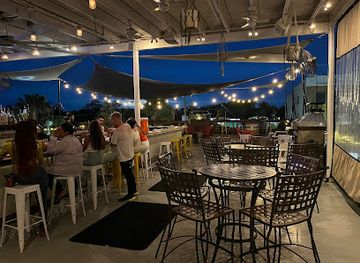
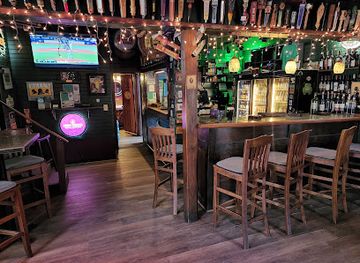
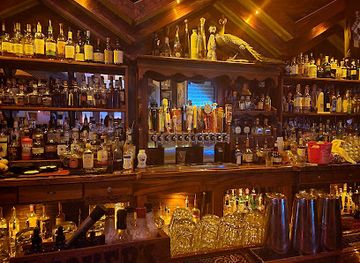
Evening life varies considerably across Northeast Florida. Jacksonville has the region's broadest choice of bars, breweries, live-music rooms, arts venues and late-night restaurants, with activity spread across districts rather than concentrated in one compact centre. Riverside, San Marco, the Beaches and other established neighbourhoods each have different atmospheres, while downtown venues are influenced by concerts, sport and cultural events. St Augustine combines historic pubs, cocktail bars, restaurants and live music with a generally walkable central evening scene, though the character changes away from the busiest visitor streets. Atlantic Beach, Neptune Beach and Jacksonville Beach are known for casual beach bars, music and social dining. Fernandina Beach offers a smaller selection of pubs, bars and restaurants in and around its historic centre. Outside these towns, nightlife is more likely to mean a local bar, waterfront meal, brewery or quiet evening at an inn than a nightclub; opening arrangements and entertainment schedules should be checked locally.
-
Gastropub
Kickbacks Gastropub
Discover the vibrant flavors of Kickbacks Gastropub, where American cuisine meets a lively bar atmosphere in Jacksonville's Riverside neighborhood.
-
Bar
World Famous Oasis Restaurant
Experience the vibrant flavors and ocean views at St. Augustine Beach's World Famous Oasis Restaurant, where fresh seafood and American classics await.
-
Beer Garden
Hoptinger Bier Garden & Sausage House
Discover an authentic German beer garden experience at Hoptinger Bier Garden & Sausage House in Jacksonville, featuring delicious sausages and a wide selection of craft beers.
-
Seafood
Redfrog & McToad's Grub-n-Pub
Experience the best of seafood and pub fare at Redfrog & McToad's Grub-n-Pub, a vibrant dining destination in St. Augustine, Florida.



Best nightclubs in Northeast Florida
Evening life varies considerably across Northeast Florida. Jacksonville has the region's broadest choice of bars, breweries, live-music rooms, arts venues and late-night restaurants, with activity spread across districts rather than concentrated in one compact centre. Riverside, San Marco, the Beaches and other established neighbourhoods each have different atmospheres, while downtown venues are influenced by concerts, sport and cultural events. St Augustine combines historic pubs, cocktail bars, restaurants and live music with a generally walkable central evening scene, though the character changes away from the busiest visitor streets. Atlantic Beach, Neptune Beach and Jacksonville Beach are known for casual beach bars, music and social dining. Fernandina Beach offers a smaller selection of pubs, bars and restaurants in and around its historic centre. Outside these towns, nightlife is more likely to mean a local bar, waterfront meal, brewery or quiet evening at an inn than a nightclub; opening arrangements and entertainment schedules should be checked locally.
-
Cocktail bar
Trade Winds Lounge
Trade Winds Lounge in St. Augustine offers a vibrant cocktail experience, perfect for socializing and enjoying expertly crafted drinks in a historic setting.
-
Pub
Stogies Jazz Club & Listening
Immerse yourself in live jazz music at Stogies Jazz Club & Listening in St. Augustine, where every night is a celebration of rhythm and soul.
-
Bar
Birdies
Experience the vibrant nightlife of Jacksonville at Birdies, a lively bar and night club in the heart of Five Points.
-
Night club
GILT Concert Venue
GILT Concert Venue: Orlando's premier nightlife destination for live music and electrifying dance parties in a vibrant atmosphere.


Best shops in Northeast Florida
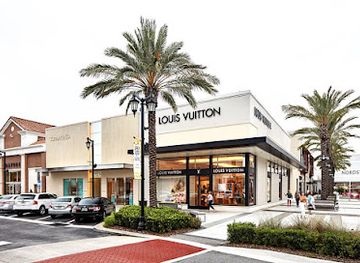
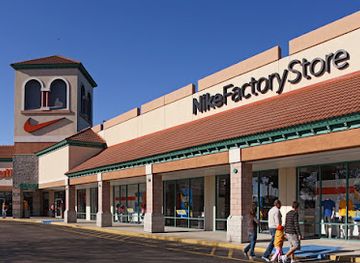
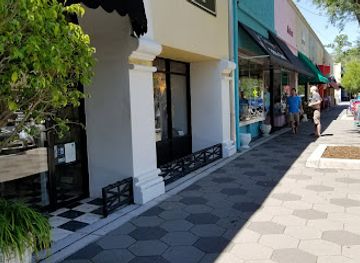
Shopping in Northeast Florida is divided between large urban retail areas, independent coastal districts and historic-town commerce. Jacksonville offers the widest range, including major shopping centres, neighbourhood high streets, design shops, bookstores, galleries and specialist food retailers, although its spread-out geography means that individual districts have distinct identities. St Augustine's historic centre is oriented towards visitors, with art galleries, jewellery, books, crafts, clothing, Spanish- and coastal-inspired decorative goods, local food products and souvenir shops among its old buildings. Fernandina Beach has a smaller, more independent selection of galleries, antiques, boutiques and heritage-oriented shops. Farmers' markets and food shops are useful for regional purchases such as datil-pepper sauces, citrus products, honey, preserves and locally made baked goods. Beach communities focus more on surf, outdoor and casual clothing than formal luxury retail. Check provenance when buying shells, wildlife products or historic-looking objects, and do not remove archaeological material or protected natural items from beaches and preserves.
-
Shopping mall
St Johns Town Center
Experience the vibrant shopping and dining at St. Johns Town Center, Jacksonville's top destination for retail therapy and entertainment.
-
Outlet mall
St. Augustine Premium Outlets
Discover unbeatable deals at St. Augustine Premium Outlets, the ultimate shopping destination in Florida's historic city.
-
Shopping mall
Shoppes of Avondale
Experience the unique blend of shopping, dining, and local culture at the Shoppes of Avondale in Jacksonville, Florida.
-
Shopping mall
Beaches Town Center
Discover unique shops, delightful dining, and a vibrant beach atmosphere at Beaches Town Center in Neptune Beach.
Get your free copy of our complete guide to Northeast Florida, delivered straight to you.
Everything on this page, from attractions and restaurants to essentials and local phrases, in one PDF you can read offline, print or share.
Already have an account? Sign in
Your Northeast Florida guide is ready.
We'll send it to · Not you? Sign out

Getting your guide ready…
We are putting together a fresh copy of the Northeast Florida guide. This can take up to a minute.
This can take a few moments. If your browser asks, choose Allow so the download can start. You'll find the guide in your Downloads folder.
Nothing happened? Download it again
Sorry, the guide is taking longer than usual. Please try again in a minute, or get it by email instead.
Northeast Florida essentials
Currency and Payment
Safety
Emergency Situations
Do's and Don'ts
Local Tips
From Eve
Local phrases worth knowing
You don't need to get them perfect. A few words go a long way, and locals appreciate the effort.
Basics
| English | Local | Say it |
|---|---|---|
| Hello | Hey | [Hay] |
| Goodbye | See ya | [See yah] |
| Yes | Yep | [Yep] |
| No | Nah | [Nah] |
| Please/You're welcome | No problem | [No prah-blum] |
| Thank you | Thanks | [Thangs] |
| Excuse me/Sorry | Sorry 'bout that | [Sorry 'bout that] |
| How are you? | How ya doin'? | [How yah doin'?] |
| Fine. And you? | Good. You? | [Good. You?] |
| Do you speak English? | You speakin' English? | [You speakin' English?] |
| I don't understand | I don't get it | [I don't git it] |
Eating & Drinking
| English | Local | Say it |
|---|---|---|
| I'd like to see the menu, please | Can I see the menu? | [Can I see the men-you?] |
| I don't eat meat | I don't do meat | [I don't do meat] |
| Cheers! | Cheers! | [Cheers!] |
| I would like to pay, please | Can I get the check? | [Can I get the check?] |
Emergencies
| English | Local | Say it |
|---|---|---|
| Help! | Help! | [Help!] |
| Go away! | Leave me alone! | [Leave me alone!] |
| Call the Police! | Call the cops! | [Call the cops!] |
| Call a doctor! | Get a doctor! | [Get a doc-tor!] |
| I'm lost | I can't find my way | [I can't find my way] |
| I'm ill | I'm not feelin' good | [I'm not feelin' good] |
Shopping
| English | Local | Say it |
|---|---|---|
| I'd like to buy... | I wanna buy... | [I wanna buy...] |
| I'm just looking | Just browsing | [Just browsin'] |
| How much is it? | How much? | [How much?] |
| That's too expensive | That's way too high | [That's way too high] |
| Can you lower the price? | Can ya drop the price? | [Can ya drop the price?] |
Time & Numbers
| English | Local | Say it |
|---|---|---|
| What time is it? | What time ya got? | [What time ya got?] |
| It's one o'clock | It's one o'clock | [It's one o'clock] |
| Half past (10) | Half past ten | [Half past ten] |
| Morning | Mornin' | [Mornin'] |
| Afternoon | Afternoon | [Afternoon] |
| Evening | Evenin' | [Evenin'] |
| Yesterday | Yesterday | [Yesterday] |
| Today | Today | [Today] |
| Tomorrow | Tomorrow | [Tomorrow] |
| 1 | One | [One] |
| 2 | Two | [Two] |
| 3 | Three | [Three] |
| 4 | Four | [Four] |
| 5 | Five | [Five] |
| 6 | Six | [Six] |
| 7 | Seven | [Seven] |
| 8 | Eight | [Eight] |
| 9 | Nine | [Nine] |
| 10 | Ten | [Ten] |
Transport & Directions
| English | Local | Say it |
|---|---|---|
| Where's a/the...? | Where's a...? | [Where's a...?] |
| What's the address? | What's the address? | [What's the address?] |
| Can you show me (on the map)? | Can ya show me on the map? | [Can ya show me on the map?] |
| When's the next (bus)? | When's the next bus? | [When's the next bus?] |
| A ticket (to....) | A ticket to... | [A ticket to...] |
History of Northeast Florida
Timucua and Mocama Communities Before European Colonisation
Long before European settlement, Northeast Florida was occupied by Indigenous peoples including Timucua-speaking communities and Mocama groups along the coast and lower St Johns River. Their economies combined fishing, hunting, gathering and cultivated foods, adapted to estuaries, wetlands and inland forests. Shell middens, archaeological sites and place-name evidence preserve traces of this earlier landscape, although much was disrupted by disease, warfare, enslavement and colonial mission systems. Understanding this history is essential to interpreting later Spanish settlements, because the region was not an empty wilderness awaiting European arrival.
French and Spanish Rivalry, 1564–1565
European competition appeared early on the lower Atlantic coast. In 1564 French Protestants established Fort Caroline near the St Johns River, close to present-day Jacksonville, while Spain sought to secure Florida for strategic and religious reasons. Pedro Menéndez de Avilés founded St Augustine in 1565 and attacked the French settlement soon afterwards. The episode established St Augustine as a durable Spanish base and made Northeast Florida part of a wider struggle involving Atlantic shipping, imperial claims, Indigenous diplomacy and European religious conflict.
Spanish St Augustine and the Mission Frontier
St Augustine became the centre of Spanish Florida, supported by soldiers, settlers, missionaries and trade across the Caribbean world. Franciscan missions extended through parts of northern Florida and sought to convert and control Indigenous communities, with consequences that included demographic decline, political disruption and resistance. The town also developed a mixed population of Europeans, Africans and Indigenous people. Surviving streets, churches, archaeological remains and defensive works reflect this colonial period, though the preserved townscape represents only part of a more complex and contested history.
Fortification and Imperial Change
The stone Castillo de San Marcos, built by Spain between the late seventeenth and early eighteenth centuries, demonstrates the strategic importance of St Augustine. Its coquina walls were designed to withstand attack and helped protect the harbour approaches. Britain controlled Florida from 1763 to 1783, after which Spain returned and governed until the United States acquired the territory in 1821. The region's buildings, military sites and street plan therefore carry Spanish, British and American layers rather than belonging to a single uninterrupted cultural tradition.
Plantation Agriculture, Enslavement and African American History
During the colonial and territorial periods, plantations in the St Johns River and coastal districts produced crops and livestock through the labour of enslaved Africans and African Americans. Kingsley Plantation on Fort George Island is one of the most important surviving sites associated with this history, including its plantation house, cabins and agricultural landscape. Enslaved people shaped the region's economy, foodways and built environment, while their descendants and other Black communities continued to influence Northeast Florida after emancipation. Plantation sites should be read as places of forced labour and family lives, not merely as picturesque estates.
The Civil War and the Battle of Olustee
Florida joined the Confederacy in 1861, and Northeast Florida became strategically important because of its coast, rail connections and access to the interior. Union forces occupied Jacksonville for periods during the war, while Confederate troops retained much of the surrounding countryside. The Battle of Olustee, fought in February 1864 in what is now Baker County, was the largest Civil War battle in Florida and ended in a Confederate victory. The battlefield and related commemorations preserve a difficult chapter involving military occupation, emancipation and the future of the region after the conflict.
Railways, Tourism and the Rise of the Resort Coast
Railway expansion and investment in the late nineteenth century connected Northeast Florida more closely with northern markets and encouraged tourism. Henry Flagler's Florida East Coast Railway and associated development helped transform St Augustine into a major winter resort, while coastal communities and Jacksonville gained hotels, transport links and new commerce. The period also produced grand architecture, including buildings in St Augustine's Spanish Renaissance-inspired resort style. Tourism brought wealth and infrastructure, but it also reshaped older neighbourhoods and contributed to a selective presentation of the region's past.
Modern Jacksonville and a Regional Coastal Economy
Jacksonville's consolidation of city and county governments in 1968 created one of the largest municipal areas in the United States and strengthened its regional role. The city developed as a centre for shipping, logistics, finance, healthcare, education, culture and sport, with the St Johns River and port remaining economically important. Meanwhile, St Augustine, Amelia Island and the Atlantic beaches continued to grow as heritage, leisure and residential destinations. Contemporary Northeast Florida is consequently a mix of metropolitan infrastructure, historic tourism, military and maritime activity, conservation areas and rapidly changing coastal communities.
Northeast Florida in Photos
Browse through our photo collection highlighting the charm and character of the destination.
Neighbouring regions of Northeast Florida
The closest regions to Northeast Florida, if you have time for more than one.
-

-

-

-

-


Swipe for more regions
Explore more

Explore more of Florida
Discover Florida: A Sunshine State full of dazzling beaches, iconic theme parks, rich history, and stunning natural parks, offering endless adventures for every traveler.
Explore Florida