

Cedar Key Travel Guide - Free Web & App
Your ultimate guide to Cedar Key. Discover top landmarks, proposed trips, and local tips. Free on the web or via the Evendo companion app.


Cedar Key, Florida, blends Gulf islands, shellfish heritage, kayaking, birdwatching, sunsets and a quiet historic character on the Nature Coast.
Island Landscape and Gulf Waters
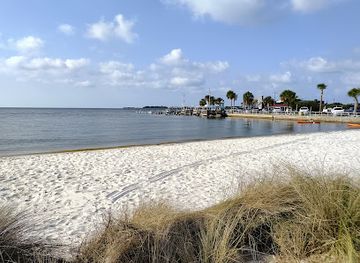
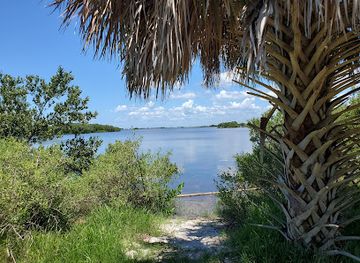
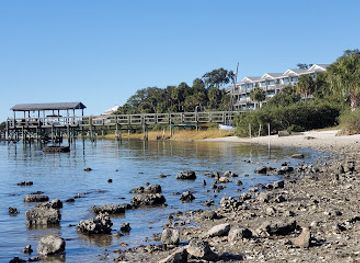
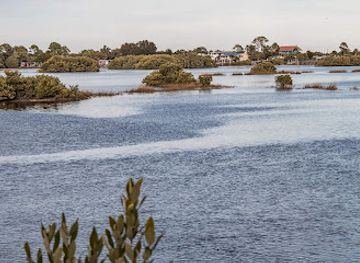
Cedar Key is a small island city and archipelago on Florida’s Nature Coast, reached by a causeway across shallow Gulf waters from the mainland. The community occupies Way Key, while a scattering of smaller islands, tidal creeks and marshes extends through the surrounding Cedar Keys. This is a low-lying coastal landscape shaped by tides rather than beaches: mangrove edges, oyster bars, salt marshes and broad horizons define the view, and much of the nearby island territory forms part of the Cedar Keys National Wildlife Refuge.Read more about Cedar Key
A Maritime Community
Exploring Cedar Key
When is the best time to visit Cedar Key?
Best: March–April, November · 24–27°C| Month | High (°C) | Rainfall (mm) |
|---|---|---|
| January | 19 | 65 |
| February | 21 | 68 |
| March (best) | 24 | 85 |
| April (best) | 27 | 72 |
| May | 30 | 101 |
| June | 33 | 194 |
| July | 34 | 216 |
| August | 34 | 223 |
| September | 33 | 181 |
| October | 29 | 102 |
| November (best) | 24 | 66 |
| December | 20 | 67 |
Getting to and around Cedar Key
How to get there
Transportation
Best attractions in Cedar Key
Cedar Key’s principal attractions combine a working island town with a protected coastal environment. The waterfront and historic centre offer views across docks, tidal channels and the smaller keys, while the Cedar Key Museum State Park introduces local maritime, fishing and industrial history. Atsena Otie Key, reached by private boat or organised water excursion when conditions allow, contains the remains of the former Eberhard Faber pencil factory and a trace of the island’s nineteenth-century settlement. The Cedar Keys National Wildlife Refuge protects a dispersed group of Gulf islands important to coastal birds and marine habitats; access varies and many areas have no visitor facilities. Kayaking through sheltered creeks and marsh margins provides a close view of tidal landscapes, while fishing and birdwatching are established reasons to explore the surrounding waters. The causeway itself is also a scenic approach, crossing broad wetlands before reaching the island community.
-
Tourist attraction
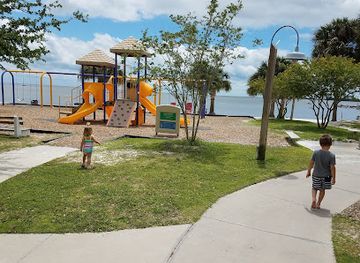
Lil Shark Park
Experience the natural beauty and tranquility of Lil Shark Park in Cedar Key, Florida, a perfect retreat for families and nature lovers.
-
State park
Cedar Key Museum State Park
Explore the captivating history of Cedar Key at Cedar Key Museum State Park, where the charm of Florida's coastal heritage comes alive amidst stunning natural scenery.
-
Tourist attraction
Cedar Key Historical Society
Explore the Cedar Key Historical Society - A treasure trove of maritime and cultural history in the heart of Cedar Key, Florida.
-
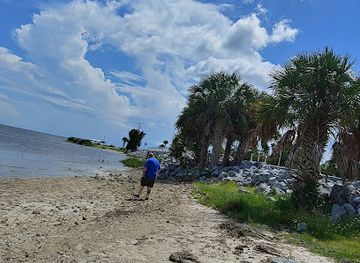
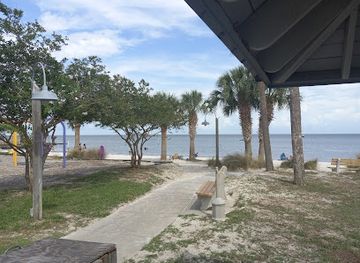
Public beach
Cedar Key Public Beach
Discover the serene beauty of Cedar Key Public Beach, a perfect getaway for sunbathers, families, and nature lovers in Florida.
Best landmarks in Cedar Key
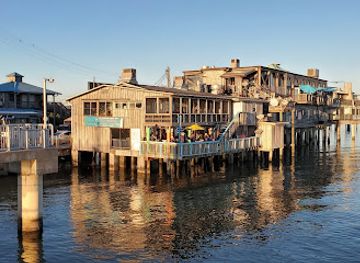
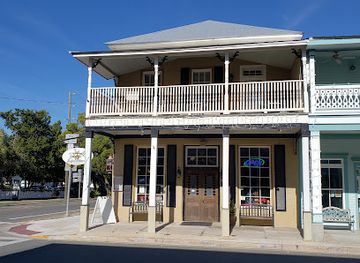
The most defining landmark in Cedar Key is the low island-and-marsh setting itself, where Way Key is linked to the mainland by a causeway across tidal wetlands. The Cedar Keys National Wildlife Refuge forms a second major landmark: its scattered islands, mangrove margins and exposed shoals express the ecological character of Florida’s Gulf Coast, although access to individual islands is regulated or limited. Atsena Otie Key is significant for the ruins of the Eberhard Faber pencil factory, a surviving reminder of the nineteenth-century industrial settlement. The historic waterfront, fishing docks and old buildings of Cedar Key reflect the community’s maritime development, while the Cedar Key Museum State Park preserves material connected with local transport, fishing and island life. These features are less monumental than the stone landmarks of older cities, but together they explain Cedar Key’s distinctive relationship with the Gulf.
-
Park
Lil Shark Park
Experience the tranquil beauty of Lil Shark Park in Cedar Key, Florida, a perfect getaway for nature lovers and families alike.
-
State park
Cedar Key Museum State Park
Explore Cedar Key Museum State Park - A unique blend of history, nature, and breathtaking Gulf views in Florida's charming Cedar Key.
-
Historical society
Cedar Key Historical Society
Explore Cedar Key's vibrant heritage at the Historical Society, home to fascinating artifacts and stories that bring the town's history to life.
-
Pedestrian zone
Cemetery Point Boardwalk
Discover the serene beauty of Cemetery Point Boardwalk in Cedar Key, Florida, where nature meets leisure in a peaceful pedestrian oasis.
Explore Cedar Key on the map
Plan your trip on one map. See where the top attractions, landmarks, restaurants and hotels are, and book hotels and experiences in a few clicks.
Best hotels in Cedar Key
Best restaurants in Cedar Key
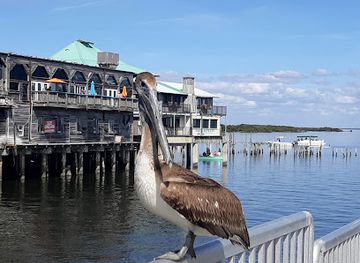
Cedar Key’s food culture is shaped by the waters of the Gulf of Mexico and by Levy County’s rural surroundings. Seafood is central, with local menus commonly drawing on fish, oysters, shrimp and the clams for which the area is particularly well known; availability naturally changes with season, weather and regulation. The town has a modest concentration of seafood restaurants, cafés, casual eateries and bars around the waterfront and central streets, while the mainland approach offers fewer dedicated dining choices. Visitors should distinguish Cedar Key’s own small restaurant scene from the wider dining options of inland towns such as Chiefland. Local clam farming is an important part of the community’s economic identity, and seafood is best understood as both a culinary tradition and a working industry rather than a guaranteed menu item at every establishment.
-
Seafood
Steamers
Discover Cedar Key's culinary gem at Steamers—where fresh seafood meets breathtaking views for an unforgettable dining experience.
-
Seafood
Tony's Restaurant
Experience the best of Florida's coastal cuisine at Tony's Restaurant in Cedar Key - where fresh seafood meets warm hospitality.
-
Floridian restaurant
83 West & 29 North at 83 West
Discover authentic Floridian cuisine at 83 West & 29 North in Cedar Key - where fresh seafood meets stunning waterfront views.
-
Grill
Big Deck Bar & Grill
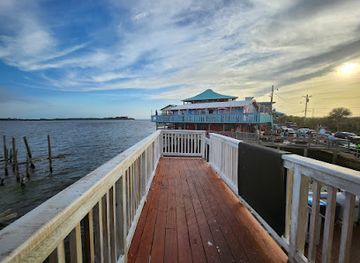
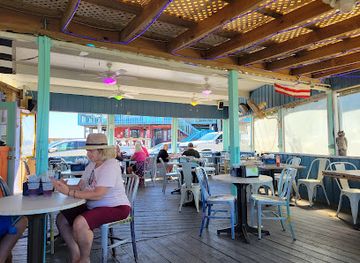
Discover culinary delights at Big Deck Bar & Grill in Cedar Key – where fresh seafood meets picturesque waterfront dining.
Best bars in Cedar Key
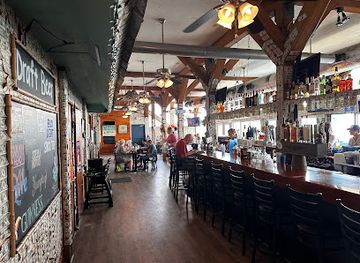
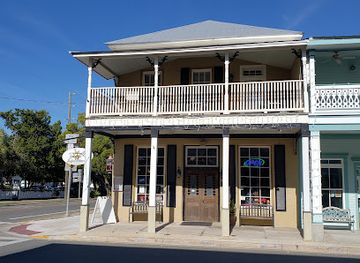
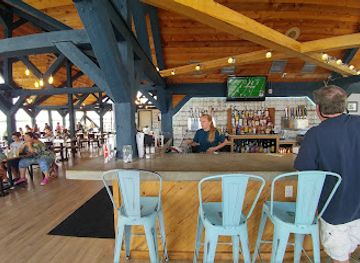
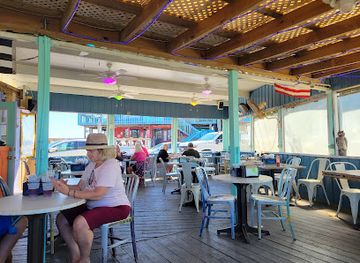
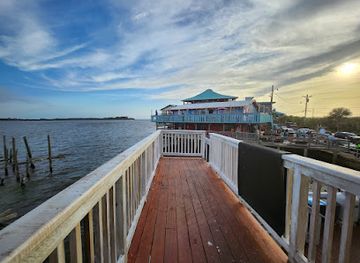
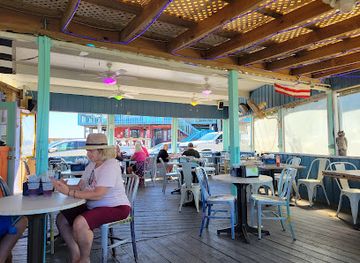
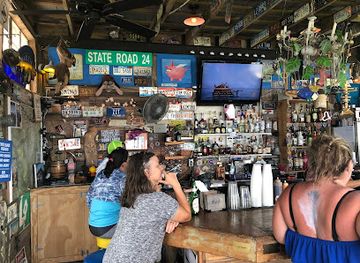
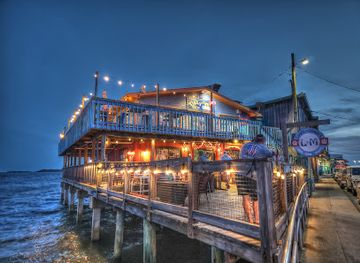
Cedar Key does not have a conventional nightclub district or late-night entertainment scene. Evening activity is generally centred on relaxed waterfront restaurants, small bars, traditional local meeting places and the social atmosphere of inns and guesthouses. Live entertainment or special events may occur at particular times, but visitors should not assume a regular programme or late opening. The town is more suited to watching the light fade over the Gulf, taking an unhurried meal or enjoying conversation than to clubbing. For a broader choice of evening venues, visitors would need to travel to larger mainland communities, although these are outside Cedar Key and may require a substantial drive. After dark, the low-density setting and open water create a quieter atmosphere than Florida’s resort coasts.
-
Seafood
Steamers
Discover the flavors of the sea at Steamers, Cedar Key's premier seafood restaurant, where fresh ingredients and local charm unite.
-
Seafood
Tony's Restaurant
Experience the best of Cedar Key's seafood at Tony's Restaurant, where fresh flavors meet stunning Gulf views.
-
Floridian restaurant
83 West & 29 North at 83 West
Discover the taste of Cedar Key at 83 West & 29 North, where fresh seafood meets coastal charm in a vibrant dining experience.
-
Grill
Big Deck Bar & Grill
Experience the charm of Cedar Key at Big Deck Bar & Grill, where delightful grilled dishes and stunning views come together for an unforgettable dining experience.
Best nightclubs in Cedar Key
Cedar Key does not have a conventional nightclub district or late-night entertainment scene. Evening activity is generally centred on relaxed waterfront restaurants, small bars, traditional local meeting places and the social atmosphere of inns and guesthouses. Live entertainment or special events may occur at particular times, but visitors should not assume a regular programme or late opening. The town is more suited to watching the light fade over the Gulf, taking an unhurried meal or enjoying conversation than to clubbing. For a broader choice of evening venues, visitors would need to travel to larger mainland communities, although these are outside Cedar Key and may require a substantial drive. After dark, the low-density setting and open water create a quieter atmosphere than Florida’s resort coasts.
-
Floridian restaurant
83 West & 29 North at 83 West
Experience the best of coastal dining at 83 West & 29 North, where fresh seafood and signature cocktails delight every palate.
-
Grill
Big Deck Bar & Grill
Experience the vibrant coastal dining at Big Deck Bar & Grill in Cedar Key, where fresh seafood meets a lively atmosphere.
-
Bar
Lowkey Hideaway and Tiki Bar
Discover the Lowkey Hideaway and Tiki Bar in Cedar Key: a vibrant tropical escape with refreshing drinks, friendly vibes, and unforgettable sunsets.
-
Grill
The Tipsy Cow Bar & Grill
Discover the vibrant flavors of Cedar Key at The Tipsy Cow Bar & Grill, where fresh ingredients meet a lively atmosphere.
Best shops in Cedar Key
Shopping in Cedar Key is small-scale and closely connected with the town’s coastal character. Independent shops and galleries around the central streets and waterfront may offer local artwork, photography, shell-themed crafts, souvenirs and practical goods for visitors, while food outlets provide opportunities to buy regional seafood or other Florida products when available. The area’s strongest commercial identity comes from fishing and clam farming rather than from a large craft or designer-retail tradition. Basic provisions and everyday supplies are available in town, but the range is limited compared with larger mainland centres, so visitors undertaking longer trips should stock up before arriving. Chiefland and other inland communities provide broader shopping facilities outside Cedar Key, although they are service towns rather than extensions of the island’s waterfront retail scene.
-
Grocery store
Market At Cedar Key
Explore the Market at Cedar Key for fresh produce, specialty items, and a fine selection of wines in a charming coastal atmosphere.
-
Coffee shop
1842 Daily Grind & Mercantile
Discover the cozy ambiance and delicious local flavors at 1842 Daily Grind & Mercantile, the perfect spot for coffee, breakfast, and lunch in Cedar Key.
-
Bar
Bonish Studio
Experience the creative charm of Bonish Studio, a unique bar and photography studio in Cedar Key, blending artistic vibes with refreshing drinks.
-
Art gallery
Cedar Key Arts Center
Discover the vibrant artistic spirit of Cedar Key at the Cedar Key Arts Center, showcasing local talent and unique coastal-inspired artwork.
Get your free copy of our complete guide to Cedar Key, delivered straight to you.
Everything on this page, from attractions and restaurants to essentials and local phrases, in one PDF you can read offline, print or share.
Already have an account? Sign in
Your Cedar Key guide is ready.
We'll send it to · Not you? Sign out

Getting your guide ready…
We are putting together a fresh copy of the Cedar Key guide. This can take up to a minute.
This can take a few moments. If your browser asks, choose Allow so the download can start. You'll find the guide in your Downloads folder.
Nothing happened? Download it again
Sorry, the guide is taking longer than usual. Please try again in a minute, or get it by email instead.
Cedar Key essentials
Currency and Payment
Safety
Emergency Situations
Do's and Don'ts
Local Tips
From Eve
Local phrases worth knowing
You don't need to get them perfect. A few words go a long way, and locals appreciate the effort.
Basics
| English | Local | Say it |
|---|---|---|
| Hello | Howdy | [hao-dee] |
| Goodbye | See ya | [see-yuh] |
| Yes | Yep | [yep] |
| No | Nah | [nah] |
| Please/You're welcome | Please | [pleez] |
| Thank you | Thanks | [thanks] |
| Excuse me/Sorry | Pardon me | [par-dun mee] |
| How are you? | How y'all doin'? | [hao yall doo-in] |
| Fine. And you? | Fine. How 'bout you? | [fain. how 'bout yuh?] |
| Do you speak English? | Y'all speak English? | [yall speak ing-glish?] |
| I don't understand | I ain't gettin' ya | [I aint get-tin ya] |
Eating & Drinking
| English | Local | Say it |
|---|---|---|
| I'd like to see the menu, please | I'd like to see what y'all got to eat | [I'd like to see what yall got to eat] |
| I don't eat meat | I don't eat no meat | [I don't eat no meat] |
| Cheers! | Cheers! | [Cheers!] |
| I would like to pay, please | I'm ready to settle up | [I'm ready to settle up] |
Emergencies
| English | Local | Say it |
|---|---|---|
| Help! | Help! | [Help!] |
| Go away! | Git! | [Git!] |
| Call the Police! | Call the Sheriff! | [Call the Sheriff!] |
| Call a doctor! | Call the doc! | [Call the doc!] |
| I'm lost | I'm turned around | [I'm turned around] |
| I'm ill | I'm feelin' poorly | [I'm feelin' poorly] |
Shopping
| English | Local | Say it |
|---|---|---|
| I'd like to buy... | I reckon I'll take... | [I reckon I'll take...] |
| I'm just looking | Just browsin' | [Just browsin'] |
| How much is it? | How much does it run? | [How much does it run?] |
| That's too expensive | That's a mite pricey | [That's a mite pricey] |
| Can you lower the price? | Can ya do any better on the price? | [Can ya do any better on the price?] |
Time & Numbers
| English | Local | Say it |
|---|---|---|
| What time is it? | What's the time? | [What's the time?] |
| It's one o'clock | It's one | [It's one] |
| Half past (10) | Half past ten | [Half past ten] |
| Morning | Mornin' | [Mornin'] |
| Afternoon | Afternoon | [Afternoon] |
| Evening | Evenin' | [Evenin'] |
| Yesterday | Yest'day | [Yest'day] |
| Today | Today | [Today] |
| Tomorrow | Tomorrer | [Tomorrer] |
| 1 | One | [One] |
| 2 | Two | [Two] |
| 3 | Three | [Three] |
| 4 | Four | [Four] |
| 5 | Five | [Five] |
| 6 | Six | [Six] |
| 7 | Seven | [Seven] |
| 8 | Eight | [Eight] |
| 9 | Nine | [Nine] |
| 10 | Ten | [Ten] |
Transport & Directions
| English | Local | Say it |
|---|---|---|
| Where's a/the...? | Where's the... | [Where's the...] |
| What's the address? | What's the addy? | [What's the addy?] |
| Can you show me (on the map)? | Can you show me (on the map)? | [Can you show me (on the map)?] |
| When's the next (bus)? | When's the next (bus)? | [When's the next (bus)?] |
| A ticket (to ....) | A ticket (to ....) | [A ticket (to ....)] |
History of Cedar Key
Indigenous Coastal Occupation
The Cedar Keys lie within a Gulf Coast landscape used by Indigenous communities for fishing, shellfish gathering and travel between islands and mainland wetlands. Archaeological evidence across the region includes shell middens and other traces of long-term coastal occupation, although individual sites may be protected and are not necessarily open to visitors. Before sustained European settlement, the wider area was associated with Timucua-speaking peoples. The shallow waters, rich estuaries and abundant marine life that supported earlier communities remain central to Cedar Key’s modern identity.
Spanish Exploration and the Cedar Keys Name
Spanish navigators charted Florida’s Gulf Coast during the early colonial period, and the islands later appeared in changing forms on European maps. The name Cedar Keys refers to the red cedar trees once found in the area, although the trees are not true cedars. For centuries the islands remained more important as a maritime landscape than as a substantial town, serving fishing, transport and coastal navigation rather than large-scale inland settlement.
A Nineteenth-Century Port
Cedar Key developed more rapidly during the nineteenth century as shipping and rail connections brought the islands into wider commercial networks. A railway reached Cedar Key in 1860, making it a Gulf port for regional produce and goods, while nearby Atsena Otie Key became an industrial settlement. The Eberhard Faber pencil company established a factory there in the 1860s, using Florida red cedar for pencil manufacture. Although the enterprise did not last, its ruins remain among the area’s most evocative historic traces.
Storms, Industry and a Changing Waterfront
Cedar Key’s fortunes were repeatedly shaped by hurricanes, changing transport patterns and the vulnerability of low-lying islands. A major hurricane in 1896 damaged the railway and contributed to the decline of Cedar Key as a significant rail port. The community continued through fishing, sponging, oystering and other maritime trades, later developing a strong clam-farming industry in the surrounding waters. Today, local museums, historic buildings and working docks interpret this layered history, while the wildlife refuge and regulated coastal management reflect a growing emphasis on habitat conservation.
Cedar Key in Photos
Browse through our photo collection highlighting the charm and character of the destination.
Neighbouring destination travel guides
The closest destinations to Cedar Key, if you have time for more than one.
-

-

-

-

-


Swipe for more destinations
Explore more

Explore more of Nature Coast
Explore Florida’s Nature Coast for clear springs, manatee encounters, Gulf islands, tidal marshes, fishing towns and expansive wildlife habitats.
Explore Nature Coast
Explore more of Florida
Discover Florida: A Sunshine State full of dazzling beaches, iconic theme parks, rich history, and stunning natural parks, offering endless adventures for every traveler.
Explore Florida