

Free First Coast Travel Guide & Mobile App
Explore First Coast with free travel guides. Discover regional history, expert tips, proposed trips, and audio guides on web or mobile app.


Explore Florida’s First Coast for Jacksonville culture, St Augustine history, Atlantic beaches, river landscapes and Amelia Island heritage.
Read more about First Coast
When is the best time to visit First Coast?
Best: March–April, November · 22–27°C| Month | High (°C) | Rainfall (mm) |
|---|---|---|
| January | 18 | 60 |
| February | 20 | 65 |
| March (best) | 23 | 80 |
| April (best) | 27 | 85 |
| May | 31 | 100 |
| June | 34 | 150 |
| July | 35 | 175 |
| August | 34 | 170 |
| September | 33 | 140 |
| October | 28 | 100 |
| November (best) | 22 | 75 |
| December | 18 | 65 |
Getting to and around First Coast
How to get there
Transportation
Top city travel guides in First Coast
The cities of First Coast, and the easiest places to base yourself.
-

-

-

-


Swipe for more cities
Destinations in First Coast
Resorts, valleys and scenic spots worth a trip of their own.
-
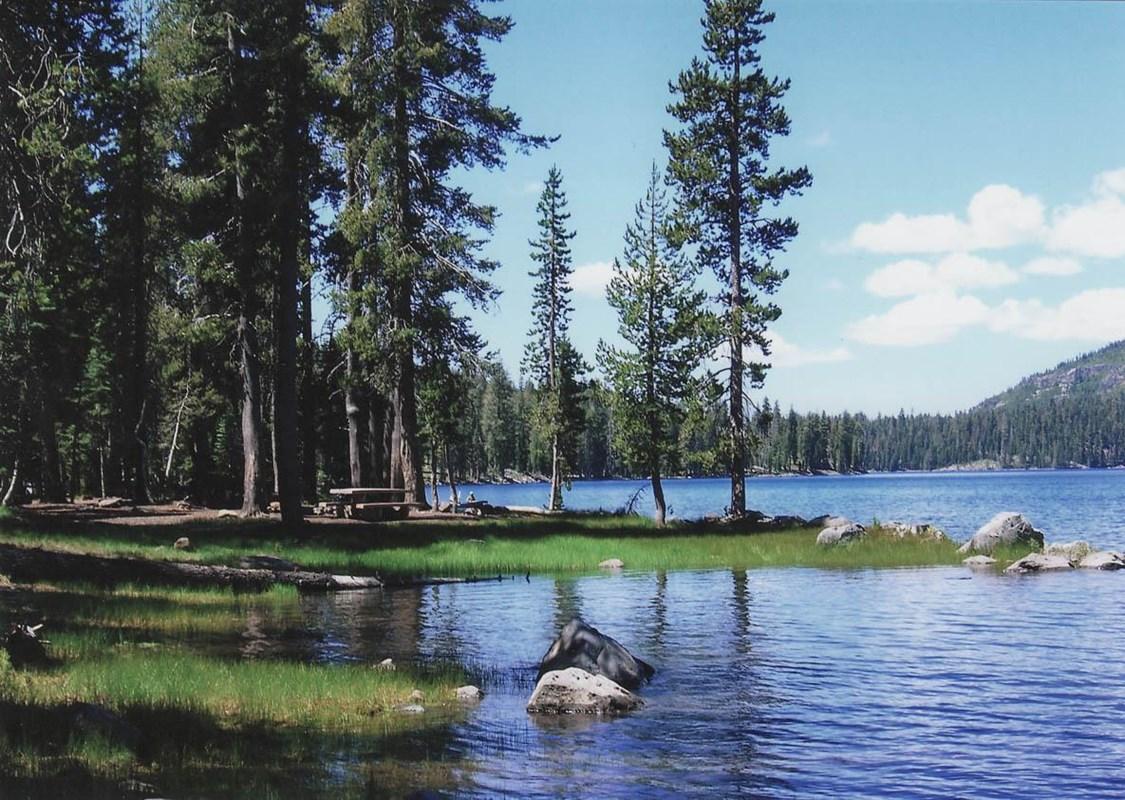 Juniper Springs Recreation Area
 in Florida offers crystal-clear springs, forest trails, canoeing on Juniper Run and historic Ocala National Forest scenery.
Juniper Springs Recreation Area
Juniper Springs Recreation Area in Florida offers crystal-clear springs, forest trails, canoeing on Juniper Run and historic Ocala National Forest scenery.
-

-
-

-

-


Swipe for more destinations
Best attractions in First Coast
The First Coast offers a varied combination of urban culture, colonial history, beaches and watery landscapes. Jacksonville’s principal attractions include museums, performing-arts venues, sporting facilities, riverfront spaces and extensive parkland, with Fort Caroline National Memorial providing historical interpretation beside the St Johns River. St Augustine brings together Castillo de San Marcos, colonial streets, museums, historic houses and waterfront views, while the surrounding St Johns County coast offers beaches, golf communities and opportunities for cycling, fishing and wildlife watching. Amelia Island combines the historic centre of Fernandina Beach with Atlantic beaches, maritime scenery and outdoor activities. The barrier islands and Intracoastal Waterway are suited to kayaking, boating, birdwatching and quiet shoreline walks, although tides and weather influence conditions. Inland parts of the wider First Coast reveal pine forests, wetlands and river corridors rather than the resort landscape associated with the shore. The attraction landscape is therefore less about one continuous resort strip than about moving between distinct settings: a substantial river city, a preserved colonial town, working and leisure waterfronts, and long stretches of sandy coast.
-
Tourist attraction
Castillo de San Marcos National Monument
Explore the historic Castillo de San Marcos, a majestic fortress in St. Augustine, Florida, and immerse yourself in America's colonial past.
-
Tourist attraction
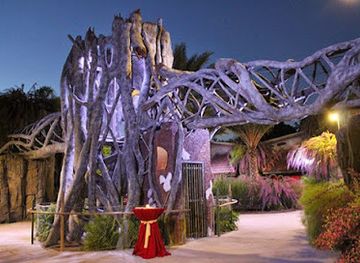
Jacksonville Zoo and Gardens
Discover the Jacksonville Zoo and Gardens, a vibrant attraction celebrating wildlife and botanical beauty in the heart of Florida.
-
Tourist attraction
St. Augustine Lighthouse & Maritime Museum
Discover the history of maritime navigation at St. Augustine Lighthouse & Maritime Museum, a must-see historic landmark in Florida's oldest city.
-
Tourist attraction
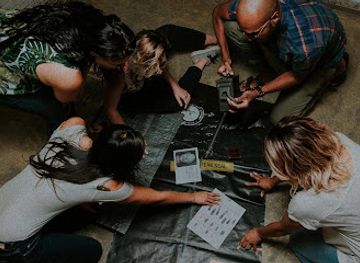
Breakout Games
Discover the thrill of teamwork and adventure at Breakout Games Jacksonville, where every puzzle leads to unforgettable memories.
Best landmarks in First Coast
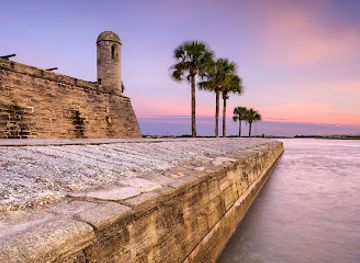
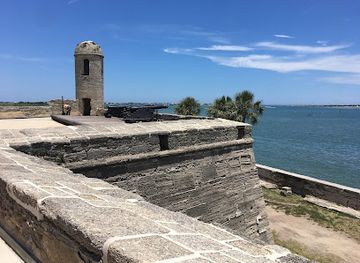
The Castillo de San Marcos in St Augustine is the First Coast’s most recognisable historic structure: a star-shaped Spanish fort built of coquina, a local shellstone that helped it withstand repeated attacks. St Augustine’s historic street pattern, city gates, former defensive line and religious buildings create a wider architectural landscape around the fortress. In Jacksonville, the Mathews Bridge and the Main Street Bridge are prominent symbols of the city’s river geography, while the restored Florida Theatre represents the civic and entertainment growth of the early twentieth century. Fort Caroline National Memorial marks the location associated with the French settlement on the St Johns River and provides an important counterpoint to Spanish St Augustine. In Fernandina Beach, the compact historic district contains nineteenth-century commercial and residential buildings shaped by port activity and changing colonial rule. Amelia Island’s Old Town Fernandina waterfront adds maritime character, while the region’s dunes, tidal marshes and broad beaches function as natural landmarks whose appearance changes with weather, tide and season.
-
Historical landmark
Castillo de San Marcos National Monument
Discover the rich history of Castillo de San Marcos, the oldest masonry fort in the U.S., in beautiful St. Augustine, Florida.
-
Tourist attraction
Jacksonville Zoo and Gardens
Discover the enchanting wildlife and stunning botanical gardens at Jacksonville Zoo and Gardens, a must-visit attraction in Jacksonville, Florida.
-
Historical landmark
St. Augustine Lighthouse & Maritime Museum
Experience the historic St. Augustine Lighthouse & Maritime Museum, a captivating glimpse into Florida's maritime heritage with stunning views and engaging exhibits.
-
Historical landmark
Ponce de Leon Inlet Lighthouse & Museum
Discover the historic Ponce de Leon Inlet Lighthouse & Museum, a must-visit landmark offering breathtaking views and rich maritime history.

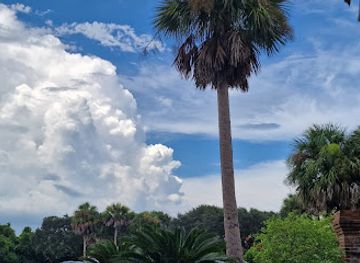
Explore First Coast on the map
Plan your trip on one map. See where the top cities, national parks and sights are, and book hotels and experiences in a few clicks.
Best hotels in First Coast
Best restaurants in First Coast
First Coast dining reflects north Florida’s position between the American South, the Atlantic and the wider Caribbean-influenced culture of coastal cities. Seafood is prominent, with menus commonly featuring shrimp, oysters, crab, fish and locally sourced seasonal catches, although availability and provenance vary by restaurant. Jacksonville has the region’s broadest range of international cooking, contemporary restaurants, cafés, breweries and neighbourhood eateries. St Augustine and Fernandina Beach offer seafood restaurants, historic-district dining rooms, bakeries, casual cafés and Southern cooking, while beach communities favour relaxed settings and takeaway food. Regional produce appears at farmers’ markets and farm shops, including citrus, vegetables and other north Florida crops. Barbecue, fried seafood, grits, biscuits and other Southern staples belong to the wider state and national food traditions rather than being exclusive to the First Coast. Dining is generally informal outside more polished restaurants, and visitors should expect sales tax and customary gratuity to be added to listed menu prices.
-
Seafood
Whitey's Fish Camp
Experience the best of Florida's coastal cuisine at Whitey's Fish Camp - where fresh seafood meets local charm in Fleming Island.
-
Cajun
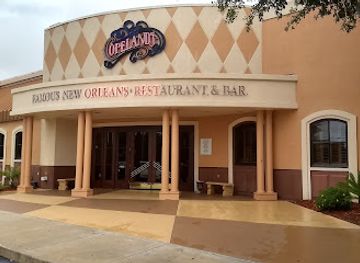
Copeland's of New Orleans
Savor authentic Cajun and Creole flavors at Copeland's of New Orleans in Jacksonville—where every meal is a celebration.
-
Mexican
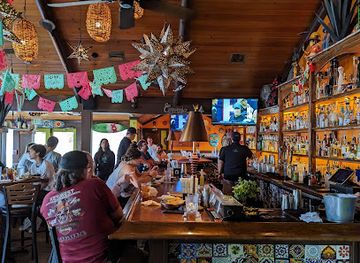
TacoLu
Experience authentic Mexican flavors at TacoLu in Jacksonville Beach – where vibrant cuisine meets a lively coastal atmosphere.
-
Seafood
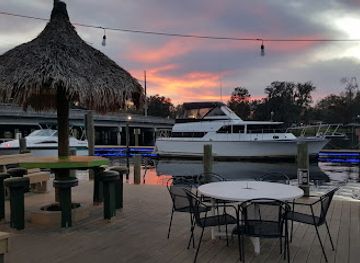
Julington Creek Fish Camp
Discover exquisite seafood dining at Julington Creek Fish Camp in Jacksonville - where fresh flavors meet breathtaking waterfront views.

Best bars in First Coast
Evening life on the First Coast varies sharply by place. Jacksonville has the region’s largest choice of bars, breweries, live-music rooms, cocktail venues, restaurants and late-night entertainment, especially around central neighbourhoods and the beaches, although venues are spread across a large metropolitan area. St Augustine’s historic centre is active after dark with pubs, wine bars, restaurants, live music and venues connected to its heritage-tourism economy, but its atmosphere is more compact than that of Jacksonville. Fernandina Beach and Amelia Island favour taverns, hotel bars, restaurants and occasional live entertainment over a large club scene. The beach communities offer relaxed bars and seasonal evening activity, while smaller inland places tend to close earlier and centre social life on local restaurants or pubs. Check transport arrangements before drinking, as distances, bridges and limited late-night public transport can make taxis or a designated driver important.
-
Bar
River & Post
Discover River & Post in Jacksonville - a vibrant bar and American restaurant with stunning riverside views and gourmet cuisine.
-
Pub
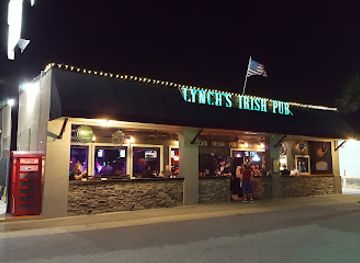
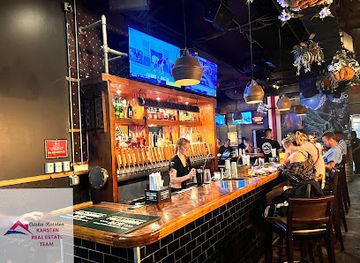
Lynch's Irish Pub
Savor the spirit of Ireland at Lynch's Irish Pub, where delicious cuisine and lively entertainment meet at Jacksonville Beach.
-
Beer Garden
Hoptinger Bier Garden & Sausage House
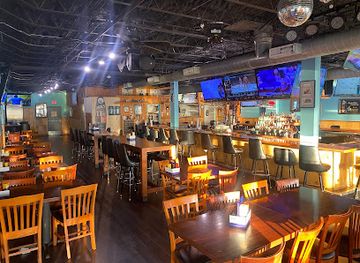
Discover the lively charm of Hoptinger Bier Garden & Sausage House, where great food and a fantastic beer selection await in Jacksonville Beach.
-
Bar
Monkey's Uncle Tavern
Experience the vibrant nightlife at Monkey's Uncle Tavern, a premier destination for karaoke, live music, and delicious cuisine in Jacksonville Beach.

Best nightclubs in First Coast
Evening life on the First Coast varies sharply by place. Jacksonville has the region’s largest choice of bars, breweries, live-music rooms, cocktail venues, restaurants and late-night entertainment, especially around central neighbourhoods and the beaches, although venues are spread across a large metropolitan area. St Augustine’s historic centre is active after dark with pubs, wine bars, restaurants, live music and venues connected to its heritage-tourism economy, but its atmosphere is more compact than that of Jacksonville. Fernandina Beach and Amelia Island favour taverns, hotel bars, restaurants and occasional live entertainment over a large club scene. The beach communities offer relaxed bars and seasonal evening activity, while smaller inland places tend to close earlier and centre social life on local restaurants or pubs. Check transport arrangements before drinking, as distances, bridges and limited late-night public transport can make taxis or a designated driver important.
-
Night club
Birdies
Discover Birdies, Jacksonville's vibrant nightclub and bar, offering eclectic events, great drinks, and a lively atmosphere for unforgettable nights.
-
Night club
The Shim Sham Room
Experience the vibrant nightlife at The Shim Sham Room, Jacksonville Beach's premier night club and bar for fun, music, and unforgettable moments.
-
Lounge
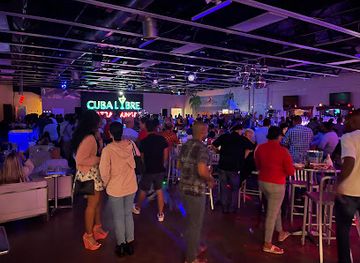
Cuba Libre Ultra Lounge
Discover the lively essence of Jacksonville's nightlife at Cuba Libre Ultra Lounge, where vibrant entertainment meets delectable dining.
-
Night club
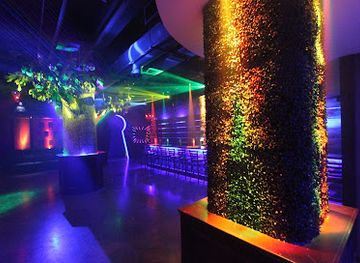
Myth Nightclub | Element Bistro
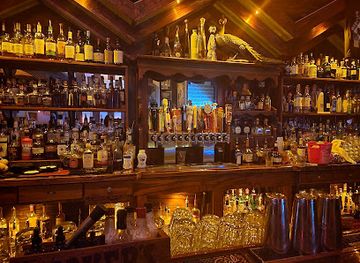
Discover Jacksonville's nightlife at Myth Nightclub, where music, dance, and delicious dining collide for an unforgettable evening.

Best shops in First Coast
Shopping on the First Coast ranges from metropolitan retail in Jacksonville to independent stores and heritage-focused businesses in its smaller coastal towns. Jacksonville has major commercial areas, neighbourhood boutiques, art galleries, bookshops and food markets, with the largest selection of everyday goods and national brands. St Augustine’s historic centre is oriented towards visitors, offering regional food products, artwork, jewellery, books, clothing and craft items among its older streets; compare products carefully, as not every souvenir is locally made. Fernandina Beach has independent shops, galleries, antiques and gift stores in and around its historic commercial district, while Amelia Island also has resort-oriented retail. Farmers’ markets across the region are useful for seasonal produce, baked goods and prepared food, although locations and schedules change. Practical regional purchases include citrus products, hot sauces, locally made crafts, coastal artwork and food gifts, while shell or wildlife items should be bought only where lawful and responsibly sourced.
-
Shopping mall
St Johns Town Center
Explore St. Johns Town Center, Jacksonville's premier shopping destination with diverse retail, dining, and entertainment options for all.
-
Shopping mall
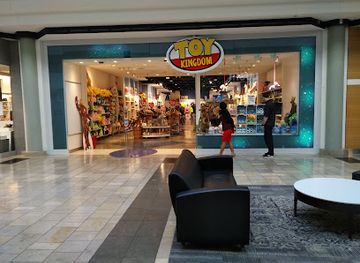
The Avenues
Discover the ultimate shopping experience at The Avenues in Jacksonville, where fashion, food, and fun come together in one vibrant location.
-
Outlet mall
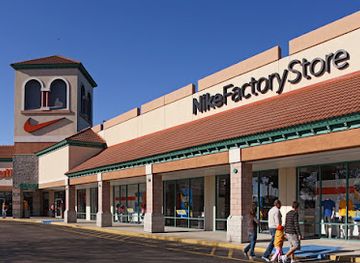
St. Augustine Premium Outlets
Discover incredible deals and top brands at St. Augustine Premium Outlets, the ultimate shopping destination in Florida's historic city.
-
Flea market
Beach Boulevard Flea Market
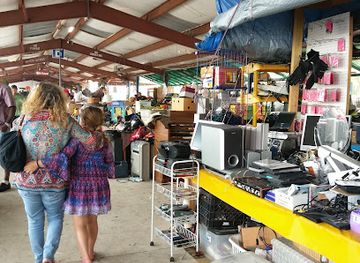
Explore the Beach Boulevard Flea Market in Jacksonville, Florida, for an eclectic mix of treasures, local produce, and vibrant community spirit.

Get your free copy of our complete guide to First Coast, delivered straight to you.
Everything on this page, from attractions and restaurants to essentials and local phrases, in one PDF you can read offline, print or share.
Already have an account? Sign in
Your First Coast guide is ready.
We'll send it to · Not you? Sign out

Getting your guide ready…
We are putting together a fresh copy of the First Coast guide. This can take up to a minute.
This can take a few moments. If your browser asks, choose Allow so the download can start. You'll find the guide in your Downloads folder.
Nothing happened? Download it again
Sorry, the guide is taking longer than usual. Please try again in a minute, or get it by email instead.
First Coast essentials
Currency and Payment
Safety
Emergency Situations
Do's and Don'ts
Local Tips
From Eve
Local phrases worth knowing
You don't need to get them perfect. A few words go a long way, and locals appreciate the effort.
Basics
| English | Local | Say it |
|---|---|---|
| Hello | Hey there | [Hey thair] |
| Goodbye | See ya | [See ya] |
| Yes | Yep | [Yep] |
| No | Nah | [Nah] |
| Please/You're welcome | No problem | [No prob-lum] |
| Thank you | Thanks a lot | [Thangs a lot] |
| Excuse me/Sorry | Sorry 'bout that | [Sorry 'bout that] |
| How are you? | How ya doin'? | [How ya doin'?] |
| Fine. And you? | I'm good. You? | [I'm good. You?] |
| Do you speak English? | Can you talk English? | [Can you talk English?] |
| I don't understand | I don’t get it | [I don’t get it] |
Eating & Drinking
| English | Local | Say it |
|---|---|---|
| I'd like to see the menu, please | Can I see the menu? | [Can I see the menu?] |
| I don't eat meat | I’m a vegetarian | [I'm a ve-ge-ta-rian] |
| Cheers! | Cheers! | [Cheers!] |
| I would like to pay, please | Can I get the check? | [Can I get the check?] |
Emergencies
| English | Local | Say it |
|---|---|---|
| Help! | Help! | [Help!] |
| Go away! | Leave me alone! | [Leave me alone!] |
| Call the Police! | Call the cops! | [Call the cops!] |
| Call a doctor! | Get a doctor! | [Get a doctor!] |
| I'm lost | I can’t find my way | [I can’t find my way] |
| I'm ill | I’m not feeling well | [I'm not feelin' well] |
Shopping
| English | Local | Say it |
|---|---|---|
| I'd like to buy... | I wanna buy... | [I wanna buy...] |
| I'm just looking | Just browsing | [Just browsing] |
| How much is it? | What’s the price? | [What’s the price?] |
| That's too expensive | That’s too pricey | [That’s too pricey] |
| Can you lower the price? | Can you cut the price? | [Can you cut the price?] |
Time & Numbers
| English | Local | Say it |
|---|---|---|
| What time is it? | What’s the time? | [What’s the time?] |
| It's one o'clock | It’s one | [It’s one] |
| Half past (10) | Half past ten | [Half past ten] |
| Morning | Morning | [Morning] |
| Afternoon | Afternoon | [Afternoon] |
| Evening | Evening | [Evening] |
| Yesterday | Yesterday | [Yesterday] |
| Today | Today | [Today] |
| Tomorrow | Tomorrow | [Tomorrow] |
| 1 | One | [One] |
| 2 | Two | [Two] |
| 3 | Three | [Three] |
| 4 | Four | [Four] |
| 5 | Five | [Five] |
| 6 | Six | [Six] |
| 7 | Seven | [Seven] |
| 8 | Eight | [Eight] |
| 9 | Nine | [Nine] |
| 10 | Ten | [Ten] |
Transport & Directions
| English | Local | Say it |
|---|---|---|
| Where's a/the...? | Where’s the...? | [Where’s the...?] |
| What's the address? | What’s the address? | [What’s the address?] |
| Can you show me (on the map)? | Can you point it out? | [Can you point it out?] |
| When's the next (bus)? | When’s the next bus? | [When’s the next bus?] |
| A ticket (to ....) | One ticket to... | [One ticket to...] |
History of First Coast
Timucua Communities Before European Colonisation
Before European settlement, north-eastern Florida was home to Timucua-speaking communities whose villages, farming, fishing and exchange networks were adapted to the region’s rivers, wetlands and coastal resources. Their history is recorded through archaeology, Spanish accounts and modern interpretation, although colonial disruption caused profound population loss and cultural displacement. The St Johns River corridor and the lands around present-day Jacksonville and St Augustine formed part of this wider Indigenous landscape. Visitors should understand the First Coast’s colonial monuments within that longer history rather than treating European arrival as the beginning of the region’s story.
French and Spanish Rivalry in the Sixteenth Century
European powers competed for control of the First Coast during the 1500s. In 1564 the French established Fort Caroline on the St Johns River, near present-day Jacksonville, while Spain founded St Augustine in 1565. Spanish forces attacked Fort Caroline the following year, an episode that helped secure Spain’s position in Florida. The conflict was connected to wider religious and imperial rivalries, but it also brought disease, warfare and upheaval to Indigenous communities. Fort Caroline National Memorial and the broader historic landscape around St Augustine interpret this formative period.
St Augustine and Spanish Florida
St Augustine became the principal Spanish settlement in Florida and a strategic outpost guarding the Atlantic approaches. The Castillo de San Marcos, begun in the late seventeenth century, illustrates the importance of the town’s harbour and its repeated defence against foreign attacks. Spanish administration, Catholic missions, military life and trade shaped the surrounding coast for more than two centuries, although control changed hands several times. The surviving street plan, defensive works and religious buildings make St Augustine one of the clearest places to examine the colonial history of the First Coast.
British Rule, Plantations and Maritime Trade
Britain governed Florida from 1763 until 1783, when the territory returned to Spanish control before becoming part of the United States in 1821. During the British period, plantations and commercial agriculture expanded in parts of north-east Florida, relying heavily on enslaved labour and Atlantic trade. Amelia Island and Fernandina also acquired a reputation as a contested maritime and commercial port, with shifting political allegiances and illicit trading. These histories complicate the region’s colonial architecture: historic streets and houses represent not only elegance and commerce, but also slavery, coercion and unequal power.
Railways, Jacksonville and the Growth of a Regional Port
During the nineteenth century, railways connected Jacksonville and the north-east Florida coast with inland markets and the wider United States. The St Johns River supported shipping, ferries, warehouses and industrial activity, while Jacksonville developed into a major commercial centre. A devastating fire in 1901 destroyed much of the city’s historic core, after which Jacksonville was rebuilt on a larger urban scale. Rail links and the port continued to influence settlement, tourism and employment, helping connect the beaches, river towns and agricultural hinterland that form the modern First Coast.
Twentieth-Century Tourism and Urban Transformation
Automobile travel, coastal resorts and post-war population growth transformed the First Coast during the twentieth century. Jacksonville consolidated through city-county government in 1968, creating a particularly extensive municipal area, while communities such as Atlantic Beach, Neptune Beach and Jacksonville Beach developed distinct seaside identities. St Augustine increasingly combined residential life with heritage tourism, and Amelia Island became known for beaches, historic Fernandina Beach and resort development. Contemporary First Coast identity therefore rests on several overlapping economies: port and logistics activity, tourism, healthcare, finance, professional sport, military employment and the arts.
First Coast in Photos
Browse through our photo collection highlighting the charm and character of the destination.
Neighbouring regions of First Coast
The closest regions to First Coast, if you have time for more than one.
-

-

-

-

-


Swipe for more regions
Explore more

Explore more of Florida
Discover Florida: A Sunshine State full of dazzling beaches, iconic theme parks, rich history, and stunning natural parks, offering endless adventures for every traveler.
Explore Florida