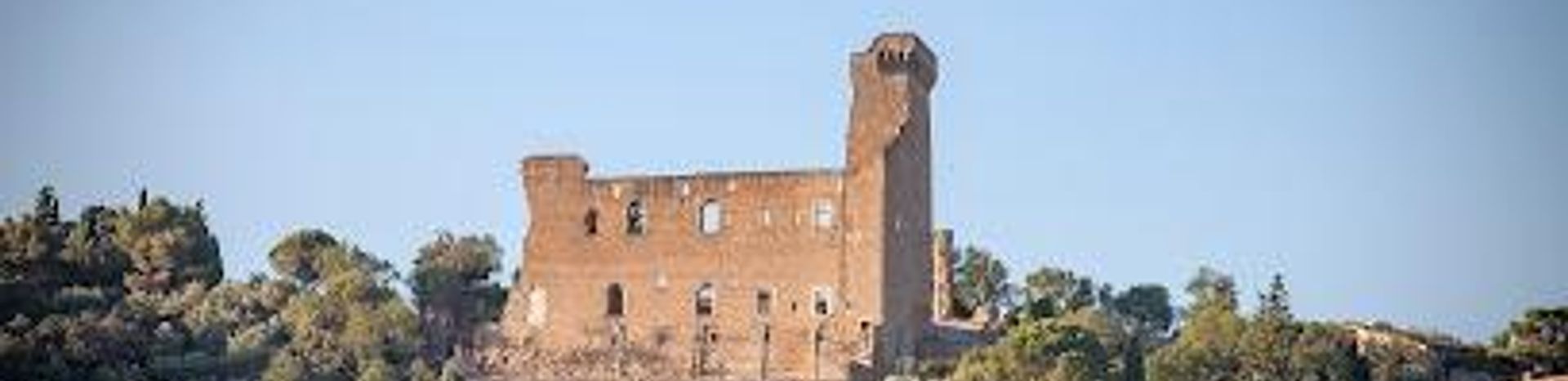
Château des Papes: A Ruined Legacy of Papal Ambition
Explore the majestic ruins of Château des Papes in Châteauneuf-du-Pape, a testament to papal history and the heart of Rhône Valley winemaking, offering panoramic vineyard views.
Perched atop a hill overlooking the Rhône Valley, the Château des Papes in Châteauneuf-du-Pape stands as a majestic, albeit ruined, testament to papal history and viticultural excellence. Built in the 14th century by Pope John XXII, this castle served as a summer residence for the Avignon Popes, seeking respite from the heat. Today, its skeletal remains offer panoramic views of the renowned vineyards that produce the celebrated Châteauneuf-du-Pape wine. While much of the castle was destroyed during the Second World War, the remaining dungeon and southern wall evoke a sense of the past, inviting visitors to explore its storied grounds and imagine its former grandeur. The castle is a symbol of the town and a must-see for wine enthusiasts and history buffs alike, providing a unique blend of cultural heritage and scenic beauty.
A brief summary to Castle of Châteauneuf-du-Pape
- Château des Papes, Châteauneuf-du-Pape, 84230, FR
- +33490837108
- Monday 12 am-12 am
- Tuesday 12 am-12 am
- Wednesday 12 am-12 am
- Thursday 12 am-12 am
- Friday 12 am-12 am
- Saturday 12 am-12 am
- Sunday 12 am-12 am
Local tips
- Wear comfortable shoes for exploring the uneven terrain of the castle ruins.
- Visit the castle in the late afternoon for stunning sunset views over the Rhône Valley.
- Combine your visit with a wine tasting at one of the nearby Châteauneuf-du-Pape wineries.
- Check the local events calendar, as the castle often hosts wine festivals and cultural events.
- Bring a camera to capture the panoramic views and the unique architecture of the remaining structures.

Getting There
-
Walking
From the center of Châteauneuf-du-Pape village, the Château des Papes is easily accessible on foot. Starting from Place de la Bascule, a free parking area near the village center, walk towards the main square, Place Jean Moulin. From there, follow Rue des Papes uphill, passing the church on your right. The path is clearly marked with signs leading to the Château. The walk takes approximately 10-15 minutes, offering scenic views of the village and vineyards. Note that the final approach involves a slightly steep incline.
-
Public Transport
If arriving by bus, disembark at the Louis Pasteur bus stop in Châteauneuf-du-Pape. From the bus stop, walk along Avenue Pasteur towards the village center. Turn left onto Rue de la République and then right onto Rue des Papes. Follow Rue des Papes uphill towards the castle. The walk from the bus stop to the Château des Papes takes approximately 15-20 minutes. Bus lines 902 and 922 serve this stop. A single bus fare costs approximately €2.
-
Driving
If driving, navigate to Châteauneuf-du-Pape and follow signs towards the village center. Limited parking is available near the castle. There are a few free parking options such as Parking Place d'Auggen and Parking de la Bascule, both within a 5-minute walk to the center. Alternatively, paid parking is available at Place Jean Moulin and Place de l'église. Parking fees typically range from €1.50 to €2.50 per hour.
Discover more about Castle of Châteauneuf-du-Pape
Iconic landmarks you can’t miss

The Hill of Mourgues
11.1 km
Experience the tranquil beauty and historical significance of The Hill of Mourgues, a hidden gem in Villeneuve-lès-Avignon, perfect for relaxation and exploration.
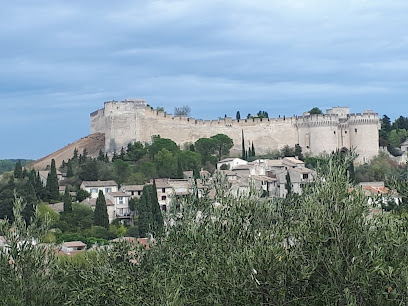
Philippe-le-Bel Tower
11.3 km
Explore a medieval fortress tower with panoramic views of Avignon and the Rhône Valley, steeped in history and architectural grandeur.
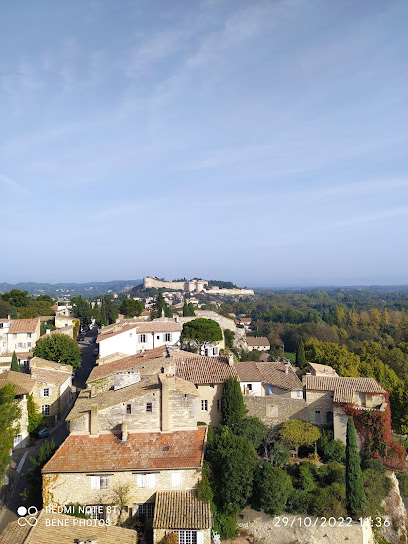
Bac du Rocher des Doms
11.5 km
Experience Avignon from a unique perspective with a free river shuttle offering stunning views and access to Île de la Barthelasse.
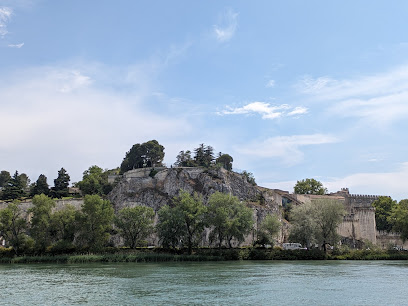
Le Grenier à sel
11.7 km
Explore contemporary art at Le Grenier à sel in Avignon, a historic landmark where art, science, and technology converge in a unique setting.
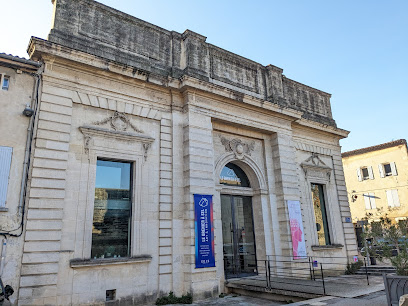
Stairs to Rocher des Doms
11.7 km
Explore Rocher des Doms in Avignon, where history and stunning views intertwine in a serene garden setting.
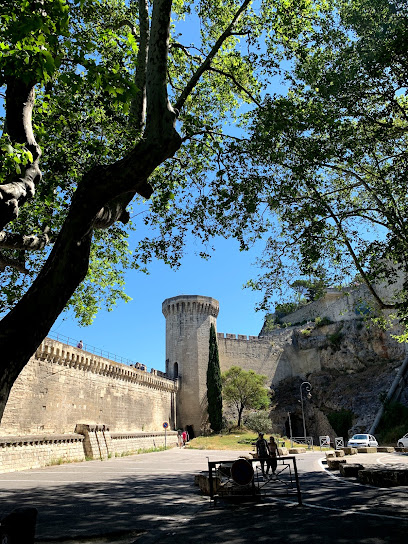
Chapelle Saint-Bénézet
11.7 km
Discover the serene Chapelle Saint-Bénézet in Avignon, a historic chapel offering a peaceful retreat and a glimpse into the region's spiritual heritage.
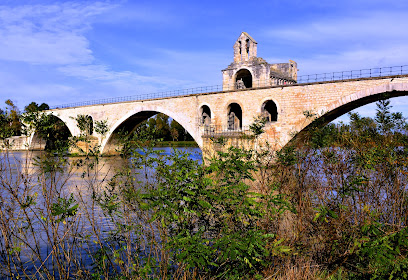
Porte du Rocher Tower
11.7 km
Explore the Porte du Rocher Tower in Avignon, a historical landmark offering a glimpse into the city's medieval defenses and architectural heritage.
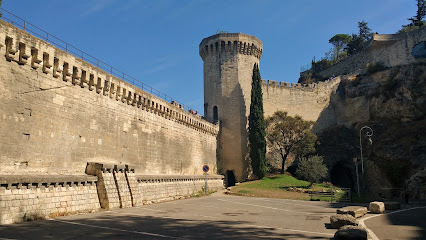
Pont Saint-Bénézet
11.9 km
Explore the remains of the legendary Pont d'Avignon, a medieval bridge with a famous song and rich history on the Rhône River.
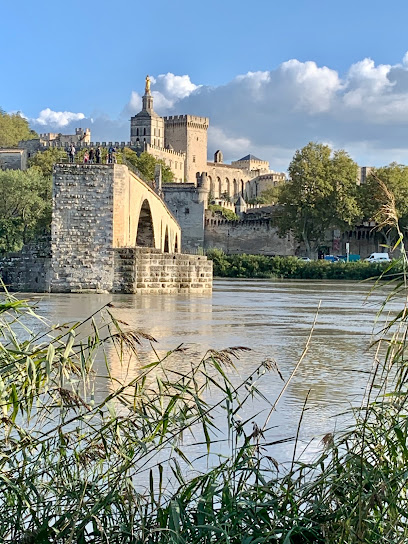
Avignon Cathedral
11.9 km
Discover the architectural marvel of Avignon Cathedral, a historical gem offering breathtaking views and rich spiritual heritage in the heart of Avignon.
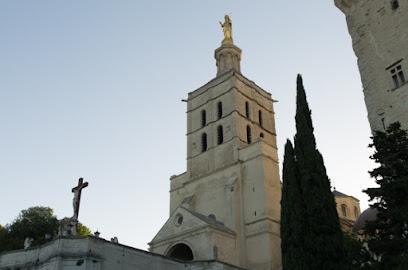
Galerie Du Palais Des Papes
12.0 km
Explore the Palais des Papes, a UNESCO World Heritage site and one of Europe's largest and most important medieval Gothic palaces in Avignon.
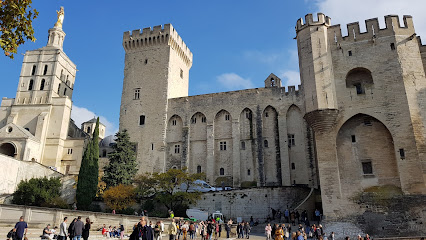
Hôtel Madon de Châteaublanc
12.1 km
Step back in time at Avignon's Hôtel Madon de Châteaublanc, a magnificent 17th-century mansion near the Palais des Papes.
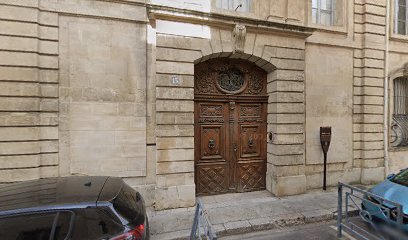
L'Hôtel Calvet de la Palun (ancienne Banque de France)
12.1 km
Explore the historical elegance of L'Hôtel Calvet de la Palun, a former Bank of France and architectural landmark in the heart of Avignon.
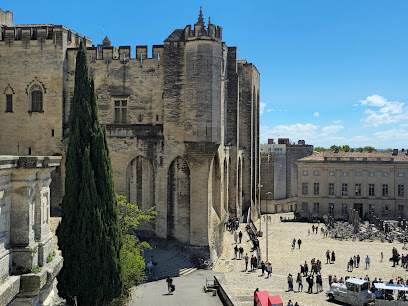
Place Crillon
12.1 km
Discover Place Crillon in Avignon: a historic square with a relaxed atmosphere, rich history, and connection to notable figures.
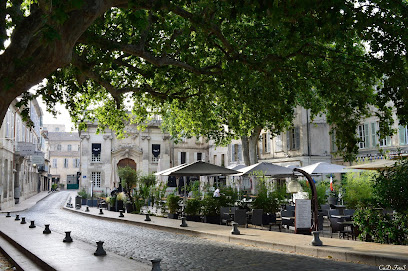
Opéra Grand Avignon
12.1 km
Experience world-class opera and performing arts in Avignon's historic Opéra Grand Avignon, a cultural jewel since the 19th century.
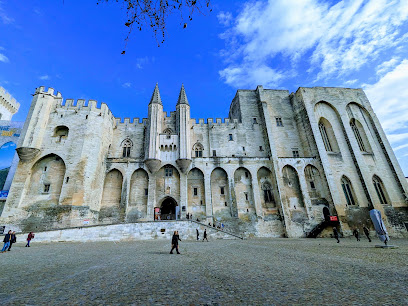
Pl. de l'Horloge
12.2 km
Experience the vibrant ambiance of Place de l'Horloge in Avignon, where history meets culinary delights and local culture thrives.
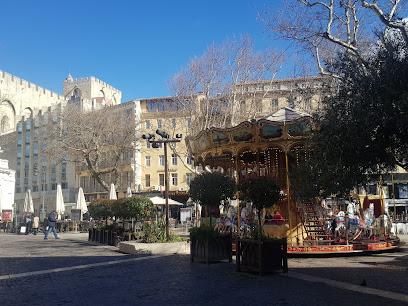
Unmissable attractions to see

Le Nez des Papes - expériences oenotouristiques - ateliers de dégustation - cave à vins
0.1 km
Discover the heart of Châteauneuf-du-Pape at Le Nez des Papes, where wine tasting meets local heritage in an unforgettable experience.
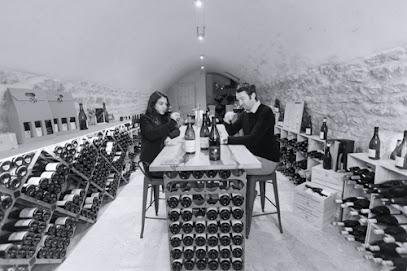
Maison des Vins de Châteauneuf-du-Pape / Caviste / Wine Store
0.3 km
Discover the essence of Châteauneuf-du-Pape at Maison des Vins, where exquisite wines and rich traditions await wine enthusiasts.
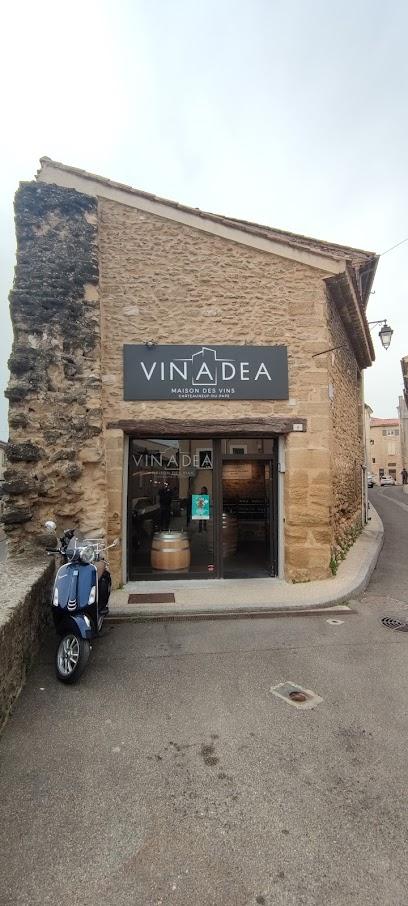
Domaine Mayard
0.5 km
Explore Domaine Mayard in Châteauneuf-du-Pape for exquisite wine tastings and a journey through France's rich vineyard heritage.
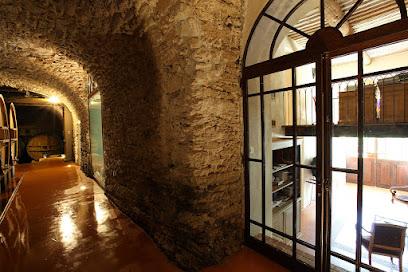
Wine Museum Brotte
0.6 km
Explore the history and craftsmanship of winemaking at the Wine Museum Brotte, a must-visit destination in Châteauneuf-du-Pape.
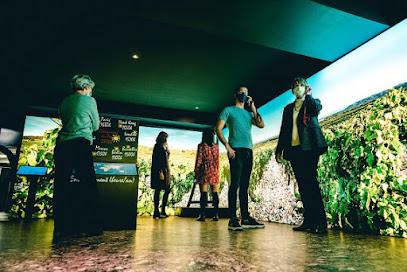
Bouachon
0.9 km
Explore Bouachon winery in Châteauneuf-du-Pape for an unforgettable wine tasting experience amidst stunning vineyards and rich French heritage.
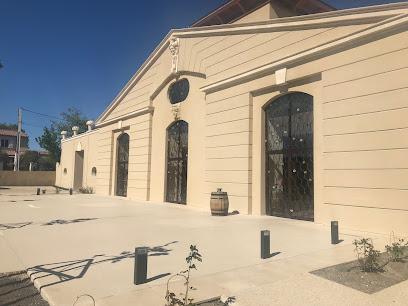
Château Fortia Sarl
1.0 km
Explore Château Fortia, a premier winery in Châteauneuf-du-Pape, where tradition meets exceptional wine tasting in the beautiful Rhône Valley.
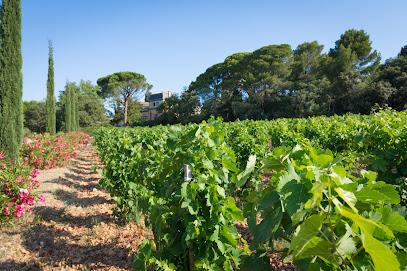
Château de la Gardine
1.4 km
Discover the charm of Château de la Gardine, a premier vineyard in Châteauneuf-du-Pape known for its exquisite wines and rich history.
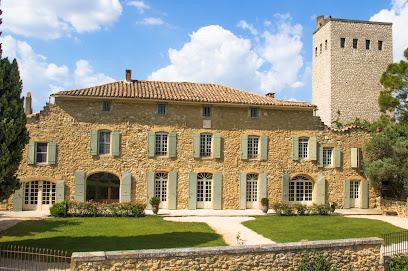
Château La Nerthe
2.6 km
Explore the historic Château La Nerthe in Châteauneuf-du-Pape, where exquisite wines and stunning vineyard views await every visitor.
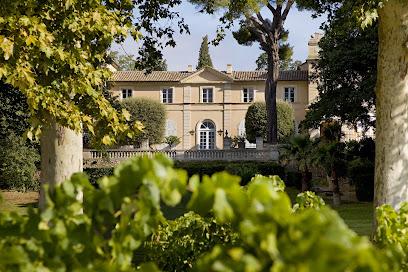
Chocolaterie Castelain
3.0 km
Discover the art of artisanal chocolate at Chocolaterie Castelain in Châteauneuf-du-Pape, where tradition meets innovation in every delectable bite, offering a sensory experience for chocolate lovers.
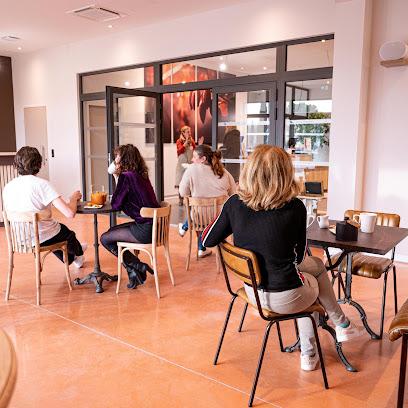
Vignobles Alain Jaume
5.9 km
Experience the charm of Vignobles Alain Jaume, where exceptional wines and stunning vineyards await every visitor in Orange, France.
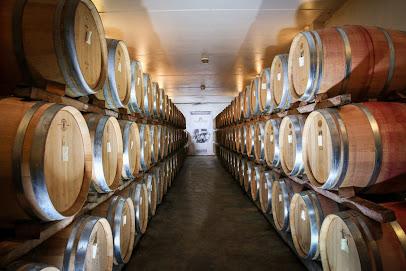
ORANGE* VTC* PROVENCE
6.7 km
Discover the luxury of travel in Provence with Orange VTC, where elegance and comfort meet seamless transportation solutions for every traveler.

Théâtre antique d'Orange
8.8 km
Explore the Ancient Theatre of Orange, a UNESCO World Heritage site of remarkable Roman architecture and cultural heritage in the heart of France.
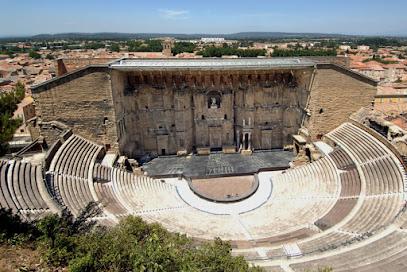
île de la Barthelasse
9.5 km
Discover the tranquil beauty of Île de la Barthelasse, a serene escape just across the Rhône from Avignon, perfect for relaxation and stunning views.
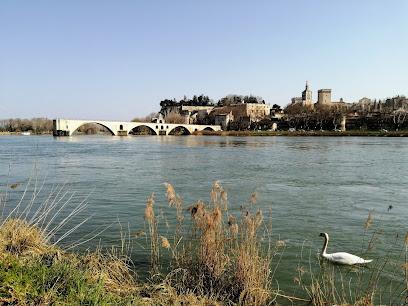
Abbey St. Andrew
10.4 km
Explore the serene Abbey St. Andrew in Villeneuve-lès-Avignon, a cultural landmark featuring stunning architecture, art, and beautiful gardens.
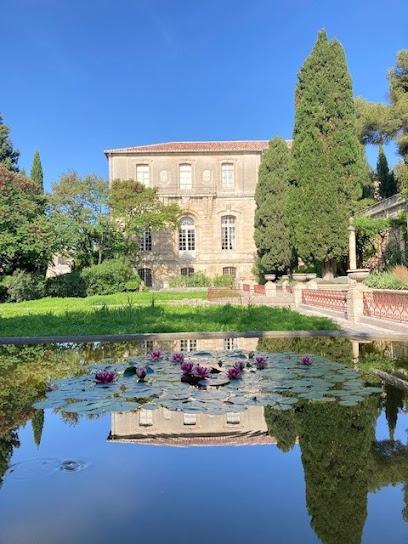
La Chartreuse de Villeneuve
10.5 km
Discover La Chartreuse de Villeneuve-lès-Avignon, a historic Carthusian monastery transformed into a vibrant cultural center, blending medieval architecture with contemporary art and theater.
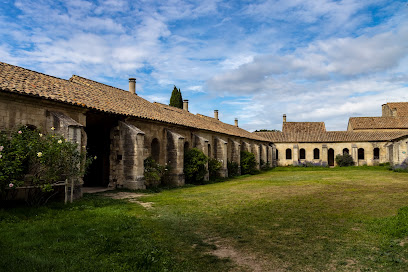
Essential places to dine

Restaurant Auberge de Cassagne & Spa *****
11.4 km
Experience exquisite French dining at Restaurant Auberge de Cassagne & Spa in Avignon - where culinary artistry meets luxurious ambiance.
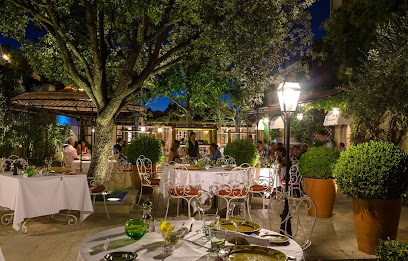
Restaurant Le Bercail
11.5 km
Experience authentic French cuisine at Restaurant Le Bercail in Avignon, where local flavors meet exquisite dining in a charming atmosphere.
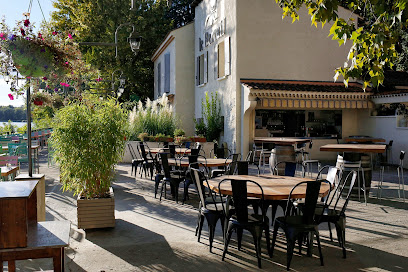
Restaurant Maison de la Tour
11.8 km
Experience the best of modern French cuisine at Restaurant Maison de la Tour in Avignon – where tradition meets innovation.
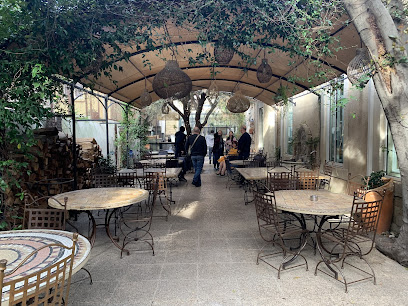
Buvette du rocher des Doms
11.8 km
Experience exquisite views and delightful fast food at Buvette du Rocher des Doms in Avignon—where every meal comes with a side of breathtaking scenery.
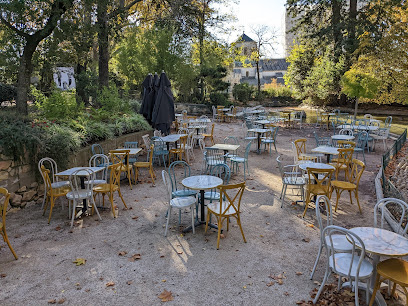
Restaurant Bar à Vin Le 46
11.9 km
Experience authentic Mediterranean flavors at Restaurant Bar à Vin Le 46 in Avignon - where exquisite French cuisine meets fine local wines.
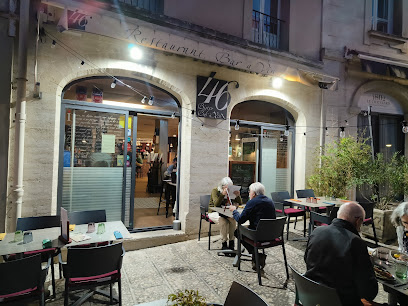
Au Jardin Des Carmes
12.0 km
Experience authentic French flavors at Au Jardin Des Carmes, where culinary artistry meets the charm of Avignon.
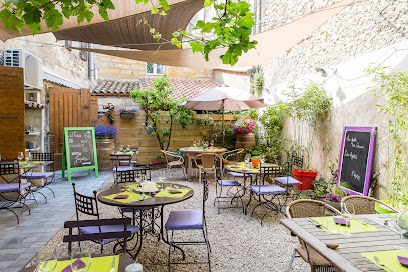
Le Moutardier du Pape
12.0 km
Experience the art of fine dining at Le Moutardier du Pape, where exquisite flavors meet stunning ambiance in Avignon.
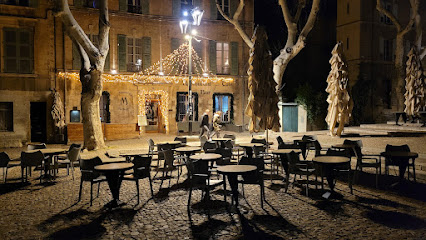
Le Goût du Jour
12.1 km
Discover the essence of modern French cuisine at Le Goût du Jour in Avignon - where each dish is a masterpiece.
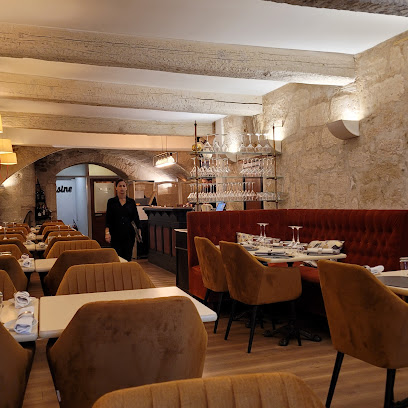
Carre des papes
12.1 km
Experience authentic French cuisine at Carre des Papes in Avignon - where tradition meets modern elegance in every bite.
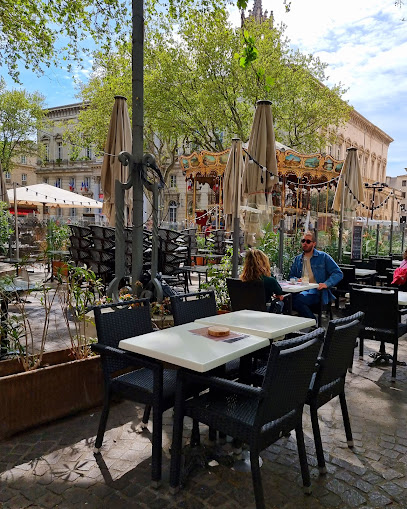
Le Carré du Palais
12.1 km
Experience exquisite French cuisine and local wines at Le Carré du Palais in Avignon – where tradition meets contemporary flair.
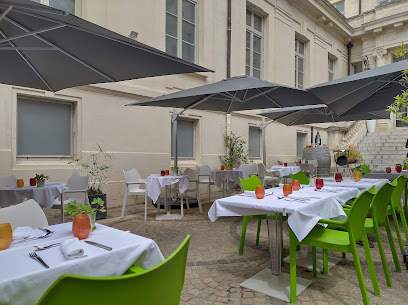
Le Restaurant - La Mirande
12.1 km
Experience exquisite Provençal cuisine in an elegant setting at Le Restaurant - La Mirande in Avignon.
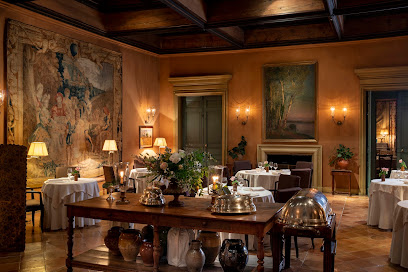
Restaurant SEVIN
12.1 km
Experience the culinary delights of Provence at Restaurant SEVIN in Avignon - where exquisite flavors meet elegant dining.
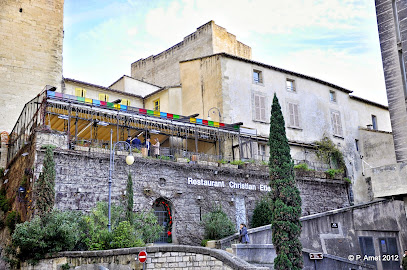
La Fourchette
12.1 km
Experience exquisite French and Mediterranean cuisine at La Fourchette in Avignon – where every dish tells a story.
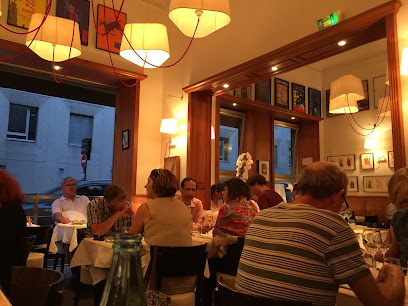
Chez Marie
12.1 km
Experience authentic French cuisine and live music at Chez Marie in Avignon - a must-visit culinary destination for every tourist.
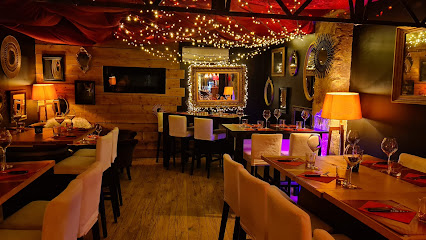
HOTEL D'EUROPE Restaurant La Vieille Fontaine
12.1 km
Discover culinary excellence at HOTEL D'EUROPE Restaurant La Vieille Fontaine in Avignon - where tradition meets innovation in fine dining.
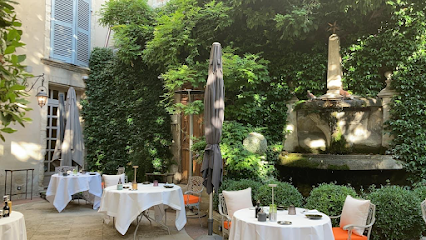
Markets, malls and hidden boutiques

Le Château du Bois Producteur de Lavande Fine - Avignon
11.9 km
Experience the enchanting world of lavender at Le Château du Bois, a unique gift shop and museum in the heart of Avignon.
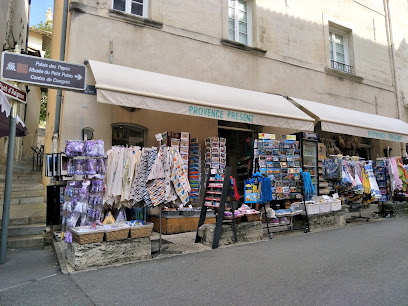
Avignon en Provence
11.9 km
Explore the flavors of Provence at Avignon en Provence, your go-to gift basket store in the heart of Avignon, filled with local delicacies and artisanal treasures.
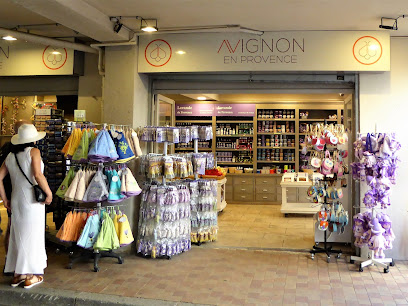
Coté Provence
11.9 km
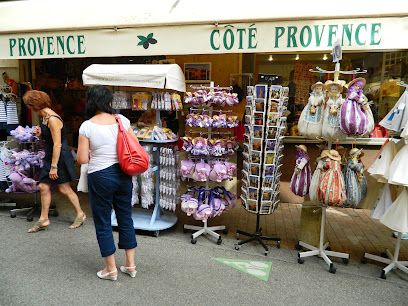
Explore the heart of Provence at Coté Provence, your go-to souvenir store in Avignon for unique local crafts and gifts.
Lou en Provence
11.9 km
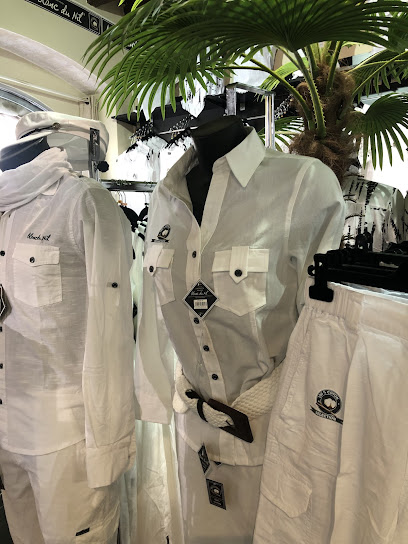
Explore Lou en Provence, a charming clothing store in Avignon, offering Provencal-inspired fashion and unique accessories to elevate your style.
un coin de Provence
12.0 km
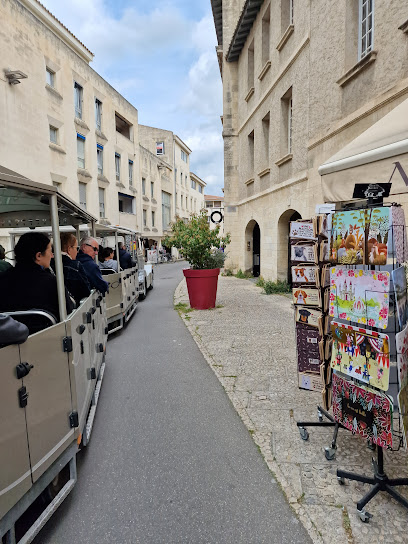
Explore the flavors of Provence at Un Coin de Provence, Avignon's charming gift basket store for local delicacies and artisanal treasures.
La Licorne du Palais
12.0 km
Discover unique gifts and literary treasures at La Licorne du Palais in Avignon, a charming gift shop and used book store that captures the essence of French culture.
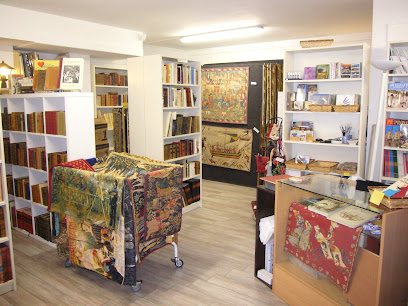
Tableau et pendantifs
12.0 km
Discover unique artisanal souvenirs at 'Tableau et pendantifs', a charming gift shop in the heart of historic Avignon.
Atelier du Palais
12.0 km
Discover the artisanal charm of Atelier du Palais in Avignon, where local craftsmanship meets exquisite gift baskets filled with gourmet delights.
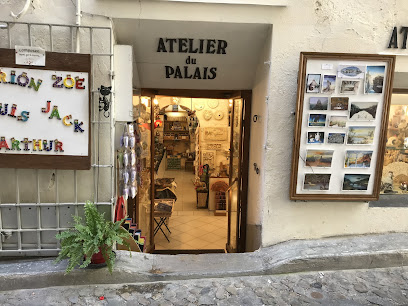
Achat souvenir
12.0 km
Discover unique gifts and local treasures at Achat Souvenir, a charming gift shop in the heart of Avignon, perfect for capturing your travel memories.
Avignon Cadeaux
12.1 km
Explore Avignon Cadeaux: A Unique Art Gallery and Rare Book Store in the Heart of Avignon, Blending Creativity with Elegance.
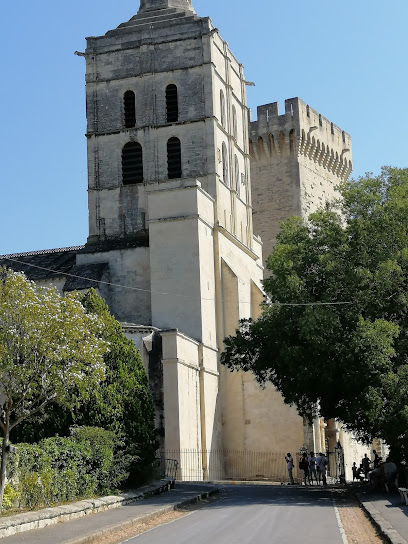
Sessùn Avignon
12.1 km
Explore Sessùn Avignon for chic, sustainable women's fashion that blends contemporary style with timeless elegance in the heart of the city.
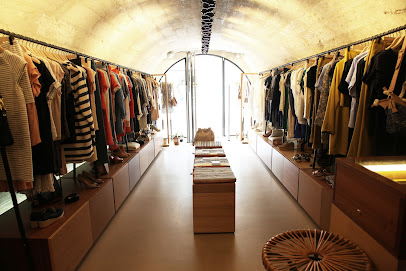
3.0
12.1 km
Explore a charming boutique in Avignon, featuring unique artisanal products and local treasures that capture the essence of French craftsmanship.
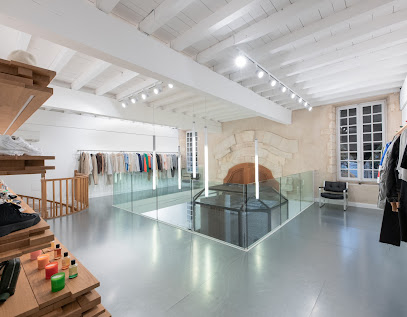
ba&sh - Avignon
12.2 km
Explore ba&sh in Avignon for stylish women's apparel and accessories, blending Parisian elegance with modern trends in a chic boutique setting.
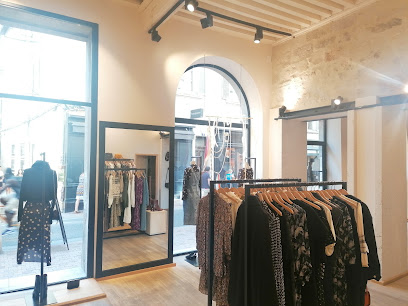
Maison Mood
12.2 km
Explore the eclectic charm of Maison Mood, a boutique in Avignon offering unique fashion and lifestyle products that reflect the local culture.
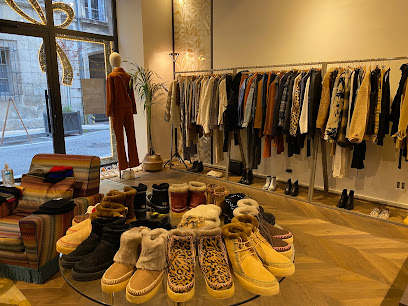
Jean - Paul et Chris Boutique
12.2 km
Discover stylish clothing for men, women, and babies at Jean - Paul et Chris Boutique, a fashion haven in the heart of Avignon.
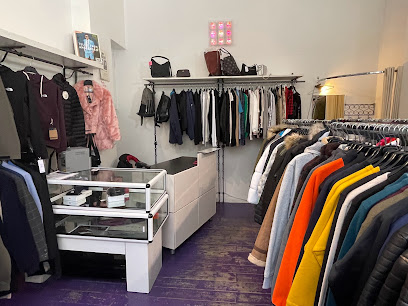
Essential bars & hidden hideouts

In & Off
12.1 km
Unwind at In & Off, a vibrant bar and restaurant in Avignon offering delicious local cuisine and a lively atmosphere.
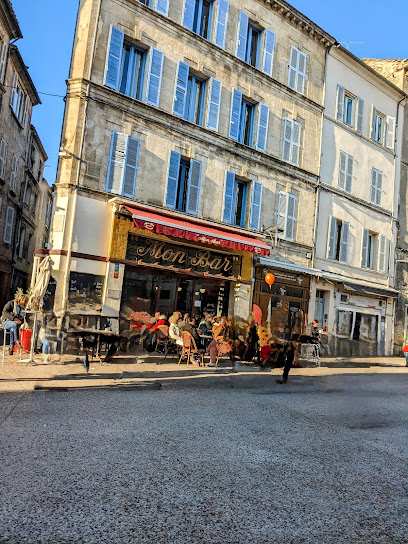
Mon Bar
12.1 km
Experience the vibrant atmosphere of Mon Bar in Avignon, where you can savor delightful drinks and create unforgettable memories.
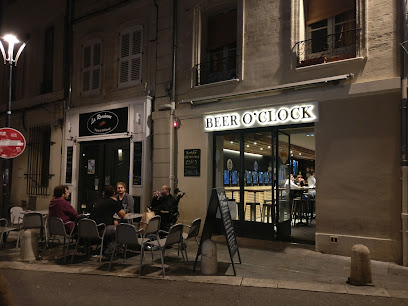
Beer O'Clock
12.1 km
Discover the charm of Beer O'Clock in Avignon, where craft beers and fine wines meet in a lively atmosphere perfect for socializing.
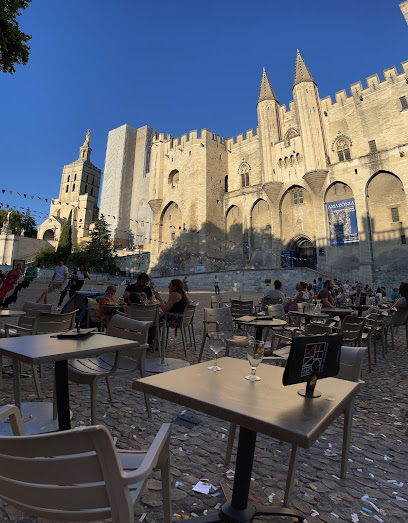
Le Palais Royal
12.1 km
Discover the exquisite flavors and sophisticated ambiance at Le Palais Royal, a premier bar and restaurant in the heart of Avignon.
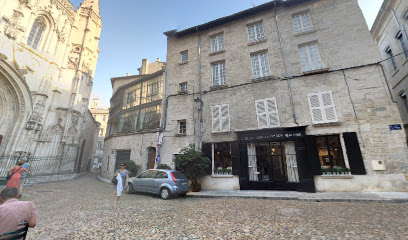
Opéra Café
12.2 km
Discover the charm of Opéra Café in Avignon, where delightful French cuisine meets an inviting atmosphere for an unforgettable dining experience.
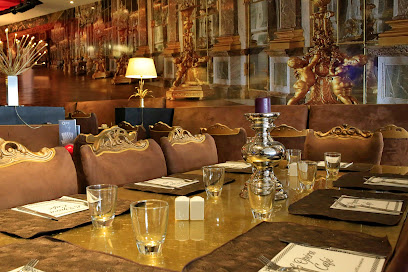
Au Fût et à mesure Avignon
12.2 km
Discover the lively atmosphere of Au Fût et à mesure Avignon, where craft beer meets live music and unforgettable experiences.
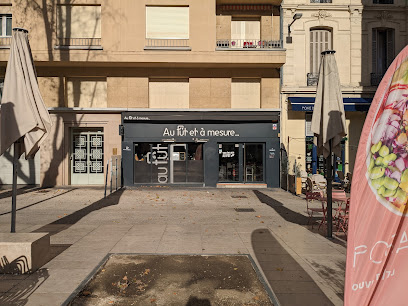
Barberousse Avignon
12.2 km
Experience the vibrant nightlife of Avignon at Barberousse, where quality drinks and a lively atmosphere await.
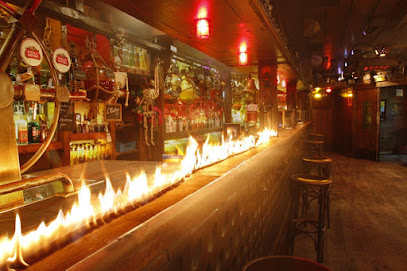
Café Saint-Jean
12.2 km
Experience the essence of French cuisine at Café Saint-Jean, Avignon's charming bistronomic restaurant and wine bar.
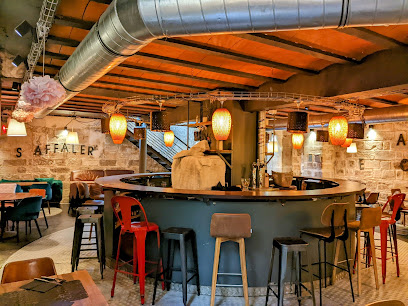
The Red Sky
12.2 km
Experience the vibrant nightlife of Avignon at The Red Sky, where delightful drinks and a welcoming atmosphere await you.
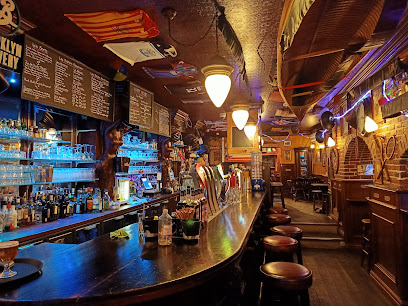
Arte Bar
12.2 km
Discover Arte Bar: a lively bar and amateur theater in Avignon, offering delicious food, refreshing drinks, and captivating performances.
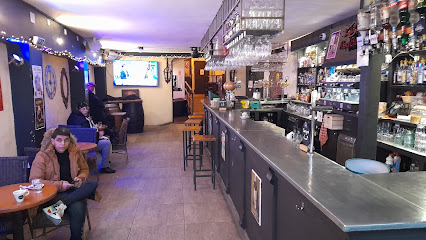
Lalogène
12.3 km
Discover the charming Lalogène bar in Avignon, offering a cozy atmosphere, a wide selection of drinks, and a taste of local culture.
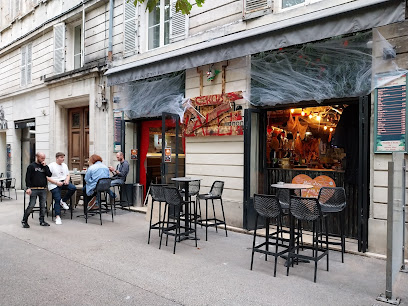
TAPIS ROUGE
12.3 km
Discover the charm of Avignon at Tapis Rouge, a cozy wine bar offering an exquisite selection of local and international wines.
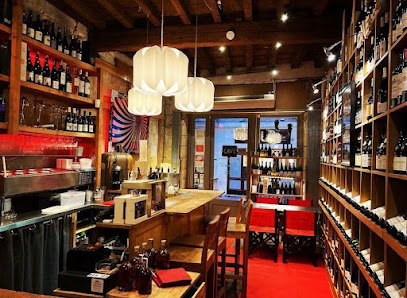
Bar La place ️| Terrasse Cocktail Music
12.3 km
Discover the vibrant Bar La Place in Avignon for an unforgettable cocktail experience with live music and a lively atmosphere.
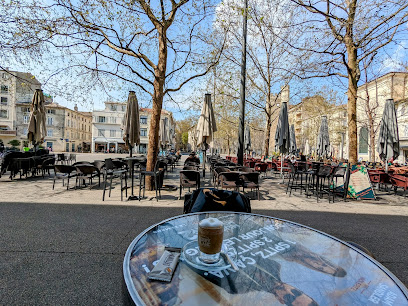
BAR DU CHANGE
12.3 km
Discover the vibrant atmosphere and exquisite cuisine of Bar du Change, a must-visit bar and brasserie in the heart of Avignon.
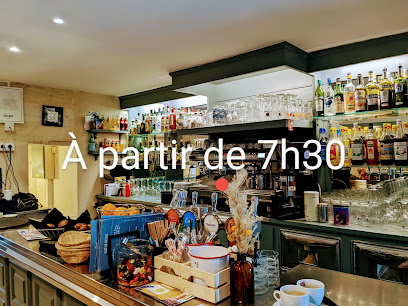
Le Marseillais
12.3 km
Discover the lively ambiance of Le Marseillais, a cultural hotspot in Avignon, perfect for drinks, live music, and unforgettable experiences.
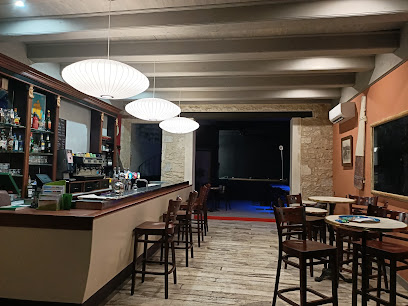
Nightclubs & after hour spots

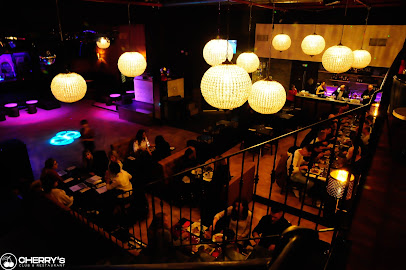
Cherry's Club & Restaurant Avignon
9.4 km
Discover the electrifying nightlife of Avignon at Cherry's Club & Restaurant, where delicious dining meets vibrant disco vibes.
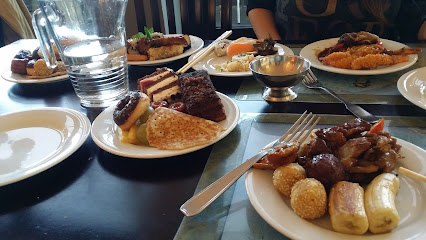
Carré Rouge
9.7 km
Discover the electric nightlife at Carré Rouge, where pulsating beats and vibrant crowds create an unforgettable party experience in Le Pontet.
L'Étage
9.7 km
Discover the vibrant nightlife at L'Étage, a premier disco club in Le Pontet, where music, dancing, and excitement await every night.
Club Privé Billionaire
9.7 km
Discover the electrifying nightlife at Club Privé Billionaire, Le Pontet's premier night club for dance, music, and unforgettable experiences.
Vynil's Klub Discothèque
10.4 km
Experience the electrifying nightlife at Vynil's Klub Discothèque in Avignon, where music, dance, and excitement unite for an unforgettable evening.
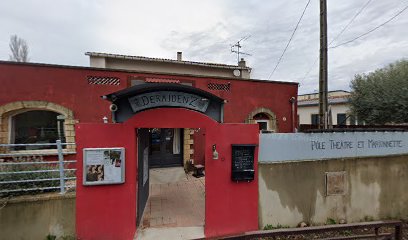
Bokao's
11.8 km
Discover the vibrant nightlife at Bokao's, Avignon's ultimate night club offering unforgettable music, drinks, and dancing until dawn.
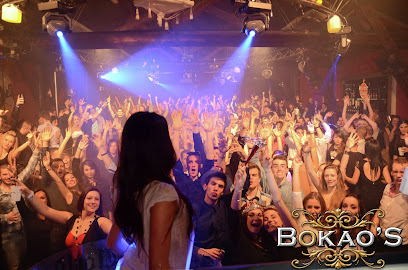
AJMi Jazz Club - La Manutention
11.9 km
Immerse yourself in the vibrant jazz scene at AJMi Jazz Club in Avignon, where live music and a cozy atmosphere await every night.
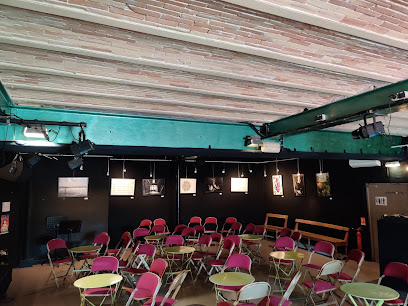
Le Luxe Club
12.0 km
Experience the electrifying energy of Le Luxe Club, Avignon's top disco destination for unforgettable nights filled with music, dancing, and vibrant socializing.
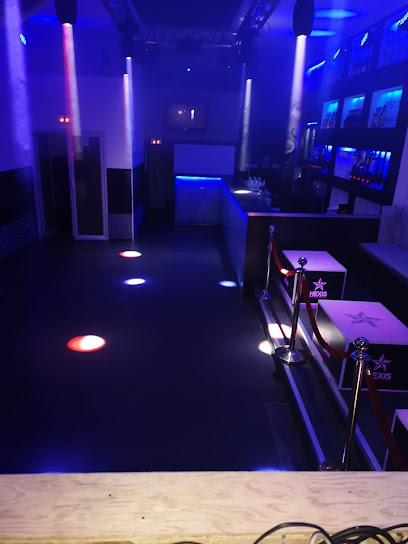
L'Esclave
12.0 km
Experience the vibrant nightlife of Avignon at L'Esclave, where music and dance come alive in a modern setting.
Red Zone
12.1 km
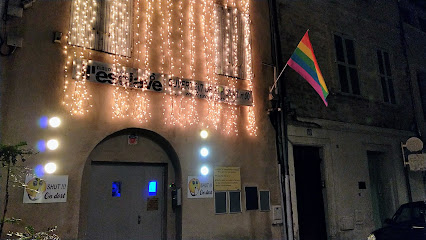
Discover the energy of Avignon at Red Zone, a premier hookah bar offering unique flavors and an unforgettable nightlife experience.
Le Privé
12.2 km
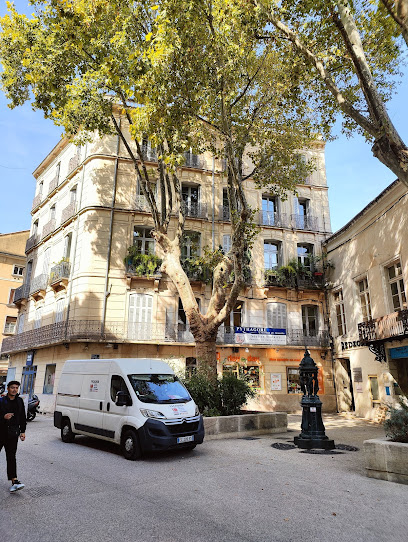
Discover the lively nightlife of Le Privé in Les Angles, where great music and a vibrant atmosphere create unforgettable experiences for all.
club Aphrodite
12.3 km
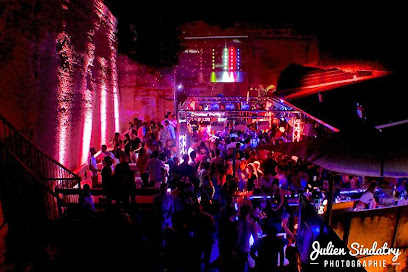
Discover the electrifying atmosphere of Club Aphrodite, Avignon's premier night club combining music, dance, and dining for an unforgettable night out.
Les Ambassadeurs
12.4 km
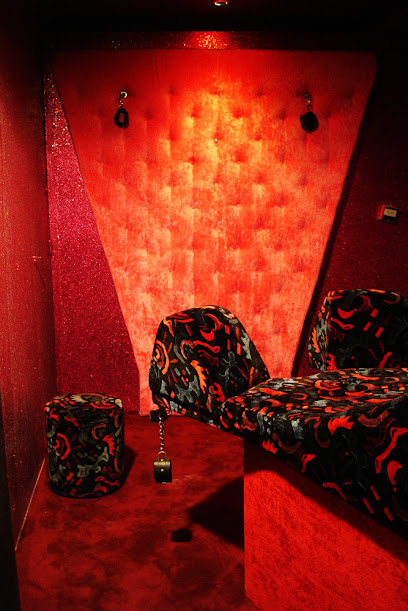
Experience the vibrant nightlife of Avignon at Les Ambassadeurs, a premier night club with electrifying music and a lively atmosphere.
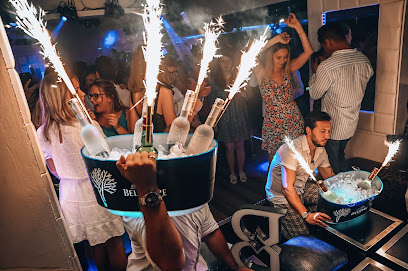
Le Darjeeling club
12.6 km
Experience luxury and relaxation at Le Darjeeling Club, a unique adult entertainment venue blending lounge, sauna, and spa in Avignon.
The Clash Bar
12.6 km
Experience the vibrant performing arts scene at The Clash Bar in Avignon, where creativity and culture come alive through unforgettable performances.