
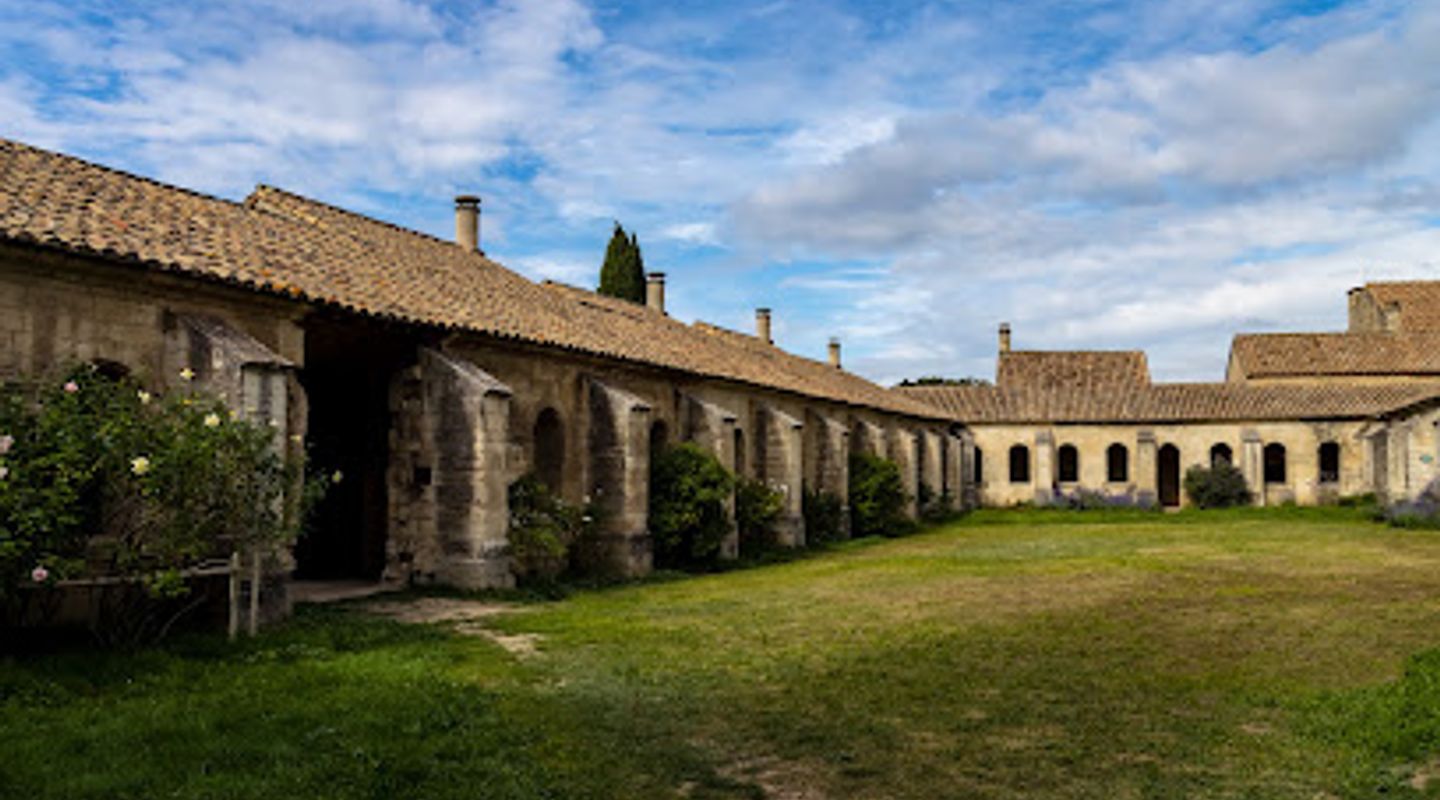
La Chartreuse de Villeneuve, Avignon Travel Guide
Discover La Chartreuse de Villeneuve-lès-Avignon, a historic Carthusian monastery transformed into a vibrant cultural center, blending medieval architecture with contemporary art and theater.
La Chartreuse de Villeneuve-lès-Avignon, one of the largest Carthusian monasteries in France, offers a serene escape into history and art. Founded in 1356 by Pope Innocent VI, this remarkable heritage site features a blend of Gothic and Renaissance architecture, including three cloisters, forty cells, a church, and stunning gardens. Today, La Chartreuse is also a vibrant cultural center, hosting artists in residence and a variety of performances. Visitors can explore the beautifully preserved buildings, admire the frescoes by Matteo Giovannetti, and wander through the peaceful grounds, experiencing a unique dialogue between heritage and creativity. With its rich history and ongoing cultural significance, La Chartreuse provides a captivating glimpse into monastic life and artistic innovation.
A brief summary to La Chartreuse de Villeneuve
- 17-5, All. des Mûriers, Villeneuve-lès-Avignon, 30400, FR
- Click to display
- Tuesday 9:30 am-6:30 pm
- Wednesday 9:30 am-6:30 pm
- Thursday 9:30 am-6:30 pm
- Friday 9:30 am-6:30 pm
- Saturday 9:30 am-6:30 pm
- Sunday 9:30 am-6:30 pm

Know before you go
Hi, I'm Eve. Here are a few practical things to know before exploring La Chartreuse de Villeneuve.
- Check the schedule for performances or events during your visit to experience the Chartreuse as a living cultural center.
- Explore the gardens for a peaceful retreat and stunning views of the surrounding landscape.
- Take a guided tour to delve deeper into the history and architectural details of the monastery.
- Visit the library-cafe for a relaxing break and to browse books related to the Chartreuse and its history.
- Combine your visit with other attractions in Villeneuve-lès-Avignon, such as Fort Saint-André and the Abbey of Saint-André, for a comprehensive exploration of the town's heritage.
Do you manage this location?
Take control to get all the benefits, like improved information, better appearance, and stronger visibility across AI-powered discovery. Learn more about listing your business on Evendo
Activate your presenceOther nearby places you may find interesting
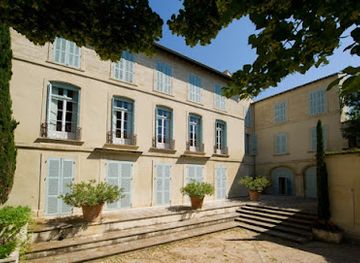
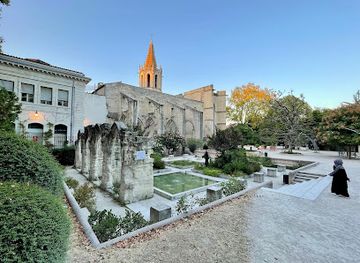
The closest places of the same kind, if this one is not quite what you had in mind.
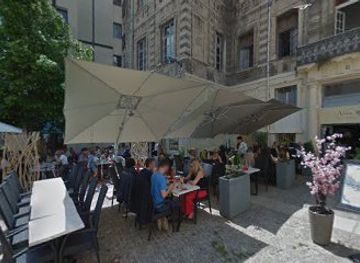

Explore La Chartreuse de Villeneuve on the Map
A handpicked selection of must-see spots near La Chartreuse de Villeneuve, mapped for you.
Getting There
-
Public Transport
From Avignon Centre train station, take the Orizo bus line 5 towards Cigalières. The bus journey takes approximately 15 minutes. Get off at either the 'Office de Tourisme' or 'Parking Chartreuse' stop, both of which are a short walk (5 minutes) to La Chartreuse. A single bus ticket costs €1.40, or a day pass is available for €3.50, sold directly on the Urban Pulse app.
-
Walking
From the Porte de l'Oulle in Avignon, it's approximately a 35-minute walk to La Chartreuse. Cross the Rhône River via the Daladier bridge, then turn right towards Villeneuve Centre. Continue for about 1 km, then at the roundabout, go straight, following signs for La Chartreuse. Be aware that the route involves crossing a bridge and walking along roads with moderate traffic.
-
Driving
From the A7 highway, take the 'Avignon Nord' exit and follow signs for Avignon Centre, then Villeneuve-lès-Avignon. Cross the 'Pont Daladier' bridge and turn right towards Villeneuve Centre. Continue for approximately 1 km, then go straight at the roundabout, driving around Fort Saint-André to the traffic lights. The Chartreuse car park (Parking 3) is on your left. Parking fees are approximately €2 per hour.
Discover more about La Chartreuse de Villeneuve
More to explore near La Chartreuse de Villeneuve













Your all‑in‑one travel companion app
Explore expert travel guides, compare and book tours, experiences, hotels, and more—all from the palm of your hand. Download now for seamless trip planning wherever your wanderlust takes you.


Explore More of Avignon
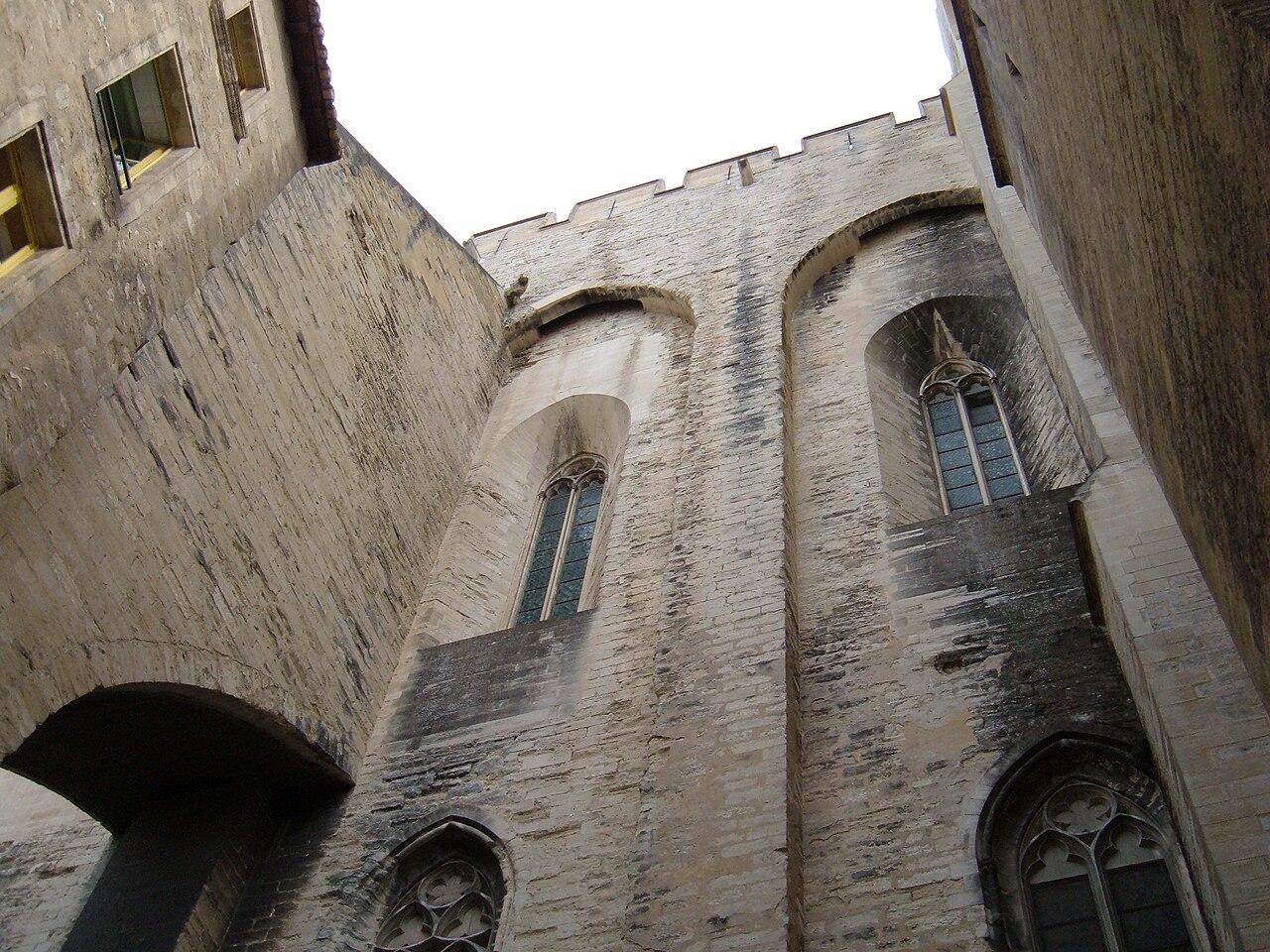
Looking beyond La Chartreuse de Villeneuve? Discover Avignon for broader travel guides, local hot-spots, and regional highlights.
Explore Avignon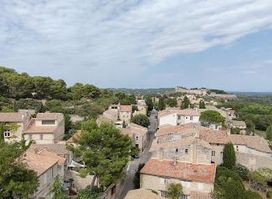
Experience the enchanting beauty and rich history of Villeneuve-lès-Avignon, a picturesque commune in southern France, just across from Avignon.
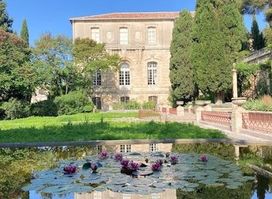
Explore the serene Abbey St. Andrew in Villeneuve-lès-Avignon, a cultural landmark featuring stunning architecture, art, and beautiful gardens.
