

Chartrons (Bordeaux) Travel Guide - Free
Explore Chartrons in Bordeaux with Evendo's free guide. Find the best shops, historic streets, restaurants, and gems on web or mobile.


Chartrons in Bordeaux blends historic wine warehouses, riverside quays, antique shops, art spaces, cafés and elegant streets north of the old city centre.
A Former Wine-Merchant Quarter
Chartrons occupies the ground between Bordeaux’s historic centre and the Garonne, stretching from the riverfront towards the Jardin Public and the northern boulevards. Its name recalls the Carthusian monks, or Chartreux, who established a priory here in the Middle Ages; later, the district became closely associated with the Protestant and international wine merchants who shaped Bordeaux’s export trade. The grand façades along the Quai des Chartrons and the quieter streets behind them still suggest that mercantile past.Read more about Chartrons
Streets, Quays and Architecture
Art, Wine and Everyday Life
Best attractions in Chartrons
Chartrons’ attractions are closely tied to its position between Bordeaux’s historic centre and the Garonne. Begin at the Quai des Chartrons, where the broad riverside promenade offers long views, open air and a clear sense of the city’s relationship with its river. Inland, rue Notre-Dame combines former merchant buildings with antique shops, design stores and cafés, making the street itself part of the sightseeing experience. The Musée du Vin et du Négoce, housed in an old wine merchant’s building on rue Borie, explains the trade that shaped the district, while the CAPC musée d’art contemporain occupies the former Entrepôt Lainé and brings a contrasting contemporary perspective to the warehouse heritage. The Église Saint-Louis des Chartrons, the Marché des Chartrons and the quieter streets around cours Xavier Arnozan add architectural and everyday interest without requiring a long itinerary.
-
Tourist attraction
Cap Sciences
Explore the wonders of science and technology at Cap Sciences in Bordeaux, with interactive exhibits, workshops, and stunning views of the Garonne River, perfect for curious minds of all ages.
5 min drive · 1.8 km from neighbourhood centre
-
Tourist attraction
Jardin Botanique de Bordeaux
Explore a world of botanical wonders at Jardin Botanique de Bordeaux, a tranquil oasis showcasing diverse plant collections, thematic gardens, and educational exhibits in the heart of the city.
10 min walk · 0.8 km from neighbourhood centre
-
Tourist attraction
Jardin Botanique du Jardin Public
Discover a world of botanical wonders at Bordeaux's Jardin Botanique: explore diverse plant collections, engage in educational workshops, and escape to a tranquil oasis in the city center.
9 min walk · 0.7 km from neighbourhood centre


Best landmarks in Chartrons
The architectural identity of Chartrons is anchored by the limestone façades and former merchant premises lining the streets between the Garonne and the inland boulevards. The Église Saint-Louis des Chartrons is the quarter’s principal religious landmark, while the Musée du Vin et du Négoce preserves the memory of the merchants, cellars and export networks that made the district important. Further south, the former Entrepôt Lainé now houses the CAPC musée d’art contemporain, an imposing reminder of Chartrons’ warehouse architecture and its later cultural reuse. Along the Quai des Chartrons, the sequence of eighteenth- and nineteenth-century buildings expresses Bordeaux’s historic riverfront development, even where original commercial functions have changed. Rue Notre-Dame is significant less for one monument than for the continuity of its façades, workshops, shops and former trade premises, which make the neighbourhood’s mercantile past legible at street level.
-
Museum
La Cité du Vin
Explore the world of wine at Bordeaux's premier cultural center: immersive exhibits, tastings, and panoramic views await!
7 min drive · 2.2 km from neighbourhood centre
-
Monument
Monument aux Girondins
A majestic monument in Bordeaux honoring the Girondins, featuring a towering column, bronze fountains, and allegorical sculptures on the expansive Place des Quinconces.
6 min walk · 0.5 km from neighbourhood centre
-
 Monument
Grosse Cloche
Discover Bordeaux's iconic Grosse Cloche, a historic bell tower that has chimed through centuries of the city's vibrant past.
18 min walk · 1.5 km from neighbourhood centre
-
Historical landmark
Place des Quinconces
Discover Place des Quinconces, one of Europe's largest squares, in the heart of Bordeaux, featuring monuments, events, and easy access to the city.
5 min walk · 0.4 km from neighbourhood centre


Explore Chartrons on the map
A handpicked selection of must-see spots in Chartrons, mapped for you.
Best hotels in Chartrons
Best restaurants in Chartrons
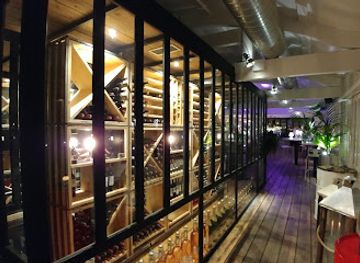
Chartrons has one of Bordeaux’s more appealing concentrations of relaxed dining, particularly around rue Notre-Dame, the streets near the Église Saint-Louis des Chartrons and the Quai des Chartrons. Former commercial premises now accommodate cafés, bistros, wine bars and restaurants where regional ingredients meet contemporary French cooking and international influences. The area’s wine-trade history is reflected in the number of places where Bordeaux wines are served by the glass, although the dining scene is broader than wine tasting alone. The Marché des Chartrons provides a useful glimpse of everyday food shopping, with seasonal produce and prepared foods contributing to the neighbourhood’s local rhythm. Riverside terraces are attractive for an unhurried meal, while the inland streets offer a more enclosed, neighbourhood feel. Visitors should distinguish the district’s independent cafés and restaurants from the larger dining concentrations of the central old town and the newer food venues elsewhere along the river.
-
French
Le Confidentiel
Experience the essence of French cuisine at Le Confidentiel in Bordeaux - where elegance meets culinary excellence along the Garonne River.
8 min walk · 0.6 km from neighbourhood centre
-
Restaurant
El Nacional
Discover El Nacional in Bordeaux: A sophisticated restaurant blending traditional French cuisine with modern elegance for an unforgettable dining experience.
6 min walk · 0.5 km from neighbourhood centre
-
French
Chez Dupont
Experience authentic French cuisine at Chez Dupont, where tradition meets modern dining in the heart of Bordeaux.
4 min walk · 0.3 km from neighbourhood centre
-
Restaurant
Le Bistrot des Anges
Experience exquisite French cuisine and craft beer at Le Bistrot des Anges in Bordeaux – where tradition meets innovation.
6 min walk · 0.5 km from neighbourhood centre


Best bars in Chartrons
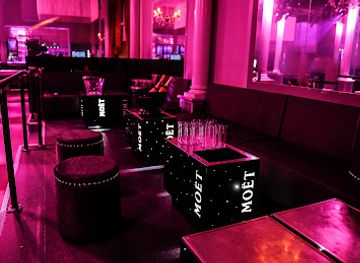
Chartrons’ evening life is sociable rather than dominated by large nightclubs. The Quai des Chartrons and rue Notre-Dame have wine bars, cafés and restaurants that become natural meeting places after work and into the evening, with the neighbourhood’s wine-trade heritage lending particular weight to tasting rooms and bottle-focused venues. Bars around Place Paul Doumer and the adjoining streets provide further options, though the atmosphere changes noticeably from busy dining hours to quieter residential streets. The CAPC and other cultural venues can add an occasional evening dimension through exhibitions or programmed events, but schedules vary. Visitors seeking large clubs or a concentrated late-night scene may need to continue towards other parts of Bordeaux; Chartrons is better suited to conversation, food, wine and a riverside walk than to a single entertainment strip.
-
Irish pub
Molly Malone's
Discover the charm of Molly Malone's, an Irish pub in Bordeaux offering delicious food, lively music, and a warm atmosphere for every traveler.
8 min walk · 0.7 km from neighbourhood centre
-
Cocktail bar
Symbiose
Discover the vibrant flavors of Bordeaux at Symbiose, where innovative cocktails and exquisite French cuisine create an unforgettable dining experience.
1 min walk · 0.1 km from neighbourhood centre
-
Bar
The Market Tavern
Experience the vibrant atmosphere of The Market Tavern in Bordeaux, where locals gather for excellent drinks and hearty pub fare.
6 min walk · 0.5 km from neighbourhood centre
-
Wine bar
YARRA
Experience the essence of Bordeaux at YARRA, a charming wine bar offering exquisite selections and a vibrant atmosphere in the heart of the city.
3 min walk · 0.2 km from neighbourhood centre


Best nightclubs in Chartrons
Chartrons’ evening life is sociable rather than dominated by large nightclubs. The Quai des Chartrons and rue Notre-Dame have wine bars, cafés and restaurants that become natural meeting places after work and into the evening, with the neighbourhood’s wine-trade heritage lending particular weight to tasting rooms and bottle-focused venues. Bars around Place Paul Doumer and the adjoining streets provide further options, though the atmosphere changes noticeably from busy dining hours to quieter residential streets. The CAPC and other cultural venues can add an occasional evening dimension through exhibitions or programmed events, but schedules vary. Visitors seeking large clubs or a concentrated late-night scene may need to continue towards other parts of Bordeaux; Chartrons is better suited to conversation, food, wine and a riverside walk than to a single entertainment strip.
-
Night club
Le Cercle - Boite de nuit à Bordeaux
Discover the lively nightlife of Bordeaux at Le Cercle, where music and dance create unforgettable moments in a stylish atmosphere.
8 min walk · 0.7 km from neighbourhood centre
-
Night club
Le Theatro
Discover the electrifying nightlife at Le Theatro, Bordeaux's top night club, where music and fun come together for an unforgettable experience.
5 min drive · 1.8 km from neighbourhood centre
-
Karaoke bar
BAM Karaoke Box Bordeaux - Chartrons
Experience the thrill of karaoke at BAM Karaoke Box Bordeaux - Chartrons, where great music and cocktails meet for an unforgettable night out.
5 min walk · 0.4 km from neighbourhood centre
-
Night club
LA DAME Club
Discover Bordeaux's nightlife at LA DAME Club, where music and dance create unforgettable memories in a chic setting.
6 min drive · 2.1 km from neighbourhood centre


Best shops in Chartrons
Shopping in Chartrons is centred on independent retail rather than department stores. Rue Notre-Dame is the area’s best-known browsing street, with antique dealers, vintage furniture, decorative objects, design pieces, books and specialist shops occupying buildings that once served more commercial purposes. The precise mix changes over time, but the street retains a distinctly curated and residential character compared with Bordeaux’s principal high-street shopping areas. The Marché des Chartrons, held at the neighbourhood’s market building, is more useful for food shopping and local observation than for souvenirs, with stalls reflecting everyday regional produce. Smaller shops and galleries extend towards the Quai des Chartrons and the surrounding side streets, while the area’s proximity to the central city makes it easy to combine independent browsing with broader retail streets elsewhere. Opening days and individual business hours vary, so visitors should allow flexibility rather than plan around a single shop.
-
Store
Bord'eau Village
Explore the vibrant Bord'eau Village in Bordeaux, a delightful destination for shopping, dining, and cultural experiences along the waterfront.
15 min walk · 1.2 km from neighbourhood centre
-
Store
Do you speak French?
Explore the unique charm of Bordeaux at 'Do you speak French?', your go-to store for cosmetics, jewelry, home goods, and more!
6 min walk · 0.5 km from neighbourhood centre
-
Cannabis store
A CBD SHOP Bordeaux Chartrons
Explore the finest CBD products in Bordeaux's Chartrons district, where quality meets community in a vibrant shopping experience.
3 min walk · 0.3 km from neighbourhood centre
-
Clothing store
Urban Kustom Shop
Explore the vibrant fashion scene at Urban Kustom Shop, where style meets individuality in the heart of Bordeaux.
4 min walk · 0.3 km from neighbourhood centre


Chartrons essentials
Getting There
Getting Around
Safety
Emergency Situations
Do's and Don'ts
Local Tips

From Eve
Local phrases worth knowing
You don't need to get them perfect. A few words go a long way, and locals appreciate the effort.
Basics
| English | Local | Say it |
|---|---|---|
| Hello | Bonjour | [bon-zhoor] |
| Goodbye | Au revoir | [oh ruh-vwahr] |
| Yes | Oui | [wee] |
| No | Non | [nohn] |
| Please/You're welcome | S'il vous plaît / De rien | [seel voo pleh / duh ree-uhn] |
| Thank you | Merci | [mehr-see] |
| Excuse me/Sorry | Excusez-moi / Désolé | [ex-kew-zay mwa / day-zoh-lay] |
| How are you? | Comment ça va ? | [koh-mohn sah vah] |
| Fine. And you? | Bien. Et toi ? | [byen. ay twah] |
| Do you speak English? | Parlez-vous anglais ? | [par-lay voo ahn-glay] |
| I don't understand | Je ne comprends pas | [zhuh nuh kohm-prahn pah] |
Eating & Drinking
| English | Local | Say it |
|---|---|---|
| I'd like to see the menu, please | Je voudrais voir la carte, s'il vous plaît | [zhuh voo-dray vwahr lah kart, seel voo pleh] |
| I don't eat meat | Je ne mange pas de viande | [zhuh nuh mahnj pah duh vee-ahnd] |
| Cheers! | Santé ! | [sahn-tay] |
| I would like to pay, please | Je voudrais payer, s'il vous plaît | [zhuh voo-dray pay-ay, seel voo pleh] |
Emergencies
| English | Local | Say it |
|---|---|---|
| Help! | Au secours ! | [oh suh-coor] |
| Go away! | Allez-vous en ! | [ah-lay voo zahn] |
| Call the Police! | Appelez la police ! | [ah-puh-lay lah poh-lees] |
| Call a doctor! | Appelez un médecin ! | [ah-puh-lay uh mayd-sahn] |
| I'm lost | Je suis perdu | [zhuh swee pair-doo] |
| I'm ill | Je suis malade | [zhuh swee mah-lahd] |
Shopping
| English | Local | Say it |
|---|---|---|
| I'd like to buy... | Je voudrais acheter... | [zhuh voo-dray ah-shet-ay] |
| I'm just looking | Je regarde juste | [zhuh ruh-gard zhuhst] |
| How much is it? | Combien ça coûte ? | [kohm-byen sah koot] |
| That's too expensive | C'est trop cher | [say troh share] |
| Can you lower the price? | Pouvez-vous baisser le prix ? | [poo-vay voo bay-say luh pree] |
Time & Numbers
| English | Local | Say it |
|---|---|---|
| What time is it? | Quelle heure est-il ? | [kell uhr eh-teel] |
| It's one o'clock | Il est une heure | [eel eh tun uhr] |
| Half past (10) | Dix et demie | [dees ay duh-mee] |
| Morning | Matin | [mah-tahn] |
| Afternoon | Après-midi | [ah-pray mee-dee] |
| Evening | Soir | [swahr] |
| Yesterday | Hier | [yehr] |
| Today | Aujourd'hui | [oh-zhoor-dwee] |
| Tomorrow | Demain | [duh-mahn] |
| 1 | Un | [uhn] |
| 2 | Deux | [duh] |
| 3 | Trois | [twah] |
| 4 | Quatre | [kah-truh] |
| 5 | Cinq | [sank] |
| 6 | Six | [sees] |
| 7 | Sept | [sept] |
| 8 | Huit | [wheat] |
| 9 | Neuf | [nurf] |
| 10 | Dix | [dees] |
Transport & Directions
| English | Local | Say it |
|---|---|---|
| Where's a/the...? | Où se trouve...? | [oo suh troov] |
| What's the address? | Quelle est l'adresse ? | [kell eh lahd-rehs] |
| Can you show me (on the map)? | Pouvez-vous me montrer (sur la carte) ? | [poo-vay voo muh mohn-tray (sur lah kart)] |
| When's the next (bus)? | Quand est le prochain (bus) ? | [kahn eh luh proh-shahn (bus)] |
| A ticket (to ....) | Un billet (pour ....) | [uhn bee-yay (poor)] |
History of Chartrons
The Carthusian Origins
Chartrons takes its name from the Chartreux, the Carthusian monks who founded a priory in this part of Bordeaux during the Middle Ages. The area lay beyond the dense medieval centre, close to the Garonne and its marshy margins, and initially had a more rural and religious character than the city’s central parishes. The priory’s presence helped give the district its name, while its position outside the old urban core later proved valuable to merchants needing storage, river access and room for commercial premises.
Wine Merchants on the Garonne
From the seventeenth century onwards, Chartrons developed as a quarter of wine merchants, many of them connected to overseas trade and Protestant commercial networks. Merchants established offices, cellars and warehouses between the river and the inland streets, buying wine from the Bordeaux region for shipment through the port. The district’s built character reflects this economy: substantial limestone houses for merchants stand alongside utilitarian storage buildings and passages leading towards the quays. The international orientation of the wine trade gave Chartrons a distinctive identity within Bordeaux.
Quays, Warehouses and Urban Expansion
The development of the quays and improvements to Bordeaux’s port infrastructure strengthened Chartrons’ relationship with the Garonne. River transport supported the movement of barrels and goods, while the growing city gradually absorbed the former peripheral quarter. The Église Saint-Louis des Chartrons became an important local religious landmark, and the surrounding streets acquired the ordered façades and commercial premises associated with Bordeaux’s eighteenth- and nineteenth-century expansion. Although wine merchants remained central to the area’s reputation, related trades, workers and residents also formed the everyday social fabric of the district.
From Port Quarter to Cultural District
As port operations moved away from the central quays during the twentieth century, the large warehouses of Chartrons lost much of their original commercial purpose. Several were adapted rather than demolished, most notably the Entrepôt Lainé, which became the CAPC musée d’art contemporain in the 1970s. The riverside was subsequently reshaped as a public promenade, while restoration brought renewed attention to the quarter’s nineteenth-century buildings and wine-trade heritage. Contemporary Chartrons combines residential life, independent retail, restaurants and cultural institutions with visible reminders of the working port that preceded it.
Chartrons in Photos
Browse through our photo collection highlighting the charm and character of the destination.
Neighbourhoods near Chartrons
The closest neighbourhoods to Chartrons, if you have time for more than one stop.
-

-

-

-

-


Swipe for more neighbourhoods
Explore more

Explore more of Bordeaux
Bordeaux, France, pairs UNESCO-listed riverside architecture with wine culture, elegant squares, museums, markets, lively dining and memorable urban sightseeing.
Explore Bordeaux