
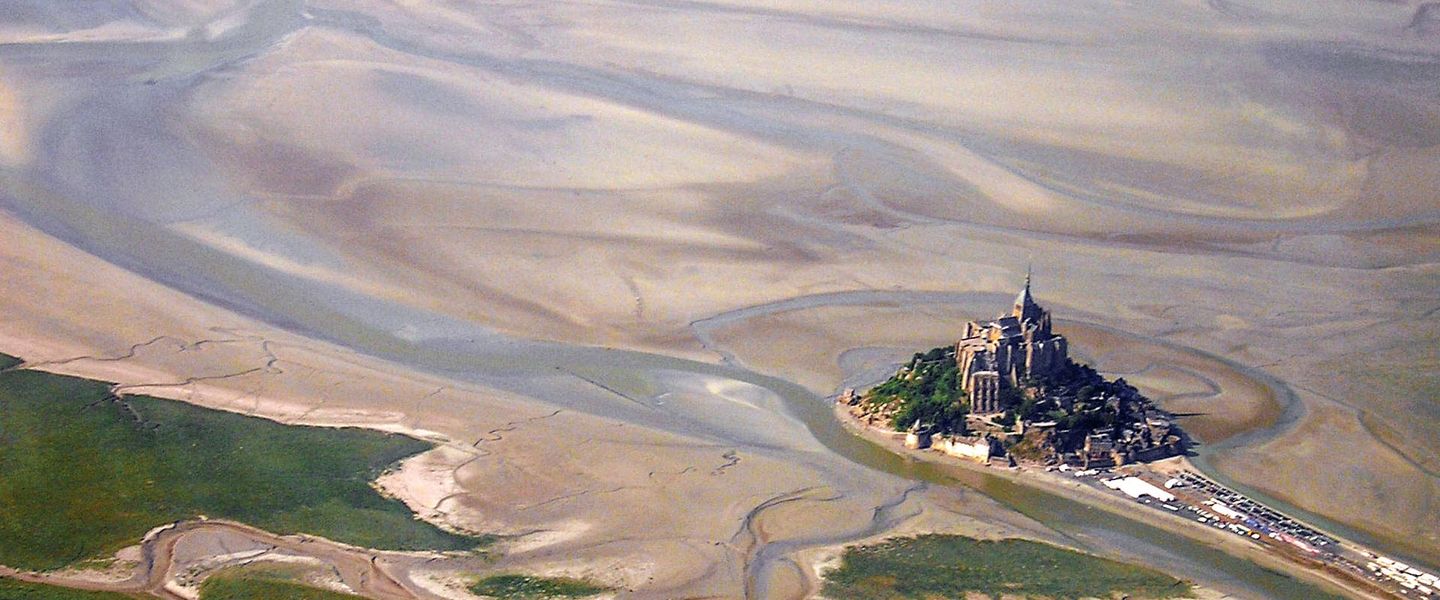
Brittany, France Travel Guide
Discover Brittany, France's enchanting northwest region, renowned for its stunning coastlines, medieval towns, and rich Celtic heritage.
Brittany, located in the northwest of France, is a region brimming with natural beauty and rich cultural heritage. Known for its rugged coastline, picturesque villages, and ancient Celtic traditions, Brittany offers a unique charm that captivates every visitor. The region is famous for its dramatic landscapes, from the pink granite coast to the windswept cliffs of Pointe du Raz. Whether you're a nature lover, history buff, or simply seeking a tranquil escape, Brittany has something special for you. One of the highlights of Brittany is its charming medieval towns, such as Dinan, with its cobbled streets and half-timbered houses, and Quimper, known for its beautiful Gothic cathedral and lively markets. The region's capital, Rennes, is a vibrant city with a youthful spirit, thanks to its large student population. Here, you can explore the historic center, enjoy local cuisine, and experience the lively cultural scene. Brittany is also famous for its festivals, such as the Festival Interceltique de Lorient, which celebrates Celtic culture with music, dance, and traditional costumes. The region's culinary delights, including fresh seafood, crepes, and cider, are not to be missed. The Breton people are known for their warm hospitality, making every visitor feel welcome. Whether you are exploring the rugged coastline, wandering through ancient forests, or enjoying a meal in a cozy bistro, Brittany promises an unforgettable experience.

Know before you go
Hi, I'm Eve. Here are a few practical things to know before exploring Brittany.
- Learn a few basic phrases in Breton to connect with the locals, as many still speak this Celtic language.
- Visit outside of peak tourist seasons (July and August) for a more relaxed experience and better prices.
- Don't miss trying the local specialty, Kouign-amann, a delicious buttery pastry.
- Bring layers of clothing, as the coastal weather can be unpredictable and change quickly.
- Rent a car to explore the region's countryside and coastal areas, as public transport can be limited.
Top City Travel Guides in Brittany
The cities of Brittany, and the easiest places to base yourself.


Destinations in Brittany
Resorts, valleys and scenic spots worth a trip of their own.


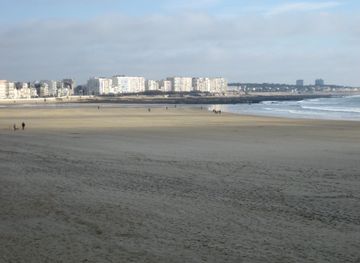
Explore Brittany: Things to Do, Places to Eat, Hotels & More
Handpicked recommendations for top attractions, local dining, accommodations, and more

Top Attractions & Sightseeing in Brittany
Top-rated picks
Best Attractions

Mont-Saint-Michel Abbey
Explore a medieval abbey perched on a tidal island, a UNESCO World Heritage site with a rich history and stunning architecture.

Fort la Latte (Château de La Roche Goyon)
Discover Fort La Latte, Brittany's most spectacular coastal fortress: a historic castle offering breathtaking views, medieval gardens, and a journey through centuries of Breton history.

Josselin Castle
Discover Josselin Castle, a majestic medieval fortress and ancestral home of the Rohan family, offering a captivating journey through Brittany's rich history and stunning architecture.

Huelgoat Forest
Discover the enchanting Huelgoat Forest in Brittany: a realm of granite chaos, Celtic legends, and natural beauty, where every stone whispers tales of giants and ancient magic.

Best landmarks in Brittany
Top-rated picks
Best Landmarks

Fort la Latte (Château de La Roche Goyon)
Explore the breathtaking beauty and rich history of Fort la Latte, a stunning fortress overlooking the sea in Brittany, France.

Moulin de Moidrey
Immerse yourself in the rich history and stunning scenery at Moulin de Moidrey, a cultural landmark near Mont Saint-Michel.

Malouinière de la Ville Bague
Explore the enchanting Malouinière de la Ville Bague, a historical landmark in Saint-Coulomb that showcases stunning architecture and rich cultural heritage.

Holland Bastion
Explore Holland Bastion in Saint-Malo: a 17th-century fortress offering panoramic views and a glimpse into the city's maritime history.


Best bars in Brittany
Top-rated picks
Best Bars

O'Connell's Irish Pub
Experience the vibrant atmosphere of O'Connell's Irish Pub in Rennes, where authentic Irish cuisine meets lively sports entertainment.

THE BLIND PIPER
Experience the charm of Irish culture at The Blind Piper, a beloved pub in Brest offering hearty food, live music, and a fantastic drink selection.

Cunningham's Bar
Discover the vibrant nightlife of Saint-Malo at Cunningham's Bar, where local brews and cocktails meet a lively atmosphere.

Saint Patrick
Discover the vibrant atmosphere of Saint Patrick Pub, the heart of social life in Saint-Malo, where good drinks and great company await you.

Best nightclubs in Brittany
Top-rated picks
Best Nightclubs

Discothèque La Villa Kirov
Experience the vibrant nightlife at Discothèque La Villa Kirov, a premier night club in Vannes featuring top DJs and a lively atmosphere for an unforgettable evening.

Le Ten Club
Discover the energetic nightlife of Plélan-le-Grand at Le Ten Club, where great music and good times await you until dawn.

LE MAJESTIC - Quimper
Discover the vibrant nightlife of Quimper at Le Majestic, where music and dance come alive in a lively club atmosphere.

The Candles Carnac
Discover the vibrant nightlife at The Candles Carnac – where dance, music, and socializing collide in a lively atmosphere.

Best shops in Brittany
Top-rated picks
Best Shops

Rennes Alma
Discover Rennes Alma, a vibrant shopping mall in Rennes offering diverse stores, dining options, and entertainment for an unforgettable shopping experience.

Centre Commercial La Madeleine-Carrefour Saint-Malo
Explore the Centre Commercial La Madeleine-Carrefour for shopping, dining, and local culture in the heart of Saint-Malo.

Marché de Rocabey
Experience the local flavors and vibrant culture at Marché de Rocabey, Saint-Malo's premier market for fresh produce and artisanal goods.

Les Galeries Du Mont-Saint Michel
Explore unique souvenirs at Les Galeries Du Mont-Saint Michel, your perfect gift shop near the iconic Mont-Saint-Michel.

Explore Brittany on the Map
A handpicked selection of must-see spots in Brittany, mapped for you.
Brittany Essentials
-
Brittany is well-connected through various modes of transport. The region is accessible by air via several airports, including Nantes Atlantique Airport, Rennes-Saint-Jacques Airport, and Brest Bretagne Airport. These airports have connections to major European cities. For those traveling by train, the French national railway company (SNCF) offers high-speed TGV services from Paris to Rennes, Brest, and Quimper. Driving is another option, with major highways (Autoroutes) connecting Brittany to the rest of France. Ferries also operate from the UK and Ireland to Brittany's ports, such as Saint-Malo and Roscoff.
-
Within Brittany, transportation options include regional trains, buses, and car rentals. The TER regional train service connects major towns and cities. Bus services are available but might be less frequent in rural areas. Renting a car offers the most flexibility for exploring Brittany's countryside and coastal regions. Biking is also a popular way to explore, with numerous dedicated bike paths and scenic routes. In cities like Rennes and Nantes, public transportation options include buses, trams, and metro systems.
-
The official currency in France, including Brittany, is the Euro (EUR). Credit and debit cards are widely accepted in most establishments, including hotels, restaurants, and shops. However, it is advisable to carry some cash, especially when visiting smaller towns and rural areas. ATMs are readily available in cities and towns. Tipping is appreciated but not obligatory; rounding up the bill or leaving a small amount is customary in restaurants and for services.
-
Brittany is generally a safe destination for tourists. Standard precautions should be taken to ensure safety, such as avoiding walking alone at night in unfamiliar areas and keeping an eye on personal belongings in crowded places. There are no specific high-crime areas targeting tourists, but it is always best to stay vigilant and aware of your surroundings. Petty crimes like pickpocketing can occur in busy tourist spots, so keeping valuables secure is advisable.
-
In case of emergency, dial 112 for immediate assistance, which is the European emergency number for police, fire, and medical services. Major cities in Brittany have hospitals and medical facilities that can handle emergencies. It is recommended to have travel insurance that covers medical emergencies. Pharmacies, known locally as 'pharmacies,' are available in towns and cities where you can purchase over-the-counter medications and seek advice from pharmacists.
-
Fashion: Do dress smart-casual when dining out or visiting cultural sites. Don't wear beachwear away from the coast. Religion: Do respect local customs, especially in churches and religious sites. Don't speak loudly or take photos where it is prohibited. Public Transport: Do validate your ticket before boarding trains and buses. Don't eat or drink on public transport. Greetings: Do greet people with a simple 'Bonjour' (Hello) and 'Merci' (Thank you). A handshake is common in formal settings. Eating & Drinking: Do try local specialties like crepes, galettes, and cider. Don't rush your meals; dining is a leisurely experience in Brittany.
-
To experience Brittany like a local, visit the weekly markets, where you can find fresh produce, local cheeses, and seafood. Engage with locals, as they are often friendly and willing to share insights about their culture and traditions. Don't miss the coastal walking paths, known as 'Sentiers des Douaniers,' which offer stunning views of the coastline. Attending local festivals, such as Fest-Noz (night festivals with traditional Breton music and dancing), will give you a taste of the region's vibrant cultural life.
When is the best time to visit Brittany?
Useful Local Phrases for Brittany
You don't need to speak the language perfectly. Even learning a few simple words can make conversations warmer—and locals usually appreciate the effort.
— Eve

Here are the phrases I use most often in Brittany. Try a few—you'll be surprised how far they go! 😊
❤️
-
- HelloDemat
[deh-maht] - GoodbyeKenavo
[keh-nah-voh] - YesYa
[yah] - NoNann
[nahn] - Please/You're welcomeMar plij
[mahr pleez] - Thank youTrugarez
[troo-gah-rez] - Excuse me/SorryGoulennit
[goo-leh-neet] - How are you?Penaos e vez?
[peh-nah-ohs eh vehz] - Fine. And you?Mat. Ha me?
[maht. hah meh] - Do you speak English?Gritit saozneg?
[gree-teet sah-oz-neg] - I don't understandNe gomprenan ket
[neh gom-pren-an keh]
- HelloDemat
-
- I'd like to see the menu, pleaseEo c'hoant da glevet ar menou, mar plij
[eh-oh kho-ant dah kleh-vet ar meh-noo, mahr pleez] - I don't eat meatNe'm bezan ket kig
[neh'm beh-zan keh kig] - Cheers!Yec'hed mat!
[yeh-khed maht] - I would like to pay, pleaseEo c'hoant da zerc'hel, mar plij
[eh-oh kho-ant dah zehr-khel, mahr pleez]
- I'd like to see the menu, pleaseEo c'hoant da glevet ar menou, mar plij
-
- Help!Skoazell!
[sko-ah-zell] - Go away!Digevri!
[dee-geh-vree] - Call the Police!Appel ar polisi!
[ah-pehl ar poh-lee-see] - Call a doctor!Appel ur medisin!
[ah-pehl uhr meh-dee-seen] - I'm lostEo kollet
[eh-oh koh-let] - I'm illEo sick
[eh-oh seek]
- Help!Skoazell!
-
- I'd like to buy...Eo c'hoant da brenañ...
[eh-oh kho-ant dah breh-nahn] - I'm just lookingEo o klask hepken
[eh-oh oh klask hep-ken] - How much is it?Penaos a zo ar pris?
[peh-nah-ohs ah zo ar prees] - That's too expensiveTamm ebet a zo re vras
[tahm eh-bet ah zo reh vras] - Can you lower the price?Gallout a c'houlenn an pris da dregas?
[gah-loot ah kwoo-lenn an prees dah dreh-gahs]
- I'd like to buy...Eo c'hoant da brenañ...
-
- What time is it?Penaos ar mintin?
[peh-nah-ohs ar min-teen] - It's one o'clockUn o'clock
[uhn oh-clock] - Half past (10)Hanternoz (10)
[han-ter-nohz (10)] - MorningMiz du
[mee-zh doo] - AfternoonGouel
[goo-el] - EveningNoz
[nohz] - YesterdayHiziv
[hee-zeev] - TodayHiziv
[hee-zeev] - TomorrowWar an da
[war an dah] - 1Un
[uhn] - 2Duo
[doo-oh] - 3Tri
[tree] - 4Pevar
[peh-var] - 5Pemp
[pemp] - 6C’hwec’h
[k'wek] - 7Seizh
[sayz] - 8Eizh
[ayz] - 9Nav
[nahv] - 10Diz
[deez]
- What time is it?Penaos ar mintin?
-
- Where's a/the...?Peleh 'm eus ur...?
[peh-leh 'm oos uhr...?] - What's the address?Peleh eo ar chomlec'h?
[peh-leh eh-oh ar khom-lekh?] - Can you show me (on the map)?Gallout a c'houlenn din (war ar map)?
[gah-loot ah kwoo-lenn deen (war ar map)?] - When's the next (bus)?Peleh e vo ar bus da zont?
[peh-leh eh vo ar boos dah zont?] - A ticket (to ....)Ur tiked (da ....)
[uhr tee-ked (dah ....)]
- Where's a/the...?Peleh 'm eus ur...?
History of Brittany
-
The Carnac Stones in the Morbihan department of Brittany are one of the most extensive Neolithic sites in the world. Dating back to around 4500 BCE, these megalithic alignments consist of over 3,000 standing stones, dolmens, and tumuli. The purpose of these stones is still debated, with theories ranging from astronomical observatories to sacred spaces for ancient rituals.
-
During the 5th and 6th centuries, waves of Celtic Britons emigrated from Great Britain to the Armorican Peninsula, fleeing the Anglo-Saxon invasions. This migration led to the establishment of the distinct Breton culture and language, which remains a vital part of the region’s identity today. The new settlers brought their own traditions, which significantly shaped the local customs and folklore.
-
The Duchy of Brittany was established in the early Middle Ages and remained a significant feudal state from the 9th to the 16th century. The duchy was often caught between the rivalries of France and England. Key figures such as Duchess Anne of Brittany played pivotal roles in the region's history. Her marriages to two successive French kings, Charles VIII and Louis XII, eventually led to the union of Brittany with France in 1532.
-
A civil war between 1341 and 1364, the War of the Breton Succession was fought over the ducal throne of Brittany. The conflict was part of the larger Hundred Years' War between France and England. The war concluded with the Treaty of Guérande, which recognized John IV as Duke of Brittany, solidifying the Montfort dynasty's hold on the duchy.
-
In the late 18th century, Brittany was significantly affected by the French Revolution. The region was a hotbed of royalist insurrection during the Chouannerie, a counter-revolutionary uprising. The Breton peasantry, clergy, and nobility resisted the revolutionary government's anti-clerical and centralizing policies, leading to brutal clashes and repression.
-
During World War II, Brittany was occupied by Nazi Germany from 1940 until 1944. The region saw significant resistance activity, as well as heavy fighting during the Battle of Brittany in the summer of 1944. Key cities like Brest and Saint-Malo were heavily bombed and saw intense combat as Allied forces liberated the region.
-
Brittany today is a vibrant region that celebrates its unique cultural heritage. The Breton language and traditions are actively preserved and promoted. Fest-noz (night festivals), traditional music, dance, and distinctive Breton cuisine are integral parts of the cultural landscape. The region’s identity is also visible in its distinct architectural styles, such as the iconic half-timbered houses and granite structures.
Neighbouring Regions of Brittany
The closest regions to Brittany, if you have time for more than one.


Your all‑in‑one travel companion app
Explore expert travel guides, compare and book tours, experiences, hotels, and more—all from the palm of your hand. Download now for seamless trip planning wherever your wanderlust takes you.


Explore More of France

Looking beyond Brittany? Discover France for broader travel guides, local hot-spots, and regional highlights.
Explore FranceBrittany in Photos
Browse through our photo collection highlighting the charm and character of the destination.


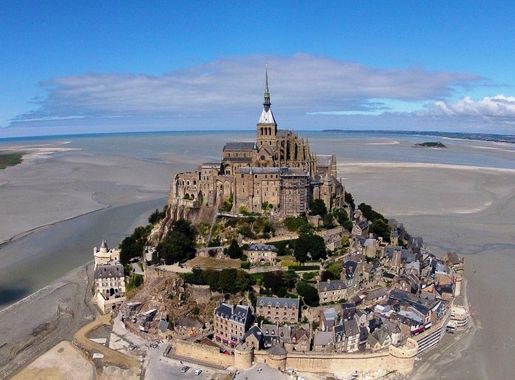


Brittany: The Jewel of France's West Coast
Brittany, located in the northwest of France, is a region brimming with natural beauty and rich cultural heritage. Known for its rugged coastline, picturesque villages, and ancient Celtic traditions, Brittany offers a unique charm that captivates every visitor. The region is famous for its dramatic landscapes, from the pink granite coast to the windswept cliffs of Pointe du Raz. Whether you're a nature lover, history buff, or simply seeking a tranquil escape, Brittany has something special for you. One of the highlights of Brittany is its charming medieval towns, such as Dinan, with its cobbled streets and half-timbered houses, and Quimper, known for its beautiful Gothic cathedral and lively markets. The region's capital, Rennes, is a vibrant city with a youthful spirit, thanks to its large student population. Here, you can explore the historic center, enjoy local cuisine, and experience the lively cultural scene. Brittany is also famous for its festivals, such as the Festival Interceltique de Lorient, which celebrates Celtic culture with music, dance, and traditional costumes. The region's culinary delights, including fresh seafood, crepes, and cider, are not to be missed. The Breton people are known for their warm hospitality, making every visitor feel welcome. Whether you are exploring the rugged coastline, wandering through ancient forests, or enjoying a meal in a cozy bistro, Brittany promises an unforgettable experience.