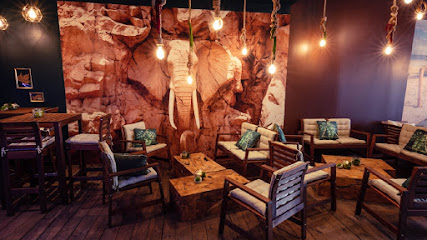
University of Freiburg: A Legacy of Learning
Discover centuries of academic excellence at the University of Freiburg, a historic German institution renowned for its diverse programs, stunning architecture, and vibrant intellectual atmosphere.
Founded in 1457, the University of Freiburg stands as one of Germany's oldest and most esteemed institutions. Nestled in the heart of Freiburg im Breisgau, a vibrant city bordering the Black Forest, the university boasts a rich history of academic excellence and intellectual innovation. Its beautiful buildings are integrated into the city, fostering a unique connection between the institution and the community. With a diverse student body representing over 120 nationalities, the University of Freiburg offers a truly international learning environment. From its stunning architecture to its renowned faculty and alumni, the university offers a captivating glimpse into centuries of scholarly pursuit and cultural enrichment. Explore the historic buildings, soak in the lively atmosphere, and discover why the University of Freiburg remains a cornerstone of German academia and a captivating destination for visitors.
A brief summary to University of Freiburg
- Fahnenbergplatz, Freiburg im Breisgau, Mitte, 79085, DE
- +497612030
- Visit website
- Monday 7 am-10 pm
- Tuesday 7 am-10 pm
- Wednesday 7 am-10 pm
- Thursday 7 am-10 pm
- Friday 7 am-10 pm
- Saturday 7 am-1 pm
Local tips
- Explore the University Church (Universitätskirche), a stunning example of Baroque architecture with a rich history.
- Visit the University Library to admire its architecture and explore its vast collection of books and manuscripts.
- Take a stroll through the university grounds to soak in the atmosphere and admire the blend of historic and modern buildings.

Getting There
-
Walking
From Freiburg's city center (e.g., Bertoldsbrunnen), the University of Freiburg is easily accessible on foot. Head east, following signs for the 'Universität' or 'Kollegiengebäude I'. The walk is approximately 5-10 minutes, passing through the pedestrian zone. Orientation is easy due to the central location and signage. No costs are associated with walking.
-
Public Transport
The University of Freiburg is well-served by Freiburg's tram network. From the main train station (Hauptbahnhof), take tram line 1, 3, or 5 to the 'Stadttheater' stop. The university buildings are a short walk from the tram stop. A single ticket within Zone A (Freiburg city area) costs €2.50.
-
Taxi/Ride-Share
Taxis and ride-sharing services are readily available in Freiburg. A short ride from the main train station or city center to the University of Freiburg will typically cost between €8-€12, depending on traffic and the specific drop-off location within the university area.
-
Driving
If driving, be aware that parking near the University of Freiburg can be limited and expensive. The 'Parkgarage Universität Kollegiengebäude (KG)' is a nearby option, but it can be full, especially during peak hours. Hourly parking rates are approximately €2.70, with a daily maximum of €22. Consider using Freiburg's Park & Ride system and taking public transport for the final leg of the journey. Parking is only permitted with an authorization card issued by the university. If this is not the case, this constitutes a parking violation for which PRM will impose a contractual penalty of EUR 40.
Discover more about University of Freiburg
Iconic landmarks you can’t miss

Platz d. alten Synagoge 1
0.1 km
A blend of remembrance and modern life in Freiburg, the Platz der alten Synagoge marks a dark past while serving as a vibrant community hub.

Gedenkbrunnen Alte Synagoge
0.1 km
Reflect on history and remember Freiburg's Jewish heritage at the Gedenkbrunnen Alte Synagoge, a poignant memorial marking the site of the city's former grand synagogue.
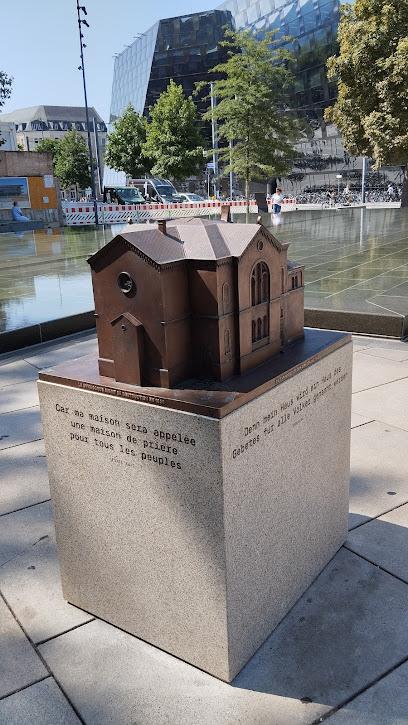
Platz der Alten Synagoge
0.2 km
Explore Freiburg's Platz der Alten Synagoge: where history meets modern life in a vibrant urban square and memorial.
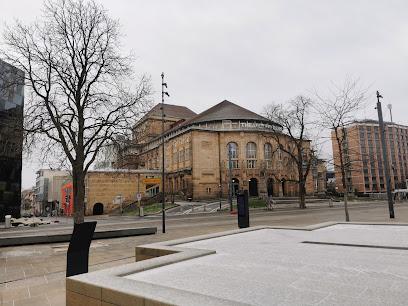
Martin's Gate
0.2 km
Discover Freiburg's medieval past at Martin's Gate, a historic landmark in the heart of the city's vibrant pedestrian zone, offering panoramic views and a glimpse into centuries of history.
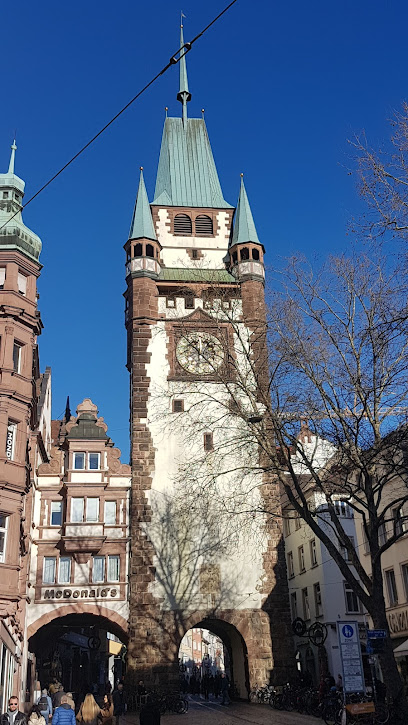
Kaiser-Joseph-Straße 229
0.2 km
Experience the heart of Freiburg on Kaiser-Joseph-Straße: a vibrant blend of shopping, history, and culture in a charming pedestrian zone.
University Church, Freiburg
0.2 km
A historic Baroque church in the heart of Freiburg's university district, offering a peaceful retreat and cultural experiences.
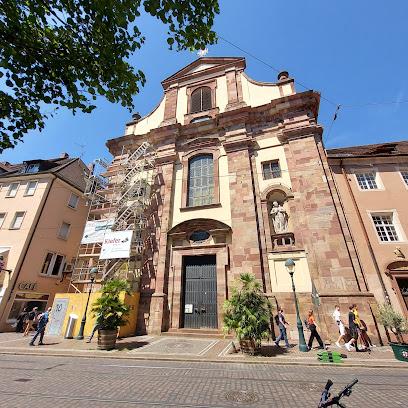
Neues Rathaus - Stadt Freiburg i. Br.
0.4 km
Discover Freiburg's iconic Neues Rathaus, a stunning blend of architectural styles and a hub of civic and cultural significance.
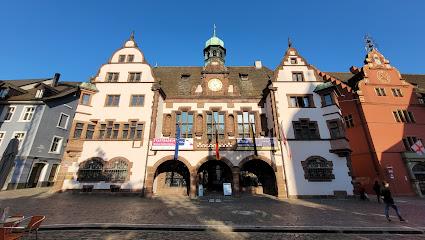
Rathausplatz
0.4 km
Experience the vibrant heart of Freiburg at Rathausplatz, a historic square brimming with stunning architecture, lively markets, and cultural events year-round, offering a true taste of the city's charm.
Rathauspl. 2-4
0.4 km
Experience the heart of Freiburg at Rathausplatz, a vibrant square where history, culture, and local flavors come together.
Adelhauser Neukloster
0.4 km
Discover Freiburg's Adelhauser Neukloster: A Baroque masterpiece born from conflict, now a serene sanctuary of art, history, and spiritual reflection in the heart of the city.
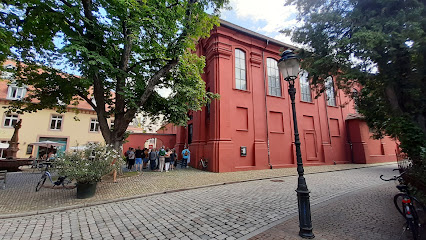
Augustinerpl. 2
0.4 km
Experience the vibrant culture and historical charm of Augustinerplatz, a central hub in Freiburg brimming with local flavors and beautiful architecture.
Gerichtslaube
0.4 km
Discover the beauty and history of Gerichtslaube, a stunning historical landmark in the heart of Freiburg im Breisgau, perfect for history lovers.
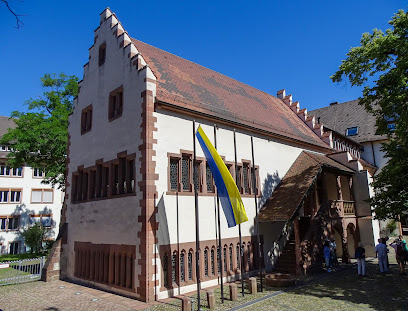
Tourist Information Freiburg
0.4 km
Discover Freiburg: Your central hub for maps, tips, tours, and expert advice. Explore the Black Forest's vibrant city with insider knowledge and personalized recommendations.
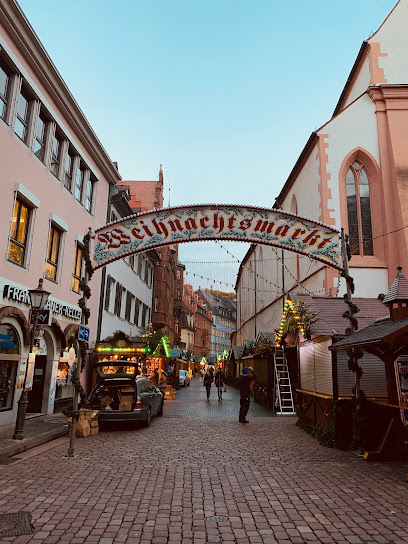
St. Martinskirche
0.4 km
Explore St. Martinskirche in Freiburg: a historic church with Gothic architecture, rich history, and a peaceful atmosphere in the heart of the Old Town.
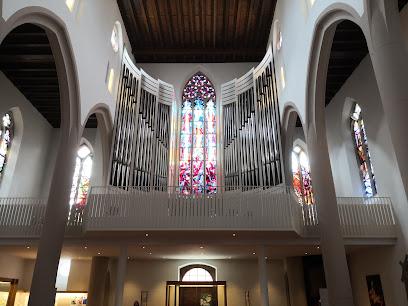
Augustinerplatz
0.4 km
Experience the heart of Freiburg at Augustinerplatz, a vibrant square blending history, culture, and lively atmosphere in the city's charming Old Town.
Unmissable attractions to see

Löwenbrunnen
0.2 km
Experience the rich history and artistic beauty of Löwenbrunnen in Freiburg im Breisgau, a must-visit tourist attraction for all travelers.
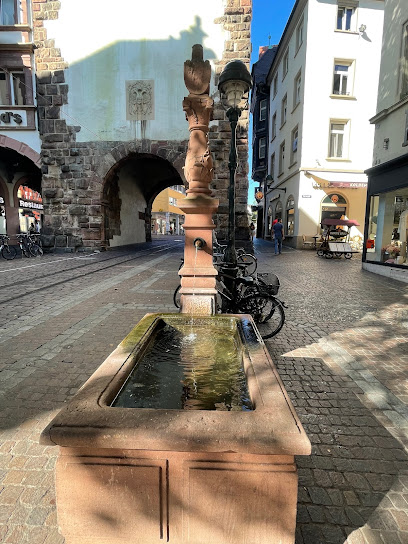
Theater Freiburg
0.3 km
Experience the heart of Freiburg's cultural scene at Theater Freiburg, a premier venue for performing arts showcasing diverse performances.
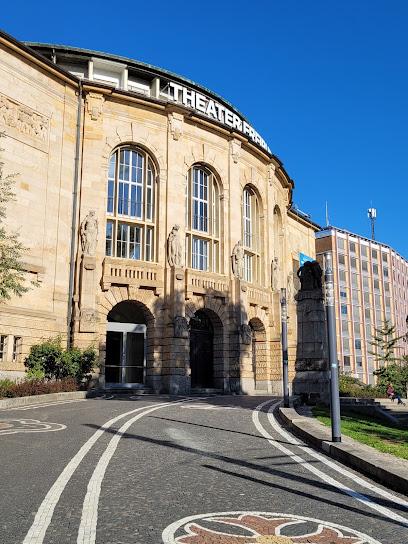
Bertoldsbrunnen
0.3 km
Explore the historic Bertoldsbrunnen, a vibrant landmark in Freiburg, where history meets modern life in the heart of the city.
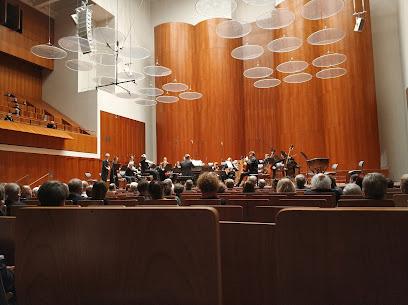
Freiburg Concert Hall
0.4 km
Discover the cultural heartbeat of Freiburg at the stunning Freiburg Concert Hall, where music and community come together in harmony.
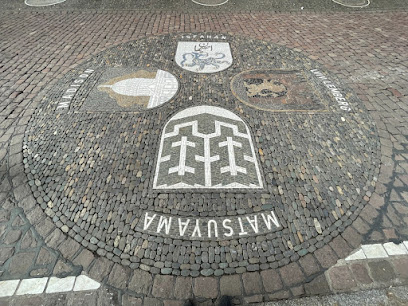
Isfahan sign
0.4 km
Discover the Isfahan Sign in Freiburg im Breisgau, a stunning tribute to cultural exchange between Germany and Iran, blending history and artistry.
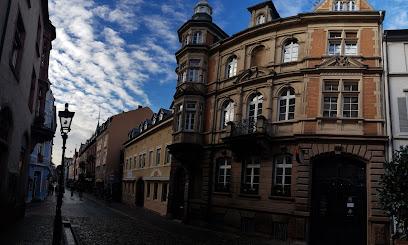
Gerberau
0.4 km
Discover Gerberau, Freiburg: A picturesque lane along a historic canal, brimming with artisan shops, traditional restaurants, and the city's unique charm.
Kath. Kirchengemeinde Freiburg Mitte, St. Martin
0.4 km
Explore the serene and historic St. Martin's Church in Freiburg, an architectural gem that embodies the city's rich cultural heritage.
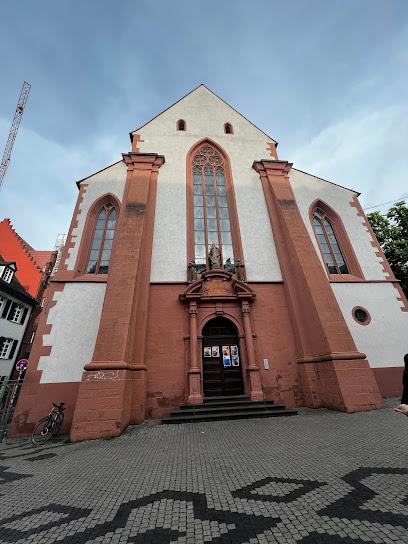
Colombi Park
0.4 km
Experience tranquility in Colombi Park, Freiburg's stunning urban retreat with lush landscapes and cultural charm.
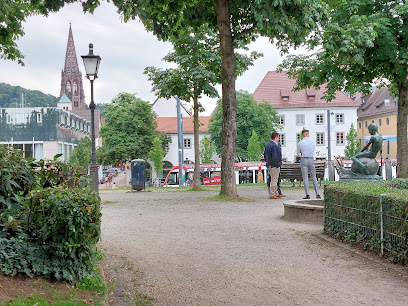
Tastmodell Freiburg im Breisgau
0.4 km
Explore the enchanting Freiburg im Breisgau, where medieval charm meets modern sustainability in the heart of the Black Forest.
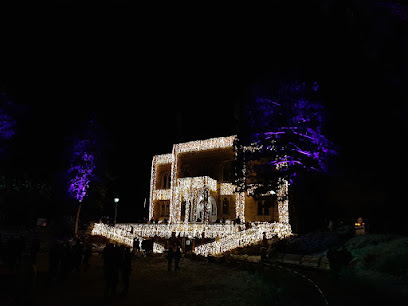
Augustiner-Platz
0.4 km
Experience the vibrant atmosphere of Augustiner-Platz, a historical square in Freiburg im Breisgau filled with charming cafés, stunning architecture, and cultural events.
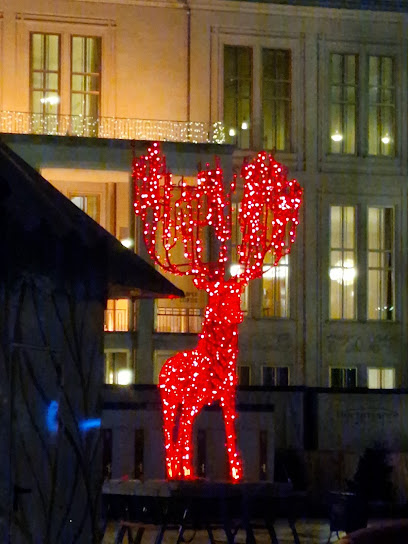
Colombischlössle
0.5 km
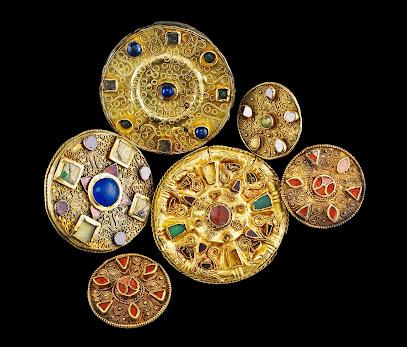
Discover the captivating history of ancient civilizations at Colombischlössle, Freiburg's premier archaeological museum and tourist attraction.
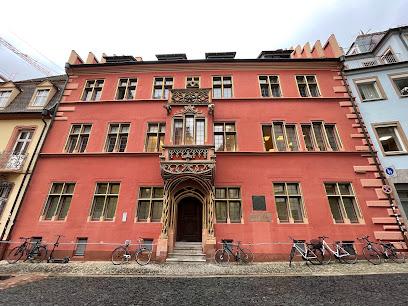
Haus zum Walfisch
0.5 km
Explore the architectural beauty and historical significance of Haus zum Walfisch, a must-visit monument in Freiburg im Breisgau.
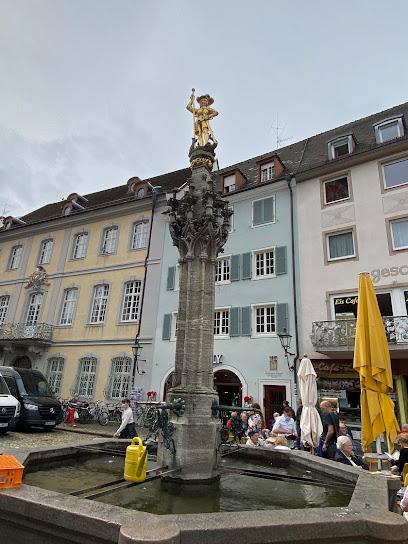
Georgsbrunnen
0.5 km
Experience the vibrant history and charm of Georgsbrunnen, a must-see landmark in the heart of Freiburg im Breisgau's bustling Münsterplatz.
Museum für Neue Kunst
0.5 km
Explore contemporary creativity at the Museum für Neue Kunst, a vibrant hub for modern art enthusiasts in Freiburg im Breisgau.
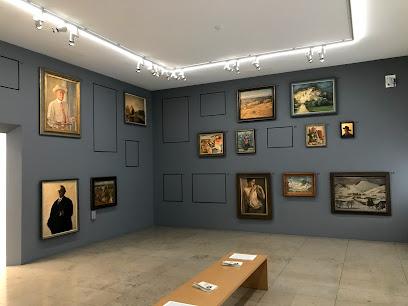
Augustiner Museum
0.5 km
Discover the artistic heritage of Freiburg at the Augustiner Museum, a former monastery showcasing a rich collection of medieval and contemporary art.
Essential places to dine

Schwarzer Kater
0.2 km
Experience the lively atmosphere and delectable cuisine at Schwarzer Kater in Freiburg im Breisgau—your go-to spot for food and drinks.
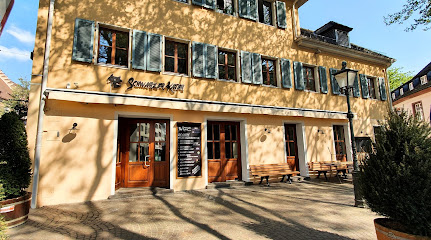
Martinsbräu
0.3 km
Discover Martinsbräu: A charming brewery restaurant in Freiburg offering authentic Baden cuisine and exceptional locally brewed beers.
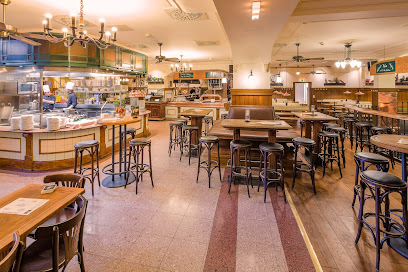
Großer Meyerhof
0.3 km
Discover the heart of Baden cuisine at Großer Meyerhof - where traditional flavors meet modern dining in beautiful Freiburg im Breisgau.
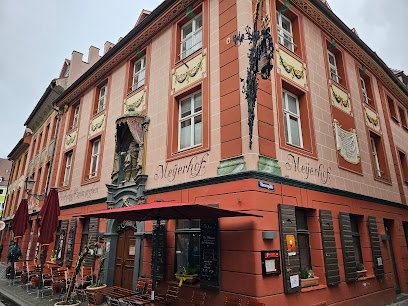
Tizio Trattoria
0.4 km
Experience authentic Italian cuisine at Tizio Trattoria in Freiburg - where every dish tells a story of Italy's rich culinary heritage.
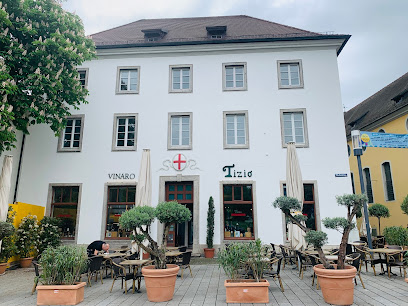
Adelhaus
0.4 km
Savor the best vegan and vegetarian dishes at Adelhaus in Freiburg - where health meets flavor in every bite.
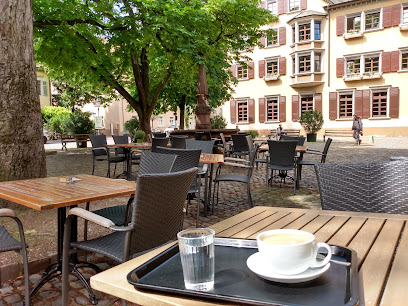
Tialini
0.4 km
Experience authentic Italian cuisine at Tialini in Freiburg—where every meal feels like a journey to Italy.
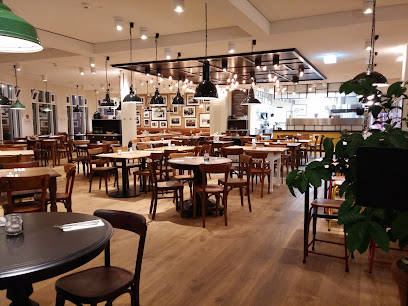
Ristorante Pizzeria Antica - Pizza & Pasta Take Away
0.4 km
Discover the flavors of Italy at Ristorante Pizzeria Antica, offering exquisite pizza and pasta dishes in an inviting atmosphere.
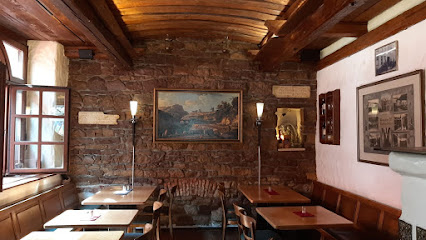
Zirbelstube
0.4 km
Discover the culinary artistry at Zirbelstube, where exquisite German cuisine meets elegance in the heart of Freiburg im Breisgau.
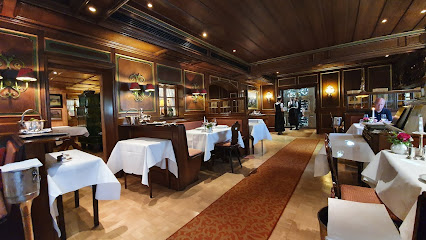
Bengal
0.4 km
Discover the vibrant flavors of Bangladesh at Bengal in Freiburg - an unforgettable culinary journey awaits you!
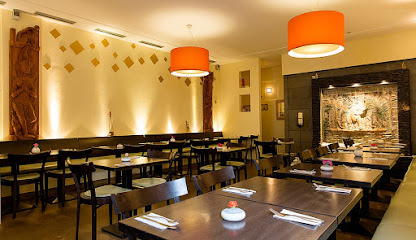
SKAJO
0.5 km
Experience the best of German cuisine at SKAJO in Freiburg - where tradition meets innovation in every dish.
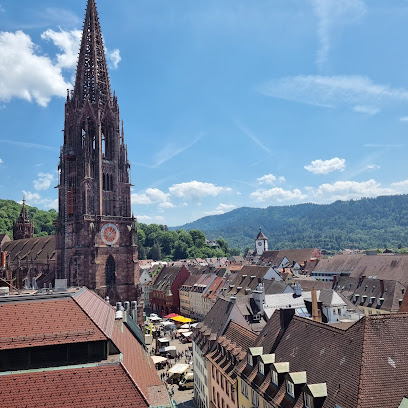
Safaran
0.5 km
Discover authentic Afghan cuisine at Safaran in Freiburg - a culinary journey that tantalizes your taste buds with rich flavors and warm hospitality.
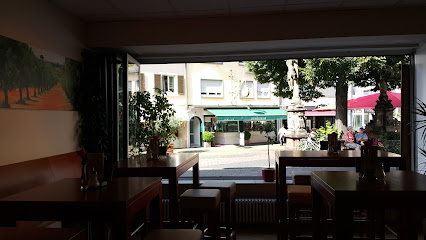
Drexlers - Freiburg im Breisgau
0.5 km
Indulge in exceptional German cuisine at Drexlers in Freiburg im Breisgau, where traditional flavors meet modern elegance.
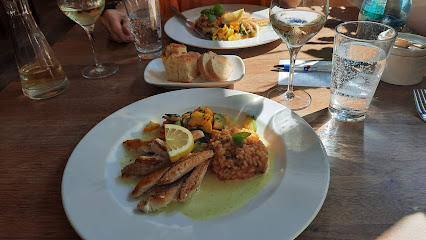
Sichelschmiede
0.5 km
Experience authentic German cuisine at Sichelschmiede in Freiburg - where tradition meets taste in every dish.
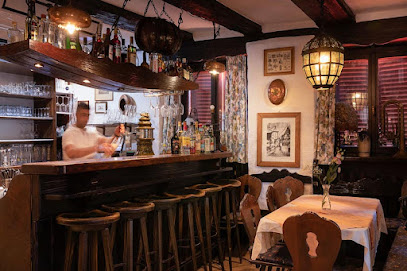
Tom's
0.5 km
Experience culinary delight at Tom's – where steakhouse elegance meets cozy coffee vibes in Freiburg im Breisgau.
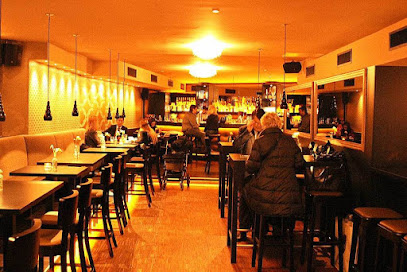
Enoteca
0.6 km
Experience authentic Italian cuisine at Enoteca in Freiburg – where exquisite flavors meet exceptional wines.
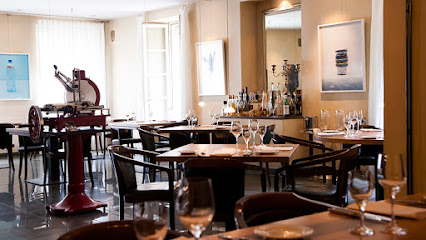
Markets, malls and hidden boutiques

zündstoff. fair organic clothing
0.2 km
Explore sustainable fashion at zündstoff in Freiburg im Breisgau, offering unique organic clothing for men and women in an eco-friendly environment.
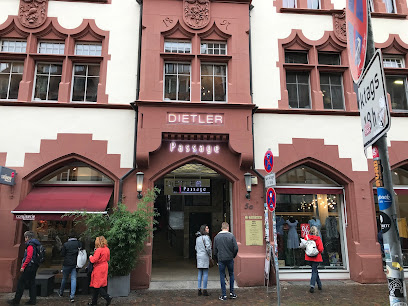
Dietler Passage
0.3 km
Explore Dietler Passage, Freiburg's vibrant shopping mall filled with local boutiques and popular brands, perfect for all your retail needs.
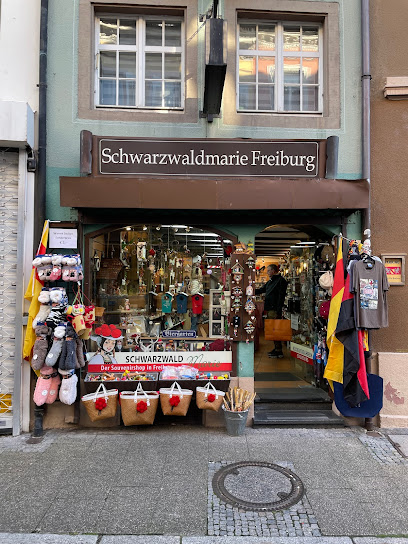
Schwarzwaldmarie-Freiburg-Kuckucksuhren-Souvenirs-Rathausgasse
0.3 km
Discover authentic Black Forest souvenirs at Schwarzwaldmarie, the charming shop in Freiburg offering exquisite cuckoo clocks and local crafts.
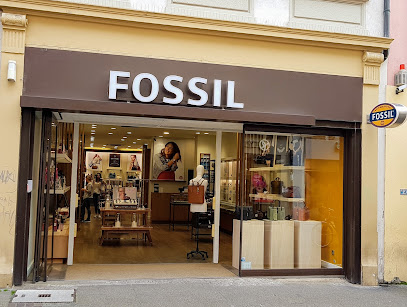
FOSSIL Store Freiburg
0.3 km
Explore the finest fashion accessories, watches, and unique gifts at FOSSIL Store Freiburg, where quality meets style.
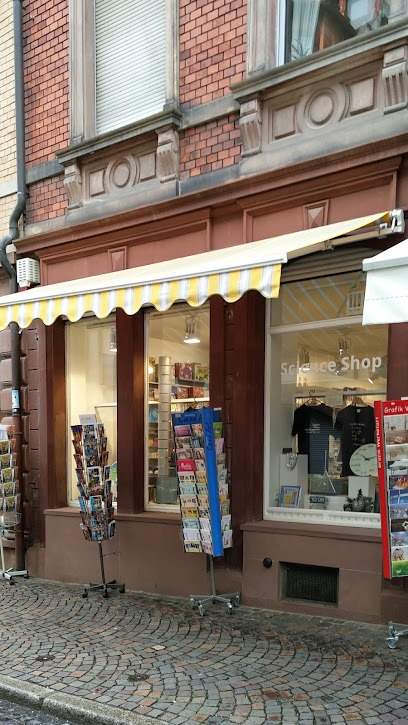
Science Shop Freiburg
0.3 km
Explore the captivating world of science at Science Shop Freiburg, where education meets fun through unique scientific toys and resources.
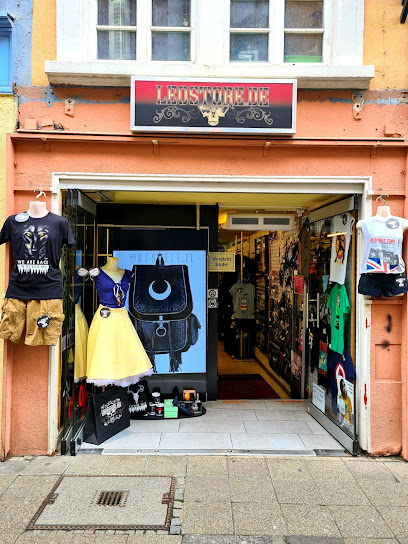
LEO STORE Freiburg
0.3 km
Discover the latest fashion trends and unique accessories at LEO STORE Freiburg, a chic destination for style enthusiasts in the heart of the city.
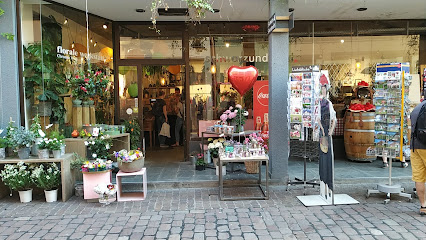
schwarzundwald
0.3 km
Explore Schwarzundwald in Freiburg for unique Black Forest souvenirs that capture the spirit of your travels in Germany.
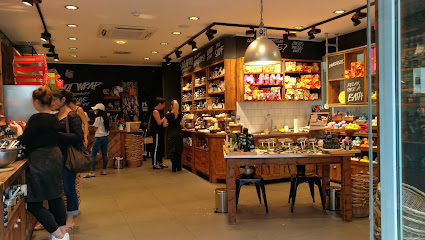
LUSH Cosmetics Freiburg
0.3 km
Discover the magic of LUSH Cosmetics Freiburg, where ethical beauty meets vibrant scents and unique handmade products for every beauty lover.
STILL ILL Freiburg Streetwear & Art Supply
0.4 km
Explore the fusion of streetwear and artistic supplies at STILL ILL Freiburg, your trendy destination for fashion and creativity.
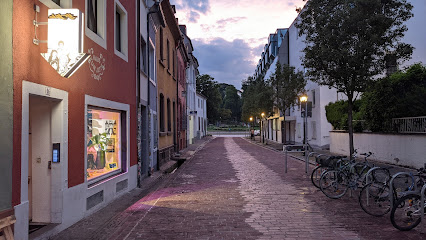
LUST AUF GUT Conceptstore
0.4 km
Explore LUST AUF GUT Conceptstore in Freiburg for unique artisanal products, fashion, and gifts that celebrate local culture.
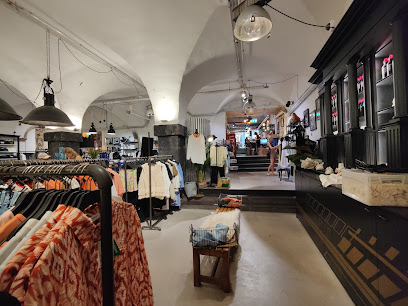
Elbenwald
0.4 km
Discover the magic of Elbenwald, a haven for fans and treasure seekers in Freiburg, offering unique gifts and collectibles that enchant every visitor.
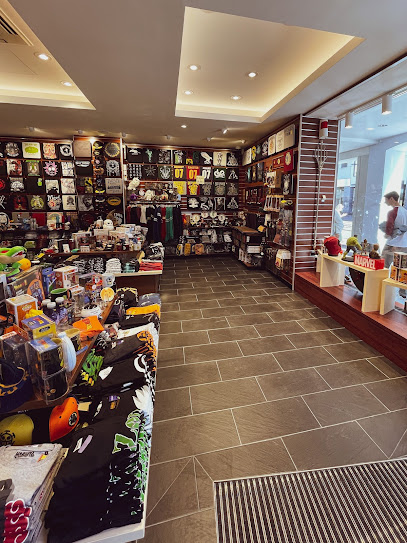
PIMKIE
0.4 km
Explore PIMKIE in Freiburg for trendy women's clothing, chic accessories, and a unique shopping experience in the heart of the city.
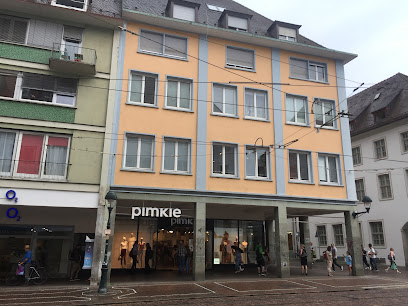
Woolworth
0.4 km
Discover an array of products at Woolworth in Freiburg, where shopping meets convenience and local charm amidst a vibrant city atmosphere.
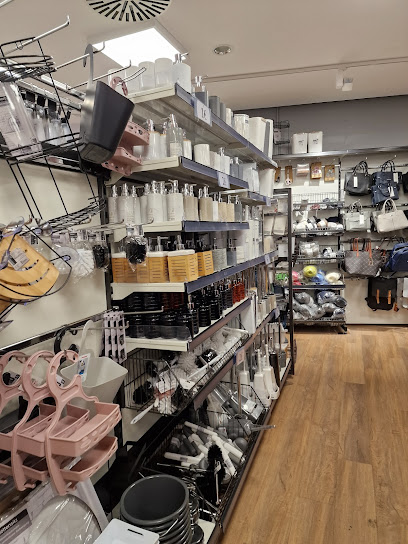
BUTLERS@home24 Freiburg Salzstraße
0.4 km
Explore a charming gift shop in Freiburg offering stylish furniture and unique home goods for every taste, perfect for souvenirs and decor.
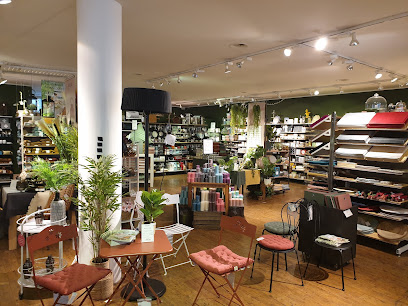
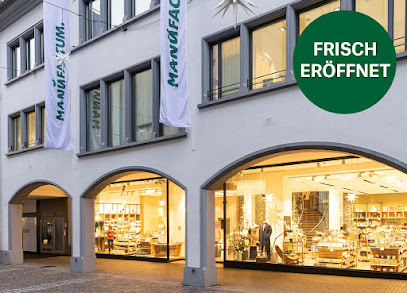
Manufactum Warenhaus
0.4 km
Explore Manufactum Warenhaus in Freiburg im Breisgau for thoughtfully crafted gifts and quality goods that reflect local craftsmanship and sustainable practices.
Essential bars & hidden hideouts

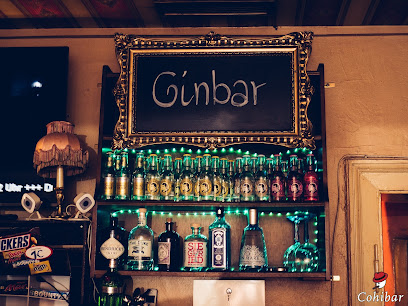
Cohibar Freiburg | Cocktailbar
0.1 km
Discover the vibrant cocktail scene at Cohibar Freiburg, where innovative drinks meet a relaxed lounge atmosphere for an unforgettable night out.
Oscar Wilde‘s Irish Pub & Whiskey Bar
0.1 km
Discover the authentic Irish pub experience at Oscar Wilde's, offering delicious food, a cozy atmosphere, and an extensive whiskey selection in Freiburg.
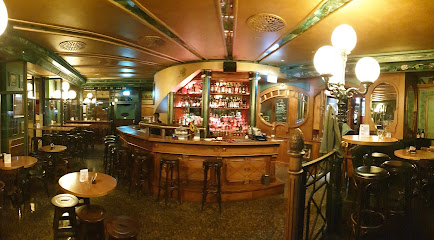
O'Kellys Irish Pub
0.2 km
Discover the authentic taste of Ireland at O'Kellys Irish Pub, a lively spot for food, drinks, and sports in the heart of Freiburg.
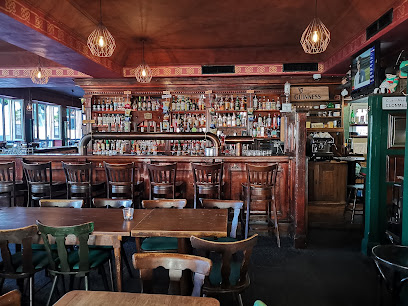
Maria
0.2 km
Maria Bar in Freiburg: Enjoy American and vegan delicacies in a lively atmosphere with creative cocktails and late-night fun.
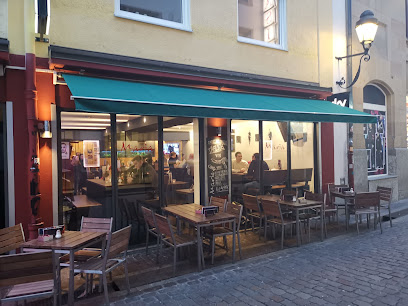
Der außergewöhnliche Bruder Wolf
0.2 km
Discover the charming Bruder Wolf bar in Freiburg, where local culture meets a vibrant atmosphere and an extensive drink selection.
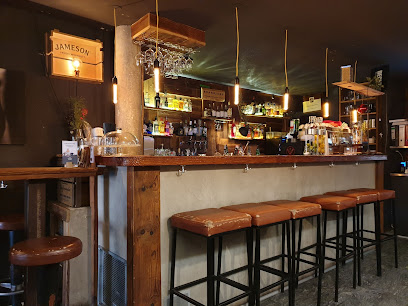
Schlappen
0.2 km
Experience the vibrant nightlife of Freiburg at Schlappen, a lively pub offering delicious food and an extensive drink selection in a welcoming atmosphere.
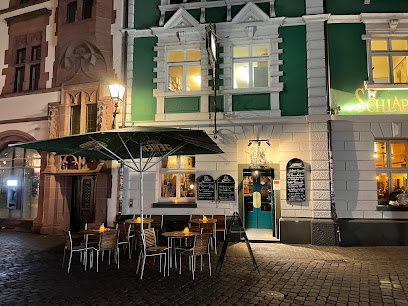
Riva Bar - Freiburg im Breisgau
0.2 km
Discover the vibrant nightlife at Riva Bar, a must-visit spot in Freiburg im Breisgau for cocktails and local atmosphere.
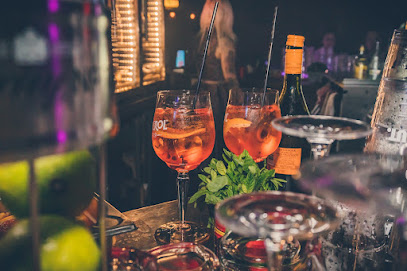
Othello Bar
0.3 km
Experience the vibrant nightlife at Othello Bar in Freiburg, where expertly crafted cocktails meet a lively atmosphere for an unforgettable evening.
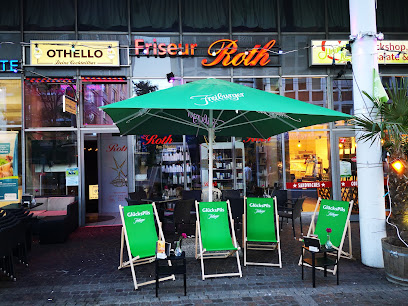
Die Schachtel
0.3 km
Experience the vibrant nightlife of Freiburg at Die Schachtel, a cozy pub offering friendly service and a lively atmosphere for all.
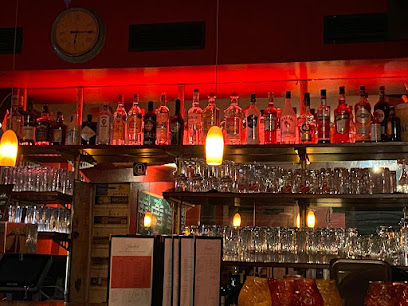
Hemingway Bar
0.4 km
Discover the Hemingway Bar in Freiburg, where exceptional cocktails and a sophisticated atmosphere await you.
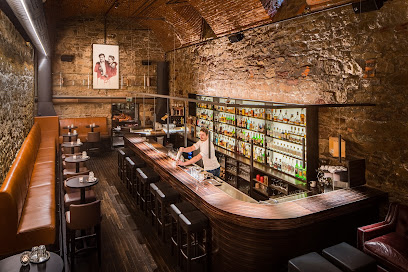
Eimer MusicPub - Freiburg im Breisgau
0.4 km
Discover the vibrant world of live rock music in Freiburg at Eimer MusicPub, a local favorite for music lovers and newcomers alike.
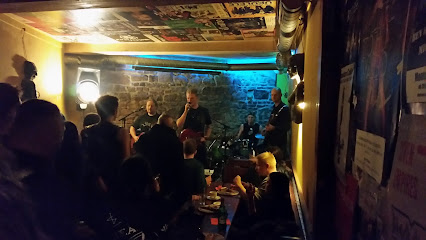
Sonderbar Freiburg im Breisgau
0.4 km
Experience the lively atmosphere and vibrant events at Sonderbar Freiburg im Breisgau, a welcoming gay bar for everyone to enjoy.
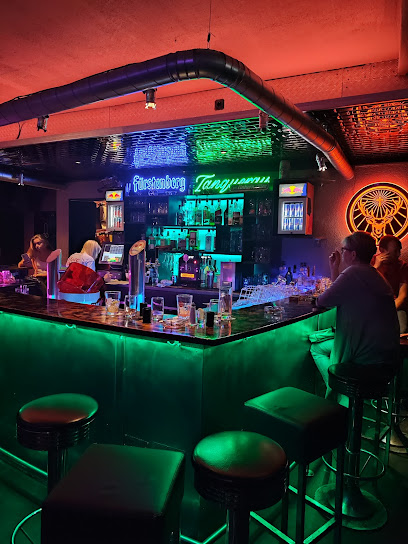
Bardobar - Freiburg im Breisgau
0.6 km
Experience the lively atmosphere of Bardobar in Freiburg im Breisgau, where great drinks and a vibrant nightlife await you.
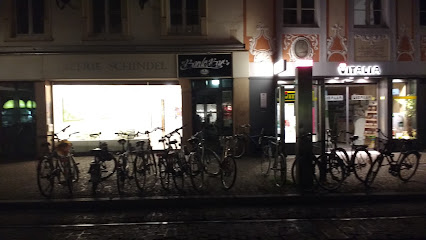
One Trick Pony
0.6 km
Experience the vibrant cocktail culture at One Trick Pony in Freiburg, where every drink tells a story and every night is unforgettable.
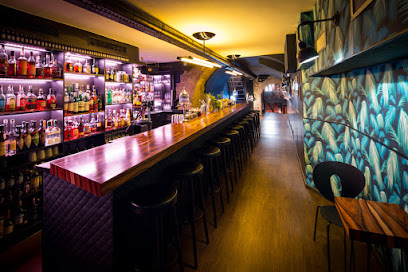
Juri's Cocktail & Wine Bar
0.6 km
Experience vibrant nightlife at Juri's Cocktail & Wine Bar in Freiburg, offering exquisite cocktails and a lively atmosphere for all visitors.
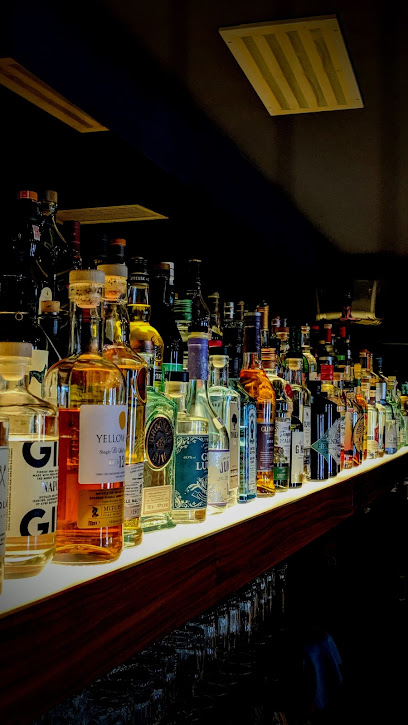
Nightclubs & after hour spots

AGAR Kneipe Club
0.2 km
Discover the electric energy of AGAR Kneipe Club, Freiburg’s premier night club, where unforgettable nights and vibrant music await.
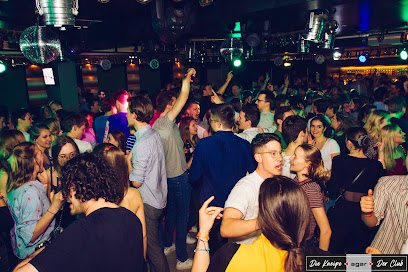
La Luna Freiburg.Club
0.3 km
Discover the pulsating nightlife of Freiburg at La Luna Freiburg.Club, where the music never stops and the dance floor awaits.
Drifters Club GmbH - Freiburg im Breisgau
0.5 km
Discover the electrifying nightlife at Drifters Club in Freiburg, a must-visit destination for party lovers and night owls.
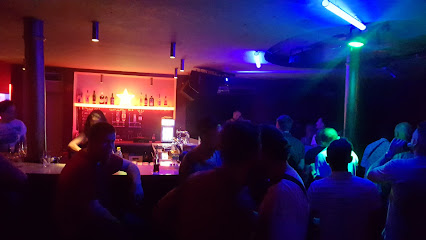
Crash
0.5 km
Dive into the pulsating nightlife of Freiburg at Crash Nightclub, where music, dance, and fun collide until dawn.
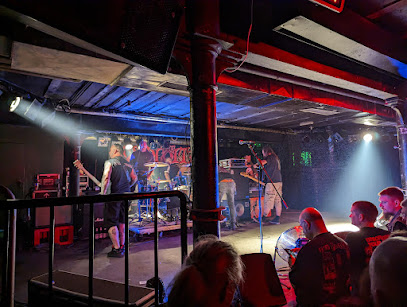
El.Pi
0.5 km
Experience the vibrant nightlife of Freiburg at El.Pi, where great music and an electric atmosphere come together for an unforgettable night out.
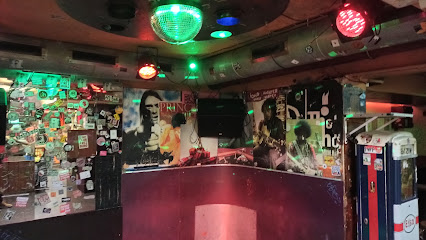
QU (Club, Bar, Lounge) - Freiburg
0.5 km
Discover the pulsating nightlife of Freiburg at QU Club, where great music and unforgettable memories await in a vibrant environment.
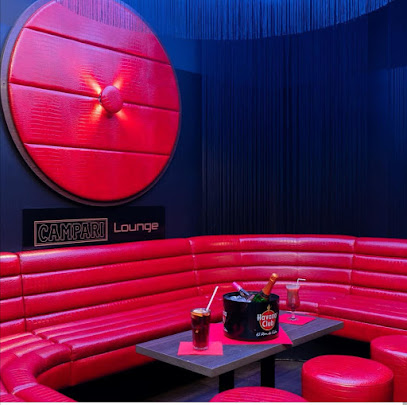
NEKO Bar.Club
0.6 km
Dive into the electrifying atmosphere of NEKO Bar.Club, Freiburg's top disco club, where unforgettable dance parties and vibrant nightlife await you.
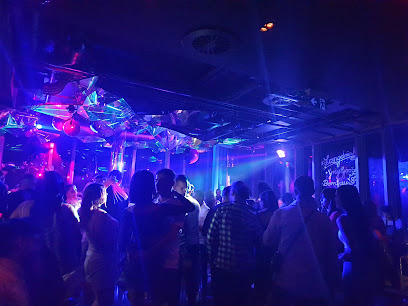
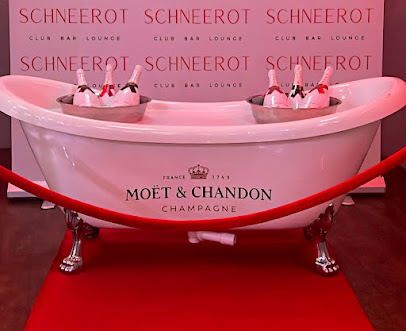
Schneerot Club Bar Lounge
0.6 km
Dive into the electrifying nightlife at Schneerot Club Bar Lounge, Freiburg's premier disco club offering an unforgettable dance experience.
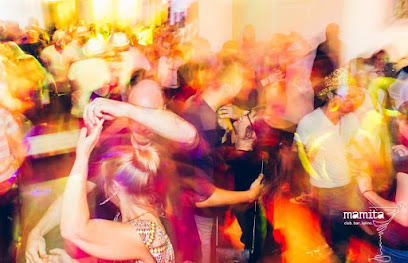
mamita, club bar latino
0.7 km
Dive into the vibrant nightlife at Mamita Club Bar Latino, Freiburg's top destination for Latin rhythms and unforgettable dance experiences.
Ruefetto
0.7 km
Discover Ruefetto in Freiburg im Breisgau, where electrifying music meets stylish ambiance for an unforgettable nightlife experience.
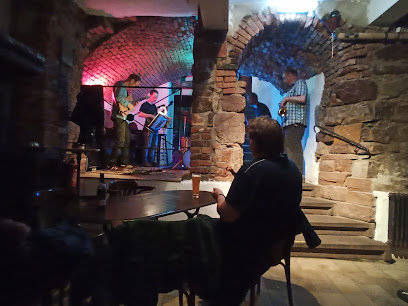
Hans Bunte Areal
4.3 km
Discover the pulse of Freiburg's nightlife at Hans Bunte Areal, where music, dance, and vibrant energy unite for unforgettable nights.
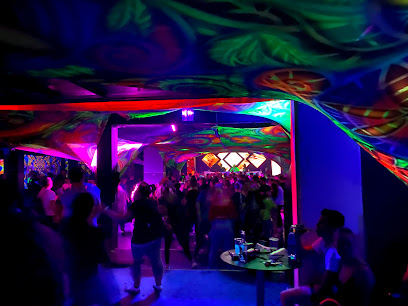
Heuboden Dancing Club
7.9 km
Experience the vibrant nightlife at Heuboden Dancing Club in Umkirch, where music, dancing, and cocktails meet for an unforgettable evening.
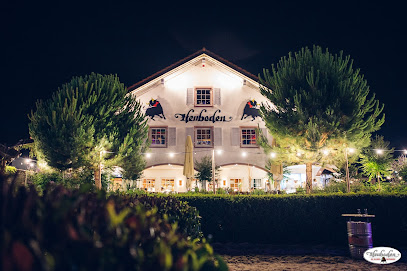
Nis Club
34.1 km
Experience the thrilling nightlife at Nis Club in Horbourg-Wihr, where vibrant beats and a stylish ambiance create unforgettable nights of fun and excitement.
K CLUB
37.2 km
Experience the enchanting atmosphere of K CLUB, Colmar's premier hookah bar with a delightful menu and vibrant nightlife.
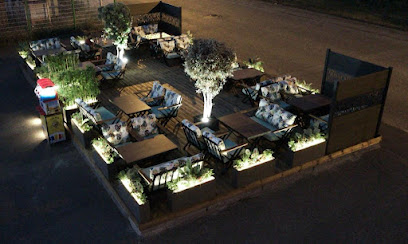
AM EVENTS | Bar & Tapas à Colmar
37.2 km
Discover the vibrant atmosphere and delicious tapas at AM EVENTS, a must-visit bar in the heart of Colmar, France.