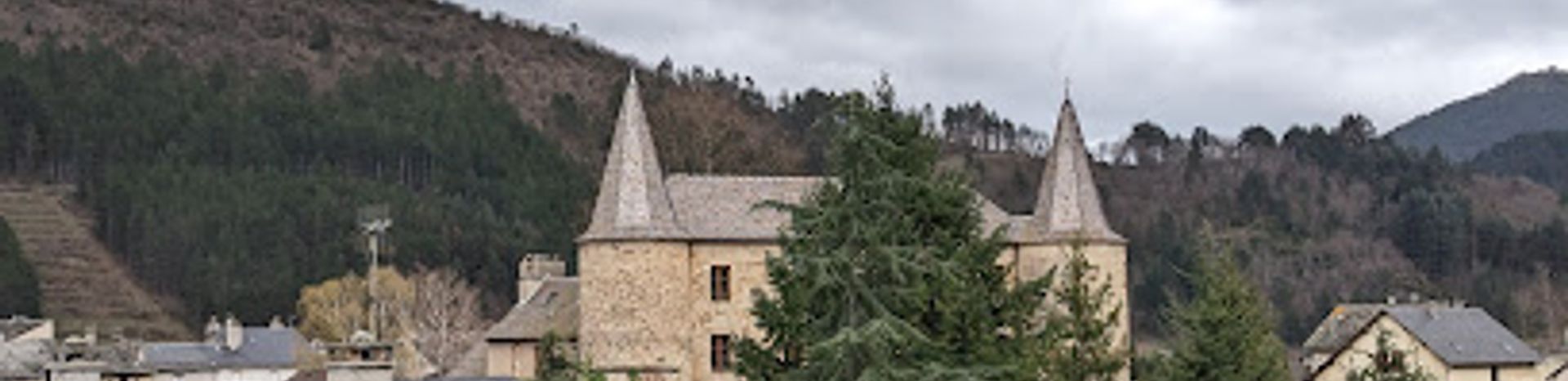
Château de Florac: Gateway to the Cévennes
Discover the Château de Florac, the historic gateway to the Cévennes National Park, a UNESCO World Heritage Site offering stunning landscapes and outdoor adventures in southern France.
The Château de Florac, a striking castle rebuilt in the 17th century, stands as a proud landmark in the heart of Florac-Trois-Rivières. Originally a feudal stronghold dating back to the 13th century, it has witnessed centuries of history, including the tumultuous Wars of Religion. Today, it serves as the headquarters for the Cévennes National Park, a UNESCO World Heritage Site. While the castle itself isn't fully open for tours, visitors can explore the Park House within its walls, offering insights into the region's natural and cultural heritage. Its strategic location makes it an ideal starting point for exploring the dramatic landscapes of the Cévennes, with hiking trails and outdoor adventures just a stone's throw away. The castle's imposing presence and historical significance make it a worthwhile stop for any traveler to the region.
A brief summary to Château de Florac
- 6B Pl. du Palais, Florac-Trois-Rivières, 48400, FR
- Visit website
Local tips
- Visit the Maison du Parc inside the castle for valuable information on hiking trails, local flora and fauna, and park events.
- Explore the historic town of Florac-Trois-Rivières, known for its charming streets, local markets, and the confluence of three rivers.
- Consider visiting during the warmer months (May-September) for optimal hiking conditions and outdoor activities in the Cévennes National Park.

Getting There
-
Walking
From the center of Florac-Trois-Rivières (e.g., the main square, Place du Souvenir), the Château de Florac is easily reachable on foot. Orient yourself towards the Palais de Justice; the castle is a short walk uphill from there, approximately 5-10 minutes. Follow the signs directing you to the 'Parc National des Cévennes' or 'Château'. The path is well-marked and involves a gentle incline. There are no specific costs associated with walking to the castle.
-
Public Transport
If arriving by bus at the Florac-Trois-Rivières bus station (Ancienne Gare), the Château de Florac is approximately a 15-minute walk. Exit the station and head towards the town center, following signs for the 'Parc National des Cévennes'. The route involves walking along the main road and then uphill towards the castle. Bus fares within Florac are typically around €2. While there is a local bus service, it is unlikely to be needed for reaching the castle from the bus station due to the short distance.
-
Driving
If driving, navigate towards the center of Florac-Trois-Rivières. There are several parking areas available, including Parking du Rond Point de la Gare (free, 120 places) and Parking du Tarnon (free, 50 places). There are also paid parking spaces in the town center, such as Place du Souvenir and around Place de l'Esplanade. Paid parking costs around €0.50 for the first hour (including the first 30 minutes free). From the parking areas, follow signs to the 'Parc National des Cévennes' or 'Château', which will involve a short walk uphill. Note that parking can be limited during peak season.
Discover more about Château de Florac
Iconic landmarks you can’t miss

Le Tarnon
4.6 km
Explore the serene beauty of Le Tarnon in Cans-et-Cévennes, a hidden gem in France perfect for nature lovers and tranquil escapes.
Cévennes
14.9 km
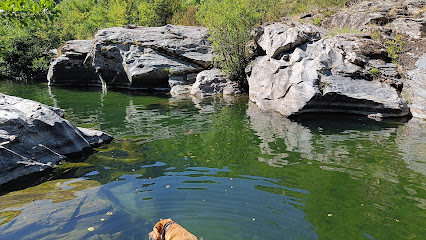
Explore the Cévennes: a stunning French mountain range with hiking, history, and a unique cultural landscape shaped by centuries of tradition.
UNESCO Causses and Cévennes
14.9 km
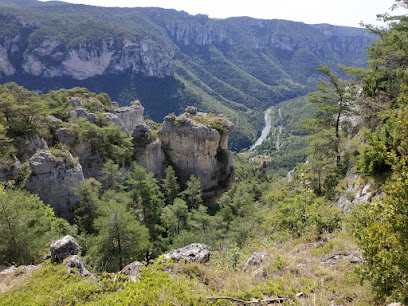
Explore the Causses and Cévennes, a UNESCO World Heritage Site showcasing millennia of Mediterranean agro-pastoral traditions in a stunning landscape.
Gorges du Tarn en canoé
15.2 km
Experience the majestic Gorges du Tarn from a unique perspective – glide through towering cliffs and discover hidden gems by canoe.
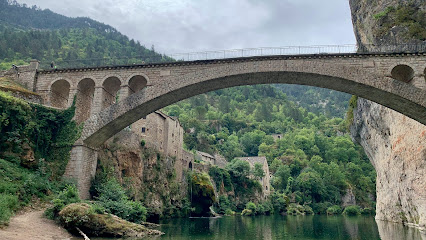
Le Saltadou : Panorama du cirque de Saint-Chély-du-Tarn
16.7 km
Experience breathtaking panoramic views of the Cirque de Saint-Chély-du-Tarn, local cuisine, and regional products at this easily accessible viewpoint.
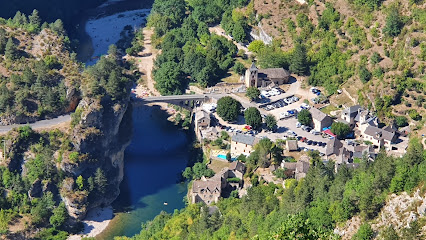
Canoe Au Moulin de la Malene
21.6 km
Discover the Gorges du Tarn from the water with canoe, kayak, and paddleboard rentals at a historic mill run by a passionate family since 1973.
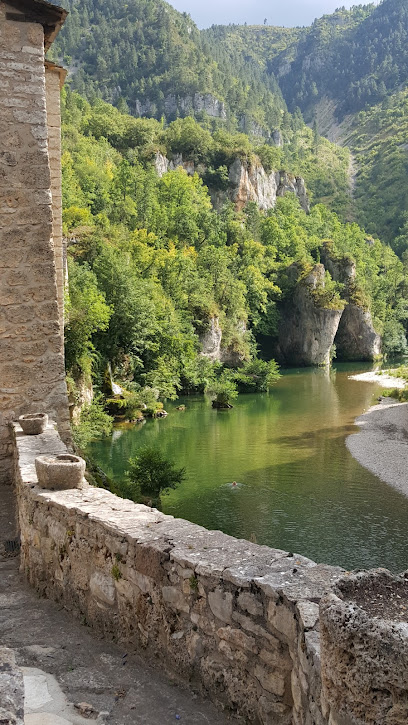
The Boatmen of the Gorges du Tarn
21.9 km
Discover the breathtaking Gorges du Tarn with expert local boatmen, offering scenic tours through stunning landscapes and rich history.
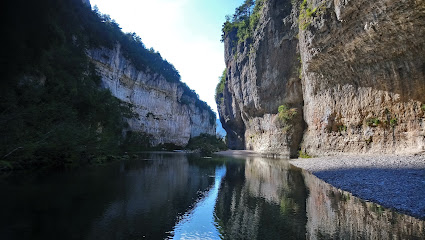
Les Gorges du Tarn .fr
23.2 km
Explore the breathtaking beauty of Les Gorges du Tarn, a stunning natural wonder in southern France, perfect for outdoor adventures and relaxation.
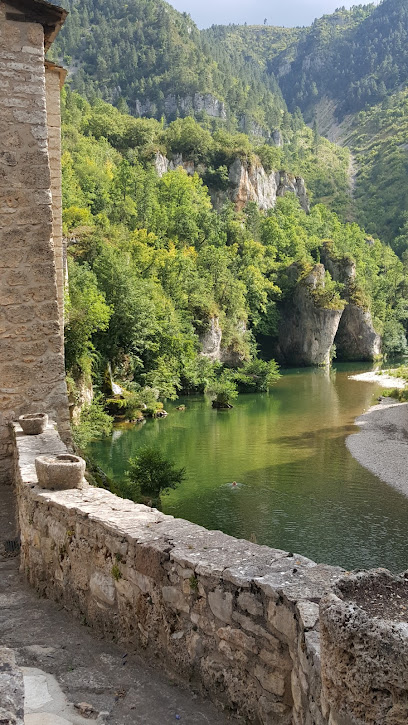
Gorges de la Jonte
23.8 km
Discover the Gorges de la Jonte: a breathtaking canyon in France offering stunning views, outdoor adventures, and unique wildlife encounters.
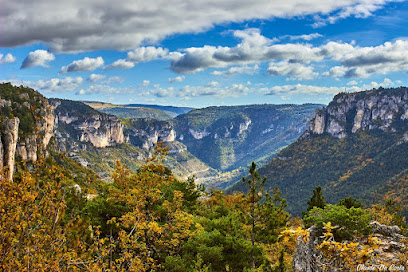
FERME CAUSSENARDE D'AUTREFOIS
24.4 km
Discover rural life in the Cevennes at La Ferme Caussenarde d'Autrefois, a preserved 17th-century farm offering an immersive historical experience.
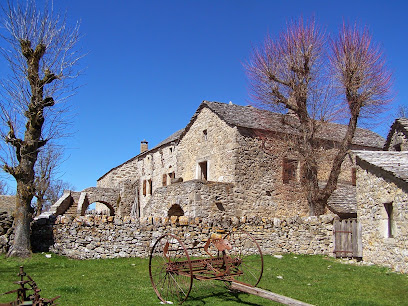
Les Détroits
25.3 km
Discover the charm of Les Déroits, a cozy bed & breakfast in La Malène, surrounded by the stunning landscapes of Gorges du Tarn.

Sublime Point
27.9 km
Explore Sublime Point, a breathtaking observation deck and hiking area in Gorges du Tarn, showcasing nature's beauty and stunning landscapes.
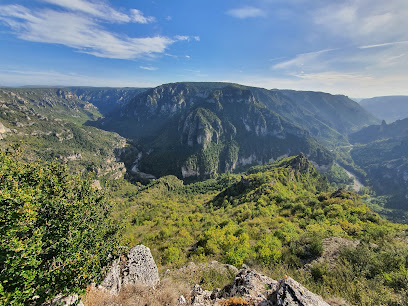
Point sublime de Saint-Jean des Balmes, 12720 Veyreau
32.5 km
Discover the stunning views at Point Sublime in Veyreau, a scenic spot that showcases the natural beauty of France's breathtaking landscapes.
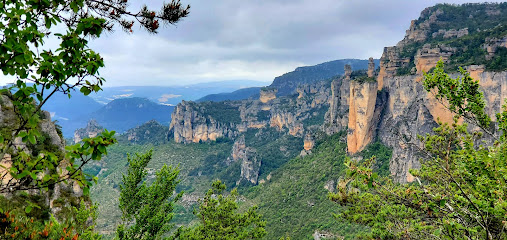
Steam train of Cevennes
33.8 km
Journey through the heart of the Cévennes on a vintage steam train, discovering breathtaking landscapes and a rich railway heritage.
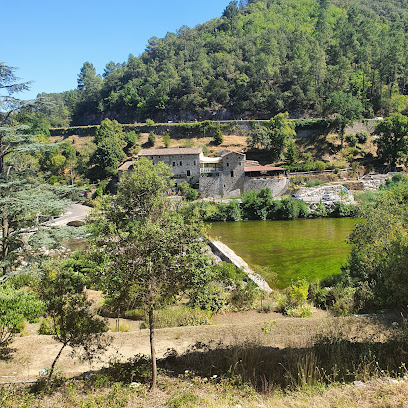
Château le Cheylard Aujac
34.6 km
Explore Château le Cheylard d'Aujac, a remarkably preserved medieval castle offering panoramic views and a glimpse into French history.
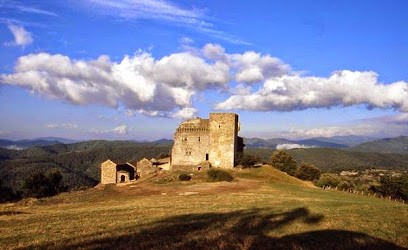
Unmissable attractions to see

Grotte de Castelbouc
10.4 km
Explore the depths of Grotte de Castelbouc: An accessible caving adventure in the heart of the Gorges du Tarn.
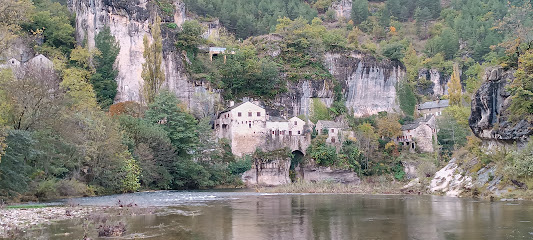
Chaos de Nîmes-le-Vieux
12.7 km
Explore the surreal stone city of Chaos de Nîmes-le-Vieux in Cévennes National Park, where nature's artistry creates a captivating landscape of eroded dolomitic rocks and breathtaking views.
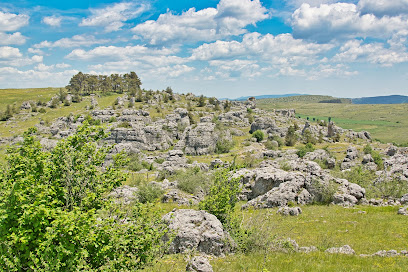
Domaine départemental de Boissets
13.9 km
Discover the stunning landscapes and rich heritage of Domaine Départemental de Boissets, a must-visit gem in Gorges du Tarn Causses.
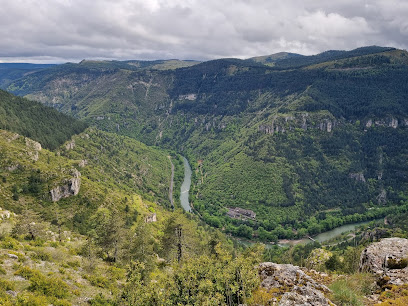
Causse Méjean
15.3 km
Discover Causse Méjean: A stunning UNESCO World Heritage site with dramatic limestone plateaus, deep gorges, and rich biodiversity, offering a timeless escape into nature's embrace.
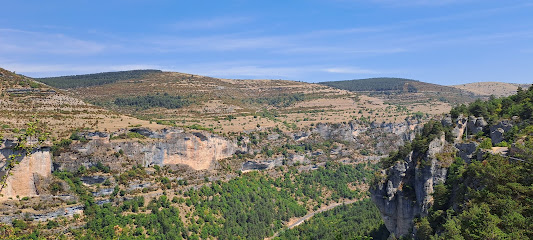
Le Moulin de Cénaret
16.7 km
Discover local crafts and the charm of a historic mill in the heart of the Gorges du Tarn at Le Moulin de Cénaret.
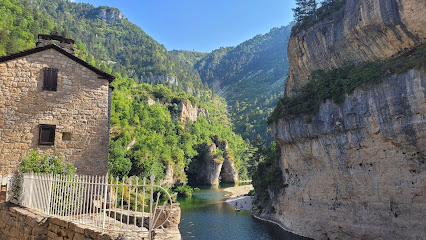
Cascade de saint Chély
16.8 km
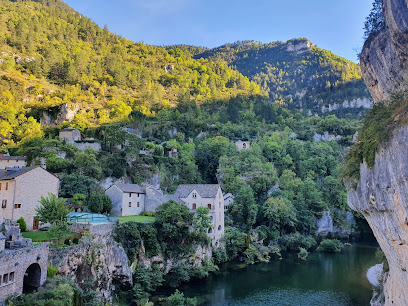
A picturesque waterfall cascading into the Tarn River, surrounded by the stunning beauty and historical charm of Saint-Chély-du-Tarn.
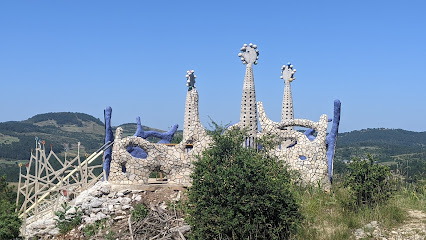
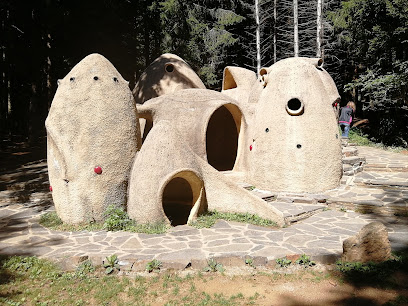
Utopix
17.4 km
Discover a whimsical world of art and playful sculptures at Utopix in the heart of the Gorges du Tarn Causses, a unique family experience.
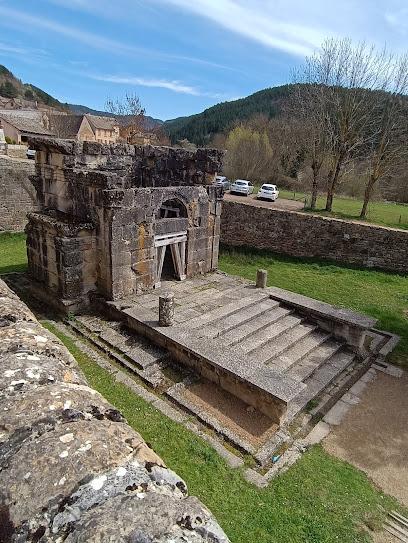
Mausolée romain
19.7 km
Explore the Mausolée Romain in Lanuéjols, a captivating blend of history and natural beauty in the Lozère region of France.
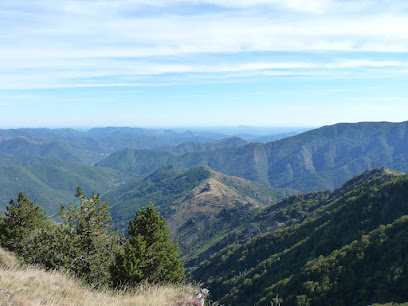
GR 66 Tour du Mont Aigoual (Parc national des Cévennes)
20.6 km
Hike the GR 66 Tour du Mont Aigoual in Cévennes National Park: Discover stunning landscapes, charming villages, and rich cultural heritage on this unforgettable French adventure.
Aven Armand
22.0 km
Explore Aven Armand: Discover a breathtaking subterranean world of stalagmites in the heart of France's Cévennes National Park.
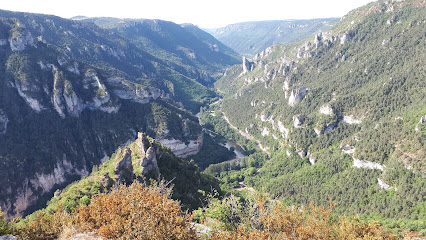
Grotte De Dargilan
22.2 km
Explore the stunning Grotte de Dargilan, a historical landmark with breathtaking rock formations and rich geological wonders in the heart of the Cévennes.
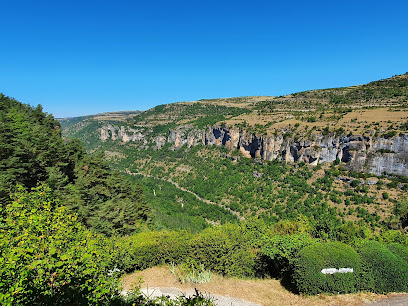
Le Vallon du Villaret
23.3 km
Discover Le Vallon du Villaret near Allenc, France: an enchanting amusement park where art, nature, and playful surprises create an unforgettable experience for all ages.
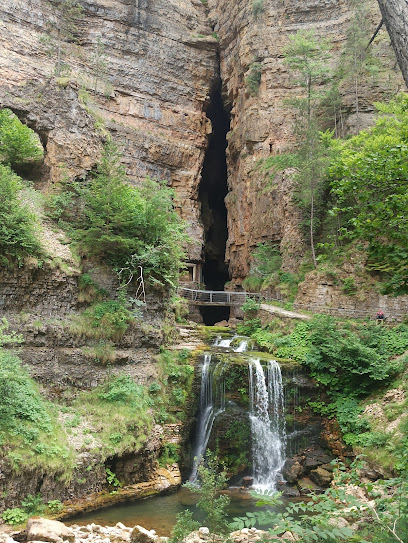
Abîme de Bramabiau
24.1 km
Explore the subterranean world where the 'Bonheur' river disappears and reappears with a thunderous roar in the heart of the Cévennes National Park.
Sentier Oiseaux des Causses et des Gorges
24.3 km
Discover the avian wonders of the Gorges du Tarn on this easy, family-friendly hiking trail with stunning views and diverse birdlife.
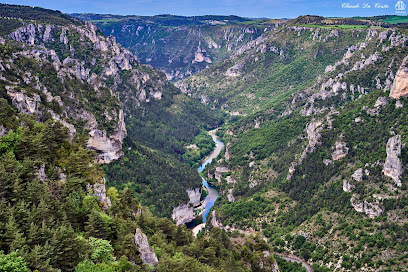
arboretum de la Foux
27.0 km
Explore a world of trees in the heart of the Cévennes Mountains at Arboretum de la Foux, a historic and tranquil escape.
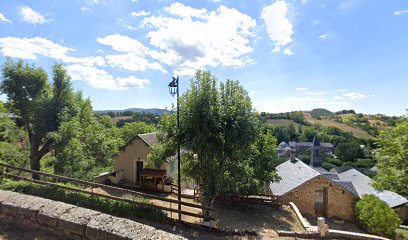
Essential places to dine

Restaurant L' Adonis
0.2 km
Experience authentic French cuisine at Restaurant L'Adonis in Florac-Trois-Rivières - where local flavors meet stunning scenery.
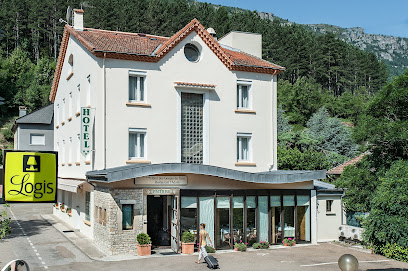
Auberge Cévenole
1.7 km
Discover authentic French cuisine at Auberge Cévenole in La Salle Prunet – where local flavors meet breathtaking scenery.
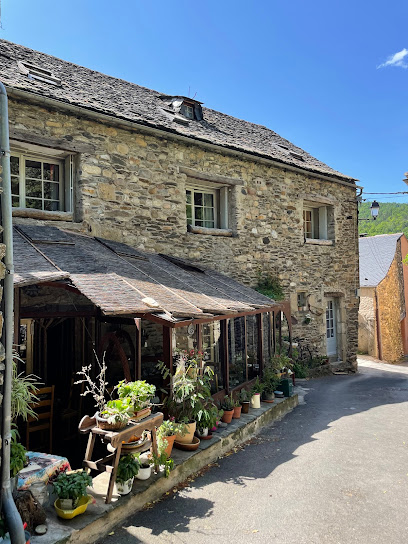
La Lozerette
3.5 km
Discover La Lozerette: A cozy hotel and French restaurant nestled in Cocures Village offering delightful cuisine and warm hospitality.
Auberge des Cévennes - Pont de Montvert
12.7 km
Experience authentic French hospitality at Auberge des Cévennes - your gateway to exploring the natural wonders of Pont de Montvert.
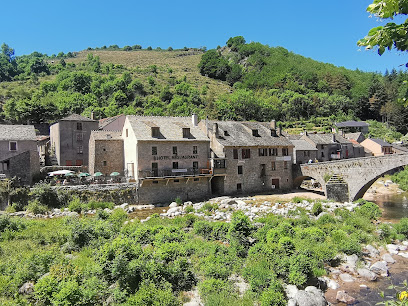
La Truite Enchantée
12.8 km
Experience exquisite French cuisine at La Truite Enchantée in Pont-de-Montvert-Sud-Mont-Lozère – where culinary artistry meets breathtaking scenery.
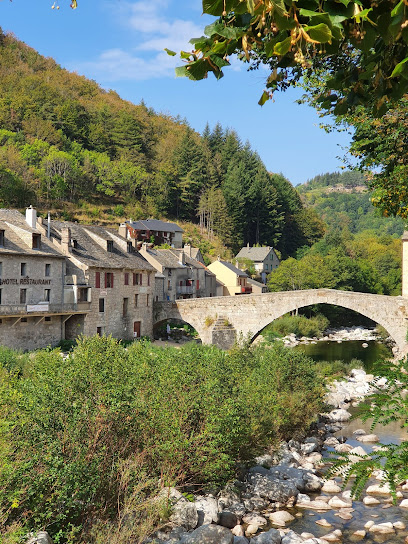
Cevennes in the Box
12.9 km
Experience authentic regional cuisine at Cevennes in the Box, where local flavors meet organic farming amidst breathtaking natural scenery.
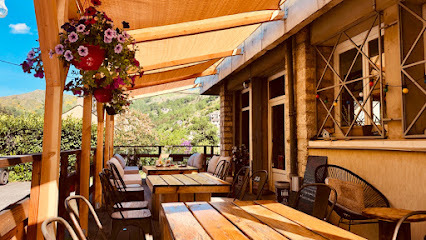
Auberge du Moulin
15.2 km
Experience exquisite French cuisine and cozy lodging at Auberge du Moulin in Gorges du Tarn - where nature meets culinary artistry.
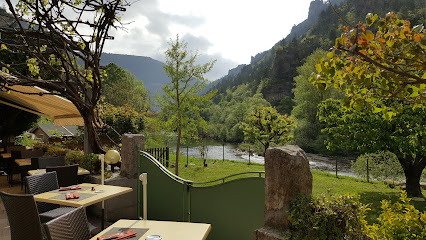
Restaurant du Nord
15.2 km
Experience authentic French cuisine amidst stunning landscapes at Restaurant du Nord in Gorges du Tarn.
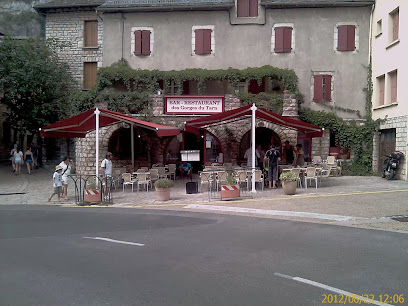
Bar-Restaurant des Gorges du Tarn
15.2 km
Savor exquisite French cuisine amidst breathtaking landscapes at Bar-Restaurant des Gorges du Tarn – an unforgettable dining destination.
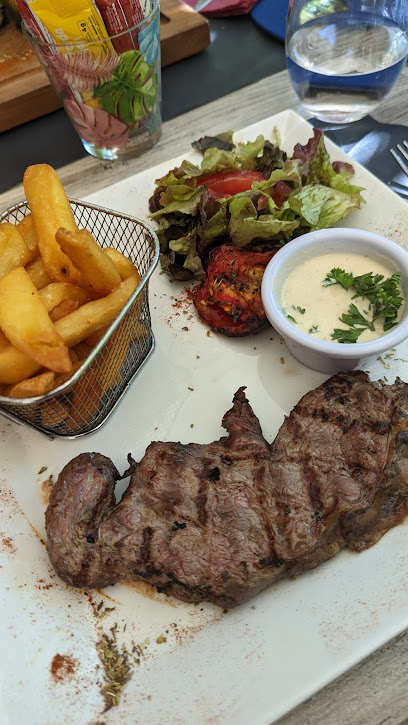
La cardabelle
15.2 km
Discover La Cardabelle: A charming restaurant in Gorges du Tarn Causses serving exquisite local cuisine amidst breathtaking scenery.
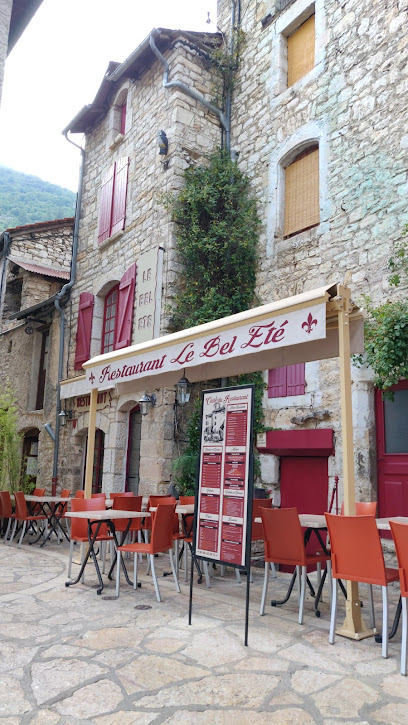
Restaurant Le Bel Ete
15.2 km
Discover exquisite local cuisine amidst breathtaking landscapes at Restaurant Le Bel Ete in Gorges du Tarn.
CHEZ MARCO
15.2 km
Experience authentic French cuisine at Chez Marco in Gorges du Tarn, where stunning views meet delicious flavors.
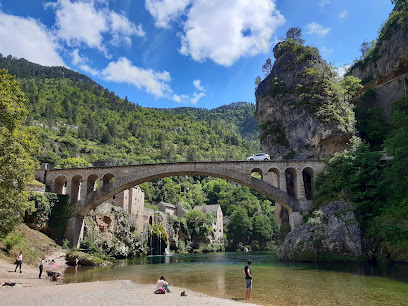
Le Petit Paris
15.3 km
Discover the flavors of France at Le Petit Paris in Gorges du Tarn - a cozy restaurant and bar offering delightful local cuisine and warm hospitality.
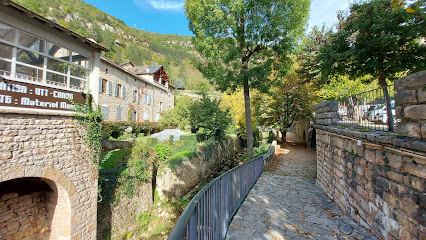
Deuve Alexandre
15.5 km
Discover Deuve Alexandre in Mas-Saint-Chély for an unforgettable dining experience blending local flavors with warm hospitality.
Florence Pantel Le Cantou du Poncet
16.5 km
Discover rustic elegance at Le Cantou du Poncet: A unique restaurant and farmstay offering exquisite local cuisine amidst stunning Lozère landscapes.
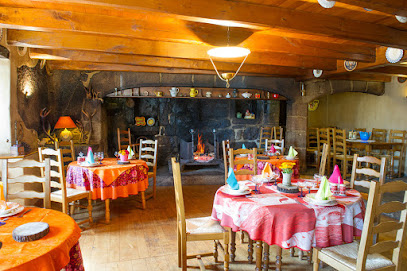
Markets, malls and hidden boutiques

Cévennes National Park
4.0 km
Explore the breathtaking landscapes, rich cultural history, and diverse wildlife of Cévennes National Park, a true natural paradise in France.
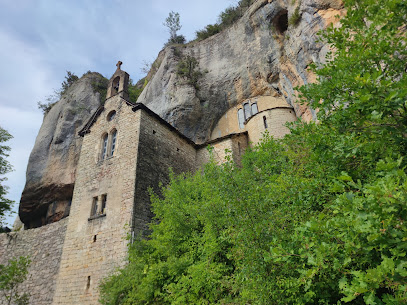
La Cazelle : Canoë Gorges du Tarn
14.5 km
Experience the thrill of canoeing and kayaking in the breathtaking Gorges du Tarn at La Cazelle, where adventure meets stunning natural beauty.
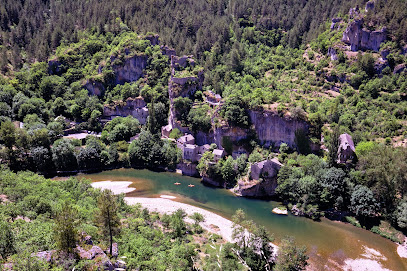
Le Merle Bleu
15.2 km
Explore the exquisite craftsmanship of Le Merle Bleu, a jewelry store in the picturesque Gorges du Tarn Causses, perfect for unique souvenirs and gifts.
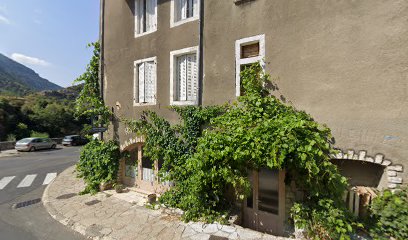
La Poterie
15.2 km
Explore the unique charm of La Poterie, a handcrafted pottery store in the breathtaking Gorges du Tarn, perfect for unique gifts and souvenirs.
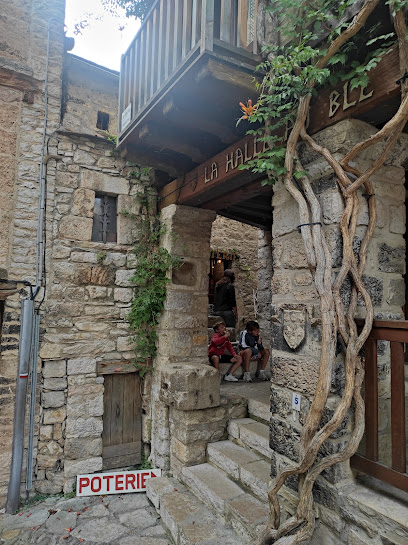
Les Arts Verre
15.2 km
Explore the vibrant world of stained glass artistry at Les Arts Verre in the breathtaking Gorges du Tarn Causses.
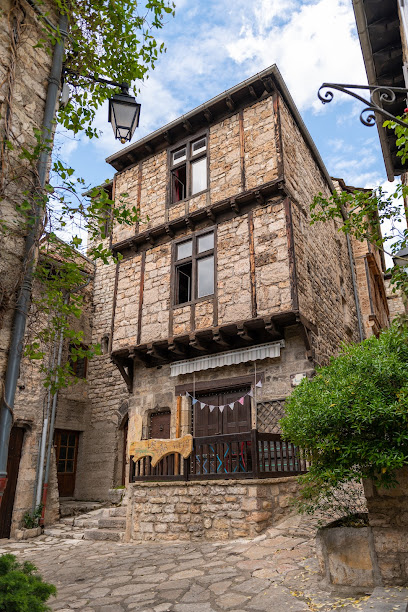
Lili Clément
15.2 km
Experience the charm of Lili Clément in Gorges du Tarn, where local artisans showcase unique products and flavors of the region.
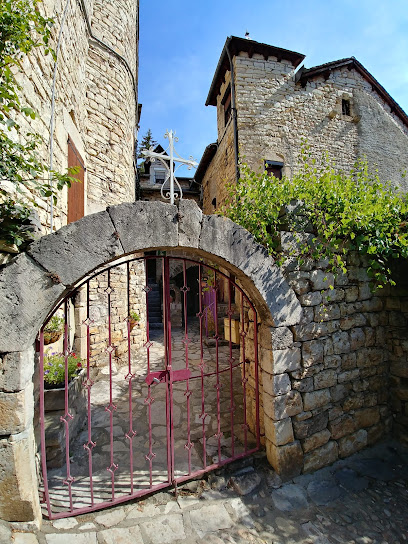
Les Souvenirs D'Emile
15.3 km
Explore unique souvenirs and local crafts at Les Souvenirs D'Emile in Gorges du Tarn Causses, capturing the essence of your travel experience.
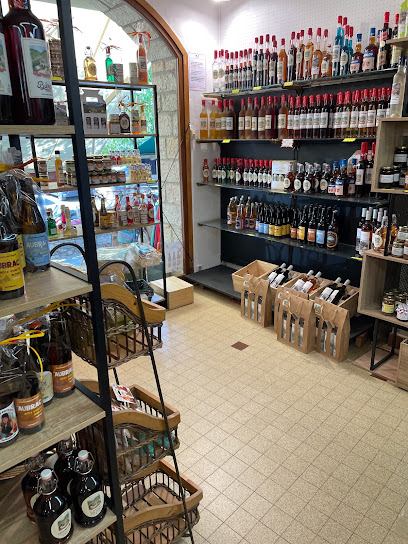
Aux Saveurs Cévenoles
20.6 km
Explore the best of natural foods and local delicacies at Aux Saveurs Cévenoles in the heart of Meyrueis, France.
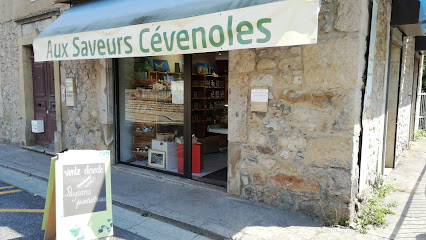
Art D Autrefois
20.7 km
Explore the artistic heritage of Meyrueis at Art D Autrefois, a delightful gift shop filled with unique local crafts and souvenirs.
La Belle Aventure
20.7 km
Explore La Belle Aventure: A grocery store and cooking class destination in Meyrueis, offering organic produce and a taste of local tradition.
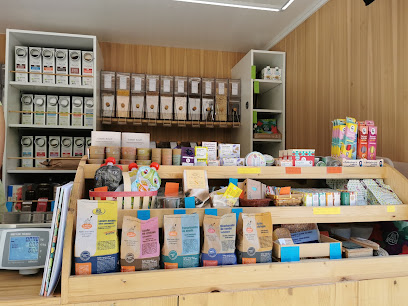
Gevaudan Boutique
21.9 km
Explore Gevaudan Boutique in La Malène for unique gifts and local crafts that capture the spirit of the region.
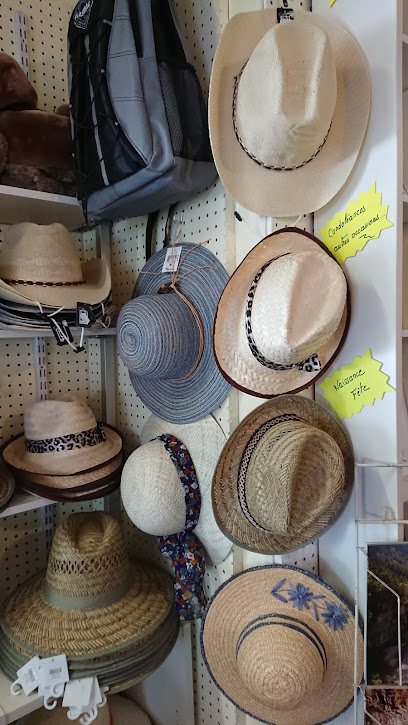
Vival supérette
29.4 km
Discover the flavors of the French countryside at Vival Supérette in Massegros, a delightful grocery store brimming with local produce and gourmet treats.
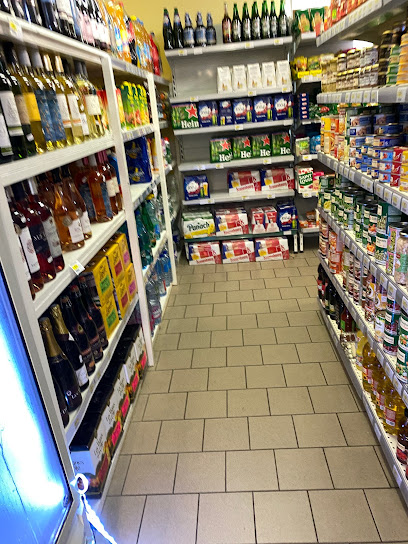
La boutique des Gorges du Tarn
29.5 km
Explore La Boutique des Gorges du Tarn: A charming shop for local products in the stunning Gorges du Tarn region, perfect for unique souvenirs.
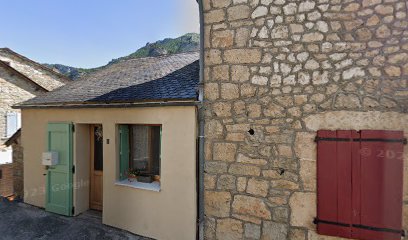
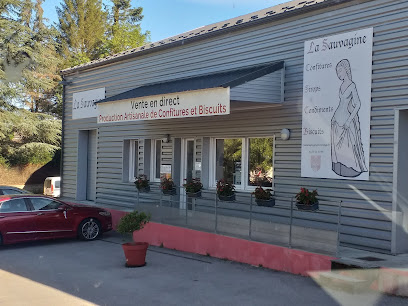
La Sauvagine
33.1 km
Discover the delightful flavors of France at La Sauvagine, a beloved bakery in the scenic Massegros Causses Gorges.
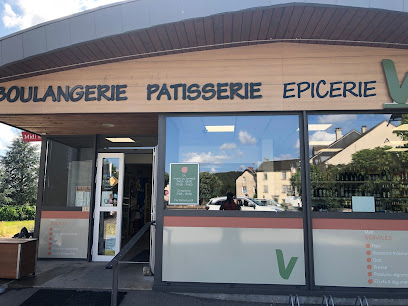
Épicerie
33.4 km
Explore Épicerie in Massegros for an authentic taste of local French culture and cuisine with fresh produce and artisanal delights.
Essential bars & hidden hideouts

Au Pécher Mignon
0.1 km
Experience authentic French crêpes in a cozy setting at Au Pécher Mignon in Florac-Trois-Rivières, where every dish is made with love.
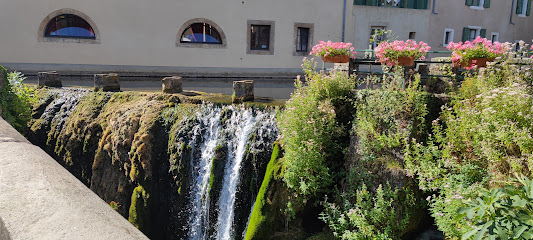
The tables of the fountain
0.4 km
Experience authentic French hospitality in the heart of Florac-Trois-Rivières at The Tables of the Fountain, a charming bed and breakfast with exquisite dining.
Restaurant l'Estival
1.5 km
Experience the flavors of France at Restaurant l'Estival, a charming eatery in Florac-Trois-Rivières, perfect for savoring local cuisine.
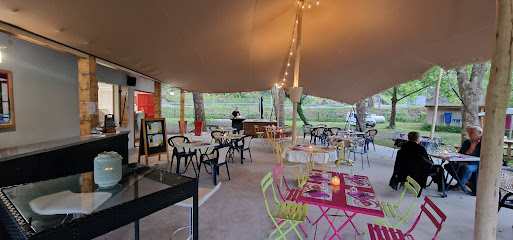
Aux Cinq Arches
10.3 km
Explore Aux Cinq Arches: A scenic tapas bar in Gorges du Tarn offering exquisite dishes and breathtaking views.
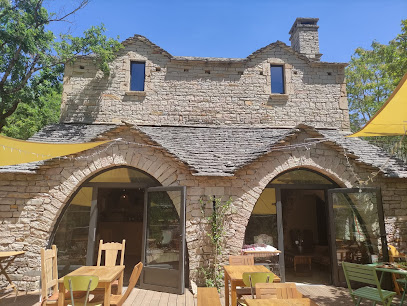
Le Rock's
14.8 km
Discover Le Rock's, a cocktail bar in Gorges du Tarn offering exquisite drinks and a stunning atmosphere for the perfect evening out.
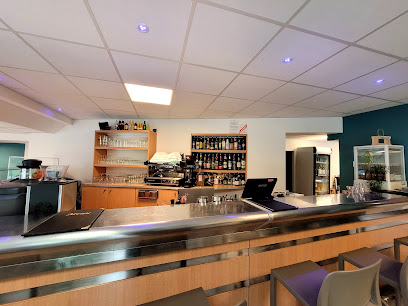
Bar de la digue
15.2 km
Experience the charm of Bar de la Digue, where local flavors meet breathtaking views in the stunning Gorges du Tarn.
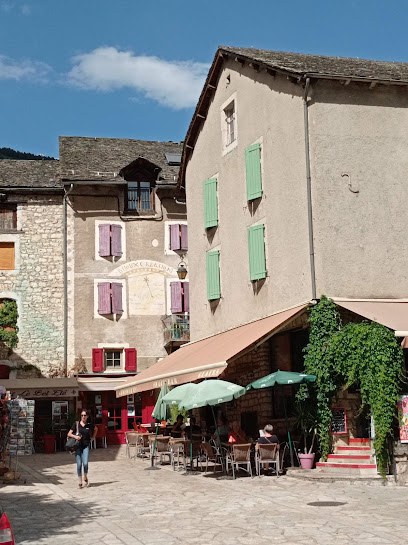
l'Abracada bar
15.2 km
Discover the essence of Gorges du Tarn Causses at l'Abracada Bar, a charming wine and tapas bar perfect for unwinding after a day of adventure.
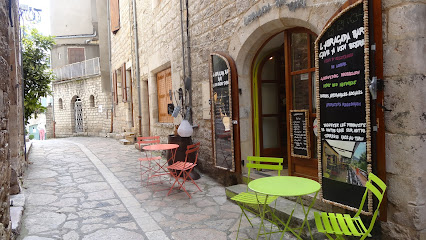
Central Bar
15.2 km
Experience authentic Italian flavors and a vibrant bar atmosphere at Central Bar in the scenic Gorges du Tarn Causses.
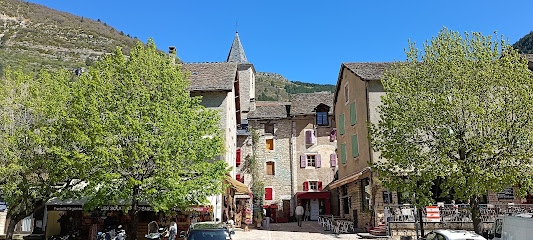
Chez Léon
15.3 km
Discover the delightful brews and cocktails at Chez Léon, a charming brewery nestled in the breathtaking Gorges du Tarn.
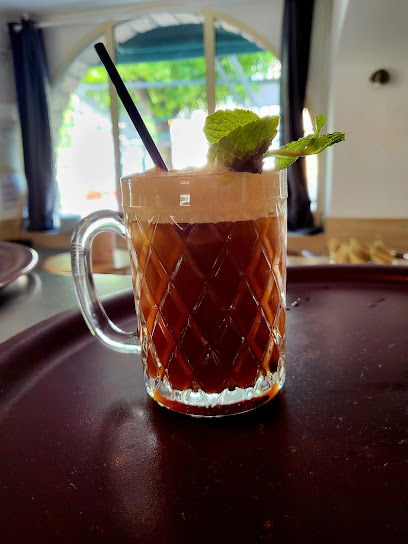
Sarl Lauret
21.9 km
Experience the charm of Sarl Lauret, a cozy bar in La Malène, offering a perfect blend of local flavors and friendly ambiance.
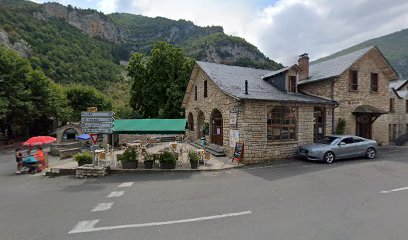
Mas Nouveau
26.9 km
Experience the perfect blend of fine dining, cozy ambiance, and local charm at Mas Nouveau in Génolhac, a culinary gem in the heart of France.
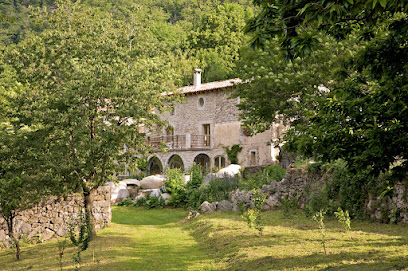
Espinasse Georges Guy Marcel
28.5 km
Discover the charming Espinasse Georges Guy Marcel bar in Massegros Causses Gorges, where local flavors meet rustic ambiance for an unforgettable experience.
La Presbyture
30.6 km
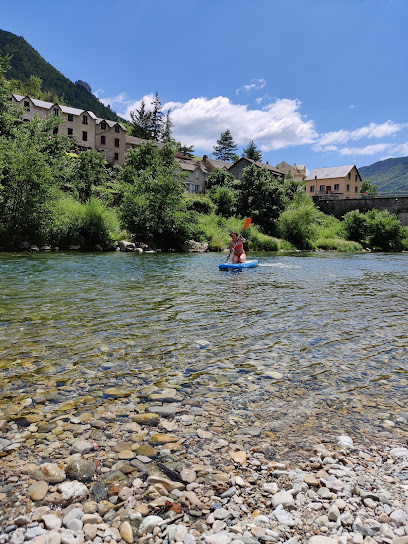
Discover the charm of La Presbyture, a cozy bar in the heart of Massegros Causses Gorges, offering local drinks and a welcoming atmosphere.
La buvette de Cassagnes
30.8 km
Discover La Buvette de Cassagnes - a charming bar and live music venue in the heart of Cassagnes, where local culture and entertainment come alive.
La guinguette de Combelasais
31.8 km
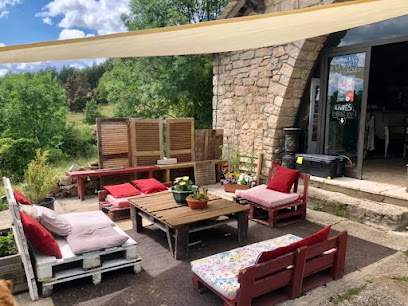
Discover La Guinguette de Combelasais, a picturesque bar in the heart of Massegros Causses Gorges, where local charm meets stunning views.
Nightclubs & after hour spots

LE BISTROT DES CEVENNES
12.8 km
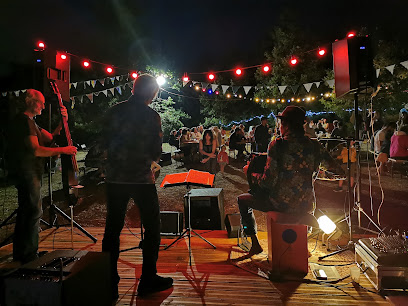
Discover the authentic taste of the Cevennes at Le Bistrot des Cevennes – a cozy bar in the heart of Pont-de-Montvert.
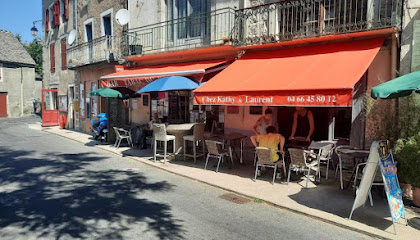
Canoë Kayak Gorges du Tarn LA BARBOTE
34.0 km
Discover the breathtaking Gorges du Tarn at Canoë Kayak Gorges du Tarn, where adventure meets tranquility in stunning natural surroundings.
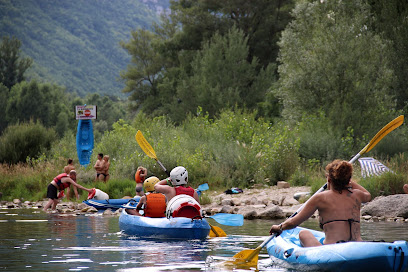
Titanic Club
52.0 km
Discover the vibrant nightlife at Titanic Club in Chandolas, where electrifying music and a lively atmosphere await every weekend.
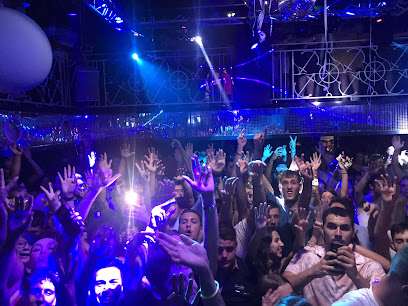
Le Cab 07
63.0 km
Discover the nightlife at Le Cab 07, a vibrant night club in Vallon-Pont-d'Arc offering dining and entertainment in a stunning setting.

Hôtel Le Belvédère
65.9 km
Discover the charm of Hôtel Le Belvédère, where stunning views, exquisite dining, and relaxation await you in Vallon-Pont-d'Arc.
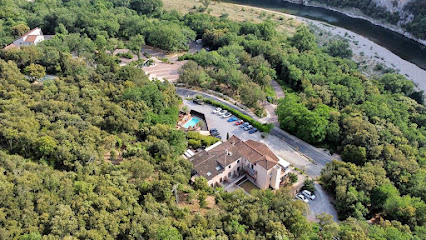
QG CLUB AUBENAS
67.8 km
Discover the energetic nightlife at QG Club Aubenas, where vibrant music and dancing create unforgettable memories in Lachapelle-Sous-Aubenas.
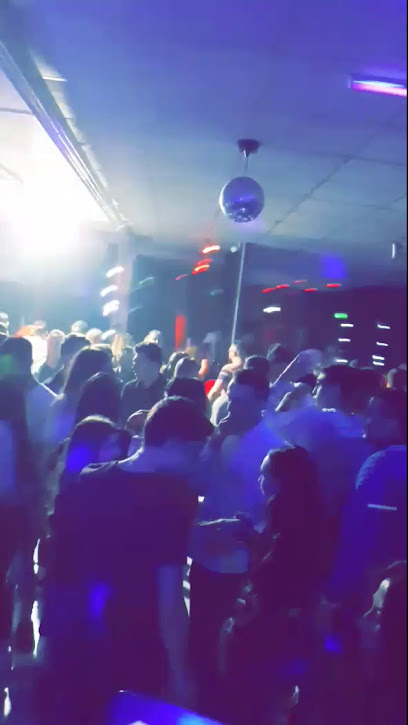
QG boite de nuit en Ardèche
67.8 km
Discover the vibrant nightlife at QG Boite de Nuit in Ardèche, where the rhythm invites you to dance and celebrate the night away.
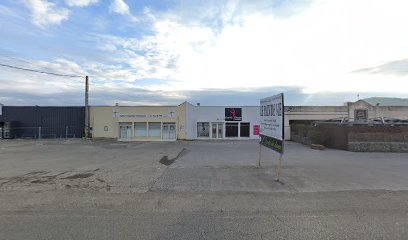
Auberge Chez Laurette
72.8 km
Experience the essence of French hospitality at Auberge Chez Laurette in Saint-Remèze – a perfect blend of culinary delights and rustic charm.
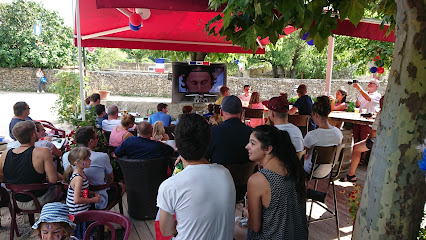
Club Kafé Fashion
81.6 km
Discover the pulsating heart of Nîmes’ nightlife at Club Kafé Fashion, where music, style, and energy blend seamlessly.
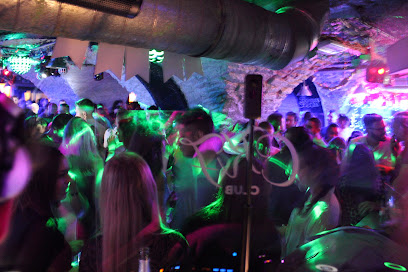
Disco Gard
81.6 km
Discover the pulse of Nîmes nightlife at Disco Gard, where unforgettable parties and vibrant energy await every night.
Lulu Club
81.7 km
Experience the exhilarating nightlife at Lulu Club in Nîmes, where vibrant music and an energetic atmosphere create unforgettable nights.
La Comédie Club
81.8 km
Discover the vibrant nightlife of Nîmes at La Comédie Club, where music, dancing, and fun come together in a stylish setting.

PZ City Club
81.8 km
Experience the vibrant nightlife of Montpellier at PZ City Club, where music, dance, and excitement come alive every weekend.
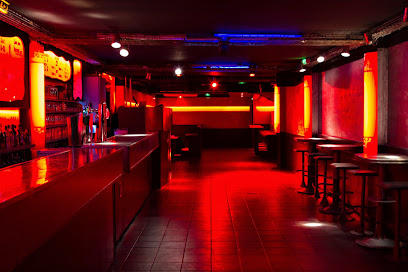
Trust Club NEW
81.8 km
Discover the vibrant nightlife at Trust Club NEW in Nîmes, where electrifying music and lively atmosphere create unforgettable experiences.
Trust club
81.9 km
Trust Club in Nîmes: A vibrant night club offering an energetic atmosphere, pulsating music, and unforgettable nightlife experiences.