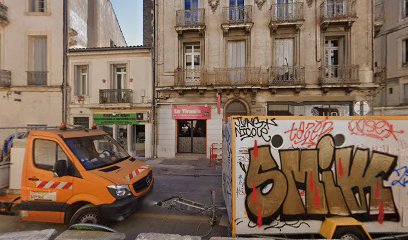
Causses and Cévennes: A Mediterranean Agro-Pastoral Landscape
Explore the Causses and Cévennes, a UNESCO World Heritage Site showcasing millennia of Mediterranean agro-pastoral traditions in a stunning landscape.
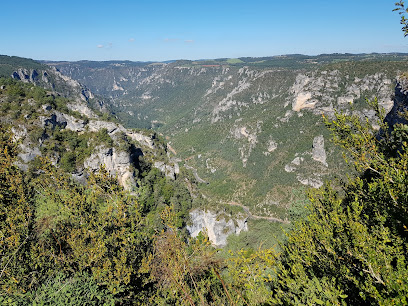
The Causses and Cévennes, a UNESCO World Heritage site in southern France, showcases over three millennia of agro-pastoral history. This cultural landscape features mountains interwoven with deep valleys, shaped by traditional grazing practices and reflecting a unique relationship between people and their environment.
A brief summary to UNESCO Causses and Cévennes
- Gatuzières, 48150, FR
- Visit website
Local tips
- Explore the local markets for regional products like sheep cheese, honey, and chestnuts.
- Hike along the drailles (transhumance routes) to experience the landscape and its pastoral history.
- Visit the Cévennes National Park for unspoiled natural environments and outdoor activities.
- Discover the Gorges du Tarn by boat for a unique perspective on the canyon.

Getting There
-
Car
The Causses and Cévennes region is best accessed by car to explore its diverse landscapes. Major towns acting as gateways include Alès, Ganges, Lodève, Mende, and Millau. From these towns, follow well-marked roads into the heart of the Causses and Cévennes. Be aware that roads can be winding and narrow in mountainous areas. Parking is generally available in villages and at major attractions.
-
Public Transport
Access to the Causses and Cévennes by public transport is possible but may require planning. TGV train lines connect Paris to Nîmes and Montpellier. From there, regional TER trains and buses provide access to towns within the region such as Alès, Mende and Millau. Bus line 280 connects Montpellier to Millau and Mende. From these larger towns, local bus routes serve some of the smaller villages. Check local bus schedules for connections, as services may be limited, especially in rural areas.
Discover more about UNESCO Causses and Cévennes
Iconic landmarks you can’t miss

UNESCO Causses and Cévennes
0.0 km
Explore the Causses and Cévennes, a UNESCO World Heritage Site showcasing millennia of Mediterranean agro-pastoral traditions in a stunning landscape.
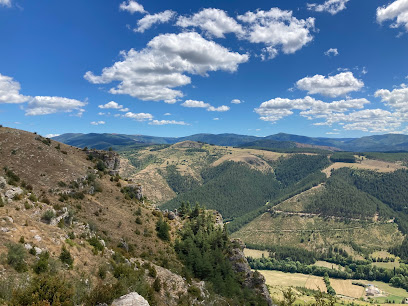
Gorges de la Jonte
10.1 km
Discover the Gorges de la Jonte: a breathtaking canyon in France offering stunning views, outdoor adventures, and unique wildlife encounters.
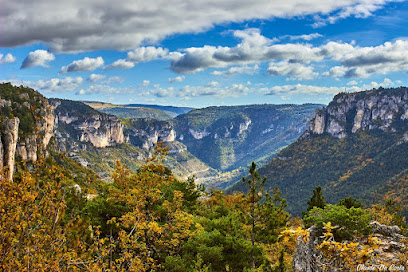
Les Gorges du Tarn .fr
10.4 km
Explore the breathtaking beauty of Les Gorges du Tarn, a stunning natural wonder in southern France, perfect for outdoor adventures and relaxation.
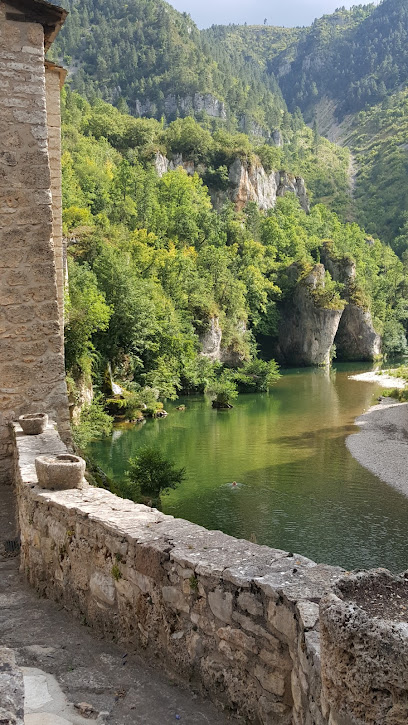
Le Tarnon
11.5 km
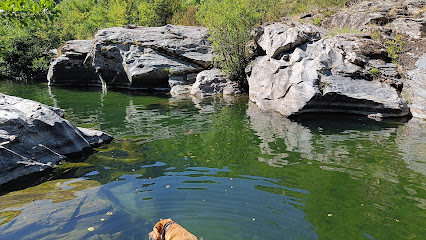
Explore the serene beauty of Le Tarnon in Cans-et-Cévennes, a hidden gem in France perfect for nature lovers and tranquil escapes.
FERME CAUSSENARDE D'AUTREFOIS
11.8 km
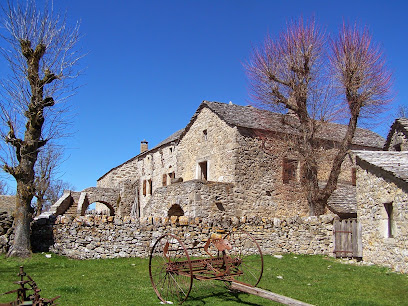
Discover rural life in the Cevennes at La Ferme Caussenarde d'Autrefois, a preserved 17th-century farm offering an immersive historical experience.
Le Saltadou : Panorama du cirque de Saint-Chély-du-Tarn
14.0 km
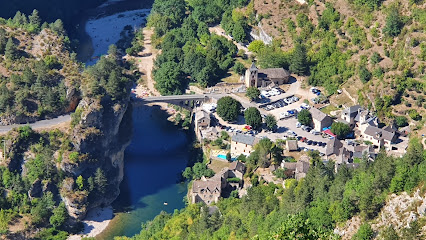
Experience breathtaking panoramic views of the Cirque de Saint-Chély-du-Tarn, local cuisine, and regional products at this easily accessible viewpoint.
Canoe Au Moulin de la Malene
15.0 km
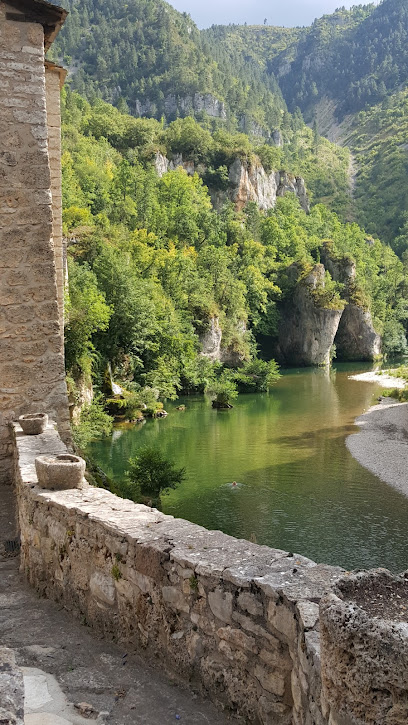
Discover the Gorges du Tarn from the water with canoe, kayak, and paddleboard rentals at a historic mill run by a passionate family since 1973.
The Boatmen of the Gorges du Tarn
15.1 km
Discover the breathtaking Gorges du Tarn with expert local boatmen, offering scenic tours through stunning landscapes and rich history.
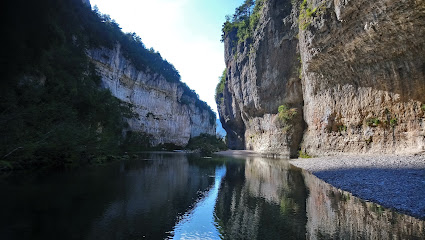
Gorges du Tarn en canoé
16.9 km
Experience the majestic Gorges du Tarn from a unique perspective – glide through towering cliffs and discover hidden gems by canoe.
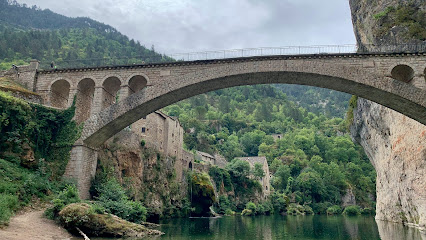
Les Détroits
17.9 km
Discover the charm of Les Déroits, a cozy bed & breakfast in La Malène, surrounded by the stunning landscapes of Gorges du Tarn.

Point sublime de Saint-Jean des Balmes, 12720 Veyreau
19.5 km
Discover the stunning views at Point Sublime in Veyreau, a scenic spot that showcases the natural beauty of France's breathtaking landscapes.
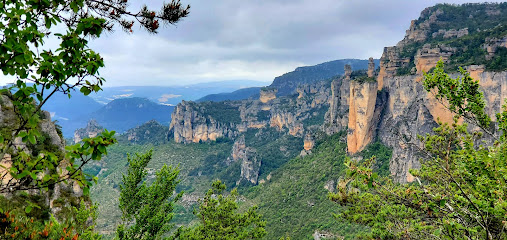
Sublime Point
20.9 km
Explore Sublime Point, a breathtaking observation deck and hiking area in Gorges du Tarn, showcasing nature's beauty and stunning landscapes.
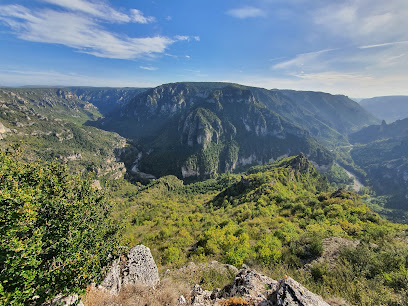
Cévennes
29.8 km
Explore the Cévennes: a stunning French mountain range with hiking, history, and a unique cultural landscape shaped by centuries of tradition.
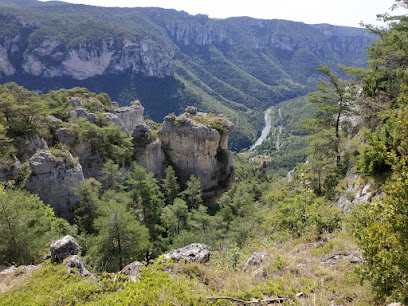
Château de Sévérac
34.1 km
Explore the enchanting Château de Sévérac, a historic castle in Aveyron, offering breathtaking views, rich history, and engaging cultural experiences.
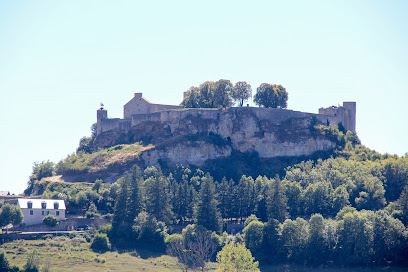
Steam train of Cevennes
35.3 km
Journey through the heart of the Cévennes on a vintage steam train, discovering breathtaking landscapes and a rich railway heritage.
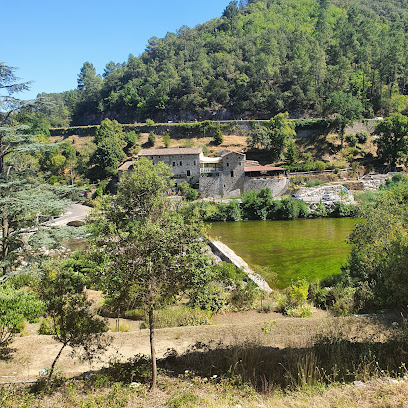
Unmissable attractions to see

Causse Méjean
5.5 km
Discover Causse Méjean: A stunning UNESCO World Heritage site with dramatic limestone plateaus, deep gorges, and rich biodiversity, offering a timeless escape into nature's embrace.
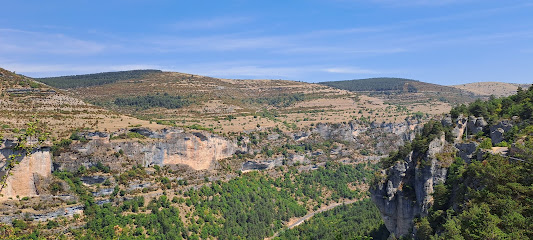
GR 66 Tour du Mont Aigoual (Parc national des Cévennes)
5.7 km
Hike the GR 66 Tour du Mont Aigoual in Cévennes National Park: Discover stunning landscapes, charming villages, and rich cultural heritage on this unforgettable French adventure.
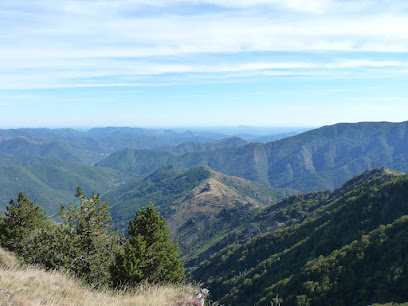
Grotte De Dargilan
8.0 km
Explore the stunning Grotte de Dargilan, a historical landmark with breathtaking rock formations and rich geological wonders in the heart of the Cévennes.
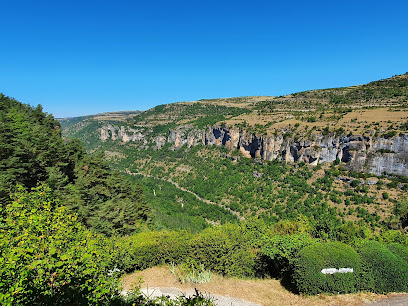
Aven Armand
9.2 km
Explore Aven Armand: Discover a breathtaking subterranean world of stalagmites in the heart of France's Cévennes National Park.
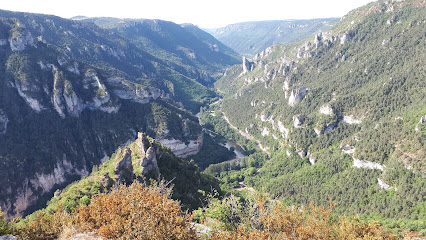
Abîme de Bramabiau
10.9 km
Explore the subterranean world where the 'Bonheur' river disappears and reappears with a thunderous roar in the heart of the Cévennes National Park.
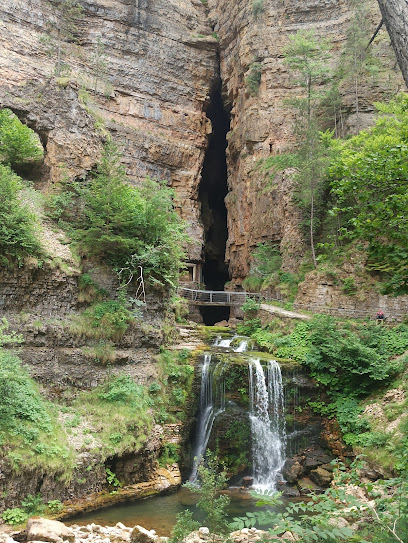
arboretum de la Foux
12.1 km
Explore a world of trees in the heart of the Cévennes Mountains at Arboretum de la Foux, a historic and tranquil escape.
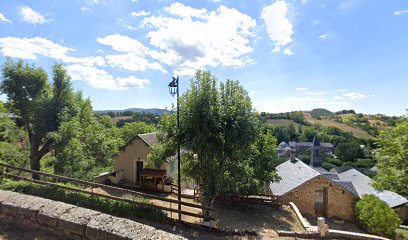
Grotte de Castelbouc
13.4 km
Explore the depths of Grotte de Castelbouc: An accessible caving adventure in the heart of the Gorges du Tarn.
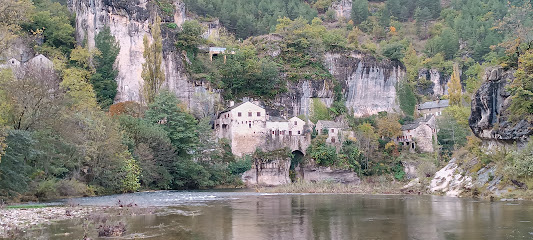
Le Moulin de Cénaret
14.6 km
Discover local crafts and the charm of a historic mill in the heart of the Gorges du Tarn at Le Moulin de Cénaret.
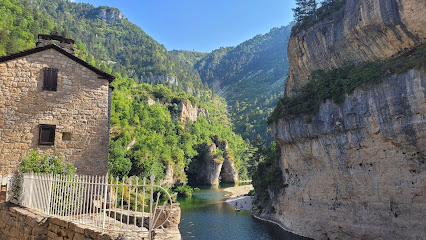
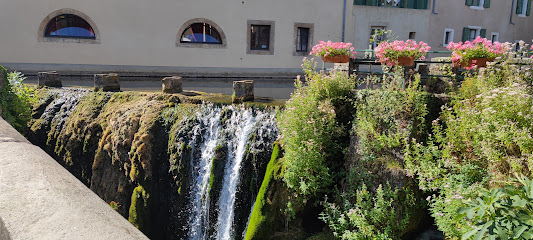
Cascade de saint Chély
14.7 km
A picturesque waterfall cascading into the Tarn River, surrounded by the stunning beauty and historical charm of Saint-Chély-du-Tarn.
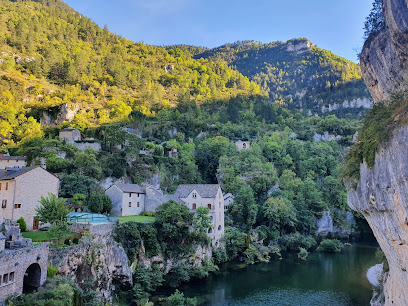
Château de Florac
14.9 km
Discover the Château de Florac, the historic gateway to the Cévennes National Park, a UNESCO World Heritage Site offering stunning landscapes and outdoor adventures in southern France.
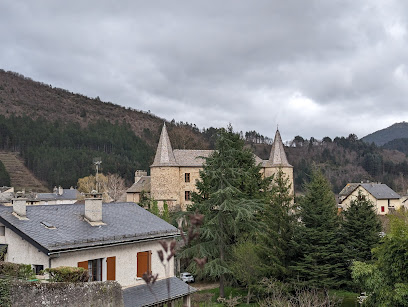
Randonnée des Arcs
15.9 km
Discover the Arcs de Saint-Pierre near Saint-Pierre-des-Tripiers: a stunning natural stone archway carved by time in the Causse Méjean.
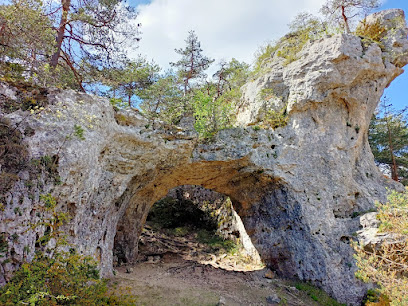
Sentier Oiseaux des Causses et des Gorges
16.5 km
Discover the avian wonders of the Gorges du Tarn on this easy, family-friendly hiking trail with stunning views and diverse birdlife.
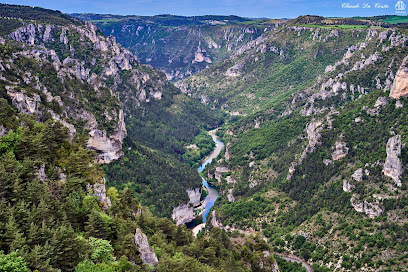
Arcs de Saint Pierre
16.9 km
Discover the Arcs de Saint Pierre: a geological wonder featuring naturally sculpted arches, prehistoric caves, and stunning views on the Causse Méjean.
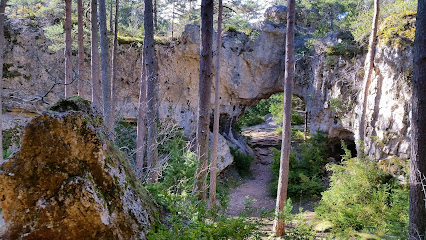
Domaine départemental de Boissets
17.4 km
Discover the stunning landscapes and rich heritage of Domaine Départemental de Boissets, a must-visit gem in Gorges du Tarn Causses.
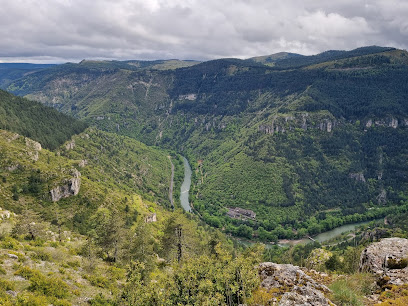
House of the Vultures
18.1 km
Discover the majestic world of vultures at the House of the Vultures in Le Truel, France. A unique museum, observation point, and conservation center.
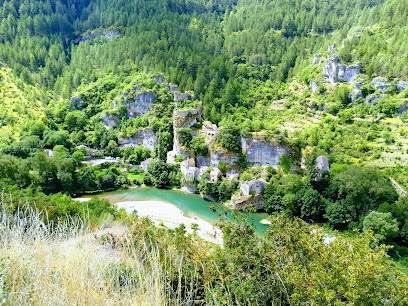
Essential places to dine

Deuve Alexandre
13.5 km
Discover Deuve Alexandre in Mas-Saint-Chély for an unforgettable dining experience blending local flavors with warm hospitality.
Restaurant des Douzes
14.3 km
Experience authentic French cuisine at Restaurant des Douzes, where family-friendly dining meets local culinary excellence in the heart of Douzes.
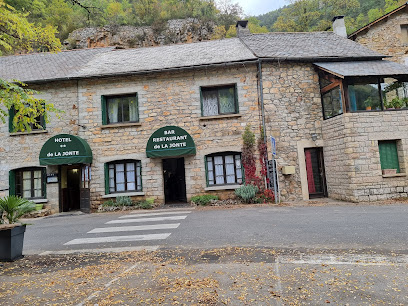
Logis Auberge de la Cascade
14.6 km
Discover exquisite French cuisine and cozy accommodations at Logis Auberge de la Cascade in Gorges du Tarn - a true haven for food lovers.
Restaurant L' Adonis
14.9 km
Experience authentic French cuisine at Restaurant L'Adonis in Florac-Trois-Rivières - where local flavors meet stunning scenery.
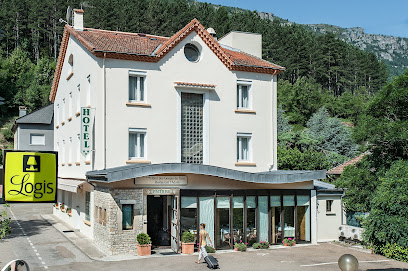
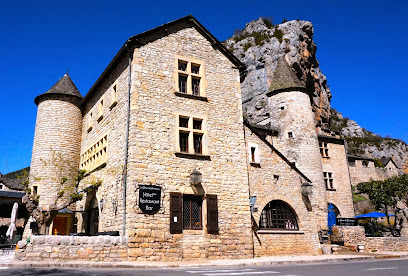
Castle of La Malène
15.1 km
Discover exquisite dining and vibrant nightlife at the historic Castle of La Malène – where culinary delight meets captivating ambiance.
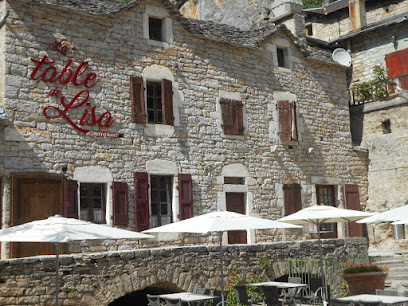
La Table de Lisa
15.1 km
Experience the best of French and Mediterranean cuisine at La Table de Lisa in beautiful La Malène.
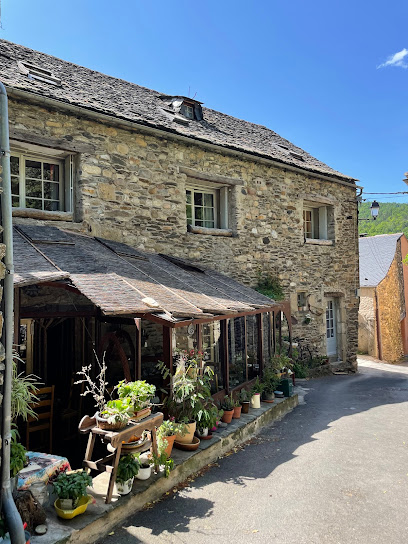
Auberge Cévenole
15.5 km
Discover authentic French cuisine at Auberge Cévenole in La Salle Prunet – where local flavors meet breathtaking scenery.
Restaurant du Roc des Hourtous
16.5 km
Experience exquisite French cuisine amidst breathtaking views at Restaurant du Roc des Hourtous in Gorges du Tarn.
La cardabelle
16.8 km
Discover La Cardabelle: A charming restaurant in Gorges du Tarn Causses serving exquisite local cuisine amidst breathtaking scenery.
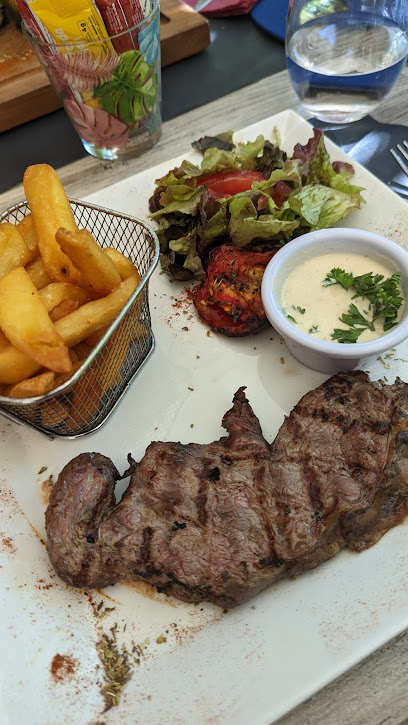
Restaurant du Nord
16.8 km
Experience authentic French cuisine amidst stunning landscapes at Restaurant du Nord in Gorges du Tarn.
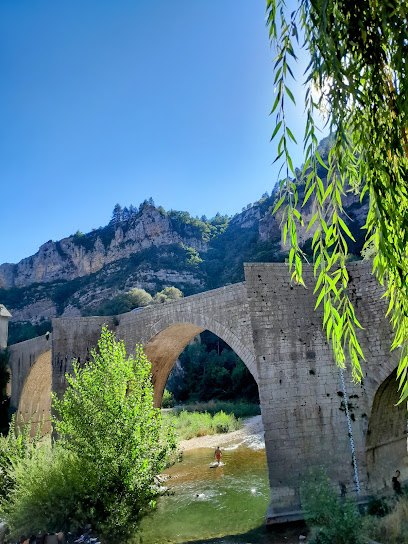
CHEZ MARCO
16.8 km
Experience authentic French cuisine at Chez Marco in Gorges du Tarn, where stunning views meet delicious flavors.
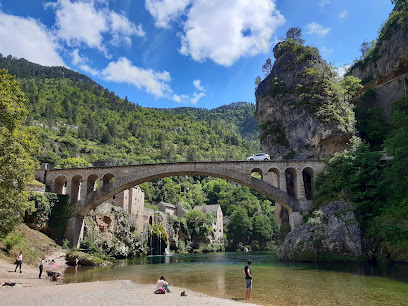
Auberge du Moulin
16.8 km
Experience exquisite French cuisine and cozy lodging at Auberge du Moulin in Gorges du Tarn - where nature meets culinary artistry.
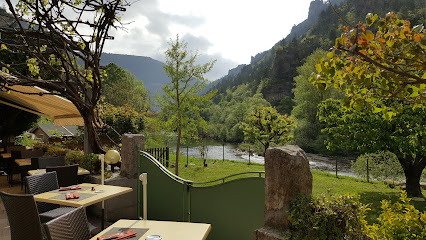
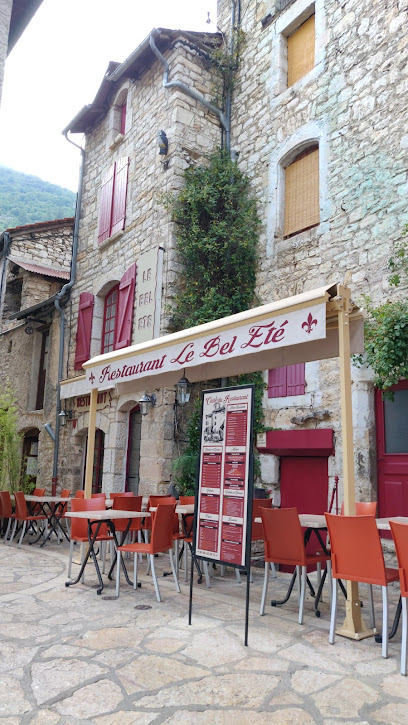
Restaurant Le Bel Ete
16.9 km
Discover exquisite local cuisine amidst breathtaking landscapes at Restaurant Le Bel Ete in Gorges du Tarn.
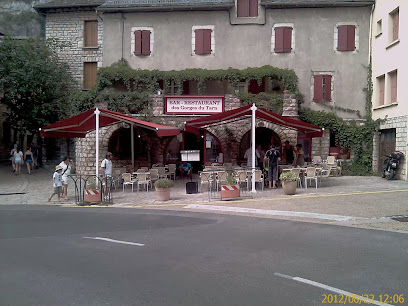
Bar-Restaurant des Gorges du Tarn
16.9 km
Savor exquisite French cuisine amidst breathtaking landscapes at Bar-Restaurant des Gorges du Tarn – an unforgettable dining destination.
Le Petit Paris
16.9 km
Discover the flavors of France at Le Petit Paris in Gorges du Tarn - a cozy restaurant and bar offering delightful local cuisine and warm hospitality.
Markets, malls and hidden boutiques

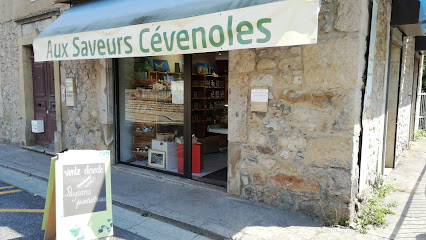
Aux Saveurs Cévenoles
5.7 km
Explore the best of natural foods and local delicacies at Aux Saveurs Cévenoles in the heart of Meyrueis, France.
Art D Autrefois
5.7 km
Explore the artistic heritage of Meyrueis at Art D Autrefois, a delightful gift shop filled with unique local crafts and souvenirs.
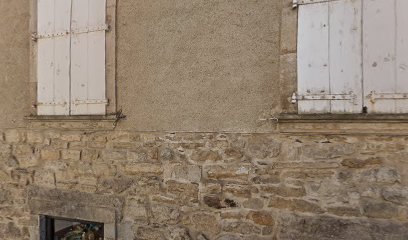
La Belle Aventure
5.7 km
Explore La Belle Aventure: A grocery store and cooking class destination in Meyrueis, offering organic produce and a taste of local tradition.
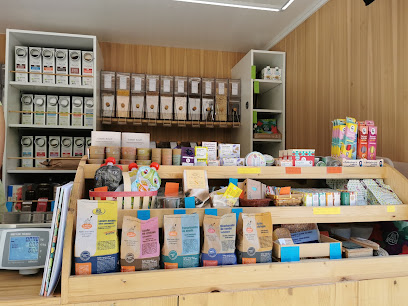
Gevaudan Boutique
15.1 km
Explore Gevaudan Boutique in La Malène for unique gifts and local crafts that capture the spirit of the region.
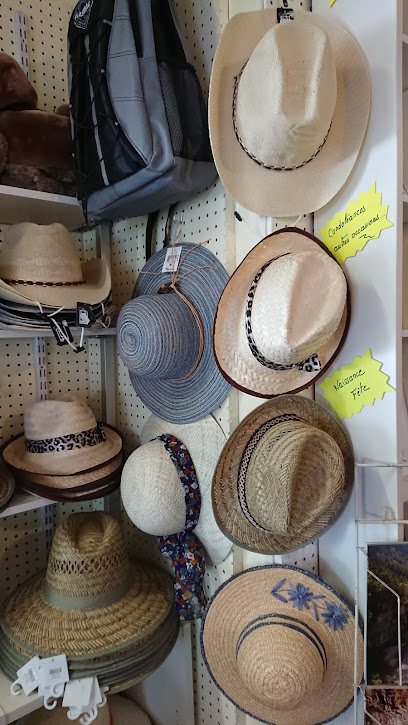
Cévennes National Park
15.9 km
Explore the breathtaking landscapes, rich cultural history, and diverse wildlife of Cévennes National Park, a true natural paradise in France.
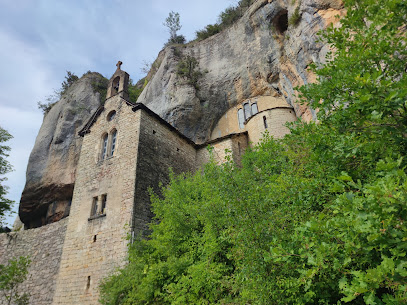
La Cazelle : Canoë Gorges du Tarn
16.7 km
Experience the thrill of canoeing and kayaking in the breathtaking Gorges du Tarn at La Cazelle, where adventure meets stunning natural beauty.
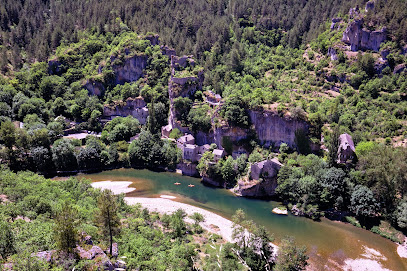
Le Merle Bleu
16.8 km
Explore the exquisite craftsmanship of Le Merle Bleu, a jewelry store in the picturesque Gorges du Tarn Causses, perfect for unique souvenirs and gifts.
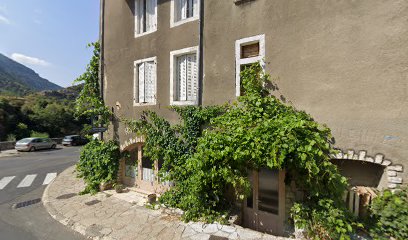
Les Souvenirs D'Emile
16.9 km
Explore unique souvenirs and local crafts at Les Souvenirs D'Emile in Gorges du Tarn Causses, capturing the essence of your travel experience.
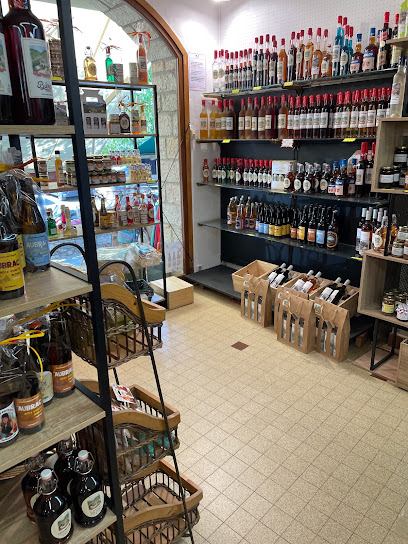
Lili Clément
16.9 km
Experience the charm of Lili Clément in Gorges du Tarn, where local artisans showcase unique products and flavors of the region.
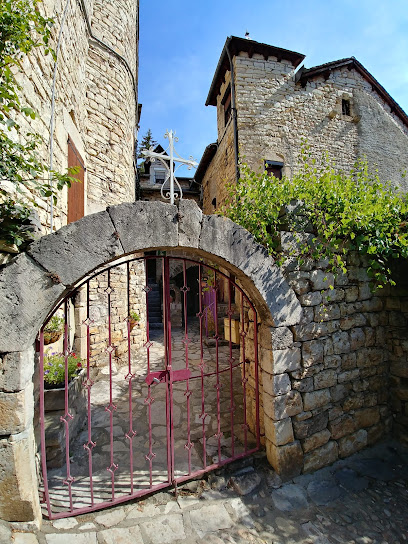
Les Arts Verre
16.9 km
Explore the vibrant world of stained glass artistry at Les Arts Verre in the breathtaking Gorges du Tarn Causses.
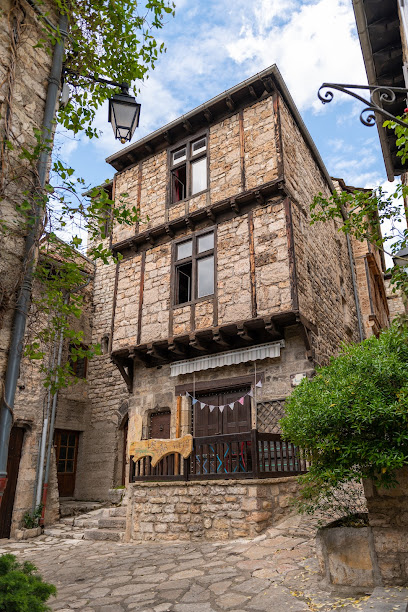
La Poterie
16.9 km
Explore the unique charm of La Poterie, a handcrafted pottery store in the breathtaking Gorges du Tarn, perfect for unique gifts and souvenirs.
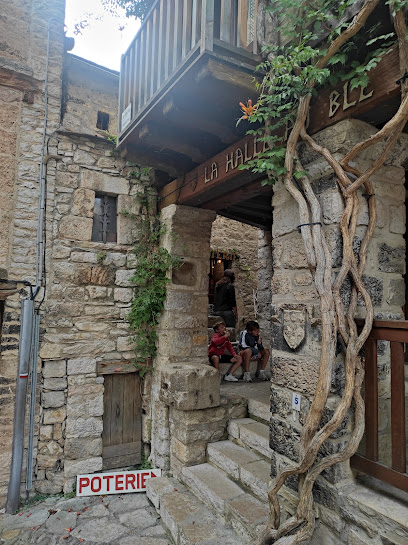
La boutique des Gorges du Tarn
20.5 km
Explore La Boutique des Gorges du Tarn: A charming shop for local products in the stunning Gorges du Tarn region, perfect for unique souvenirs.
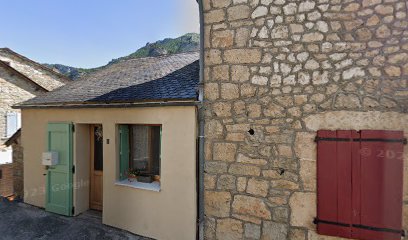
Vival supérette
20.5 km
Discover the flavors of the French countryside at Vival Supérette in Massegros, a delightful grocery store brimming with local produce and gourmet treats.
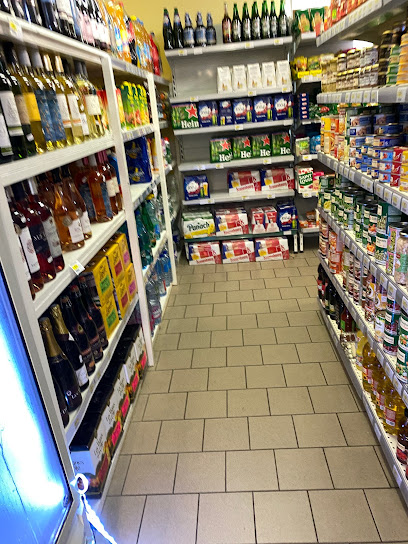
Blanchard Marina
21.2 km
Blanchard Marina: Experience the serene beauty and vibrant culture of Le Rozier, nestled in the heart of France's stunning landscapes.
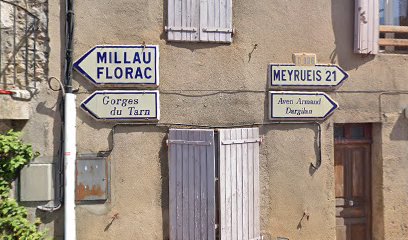
Couteaux Center
21.4 km
Discover the art of knife-making at Couteaux Center in Peyreleau, home to exquisite handcrafted knives reflecting French tradition.
Essential bars & hidden hideouts

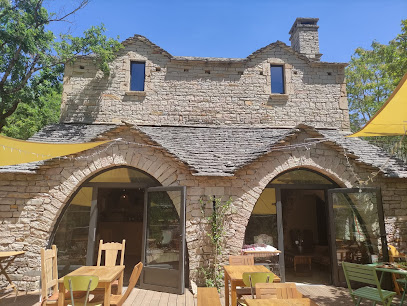
Aux Cinq Arches
13.4 km
Explore Aux Cinq Arches: A scenic tapas bar in Gorges du Tarn offering exquisite dishes and breathtaking views.
Au Pécher Mignon
15.0 km
Experience authentic French crêpes in a cozy setting at Au Pécher Mignon in Florac-Trois-Rivières, where every dish is made with love.
Sarl Lauret
15.1 km
Experience the charm of Sarl Lauret, a cozy bar in La Malène, offering a perfect blend of local flavors and friendly ambiance.
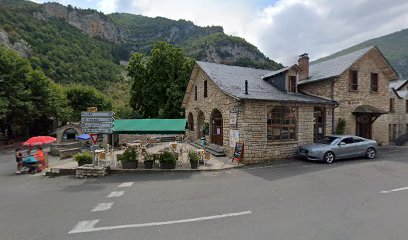
The tables of the fountain
15.2 km
Experience authentic French hospitality in the heart of Florac-Trois-Rivières at The Tables of the Fountain, a charming bed and breakfast with exquisite dining.
Restaurant l'Estival
15.8 km
Experience the flavors of France at Restaurant l'Estival, a charming eatery in Florac-Trois-Rivières, perfect for savoring local cuisine.
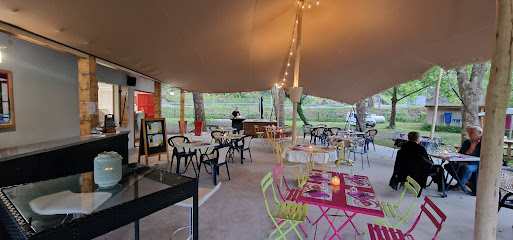
Le Rock's
16.8 km
Discover Le Rock's, a cocktail bar in Gorges du Tarn offering exquisite drinks and a stunning atmosphere for the perfect evening out.
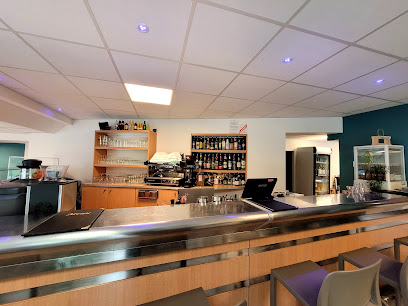
Bar de la digue
16.8 km
Experience the charm of Bar de la Digue, where local flavors meet breathtaking views in the stunning Gorges du Tarn.
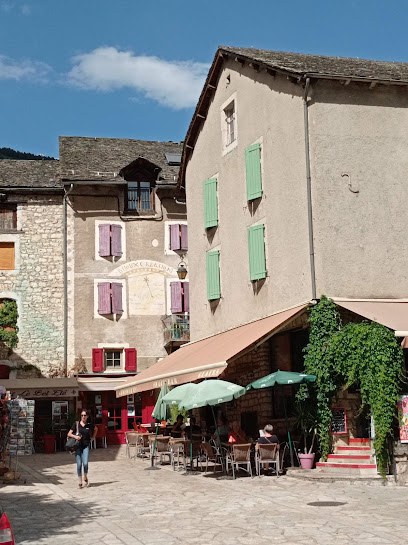
l'Abracada bar
16.8 km
Discover the essence of Gorges du Tarn Causses at l'Abracada Bar, a charming wine and tapas bar perfect for unwinding after a day of adventure.
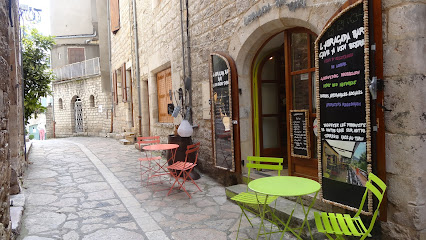
Central Bar
16.9 km
Experience authentic Italian flavors and a vibrant bar atmosphere at Central Bar in the scenic Gorges du Tarn Causses.
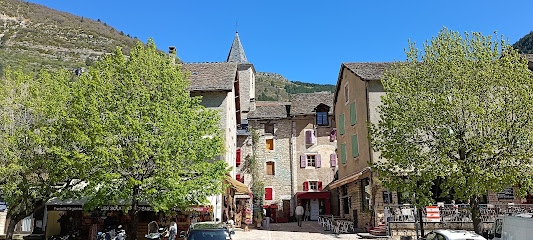
Chez Léon
16.9 km
Discover the delightful brews and cocktails at Chez Léon, a charming brewery nestled in the breathtaking Gorges du Tarn.
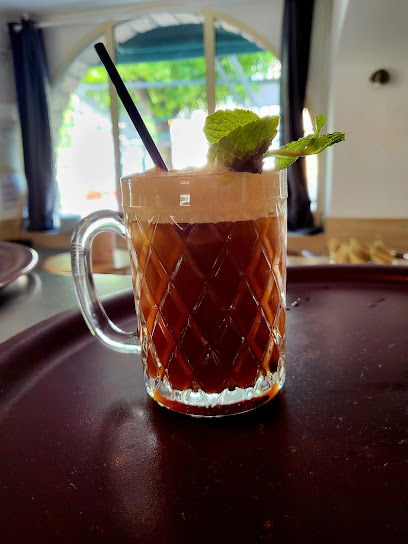
La buvette de Cassagnes
18.4 km
Discover La Buvette de Cassagnes - a charming bar and live music venue in the heart of Cassagnes, where local culture and entertainment come alive.
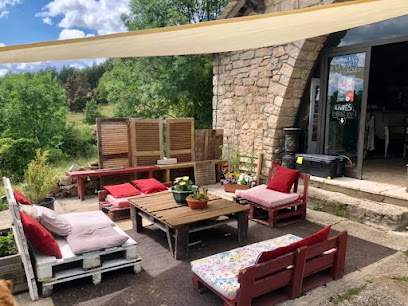
Espinasse Georges Guy Marcel
20.2 km
Discover the charming Espinasse Georges Guy Marcel bar in Massegros Causses Gorges, where local flavors meet rustic ambiance for an unforgettable experience.
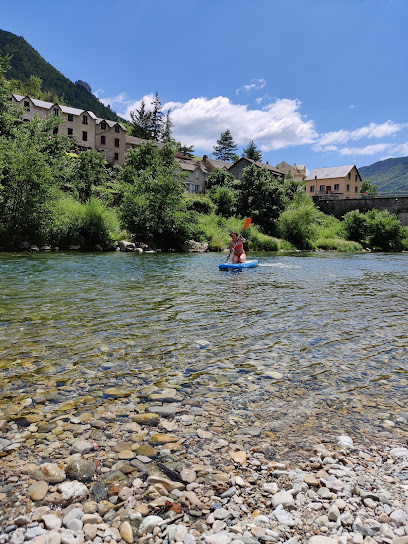
Capluc Kfé
21.2 km
Experience the perfect blend of relaxation and culinary delight at Capluc Kfé, a charming bar and restaurant in the heart of Le Rozier.
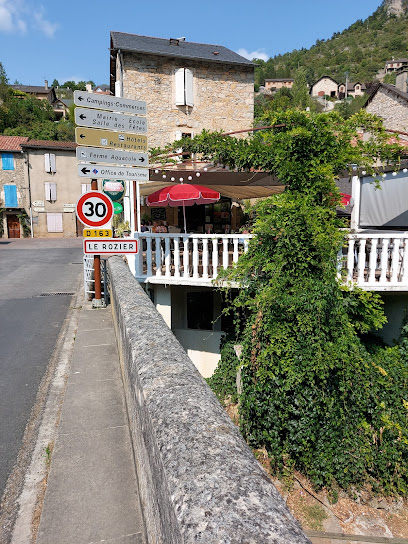
Bar des Voyageurs
21.2 km
Discover the charm of Bar des Voyageurs in Le Rozier, where affordable drinks and local culture meet in a cozy atmosphere.
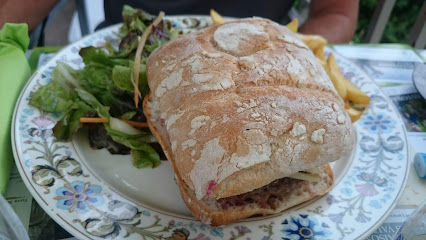
La Presbyture
21.3 km
Discover the charm of La Presbyture, a cozy bar in the heart of Massegros Causses Gorges, offering local drinks and a welcoming atmosphere.
Nightclubs & after hour spots

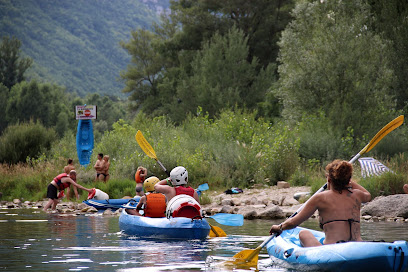
Canoë Kayak Gorges du Tarn LA BARBOTE
21.4 km
Discover the breathtaking Gorges du Tarn at Canoë Kayak Gorges du Tarn, where adventure meets tranquility in stunning natural surroundings.
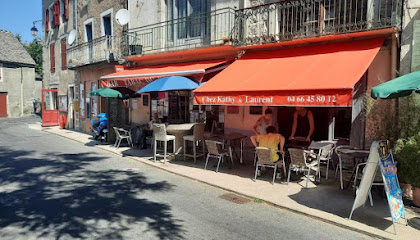
LE BISTROT DES CEVENNES
26.8 km
Discover the authentic taste of the Cevennes at Le Bistrot des Cevennes – a cozy bar in the heart of Pont-de-Montvert.
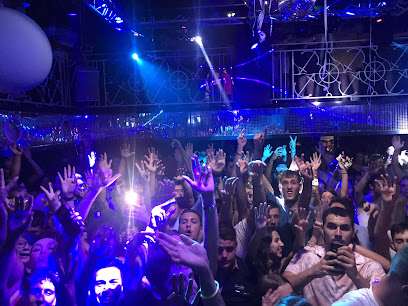
Titanic Club
64.5 km
Discover the vibrant nightlife at Titanic Club in Chandolas, where electrifying music and a lively atmosphere await every weekend.
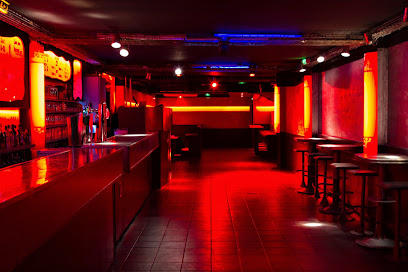
PZ City Club
74.6 km
Experience the vibrant nightlife of Montpellier at PZ City Club, where music, dance, and excitement come alive every weekend.
Le Cab 07
74.9 km
Discover the nightlife at Le Cab 07, a vibrant night club in Vallon-Pont-d'Arc offering dining and entertainment in a stunning setting.

Club K7
75.1 km
Discover the electrifying nightlife of Montpellier at Club K7, where music, dance, and vibrant energy come together for an unforgettable evening.
Louis Beaudoin
75.2 km
Discover the electrifying nightlife at Louis Beaudoin, a premier night club in Montpellier, perfect for dance and celebration.
Le Moom - Montpellier
75.3 km
Discover the vibrant nightlife at Le Moom in Montpellier, where the dance floor comes alive and unforgettable memories are made.
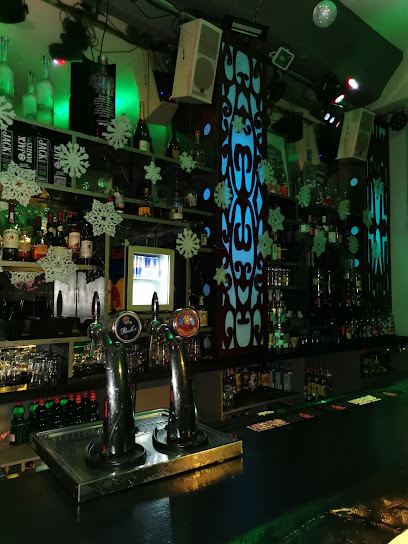
Le Fizz
75.3 km
Dive into the pulsating nightlife of Montpellier at Le Fizz, a premier disco club offering unforgettable dance experiences and vibrant social scenes.
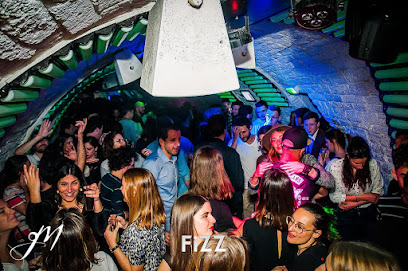
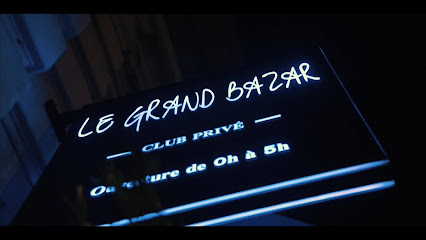
Le Grand Bazar
75.4 km
Experience the vibrant nightlife of Montpellier at Le Grand Bazar, where music, dancing, and unforgettable memories await you until dawn.
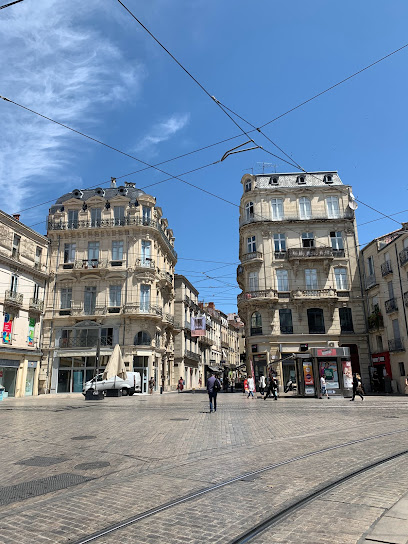
Les Trois Singes
75.4 km
Discover the vibrant nightlife of Montpellier at Les Trois Singes, where lively music and great drinks create unforgettable experiences.
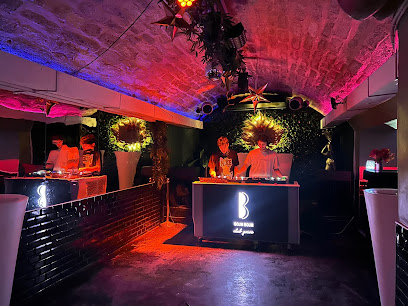
Boum Boum
75.6 km
Immerse yourself in the electric atmosphere of Boum Boum, Montpellier's premier night club for unforgettable nightlife experiences.
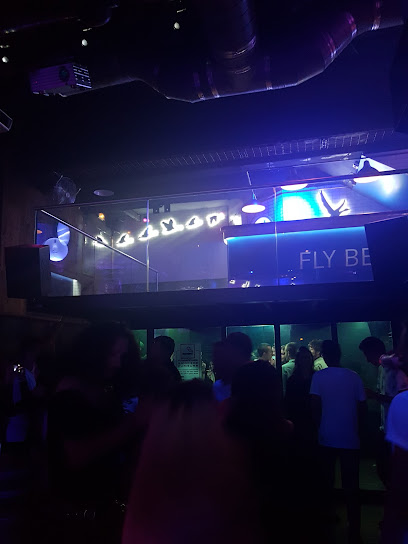
Cargo - Montpellier
75.6 km
Discover Cargo in Montpellier: A premier night club offering vibrant music, lively atmosphere, and unforgettable nightlife experiences.
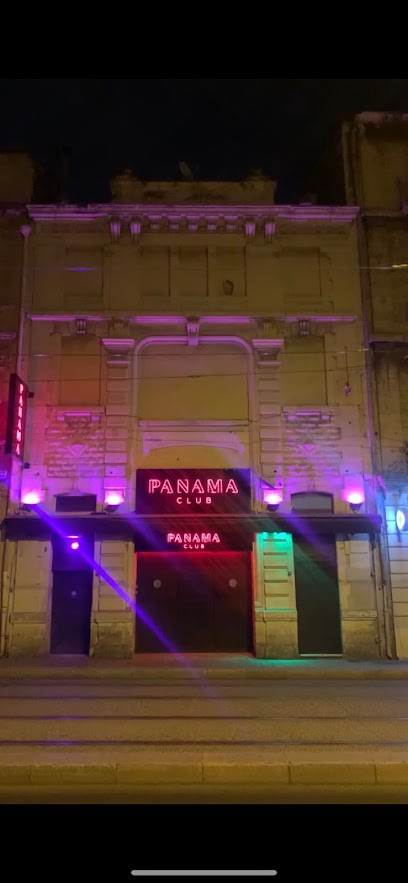
Le PANAMA CLUB
75.7 km
Discover the pulsating nightlife of Montpellier at Le PANAMA CLUB, where unforgettable nights and vibrant energy come alive.
Chez Wam - Montpellier
75.7 km
Discover the electrifying nightlife at Chez Wam, Montpellier's premier night club, where music, style, and energy come together.