Belfort Citadel Travel Guide
Free Guide: Explore centuries of military history and panoramic views at the Belfort Citadel, a symbol of French resilience and architectural evolution.


A brief summary of Belfort Citadel
Explore centuries of military history and panoramic views at the Belfort Citadel, a symbol of French resilience and architectural evolution.
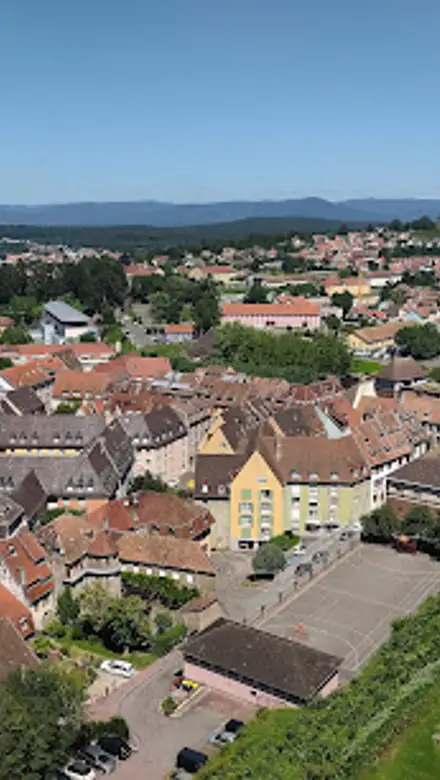
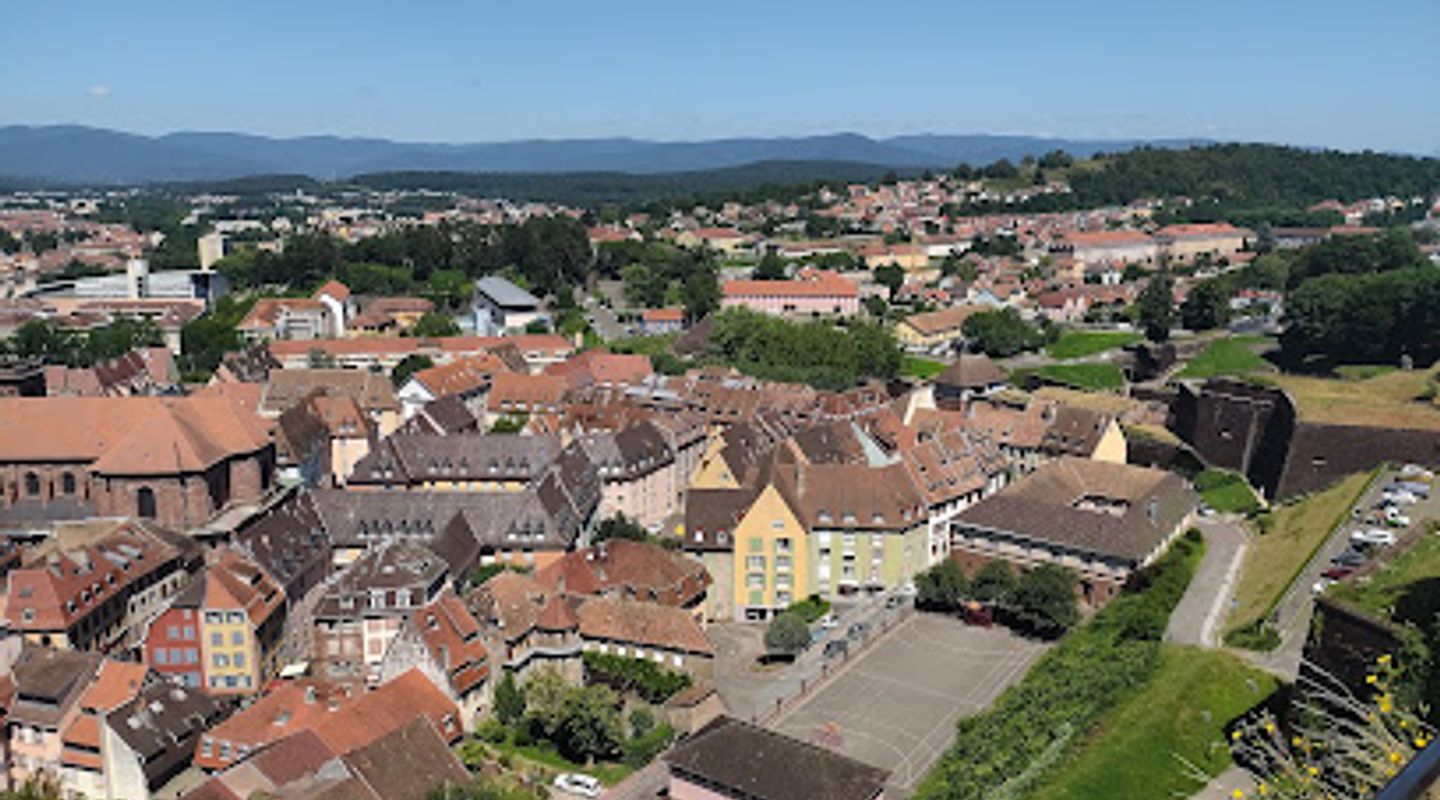
The Belfort Citadel, a historical landmark in Belfort, France, has evolved through centuries of architectural modifications. Originally a medieval castle, it was transformed by renowned military engineers like Vauban in the 17th century and Haxo in the 19th century. Today, it stands as a testament to the city's strategic importance and resilience, offering visitors a glimpse into its rich military past and stunning panoramic views.
Opening hours
- Every day8 am–8 pm
Opening hours as listed on the venue’s Google Business Profile. Hours can change for services and special events, so check with the venue before you go.
- Address
- Citadelle, 90000 Belfort
- Phone
- Website
Getting there
Walking
Public Transport
Driving
Discover more about Belfort Citadel
Overview
Dominating the city of Belfort from its rocky perch, the Citadel is a powerful symbol of the region's rich and often turbulent history. Its story stretches back to the Middle Ages, with the first castle built on the site in 1226. Over the centuries, the Citadel has been modified and expanded, reflecting advancements in military technology and the changing strategic needs of the region.In the 17th century, the Comte de la Suze adapted the fortress for artillery use. Later, Sébastien Le Prestre, Marquis de Vauban, transformed it into a complete Citadel, extending its defensive walls to protect the city. The 19th century marked the Citadel's golden age, surviving sieges during the Napoleonic Wars and undergoing further expansion by General Haxo.The Citadel played a crucial role during the Franco-Prussian War of 1870-1871, when Belfort bravely resisted Prussian attacks. Colonel Denfert-Rochereau and Mayor Édouard Mény led the city's defense for 103 days, holding out until ordered to surrender by the French government. To honor Belfort's tenacity, Frédéric Auguste Bartholdi, the sculptor of the Statue of Liberty, created the Lion of Belfort, a majestic pink sandstone statue that stands beside the Citadel.Today, the Belfort Citadel is a national heritage site, offering visitors a unique blend of history, architecture, and art. Explore the well-preserved ramparts, underground passages, and the History Museum to delve into the Citadel's past. Enjoy panoramic views of Belfort and the surrounding landscape from the Citadel's terraces. The Citadel also hosts cultural events, including concerts, workshops, and historical reenactments, particularly during the summer months.
Evendo Review Centre
 Google
Guest reviews
Explore Belfort Citadel on the map
A handpicked selection of must-see spots near Belfort Citadel, mapped for you.
Get your free copy of our complete guide to Belfort Citadel, delivered straight to you.
Everything on this page, from opening hours and how to get there to Eve’s tips and the best time to go, in one PDF you can read offline, print or share.
Already have an account? Sign in
Your Belfort Citadel guide is ready.
We'll send it to · Not you? Sign out

Getting your guide ready…
We are putting together a fresh copy of the Belfort Citadel guide. This can take up to a minute.
This can take a few moments. If your browser asks, choose Allow so the download can start. You'll find the guide in your Downloads folder.
Nothing happened? Download it again
Sorry, the guide is taking longer than usual. Please try again in a minute, or get it by email instead.
Other nearby places you may find interesting
The closest places of the same kind, if this one is not quite what you had in mind.
-
-
-
-
-


Swipe for more places
More to explore near Belfort Citadel

 Best experiences near Belfort Citadel
 Best hotels near Belfort Citadel
 Best landmarks near Belfort Citadel
 Best attractions near Belfort Citadel
 Best shops near Belfort Citadel
 Best restaurants near Belfort Citadel
 Best bars near Belfort Citadel
Do you manage this location?
Take control to get all the benefits, like improved information, better appearance, and stronger visibility across AI-powered discovery.
Explore more

Explore more of Franche-Comté
Explore Franche-Comté: A Hidden Gem of Eastern France with Medieval Towns, Scenic Mountains, and Culinary Delights.
Explore Franche-Comté
Explore more of France
Explore France: A land of romance, history, and unparalleled beauty, from the iconic streets of Paris to the serene landscapes of Provence and the luxury of the French Riviera.
Explore France