

Vanis Kvabebi Travel Guide
Free Guide: Explore the ancient cave monastery of Vanis Kvabebi in Georgia, featuring intricate caves, tunnels, and churches carved into a cliffside. A historical treasure!


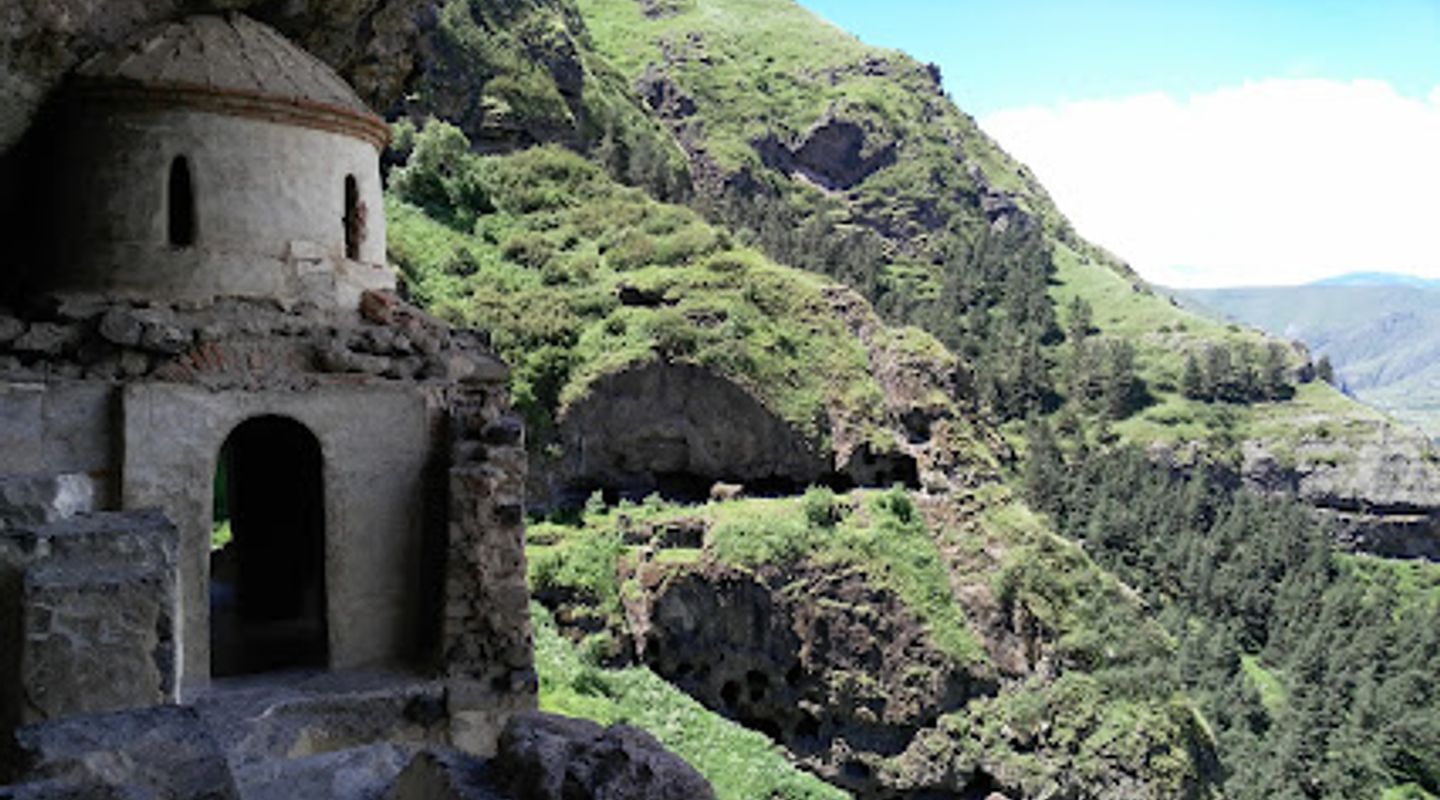
A brief summary of Vanis Kvabebi
Explore the ancient cave monastery of Vanis Kvabebi in Georgia, featuring intricate caves, tunnels, and churches carved into a cliffside. A historical treasure!
Vanis Kvabebi is a cave monastery in the Samtskhe-Javakheti region of Georgia, dating back to the 8th-13th centuries. Featuring a network of caves, tunnels, and churches carved into a cliff face, it offers a glimpse into Georgia's rich religious and cultural past.
- Address
- Khertvisi-Vardzia-Mirashkhani
Getting there
Public Transport
Taxi
Walking
Discover more about Vanis Kvabebi
Overview
Vanis Kvabebi, meaning 'the caves of Vani,' is a remarkable cave monastery complex located in the Samtskhe-Javakheti region of Georgia, near the town of Aspindza. Predating the nearby and more famous Vardzia cave city by several centuries, Vanis Kvabebi offers a unique and less crowded experience for those seeking to explore Georgia's historical and religious heritage.Founded in the 8th century, the monastery was expanded between the 9th and 11th centuries, with more cave dwellings and a church dedicated to St. George being carved into the rock. The monastery served as the family monastery of the Gurgenidze dynasty until 1191, and was rebuilt by them after an earthquake in 1089. The complex consists of around 200 rooms spread over 16 floors, including living quarters, workshops, wine cellars, secret rooms, and six churches.Visitors to Vanis Kvabebi can explore the intricate network of caves and tunnels, admiring the ancient frescoes and carvings that adorn the walls. The complex also features a defensive wall built in 1204 and a tunnel system. The monastery had a well-functioning water supply system with ceramic pipes and reservoirs. The location offers stunning views of the surrounding landscape, making it a perfect spot for photography and contemplation.Vanis Kvabebi holds historical and architectural significance, with its law book (Typikon) from the early 13th century and old manuscripts being of particular interest. The monastery was damaged by earthquakes in 1089 and 1283, and was invaded by the Persians in 1551 and the Ottomans in 1576. Monastic life flourished again in the 14th-18th centuries. The monastery was reopened in 2010, and a few monks reside there permanently.
Evendo Review Centre
 Google
Guest reviews
Explore Vanis Kvabebi on the map
A handpicked selection of must-see spots near Vanis Kvabebi, mapped for you.
Get your free copy of our complete guide to Vanis Kvabebi, delivered straight to you.
Everything on this page, from opening hours and how to get there to Eve’s tips and the best time to go, in one PDF you can read offline, print or share.
Already have an account? Sign in
Your Vanis Kvabebi guide is ready.
We'll send it to · Not you? Sign out

Getting your guide ready…
We are putting together a fresh copy of the Vanis Kvabebi guide. This can take up to a minute.
This can take a few moments. If your browser asks, choose Allow so the download can start. You'll find the guide in your Downloads folder.
Nothing happened? Download it again
Sorry, the guide is taking longer than usual. Please try again in a minute, or get it by email instead.
Other nearby places you may find interesting
The closest places of the same kind, if this one is not quite what you had in mind.
-
-
-
-
-


Swipe for more places
More to explore near Vanis Kvabebi

 Best experiences near Vanis Kvabebi
 Best hotels near Vanis Kvabebi
 Best landmarks near Vanis Kvabebi
 Best attractions near Vanis Kvabebi
 Best shops near Vanis Kvabebi
 Best restaurants near Vanis Kvabebi
 Best bars near Vanis Kvabebi
Do you manage this location?
Take control to get all the benefits, like improved information, better appearance, and stronger visibility across AI-powered discovery.
Explore more

Explore more of Samtskhe-Javakheti
Explore Samtskhe-Javakheti: A blend of ancient history, stunning landscapes, and rich culinary traditions in the heart of southern Georgia.
Explore Samtskhe-Javakheti
Explore more of Georgia
Discover Georgia: A vibrant mix of ancient history, stunning landscapes, and warm hospitality at the crossroads of Europe and Asia.
Explore Georgia
