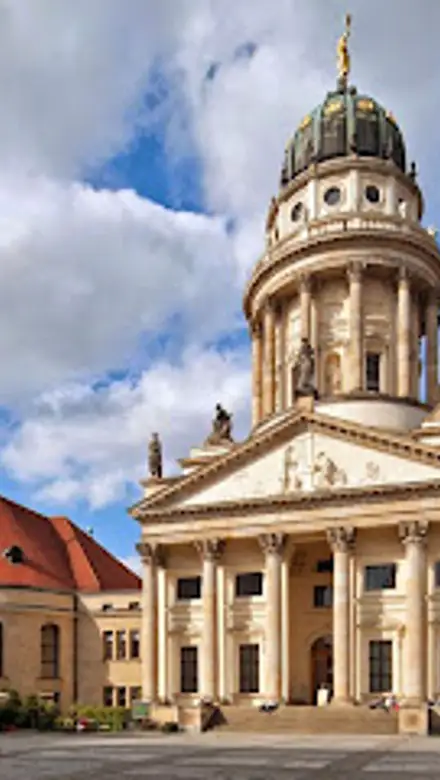
Französischer Dom, Berlin Travel Guide
Free Guide: Explore the Französischer Dom on Berlin's Gendarmenmarkt: a symbol of Huguenot history, architectural beauty, and panoramic city views, currently undergoing renovations.


A brief summary of Französischer Dom
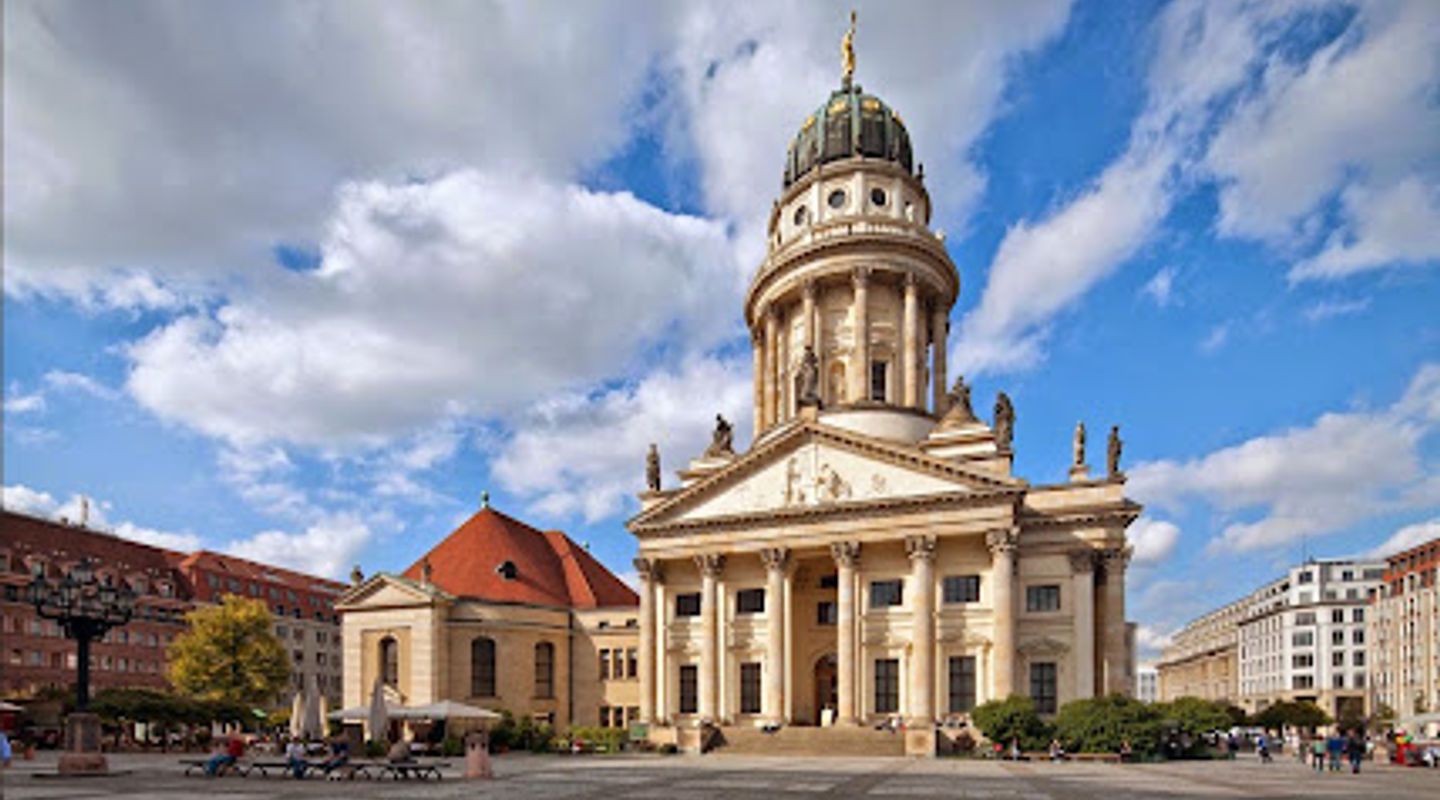
Explore the Französischer Dom on Berlin's Gendarmenmarkt: a symbol of Huguenot history, architectural beauty, and panoramic city views, currently undergoing renovations.
The Französischer Dom, or French Cathedral, isn't a cathedral in the traditional sense but rather the domed tower of the Französische Friedrichstadtkirche, gracing Berlin's Gendarmenmarkt. Built in the early 18th century for French Huguenots fleeing religious persecution, it stands as a symbol of religious tolerance and the enriching contributions of immigrants. The tower houses the Huguenot Museum, detailing their history and impact on Berlin. Visitors can ascend to the viewing platform for panoramic city views. While the church itself hosts concerts and services, the Dom's architectural beauty and historical significance make it a must-see landmark. Note that the tower is currently undergoing renovations, so check for reopening updates before planning your visit. The Gendarmenmarkt, with its harmonious ensemble of the Dom, the Deutscher Dom, and the Konzerthaus, provides a captivating backdrop for exploration and reflection.
Opening hours
- Every day10 am–7 pm
Opening hours as listed on the venue’s Google Business Profile. Hours can change for services and special events, so check with the venue before you go.
- Address
- Gendarmenmarkt 7, 10117 Berlin
- Phone
- Website
Getting there
Public Transport
Walking
Taxi/Ride-Share
Driving
Discover more about Französischer Dom
Overview
The Französischer Dom, often referred to as the French Cathedral, is one of the most recognizable landmarks on Berlin's Gendarmenmarkt, widely considered the city's most beautiful square. However, the name can be misleading, as the 'Dom' refers to the dome-topped tower, not a cathedral in the traditional, religious sense. The tower is adjoined to the Französische Friedrichstadtkirche (French Church of Friedrichstadt), and the two structures together form a significant historical and architectural ensemble. The history of the Französischer Dom is deeply intertwined with the story of the Huguenots, French Protestants who faced persecution in their homeland during the 16th and 17th centuries. In 1685, Elector Friedrich Wilhelm of Brandenburg issued the Edict of Potsdam, offering refuge and religious freedom to these persecuted Protestants. This act of tolerance led to a significant influx of Huguenots into Brandenburg, including Berlin, where they made up a considerable portion of the city's population. The Französische Friedrichstadtkirche was constructed between 1701 and 1705 by Jean Cayart and Abraham Quesnay as a place of worship for the growing French Protestant community. The church's design reflected the Reformed tradition, characterized by its simplicity and lack of elaborate ornamentation. The interior was intentionally austere, devoid of imagery or crosses, focusing instead on the spoken word and the community's shared faith. In the 1780s, King Frederick II (Frederick the Great) commissioned Carl von Gontard to redesign the Gendarmenmarkt, aiming to create a visually harmonious and representative square. Inspired by the Piazza del Popolo in Rome, Frederick envisioned two domed towers flanking the Konzerthaus (then the Royal Theatre), creating a sense of symmetry and grandeur. As a result, the Französischer Dom and the Deutscher Dom (German Cathedral) were built. The Huguenot community ceded their cemetery to allow for the tower's construction, receiving in return the perpetual right to use the tower free of charge. The towers, while visually striking, were primarily decorative and served no specific religious function for the churches they adjoined. The Französischer Dom's tower, in particular, became a symbol of the French community's integration into Berlin and a testament to the city's commitment to religious tolerance. Over the centuries, the Französischer Dom has undergone several transformations. In 1905, the church's interior was remodeled in a Neo-Baroque style by Otto March, reflecting the architectural tastes of the time. However, during World War II, both the church and the tower suffered extensive damage from bombing raids. The buildings remained in ruins for many years, serving as a stark reminder of the war's devastation. Reconstruction efforts began in 1981, with the goal of restoring the Französischer Dom to its former glory. The reconstructed church reopened in 1983, and the tower, complete with a viewing balustrade and carillon, was inaugurated in 1987, commemorating Berlin's 750th anniversary. Today, the Französischer Dom serves multiple purposes. The Französische Friedrichstadtkirche continues to be an active church, hosting services, concerts, and other events. The Dom's tower houses the Huguenot Museum, which chronicles the history of the Huguenots, their flight from France, and their contributions to Berlin and Brandenburg. The museum features a collection of artifacts, documents, and artwork that illuminate the Huguenots' cultural, economic, and intellectual impact on the region. Visitors can also ascend to the viewing platform atop the Dom's tower, which offers panoramic views of Berlin's cityscape. From this vantage point, one can admire the Gendarmenmarkt's architectural ensemble, including the Konzerthaus and the Deutscher Dom, as well as other iconic landmarks such as the Berlin Cathedral and the TV Tower. The Gendarmenmarkt itself is a vibrant public space that hosts a variety of events throughout the year, including open-air concerts, markets, and festivals. The square's harmonious architecture and lively atmosphere make it a popular destination for both locals and tourists. The Französischer Dom stands as a powerful symbol of Berlin's history, resilience, and commitment to religious tolerance. It is a place where visitors can learn about the Huguenots' story, admire the city's architectural heritage, and reflect on the importance of diversity and inclusion. A visit to the Französischer Dom offers a multifaceted experience that combines history, culture, and breathtaking views. Currently, the tower is undergoing renovations, so access to the Huguenot Museum and the viewing platform may be limited. It's advisable to check the official website for updates on the reopening schedule before planning a visit. Despite the ongoing renovations, the Französischer Dom remains a captivating landmark that embodies Berlin's spirit of openness and its rich cultural heritage. Its presence on the Gendarmenmarkt serves as a constant reminder of the city's past and its enduring values.
Evendo Review Centre
 Google
Guest reviews
Explore Französischer Dom on the map
A handpicked selection of must-see spots near Französischer Dom, mapped for you.
Get your free copy of our complete guide to Französischer Dom, delivered straight to you.
Everything on this page, from opening hours and how to get there to Eve’s tips and the best time to go, in one PDF you can read offline, print or share.
Already have an account? Sign in
Your Französischer Dom guide is ready.
We'll send it to · Not you? Sign out

Getting your guide ready…
We are putting together a fresh copy of the Französischer Dom guide. This can take up to a minute.
This can take a few moments. If your browser asks, choose Allow so the download can start. You'll find the guide in your Downloads folder.
Nothing happened? Download it again
Sorry, the guide is taking longer than usual. Please try again in a minute, or get it by email instead.
Unlock the best of Französischer Dom
Skip-the-line tickets, guided tours with entry, and walking tours of the area, booked in a few clicks.
 Tour with entry
Discover Berlin Half-Day Walking Tour
from $21.36 Tour with entry
Berlin by Night Illuminated Landmarks Walking Tour
from $29.90 Tour with entry
3 Hour Berlin Bike Tour Brandenburg Gate Reichstag and WWII Sites
from $94.05 Tour with entry
Berlin Private Half-Day Walking Tour: Discover the German Capital’s History
from $319.33


Other nearby places you may find interesting
The closest places of the same kind, if this one is not quite what you had in mind.
-
-
-
-
-


Swipe for more places
More to explore near Französischer Dom

 Best experiences near Französischer Dom
 Best hotels near Französischer Dom
 Best landmarks near Französischer Dom
 Best attractions near Französischer Dom
 Best shops near Französischer Dom
 Best restaurants near Französischer Dom
 Best bars near Französischer Dom
Do you manage this location?
Take control to get all the benefits, like improved information, better appearance, and stronger visibility across AI-powered discovery.
Explore more
Explore more of Mitte
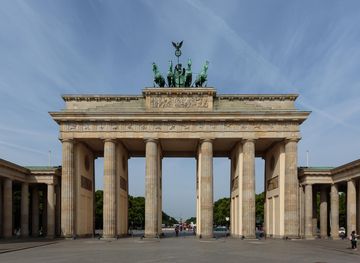
Discover Mitte: Berlin's vibrant core, where history, culture, and modernity converge to create an unforgettable destination for every traveler.
Explore Mitte
Explore more of Berlin
Berlin: A fascinating blend of history, culture, and modernity, offering everything from historic landmarks to vibrant nightlife and culinary delights.
Explore Berlin