Wappenbrunnen, Brandenburg Travel Guide
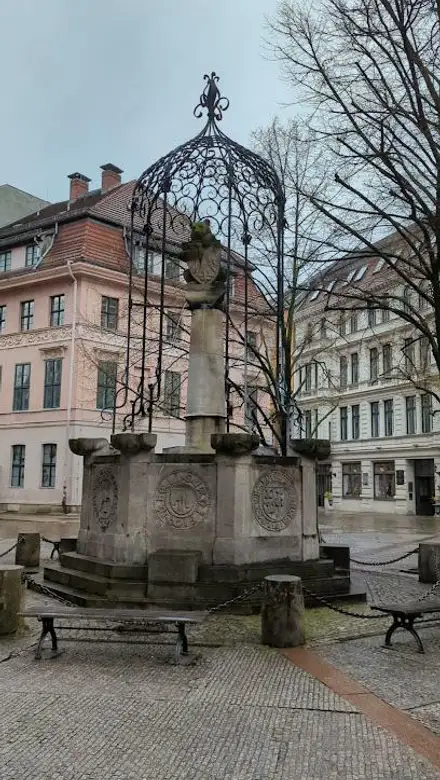
Discover Berlin's medieval roots at the Wappenbrunnen, a symbolic fountain in the heart of the historic Nikolai Quarter, commemorating the city's founding and rich guild heritage.
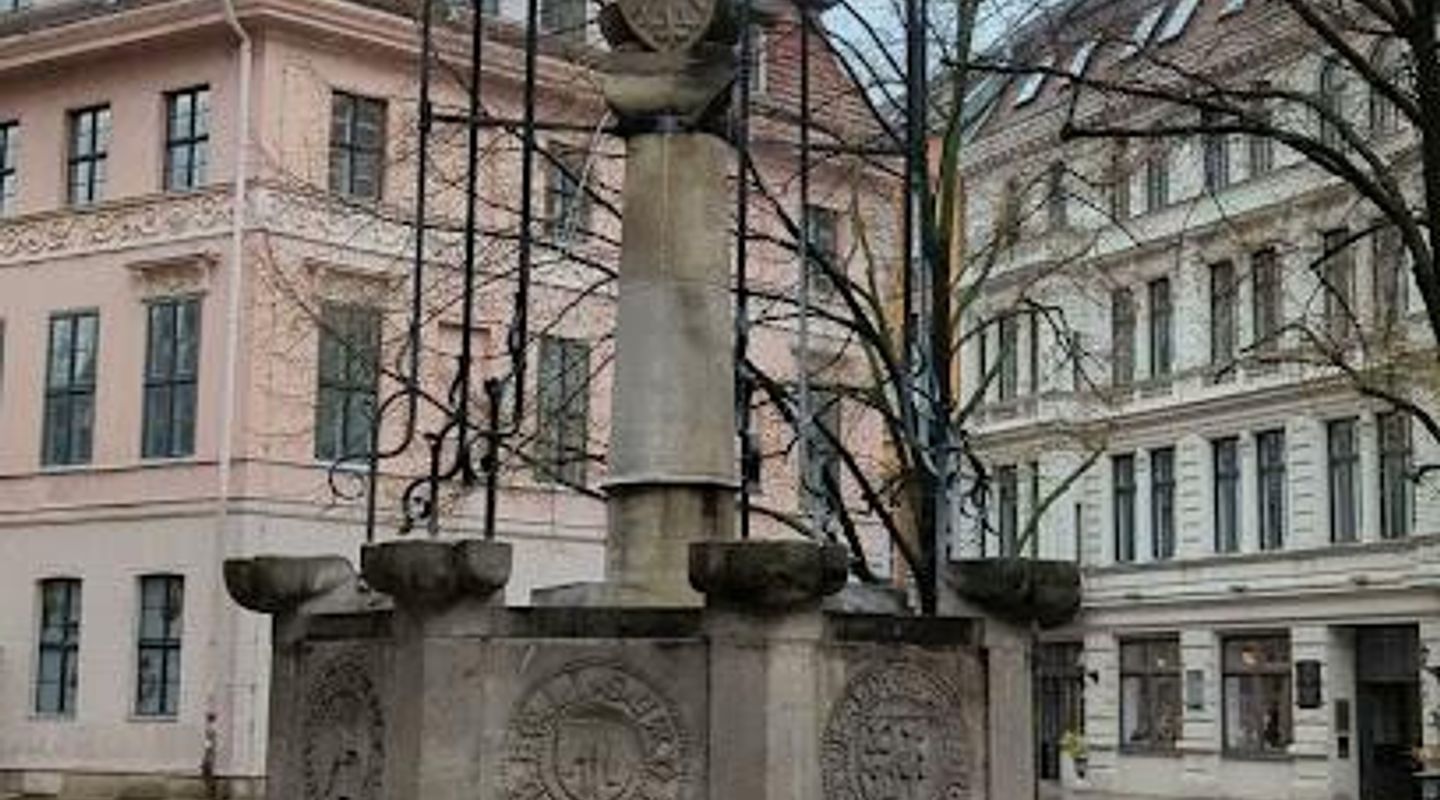
The Wappenbrunnen, or Coat of Arms Fountain, is a charming historical landmark nestled in Berlin's oldest settlement area, the Nikolai Quarter. Located on Nikolaikirchplatz, near the iconic Nikolaikirche (St. Nicholas Church), this fountain commemorates the founding of Berlin. Constructed in 1987, it features an octagonal basin adorned with the coats of arms representing Berlin and Cölln's historical guilds, such as butchers, bakers, shoemakers, and cloth makers, documented in the original Berlin charters from the 15th century. A column rises from the center, topped with a bear, the symbol of Berlin, holding a coat of arms with an eagle. The Wappenbrunnen serves as a picturesque meeting point and a reminder of the city's rich heritage, offering visitors a glimpse into Berlin's medieval roots and the guilds that shaped its early development. Its central location makes it easily accessible and a delightful spot to pause and appreciate the history surrounding it.
A brief summary to Wappenbrunnen
- Berlin, Mitte, 10178, DE

Know before you go
Hi, I'm Eve. Here are a few practical things to know before exploring Wappenbrunnen.
- Visit the Wappenbrunnen during the evening for a magical experience as the fountain and Nikolaiviertel are beautifully illuminated.
- Explore the nearby Nikolaikirche museum to delve deeper into the history of Berlin and the Nikolai Quarter.
- Take a stroll through the Nikolaiviertel's pedestrian zone to discover charming shops, cafes, and restaurants offering a taste of Berlin's local culture.
Do you manage this location?
Take control to get all the benefits, like improved information, better appearance, and stronger visibility across AI-powered discovery. Learn more about listing your business on Evendo
Activate your presenceOther nearby places you may find interesting
The closest places of the same kind, if this one is not quite what you had in mind.


Explore Wappenbrunnen on the Map
A handpicked selection of must-see spots near Wappenbrunnen, mapped for you.
Unlock the Best of Wappenbrunnen
Buy tickets
-
No tickets available
Book tours with entry

Book tours without entry
-
No tours available
Getting There
-
Public Transport
The Wappenbrunnen is easily accessible via public transport. Take the U2 or U8 subway line to the U Alexanderplatz station, or the U5 to the U Rotes Rathaus station. From either station, it's approximately a 5-10 minute walk to the Nikolaiviertel. Alternatively, several bus lines (100, 147, 200, 248) stop near the Nikolaiviertel (Nikolaiviertel or Jüdenstr. stops), leaving you within a short walking distance of the fountain. A single public transport fare (AB zone) is approximately €3.20.
-
Walking
If you are already in the Mitte district, walking to the Wappenbrunnen is a pleasant option. From Alexanderplatz, head southwest towards the Rotes Rathaus (Red City Hall). Continue past the Rotes Rathaus, following the signs to the Nikolaiviertel. The Wappenbrunnen is located on Nikolaikirchplatz, directly in front of the Nikolaikirche. The walk from Alexanderplatz takes approximately 10-15 minutes.
-
Taxi/Ride-Share
A taxi or ride-sharing service (Uber, Bolt) is a convenient option, especially if coming from further away or with luggage. Simply request a ride to Nikolaikirchplatz, Berlin. Be aware that traffic can be heavy in the city center, especially during peak hours. A short taxi ride from Alexanderplatz to Nikolaikirchplatz will typically cost around €8-€12, depending on traffic and the specific service used.
Discover more about Wappenbrunnen













Your all‑in‑one travel companion app
Explore expert travel guides, compare and book tours, experiences, hotels, and more—all from the palm of your hand. Download now for seamless trip planning wherever your wanderlust takes you.


Explore More of Brandenburg
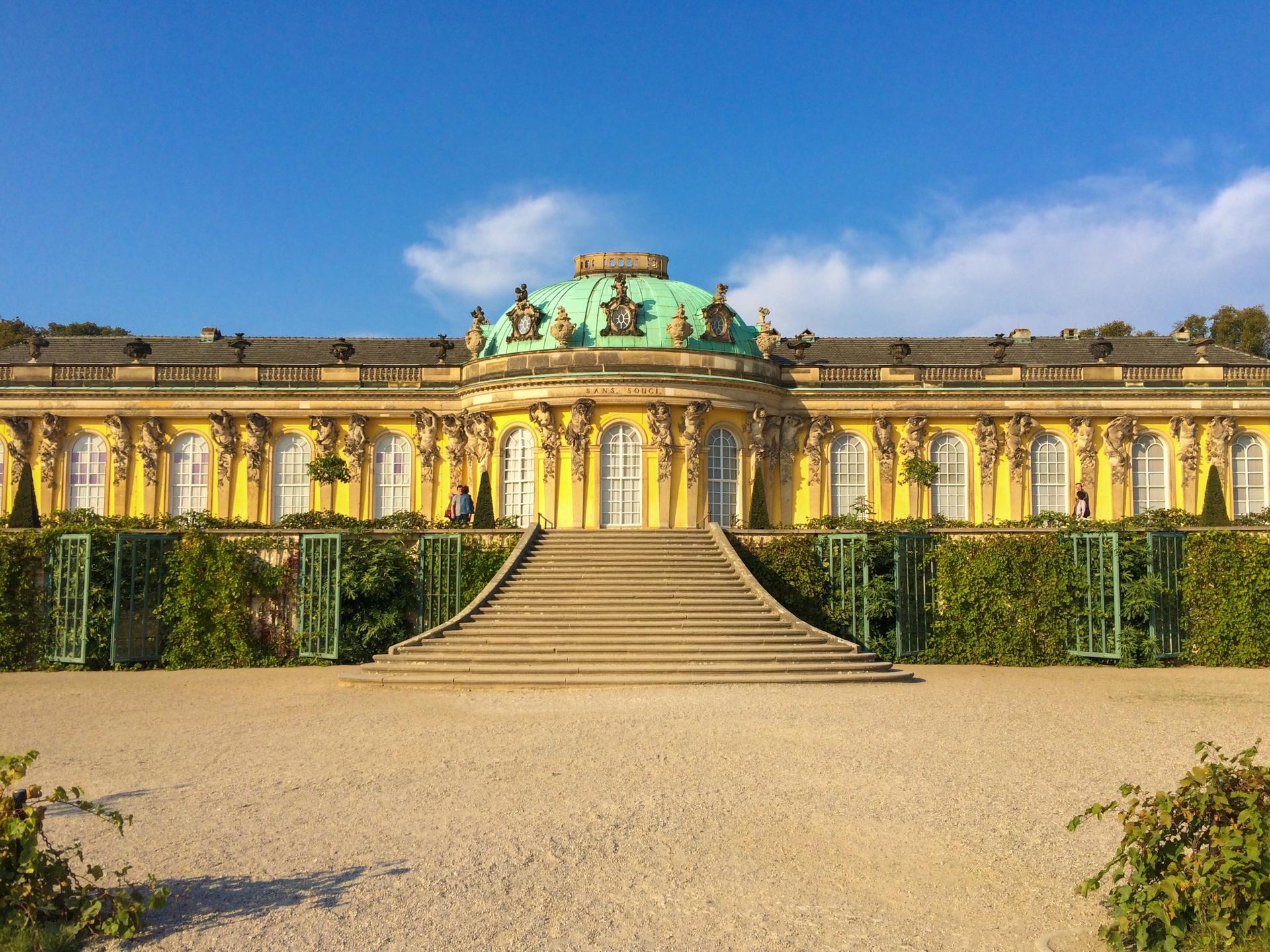
Looking beyond Wappenbrunnen? Discover Brandenburg for broader travel guides, local hot-spots, and regional highlights.
Explore Brandenburg
Discover Berlin's iconic Buddy Bears: colorful symbols of tolerance, unity, and the city's vibrant art scene, scattered throughout the heart of Berlin.
Explore the charming Museum Knoblauchhaus in Berlin, a historical gem showcasing 19th-century life and culture amidst the city's rich heritage.